Why California Citrus Roots Stay Active Even As Nights Cool
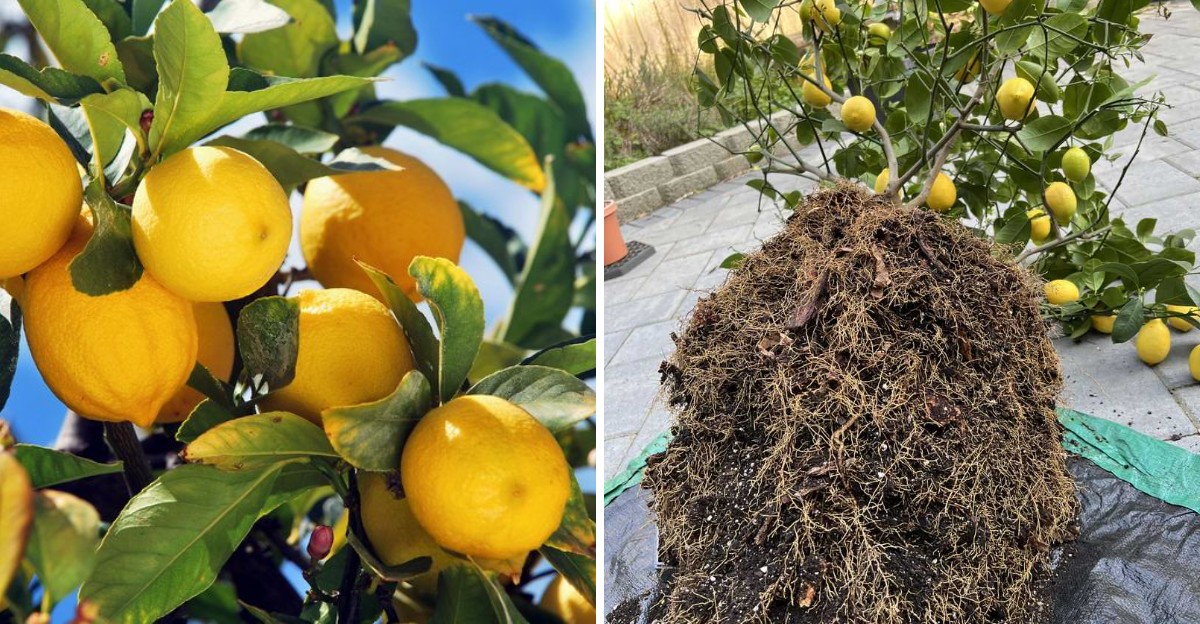
Cooler fall evenings can make it seem like a citrus tree is winding down for the year. A hand pressed into the soil often tells a different story, since the ground still feels surprisingly warm.
Across much of California, citrus roots keep working well after nights turn crisp.
Soil holds heat much longer than air, so the root zone can stay comfortable for weeks. Meanwhile, leaves and shoots above may already be slowing down.
That split between soil and air shapes smart choices about watering, feeding, mulching, and frost protection.
UC ANR citrus guidance helps explain what’s happening below ground, though conditions vary quite a bit from the foggy coast to hot inland valleys.
1. Soil Holds Heat Longer Than Air
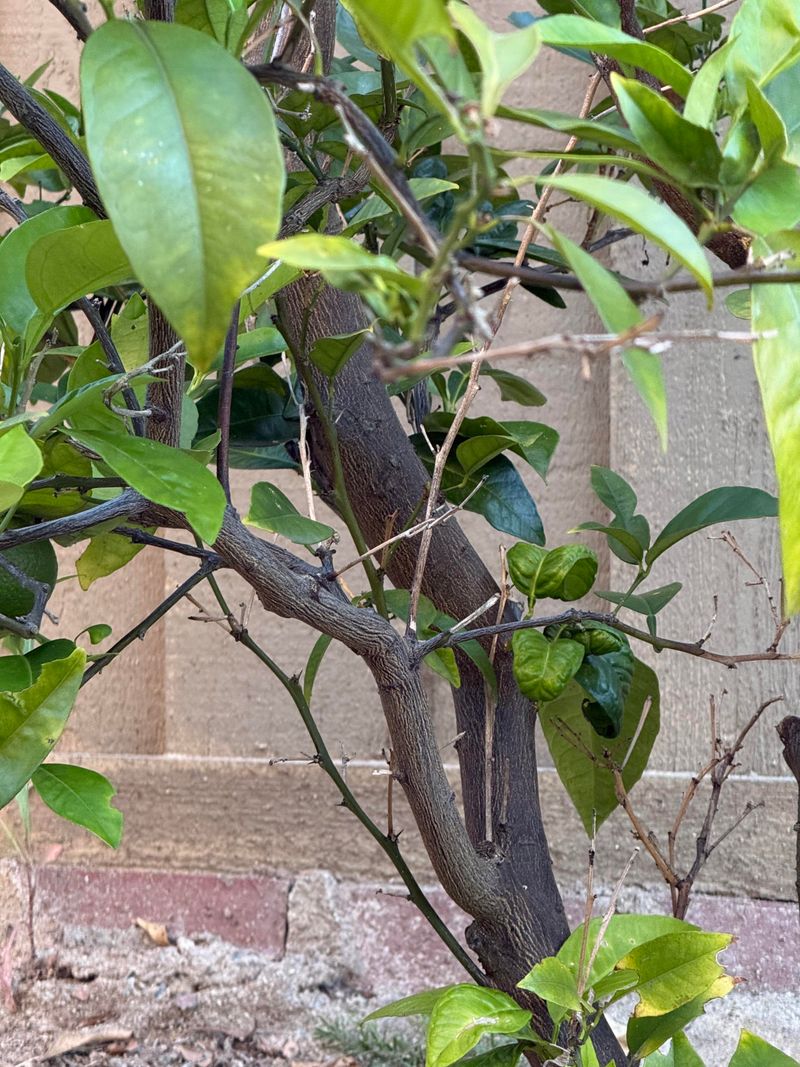
A swimming pool in early October offers a useful comparison. Night air feels chilly, yet the water stays pleasantly warm for weeks, and soil behaves much the same way.
Air heats up and cools down quickly. One clear night can drop air temperature fast, especially in inland valleys.
Soil is denser and packed with moisture, so it absorbs heat slowly all summer and releases it slowly in fall. It works a lot like a giant thermal battery sitting under the tree.
The deeper the soil, the steadier the temperature. The top inch might cool off on a frosty morning, but conditions a few inches down, where many feeder roots live, change more gradually.
A chilly evening breeze doesn’t instantly reach the root zone. That buffer gives roots extra time to keep working.
A simple backyard test reveals the difference. An inexpensive soil thermometer set about six inches deep near the drip line, checked in the morning, can be compared with the air temperature on a phone.
Many California gardeners notice soil running noticeably warmer than morning air in fall. The gap often surprises first-time testers.
Regional differences matter, too. Coastal yards have mild air and mild soil, while Central Valley yards see bigger swings.
The pattern still holds almost everywhere in the state: air cools first, and soil follows behind. That lag makes every other fall citrus decision easier to understand.
2. Roots Keep Growing While Soil Stays Warm
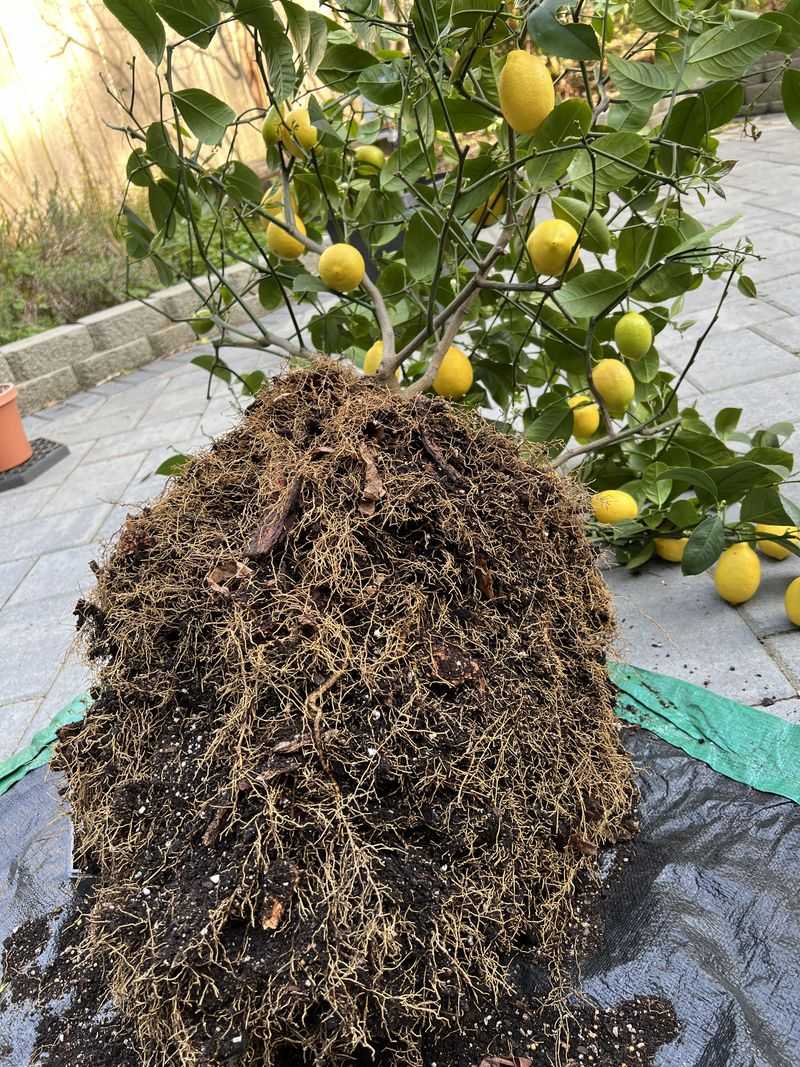
Underground, a quiet construction crew is still clocking in. While people pull on sweaters, the fine feeder roots of an orange or lemon tree may be stretching into fresh soil.
Their work schedule follows the soil, not the evening forecast. UC ANR explains that citrus roots tend to grow in flushes, often alternating with bursts of shoot growth.
Root activity depends heavily on soil temperature, so warm fall ground gives roots a chance to keep exploring. They absorb water, take up nutrients, and store energy for the months ahead.
Most citrus feeder roots sit fairly shallow, often in the top foot or two of soil. That location makes them sensitive to how the ground around the tree gets treated.
Heavy foot traffic, deep digging, or rough weed pulling can damage roots that are still on the job. Fall works best as a root-building season rather than a shutdown.
Your California Garden Changes Every Week. Your Plan Should Too.
Gardening in California changes quickly throughout the season. Every Friday you’ll receive a simple weekly plan showing exactly what to plant, prune, fertilize, harvest, and protect so you never miss the right timing.
Keeping the area under the canopy free of grass reduces competition for water and nutrients. Tilling near the trunk is best avoided, since it can slice through roots that never show above ground.
Citrus roots have very few root hairs compared with many plants. They rely on helpful soil fungi called mycorrhizae to gather nutrients efficiently.
Healthy, undisturbed soil supports those fungal partners. A gentle touch now pays off later, keeping that underground cooperative running smoothly through winter.
3. Top Growth Slows Before Roots Do
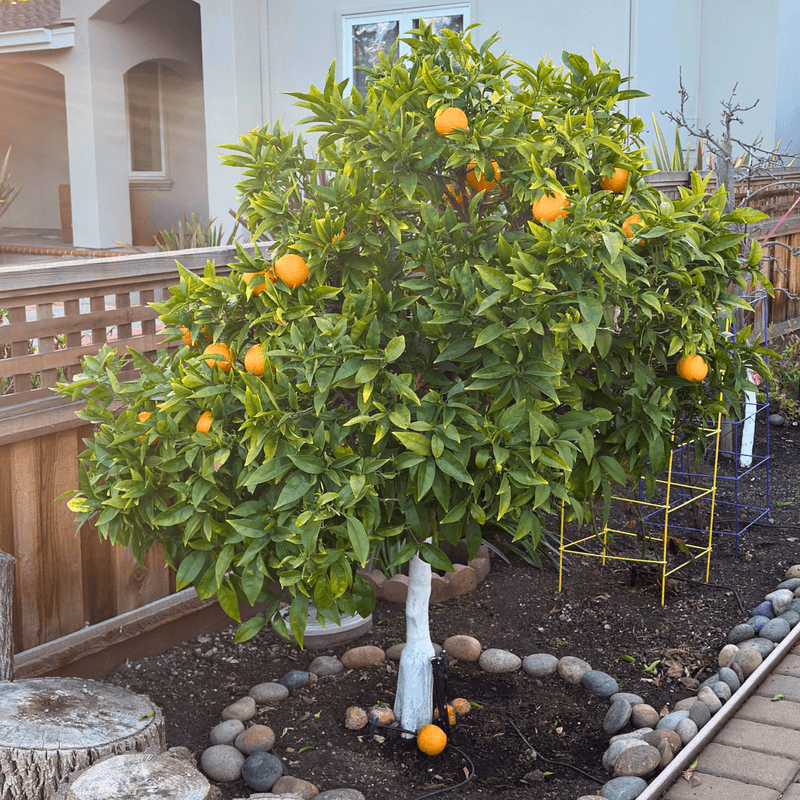
By mid-fall, many California citrus trees stop pushing out bright, lime-green leaves. The canopy looks calm and settled, which makes it easy to assume the whole plant has gone to sleep.
Shorter days and cooler air send signals to the canopy. Leaves and shoots respond quickly to those changes, so new top growth often tapers off first.
The leaves visible now are mostly mature, darker, and tougher than spring flushes. They’re built to carry the tree through the cooler months.
Roots in warmer soil can lag behind that slowdown. For a stretch of fall, the above-ground part coasts while the below-ground part keeps busy.
The tree quietly shifts energy toward roots, fruit, and stored reserves instead of fresh leaves. Judging it only by the canopy can lead to costly mistakes.
A quiet canopy doesn’t mean water can be forgotten. Roots still need moisture to support ripening fruit, especially on navels and mandarins that mature in late fall and winter.
A calm canopy also helps the tree handle cold. Mature leaves resist chilling better than tender new shoots, so a slow top is actually a good sign heading into winter, not a problem to fix.
A slow weekly walk around the tree offers helpful reassurance. Mature leaves, steady fruit, and no wilting all show the tree is pacing itself well, even when it seems a bit lazy upstairs.
4. Cool Soil Eventually Slows Root Activity
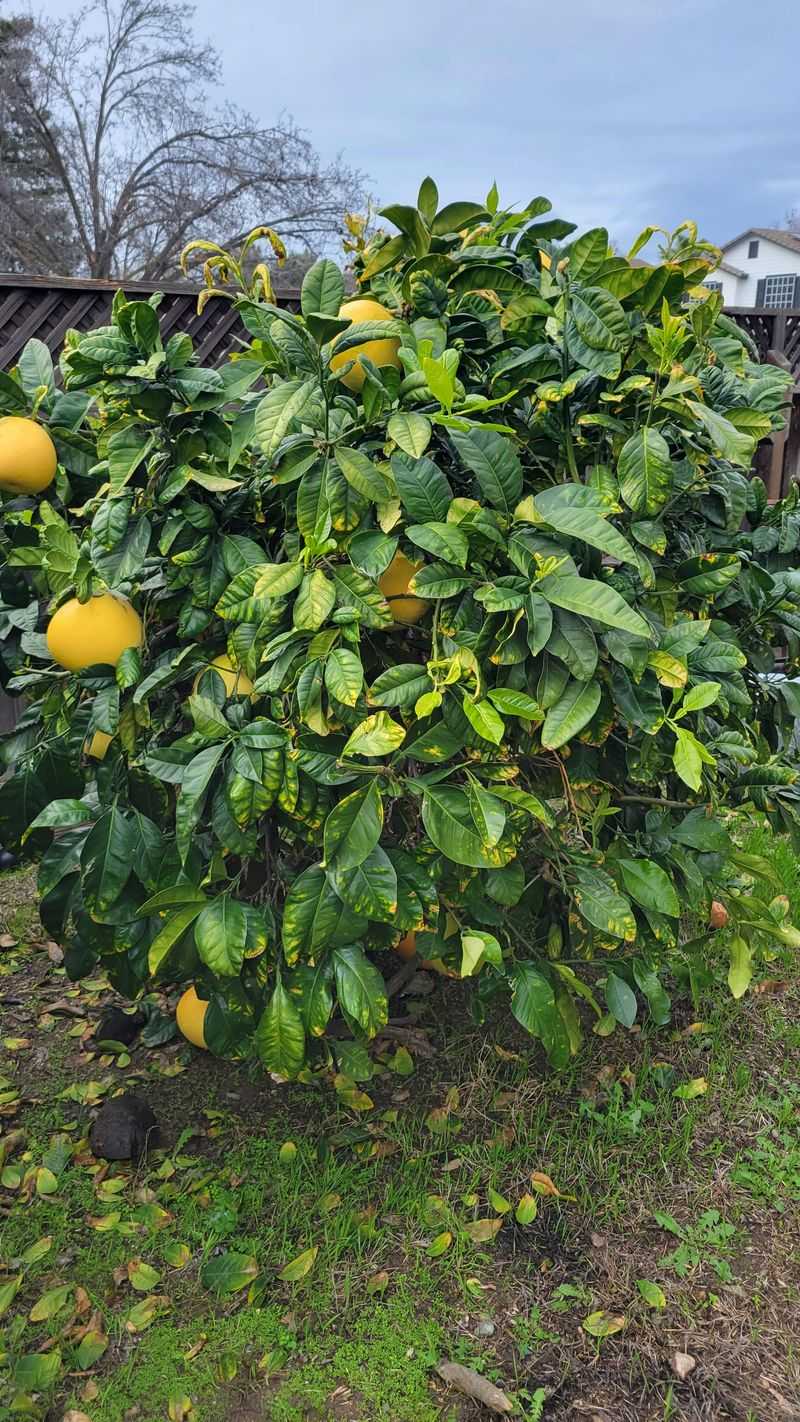
Warm soil doesn’t last forever. Sometime between late fall and midwinter, depending on location, the ground finally gives up its stored summer heat.
As it cools, citrus roots gradually ease off. UC ANR notes that root growth and water uptake slow as soil temperatures drop.
The change happens gradually rather than like a switch flipping off. Roots stay alive and functional, but they grow less and drink less than they did in September.
Timing varies a lot across California. A Riverside yard on a sunny slope may keep warm soil far longer than a shady spot in Sacramento.
Coastal soil stays mild but rarely gets hot, so roots there may run at a steady, modest pace. Clay soil, sandy soil, and shade all shift the schedule too.
Exact temperatures for this slowdown get quoted online often. Those numbers deserve caution, since UC ANR guidance focuses on the trend rather than a single magic figure.
Soil thermometer readings taken over several weeks tell a more honest story for each yard.
Slower roots bring one big risk: soggy soil. Cool, wet ground that roots barely drink from can stay saturated for days.
Those conditions invite root rot caused by Phytophthora, a water mold that thrives in cold, waterlogged soil. Good drainage and a shift away from a summer watering schedule both help.
Cool soil simply calls for a lighter hand on the hose.
5. Fall Watering Still Matters
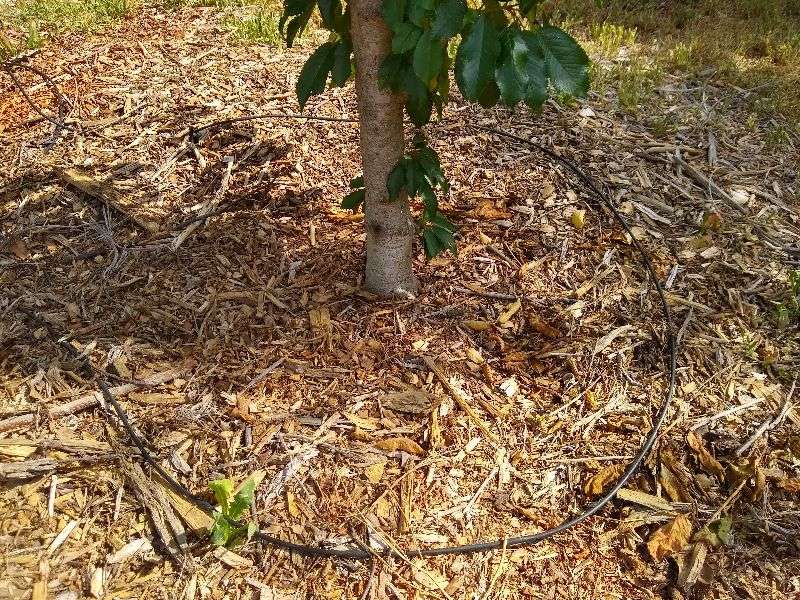
A common fall mistake starts with a coiled-up hose. The weather cools, watering stops, and weeks later fruit splits or leaves curl without an obvious cause in sight.
Active roots still need regular water. California falls are often dry, with warm, breezy days and Santa Ana winds in the south.
Those conditions can pull moisture from leaves and soil faster than expected, even when nights feel chilly. A cool evening can be quite misleading.
UC ANR advises adjusting irrigation to the weather instead of following a fixed calendar. Cooler days mean the tree uses less water, so watering happens less often, though not never.
Rains arrive late in some years. Young trees with small root systems dry out especially quickly in warm spells.
A simple finger or probe test helps. Dry soil a few inches down near the drip line, where many feeder roots sit, signals time for a deep watering.
Damp soil means waiting a few more days.
Deep, occasional watering beats frequent sprinkles. Soaking the whole root zone and letting the top layer dry slightly before the next round works best.
Once winter rains settle in, watering can usually ease off or stop.
Moist soil also holds heat better than dry soil. Well-timed watering before a predicted cold night can give the tree a little extra warmth, a small hydration investment that pays interest.
6. Skip Heavy Fertilizer As Growth Slows
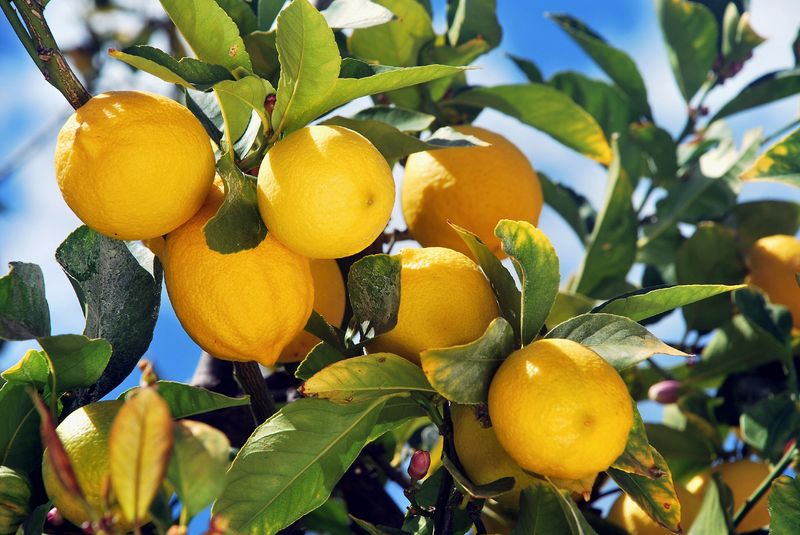
That bag of citrus food can wait. A big scoop of nitrogen in November might feel like a kind gift, but the tree probably won’t appreciate it.
UC ANR guidance generally schedules citrus fertilizing for late winter through early summer, often split into a few smaller feedings. That timing matches the main spring growth flush and fruit set.
Late in the year, as top growth slows, the tree simply can’t use a heavy dose well. Extra nitrogen in fall can cause two unhelpful problems.
First, it may push tender new shoots right before cold weather arrives. Those soft leaves freeze far more easily than mature ones.
Second, unused fertilizer can wash out of the root zone with winter rains. That wastes money and can pollute waterways.
Active roots do take up some nutrients. Still, active roots don’t mean the tree wants a feast.
A light, steady diet earlier in the year builds the reserves it relies on through fall.
Yellowing leaves in fall deserve a closer look before any fertilizer comes out. Cool soil can slow nutrient uptake, causing temporary paleness that often greens up in spring.
Overwatering can cause similar symptoms, too.
A calendar note works better than a fall feeding. A first application in late winter, around February in many areas, at the label rate for tree age keeps things on track.
Patience here works as a slow-release growth strategy of its own.
7. Mulch Protects Active Roots
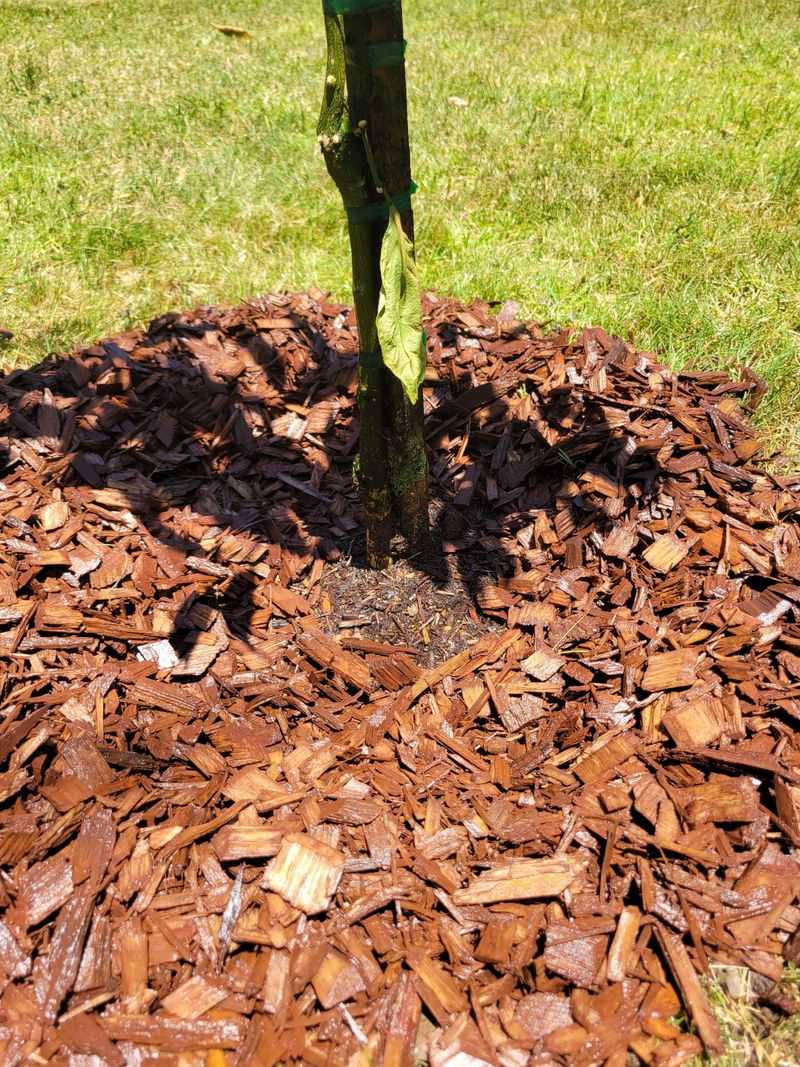
A cozy blanket with good manners keeps soil comfortable without smothering anything, and that’s exactly the role mulch plays. For shallow citrus roots still working in fall, that blanket makes a real difference.
A layer of coarse organic mulch, such as wood chips, slows heat loss from the soil surface. It also shields the ground from harsh afternoon sun and drying winds.
The result is steadier soil temperature and moisture, which suits busy feeder roots perfectly. UC ANR materials recommend mulching citrus, with one important catch.
Mulch should stay several inches to a foot away from the trunk. Piled against the bark, it holds moisture there and can encourage trunk diseases like Phytophthora gummosis.
The ideal shape looks like a donut rather than a volcano. A layer a few inches thick, spread toward the drip line and beyond, works well.
Wood chips from local tree services often cost little or nothing. Fine materials that mat down and block air are best avoided.
Frost-prone areas come with a twist. On very cold nights, bare, moist, firm soil releases more stored heat into the canopy than mulched soil does.
Some UC frost guidance suggests pulling mulch back temporarily in colder inland valleys.
Coastal gardeners rarely need to worry about this. A refresh once or twice a year as mulch breaks down keeps roots stable, adds organic matter, and reduces weeds.
That’s a pretty good deal for a pile of chips.
8. Cold Snaps Still Threaten The Canopy First
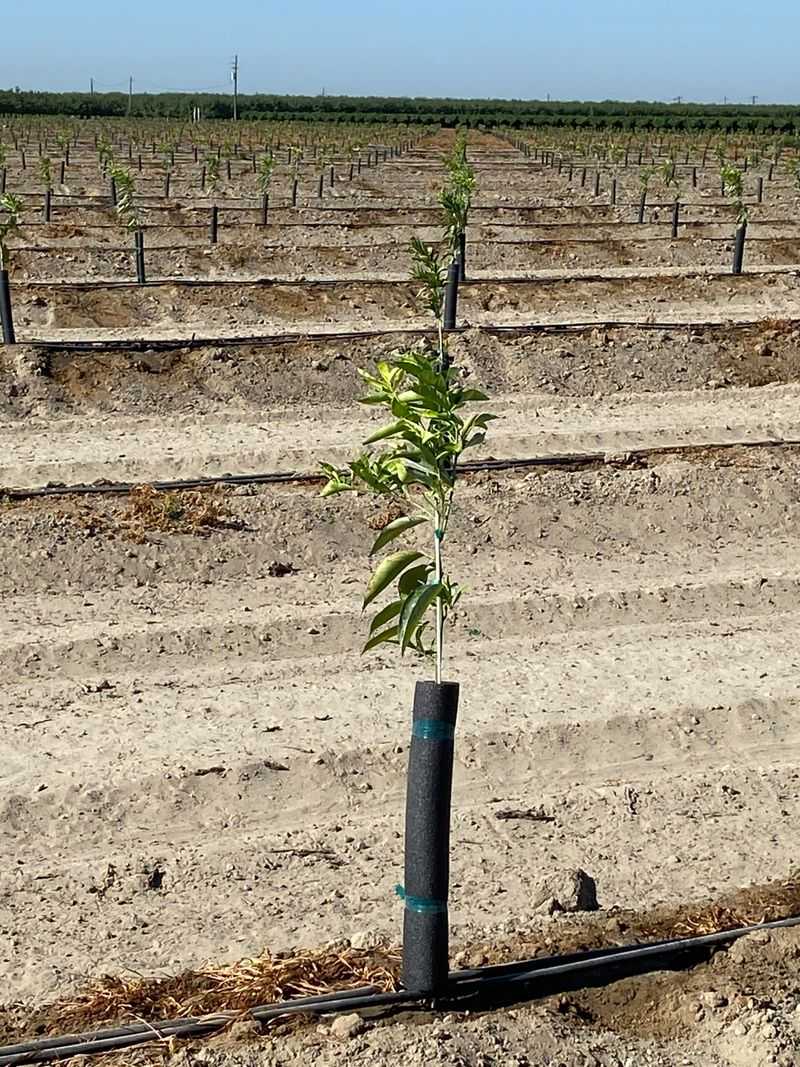
Warm roots can’t hand out jackets. On a clear, still December night, frost can settle on leaves and fruit while the soil below stays fairly mild.
Busy roots do nothing to stop that frost damage up top. Young shoots, tender leaves, and fruit are the most exposed parts of the tree.
Mandarins and lemons tend to be more sensitive than many oranges. Young trees also suffer more than established ones, and ripe fruit can freeze inside and turn dry or mushy.
Forecasts deserve close attention, especially in inland valleys and low spots where cold air pools. UC ANR frost guidance offers several smart moves.
Watering the soil a day or two ahead helps it store more heat. Frost cloth draped all the way to the ground over small trees traps warmth rising from the soil.
Old-style incandescent holiday lights under the cover add gentle heat, while newer LED lights give off very little warmth. Covers should come off during the day to prevent overheating.
Wrapping young trunks with insulating material protects the graft area. Leaf loss is recoverable, but bark damage near the base is much harder to fix later.
Frost-nipped leaves call for patience rather than quick pruning. UC ANR suggests waiting until spring growth reveals the true extent of damage.
Rough-looking leaves still shelter the wood below, and citrus often bounces back with surprising zest.