How To Reduce Clover In Your Lawn With Natural Methods
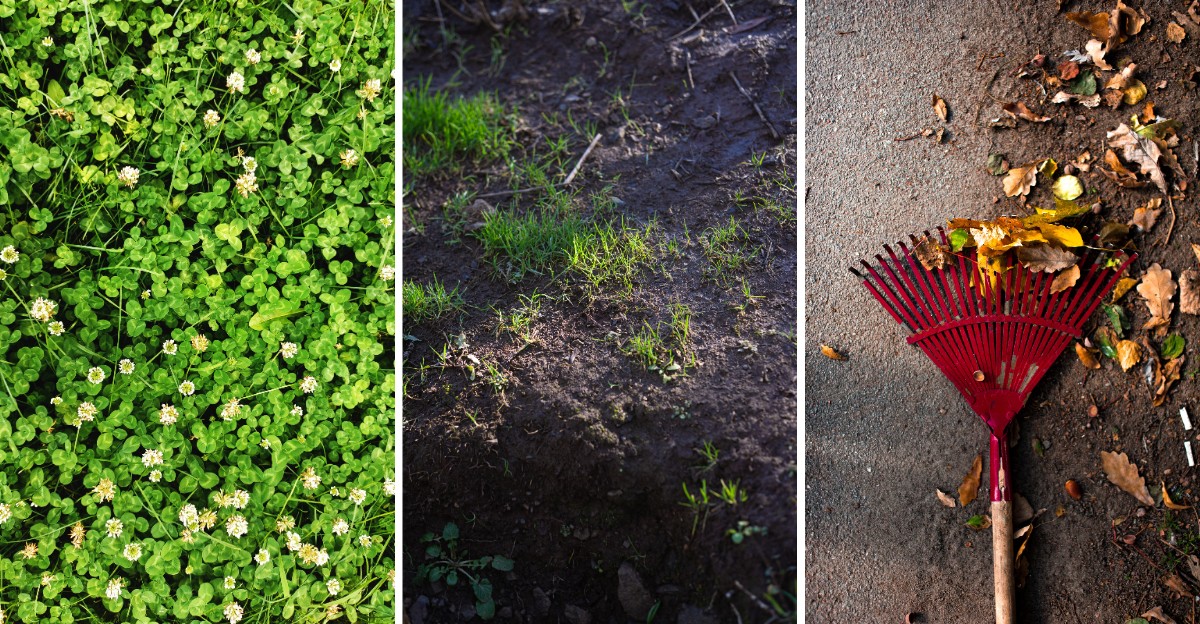
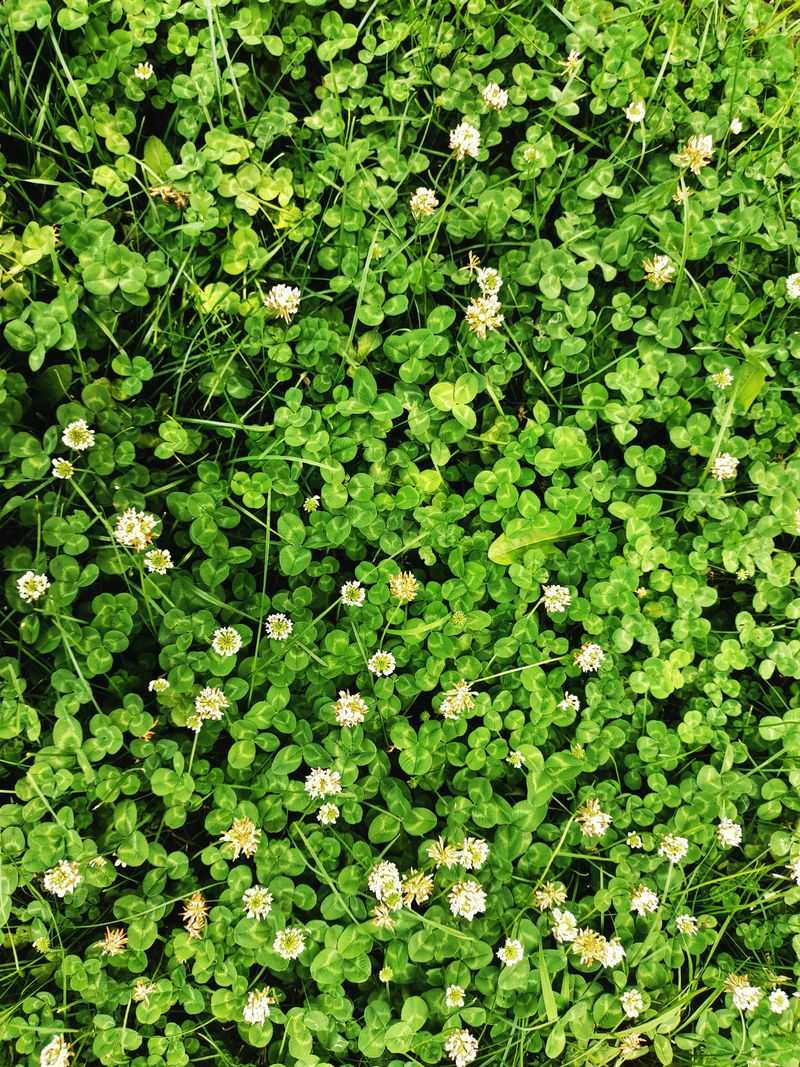
Clover just moved into your lawn, and it brought its own fertilizer. Bacteria in its roots pull nitrogen from the air, which explains your thick green patches.
You get a short window each fall, because soil holds warmth long after air cools. Grass seed sprouts fast in warm fall soil, so your lawn thickens before frost.
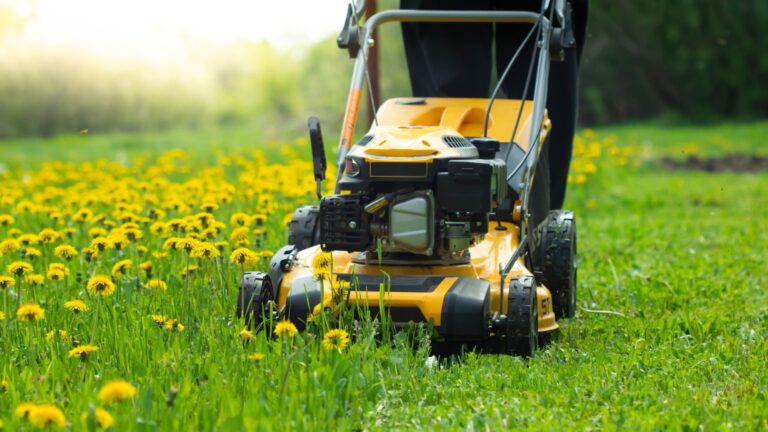
Thick turf shades the soil you walk on, and clover seedlings lose their foothold. Mow higher, and you limit the sunlight clover needs to spread.
Spraying herbicide on blooming clover removes forage the bees are visiting. Feed your lawn with compost instead, since fertile soil favors grass over clover.
Rake leaves weekly, and thin spots stop offering clover an easy opening. Water deeply instead of daily, because shallow roots hand clover a clear advantage. Your lawn responds well to work you finish before November.
1. Pull It Up By Hand After A Good Rain
Picture a soggy October afternoon when the ground feels like brownie batter under your shoes. Moist soil makes pulling stubborn weeds much easier.
Clover spreads with creeping stems that root wherever they touch the ground. When the dirt is soft, those stems slide out instead of snapping off.
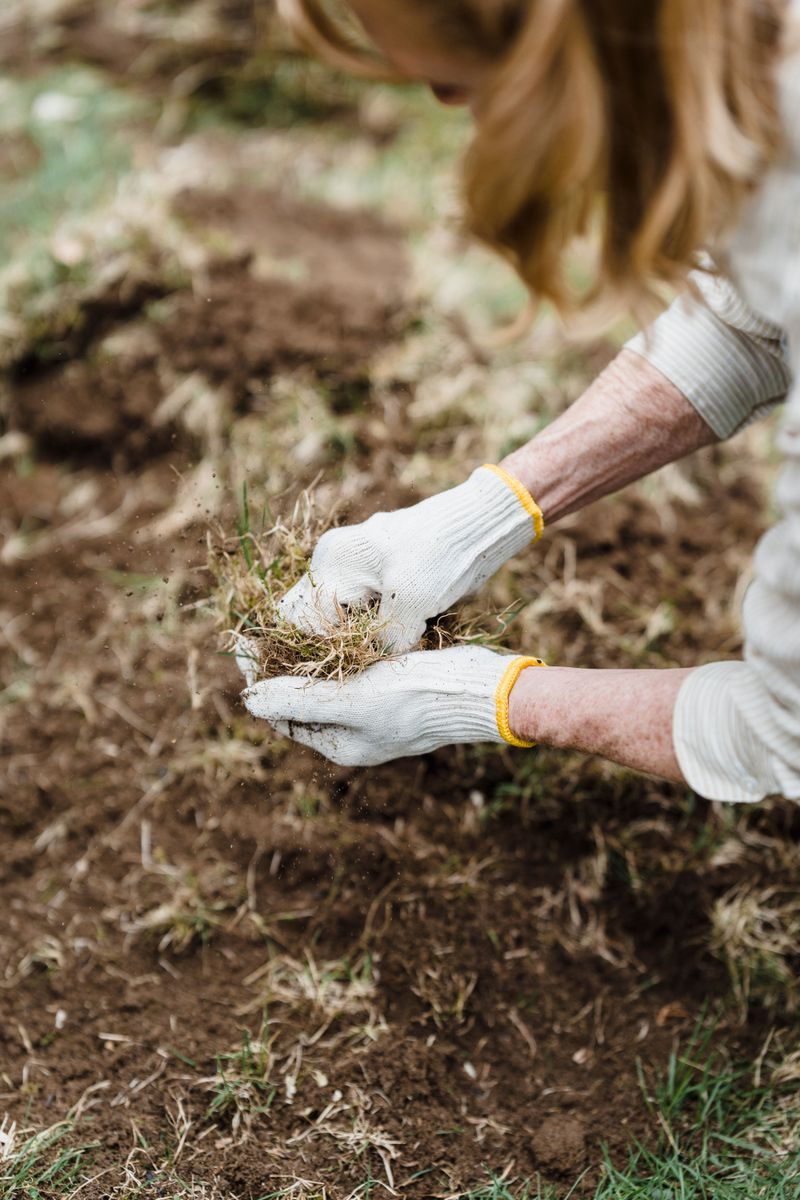
Wait for a day after a steady rain or water the patch yourself the evening before. Grab a pair of old gloves and a kneeling pad or folded towel. Use boards to walk on, since wet turf compacts.
Find the center of each clump, where the main crown sits close to the soil. Pinch it low and pull slowly, wiggling gently as you lift.
Pulling too fast can break the roots, and broken roots can sprout new leaves within weeks. A slow, steady tug brings up more of the runners attached to the plant.
Follow each runner with your fingers and tug it free as you go. You will be surprised how far one plant can travel under the grass.
Toss everything into a bag rather than the compost pile, because pieces can root again. Then press the loose soil back down with your palm or foot.
Small lawns can be mostly cleared in a weekend, though some regrowth is common. Larger yards go faster when you tackle one section each day.
Hand pulling sounds old-fashioned, but it works without any harm to pets, kids, or bees. Plus, your neighbors may think you are searching for buried treasure.
2. Mow Your Grass A Little Taller

Short grass looks neat, but it lets more light reach the soil, which favors low-growing weeds. Clover needs sunlight, and a closely cut lawn gives it plenty.
Raising your mower blade is one of the easiest changes you can make this season. Aim for grass that stands around three to four inches tall.
Taller blades cast shade on the soil below, which makes life harder for sun-loving clover. Grass roots also grow deeper when the tops are left longer.
Deeper roots help your lawn find water and nutrients that shallow weeds cannot reach. Over time, the grass thickens and crowds out the intruders.
A good rule is to cut only the top third of the grass at once. Chopping more than that stresses the lawn and leaves gaps for weeds.
In October, growth slows down, so you may only need to mow every week or two. Keep the height up until the final cut of the year.
Over the final few mows before winter, lower the blade gradually to about two and a half inches. This helps prevent snow mold without exposing too much soil.
Sharp blades matter too, since dull ones tear the grass and leave ragged brown tips. A clean cut heals faster and keeps the lawn looking healthy.
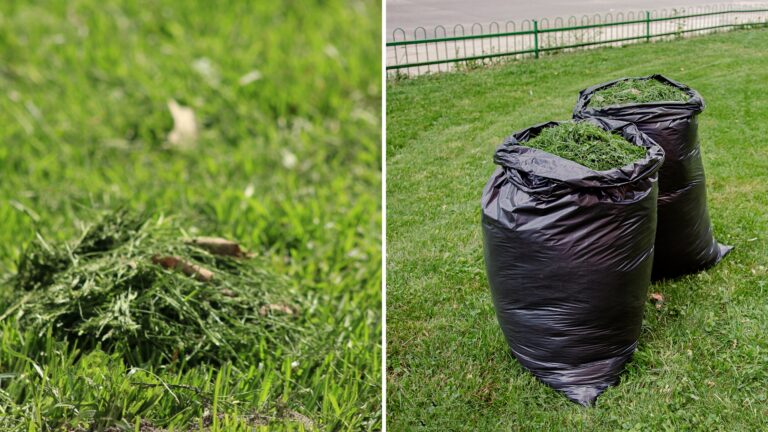
Leave the clippings on the lawn instead of bagging them up after each mow. They break down quickly and return nutrients to the soil.
3. Feed The Soil With Homemade Compost
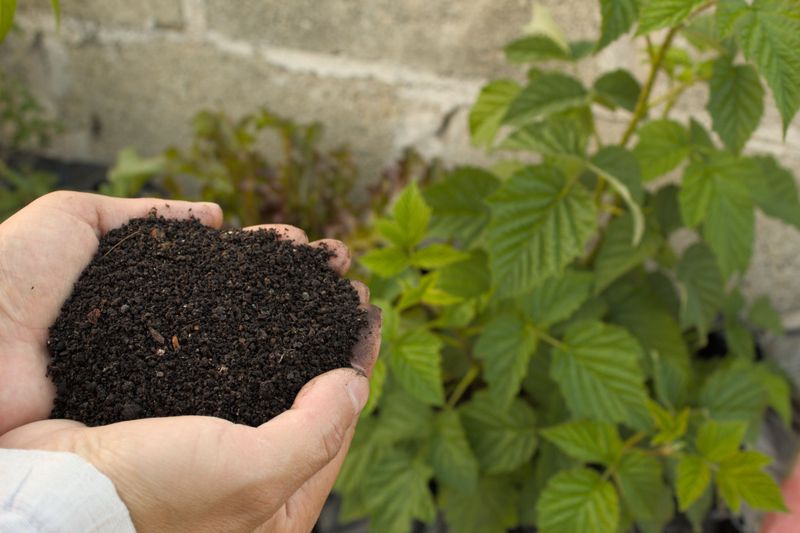
Clover often signals low soil nitrogen. Because clover pulls nitrogen from the air, it can grow where grass lacks it.
Grass, on the other hand, needs nitrogen from the soil to stay thick and green. Feed the soil, and you tip the balance back toward your lawn.
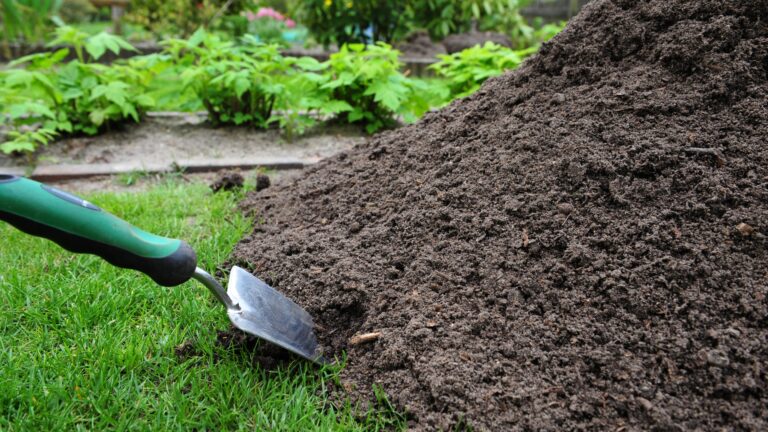
Compost is a cheap and natural way to do that. Kitchen scraps, coffee grounds, and shredded leaves turn into rich, crumbly food over several months, so use finished compost this fall.
Fall is a good time for spreading compost, and October still works because the soil is warm and the grass is still growing. Roots soak up nutrients before winter sets in.
Use a shovel or bucket to scatter a thin layer across the lawn, about a quarter inch deep. Then use the back of a leaf rake to work it between the blades.
You should still see the grass tips poking through when you finish. A thick layer can smother the lawn, so go light and even.
No compost bin at home yet? Some towns offer free or low-cost compost made from collected yard waste, so check with yours.
Grass clippings left after mowing also add a gentle dose of nitrogen. Every little bit helps the grass grow stronger and spread faster.
Within a season or two, you may notice greener grass and fewer clover patches, especially if you pair compost with an organic fertilizer.
Your soil will also hold water better, which means less watering next summer. That is a win for your lawn and your water bill.
4. Smother Thick Patches With Cardboard

Sometimes a clover patch is so thick that pulling it feels like untangling holiday lights. For those spots, let darkness do the hard work for you.
Smothering cuts off sunlight, and without light, clover cannot make food to survive. It works best on large clumps where grass is already sparse.
Start by mowing the patch as low as you can. Then lay plain brown cardboard or several layers of newspaper over the area.
Remove any tape or glossy labels first, since those do not break down well. Overlap the edges by a few inches so no light sneaks through.
Wet the cardboard with a hose until it is soft and heavy. Weigh it down with rocks, bricks, or a layer of mulch to stop the wind.
Now comes the waiting, which takes several weeks or longer in cool weather. Leave the cover in place for six to eight weeks or longer, checking now and then.
Fall is a workable time to try this, but cool weather slows the process. Set it up now and plan to check it in late fall.
When you lift the cover, the clover underneath should be brown and limp. Rake away the leftovers and loosen the soil with a hand trowel.
Keep in mind that any grass under the cover will suffer too. Reseed the bare spot at the next suitable window, in spring or early fall, so weeds cannot move back in. Bonus: the cardboard breaks down and adds organic matter to your soil.
5. Overseed Bare Spots With Fresh Grass
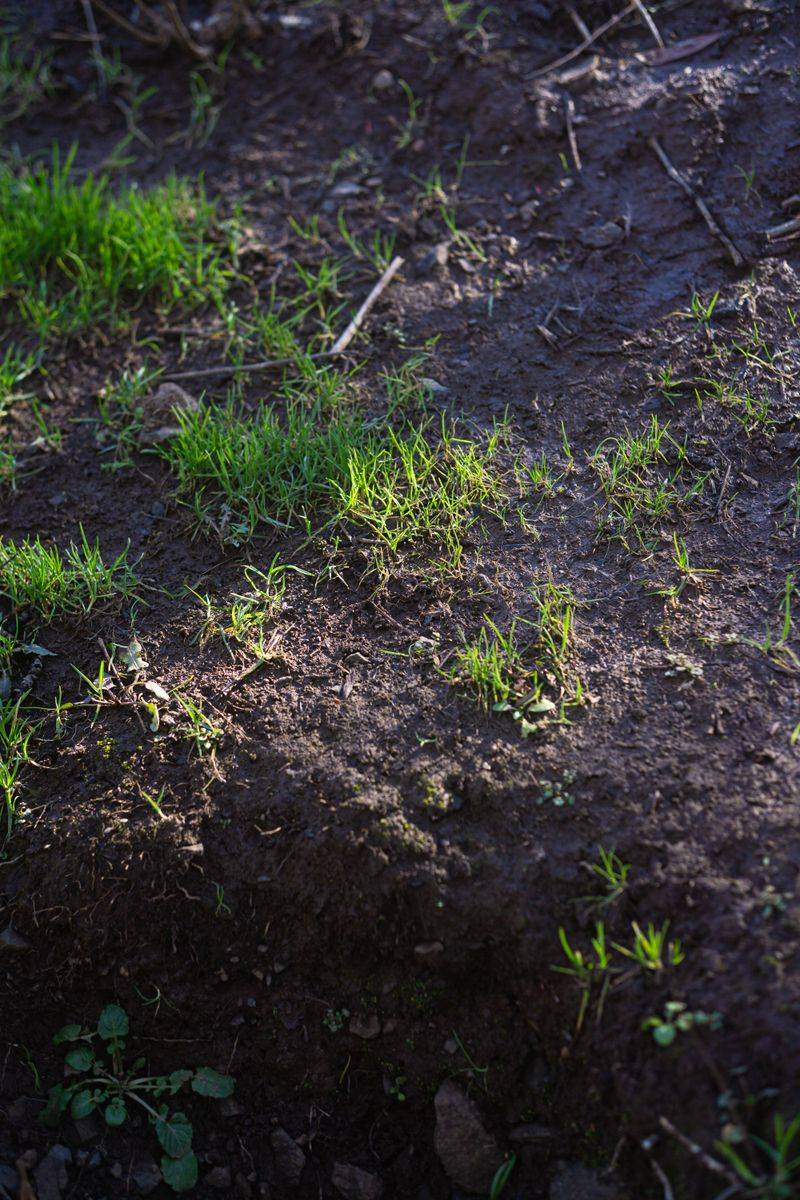
Bare soil is quickly colonized by weeds. Fill those gaps with grass, and clover has less room to settle.
Overseeding means spreading new grass seed over your existing lawn. It thickens thin areas and patches spots where you removed clover.
Early fall is the best window for this job in cool-season regions. Warm soil and cool air help seeds sprout quickly without summer stress.
Mid-August to mid-September is ideal in cool-season regions. Seeding after that works only if frost arrives late in your area. Check your local forecast and aim for at least six weeks before a hard freeze.
If October has already arrived, wait for dormant seeding after the soil cools in late fall, or seed in early spring.
Pick a seed that matches your region, such as tall fescue or Kentucky bluegrass for cooler areas. Ask at a local garden center if you feel unsure.
Rake the bare patches first to loosen the top layer of soil. Seeds need good contact with dirt, not a crust of old thatch.
Scatter the seed by hand, like you are feeding chickens, then lightly rake it in. Press it down by walking over the area in flat shoes.
Keep the soil damp with a gentle sprinkle once or twice a day. Avoid heavy watering that washes seeds into puddles and clumps.
Hold off on mowing until the new grass reaches about three inches tall. Young blades are tender and need time to toughen up.
Thick, healthy turf is the strongest long-term defense you can build. A dense lawn leaves clover less room to establish.
6. Water Deeply But Less Often
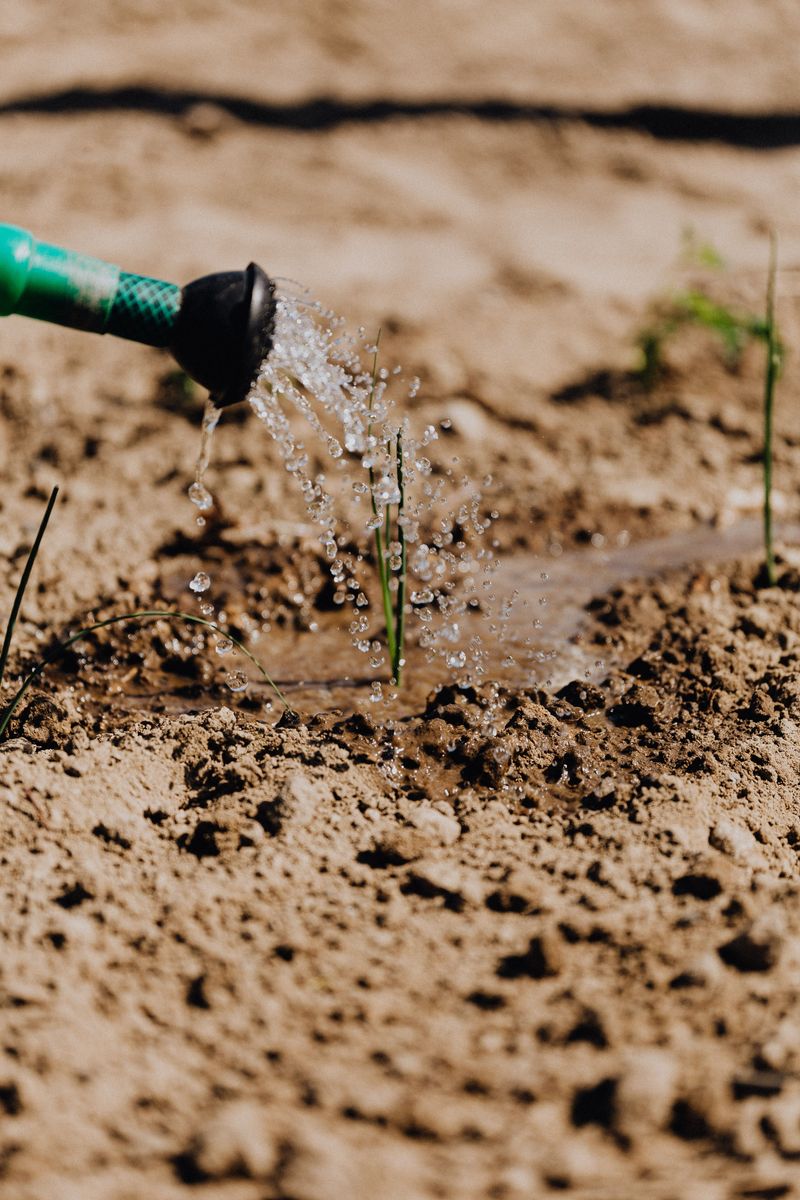
Quick daily sprinkles feel helpful, but they encourage shallow roots. Clover handles dry spells better than many lawn grasses.
Your goal is to train grass roots to dig deep into the soil. Deep roots make grass tougher, greener, and better at crowding out unwanted plants.
Water less often, but give the lawn a long, slow soak each time. About one inch of water per week, including rain, is plenty for most lawns.
Not sure how much an inch is? Set an empty tuna can on the lawn and stop watering when it fills up.
Morning is the best time to water because less moisture is lost to the sun. Wet grass at night can invite mold and fungus.
In October, cooler days and fall rain mean you can usually water even less. Push a screwdriver into the soil to test moisture before turning on the hose.
If it slides in easily about six inches, the ground is still damp enough. If it fights back, give the lawn a deep drink.
Soggy soil also pushes oxygen out, which weakens grass roots over time. Balanced moisture keeps grass roots healthy.
Rain barrels are a handy way to collect water for dry weeks, but check local rainwater rules first. They also save money and give you a reason to cheer for stormy days.
Small changes in watering habits can shift the balance in favor of your grass. Deep, infrequent watering encourages stronger roots. Newly seeded areas are the exception, so keep them damp until established.
7. Plan Ahead With Corn Gluten Meal Next Spring
In the mid-1980s, researchers at Iowa State University found that corn gluten meal inhibits root formation in germinating seeds.
Corn gluten meal is a natural powder left over from making cornstarch and corn syrup. It works like a pre-emergent, blocking new weeds before they take hold.
It will not affect clover plants that are already growing in your yard. Instead, it may reduce new seedlings next season, though results on clover are inconsistent.
Since it is October, think of this as planning ahead for spring. Mark your calendar for early spring, when the soil warms to about fifty degrees.
A handy clue is when forsythia bushes burst into yellow blooms. That usually signals the right window in many parts of the country.
Spread the meal by hand or with a coffee can poked with holes. Most bags suggest about twenty pounds for every thousand square feet.
Water it in lightly, then let the soil dry out for a few days. Dry conditions help it stop sprouting seeds from rooting.
One catch is that it blocks grass seed too, so timing matters. Avoid using it where you plan to overseed within the next six weeks.
Corn gluten meal also contains nitrogen, so it gently feeds your lawn while it works. That double duty makes it widely used among organic gardeners.
Pet owners often prefer it because it is food-based rather than synthetic, though large amounts can upset a pet’s stomach. Store leftovers in a sealed bin, or curious critters might help themselves.
8. Rake Up Leaves Before They Mat Down
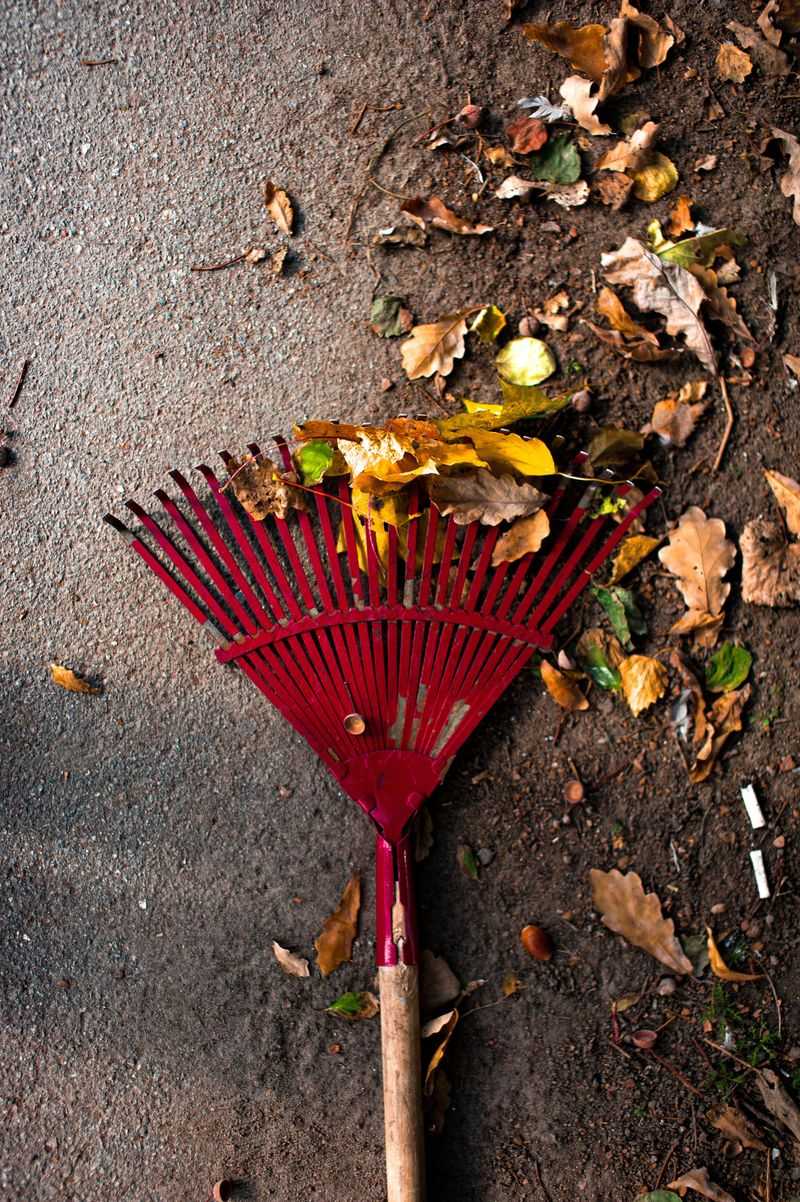
Crunchy leaves look gorgeous in October, right up until they flatten into a soggy blanket. That wet layer blocks sunlight and leaves your grass struggling.
Weak, shaded grass thins out, and thin spots are where clover can establish. Keeping leaves off the lawn protects all the progress you have made.
A simple leaf rake is all you need for this job. Try to rake once a week while trees are dropping heavily.
Waiting until every leaf has fallen sounds efficient, but it lets mats form underneath. Smaller, frequent sessions are easier on your back too.
Rake in short, light strokes rather than digging hard into the turf. Pulling too forcefully can pull up young grass you just seeded.
Pile the leaves on a tarp and drag them to a flower bed or compost pile. Shredded leaves make useful mulch and break down into compost over several months.
While you rake, keep an eye out for small clover clumps hiding underneath. Pull them right away, since the soil is often soft this time of year.
Kids usually love helping, especially if a giant leaf pile is the reward. Let them jump first, then bag the leaves before they blow back.
Clearing leaves also lets the late-season sun warm the soil a little longer. Grass keeps storing energy in its roots, which pays off next spring.
A tidy fall lawn heads into winter healthier and better able to resist weeds. Next spring, clover will have less room to establish.