Should You Cut Back Ornamental Grasses In Fall
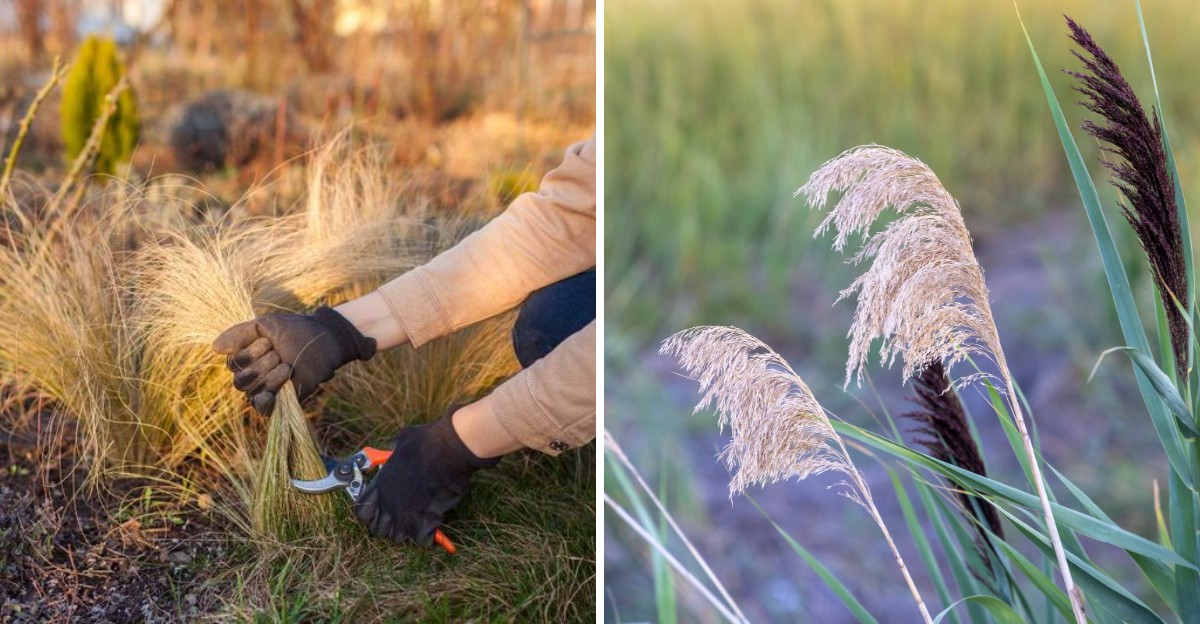
Pause before those pruners touch a single stem in Minnesota. Shaggy clumps shield your crowns from freeze and thaw cycles in soggy soil.
Clump bases shelter bumble queens and ladybugs through long Minnesota winters. Sparrows, juncos, and finches visit seed heads when snow buries other food.
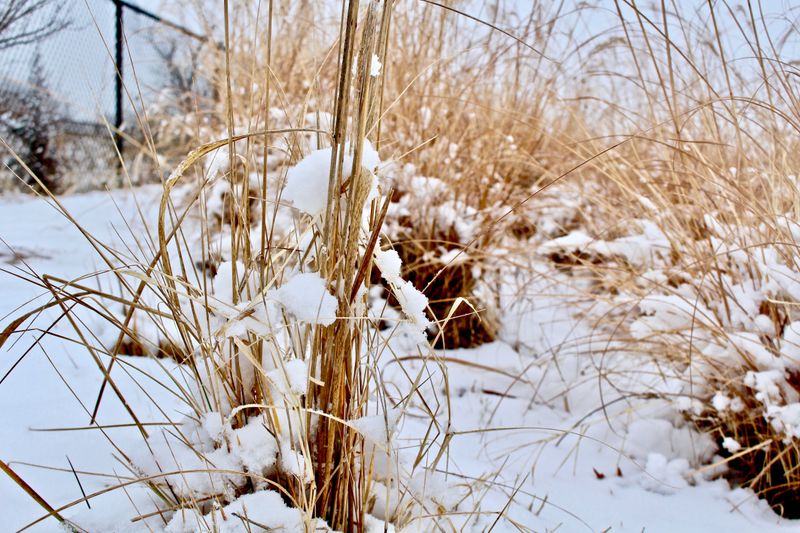
Neighbors who bag their grasses lose that habitat, and you keep it. Your switchgrass and maiden grass hold their shape under heavy snow.
Trim only rust-speckled or floppy clumps, and bag those clippings.
Treat blue fescue and feather reed grass gently, since they stay green longer. Tie tall clumps with twine to stop snow from flattening them. Wait until new green shoots appear in late winter, then cut.
Leave a short stub so fresh blades rise safely from protected crowns. You get months of winter texture, wildlife visits, and healthier plants. Mark March now.
1. Leave Most Grasses Standing Through Winter
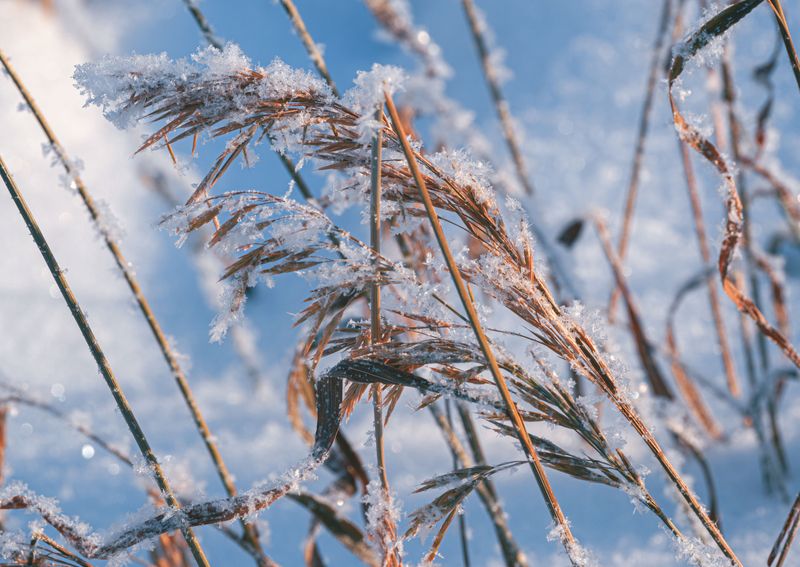
Picture a gray January morning with frost sparkling on tall, golden plumes. That simple scene is a good reason for you to put the pruners away this fall.
Many gardeners prefer to leave their warm-season grasses alone until late winter. Varieties like switchgrass, maiden grass, and little bluestem hold their shape for months after the first frost arrives in your area.
Their tan and copper colors add warmth when the rest of the yard looks bare. Snow resting on the seed heads can look like something from a holiday card, especially in soft morning light.
Standing grasses also give your garden structure during the quiet season. Without them, flower beds can look a bit sparse from November through March, and the whole space can feel flat and unfinished.
Movement matters too. Even a light breeze sets the plumes swaying, and that gentle motion brings life to a winter scene that would otherwise stay still and silent for weeks.
There is a practical side as well. Leaving the foliage up means less work for you during a busy fall season, so you can plant bulbs, tidy your tools, or simply enjoy hot cider instead.
Some people worry that uncut clumps look messy to neighbors. A quick fix is to keep the bed edges crisp and the lawn neatly mowed, which shows the look is intentional and well planned.
Clean borders signal a clear design choice. Your grasses then read as a planned feature rather than a forgotten chore, and visitors often pause to admire the textures along the path.
2. Feed The Birds With Seed Heads
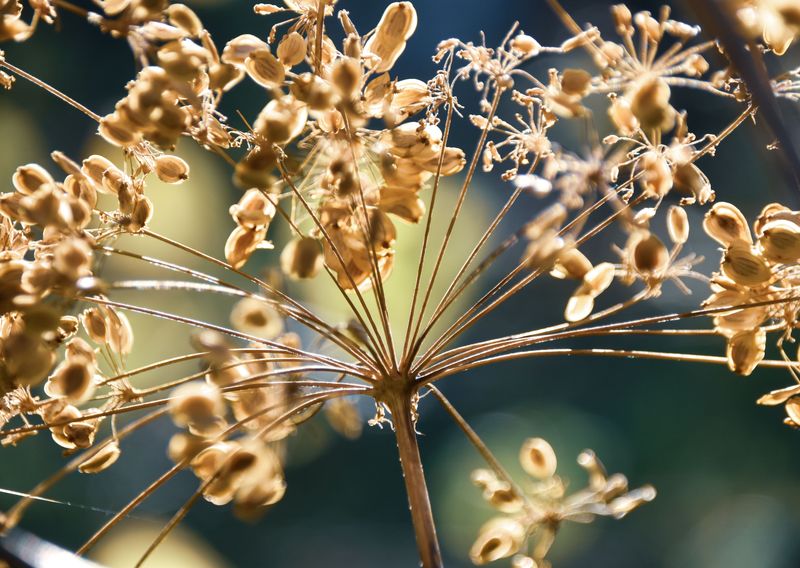
Ever watched a junco or sparrow pick seeds from a swaying grass plume? Leave your plumes standing, and you might get a front-row seat through winter, right outside your kitchen window.
Ornamental grass seed heads are packed with small seeds that many birds love. Juncos, sparrows, and finches will happily pick through them when food gets scarce and the ground is hidden by snow.
Winter is demanding for backyard birds, especially after heavy snow covers the ground. Tall grasses rise above the drifts and offer a snack bar that stays open for hungry visitors throughout the coldest weeks.
The dense clumps also make good shelter from cold wind. Small birds often duck inside them to hide from hawks or to rest on chilly nights when temperatures drop low.
Insects benefit as well, even if you cannot see them. Bumble queens and ladybugs spend winter sheltered at the clump base, tucked into the leaf litter where the air stays a little milder.
When spring arrives, those insects wake up and help pollinate flowers and manage garden pests. Cutting grasses too early can remove these hidden guests before they get the chance to do their work.
Some native grasses, like little bluestem, host the caterpillars of several skipper butterflies. So that brown clump quietly runs a wildlife hotel, with new guests arriving across the seasons.
Keep a pair of binoculars near a cozy window. A mug of something warm helps while you wait, and you may be surprised by who checks in this winter.
3. Protect The Crowns From Winter Wet
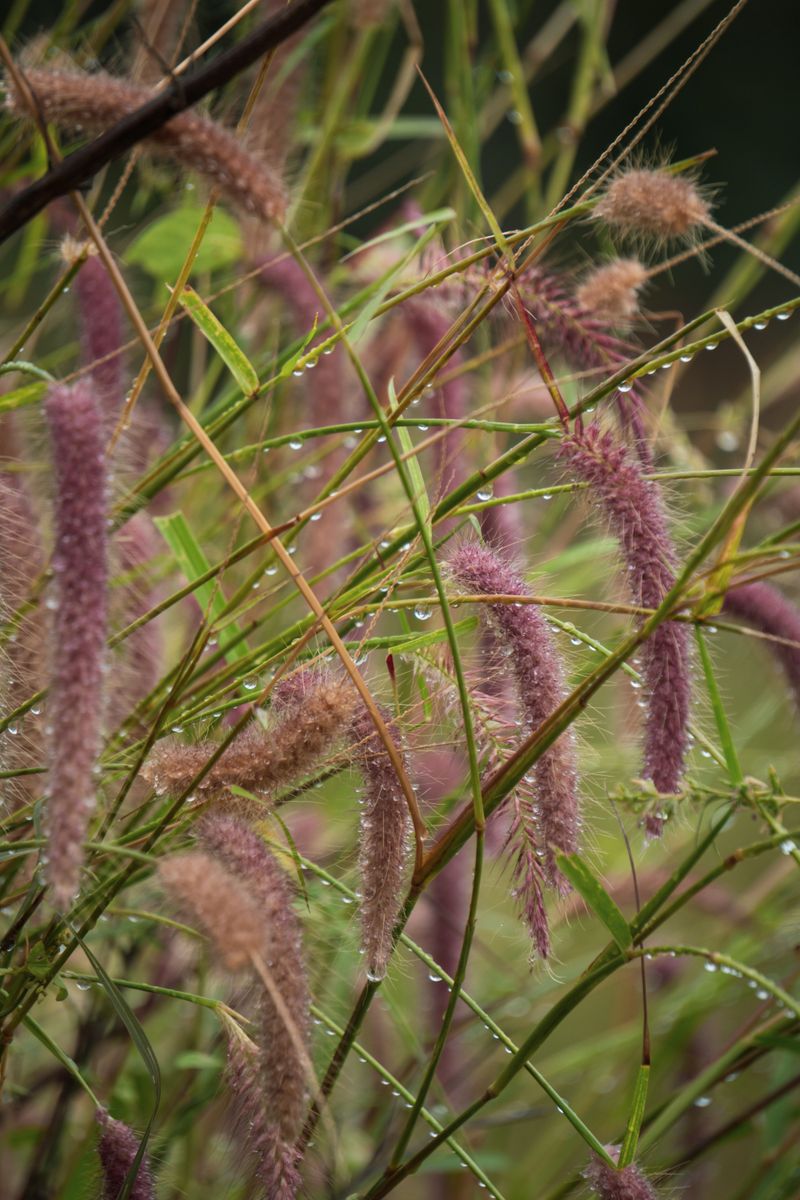
Think of the old foliage as a raincoat for your plant. It may look scruffy, but it does important work down at ground level while you stay warm indoors.
The crown is the center point where roots meet stems. New shoots grow from this spot each spring, so keeping it healthy matters a lot for the season ahead.
When you cut grasses short in fall, water can settle into the hollow stem stubs. That water freezes, thaws, and freezes again during cold spells, putting steady pressure on the plant.
In poorly drained soil, this cycle can weaken the crown. A soggy center often leads to thin growth or bare patches the following year, which can take time to fill back in.
Leaving the leaves tall helps shed rain and snow away from the middle. The arching blades act a bit like a little roof over the base, guiding moisture outward and away.
The foliage also traps a layer of air that insulates the roots. Gardeners in colder regions, like zones three, four, and five, find this extra cover especially useful during long freezes.
Soil type plays a role too. Heavy clay holds moisture longer, which raises the risk of crown damage in winter, so it pays to know what sits beneath your plants.
If your yard drains slowly, skipping the fall trim is a smart move. Your grasses should respond with thick, healthy new shoots when the weather warms and the soil softens.
4. Cut Back Floppy Or Diseased Grasses Now
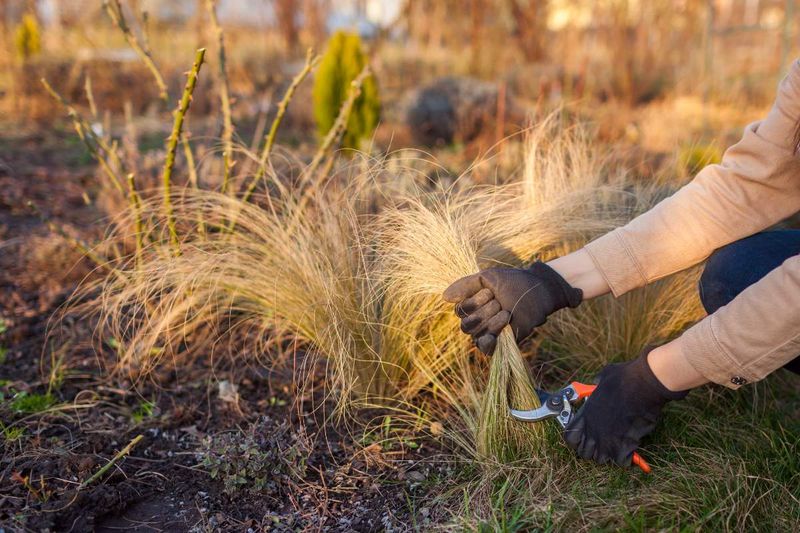
Rules bend, and fall pruning has a few good exceptions. Sometimes a grass simply needs a trim before winter settles in, and knowing the signs helps you decide with confidence.
Rust and leaf spot are common problems on ornamental grasses. Orange or brown speckles on the blades are a strong clue that a clump needs attention before the weather turns.
Fungal spores can linger in old foliage over winter. Leaving affected leaves in place gives the problem a head start next spring, when damp weather helps those spores spread to healthy growth.
In that case, cut the clump to about four to six inches. Bag the clippings and follow your local yard-waste rules rather than composting them, which keeps the trouble from traveling.
Floppy grasses are another reason to act early. Some clumps split open in the middle and sprawl across walkways after heavy rain, which can crowd nearby plants and create a soggy mat.
That wet layer may invite slugs, mice, or mold to move in. A quick fall trim removes the mat and gives neighboring plants room to breathe before winter arrives.
Location matters as well. Grasses near a driveway may get damaged by plowed snow, so a fall trim keeps those clumps safe and your drive neat through the coldest months.
Fire safety is worth thinking about in dry areas. Tall dry clumps beside a house or deck can catch sparks, so trim them and check your local defensible-space rules.
5. Treat Cool-Season Grasses With A Lighter Touch
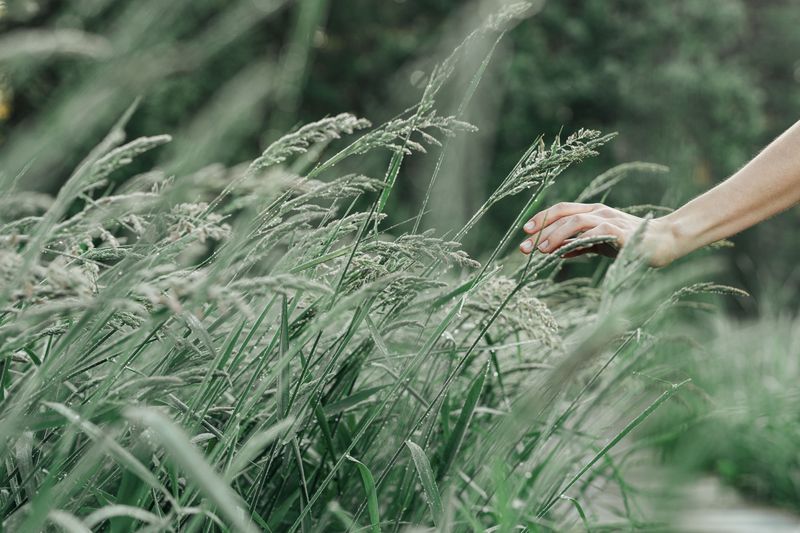
Grasses follow different schedules. Knowing which type you have can help you time your cuts well, and a little research now saves effort later in the year.
Not sure what you planted? Check the plant tag or snap a photo and ask at your local garden center, where staff can usually name a grass in moments.
Cool-season grasses grow best in spring and fall when temperatures are mild. Blue fescue, feather reed grass, and tufted hair grass belong to this group, and they enjoy the cooler months.
Many of these stay partly green through autumn and even into winter. A close cut now can stress them right when they are busy growing roots for the year ahead.
Instead of cutting them low, give them a gentle cleanup. Run your gloved fingers through the clump and pull out any brown, loose blades that have come away from the base.
This combing trick works well on small grasses like blue fescue. It keeps the plant looking fresh while protecting the healthy center, and the whole job takes only a few minutes.
Feather reed grass can be trimmed in late winter, before new growth starts. Cut it to about four to six inches, which leaves a short stub that guards the crown.
Evergreen sedges need even less attention. Snip only the damaged tips and let the rest keep its color, so the plant stays attractive and healthy through the cold season.
6. Tie Up Tall Clumps Before Snow Arrives
A clever middle path suits gardeners torn between neat and natural. Tie your tall grasses into tidy bundles and enjoy the benefits of both styles in a single afternoon.
Large grasses like maiden grass and giant miscanthus can reach six feet or more. Heavy snow or strong wind may flatten them into a messy heap that looks worn by midwinter.
A simple piece of garden twine solves the problem. Wrap it around the middle of the clump and pull the stems into an upright column that stands firm.
For very tall plants, add a second tie higher up. The finished bundle looks like a golden broom standing proudly in the garden, and it adds a bold vertical accent.
Bundling keeps walkways clear and stops grass from flopping onto smaller plants. It also helps the clump shed snow instead of bending under the weight of a heavy storm.
Birds can still reach the seed heads at the top. Insects shelter at the clump base, and the crown remains protected, so wildlife benefits while your garden stays tidy.
Spring cleanup gets easier too. When it is time to cut, you can trim below the tie and lift the whole bundle away, with fewer loose blades drifting across the yard.
Some gardeners even add a festive ribbon to each bundle for a cheerful holiday look. It is a small touch that turns a practical task into a seasonal decoration.
7. Wait For New Growth Before Spring Pruning
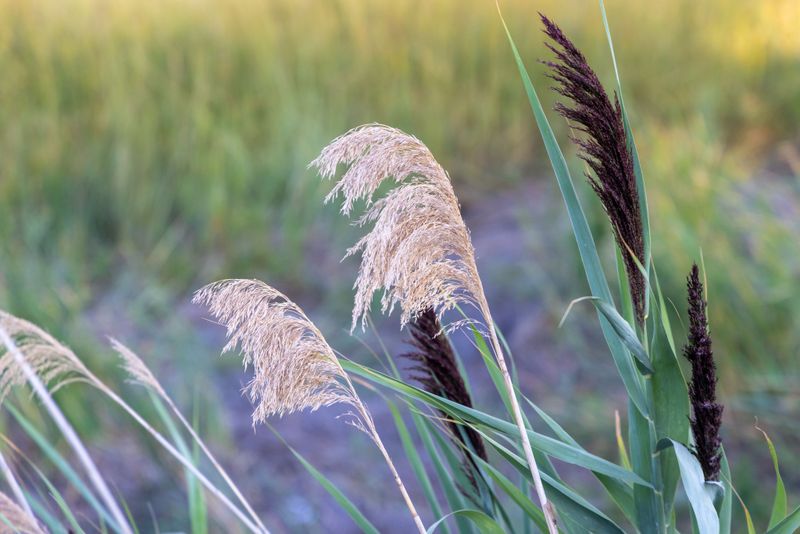
Timing matters, even in the garden. The sweet spot for cutting warm-season grasses arrives in late winter or very early spring, just before the soil wakes up.
Watch the base of each clump as the days grow longer. Tiny green shoots poking up through the old foliage are your signal to get started with the pruners.
In many regions, this happens from late winter to early spring. Warmer areas may see new growth sooner, while northern gardens wait a bit longer for the soil to warm.
Local weather guides the exact timing for your garden. A mild week can bring shoots up early, so check the base of your clumps often as the season shifts.
Try to cut before the new shoots grow more than a few inches tall. Waiting too long can trim fresh tips and leave them looking uneven for much of the summer.
Warm-season grasses can usually go down to about four to six inches. Leaving a short stub protects the crown while giving new blades room to rise into the light.
Since you waited, you enjoy months of winter beauty first, then a clean slate as spring flowers begin to wake. That rhythm makes the garden feel balanced across the year.
Mark your calendar in October with a late March reminder. One quick afternoon of spring work rewards you with a full, healthy season, and you will be glad you waited.
8. Use The Right Tools When It Is Time
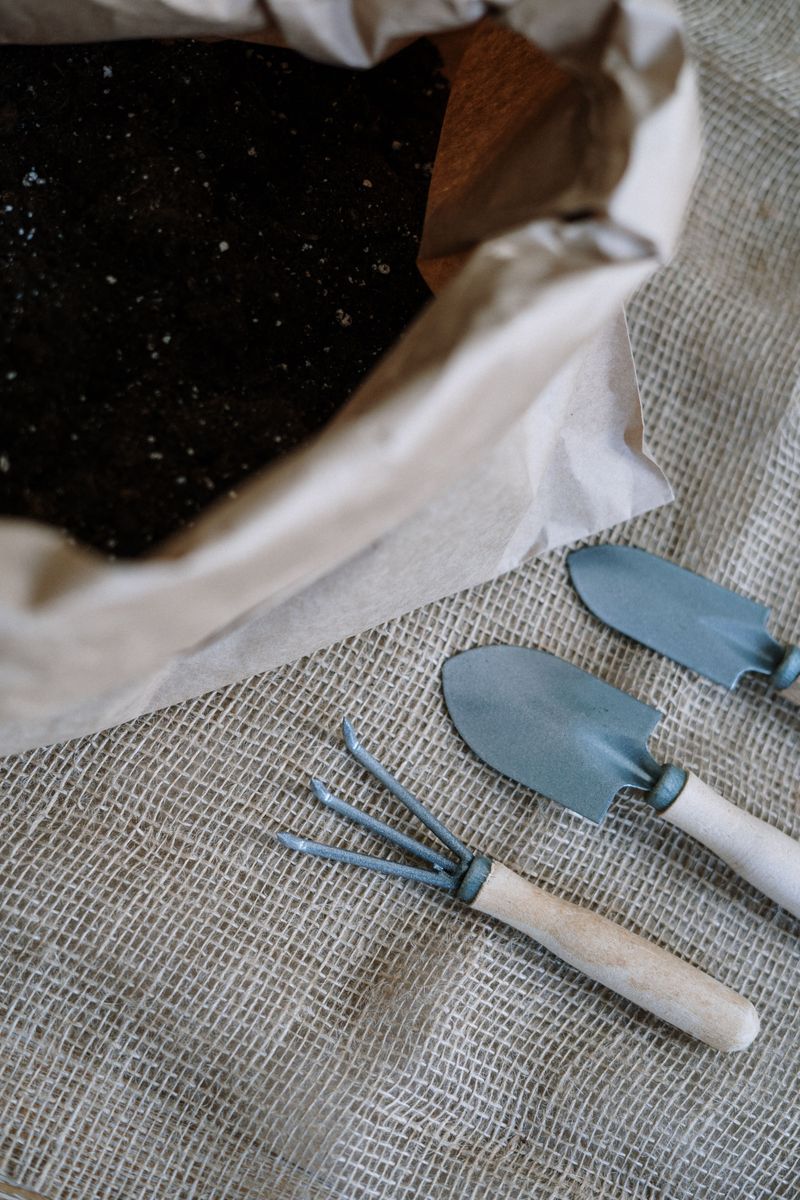
Grass blades may look soft, but they can be surprisingly sharp. Start with a sturdy pair of gardening gloves, because good preparation makes the work smoother, safer, and far more comfortable.
Long sleeves and safety glasses are smart too, since stiff stems can spring back toward your face. A hat and sturdy boots add comfort during a longer session in the garden.
For small grasses, regular hand pruners work just fine. Medium clumps are easier to handle with long-bladed hedge shears, which give you reach and let you cut in clean passes.
Big, thick grasses may call for something stronger. Electric hedge trimmers move through dense stems quickly while saving your arms from fatigue, so a large planting feels manageable rather than daunting.
Some gardeners swear by a serrated bread knife for medium clumps. It sounds silly, but it saws through dense stems with little effort and gives you very good control.
Before cutting, tie the clump with twine or a bungee cord. This keeps the stems together so cleanup is quick and tidy, and you can lift the bundle in one move.
Keep your blades clean and sharp throughout the season, since dull tools bruise stems instead of cutting cleanly, which can invite disease. Sharp edges also make the work feel lighter.
Wipe blades with rubbing alcohol between plants if any showed signs of rust. Afterward, add healthy clippings to your compost or use them as mulch around the beds.