Texas Native Vines That Cover A Fence In One Growing Season
A bare chain-link fence isn’t anyone’s idea of a dream view. Neither is a wooden one that’s faded, cracked, and a little too close to the neighbor’s patio.
Waiting years for shrubs to fill in can test your patience. That’s why fast-growing vines are so tempting. The problem is that many popular choices are invasive.
They climb quickly, but they also escape into the wild, smother trees, and become a headache that’s nearly impossible to undo.
Native vines offer a better deal. Several of them grow fast enough to cover a fence in a single season, yet they play nicely with the local landscape. They’re adapted to Texas heat and drought, so they don’t need much babying.
Many also bring in hummingbirds, butterflies, and bees. In just a few months, that plain fence could turn into a living wall full of color and wildlife.
1. Crossvine, The Evergreen Hummingbird Magnet
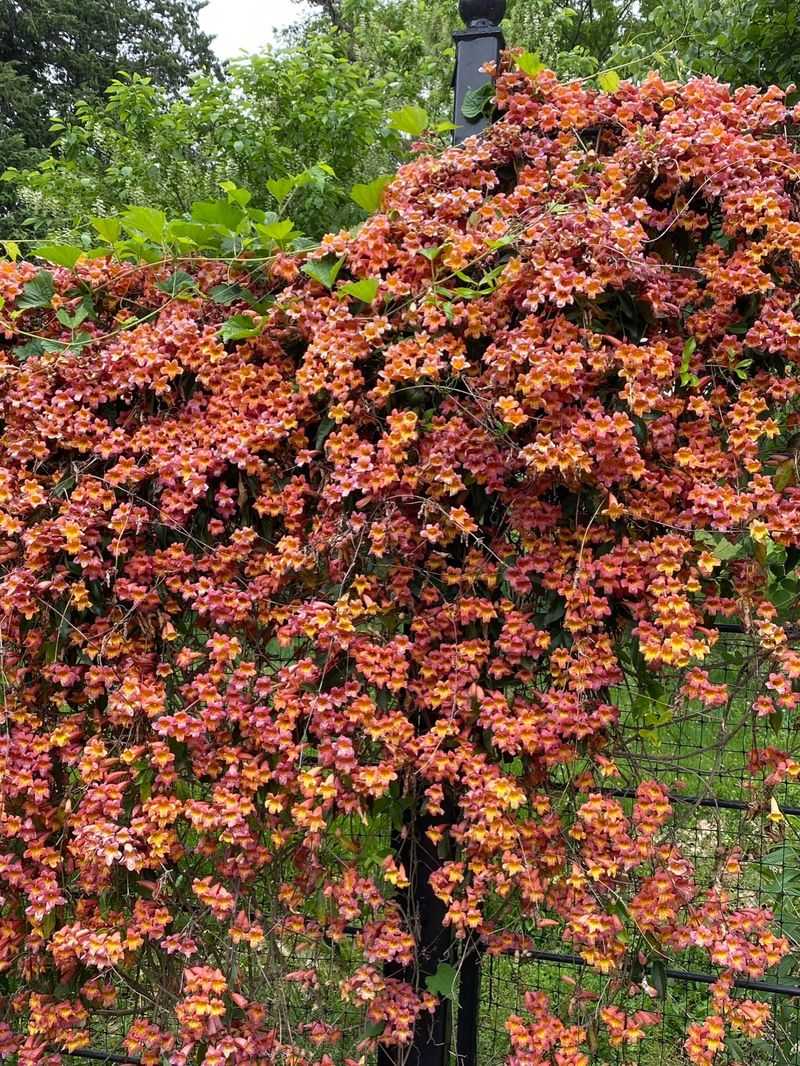
Hummingbirds seem to have a secret map that leads straight to crossvine. When those orange-red trumpets open in early spring, the tiny birds show up almost overnight. Many Texas gardeners say it is the first sign that warm weather is here.
Crossvine climbs with little forked tendrils that grab onto almost anything. Chain link, wood slats, and even brick walls are fair game.
Once its roots settle in, it can stretch 30 feet or more, so one or two plants can cover a long fence fast.
The best part is that it stays green through most Texas winters. In colder spots, the leaves may turn a pretty reddish purple, but they usually hang on. That means your fence keeps its privacy screen all year long.
Planting is simple. Choose a spot with full sun to part shade, since more sun means more flowers. Dig a hole twice as wide as the pot and water deeply after planting.
For the first few months, water about twice a week. After that, crossvine is pretty tough and handles dry weather well. You can skip fertilizer, because rich soil often gives you more leaves and fewer blooms.
Fun fact time. The name comes from the stem itself. If you cut a stem crosswise, you will see a pattern inside that looks like a small cross.
Trim it right after the spring bloom ends if it gets too wild. Cutting later in the year can remove next season’s flower buds. A quick snip around gates and walkways keeps everything neat and easy to manage.
2. Trumpet Creeper, The Speedy Summer Showoff
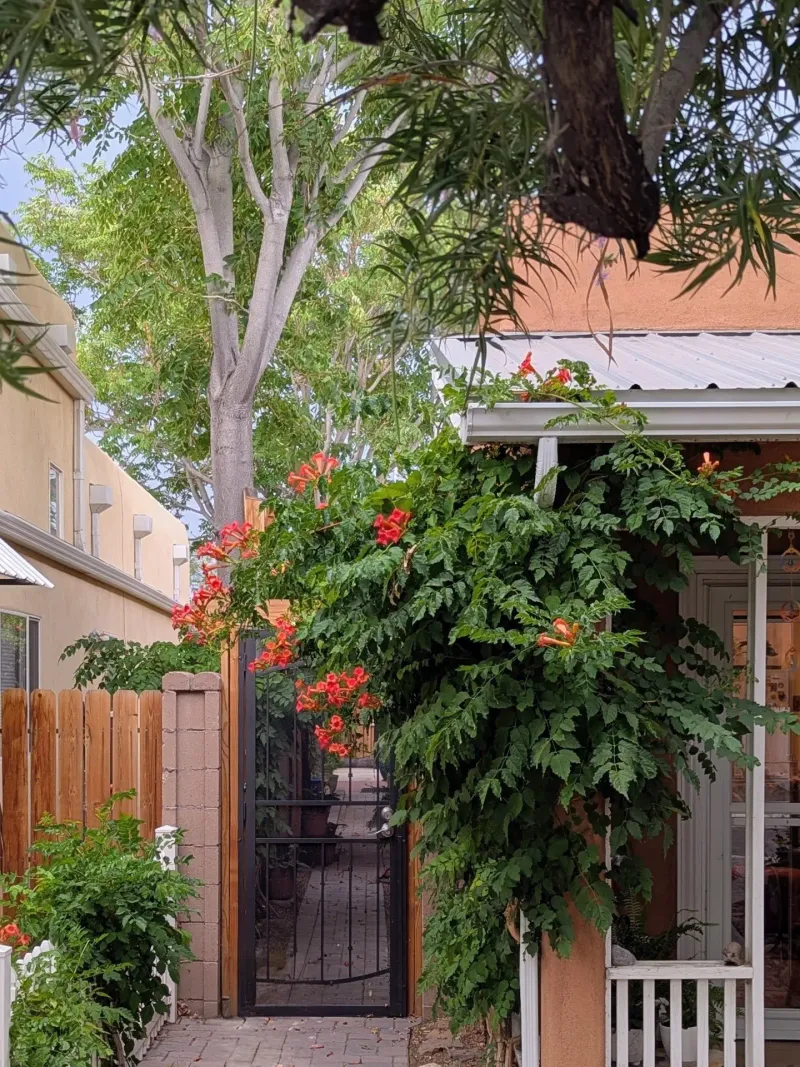
Got a big, sturdy fence and nothing on it? Trumpet creeper will happily take that job and finish it before you know it. Few native vines grow with as much energy as this one.
All summer long, it pushes out clusters of orange-red tube-shaped flowers. Each bloom is about three inches long, which is just right for a hummingbird’s beak. Bees and butterflies visit too, so your fence becomes a busy little buffet.
Here is the honest truth, though. Trumpet creeper does not know when to stop. It spreads with suckering roots that pop up new shoots several feet away, sometimes in your lawn or flower beds.
Your Texas Garden Changes Every Week. Your Plan Should Too.
Gardening in Texas changes quickly throughout the season. Every Friday you’ll receive a simple weekly plan showing exactly what to plant, prune, fertilize, harvest, and protect so you never miss the right timing.
Because of that, location is everything. Plant it along a back fence, a pasture line, or a spot where it has room to roam. Keep it away from your house siding, since its clinging rootlets can grab onto wood and shingles.
A strong support helps a lot. Mature vines get thick and heavy, almost like small tree trunks. A flimsy wire fence may sag under the weight after a few years.
Care is very easy. It grows in full sun, handles poor soil, and shrugs off heat and drought once established. Water it regularly the first month, then let nature take over.
To keep it in check, mow or pull suckers as soon as you spot them. Prune hard in late winter, since it blooms on new growth. One more tip: wear gloves while trimming, because the sap can bother sensitive skin.
3. Virginia Creeper, Fall Color That Clings
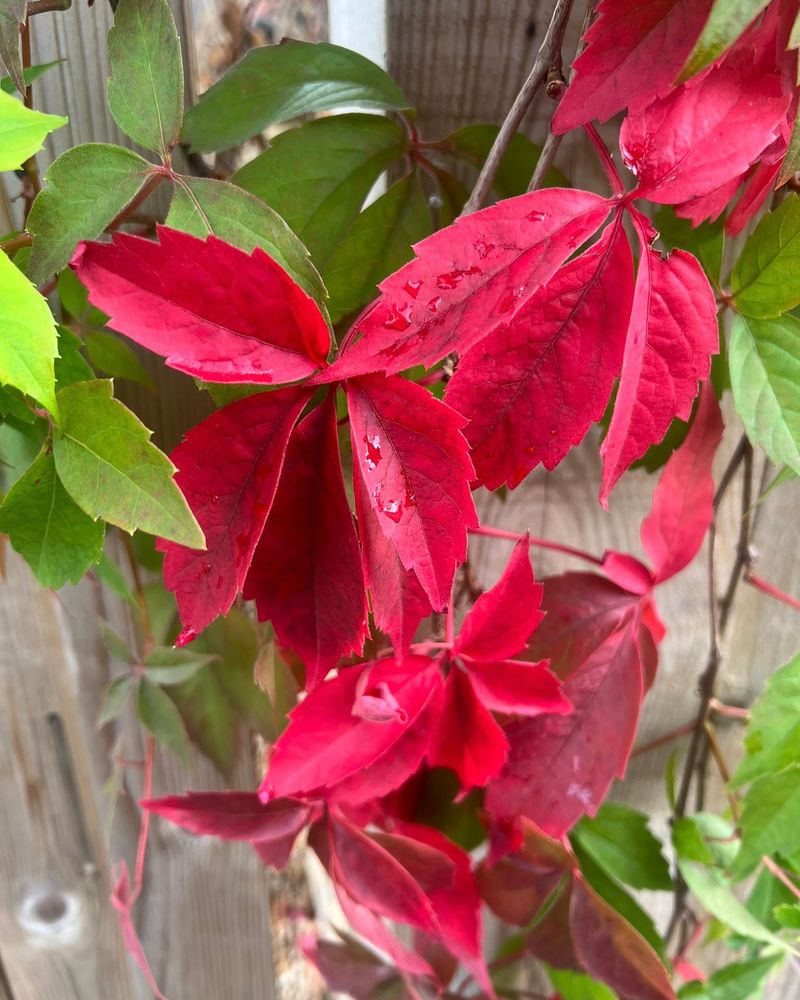
Most Texans do not get much fall color from trees. That is where Virginia creeper steps up. Every autumn, its leaves turn bright scarlet and crimson, like a fence wearing a red sweater.
You can spot it easily by its leaves. Each one has five leaflets spreading out like fingers on a hand. People sometimes confuse it with poison ivy, but poison ivy has only three leaflets.
Virginia creeper grabs on in a clever way. Its tendrils end in tiny sticky pads that glue themselves to surfaces. It can climb a smooth wall or a solid wooden fence with no help at all.
Growth is quick, often 10 feet or more in a single season. It handles full sun or shade, and it is not picky about soil. That makes it a handy choice for shady side yards where other vines struggle.
Birds love it, too. In late summer, it produces small dark blue berries on red stems. Bluebirds, mockingbirds, and woodpeckers snack on them well into winter.
A quick safety note. The berries are not safe for people or pets to eat, so keep an eye on little kids and curious dogs.
Water new plants weekly until they settle in. After that, they need very little attention. If you plan to remove it someday, know that the sticky pads can leave marks on paint, so a wooden or chain link fence is often a better host than your home’s walls.
4. Passionflower, A Butterfly Nursery On Your Fence
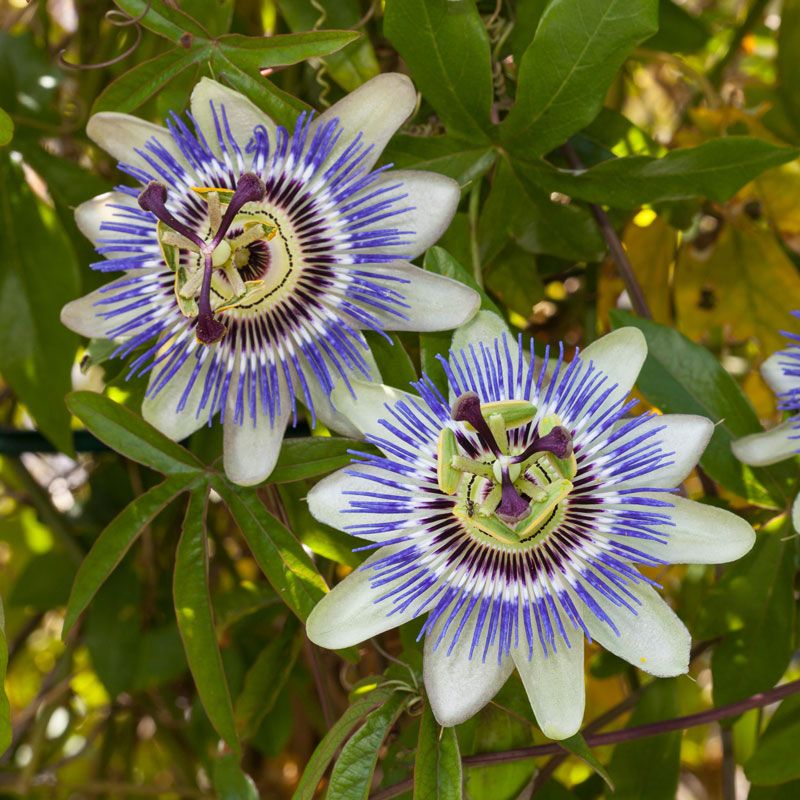
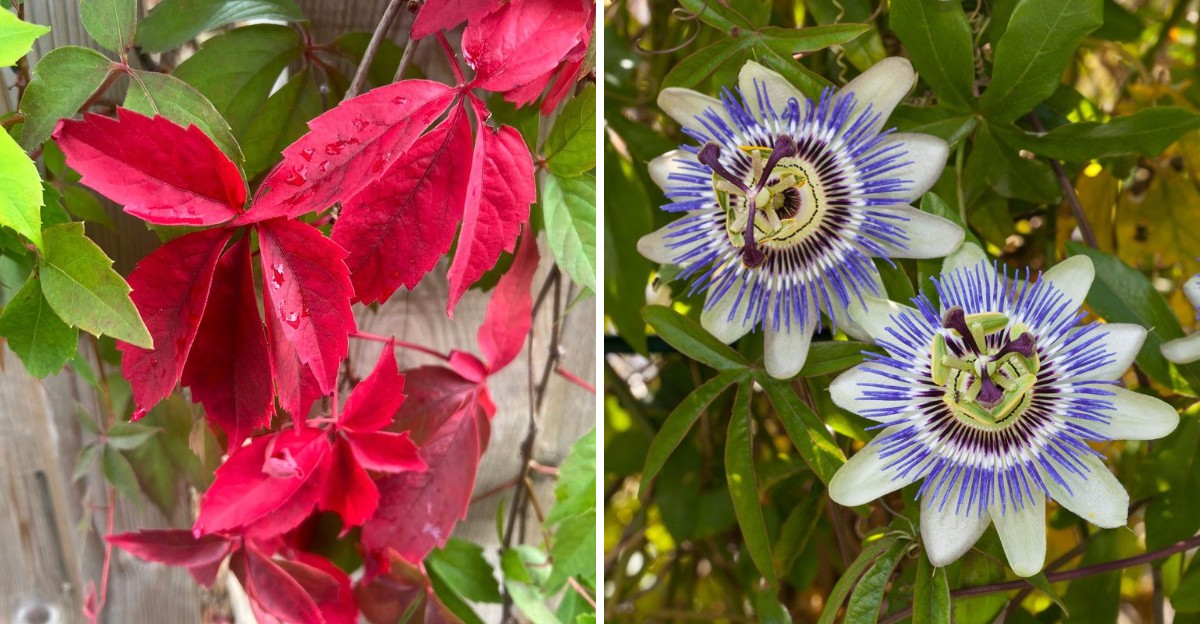
Some flowers look like they came from another planet, and maypop is one of them. Its blooms have a fringe of wavy purple and white threads circling a center that looks like tiny machinery. Kids and grown-ups both stop to stare.
Every winter, maypop usually goes quiet. The top part fades back to the ground, and the fence looks empty for a while. Then spring arrives, and new shoots race back up from the roots, often covering the fence again by early summer.
It climbs with curly tendrils that wrap around wire and lattice. A chain link fence is perfect. Give it full sun or light shade for the most flowers.
Butterfly fans, take note. Maypop is a host plant for the gulf fritillary, a bright orange butterfly. The caterpillars munch the leaves, so you may see holes and chewed edges.
Do not panic when that happens. The vine grows fast enough to bounce back, and you are helping raise the next batch of butterflies. Skip bug sprays so the caterpillars stay safe.
The name has a fun story. The egg-shaped fruits make a loud pop when you step on them. Ripe fruits turn yellow and soft, and many people enjoy their sweet, tangy pulp.
Like trumpet creeper, maypop can send up new plants from spreading roots. Pull extras in spring if they wander too far. Otherwise, it needs little care beyond water during long dry spells.
5. Old Man’s Beard, The Drought-Tough Charmer Of West Texas
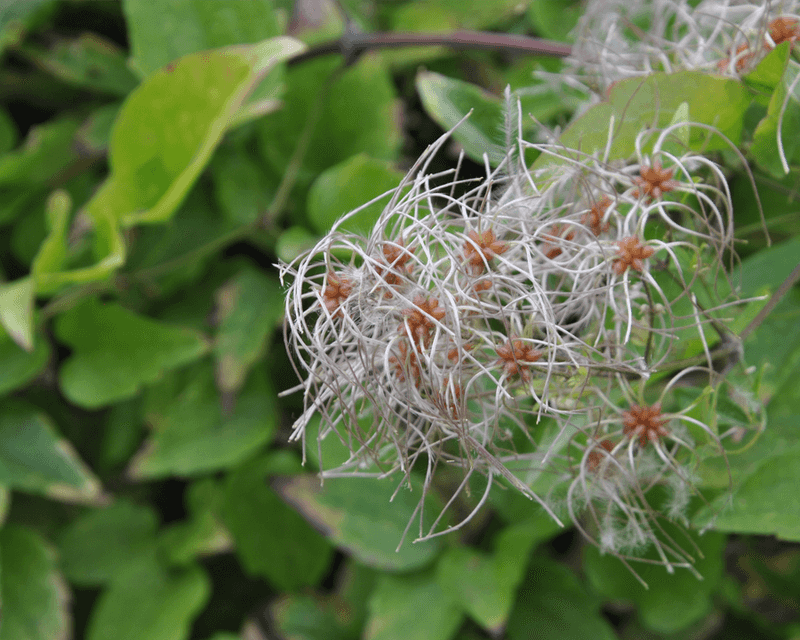
Out where the land gets rocky and rain is scarce, old man’s beard keeps right on growing. Drummond’s clematis is native to Central and West Texas, and it laughs at the heat. If your yard bakes in the afternoon sun, this vine might be your new best friend.
The flowers are small and creamy white with four petals. They open in spring and again after summer rains. They are pretty, but they are only the opening act.
The real show comes next. Each flower turns into a puff of long, feathery, silvery strands. When a whole fence is covered, it looks fuzzy and shimmering, a bit like a grandpa’s wild beard blowing in the wind.
That is exactly how it got its common name. Those fluffy seed heads catch the morning light beautifully. They also give birds soft material for building nests.
Growing it is pretty simple. Plant it in full sun with soil that drains well. Rocky, sandy, or limestone soil is just fine.
Go easy on the water. Too much moisture can cause root rot, especially in heavy clay. Once established, it often survives on rainfall alone.
It climbs by wrapping its leaf stems around wire and thin supports. A wire fence or cattle panel works far better than a flat board fence. Trim in late winter if it gets messy, and enjoy a fast, low-water screen that feels truly Texan.
6. Virgin’s Bower, A Late-Season Cloud Of White
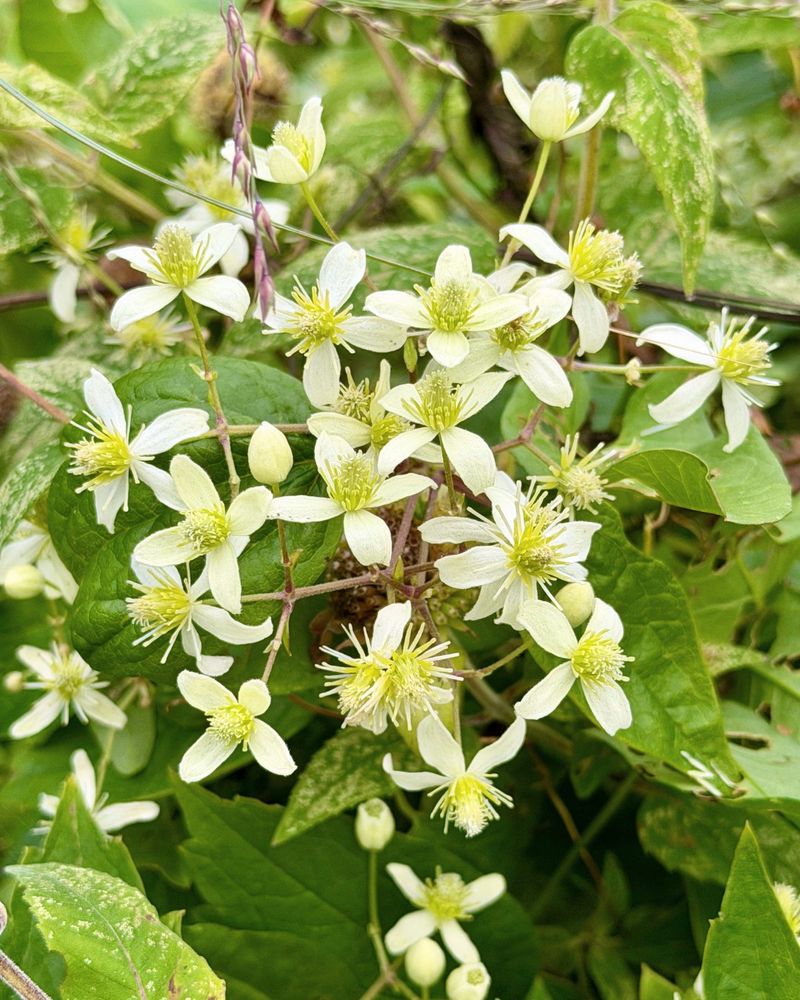
Late summer can be a tired time in the garden. Many plants slow down, and colors fade in the heat. Virgin’s bower waits for that moment and then bursts into bloom.
Native to East Texas, this clematis loves the moister soils and wooded edges of that region. Given something to climb, it can grow up to 20 feet in a single year. That kind of speed makes it great for anyone who wants quick coverage.
In late summer and fall, the vine fills with tiny white flowers. There are so many that the fence looks wrapped in lace. A soft, sweet scent drifts through the air on warm evenings.
Pollinators go wild for it. Bees buzz around from morning to dusk, and butterflies stop by for a sip. It gives them food at a time when fewer flowers are open.
Here is a helpful tip. Virgin’s bower likes its roots cool and shaded and its top in the sun. A layer of mulch or a low shrub planted in front keeps the soil from drying out.
Water during dry spells, especially in its first year. Moist, rich soil helps it grow its fastest. Part shade works well, though full sun gives more blooms.
Since it flowers on new growth, prune it back in late winter. You can cut it down to a couple of feet tall. It will race back up by summer, ready to put on its snowy autumn show.
7. Coral Honeysuckle, The Polite Native Choice
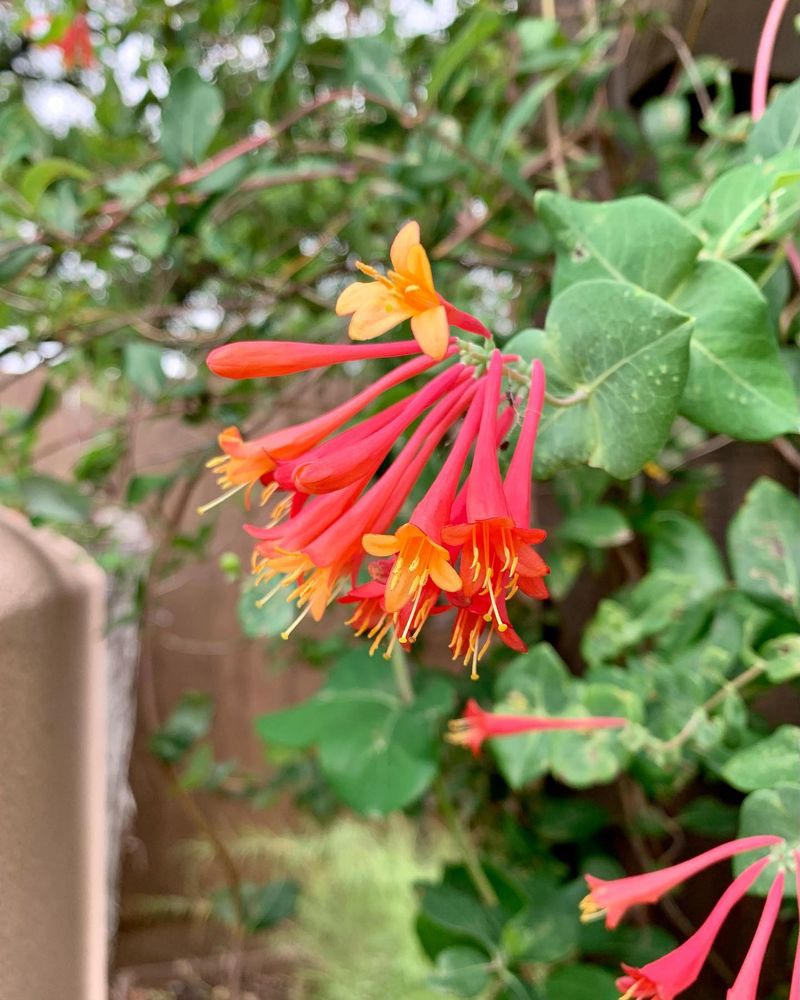
Grandma’s fence may have been covered in sweet-smelling Japanese honeysuckle. It was lovely, but that plant spreads into woods and smothers native plants. Coral honeysuckle offers the same charm without the trouble.
Its flowers are slender red tubes with sunny yellow insides. They hang in clusters from spring into summer, and sometimes a few more show up in fall. Hummingbirds treat them like a favorite snack stand.
Unlike some vines on this list, coral honeysuckle has good manners. It grows steadily but does not send runners all over your yard. You get a full, leafy fence without a constant battle.
The vine twines its stems around supports as it climbs. A wire fence, trellis, or arbor gives it something to hug. Help young stems find their way by gently tucking them through the wire.
For the most flowers, plant it in full sun. It can grow in part shade but will bloom less. It handles many soil types as long as water drains well.
After the flowers fade, small red berries appear. Cardinals, finches, and robins come to eat them. Your fence becomes a wildlife hangout through the seasons.
In much of Texas, it keeps many leaves in winter. Water new plants weekly for the first summer, then only during long dry stretches.
Prune lightly after the spring bloom to shape it. Watch for aphids on new tips, and rinse them off with a quick spray from the hose.