The October Darkness Trick That Makes Christmas Cactus Bloom
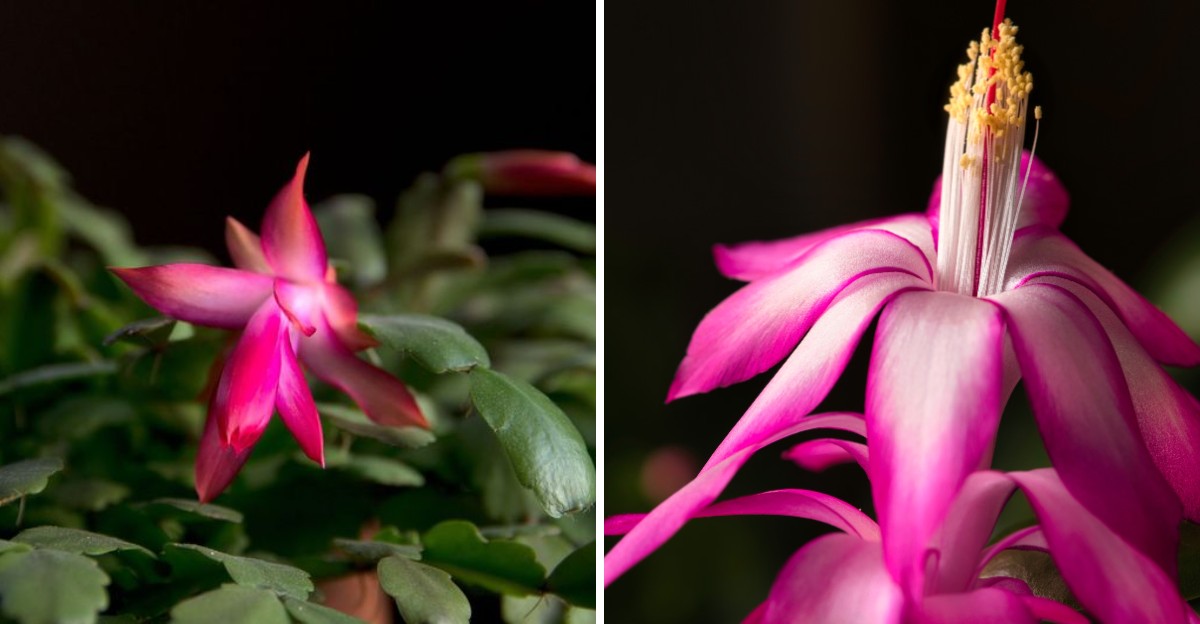
Your plant holds out on you, and your lamp may be why. You own a Christmas cactus, and it needs long, uninterrupted darkness to set buds.
Lamplight from your living room signals that days are still long. Move it into a lightless closet from dusk until late morning.
Choose a spot where evening air turns crisp, since cool nights speed bud formation. Hold that schedule for several weeks, and you will spot tiny buds.
Skip a night, and you may delay budding. Water sparingly during this stretch, since excess moisture delays flowering.
Imagine carrying a crimson, blossoming pot to the table by December. Neighbors will ask what you changed, and you can answer with a grin.
Darkness does what fertilizer alone cannot, and you control it. Try darkness before any pricey bloom booster. Tonight, you start rewriting your plant’s calendar.
Long Nights Are The Main Bloom Trigger
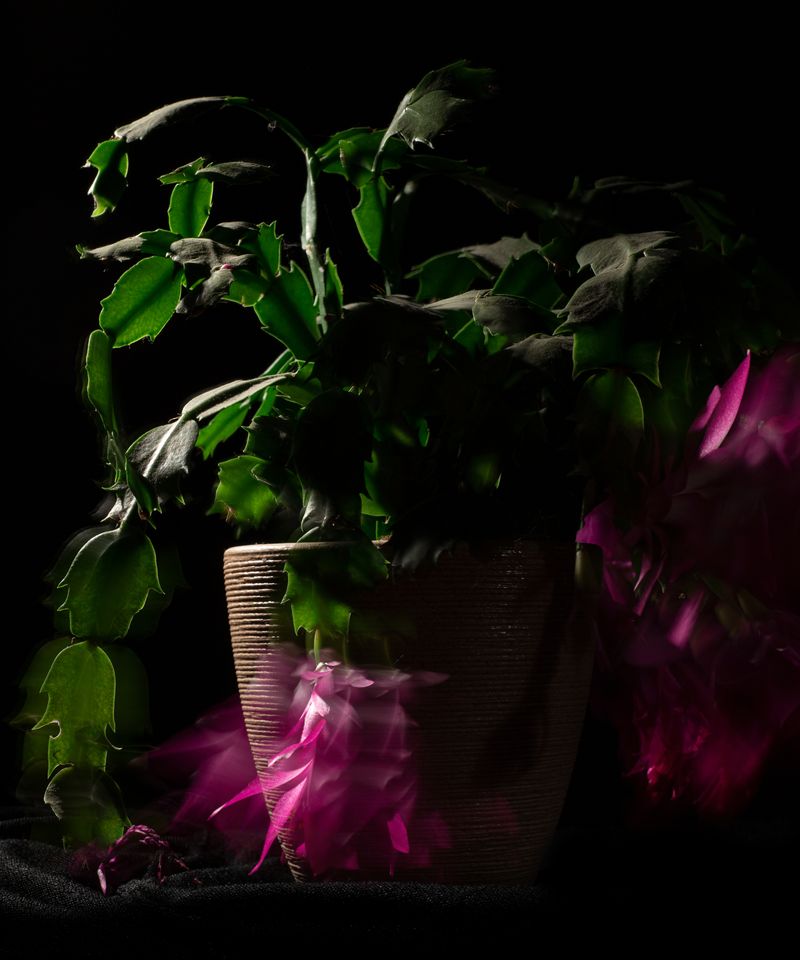
Think of darkness as a consistent signal your plant responds to. Once it hears it enough nights in a row, flower buds start forming.
Christmas cactus buds in response to long nights, and cool temperatures alone can also trigger it. The plant measures how many hours pass without any light at all.
When nights stretch to about 12 to 14 hours of total darkness, a chemical signal kicks in. That signal tells the stem tips to build buds instead of new stem segments.
In their native Brazilian forests, these plants grow on trees and bloom in response to seasonal changes in night length and temperature.
Your living room confuses that natural rhythm with lamps, TVs, and bright phone screens. Light at night can interrupt the plant’s internal timer, so keep the dark period consistent.
Cool temperatures reinforce the message too. Nights around 50 to 60 degrees Fahrenheit make the darkness signal stronger and more reliable.
Thanksgiving cactus, a close cousin, follows the same rule and often blooms a few weeks earlier.
So the trigger is not fertilizer or fancy soil. It is simply giving your plant the long, quiet nights it was built to expect.
Get the darkness right, and the rest of the process gets much easier. Your plant will handle the hard work of turning stems into flowers.
Your Dark-Night Timeline Before The Holidays
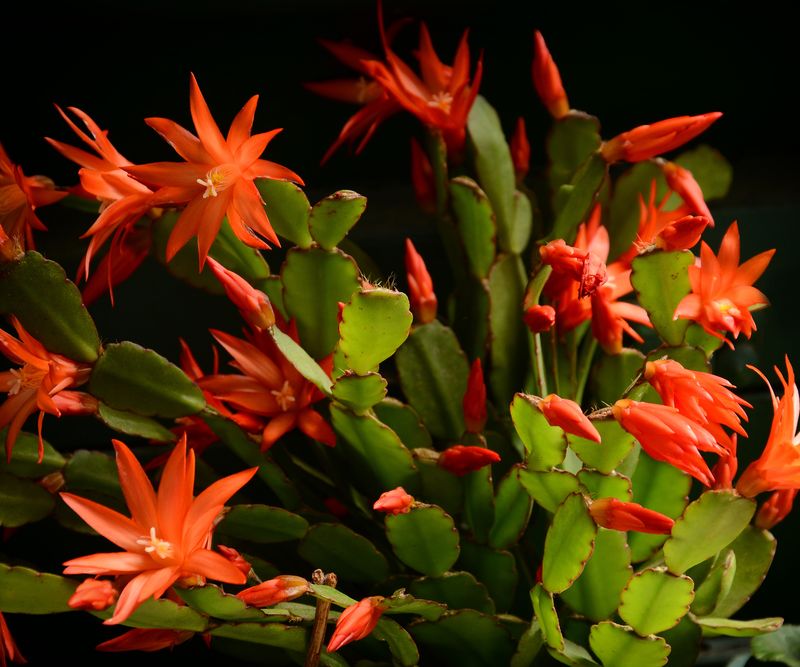
In the northern hemisphere, early October is the ideal time to start. Start now, and flowers are likely by late December.
Plants typically need three to six weeks of long nights to set buds, and flowers open a few weeks after that. Fast starters may show tiny bumps on their stem tips within three weeks.
Count backward from the day you want blooms on display. If your big family dinner is December 20, begin your dark routine by early October.
Weather in October helps you out a little bit. Days are shorter now, so the plant is already leaning toward bloom mode.
Still, indoor lights stretch your evenings far past sunset. That is why a planned schedule beats waiting for nature to do the job alone.
Pick a start date and write it on a calendar or set a phone reminder. Treat it like a fun science project with a sparkly holiday ending.
Starting too late is a common timing problem. Buds may arrive in January, which is lovely but less festive than you hoped.
Starting too early can also cause trouble. Flowers might open before Thanksgiving and fade right as the holiday guests arrive.
Keep watering lightly during these weeks, letting the top inch of soil dry first. Skip fertilizer for now, since the plant is focused on making buds.
Think of October as the dress rehearsal and December as opening night. A little planning now means a bigger round of applause later.
Hidden Light Leaks And Other Common Mistakes
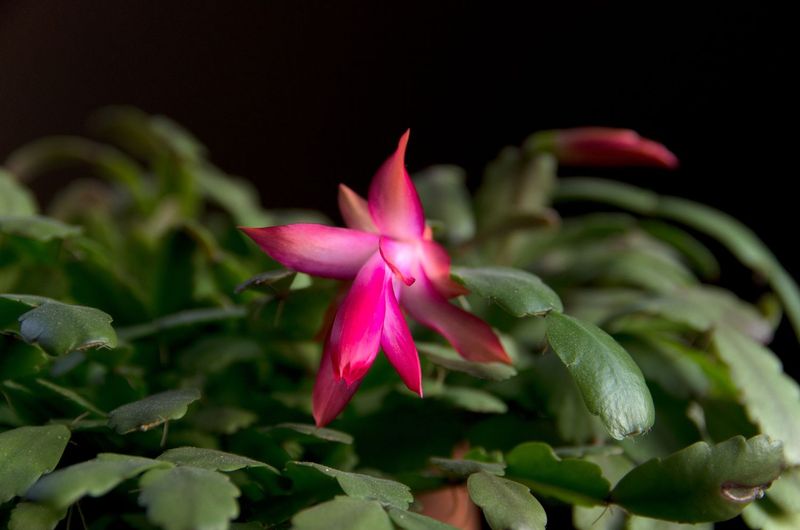
Picture yourself tucking your plant away, then flipping on the closet light to grab a sweater. That brief moment could delay budding.
Light leaks are a common reason the darkness trick fails. The plant needs nights that are truly dark and truly uninterrupted to stay on track.
Common sneaky sources include streetlights, nightlights, glowing electronics, and gaps under doors. Even a bright digital clock nearby can send mixed signals.
Try a simple test after dark, using only your eyes. Stand where the plant sits, and if you can read a book, it is too bright.
Moving the pot around too much is another classic slip. Buds are sensitive to sudden changes in light, warmth, or position once they start forming on the stems.
Dropped buds can also come from drafts or heaters blowing on the plant. Keep it away from vents, fireplaces, and chilly doorways that swing open often.
Overwatering creates its own problems during this season. Soggy soil leads to root rot, and a stressed plant may not bloom.
Skipping nights is the last mistake worth mentioning. A few forgotten evenings in the bright, busy kitchen can delay budding.
None of these slips are permanent. Fix the problem, restart your count, and give the plant a few more weeks of steady darkness.
Many of us learn this lesson the hard way at least once. Consider it a rite of passage for proud holiday plant owners.
A Simple Closet And Box Routine
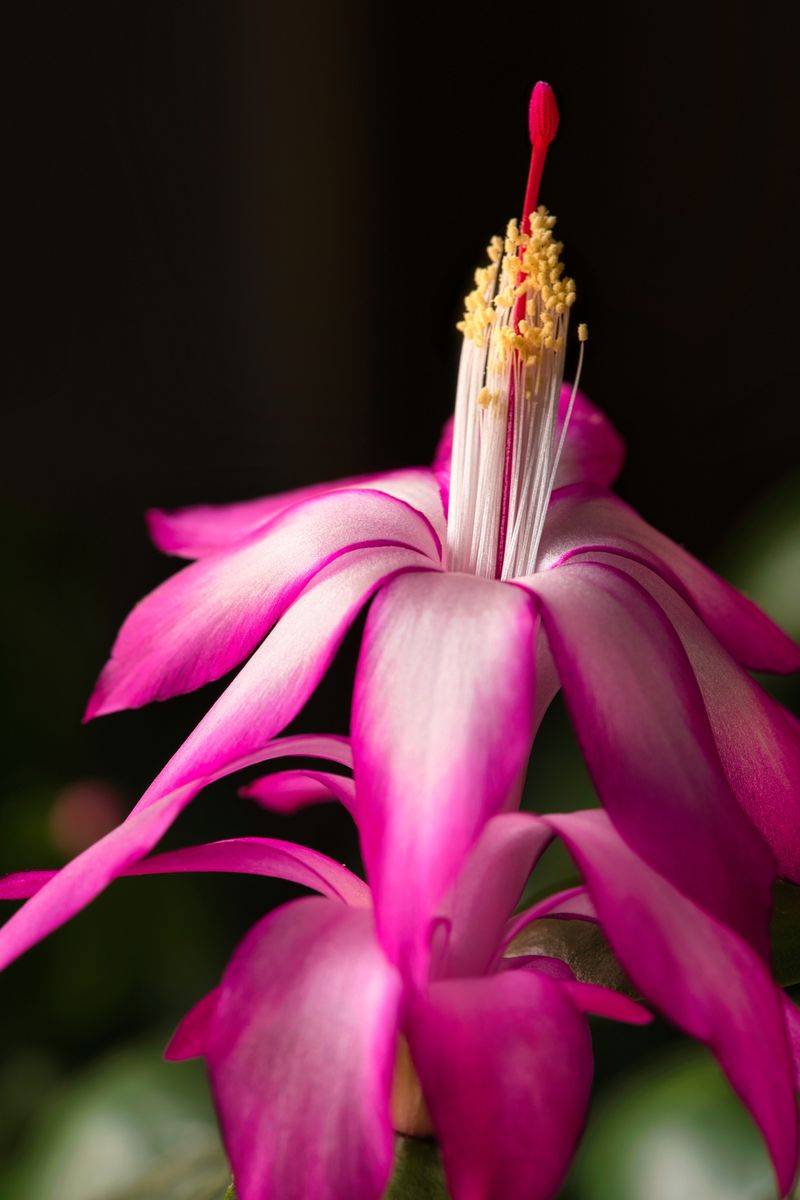
Grandma might have kept her plant in a spare bedroom nobody used, and it bloomed heavily. You can copy her success with an easy daily habit.
Around 5 p.m., move the pot into a dark closet, cabinet, or unused room. Bring it back out around 7 or 8 a.m. for bright, indirect daylight.
That schedule gives about 14 hours of darkness and plenty of daytime sun. Daylight still matters, because the plant needs energy to build all those buds.
No spare closet? Try a large cardboard box turned upside down over the plant each evening.
Check that the box has no holes or thin spots where light sneaks through. A dark trash bag draped over the box adds extra protection.
Some people use a cool basement or garage room with no windows. Just make sure temperatures stay above 50 degrees so the stems are not damaged by cold.
Setting phone alarms makes the routine stick. Label one alarm Plant Bedtime and the other Plant Breakfast for a little extra fun.
Kids can join in and take turns carrying the pot. It turns plant care into a family tradition with a colorful reward.
Be gentle when moving the plant each day. Lift it from the bottom of the pot so stems do not snap or bump against doorframes.
Keep the routine going until buds are clearly visible, usually three to six weeks. After that, you can relax and let the plant stay in one spot.
Buds, Patience, And The Payoff
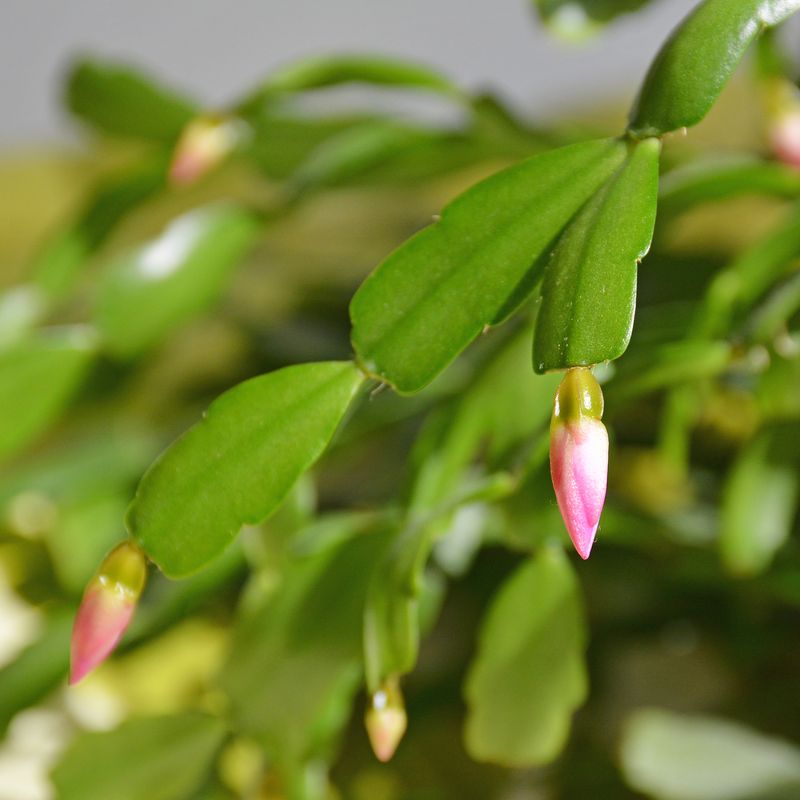
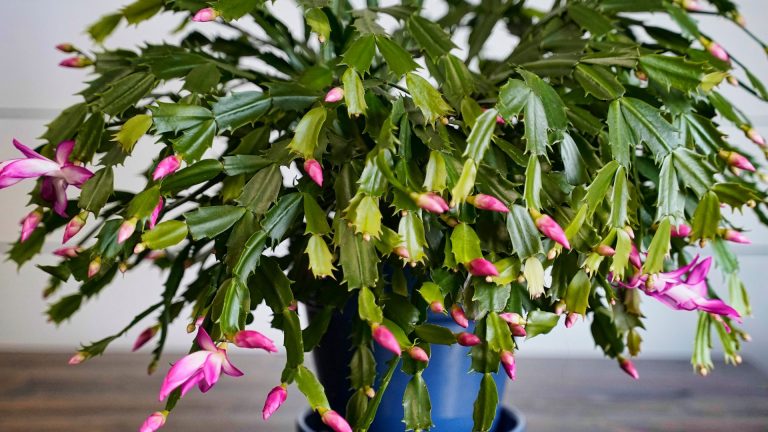
The first bud looks like a tiny pink freckle at the tip of a stem. Spotting it feels like finding a surprise gift a few weeks early.
Buds usually appear after three to six weeks of steady long nights. They grow slowly at first, then swell noticeably within days.
Once buds are clearly formed and well developed, you can stop the darkness routine. Set the plant in a bright spot away from direct, harsh sun.
Pick that final spot carefully, because buds are sensitive to being moved. A sudden change in light or temperature may cause them to drop.
Water when the top inch of soil feels dry, but avoid soggy roots. Humidity helps too, so a tray of pebbles and water underneath works nicely.
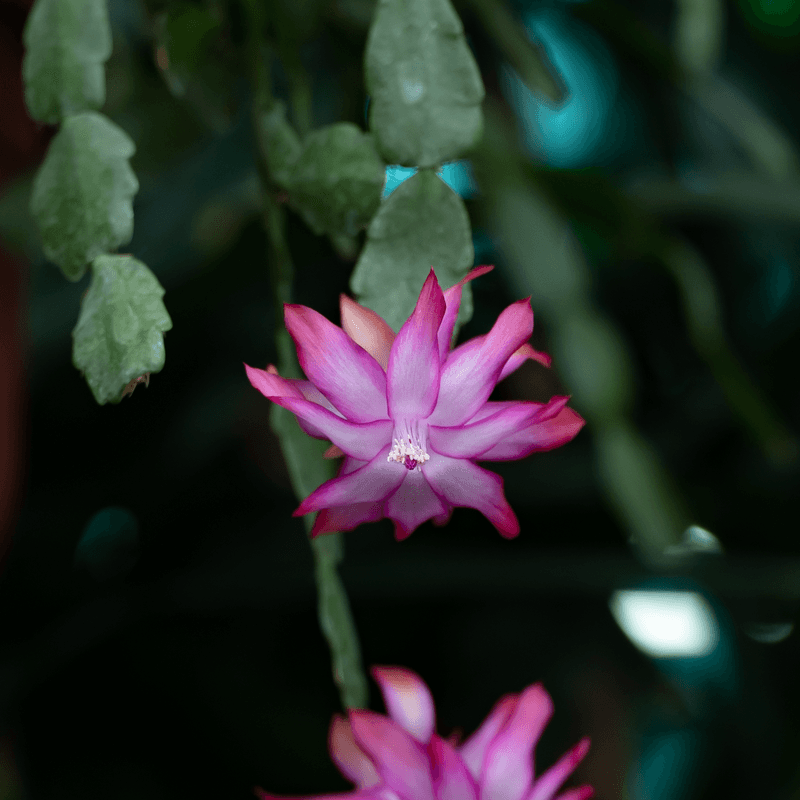
Flowers open in shades of pink, red, white, purple, orange, or even yellow. Each bloom hangs like a little ornament dangling from a green branch.
A healthy plant can stay in flower for four to six weeks or more. Cooler rooms help blooms last longer, while warm rooms make them fade faster.
With good care, a Christmas cactus can live for several decades. Your plant could become a treasured heirloom. Over the years it typically grows fuller and can produce more flowers.
Take photos once it is in full bloom to track progress over the seasons. Proof of your hard work looks great on a holiday card.
A Calendar Plan For Next Fall
Smart gardeners think one season ahead, like squirrels hiding acorns for winter. After the blooms fade, your plant enters a quiet rest period.
Give it about a month of lighter watering and no fertilizer once flowering ends, then twist off the outer one or two segments of each stem to make the plant bushier. That short break helps it recover from all the hard blooming work.
In spring, start feeding every two to four weeks with a balanced houseplant fertilizer. Twist off the outer one or two segments of each stem after flowering to make the plant bushier.
More branches mean more stem tips, and more tips mean more flowers. It is simple math that pays off big in December.
Many people move their plants outdoors to a shady porch for summer. Bring them inside before nights drop below 50 degrees in early fall.
Mark your calendar now for next year’s dark routine starting in early to mid-October. Add a second reminder in September to stop fertilizing and ease up on water.
Placing the plant in a rarely used guest room makes life easier. If no one flips on the lights at night, the darkness happens on its own.
Repot only every three years or so, since this plant enjoys being a bit snug. A crowded pot often encourages more blooming, oddly enough.
Keep a simple notebook with start dates, bud dates, and bloom dates. Over time, you will learn your own plant’s personal rhythm.
Follow that yearly loop, and the holidays get a little brighter each time. Your plant will repay the patience with flowers year after year.