This Underused Native Tree Deserves A Spot In More Pennsylvania Yards
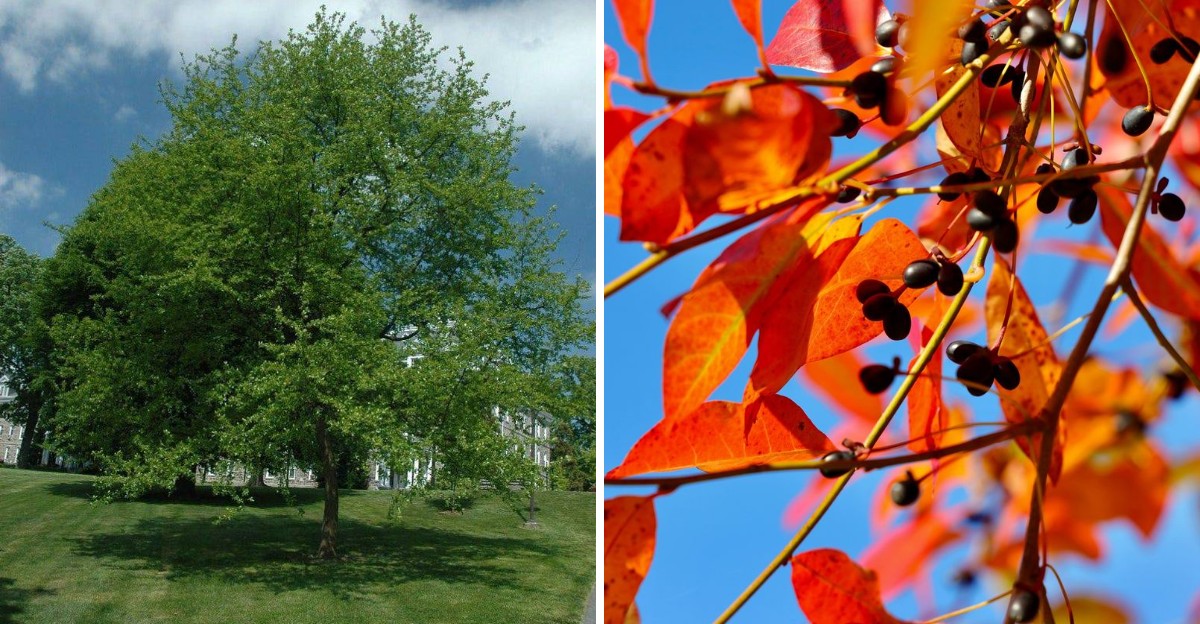
Every fall, one native tree seems to jump the gun. While most of the woods are still green, its glossy leaves are already turning brilliant scarlet.
By October, it can seem to glow. That fiery color is reason enough to plant it, but it’s only part of the story.
This tree can live for centuries, with some wild specimens reaching more than 500 years old. Its small, dark blue fruits feed migrating birds just when they need a boost. In spring, its flowers draw in bees.
It also handles wet spots and heavy soil that frustrate many other trees, and its neat, layered branches give it a clean, tidy shape.
Despite all that, it rarely shows up in Pennsylvania neighborhoods. Once you see what it brings to a yard, you’ll wonder why more people aren’t planting it.
The Native Tree Worth Knowing
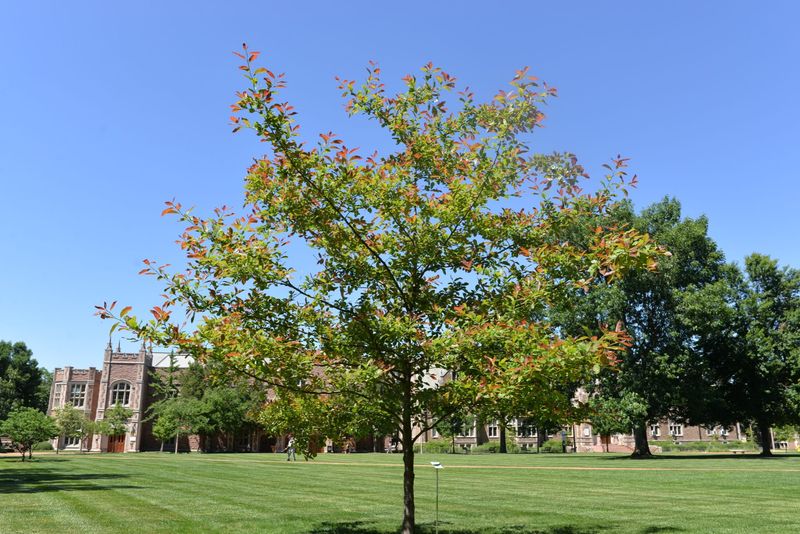
Some trees shout for attention. Blackgum is more like the quiet kid in class who turns out to be the most interesting person in the room. You may also hear it called black tupelo, sour gum, or pepperidge.
Across Pennsylvania, blackgum grows naturally in many places. You can find it in damp swamps, rocky hillsides, and along the edges of woods. Hikers often pass it without knowing what it is.
In a home yard, blackgum usually reaches about 30 to 50 feet tall. That size makes it a great fit for most lots.
It will not tower over your house like some giant oaks can. It also will not stay tiny like a shrub.
When it is young, the tree has a tidy shape that looks a bit like a pyramid. The branches stick out sideways from the trunk in neat layers.
As it ages, the crown becomes more rounded and open. Older trees often have bark that cracks into blocky chunks, almost like alligator skin.
Here is a fun fact for you. Blackgum trees can live for a very long time. Scientists have found some wild blackgums in the eastern United States that are more than 600 years old. That makes them some of the oldest flowering trees in the region.
So why plant one? For starters, it is truly local. Native trees support local insects, birds, and other wildlife far better than many imported trees.
They are also already used to Pennsylvania weather, from icy winters to hot, sticky summers.
If you want a tree with history, beauty, and purpose, blackgum is a smart pick. It is a tree your grandkids might still enjoy someday.
Some Of The Best Fall Color Around
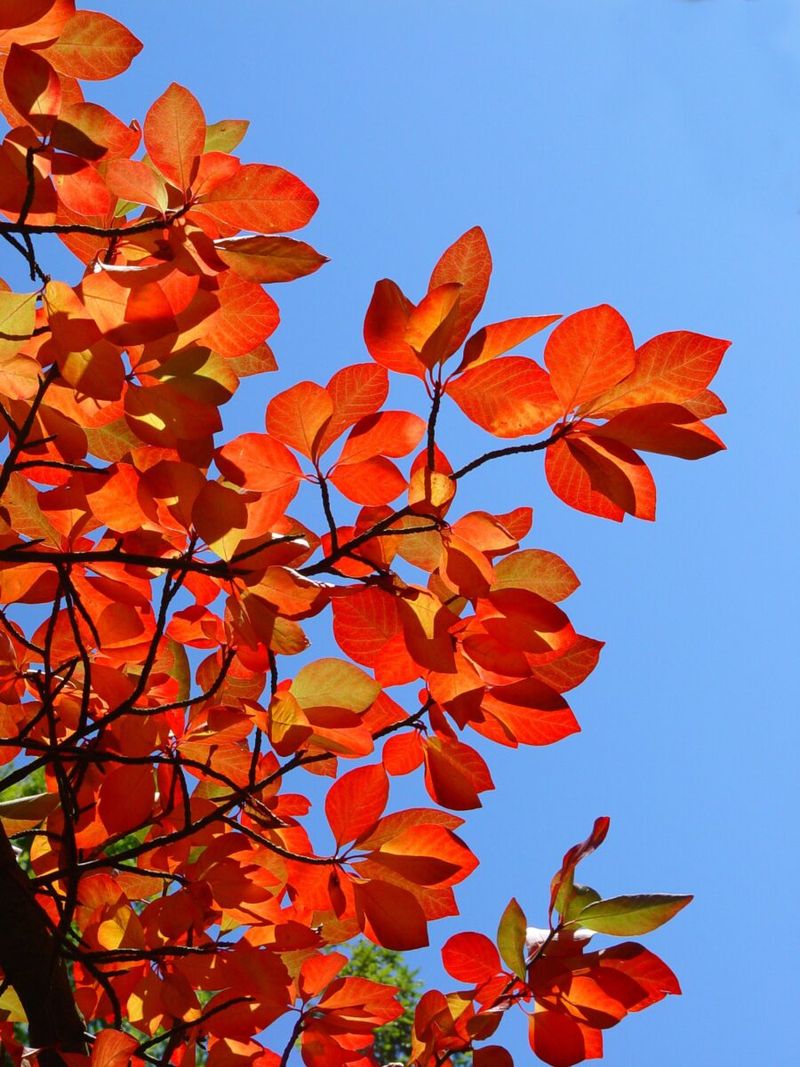
Ask a tree lover to name the best fall tree, and many will say blackgum without blinking. Sugar maples get most of the fame. Yet blackgum often steals the show.
Every September, it is usually one of the very first trees to start turning. While other trees are still green, blackgum begins to glow. Its leaves shift to deep scarlet, bright orange, sunny yellow, and even rich purple.
Here is the really cool part. All of those colors can show up on the same tree at the same time. Some leaves may be half red and half yellow. It can look like someone painted each leaf by hand.
Your Pennsylvania Garden Changes Every Week. Your Plan Should Too.
Gardening in Pennsylvania changes quickly throughout the season. Every Friday you’ll receive a simple weekly plan showing exactly what to plant, prune, fertilize, harvest, and protect so you never miss the right timing.
The color is not just pretty for people, either. Some experts think the early red leaves act like a signal to birds.
The bright color may help birds spot the ripe fruit hiding in the branches. Nature is clever that way.
Of course, a tree has to look good for more than a few weeks. Blackgum handles that job well too. In spring and summer, its leaves are a shiny, deep green. They catch the sunlight and almost sparkle after a rain.
In winter, the bare branches show off that neat, layered shape. Snow sitting on the sideways limbs looks lovely against a gray sky.
Want the best fall color? Plant your blackgum in a sunny spot. More sunlight usually means brighter, bolder reds and oranges. Trees in deep shade still turn color, but the show may be a little softer.
Put it where you can see it from a window, and you will have a front row seat to an amazing autumn display every single year.
Food For Birds And Pollinators
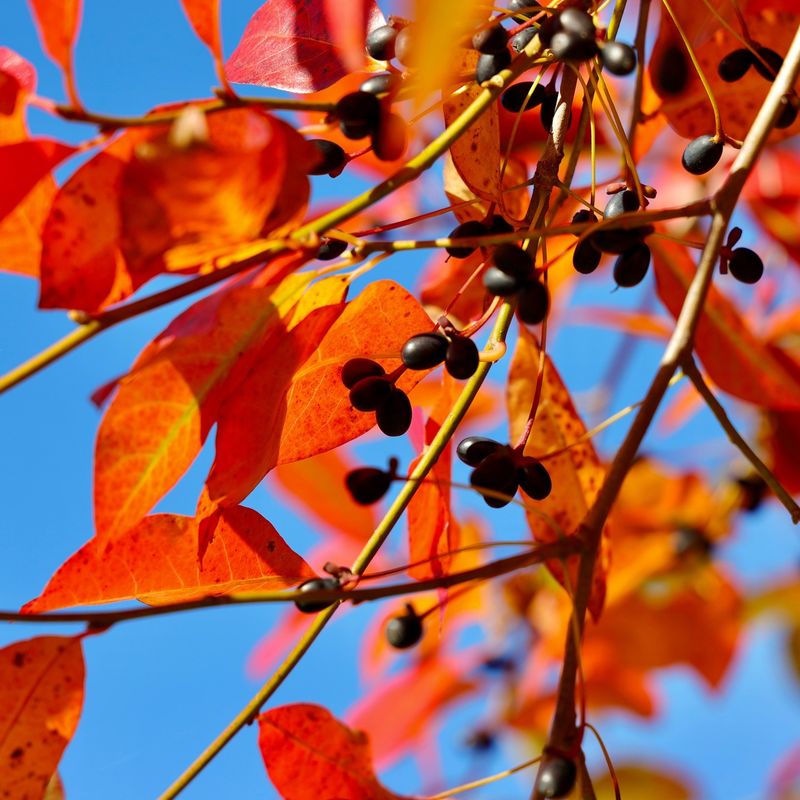
Picture a robin? No, think about its stomach instead. Birds getting ready to fly south need lots of fuel, and blackgum is like a roadside diner for them.
Let’s start in spring, though. In April and May, blackgum produces tiny greenish flowers. They are easy to miss because they are so small. Bees do not miss them at all.
Those little flowers are packed with nectar. Honeybees, bumblebees, and many native bees visit them often.
Beekeepers even prize tupelo honey, which comes from blackgum’s close cousins in the South. It is known for its light, sweet flavor.
Now jump ahead to fall. Female blackgum trees grow small, dark blue fruits about the size of a pea. They are sour to people, which is why the tree is sometimes called sour gum. Birds, on the other hand, love them.
Robins, thrushes, mockingbirds, woodpeckers, and cedar waxwings all feast on the fruit. The berries are high in fat. That gives migrating birds the energy they need for long trips.
Other animals join in too. Squirrels, foxes, and even black bears eat the fruit in the wild. The leaves also feed certain caterpillars, which then become food for baby birds.
Here is a helpful tip. Blackgum trees are usually either male or female. Only females make fruit.
Male trees still make flowers for the bees, though. If berries for birds are your goal, ask your nursery if they know the tree’s sex, or plant more than one.
Either way, you will be helping local wildlife. Each blackgum you plant becomes a small but mighty part of Pennsylvania’s food web.
Handles Wet And Dry Spots
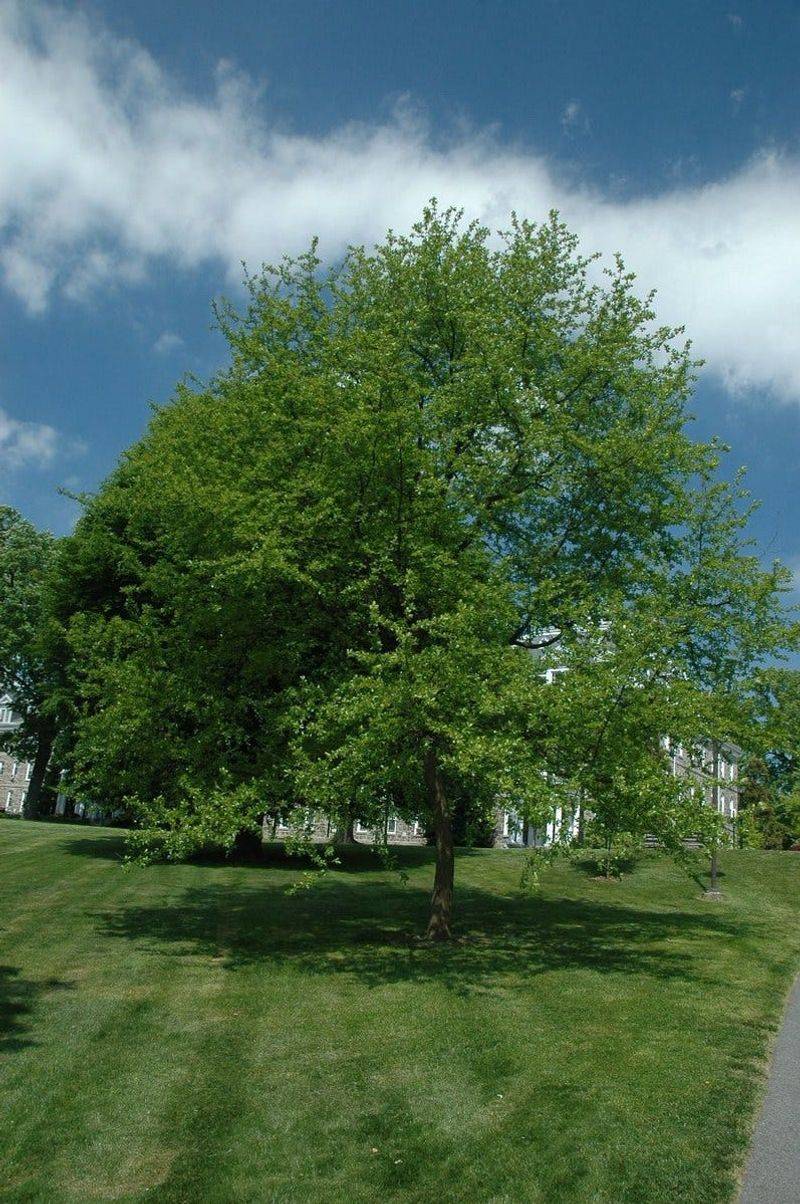
Got a soggy corner where nothing seems to grow? Many homeowners do. After a heavy rain, water just sits there for days, and most trees hate wet feet.
Blackgum is different. In the wild, it often grows in swamps and along stream banks. Its roots can handle soil that stays damp for long stretches. That makes it a great choice for low spots, rain gardens, or yards with heavy clay.
But it is not picky in the other direction either. Blackgum also grows on dry, rocky hillsides in Pennsylvania’s mountains. Once it settles in, it can put up with summer dry spells better than you might expect.
Few trees can pull off both. It is a bit like a friend who is happy at a pool party or a desert camping trip.
There are a couple of things it does like, though. First, blackgum prefers soil that is slightly acidic. Lots of Pennsylvania soil already fits that bill.
If your soil is very alkaline, the leaves may turn pale yellow. A simple soil test from Penn State Extension can tell you where you stand.
Second, think about light. Blackgum grows well in full sun to part shade. Aim for at least four to six hours of sun a day. More sun means better growth and stronger fall color.
Here is one more practical idea. If water runs off your roof or driveway into one area, a blackgum can help soak some of it up. Its roots drink water and hold soil in place. That can mean fewer puddles and less erosion.
Tough spots in your yard do not have to stay empty. Blackgum can turn them into a highlight.
Few Pest And Disease Problems
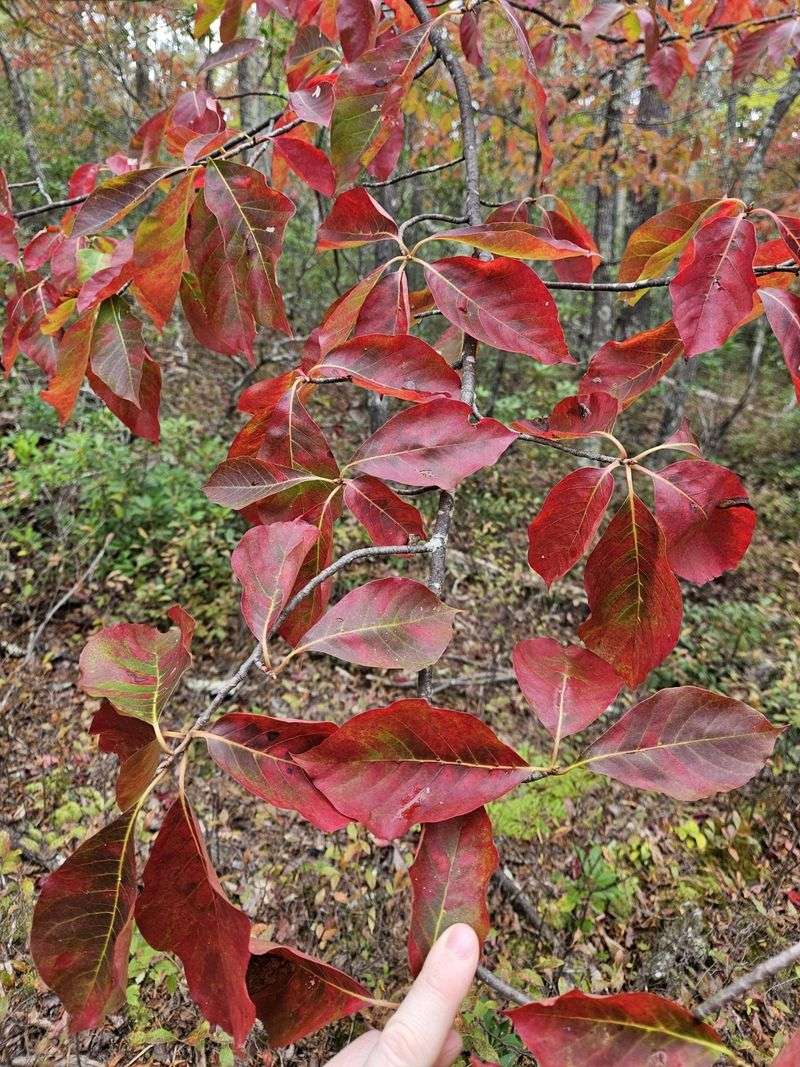
Pennsylvania has had a rough run with trees. Ash trees were hit hard by the emerald ash borer. Spotted lanternflies swarm all over the state. Many homeowners are tired of watching trees struggle.
That is where blackgum shines. Compared to many popular yard trees, it has very few serious problems with bugs or diseases. Most of the time, it just quietly grows and stays healthy.
Sure, you might spot a few minor issues. Some leaves can get small spots in a wet summer. A caterpillar might chew a leaf here and there. These things are usually cosmetic and do not hurt the tree in any real way.
Why does it matter so much? A healthy tree saves you time and money. You will not need to spray chemicals all the time. You will not be calling a tree service every year to fix new problems.
Fewer sprays are also better for the bees and birds that visit your yard. When you skip harsh chemicals, you protect the very creatures you are trying to help.
Blackgum also stands up well to storms. Its wood is tough and has a twisted grain. In fact, early settlers used it to make wagon wheel hubs and bowls because it was so hard to split. That strength helps branches hold up in wind and ice.
Want to keep your tree in top shape? Water it during long dry spells, especially in the first few years. Spread a thin layer of mulch around the base, but keep it away from the trunk.
Avoid hitting the bark with lawn mowers or string trimmers. Do those simple things, and your blackgum should reward you with years of easy care.
Tips For Planting It Successfully
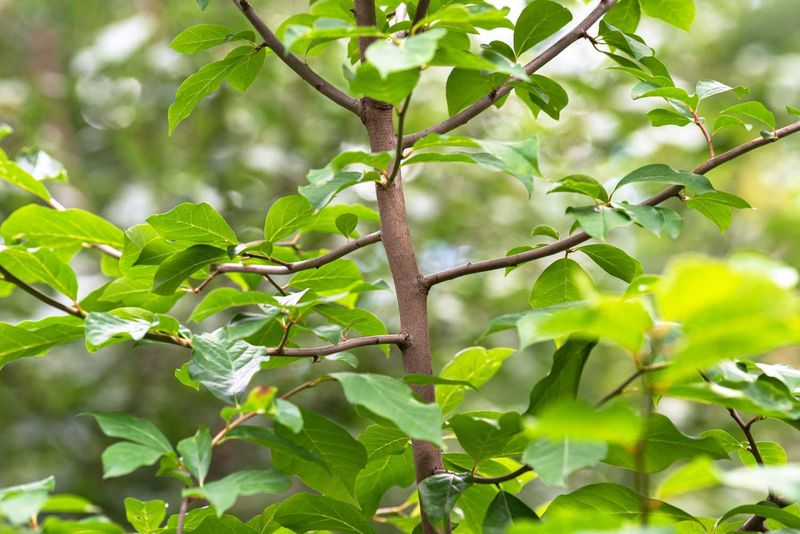
Patience is the secret ingredient with blackgum. Give it a good start, and it will pay you back for generations.
First, know a little about its roots. Blackgum grows a long, deep taproot that heads straight down into the soil. That root is great for finding water. It also makes big trees very hard to move.
Because of that, choose a young tree. A small tree grown in a container is your best bet. Large trees dug from the ground often lose too much of that taproot and struggle to recover. A smaller tree will usually catch up and pass a bigger one within a few years.
Spring is a great time to plant in Pennsylvania. Early fall works well too. Dig a hole that is two to three times as wide as the pot but no deeper. The top of the root ball should sit level with the ground or slightly higher.
Gently loosen any roots circling the pot. Fill the hole with the soil you dug out. Water deeply right away.
For the first two years, water once a week if it does not rain. Add two to three inches of mulch in a wide circle. Keep the mulch a few inches from the trunk so the bark can breathe.
Do not panic if it looks slow at first. Blackgum spends its early years building roots underground. You might not see much new growth on top. After that, it picks up speed.
Need help finding one? Check native plant nurseries or spring sales run by local conservation districts. Plant it once, care for it a bit, and enjoy a tree that can brighten your yard for decades.