Black Walnuts Are Dropping All Over Ohio Yards Right Now – Here’s What To Do With Them
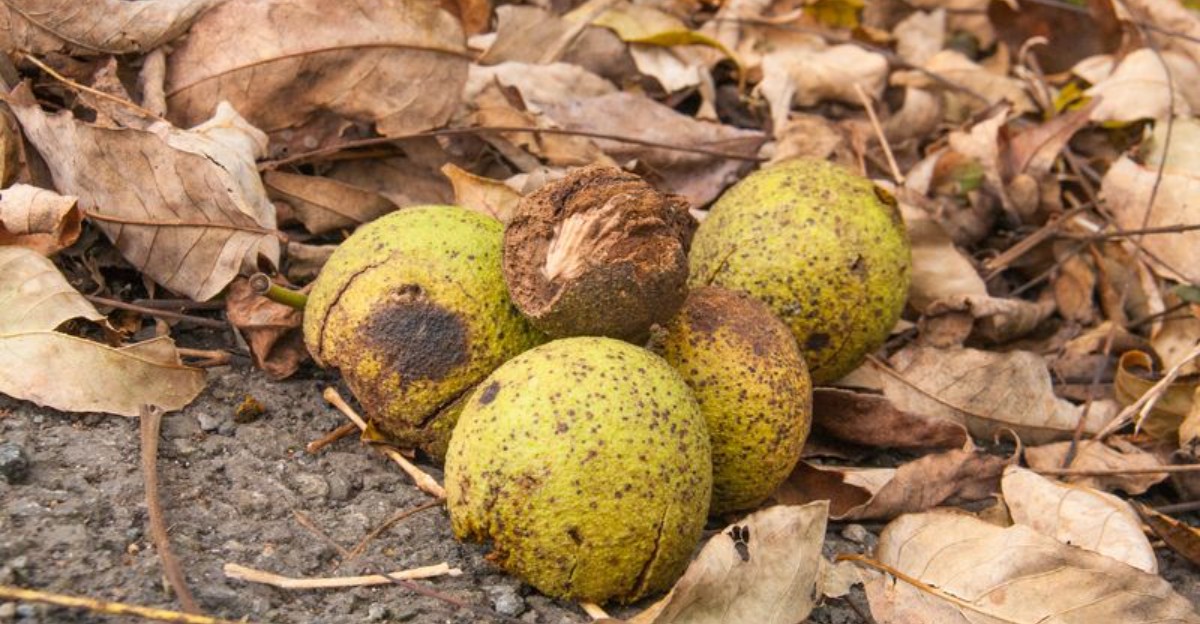
Thunk. Another green tennis ball just bounced off your Ohio driveway, and the squirrels got a good laugh.
Black walnuts hit the ground by the hundreds this time of year. Ignore them and your yard turns into a hazard course.
Handle them wrong and the stain sticks to your hands for weeks.
Those husks carry more value than most people realize. Gardeners, crafters, and cooks all have their eyes on that pile.
Everyone else just sweeps it into the street.
Gloves first, plan second. That mess on your lawn is worth more than it looks.
1. Ripe Walnuts Dent When You Press The Hull
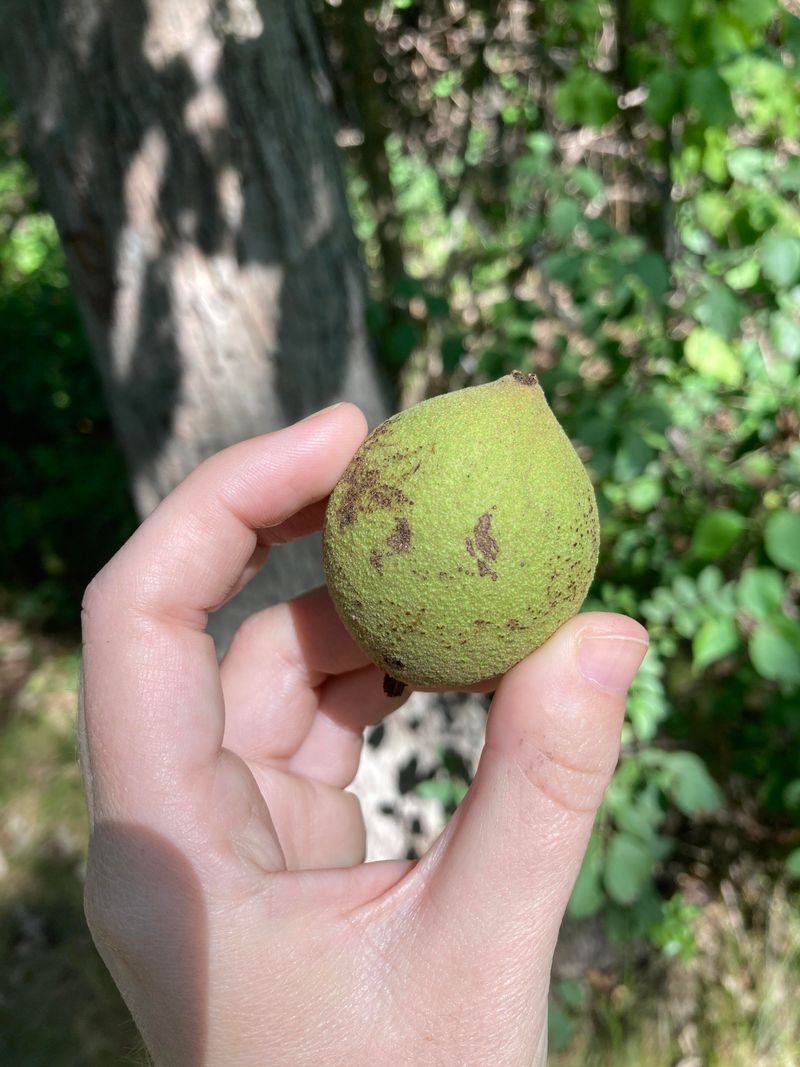
Picture your thumb as a ripeness meter. Give a fallen black walnut a gentle squeeze, and if the hull sinks in a little, you have a winner.
In Ohio, these nuts usually ripen from late September through October. Early in the season, the hulls stay hard and bright green, like little tennis balls.
As they mature, the color shifts toward yellow-green or a speckled brown.
Once the hull softens enough to hold a thumbprint, the nut inside is ready. Ripe ones also let go of the branch easily, which is why your yard suddenly looks like a battlefield.
Picking or shaking nuts from the tree gives the best quality. Still, most folks simply gather them from the grass, and that works fine.
Skip any walnuts with hulls that are fully black and mushy. Those have been sitting too long, and the nutmeat inside may be spoiled or bitter.
A little dark spotting is okay, but goo is a warning sign.
Here is a fun bit of history for you. Early settlers in Ohio prized black walnuts so much that they used the nuts as trade goods.
Families would gather bushels each fall to last through winter.
So take a slow walk around your yard with a bucket. Press, check the color, and toss the keepers in.
Your future cookies will thank you.
2. Pull The Hulls Off Promptly
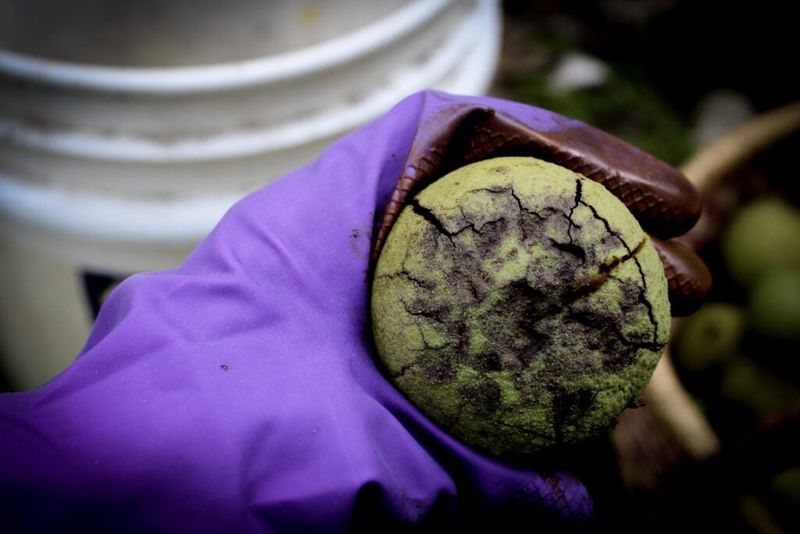
Procrastination is the enemy here. A pile of walnuts left in a bucket for two weeks can go from tasty treasure to bitter disappointment.
The green hull is the problem. As it softens and breaks down, its dark juice seeps through the shell and into the kernel.
That stains the nutmeat and gives it a harsh, bitter flavor nobody wants in brownies.
Older hulls also get mushy and slimy, which makes them much harder to peel. So try to remove hulls within a few days of gathering.
Luckily, you have plenty of options. Lots of people simply stomp on the nuts with sturdy boots on a hard surface, rolling them until the hull pops off.
A hammer works too, as long as you tap carefully so you do not crack the shell.
Got a big haul? Some Ohio folks toss walnuts into an old cement mixer with gravel and water.
Others use a corn sheller, or even a paint mixer attached to a drill inside a metal trash can while spraying water.
Your Ohio Garden Changes Every Week. Your Plan Should Too.
Gardening in Ohio changes quickly throughout the season. Every Friday you’ll receive a simple weekly plan showing exactly what to plant, prune, fertilize, harvest, and protect so you never miss the right timing.
Get creative, but stay safe. A neighbor of mine swears his old truck tires do the job by driving over a row of nuts on gravel.
Whatever method you choose, quick action means cleaner shells and sweeter kernels. Speed really pays off with this crop.
3. Wear Rubber Gloves Unless You Want Stained Hands
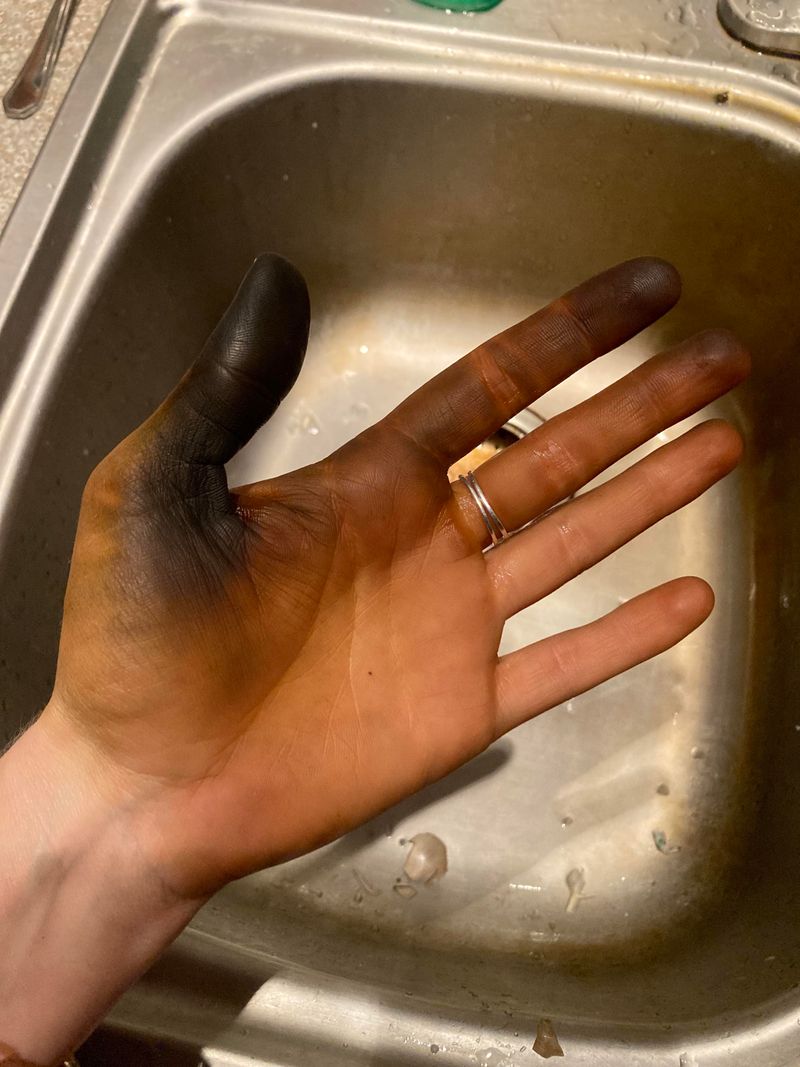
Ever shown up to school or work with hands that look like you dipped them in coffee? Walnut hulls can do that to you in about ten minutes.
The culprit is a natural compound called juglone. When the hull gets crushed or starts breaking down, juglone hits the air and turns into a powerful dye.
It soaks into skin, clothes, and even concrete.
Here is the sneaky part. The stain often looks mild at first, then darkens over several hours.
Regular soap barely makes a dent because juglone bonds with proteins in the outer layer of your skin.
Those brown fingers can hang around for weeks. They fade slowly as your skin naturally sheds, so patience is your only real fix.
Pioneers actually used walnut hulls to dye wool and fabric for this very reason.
Some people also get itching, redness, pain, or even blisters from touching juglone. That makes protection a smart move for comfort, not just looks.
Grab a pair of thick, durable rubber gloves before you touch a single hull. Thin disposable gloves can tear on rough shells.
Wear old clothes and closed shoes too, since splashes happen.
Think of it like gearing up for a messy science experiment. A few minutes of prep saves you from weeks of explaining your mysterious brown hands.
4. Keep Walnuts Off The Driveway And Patio
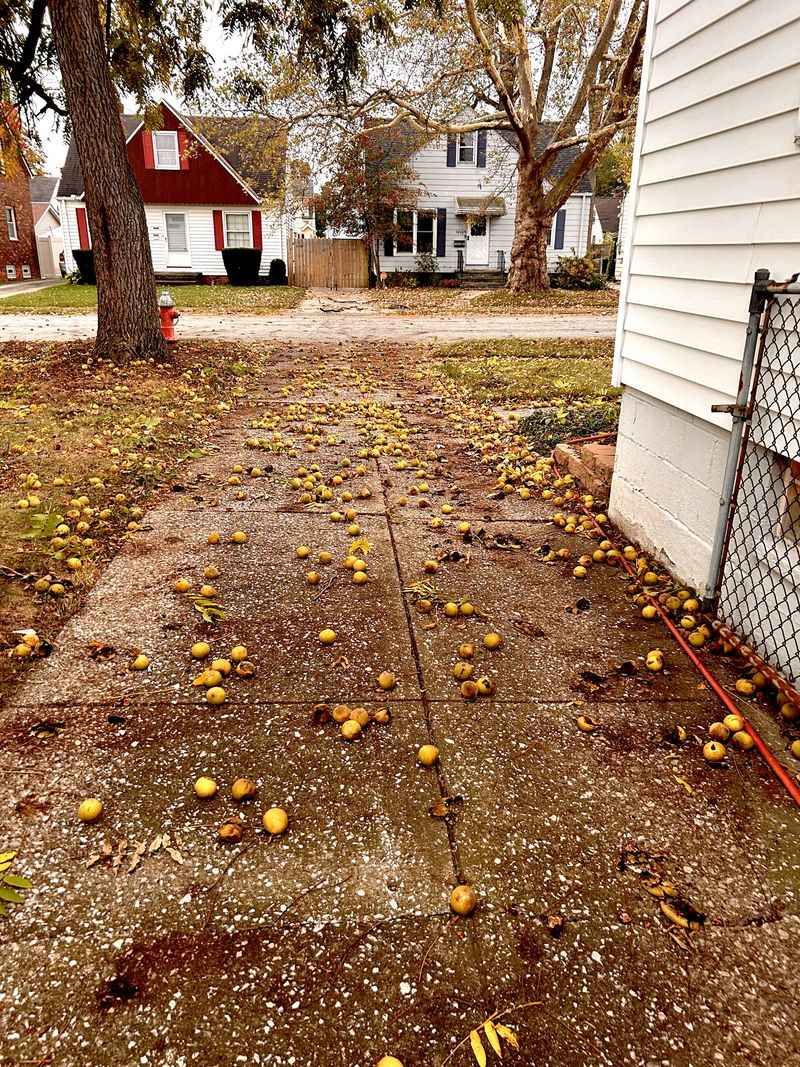
Your light gray patio did not sign up to be a canvas. Yet a few smashed walnuts can leave dark splotches that look like a giant spilled ink.
Hull juice soaks deep into porous surfaces like concrete. Asphalt, pavers, and wooden decks can pick up marks too.
If you wait too long, those spots can become permanent souvenirs.
It gets worse with time. Hulls that sit and rot on hard surfaces turn into a gooey, black, ink-like sludge.
Step in that, and you will track it into the house, the car, and onto the carpet.
Make a habit of sweeping or raking walnuts off paved areas every day or two during the drop. A leaf rake or a rolling nut gatherer makes quick work of it.
Toss them straight into a bucket so they do not get crushed by tires.
Leaving nuts on the ground has another downside. The longer the hull breaks down, the more likely the kernel inside gets stained and bitter.
So quick pickup protects both your patio and your snack supply.
If a stain does show up, scrub it right away with water and a stiff brush. Fresh marks lift more easily than old ones.
Consider parking away from the tree during peak season, too.
5. Wash The Nuts And Dry Them In A Shed Or Garage
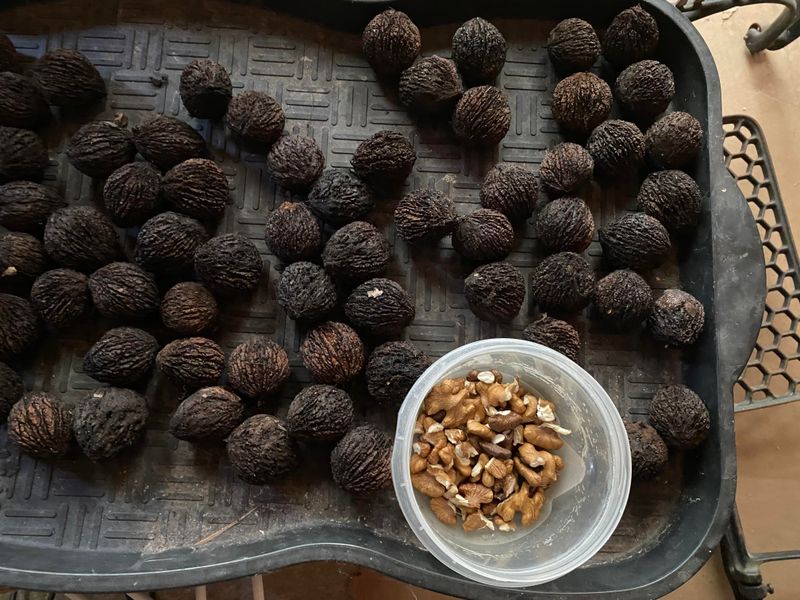
Bath time comes next, and walnuts are messy kids. After hulling, the shells still carry bits of hull and sticky juice that need to go.
Fill a big bucket or tub with water and dump the nuts in. Stir them hard with a stick or gloved hand, then drain and repeat until the water looks clearer.
Here is a clever trick. Watch which nuts float.
Good, filled walnuts usually sink, while floaters are often empty or damaged, so toss those out.
Now spread the clean nuts in a single layer on a screen or wire mesh. Make sure they are not touching, so air can move around each one.
A shed or garage works great because it stays cool, dry, and shady.
Keep them away from direct sunlight and out of reach of squirrels, who will happily rob you. Drying takes about two weeks with good airflow.
Want better flavor? Let them cure another four to six weeks in a dry spot.
Curing makes the nutmeats tastier and easier to pick out of the shell.
A properly dried kernel feels firm and snaps cleanly. Once shelled, pop the nutmeats into the freezer.
They keep for a long time there, ready for holiday baking.
6. Sell Them At A Hulling Station
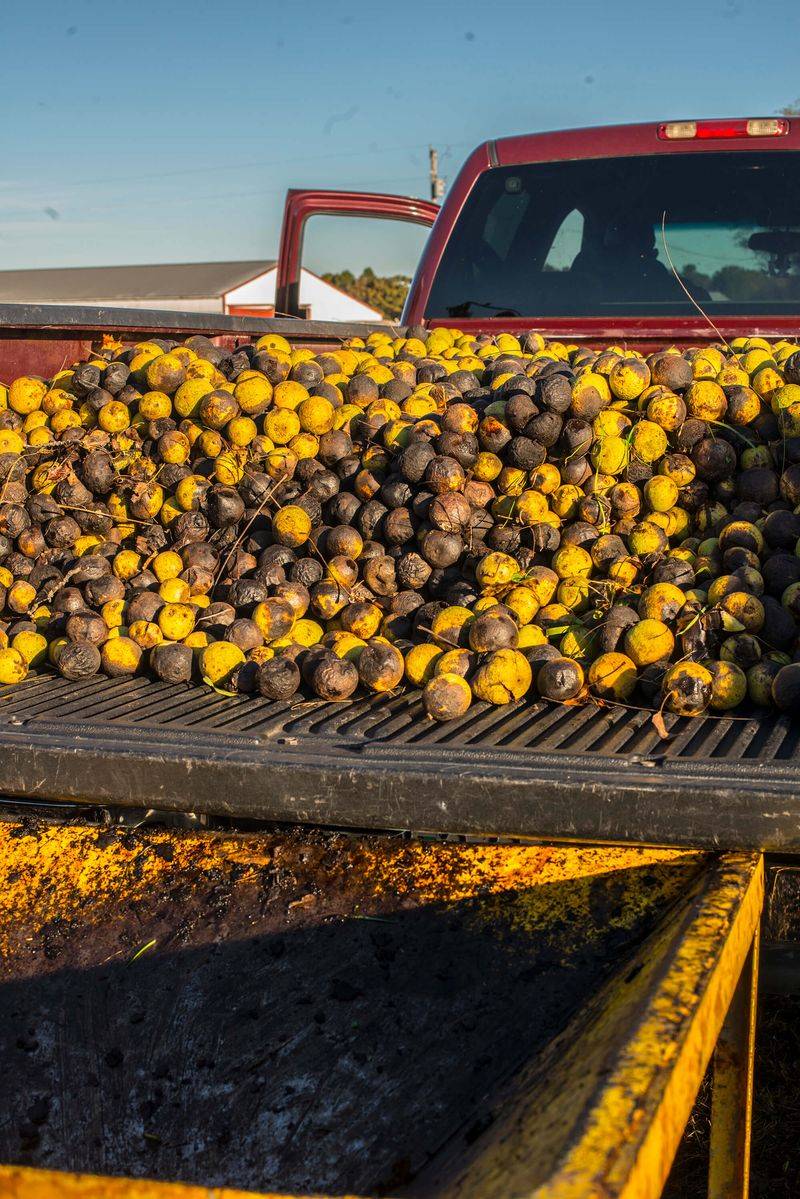
Cash for yard cleanup? It sounds too good to be true, but Ohio families have been doing it for decades.
Hammons Products Company runs black walnut hulling stations across the state. They usually buy nuts from October through November.
You bring in your walnuts, they run them through a huller, and you get paid by the pound right on the spot.
Ohio has hulling stations scattered across the state, often at farm stores, feed mills, and produce auctions. The easiest way to find the closest one is the station map on Hammons’ website, black-walnuts.com.
Stations change a bit from year to year, so check the map each fall rather than relying on last season’s spot. Bring fresh nuts that still have green hulls.
Old, blackened, or mushy ones are not what buyers want. Freshness gets you the best return for your hard work.
Before you load the truck, call ahead to check hours and current prices. Seasons can vary based on how heavy the crop is that year.
Here is a fun fact. Hammons, based in Missouri, has been buying wild black walnuts since the 1940s, and most of the black walnuts sold in stores come from people just like you.
Turning a messy chore into gas money, or a new video game, feels pretty great. Round up the family and make it a weekend outing.
7. Compost Walnut Leaves In A Separate Pile
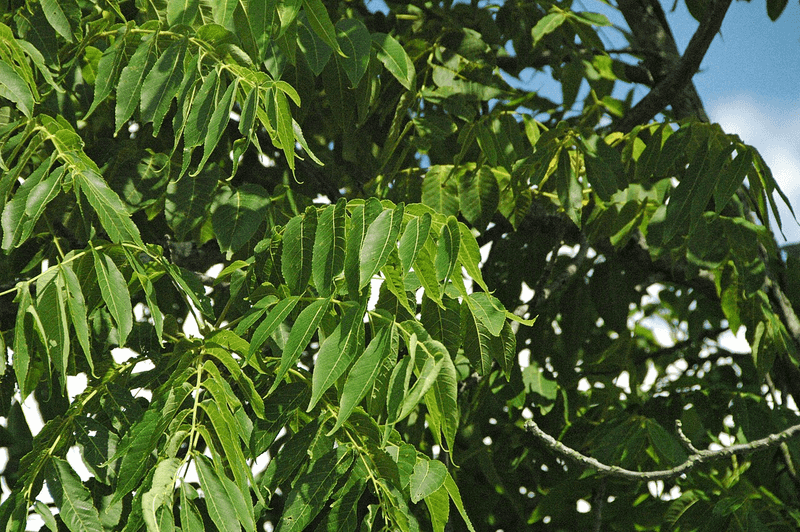
Raking season brings a mountain of leaves, and walnut leaves come with a catch. They carry juglone, the same chemical that stains your hands.
Juglone is found in every part of the black walnut tree. Scientists call it allelopathic, which is a fancy way of saying it can hold back the growth of some nearby plants.
Tomatoes, peppers, and blueberries are a few sensitive ones.
Good news, though. Juglone breaks down when it meets air, water, and helpful bacteria in a compost pile.
In an active, well-turned pile, the leaves can lose their punch within two to four weeks.
Woody stuff is tougher. Nut shells and wood chips need at least six months of composting before they are safe for touchy plants.
Many gardeners keep a separate pile just for walnut materials. That way, you can watch it, turn it often, and decide later where it goes.
It is a careful choice if you grow veggies.
Some experts go further and suggest dumping walnut leaves far from garden beds. If your garden is full of sensitive plants, that might be the easier path.
Either way, give the pile plenty of oxygen by turning it with a pitchfork every week or so. More air means faster breakdown and richer soil down the road.
8. Test Walnut Compost With Tomato Seedlings
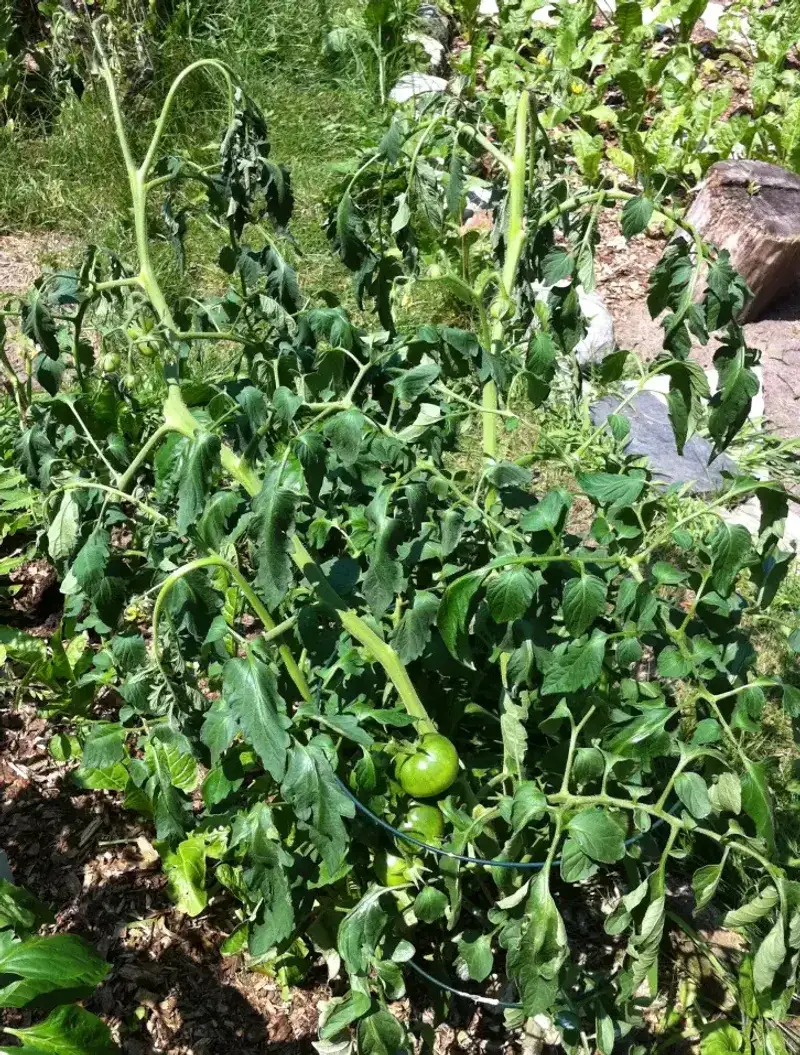
Think of tomato seedlings as the canaries of the garden. They react fast to juglone, which makes them perfect little test pilots.
So your walnut compost looks dark and crumbly. That is a great sign, but looks can fool you.
A simple test tells you whether it is truly ready for your garden.
Grab a few small pots and fill them with the finished compost. Plant a tomato seedling in each one, water them, and set them in a sunny window or on the porch.
Then watch for a week or two.
Healthy seedlings with green leaves and steady growth are your thumbs up. That means the juglone has broken down to a safe level.
Trouble looks different. Yellowing leaves, stunted growth, or wilting are signs that juglone is still active.
If that happens, let the pile sit and break down longer, then test again.
This experiment is a great project for kids, too. They can track growth with a ruler and snap daily photos, almost like a mini science fair.
For a fair comparison, plant one extra seedling in regular potting soil. If it thrives while the compost ones struggle, you have your answer.
A few cheap seedlings can save an entire garden bed from a rough season.
9. Keep Walnut Chips Out Of Horse Bedding

Horse owners, this one matters most. Black walnut shavings in a stall can turn a calm evening into an emergency vet call.
Juglone and other compounds in the wood, bark, leaves, nuts, and pollen are harmful to horses. Their skin and hooves absorb the toxins quickly.
Even bedding with just 5 to 20 percent fresh walnut shavings can cause serious problems.
Symptoms can show up within hours. Watch for swollen legs, unwillingness to move, warm hooves, strong pulses near the hooves, and signs of colic.
The biggest worry is laminitis, a painful swelling of the tissue inside the hoof. It can lead to lasting lameness or worse.
If you spot these signs, move the horse off that bedding and call your vet right away.
Always ask your supplier what wood went into your shavings. Mixed hardwood loads sometimes contain walnut without anyone noticing.
Pine is a common, safer choice.
Fallen nuts can pose risks to other pets, too. Moldy walnuts may carry mycotoxins that can make dogs quite sick.
Grazing under walnut trees has limited evidence of trouble. Still, a hungry horse munching fallen leaves or nuts could be at risk.
Many owners keep walnut trees away from pastures, which offers real peace of mind.