What It Really Means When Lanternflies Cluster On One Ohio Tree
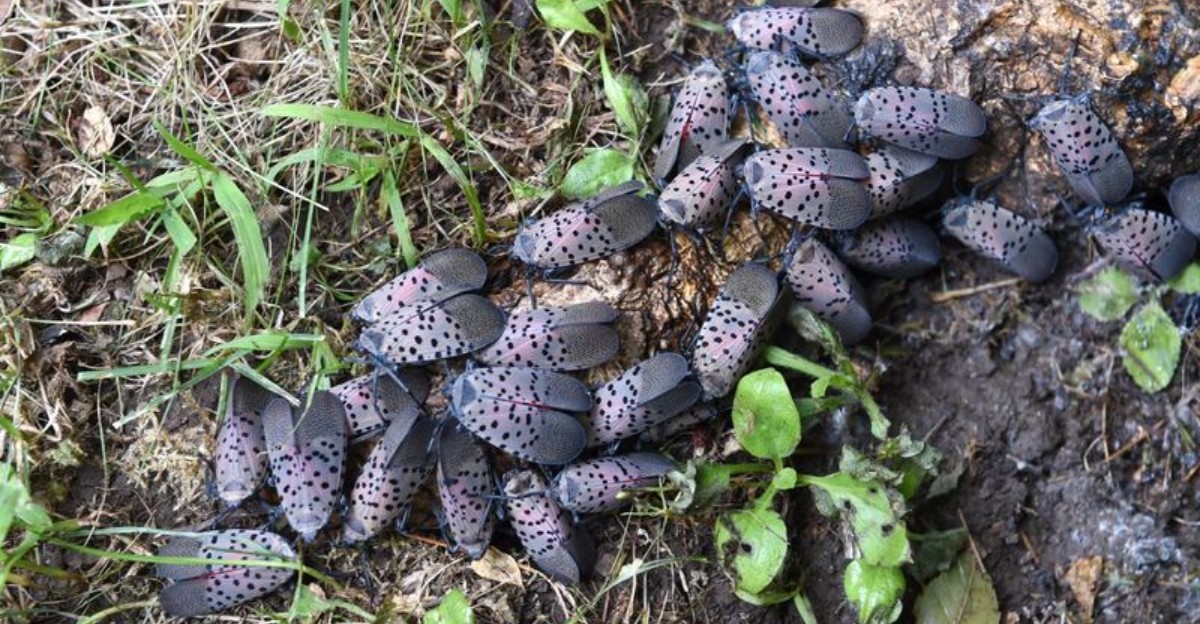
Picture one backyard tree in Ohio suddenly crawling with polka-dotted visitors that hop and refuse to leave. The bark looks busy, the air smells faintly sour, and neighbors start pointing from the fence.
That crowd is not random, even though it feels like a strange party nobody bothered canceling. Insects gather for reasons, and those reasons can tell you plenty about your yard this fall.
Early October brings cooler mornings, crunchy leaves, and a last rush from bugs racing the calendar. Some pests spend these final warm weeks feeding hard and preparing for the generation that follows.
A packed tree might seem like a minor curiosity, yet it often signals bigger patterns overhead. Sticky patios, sooty leaves, and gray smudges on bark can all connect to that busy trunk.
Plenty of Ohio homeowners shrug at first, then notice the mess spreading to cars and decks. Those little hoppers have a way of announcing themselves, invited or not.
A Late-Season Gathering Around A Favored Food Source
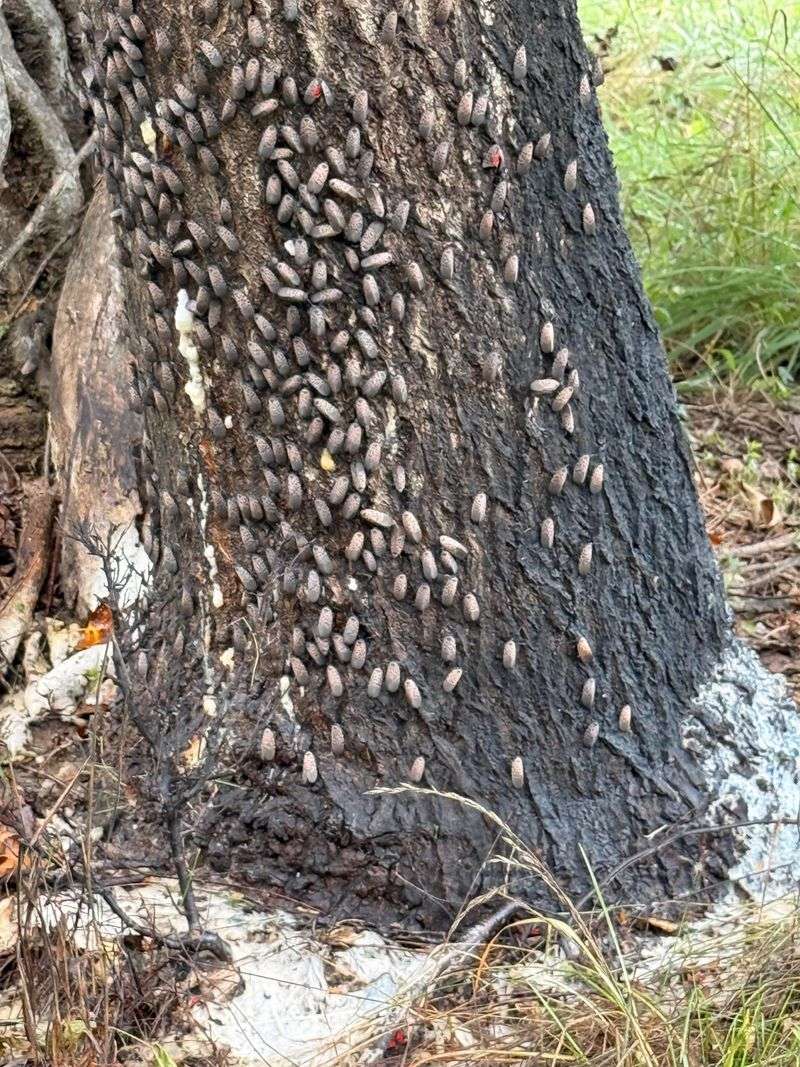
Think of a cluster as a crowded diner where every seat faces the same favorite dish on the menu. Spotted lanternflies in Ohio often pile onto one tree in fall because that tree offers a sap source they favor.
By early October, the adults are fully grown, about an inch long, and focused on eating and mating. Their mouths work like tiny straws, piercing bark and drawing out sugary fluid that powers their final weeks.
Once a few insects find a good spot, they seem to attract others, and the crowd grows quickly. Researchers believe scents from the tree and from the insects themselves help draw newcomers toward the feeding site.
That is why you might see hundreds on one trunk while a nearby maple has barely any visitors. The pattern can look odd, but it mostly reflects what the insects need right before cold weather arrives.
Fall feeding matters because females need plenty of energy to produce eggs before the first hard frost hits. A packed tree works like a refueling station, and the insects often stay while the sap keeps flowing.
Watch the cluster for a few days and note the time of day when activity seems heaviest. Warm afternoons often bring the biggest crowds, while chilly mornings leave the insects sluggish and easier to reach.
Fun fact: these insects are planthoppers, not true flies, and they jump far more often than they fly. Seeing that leap up close can be startling, so expect a few surprises while you inspect the trunk.
The Preferred Host Tree Behind The Crowd
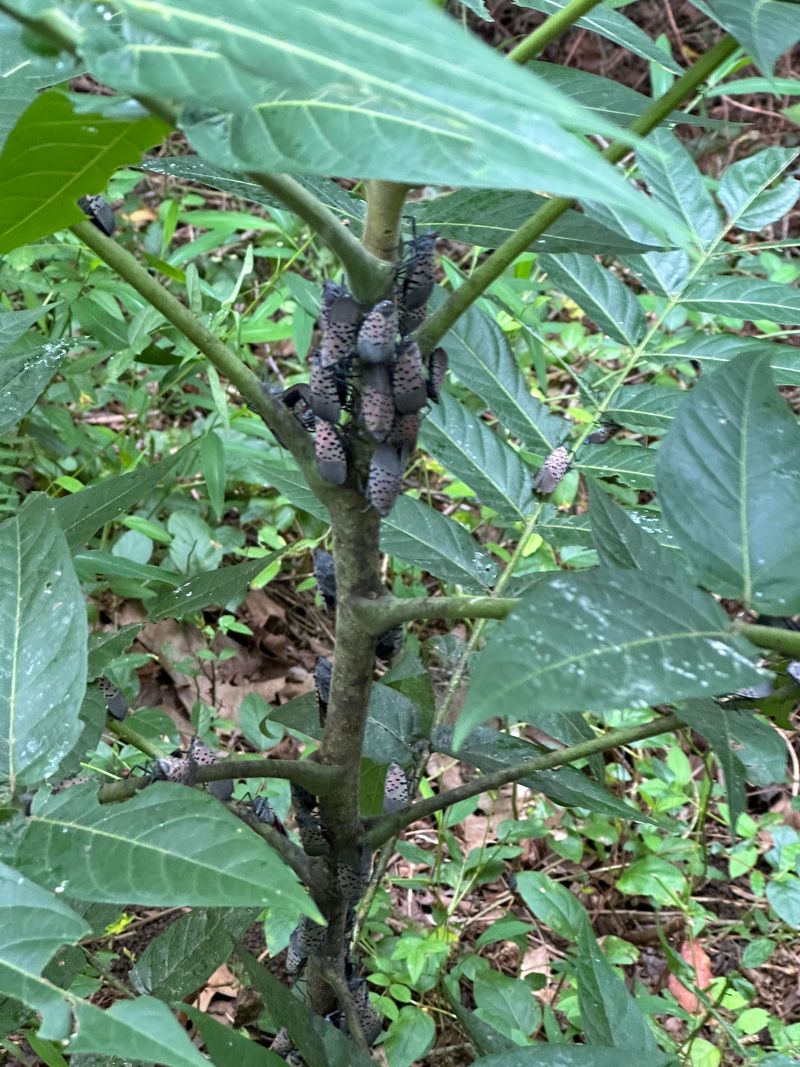
Every mystery has a prime suspect, and in this case it usually goes by the name tree-of-heaven. Known to scientists as Ailanthus altissima, this fast-growing tree arrived from China and spread across Ohio roadsides.
Lanternflies favor it because its sap contains chemicals they seem to tolerate and possibly use for their own protection. Some experts think those bitter compounds make the insects taste unpleasant to birds and other hungry predators.
Spotting tree-of-heaven is easier than you might think, especially once you know a few telltale clues. Its long leaves hold many paired leaflets, and each leaflet has a small notch near its base.
Your Ohio Garden Changes Every Week. Your Plan Should Too.
Gardening in Ohio changes quickly throughout the season. Every Friday you’ll receive a simple weekly plan showing exactly what to plant, prune, fertilize, harvest, and protect so you never miss the right timing.
Crush a leaf and you will notice a strong odor that many people compare to burnt peanut butter. The bark looks smooth and grayish, a bit like the skin of a cantaloupe with light stripes.
Black walnut, maple, and willow can also host clusters, though tree-of-heaven mostly draws the largest crowds. In early fall, adults sometimes shift to these other trees as food sources change and temperatures drop.
If the crowded tree turns out to be tree-of-heaven, consider talking with an arborist about removing it. Cutting it down alone rarely works, since roots send up fresh sprouts that can outnumber the original trunk.
Professionals often treat the stump or bark with herbicide first, which helps stop the root system from resprouting. Fall is a solid season for this work, because trees pull treatments down toward their roots now.
Sticky Honeydew Residue Building Up Beneath The Branches
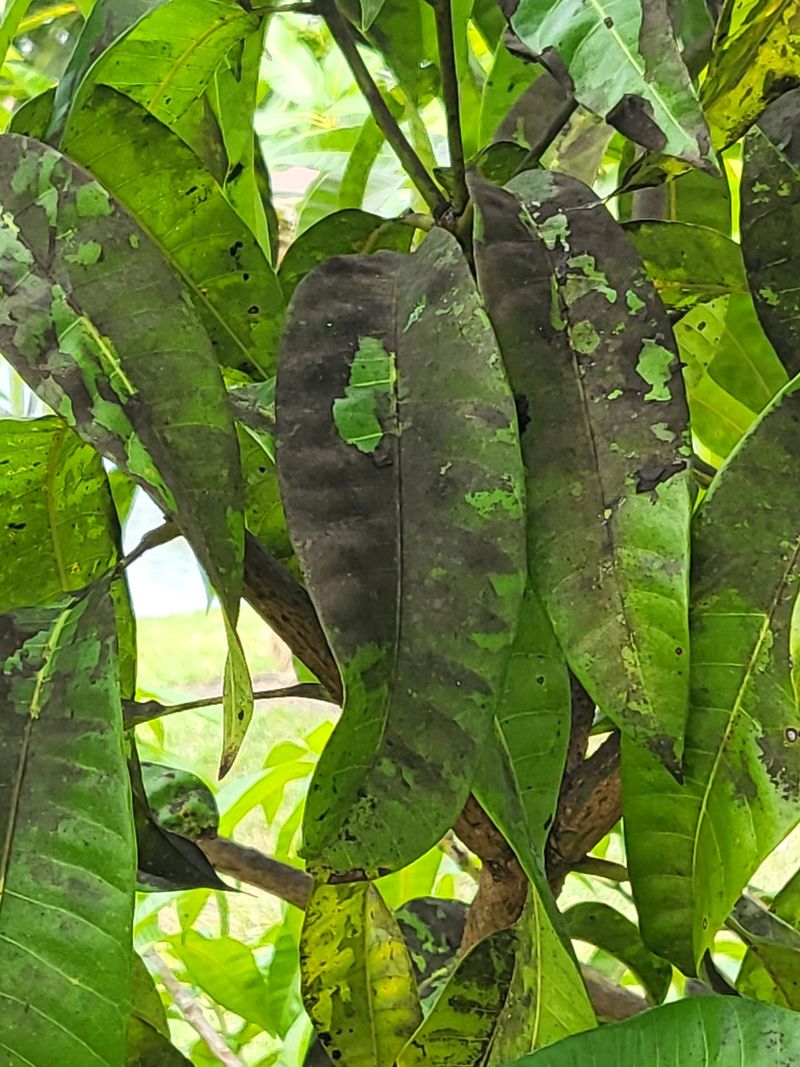
Ever parked under a tree and come back to a windshield that feels like someone spilled pancake syrup? That gooey film is honeydew, a sugary liquid lanternflies release after drinking far more sap than they need.
A big cluster can produce so much that the ground beneath the tree glistens on sunny afternoons. Heavy clusters can make honeydew drip from the branches, so standing beneath one may leave sticky droplets on your skin.
Honeydew attracts bees, wasps, and ants, so expect extra buzzing around the trunk during warm fall days. Keep an eye on kids playing nearby, since stinging insects gather around the sugary residue.
Over time, a black fungus called sooty mold grows on the sticky coating and darkens everything it touches. Leaves, lawn furniture, siding, and garden plants beneath the tree can all turn a dull, smudgy gray.
Sooty mold itself is not a parasite, but it blocks sunlight that plants need to make their food. Smaller shrubs and flowers under a busy tree may look weak, pale, or slow to grow afterward.
Cleaning up is simple, though it takes some elbow grease and a bit of patience on your part. Warm soapy water and a soft brush remove most residue from decks, cars, and outdoor chairs fairly easily.
Try rinsing patio surfaces every few days while the cluster stays active, before the mold gets established. A sticky patch on the ground can also help you pinpoint exactly which tree the insects prefer most.
Egg Masses Appearing On Bark Before Winter
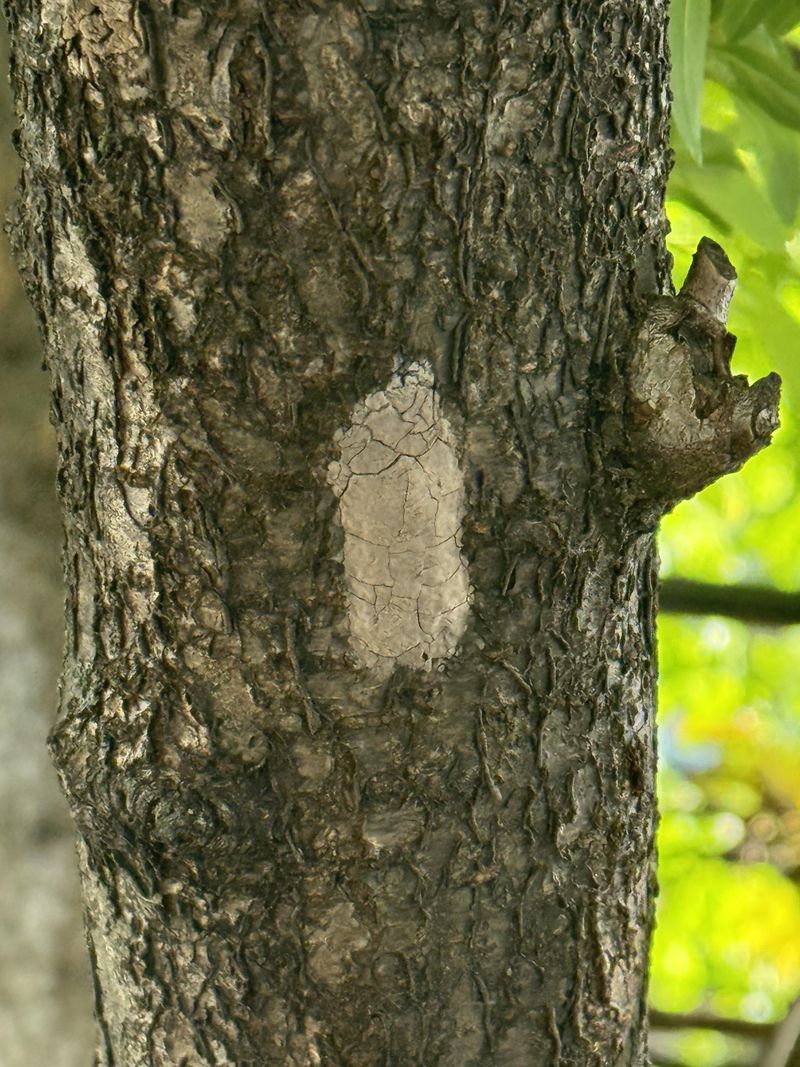
A single egg mass can hold between thirty and fifty eggs, all tucked under a muddy-looking protective coating. Female lanternflies start laying these masses in September, and the work continues until hard frosts arrive in November.
Fresh masses look shiny and gray, a bit like wet putty, before drying into a cracked, crusty smear. Older ones resemble splattered mud, which makes them surprisingly easy to overlook on rough or dark bark.
Females are not picky about surfaces, so check more than just the crowded tree in your yard. Fence posts, stones, grills, trailers, firewood, and even patio furniture can carry eggs through the winter months.
That habit explains how the insects spread so easily, hitching rides on vehicles headed to new counties. Before moving anything outdoors this fall, give it a quick look for those flat, mud-colored patches.
Scraping is the most practical way to handle egg masses, and it requires very little special equipment. Use a plastic card or putty knife to push the eggs into a bag, then seal it tightly.
Simply knocking them to the ground rarely helps, because many eggs can still hatch in late spring. Sealing and discarding them is a cheap, satisfying chore that only takes a few minutes per tree.
Every mass you remove this autumn may mean dozens fewer hungry nymphs crawling up your trees next year. Egg hunting also works well as a quick weekend yard check, since eggs are easy to spot once you know what to look for.
Plant Damage Worth Watching On Neighboring Trees
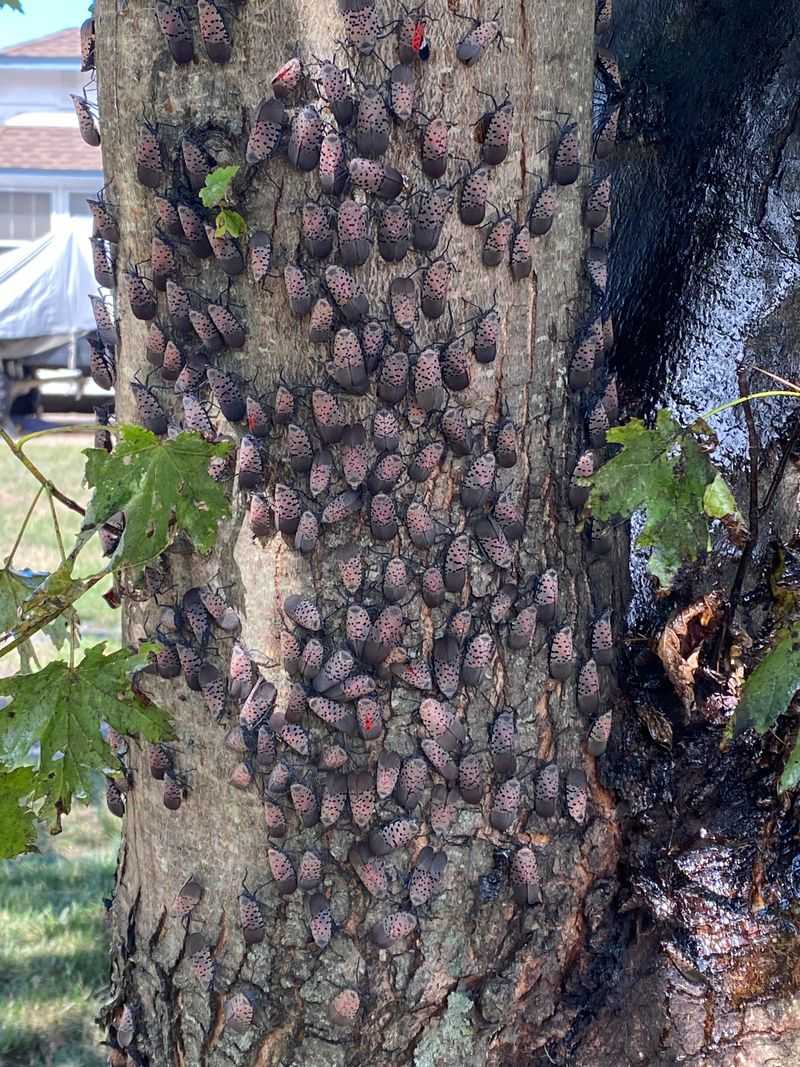
Lanternflies rarely stay on one plant once the food supply shifts. Grapevines near a busy tree are worth a close look in the weeks that follow.
Grapes, maples, black walnuts, birches, and willows sit high on the list of nearby plants worth checking. Grapevines can suffer badly, since heavy feeding drains the stored energy they need for Ohio winters.
Weeping sap is one early clue, showing up as dark, wet streaks running down the bark. Those spots come from countless tiny feeding holes, and they can attract wasps and other sugar-loving insects.
Wilting leaves, curling branch tips, and early color change can also point toward stress from heavy feeding. Fall color makes this tricky, so compare the tree with others of the same type nearby.
Healthy mature trees usually handle a season of feeding without major trouble, especially when they get good care. Young saplings and trees already weakened by drought or injury tend to struggle much more under pressure.
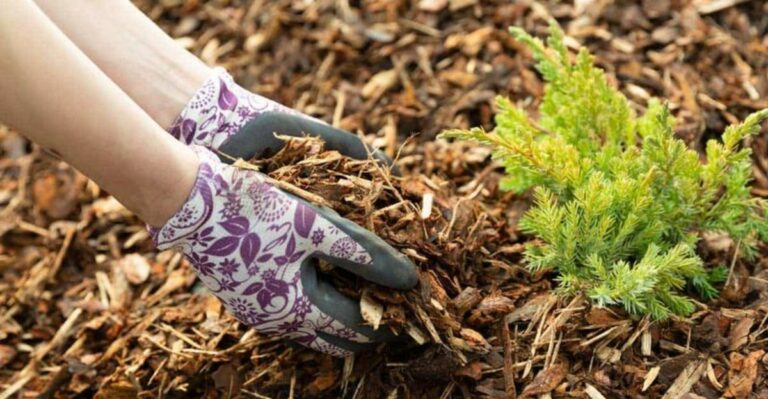
Deep watering during dry fall spells helps stressed trees recover, so keep a hose handy until the ground freezes. A fresh layer of mulch around the base also holds moisture and protects roots from sudden cold snaps.
Snap a few clear photos of suspicious spots now, then compare them next summer to track any changes. A simple record like that gives an arborist helpful details if a tree starts showing serious decline.
Smart Next Steps For Ohio Homeowners Who Spot Clusters
Ohio first confirmed spotted lanternflies in Jefferson County in 2020, and the state now has a statewide quarantine. The Ohio Department of Agriculture no longer asks residents to report sightings, since the insect is now established across the state.
Start by snapping a clear photo, which makes it easier to confirm the insect with your county extension office. The office can also share local advice that fits your situation.
Removing adults by hand is allowed and encouraged, though they hop away with impressive speed. Cool mornings in October slow them down, which gives you a better chance at catching a few.
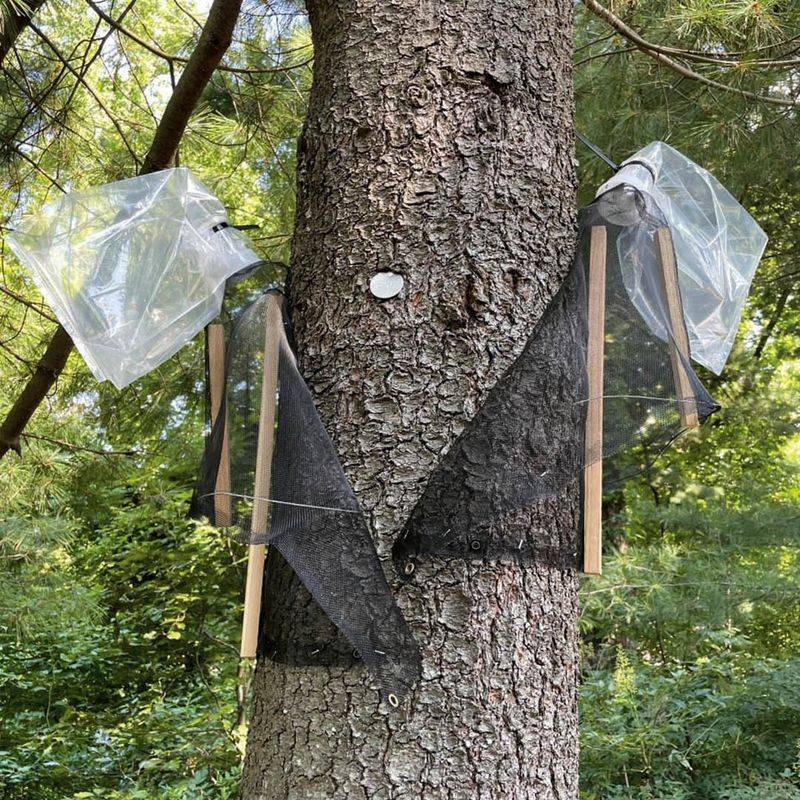
Circle traps wrapped around the trunk funnel climbing insects into a mesh bag, which lowers the risk to curious birds. Avoid open sticky bands, since they can trap songbirds, squirrels, and other wildlife that brush against them.
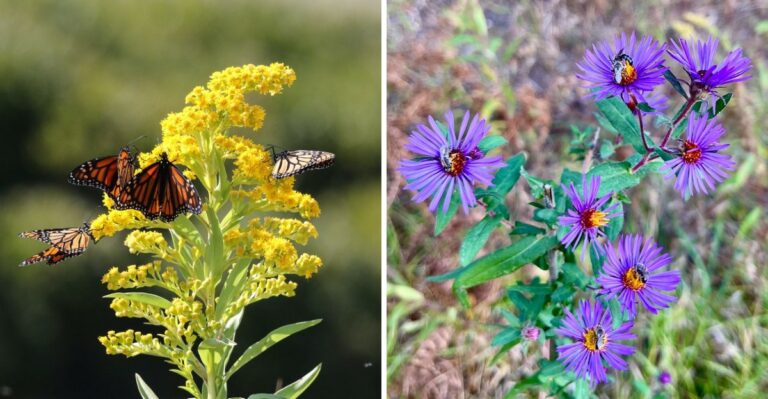
Insecticide sprays can help with very heavy clusters, but a certified professional should handle larger trees safely. Some treatments harm pollinators, so ask about options that protect busy bees visiting fall asters and goldenrod.
Check vehicles, campers, and firewood before traveling, especially since Ohio now has a statewide quarantine. Buying firewood near your campsite, rather than hauling it from home, keeps hitchhiking eggs from reaching new places.
Teamwork makes a real difference, so chat with neighbors about scraping eggs and removing tree-of-heaven together. A street that works as a group often sees fewer clusters returning when warm weather rolls around again.