Thinking Of Planting A Norway Maple? These Native Ohio Trees Are A Better Choice
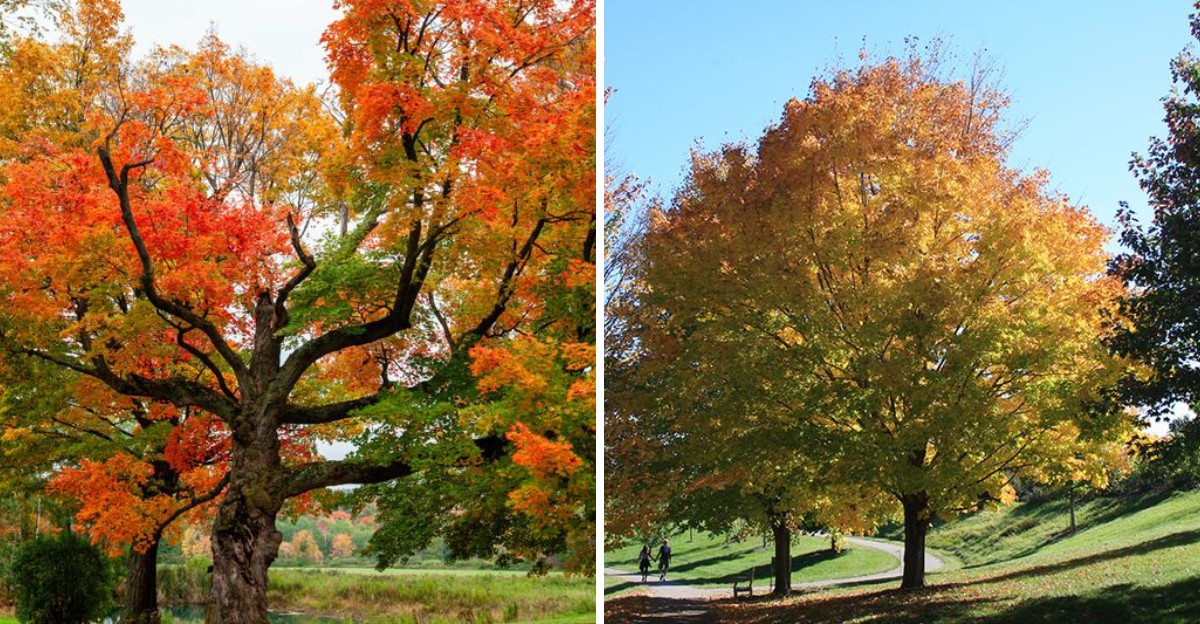
The nursery tag calls it hardy, fast, and handsome. It leaves out what the tree does once it escapes your yard.
Norway maple has a long rap sheet across Ohio. Its seeds travel far, and its shade is so thick that nothing grows beneath it.
The woods nearby pay the price.
Native trees can match its looks and its shade without the baggage. Birds, bees, and caterpillars all vote for them.
Put that purchase on hold for now. A smarter pick sits on the very same nursery lot.
1. Sugar Maple Is The Classic Swap
Ask any Ohio kid where pancake syrup comes from, and the sugar maple gets the credit. This native tree has been a backyard favorite for generations.
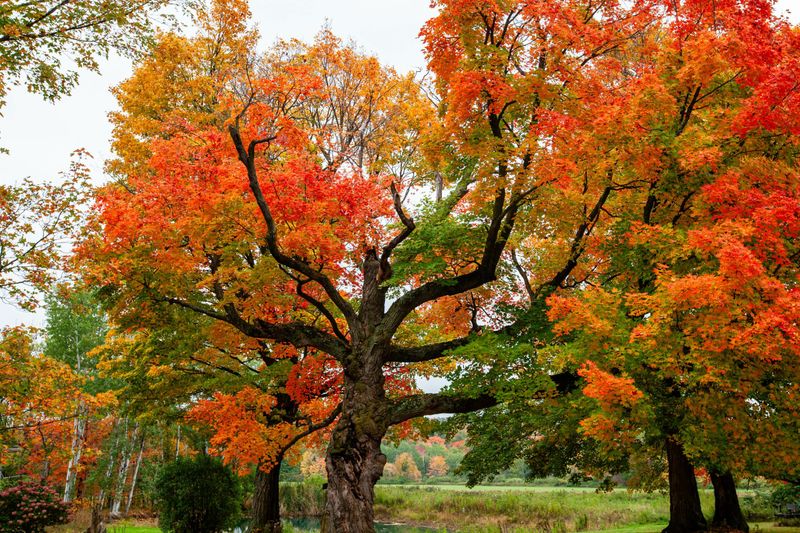
Sugar maple, or Acer saccharum, grows wild across the state and much of the eastern United States. It looks a lot like the imported maple, with the same classic leaf shape.
That makes it an easy trade for anyone who loves the maple look.
Fall is when this tree truly shows off. Leaves can turn bright orange, red, and even soft pink.
A single tree can light up a whole street in October.
Mature trees often reach 70 to 90 feet tall. They form a thick, leafy canopy that keeps a yard cool in July.
Young trees handle shade well, so they can start out under bigger neighbors.
Plant this maple in soil that drains well and is neutral to slightly acidic. It grows slower than some imported trees, so patience pays off here.
Water young trees during dry spells for the first few summers.
The real bonus is for wildlife. Sugar maples support many native insects, and those insects feed hungry baby birds.
Strong wood also means fewer broken limbs after storms. You get beauty, shade, and a buzzing backyard all from one tree.
2. Red Maple Fills The Same Role
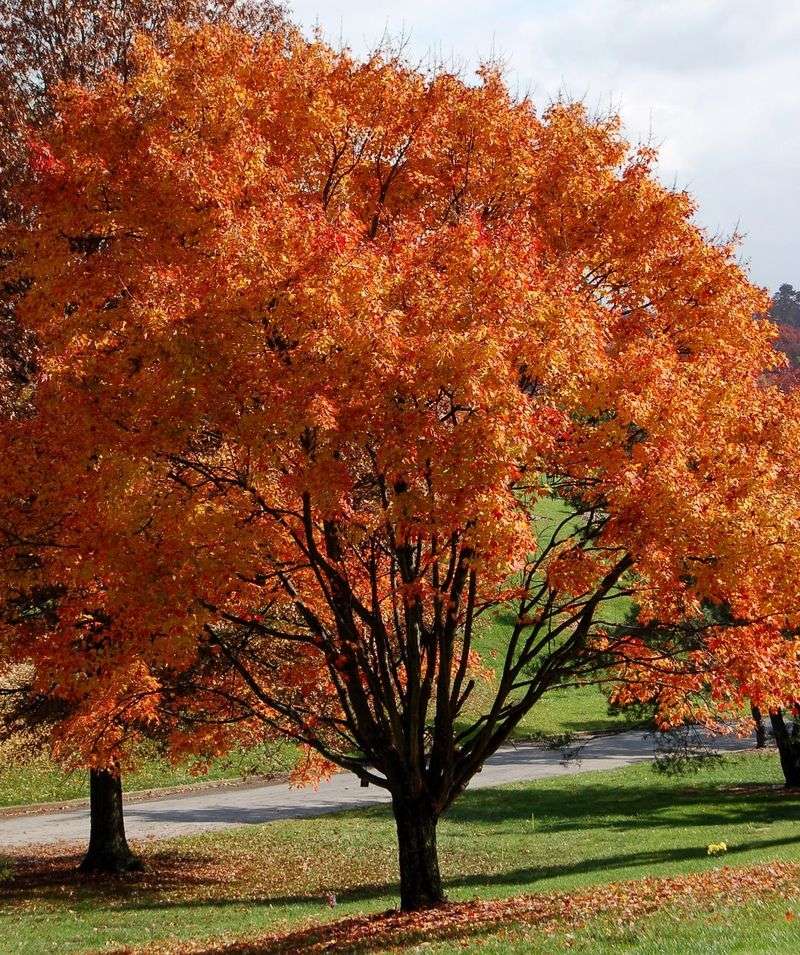
Red twigs in winter, red flowers in spring, and red leaf stems in summer. Few trees commit to one color quite like the red maple.
Acer rubrum is one of the most common trees in Ohio. You will often spot it in damp woods and along creeks.
Its tiny red blooms show up early, giving bees a snack before most plants wake up.
In autumn, the leaves usually blaze scarlet. Some trees lean yellow or orange instead, so pick one in fall if color matters to you.
Nurseries often sell named types chosen for steady red leaves.
Red maples usually grow 50 to 70 feet tall. Their spread can reach about 40 feet, with a rounded crown as they age.
They grow fairly fast, which helps if you want shade sooner.
Here is the handy part for many homeowners. Red maples like average to wet soil that leans acidic.
That low, soggy corner of your yard might suit them just fine.
They can also handle some city pollution, so they work near busy roads. Give them room away from sidewalks, since roots stay near the surface.
Mulch the base instead of mowing right up to the trunk. With a little planning, this tree brings fast shade and plenty of local wildlife value.
Your Ohio Garden Changes Every Week. Your Plan Should Too.
Gardening in Ohio changes quickly throughout the season. Every Friday you’ll receive a simple weekly plan showing exactly what to plant, prune, fertilize, harvest, and protect so you never miss the right timing.
3. Black Maple Is A Lesser-Known Native Choice
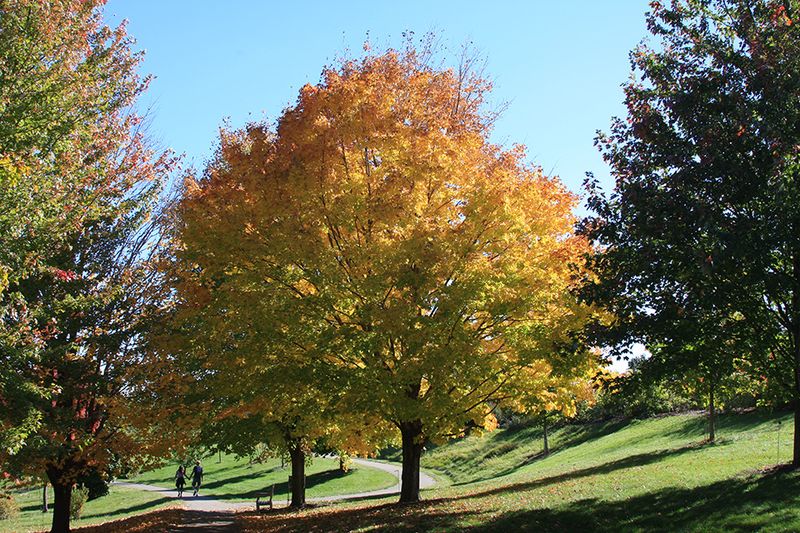
Think of black maple as the quiet cousin at the family reunion. It looks a lot like sugar maple, but it has its own style if you look closely.
Acer nigrum grows in moist soil near streams across Ohio. Its bark is darker than sugar maple bark.
The leaves are thicker, a bit leathery, and often droop at the edges like they are shrugging.
Flip a leaf over and you may feel soft fuzz underneath. That fuzz is a fun clue for telling it apart.
Kids love playing tree detective with this one on nature walks.
In fall, black maple glows in yellow, orange, and gold. The colors feel warm and buttery rather than fiery.
Trees can grow 50 to 110 feet tall with a wide, generous canopy.
This maple likes rich, moist soil that drains well. It does especially nicely in soil with some lime in it, which is common in parts of the state.
It can handle partial to full shade, too.
Care is pretty simple once the tree settles in. Water during long dry spells and add a ring of mulch.
Wildlife gets plenty in return. Birds and small mammals eat the seeds, and caterpillars on the leaves become food for songbirds.
4. Cucumber Magnolia Makes A Stately Shade Tree
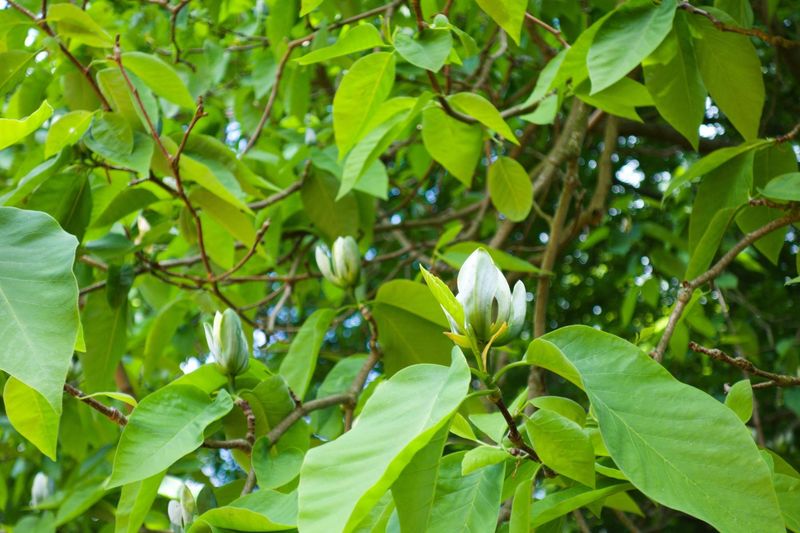
A magnolia that grows wild in Ohio? It sounds surprising, but the cucumber magnolia has called the state home for a very long time.
Magnolia acuminata, also called cucumbertree, is the most common native magnolia here. It grows mostly in eastern and central Ohio.
The funny name comes from its bumpy green fruits, which look like tiny cucumbers before turning red.
Don’t expect giant showy blossoms like southern magnolias. The flowers are greenish yellow and blend into the leaves in mid-spring.
You might need to stand right underneath to spot them.
What this tree lacks in flashy flowers, it makes up for in size. It can reach 50 to 80 feet tall, with a spread just as wide.
Big, dark green leaves create rich, cool shade.
Growth is medium to fast, which is nice for impatient gardeners. Plant it in deep, moist soil that drains well and leans slightly acidic.
Full sun or partial shade both work.
Good news for busy folks: serious pest and disease problems are rare. Because it gets so large, it fits best on bigger lots, school grounds, or parks.
Give it space to spread out. In return, you get a regal tree with a story to tell.
5. Black Tupelo Brings Native Fall Color
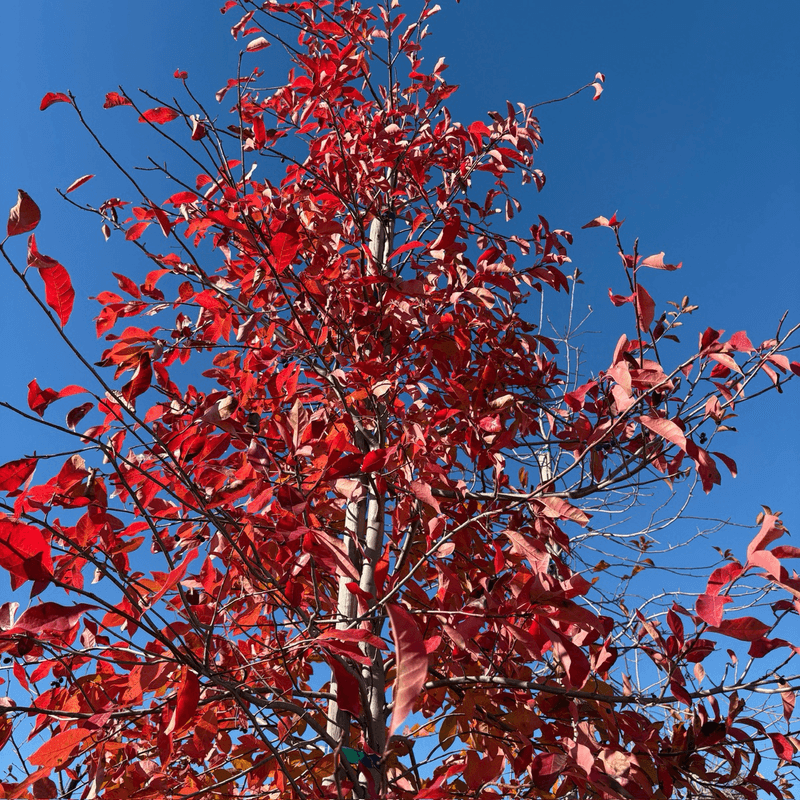
Want the most dazzling fall color on your block? Black tupelo might be your secret weapon.
Nyssa sylvatica, also called black gum, grows naturally in parts of the state. Its leaves are glossy and green all summer.
Then autumn arrives, and they turn scarlet, orange, and deep purple, sometimes all on one branch.
The tree has a neat, tidy shape when young. Branches often stick out sideways in flat layers.
Over time, many trees reach around 30 to 50 feet tall, which suits average yards nicely.
Here is a fun fact for nature lovers. Small blue fruits ripen in early fall, and birds gobble them up fast.
The spring flowers are tiny, yet bees visit them for nectar, and tupelo honey is a treat in some regions.
Black tupelo likes moist, acidic soil and handles wet spots well. It grows slowly, so think of it as a long-term gift to your yard.
Plant a young tree, since it has a deep taproot that dislikes being moved.
Choose a sunny or partly shady spot with room to grow. Water it well during its first couple of years.
After that, sit back and wait for October, when this tree puts on a show.
6. Basswood Offers Another Big Native Option
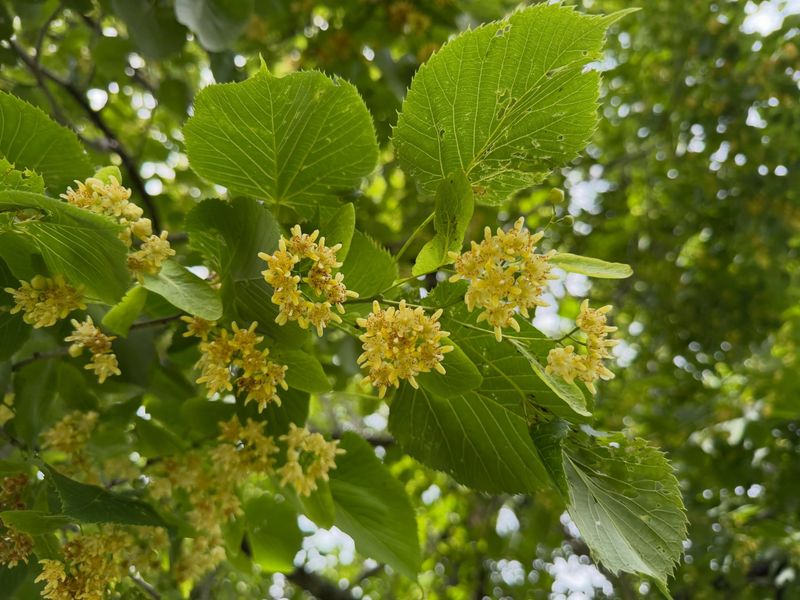
Stand under a basswood in early summer, and you may hear it before you see it. The whole tree hums with bees.
Tilia americana, also known as American linden, grows throughout Ohio. It is especially common in the northern and western parts of the state.
Its leaves are large and shaped like hearts, with finely toothed edges.
Those leaves overlap to make a thick, shady canopy. Mature trees can reach 60 to 90 feet tall and about 40 feet wide.
That is plenty of room for a hammock and a lazy afternoon.
The flowers are small and creamy yellow, but their sweet scent drifts across the yard. Bees adore them.
In fact, basswood honey is known for its light, fresh flavor.
Woodworkers love this tree, too. The wood is soft and light, making it a favorite for carving.
Many wooden ducks and decorations started as basswood blocks.
For best results, plant basswood in rich, moist soil that drains well. Give it a roomy spot, since it grows into a big tree.
Keep young trees watered during summer heat. Before long, you will have a fragrant, buzzing shade tree that pollinators will thank you for every June.
7. Tulip-Tree Grows Tall And Straight
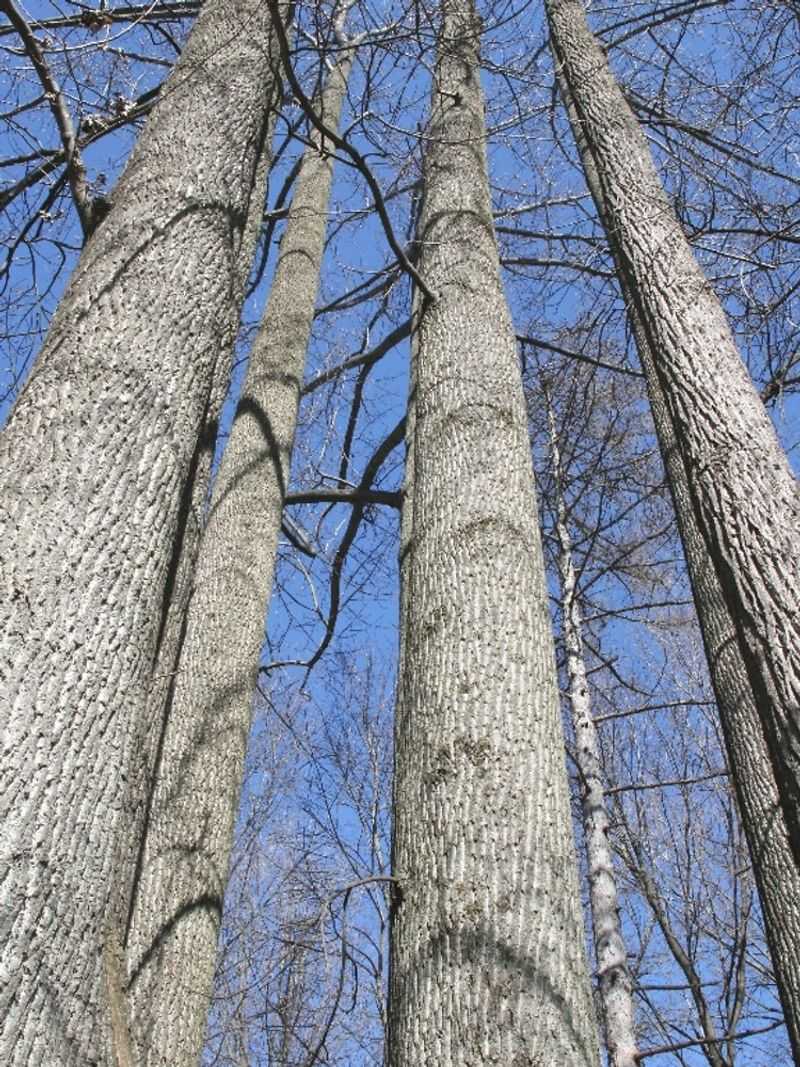
Some trees grow like they are late for an appointment. The tulip-tree is one of them, often adding 2 to 3 feet a year when young.
Liriodendron tulipifera goes by a few names, including yellow poplar and tulip poplar. It grows across all of the state and much of the eastern United States.
Its trunk shoots up tall and straight, almost like a flagpole.
Look closely at the leaves. They have a squared-off tip and look a bit like a tulip or a cat face.
Kids enjoy collecting them because no other local leaf looks quite the same.
In late spring, large flowers appear high in the branches. They are greenish yellow with bright orange centers.
Bees and hummingbirds visit them for nectar.
Mature trees can reach 70 to 100 feet or more. In autumn, the leaves turn a sunny golden yellow.
It is a cheerful sight on a gray November day.
Plant this giant in deep, rich soil that stays moist but drains well. It can adapt to average, drier ground, too.
Just pick a spot far from your house and power lines. Give it room, and it will soon become the tallest landmark in your neighborhood.
8. Hackberry Handles Tough Conditions
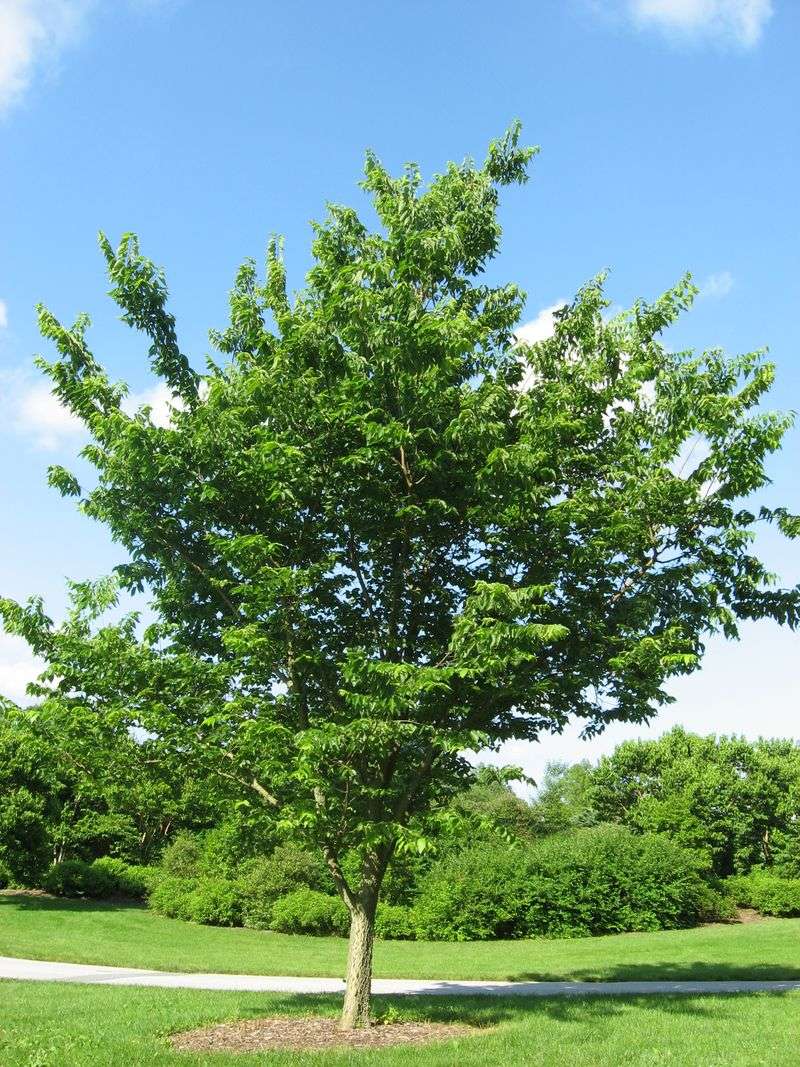
Poor soil, city fumes, soggy spring, dry August. Hackberry just shrugs and keeps growing.
Celtis occidentalis is found across almost all of Ohio. It also grows through the Great Plains and into southern Canada.
You can spot it by its light gray bark, covered in odd bumps and ridges that look like little warts.
Run your hand over that bark sometime. It feels like a bumpy map of tiny mountains.
It is one of the easiest trees to identify, even in winter.
This tree is a champion of tough spots. It handles wet or dry soil, clay or rocks, and rich or poor ground.
It also tolerates pollution, which makes it a smart pick for city lots and streets.
Hackberries grow 50 to 90 feet tall and can spread about 60 feet. Growth is medium speed, so shade comes in a reasonable time.
Roots help hold soil in place on slopes.
Wildlife loves this tree. Small purple-black fruits about the size of peas feed birds and squirrels well into winter.
Several native butterflies lay eggs on its leaves. If your yard has struggled with other trees, hackberry could be the hardy friend you need.
9. American Hophornbeam Works In Smaller Spaces
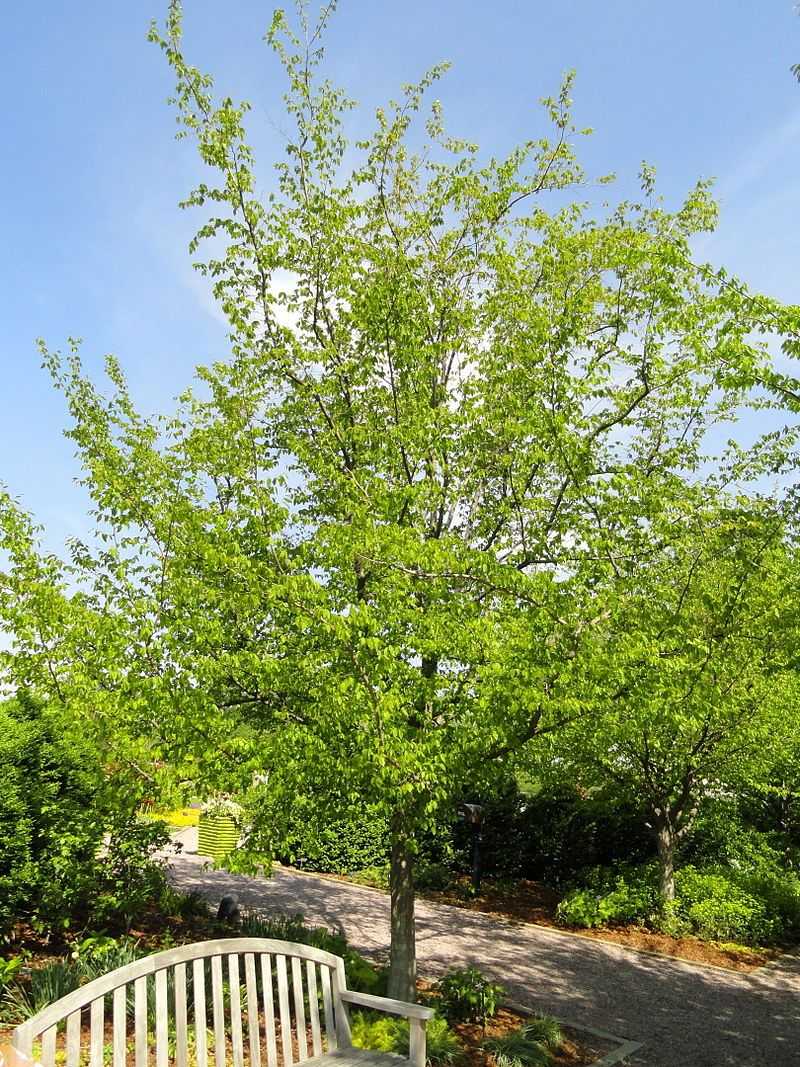
Not every yard has room for a towering giant. For snug lots, American hophornbeam is a charming little native worth knowing.
Ostrya virginiana grows throughout the state and most of the eastern United States. Many people call it ironwood.
The nickname fits, since its wood is incredibly hard and tough.
Here is a fun history bit. Early settlers used this wood for tool handles and sled runners because it held up so well.
Some folks say it was hard enough to dull an axe.
The tree usually grows 30 to 50 feet tall and 15 to 30 feet wide. Its bark peels in thin, flaky strips.
In late summer, papery tan seed clusters hang from the branches, looking a lot like hops used in brewing.
Growth is slow, so it stays a manageable size for years. It handles shade well, though it prefers full or partial sun.
Dry or moist soil both seem fine to this easygoing tree.
Care needs are low, and big disease or pest issues are uncommon. Plant it near a patio, along a fence, or under taller trees.
Birds enjoy the seeds in winter. For a small space, few trees offer this much character in such a tidy package.