The California Native Shrubs That Settle In Best With Fall Planting
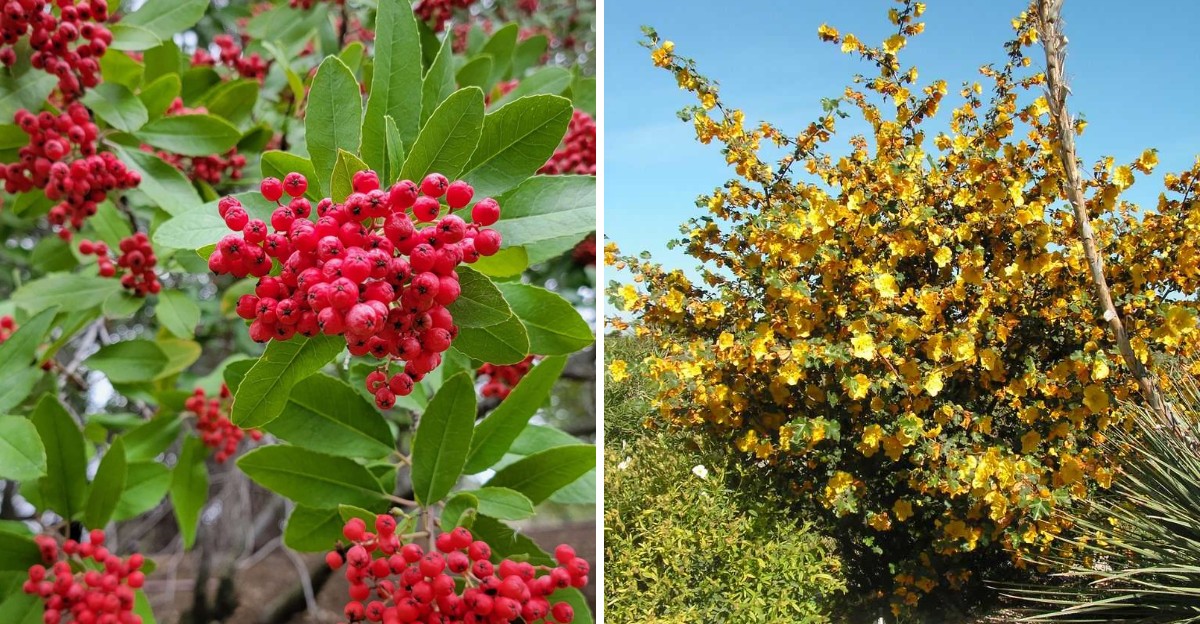
Fall planting in California is one of those gardening strategies that sounds counterintuitive until you try it once, and then you wonder why you ever did things any other way.
Summer planting is essentially asking a brand new plant to hit the ground running during the hardest, hottest, driest stretch of the year.
Not exactly a warm welcome. Fall, on the other hand, is genuinely ideal.
The soil is still warm enough to encourage root growth, the brutal heat has backed off, and winter rain is on its way to do a big chunk of the watering work for you.
By the time next summer rolls around, a fall-planted shrub has had months to settle in and build the kind of root system that handles drought like a seasoned pro.
These 9 native shrubs are ready to prove it.
1. Toyon Brings Holiday Cheer
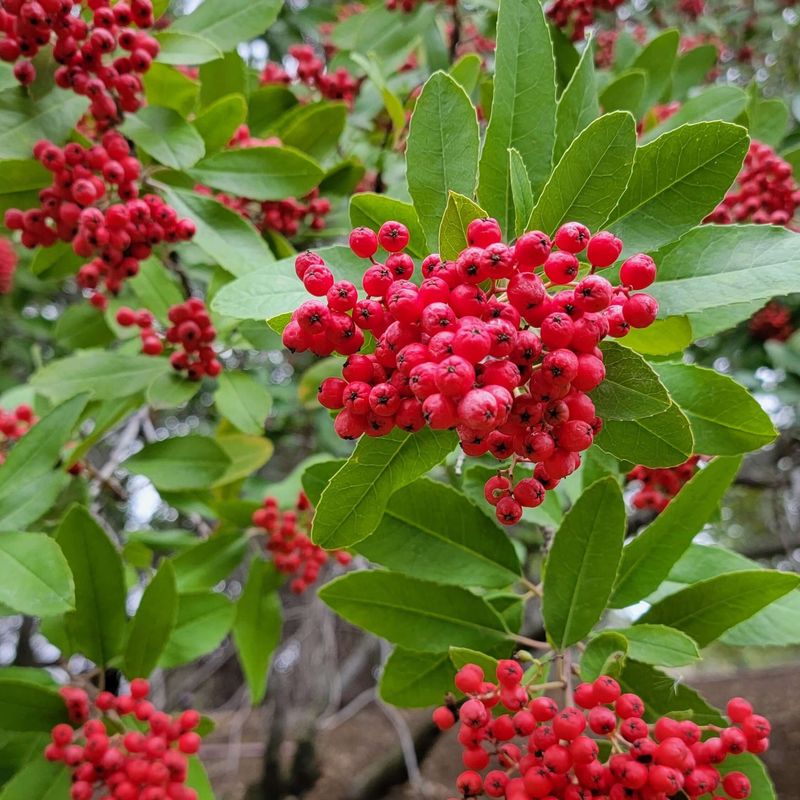
Some people say Hollywood got its name from toyon, since early settlers thought it looked like holly, though historians note this is a popular local legend rather than a firmly confirmed fact. What is certain is that toyon’s bright red berries light up winter yards across California in a way that is hard to miss.
Birds like robins and cedar waxwings flock to it once the fruit ripens.
Fall is the sweet spot for planting toyon. The roots grow deep while the rains fall, so by summer the shrub can handle heat with little help.
A young plant set out in October often looks twice as strong by May.
Pick a sunny or partly shady spot with good drainage. Dig a hole as deep as the pot and twice as wide.
Water it well right after planting, then let winter rain do most of the work.
During its first summer, give it a deep soak about every two weeks. After that, toyon can get by on very little water.
It grows six to fifteen feet tall, so it makes a lovely privacy screen or wildlife hedge.
Small white flowers show up in early summer and feed bees. Then the berries form and slowly turn red by late fall.
You get something to enjoy almost all year long.
Skip heavy fertilizer, since rich feeding can make it leggy. A light layer of mulch keeps roots cool.
Just leave a few inches of space around the trunk to keep it healthy.
2. Ceanothus Paints California Springs Blue
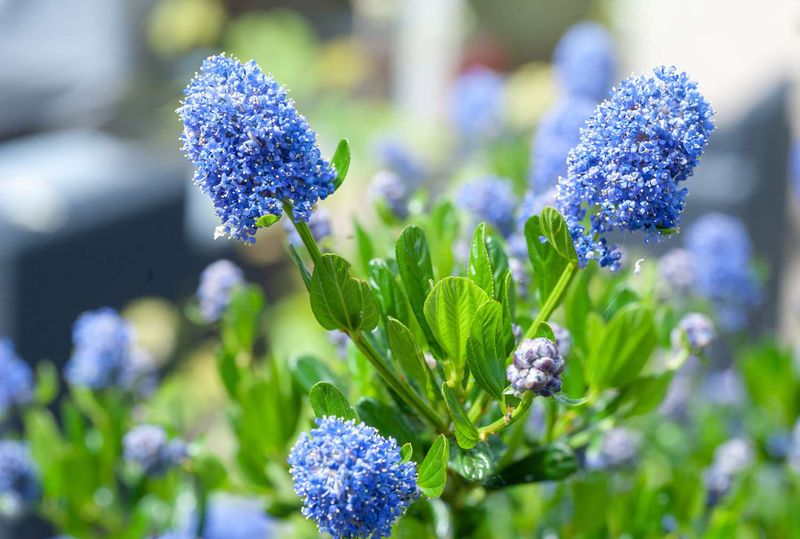
Ask any native plant fan about their favorite spring sight, and many will say ceanothus in bloom. Also called California lilac, it covers itself in clouds of blue, purple, or white flowers.
Bees go wild for it.
Here is the secret, though. Ceanothus is a little fussy about summer water once planted.
That makes fall planting a huge win, because the young shrub settles in with natural rain instead of the hose.
Choose a sunny spot with soil that drains fast. Clay soil can work if you plant on a small mound.
Avoid spots near lawns or sprinklers, since too much summer water causes root rot.
Your California Garden Changes Every Week. Your Plan Should Too.
Gardening in California changes quickly throughout the season. Every Friday you’ll receive a simple weekly plan showing exactly what to plant, prune, fertilize, harvest, and protect so you never miss the right timing.
Water deeply at planting time and again if winter is dry. In the first summer, a deep drink every two to three weeks is plenty.
By year two, most types need almost nothing.
There are many kinds to pick from. Some spread low as ground covers, while others grow into small trees.
Popular choices include Ray Hartman, Concha, and Yankee Point.
Ceanothus roots work with soil bacteria to add nitrogen to the ground. That means it actually helps feed nearby plants.
Prune lightly right after blooming if you want to shape it, but go easy on big cuts.
3. Manzanita Adds Sculptural Style
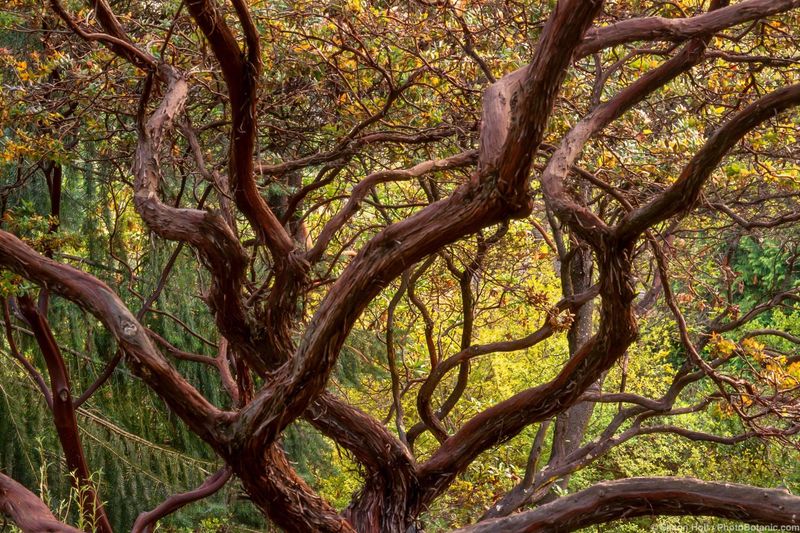
Run your hand along manzanita bark and you will feel something like polished wood. The smooth, twisting red branches look like living sculpture.
Many California gardeners plant it just for that bark alone.
Manzanita can be picky about getting started, and fall gives it the best shot. Cool weather and winter rain help it build roots slowly.
Summer planting, on the other hand, often stresses it out.
Sun and sharp drainage are the keys to success. Plant it slightly high so the root crown sits above the soil line.
Use gravel or small rocks as mulch instead of bark around the base.
Tiny pink or white bell-shaped flowers appear in winter. Hummingbirds visit them when few other flowers are open.
Later, little berries form that look like tiny apples, which is what manzanita means in Spanish.
Water once a week for the first month if rain is light. After that, let nature handle it during winter.
In the first summer, water deeply about once a month, ideally in the cool early morning.
Once established, manzanita needs almost no care. Too much summer water is its biggest enemy.
Sizes range from ground covers to tall shrubs, so read the plant tag before you buy.
4. Coffeeberry Is A California Workhorse
Some plants show off, and some just get the job done. Coffeeberry falls into the second group, and it does its job beautifully.
It stays green, handles shade or sun, and rarely complains.
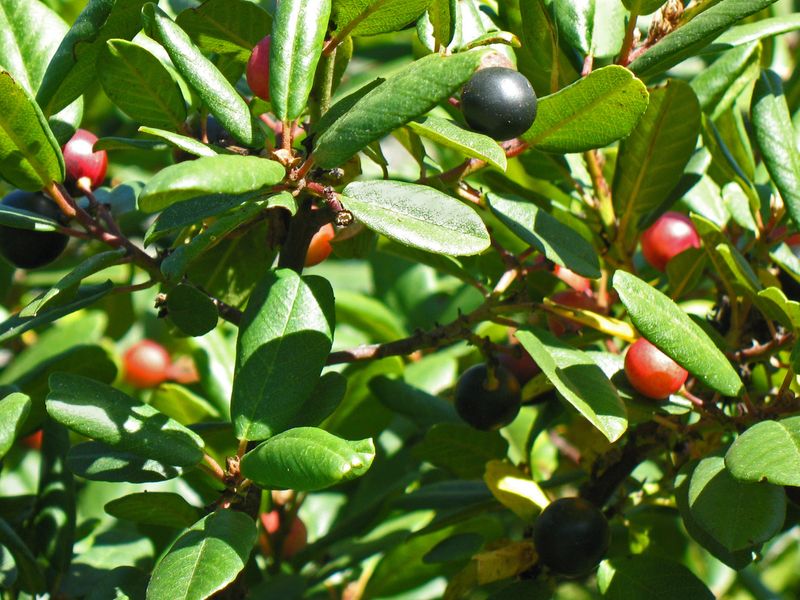
The name comes from its berries, which look a bit like coffee beans. They start green, turn red, then ripen to deep purple.
Birds and even bears in the wild love snacking on them.
Plant coffeeberry in fall and it will thank you with steady growth. It handles clay soil better than many native shrubs.
That makes it a great pick for tricky yards in California suburbs.
Give it a spot with morning sun and some afternoon shade in hot inland areas. Near the coast, full sun works well.
Water at planting and keep the soil lightly moist through its first winter if rains stall.
Once settled, coffeeberry needs only an occasional summer soak. It grows into a thick, rounded shrub, often four to eight feet tall.
Compact varieties like Eve Case and Mound San Bruno fit smaller yards.
Use it as a hedge, a background plant, or a screen along a fence. You can trim it into a neat shape if you like.
It also hosts butterflies, so it adds life to your garden all year.
5. Cleveland Sage Fills Air With Fragrance
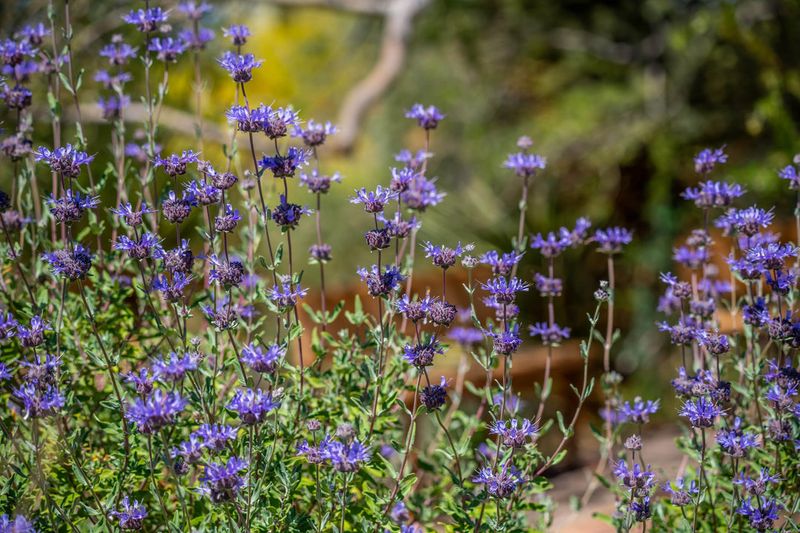
Brush past Cleveland sage on a warm day, and you will smell it before you see it. The scent is sweet, herby, and a little minty.
Many people call it the best-smelling native plant around.
Fall planting helps this sage get comfortable before summer heat arrives. It grows fast once roots take hold.
By its first spring, you may already see tall stems topped with purple flowers.
Full sun and well-drained soil keep it happy. It comes from dry hills in Southern California, so it does not want rich soil or lots of water.
In fact, too much care can make it floppy.
Those purple blooms come in round puffs stacked along the stems. Hummingbirds, bees, and butterflies visit all summer long.
You can also cut the flowers and dry them for a lovely scent indoors.
Water every week or so during its first fall if it stays dry. After winter rains settle it in, cut back to a deep soak once a month in summer.
By year two, it handles drought like a champ.
Give it a light trim in late fall after blooming ends. This keeps the plant tidy and full.
Popular types include Winifred Gilman and Allen Chickering, both known for rich color.
6. California Fuchsia Feeds Hungry Hummingbirds
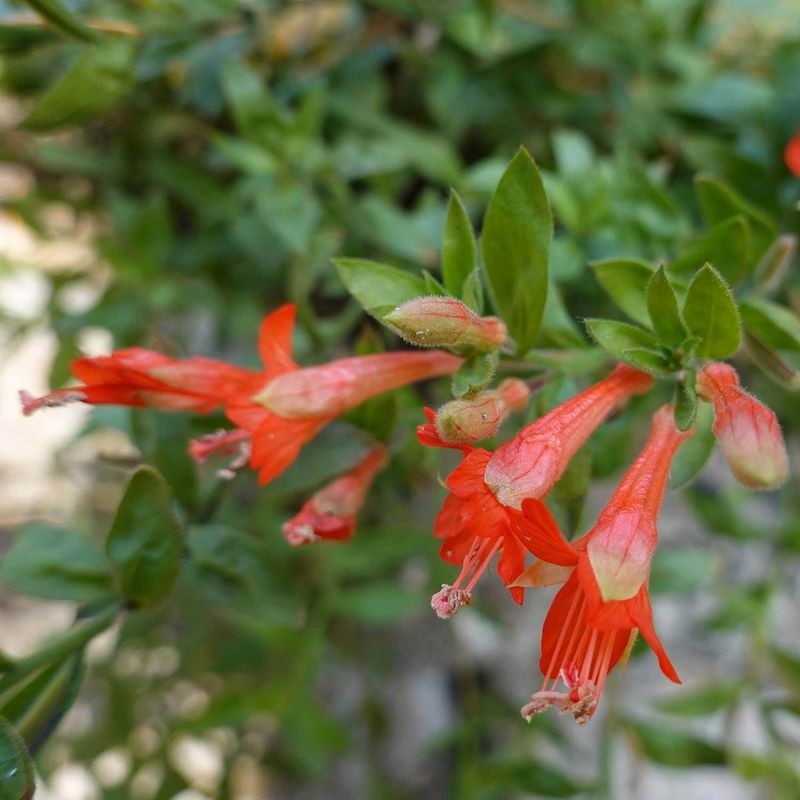
Late summer can feel like the quiet season in a garden. Most flowers have faded, and the ground looks tired.
California fuchsia shows up right then with bright orange-red blooms like little trumpets.
Hummingbirds treat this plant like a fast-food stop. The tube-shaped flowers match their long beaks perfectly.
If you want more hummingbirds in your yard, this shrub is a smart choice.
Plant it in fall so it can spread its roots over winter. It is a low, spreading shrub that loves hot, sunny spots.
Rocky slopes, dry borders, and spots near walls suit it well.
Soil should drain quickly. It can grow in poor, sandy soil without trouble.
Rich garden soil may make it spread too much, so keep things simple.
Water at planting and through dry spells in its first winter. In summer, a deep soak every few weeks keeps it blooming longer.
Older plants can live on very little water at all.
Here is a handy tip. Cut the stems almost to the ground in late fall or winter once the flowers finish.
Fresh green shoots will pop up in spring, and the plant will look neat and full again by summer.
7. Fremontodendron Lights Up Slopes In Gold
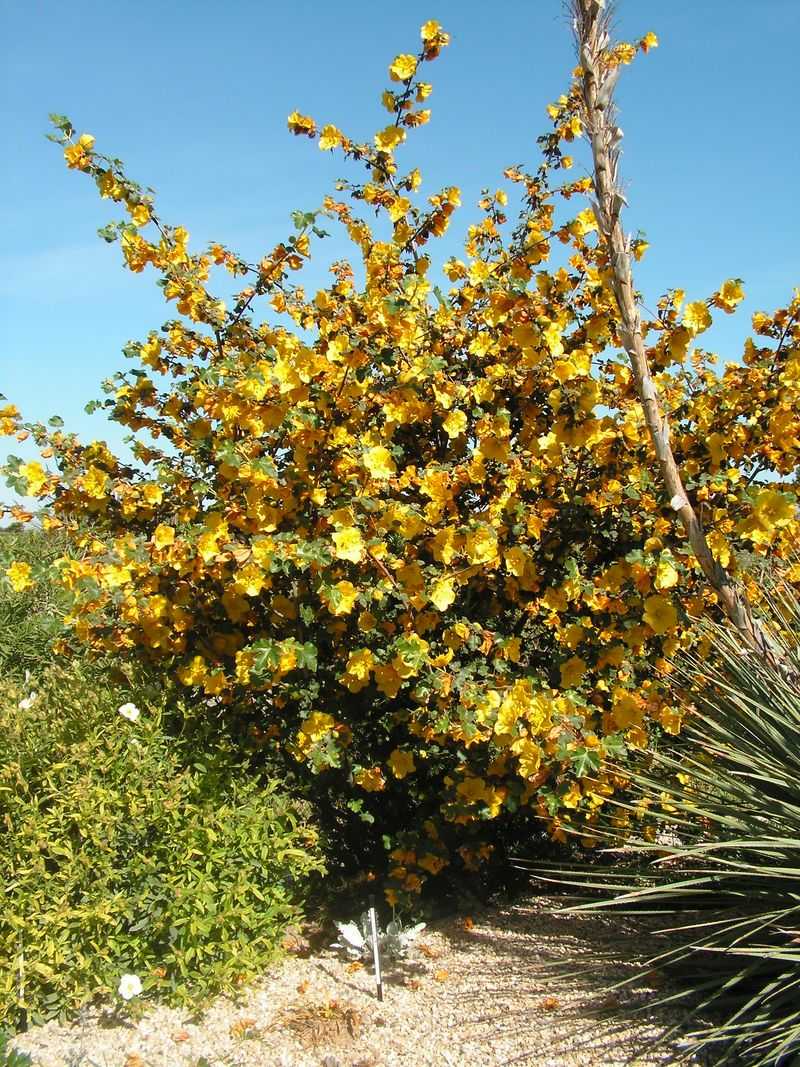
Few sights stop traffic like a flannel bush in full bloom. Big golden flowers cover every branch in spring.
Neighbors may knock on your door just to ask what it is.
The proper name is Fremontodendron, named after explorer John C. Fremont.
The fuzzy leaves feel like flannel, which explains its nickname. Wear gloves when pruning, though, because those tiny hairs can make skin itchy.
Flannel bush is one of the shrubs that truly needs fall planting. It hates summer water and grows best when winter rain helps it start.
Plant it on a slope or a dry spot far from sprinklers.
Full sun and fast-draining soil are a must. Do not add compost or fertilizer to the hole.
Plain native soil works just fine, and extra richness can cause trouble.
Water at planting, then let the rain take over. If winter stays very dry, give it a soak once or twice a month.
After its first year, stop summer watering almost entirely.
It grows quickly, often reaching ten to twenty feet tall. Give it lots of room and let it shine as a bold focal point.
California Glory and Ken Taylor are two popular varieties worth looking for.
8. Lemonade Berry Shines In Coastal Yards
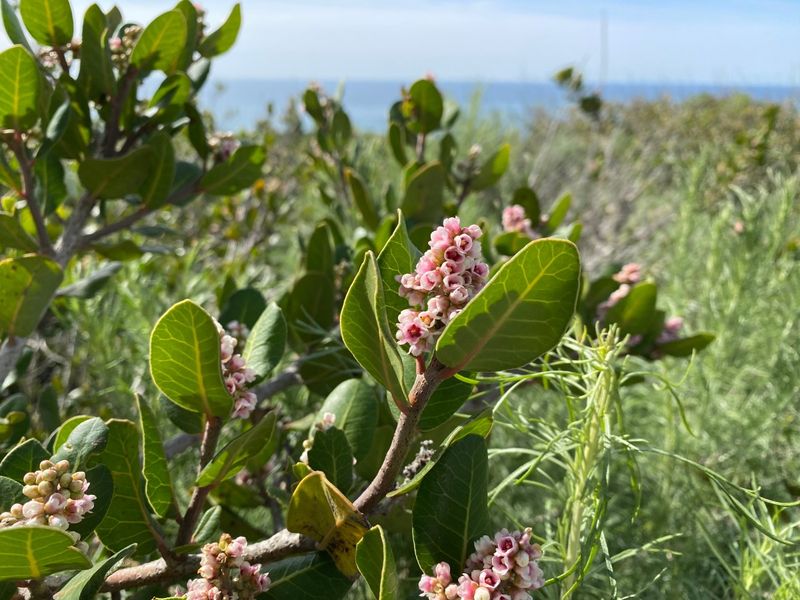
Long ago, native peoples soaked the sticky red berries of this shrub in water to make a tart drink. That is how lemonade berry got its fun name.
The flavor really does taste a bit like lemon.
Today, it makes a sturdy, good-looking shrub for home gardens. Its thick, glossy leaves stay green all year.
It handles salty ocean breezes, which makes it ideal for coastal homes.
Fall planting helps lemonade berry build strong roots before dry months. Choose a sunny spot with decent drainage.
It can handle slopes and helps hold soil in place during heavy rain.
In late winter, small pink and white flower clusters appear. Bees visit them early in the season.
Then the berries form and slowly turn red by summer.
Water deeply at planting and during dry winter weeks. In its first summer, soak it about once a month.
After that, it needs little to no extra water near the coast.
Lemonade berry grows into a dense mound, usually six to ten feet tall and wide. You can shape it into a hedge with light trimming.
Its cousin, sugar bush, works better in hotter inland areas if you live away from the beach.
9. Western Redbud Gives Gardens Four Seasons Of Color
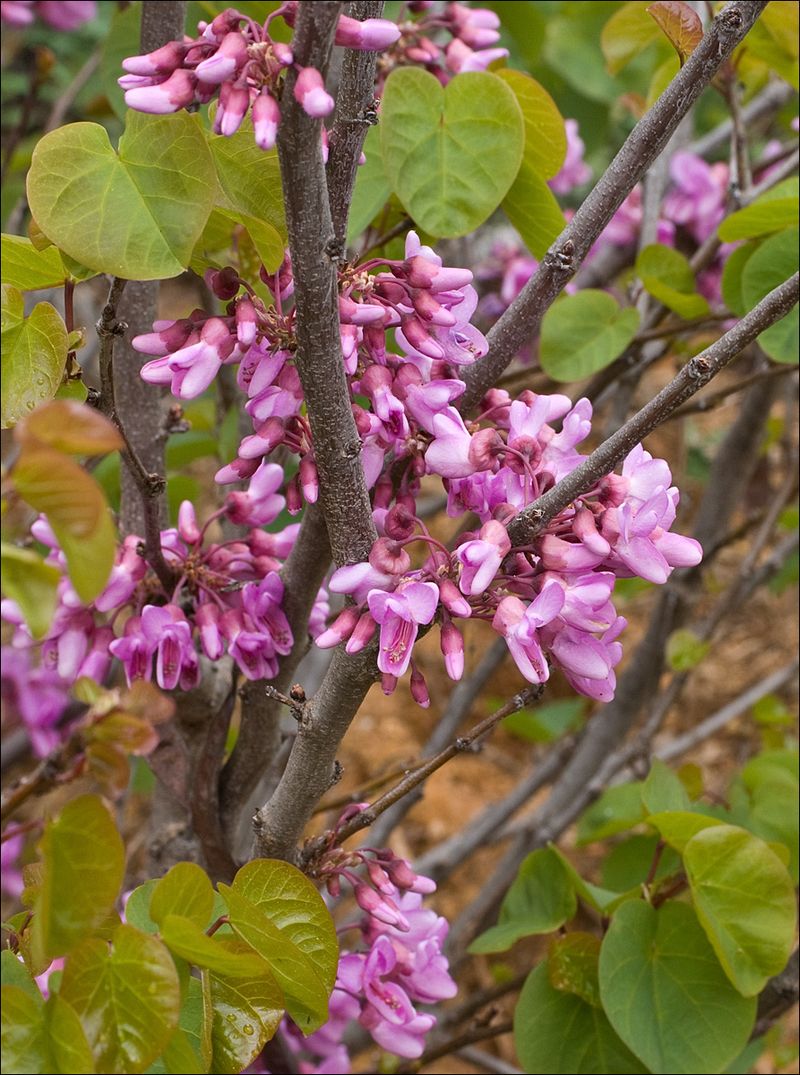
Spring, summer, fall, and winter each bring a fresh look from western redbud. That is a rare treat in any garden.
If you only have room for one showy shrub, this one deserves a close look.
In early spring, bright magenta flowers cover the bare branches. Next come heart-shaped leaves that look blue-green in summer.
Fall turns them yellow or red, and winter shows off purple seed pods.
Redbud needs some winter chill to bloom well. It grows best in the foothills and inland valleys of California.
Coastal gardens can still grow it, but flowers may be lighter.
Plant it in fall while the shrub is starting to rest. Roots keep growing in the cool, moist soil even as leaves drop.
Come spring, it will be ready to put on a show.
Pick a sunny spot or one with light afternoon shade. Water deeply at planting and every couple of weeks in dry spells.
During the first two summers, soak it about twice a month.
Western redbud usually grows ten to twenty feet tall with several trunks. Prune only to remove crossing branches.