The Plants California Gardeners Should Cut Back Now For More Summer Blooms
There is a small but mighty window happening in California gardens right now, and if you catch it at the right moment, your summer display can look dramatically better for it. Late May and early June have a way of sneaking up on gardeners.
One week everything looks great, and the next the blooms are fading, stems are getting leggy, and the whole garden has that slightly tired, end-of-season energy. Here is the thing though, that is not the end.
Not even close. A well-timed trim, a little deadheading, or even just a quick pinch on the right plants can essentially reset things and push out a whole fresh round of flowers right when summer is getting started.
California gardens move fast this time of year, and a small amount of effort right now can pay off in a big way.
1. Roses Bloom Better With Timely Deadheading
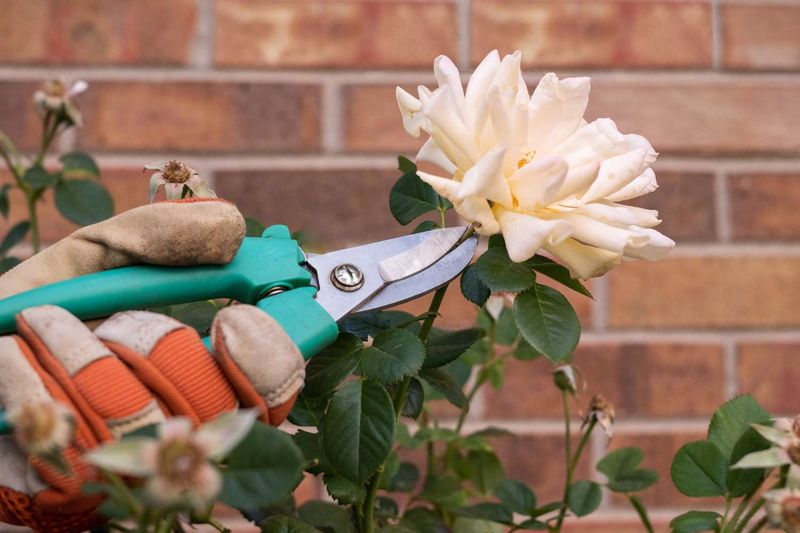
Faded rose blooms left on the cane are a common sight in California gardens by late May, and those spent flowers are quietly working against your next round of color.
When a rose finishes blooming, it begins shifting its energy toward forming a hip, which is essentially the seed-producing fruit of the plant.
That shift slows down new flower production, and in summer that can heat up fast, you want your roses spending energy on blooms rather than seeds.
Deadheading is the simple act of removing those spent flowers before the hip forms. For most repeat-blooming roses, you can cut back to just above the first set of five leaflets below the spent bloom.
Some gardeners go a little deeper, cutting back to a strong outward-facing bud to encourage a more open shape and better air circulation. Both approaches work well depending on the variety and how the plant is growing.
In California, where many rose varieties can stay active from spring into fall, keeping up with deadheading every week or two really does add up.
You may notice new buds forming within a week or two of a good cleanup, especially on established plants with healthy root systems.
Coastal gardens tend to see a slightly slower response than inland gardens, where warmth speeds things along.
Removing damaged blooms also keeps the plant looking tidy and reduces the chance of fungal issues settling into old petals sitting on the foliage.
2. Shasta Daisies Can Push Out More Flowers After A Cutback
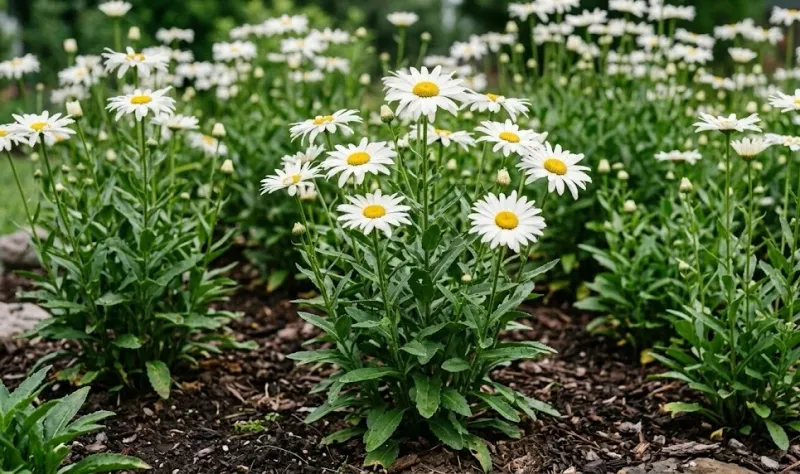
There is something cheerful about a patch of Shasta daisies in full bloom, but by late May many gardeners notice the first flush starting to wind down. The blooms get smaller, the centers darken, and the stems start looking a little unkempt.
That is actually a good signal that it is time to step in with a pair of scissors or light pruning shears and give the planting a cleanup.
Shasta daisies are strong reblooming perennials in many parts of California, and cutting them back after the first big flush can encourage a second wave of flowers later in summer. The key is not to wait too long.
Your California Garden Changes Every Week. Your Plan Should Too.
Gardening in California changes quickly throughout the season. Every Friday you’ll receive a simple weekly plan showing exactly what to plant, prune, fertilize, harvest, and protect so you never miss the right timing.
Once the plant puts significant energy into seed production, getting a robust rebloom becomes harder.
Cutting the stems back by about a third to halfway, just above a set of healthy leaves or a visible side shoot, gives the plant a clear signal to redirect its growth.
After a cutback, Shasta daisies often look bare for a week or two, which can feel a little discouraging.
But with consistent watering and some light fertilizing, most established clumps in California gardens bounce back with fresh stems and a new round of blooms that can carry well into summer or even early fall.
Inland gardens with warm nights may see faster regrowth, while cooler coastal spots sometimes take a bit longer. Either way, the extra effort is usually worth it for the extended bloom season.
3. California Poppies Often Bloom Again After A Trim
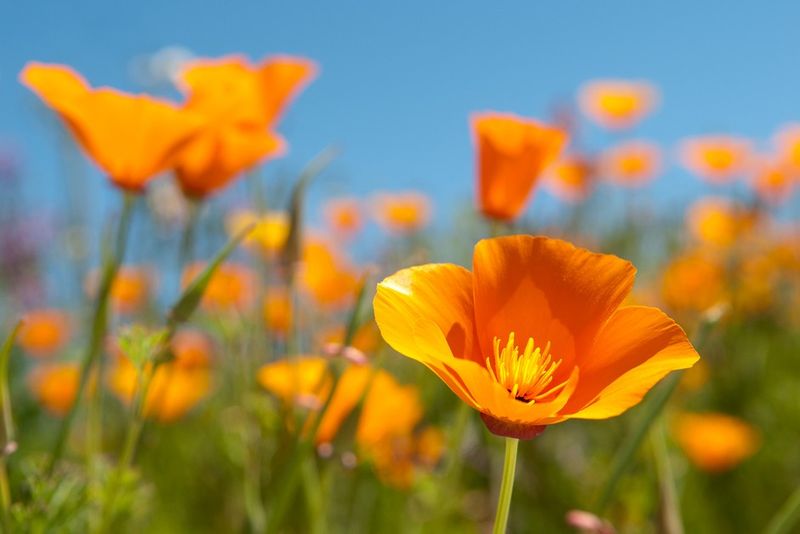
Most people think of California poppies as a one-and-done spring flower, but with a little attention they can keep producing blooms well into summer. The catch is timing.
Once the plant is allowed to set seed freely, it tends to slow down flowering and start putting most of its energy into those long, slender seedpods. In a California garden that is warming up fast, that transition can happen quickly.
Removing spent flowers and trimming back the wispy, overgrown stems before too many pods mature can encourage a fresh round of blooming. You do not need to be aggressive about it.
A light trim that takes off the faded flowers and shortens the longest stems by a few inches is often enough to keep the plant productive.
Some gardeners like to leave a few pods to mature so the plant reseeds naturally for next year, which is a perfectly reasonable approach in an informal California garden setting.
California poppies are tough, drought-tolerant plants that are well adapted to the state’s dry summers, so they can handle a trim without much fuss. After cutting back, a modest amount of water helps the plant recover and push new growth.
Results can vary quite a bit depending on your location. Coastal California gardens often see poppies perform longer into the season naturally, while inland areas may find the plants fade faster as heat builds.
Either way, catching the trim before the plant goes fully to seed gives you the best shot at a second round of those bright orange blooms.
4. Fuchsias Keep Going With Pinching And Cleanup
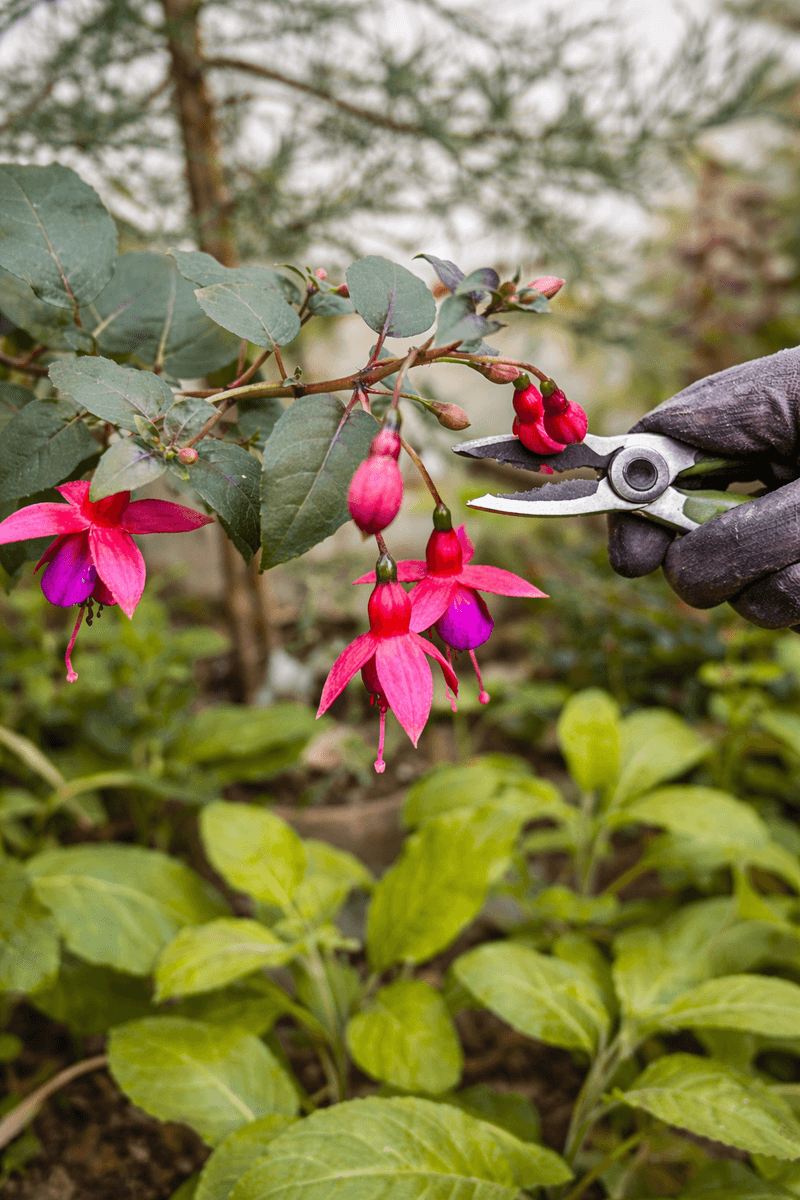
Walk past a fuchsia in late spring and you might notice some stems getting long and stringy while the flowers at the tips look smaller and more spread out than they did a month ago. That leggy growth is a sign that the plant is ready for a little attention.
Fuchsias, which are popular in California gardens and on shaded patios, respond really well to pinching and light cleanup right around this time of year.
Pinching means removing just the tip of a stem, usually the last inch or two, right above a set of leaves.
This simple move encourages the plant to branch out rather than keep stretching upward, which leads to more growing tips and, eventually, more flower buds.
For fuchsias in containers or hanging baskets, a round of pinching every few weeks through early summer can keep the plant looking full and productive rather than sparse and floppy.
Removing spent flowers and any yellowing leaves as part of your cleanup routine also helps fuchsias stay healthier going into the warmer months. In many parts of California, fuchsias prefer a spot with morning sun and afternoon shade, especially as temperatures climb.
Keeping up with pinching and deadheading during that transition period helps the plant adjust without losing momentum.
Established fuchsias that get regular attention tend to carry blooms through summer and into fall, making them one of the more rewarding plants to maintain in a garden when you stay consistent with the small upkeep tasks.
5. Ceanothus Benefits From A Light Post-Bloom Prune
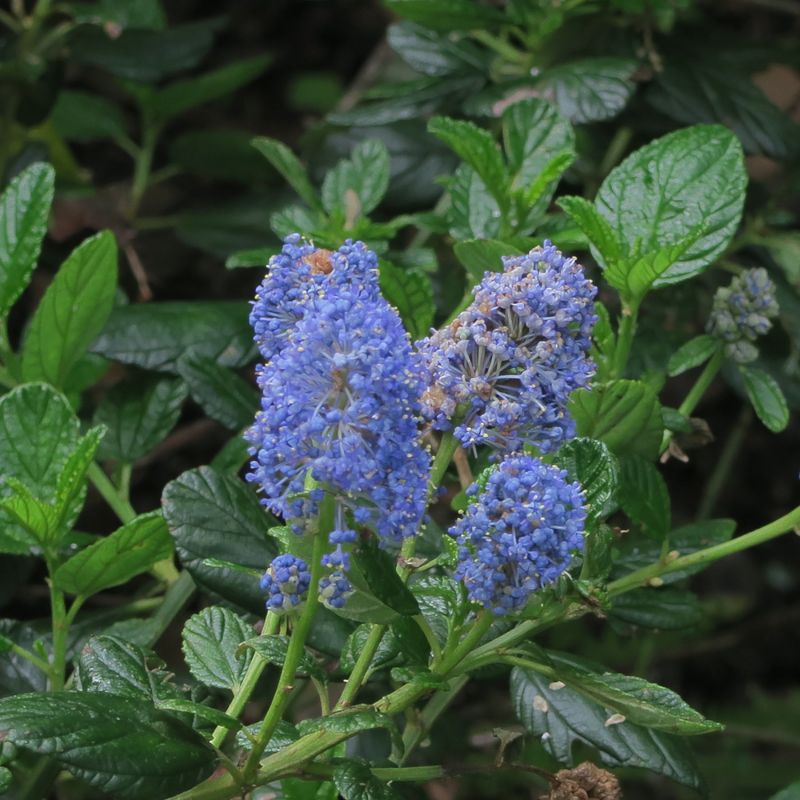
Few California native shrubs put on a show quite like ceanothus in spring, with its clusters of deep blue or purple flowers covering the branches in a way that stops people in their tracks.
But once that bloom flush wraps up, usually by late May or early June depending on the variety and location, the shrub can start to look a bit untidy with spent flower clusters and some uneven growth poking out in different directions.
A light post-bloom prune is often recommended for ceanothus right after flowering finishes. The goal is not to reshape the plant dramatically or cut into old wood, since ceanothus does not always respond well to hard pruning.
Instead, trimming back the soft, new growth by a few inches and removing spent flower clusters helps keep the shrub looking neat and can encourage a slightly denser growth habit over time.
Cutting back only into the green, leafy growth rather than into bare, woody stems is an important distinction to keep in mind.
Timing matters a lot with ceanothus in California. Pruning too late in summer, when the plant is already stressed by heat and dry conditions, tends to be harder on the shrub than a cleanup done right after blooming ends.
Many gardeners find that a quick once-over with hand pruners in late May or early June is all it takes to keep established ceanothus looking its best heading into the dry season.
Results can vary by variety, age, and whether the plant is growing in coastal or inland conditions.
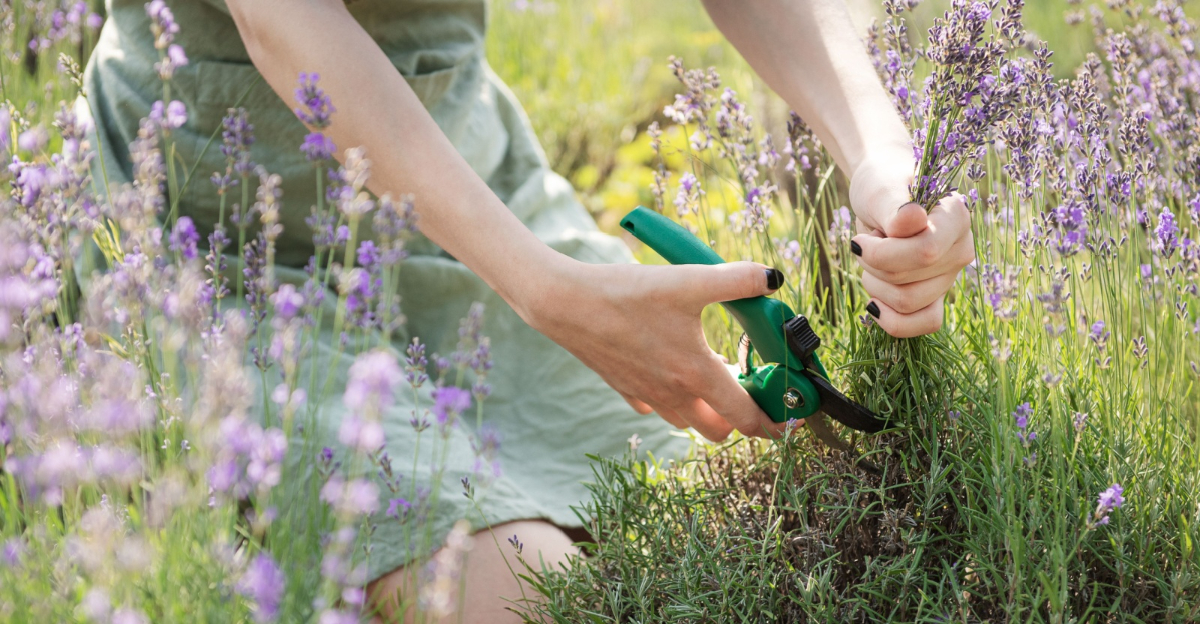
6. Lavender Stays Tidier And Flowers Longer With A Shear
Lavender is one of those plants that gardeners tend to love and then accidentally neglect when it comes to pruning.
It looks so good in full bloom that cutting it back feels counterintuitive, but a timely shear after the first big flush of flowers is one of the best things you can do to keep lavender healthy and productive over the long run.
Left untrimmed year after year, lavender tends to get woody at the base, open up in the middle, and produce fewer flowers on shorter stems.
The right time to shear is right after the main spring bloom winds down, which in many parts of California falls in late May or early June.
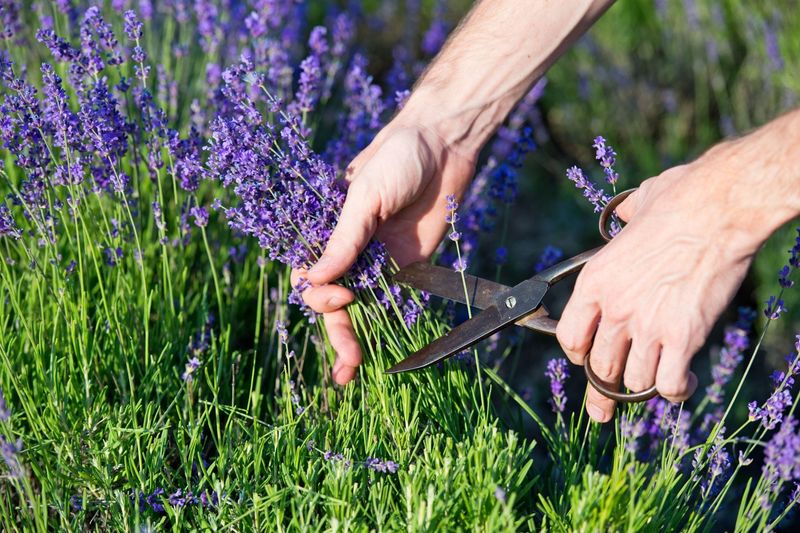
Using hedge shears or sharp hand shears, trim off the spent flower stalks and cut back into the leafy, green growth by about a third.
Avoid cutting into the gray, woody base of the plant, since that older wood does not reliably push new growth. The goal is to shape the plant into a tidy mound and encourage fresh stems that will carry a second round of blooms later in summer.
After shearing, lavender benefits from good drainage and a sunny spot, both of which California gardens often provide naturally.
Overwatering after a trim is a common mistake that can cause more harm than the pruning itself, so hold back on irrigation and let the plant settle in.
Many gardeners are pleasantly surprised by how quickly lavender bounces back with fresh silvery foliage and new flower spikes ready to open well into the summer months.