The Pennsylvania Natives That Stabilize A Hillside Without Retaining Walls
Anyone who has tried to mow a steep slope knows the feeling. The mower tilts, your feet slip, and every pass feels like a small gamble.
Pennsylvania has no shortage of hilly yards, and they come with more than mowing headaches. Heavy spring rains and melting snow rush downhill, carrying soil with them.
Over time, bare patches form, gullies deepen, and mud ends up on the driveway or in the street. Many homeowners assume the only real fix is an expensive retaining wall.
There’s another option that’s greener, cheaper, and a lot more beautiful. Native plants have spent thousands of years holding Pennsylvania’s hillsides in place.
Their deep, tangled roots lock the soil together, while their leaves and stems soften the impact of rain. The right mix of natives can turn a problem slope into one of the best parts of your yard.
1. Switchgrass
Some plants hold soil with a handshake. Switchgrass holds it with a bear hug. Its roots can dig down eight to ten feet, which is taller than most basketball hoops.
Native to the old prairies and meadows of Pennsylvania, switchgrass is built for open, sunny ground. It handles dry summers and soggy springs without much fuss.
That makes it a smart pick for a slope that bakes in the afternoon sun but floods during storms.
The secret is in what lies underground. Thick bundles of roots spread out and down, weaving through the dirt like rebar in concrete. When heavy rain hits, the soil stays put because it has nowhere to go.
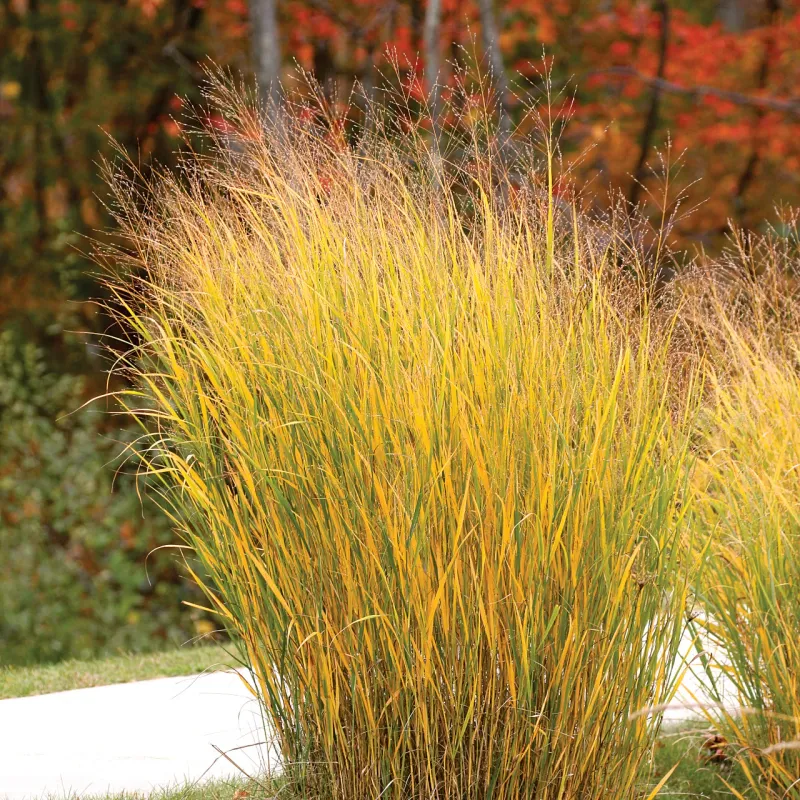
Above ground, the show is just as nice. Upright blades grow three to six feet tall, topped by airy seed heads that look like a pink or purple mist in late summer. In fall, the leaves turn golden tan and stand tall all winter.
Planting is simple. Set young plugs about two to three feet apart in spring. Water them every week or so for the first season, then let them handle things on their own.
Patience pays off with this grass. People often say the first year it sleeps, the second year it creeps, and the third year it leaps. Roots grow first, so do not worry if the tops look small early on.
Cut the old stems down to a few inches in late winter. Leave them standing until then, because birds love the seeds and shelter. Popular types include Shenandoah, with red tips, and Heavy Metal, with steely blue leaves.
2. Little Bluestem
Got a slope full of rocks, gravel, and dirt so poor that even weeds look tired? Little bluestem is about to become your favorite plant. It actually prefers tough, lean ground.
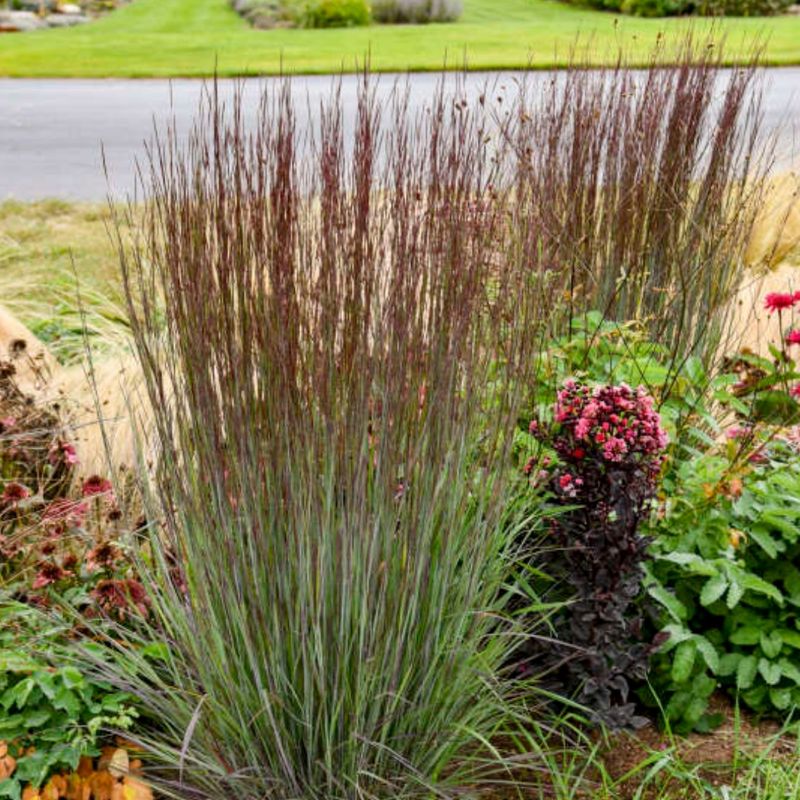
Rich soil can make this grass flop over. On dry, thin, rocky hills, it stands up straight and proud. It grows in neat clumps about two to three feet tall, which keeps it tidy and easy to plan around.
Underground, a mass of fine, threadlike roots grabs every bit of loose soil it touches. These roots reach several feet deep and form a tight web. Rain trickles slowly through them instead of rushing downhill in a muddy stream.
Your Pennsylvania Garden Changes Every Week. Your Plan Should Too.
Gardening in Pennsylvania changes quickly throughout the season. Every Friday you’ll receive a simple weekly plan showing exactly what to plant, prune, fertilize, harvest, and protect so you never miss the right timing.
Color is where little bluestem really shines. In summer, the leaves are a cool blue-green shade.
When fall arrives, they turn rich copper, orange, and sometimes a hint of red. Fluffy silver seed heads catch the light like tiny sparklers.
Here is a fun fact. Little bluestem was once one of the most common grasses across the American prairie. Bison grazed on it for centuries, so it is used to hard living.
To plant it, space clumps about eighteen inches to two feet apart. Skip the fertilizer completely. Extra food makes it weak and floppy, which defeats the whole purpose.
Pair it with native wildflowers like black-eyed Susan or butterfly weed for a meadow look. Songbirds will visit for seeds in winter.
Small butterflies called skippers even lay eggs on the leaves. Trim it back in early spring, and enjoy a slope that looks good in every season.
3. Pennsylvania Sedge
Lawn grass and big shade trees rarely get along. Under oaks and maples, turf thins out, leaving bare dirt that slides away in every storm. Pennsylvania sedge steps in where grass gives up.
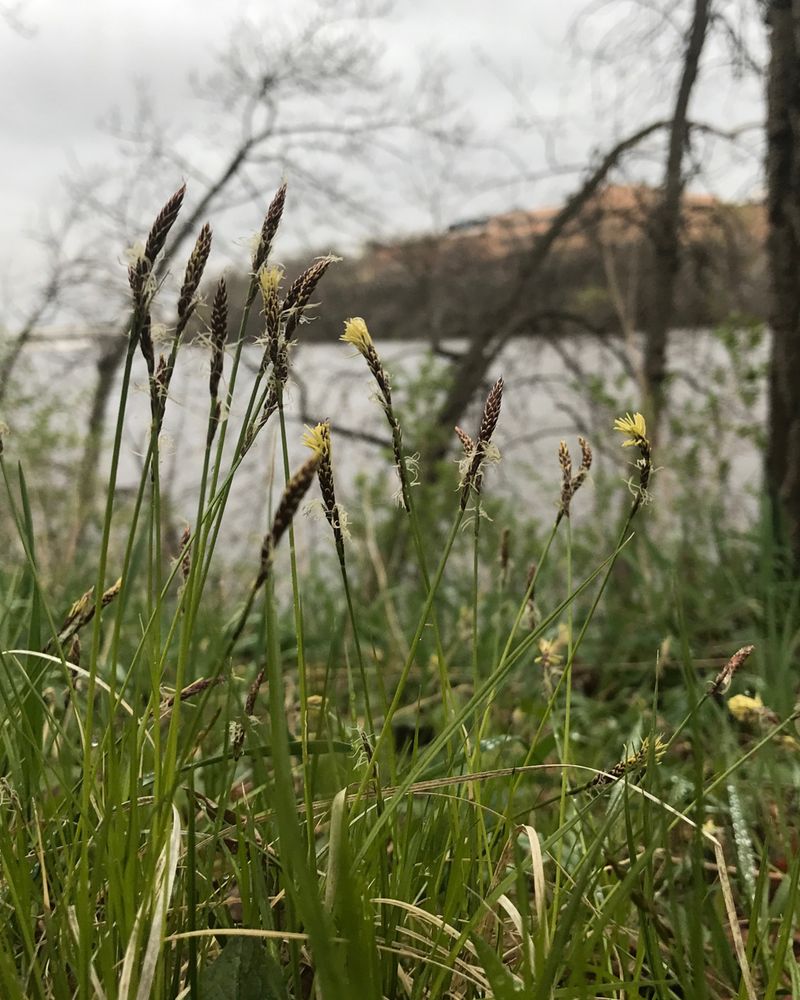
Picture a fine, soft mat of bright green blades that look a bit like hair that has been brushed sideways. That is this sedge. It only grows six to ten inches tall and drapes gently over the ground.
Spreading happens slowly through underground stems called rhizomes. These stems creep out and send up new tufts, knitting the whole patch together. Over time, the soil under the trees gets locked in place by a dense, shallow root mat.
Dry shade is usually a gardener’s nightmare. This plant handles it well, since it grows wild in Pennsylvania forests. It does not need much water once it settles in, and it never needs fertilizer.
Some people even use it as a lawn swap. You can mow it once or twice a year if you want a neater look, or simply leave it alone. Either way, you will skip the weekly mowing chores on a tricky slope.
For best results, plant plugs about eight to twelve inches apart. Closer spacing fills in faster. Mulch lightly between them with shredded leaves to keep weeds down while the plants spread.
Fun detail: in early spring, tiny creamy flowers pop up before the leaves fully green up. They are easy to miss but charming up close.
Pennsylvania sedge also gives shelter to small insects and ground-feeding birds. It is a quiet worker that makes shady hills look calm and finished.
4. Gray Dogwood
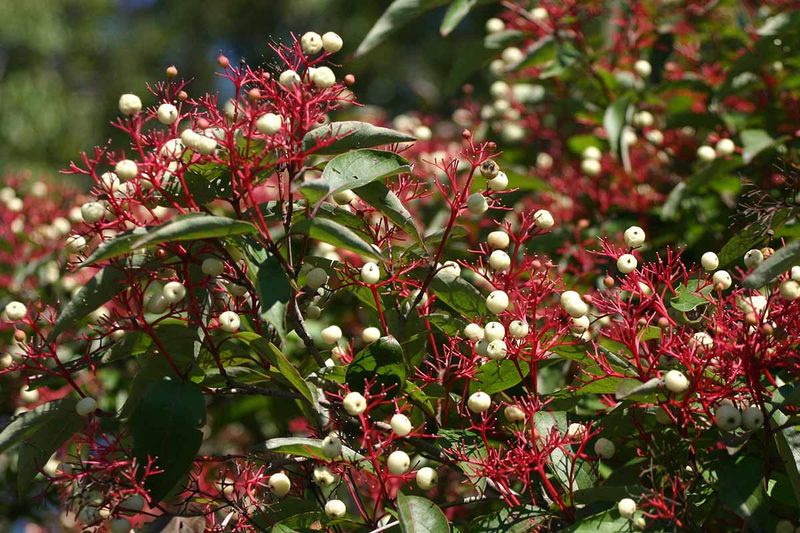
Back in the day, farmers along Pennsylvania fence rows knew gray dogwood well. It popped up in hedges, along streams, and on steep road banks. It was not fancy, but it never let the soil wander off.
Gray dogwood is a shrub that loves to make friends with itself. It sends up new shoots, called suckers, from its roots. Over a few years, one plant becomes a thick, tangled thicket.
Those connected roots are what make it a slope hero. They lace together underground like fingers locked in a tight grip. Rain, wind, and even small floods have a hard time moving soil held by this network.
Toughness runs deep in this plant. It grows in heavy clay, rocky ground, wet spots, and dry spells. Sun or part shade both work fine. It usually reaches about six to ten feet tall.
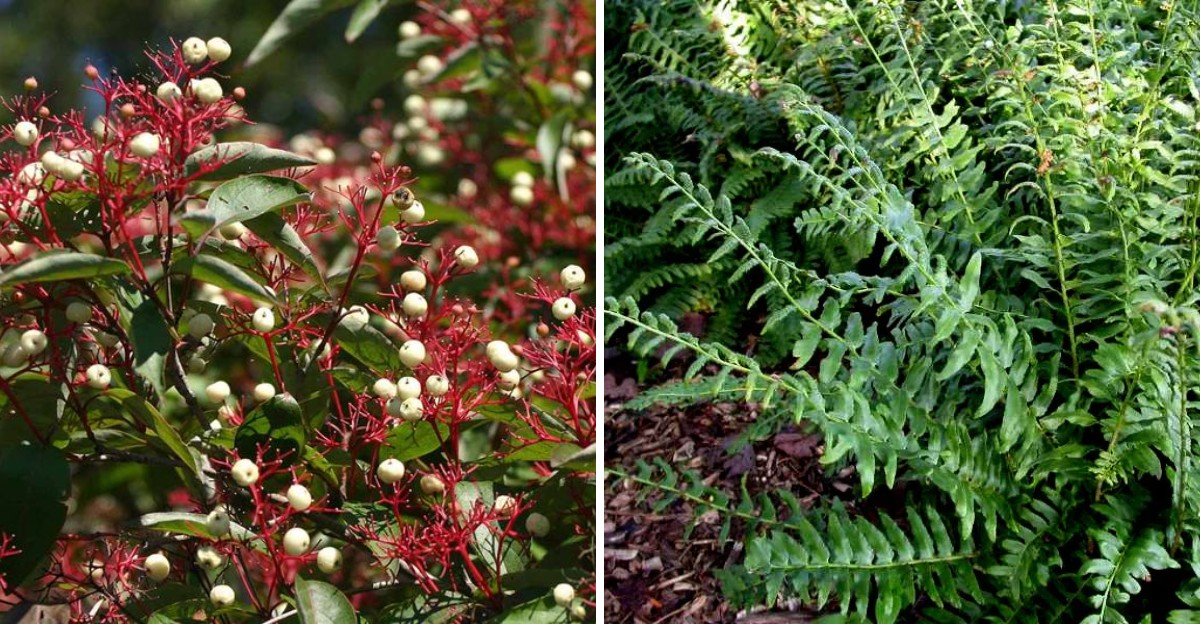
Every season brings something new. Late spring offers clusters of creamy white flowers. By late summer, white berries sit on bright red stalks, and birds swarm to eat them. In fall, the leaves turn a soft purple-red.
More than one hundred kinds of birds have been seen eating dogwood fruit. Bluebirds, robins, and cardinals are frequent guests. Your slope can turn into a snack bar for wildlife.
Give each plant about five to eight feet of space at first. Let the suckers fill in the gaps. If it spreads too far, simply cut the extra shoots with pruners.
Plant it on large banks, near ditches, or at the bottom of a hill where you want a natural, living screen.
5. Fragrant Sumac
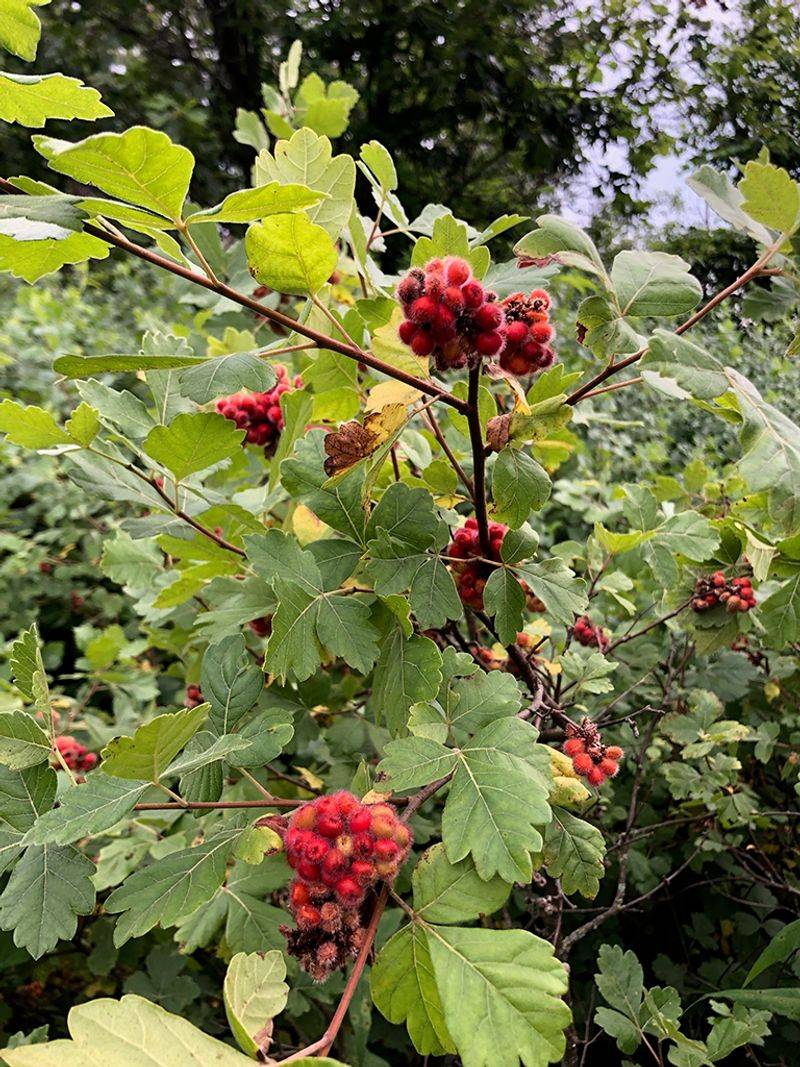
Brush your hand across a fragrant sumac leaf and sniff. You will catch a lemony, spicy smell that surprises most people. That scent is just the start of what this low shrub offers.
Do not confuse it with poison sumac. Fragrant sumac is totally safe to touch. Its leaves come in groups of three, a bit like poison ivy, but they are rounded and smell pleasant when crushed.
The real magic happens on dry, rocky slopes. Branches stretch outward and touch the ground. Wherever they touch, they can send down new roots. Bit by bit, the shrub stitches itself into a thick, low blanket.
Most types stay two to six feet tall. A popular variety called Gro-Low only reaches about two feet but spreads six to eight feet wide. It is a top pick for covering big, steep areas fast.
Very little bothers this plant. Drought, poor soil, road salt, and hot sun do not slow it down. Deer usually leave it alone too, which is great news for many Pennsylvania homeowners.
Early spring brings small yellow flowers before the leaves open. Bees appreciate them since few other plants bloom that early. Later, fuzzy red berries form. Birds snack on them through fall and winter.
Autumn is when it truly shows off. Leaves turn orange, red, and deep purple, sometimes all on the same shrub. Plant them three to four feet apart and mulch well the first year.
After that, step back and let the shrub do its thing. Light trimming in late winter keeps it neat.
6. Virginia Creeper
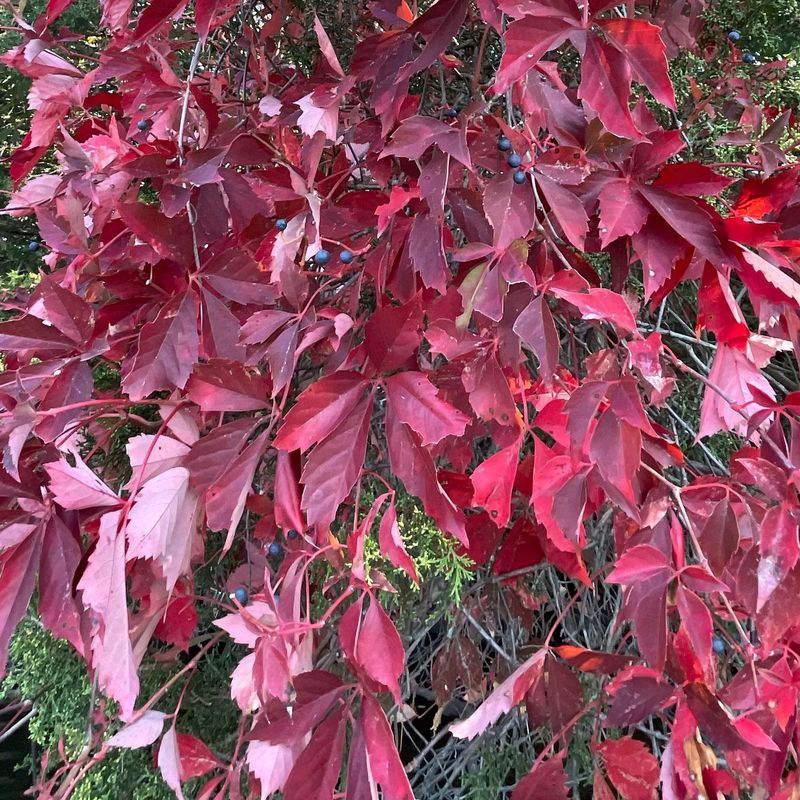
Most people think of Virginia creeper as a vine climbing old barns and stone walls. Fair enough, it is great at that. Let it loose on a hillside, though, and it becomes a fast, leafy ground cover.
Each leaf has five leaflets that spread out like an open hand. That shape helps tell it apart from poison ivy, which has only three. Kids sometimes learn the rhyme leaves of three, let it be, and five means fine.
On a slope, the stems run along the soil and root as they go. Within a couple of seasons, a few plants can cover a large area. The thick leaf layer shields bare dirt from pounding rain drops.
Why does that matter? Raindrops hitting bare soil act like tiny hammers that break it apart. Leaves soften the blow, and roots below hold the loosened soil together.
Fall is the big moment. The green leaves turn scarlet and wine red, often before most trees change color. It looks like the hillside is glowing.
Small dark blue berries appear on red stems. Birds like woodpeckers, thrushes, and bluebirds eat them well into winter. A word of caution, the berries are not safe for people or pets to eat.
Planting tips are easy. Set plants about three to five feet apart in sun or shade. Keep them away from trees you do not want climbed, or trim stray runners each year.
Virginia creeper handles almost any soil, so it is perfect for awkward spots where nothing else seems to work.
7. Christmas Fern
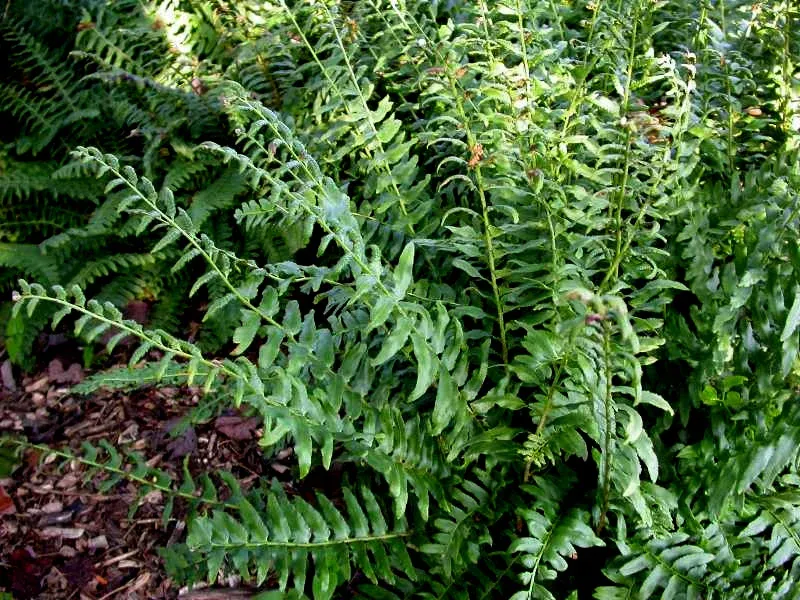
Snow covers the woods, everything looks brown and gray, and then you spot it. A clump of glossy green fronds is poking out from a shady bank. That cheerful plant is the Christmas fern.
The name comes from a simple fact. It stays green through the holidays, and early settlers used it for winter decorations. Look closely at a single leaflet and you might see a tiny shape like a stocking or a sleigh.
For slopes, staying green is a huge deal. Many plants go dormant in winter and leave the ground bare. Christmas fern keeps its fronds and roots working all year, so the soil is never left unprotected.
Each plant grows in a tidy clump about one to two feet tall. It does not run wild or take over. The roots form a firm, fibrous mass that holds soil tightly around the base of each plant.
Shade is where it feels most at home. It grows well under trees, along the north side of houses, and on wooded hillsides. Rocky spots and well-drained soil suit it nicely too.
Here is a smart planting trick. Set ferns in a zigzag pattern about eighteen inches apart across the slope. This staggered layout catches water and soil better than straight rows.
Deer and rabbits usually skip this fern, which saves plenty of frustration. Water it during dry spells the first year.
After that, it pretty much cares for itself. In spring, simply snip off any worn old fronds to make room for fresh fiddleheads unrolling from the center.