Top Pennsylvania State Parks With The Best Fall Foliage
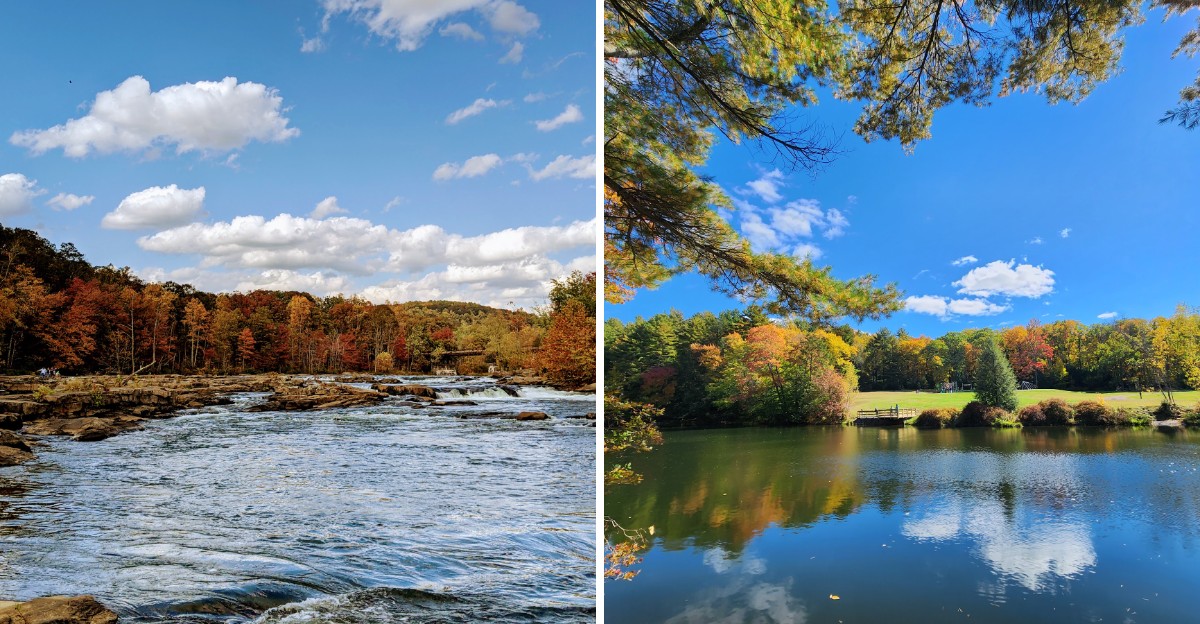
Pennsylvania doesn’t do fall halfway. Thanks to its rolling mountains, deep valleys, and huge mix of trees, the state enjoys one of the longest and most colorful foliage seasons in the country. Color often starts in the northern tier in late September.
From there, it slowly rolls south through October and into early November. That gives leaf peepers weeks of chances to catch the show at its peak.
With more than 100 state parks to choose from, though, deciding where to go can feel overwhelming. Some parks offer sweeping overlooks above blazing hillsides.
Others feature quiet lakes that reflect the colors like a mirror. Many have winding trails that lead you right through a canopy of red, orange, and gold.
These standout parks deliver the kind of fall views that make the drive, and the hike, completely worth it.
1. Ricketts Glen State Park
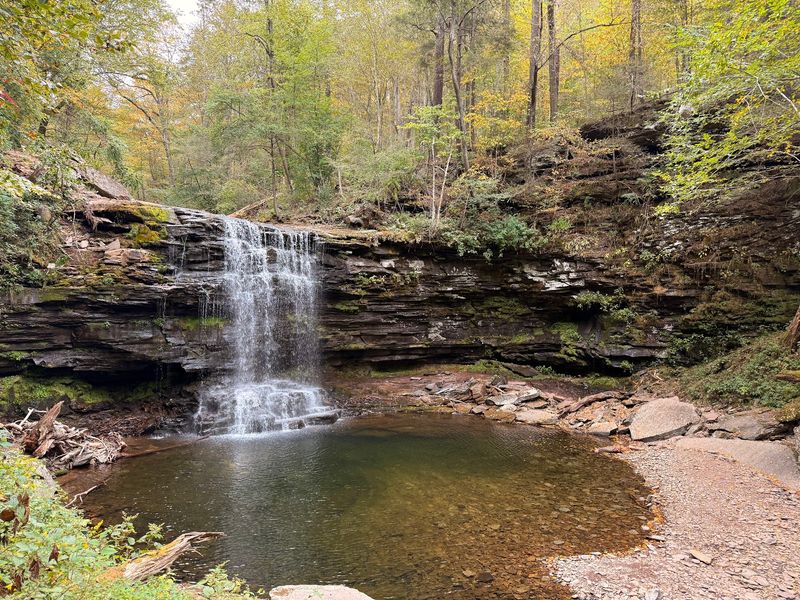
Twenty-one named waterfalls in one hike sounds like a dream, and Ricketts Glen delivers it. The park covers over 13,000 acres across Columbia, Luzerne, and Sullivan counties. Its Falls Trail passes the 94-foot Ganoga Falls.
Fall is when the glens really glow. Bright maples, birches, and oaks frame the water. Peak color on the plateau usually lands in the first three weeks of October. Gold and red leaves stand out against the dark hemlocks along Kitchen Creek.
Gardeners will love the plant life here. The Glens Natural Area is a National Natural Landmark.
Its forest is full of Eastern hemlock, American beech, red maple, and yellow birch. Basswood, ash, and white pine show up now and then.
Look lower, too. The understory holds striped maple, hobblebush, mountain maple, blueberries, wild hydrangea, and witch hazel.
Walking through it is like seeing a layered garden plan in real life. Tall trees sit above shrubs, and shrubs sit above ferns.
Wet spots add more ideas. Black gum trees and cinnamon ferns grow in the wetlands. Water shield, broadleaf arrowhead, pickerelweed, and sedges grow in the water. Each one shows how plants adjust to moisture.
Lake Jean covers 245 acres and is great for a kayak break. Paddle out and look back at the colorful shoreline. Wear sturdy shoes, because the steps near the falls can be slick.
The park sits at 695 State Route 487, Benton, PA 17814. Bring a notebook and sketch the plant combos you like. They can guide a native yard back home.
2. Leonard Harrison State Park
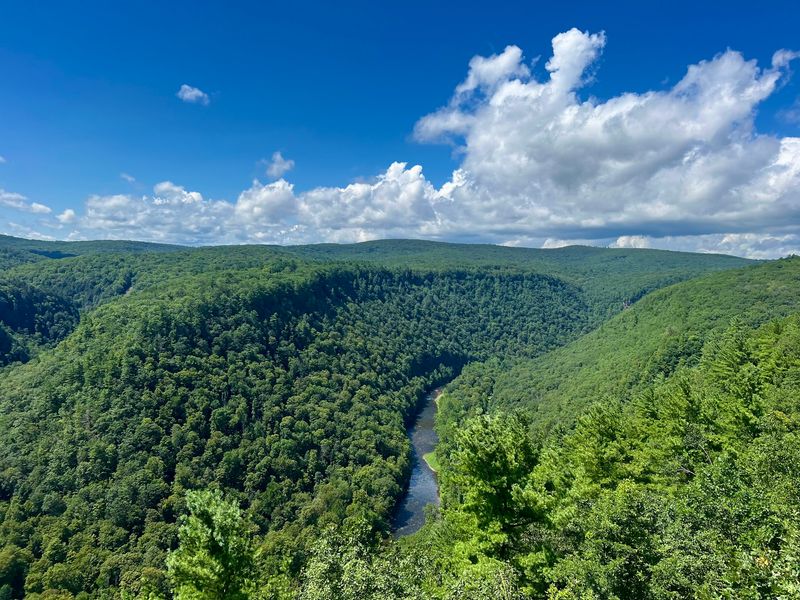
Stand at the edge of the Pennsylvania Grand Canyon and the whole gorge spreads out below you.
Leonard Harrison State Park sits on the east rim of Pine Creek Gorge, near Wellsboro. The overlooks show canyon walls packed with trees.
Peak color usually arrives in early to mid-October. The gorge turns into a sea of red, orange, and gold. The park even offers viewfinders that help visitors with colorblindness see the colors better.
The gorge is a National Natural Landmark. It is also a State Natural Area and an Important Bird Area. That means the land stays wild and protected.
Your Pennsylvania Garden Changes Every Week. Your Plan Should Too.
Gardening in Pennsylvania changes quickly throughout the season. Every Friday you’ll receive a simple weekly plan showing exactly what to plant, prune, fertilize, harvest, and protect so you never miss the right timing.
For gardeners, the big lesson is about place. Elevation and slope change which plants grow where.
Watching the colors shift along the canyon walls shows how different trees pick different spots. It is a handy reminder to match plants to the site in your own yard.
The trails add close-up lessons. On the Turkey Path, hikers can spot Jack-in-the-pulpit with its bright red fruits. Delicate maidenhair fern grows in shady, damp nooks. Both are native plants that work well in woodland beds.
Trees here handle steep, rocky ground and cold winters. That toughness is worth noting when you pick hardy plants at home. Native species often cope with tough weather better than fancy imports.
Find the park at 4797 Route 660, Wellsboro, PA 16901. Go on a clear morning for the best light. Pack layers, since the rim can be breezy.
3. Worlds End State Park
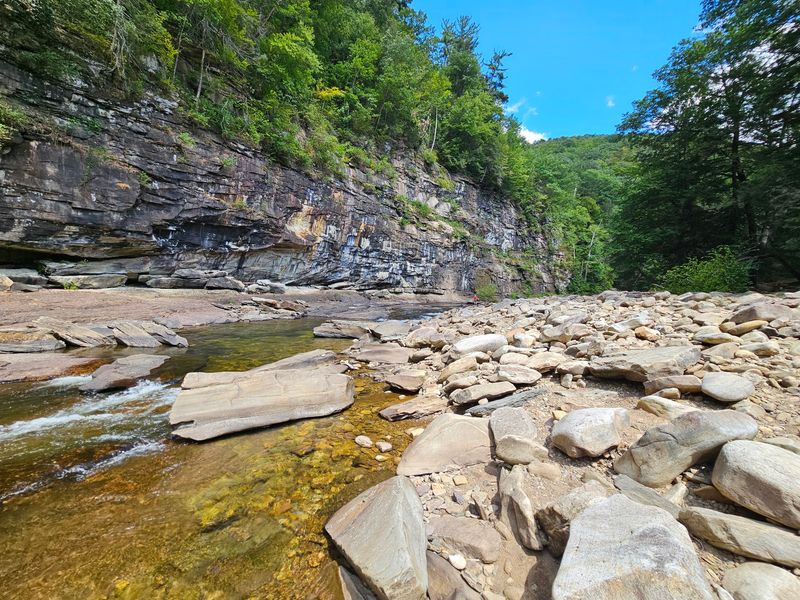
The name sounds dramatic, and the scenery fits. Worlds End State Park tucks into a narrow, S-shaped valley along Loyalsock Creek in Sullivan County. Steep hills rise on both sides.
Canyon Vista is the star in autumn. From the overlook, mountains roll to the horizon in bright fall color. October is the best month to go. The Loyalsock State Forest around the park adds even more color.
Photographers love it here. Early light spills over the ridges and lights up the leaves. Quiet moments are easy to find, too.
Plant fans get a bonus. The park mixes creekside areas with mountain slopes. That gives you a front-row seat to microclimates. You can see how plants change from the damp valley floor to the drier ridge tops.
Mountain laurel is a highlight. It blooms beautifully in June, so the park is worth a return trip. This tough native shrub is a good pick for home gardens that want evergreen leaves and spring flowers.
The park also runs environmental education programs. Guided walks and hands-on activities help visitors learn plant identification and forest ecology.
Gardeners can pick up tips on native species and wildlife-friendly planting from park staff.
The address is 82 Cabin Bridge Rd, Forksville, PA 18616. Some GPS units send drivers the wrong way, so follow the PA Route 154 signs. Bring a camera and a thermos of something warm.
4. Ohiopyle State Park
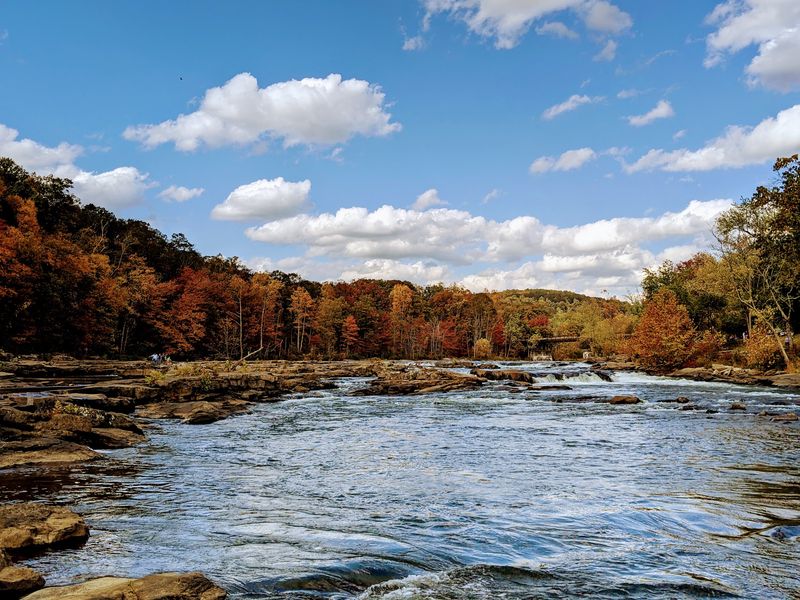
Few parks pack in as much action as Ohiopyle. It wraps around the Youghiogheny River Gorge in the Laurel Highlands of southwestern Pennsylvania. Waterfalls, river views, and miles of trails fill the map.
Fall adds a color show on top. You can hike, bike a section of the Great Allegheny Passage, or paddle the river. Reds, oranges, and yellows surround you the whole way. Peak color usually comes in mid-October.
Baughman Rock offers a great view. The Ferncliff Peninsula trails get you up close to the river and the trees.
Gardeners will find plenty to study. The park is known for rich biodiversity. It holds six globally rare plant species and 25 plants of regional concern. Ferncliff stands out for its geology and rare plants along the river.
The forest there is mature. Hemlock, tulip poplar, oak, and black birch fill it. Seeing old trees together shows how a stable woodland looks.
Recent restoration work used native plants. Sycamore, tulip poplar, river birch, and cottonwood went into the ground.
So did inkberry holly, nannyberry, and redosier dogwood. These feed and shelter songbirds, bees, and butterflies.
That is a handy model for a backyard. Pick native shrubs and trees, and wildlife will visit. The park is at 124 Main Street, Ohiopyle, PA 15470. Start at the visitor area, grab a map, and pick a trail that suits your energy.
5. Cook Forest State Park
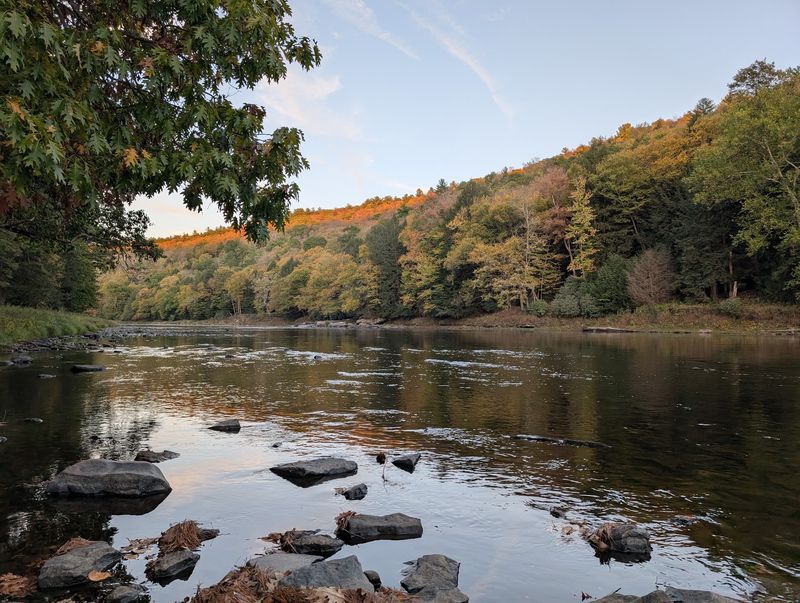
Some white pines here are over 300 years old and rise past 200 feet. Cook Forest earned the nickname Land of Giants for good reason.
Its Forest Cathedral is a stand of old-growth white pine and hemlock. It is also a National Natural Landmark.
Autumn adds a wonderful contrast. Hardwoods turn gold and red while the giant evergreens stay deep green.
The Seneca Fire Tower lets you look out over the Clarion River valley. A 13-mile stretch of the river also runs through the park, and canoes and kayaks glide past the color.
For plant lovers, this is a rare classroom. You can study a mature forest that has stood for centuries. Eastern hemlock, white pine, white oak, American beech, black cherry, and red maple all grow here.
Watching these long-lived trees teaches patience. A good landscape is built to last. Plant trees now, and they will shade future generations.
The mix of evergreens and fall color also teaches design. Dark green backdrops make bright leaves pop. Use that trick in a yard so it looks good in every season.
Along the Clarion River, look for cardinal flower, mountain laurel, and rhododendron. All are native and can inspire flower choices at home.
Cardinal flower is a hummingbird favorite. Visit at 100 Rt 36, Cooksburg, PA 16217. Wear good shoes and tilt your head back often.
6. Hickory Run State Park
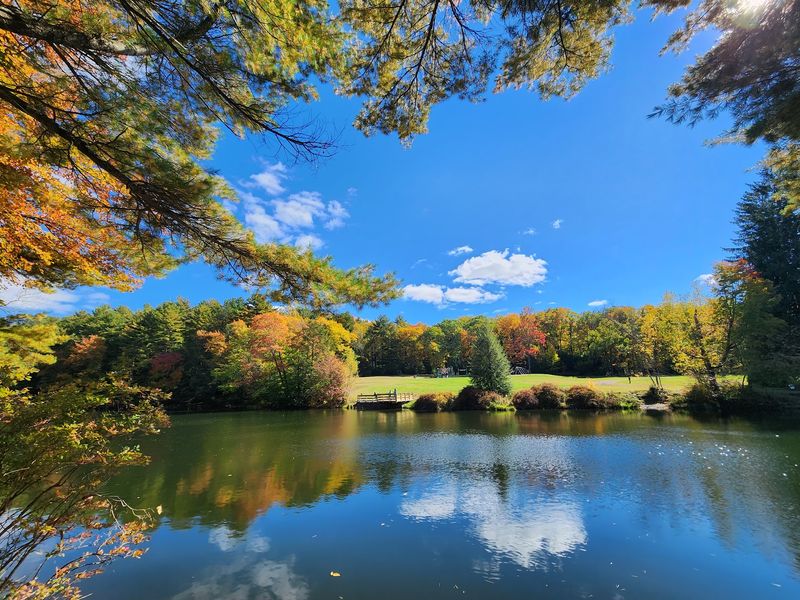
A river of rocks sits in the middle of the Poconos. That is the Boulder Field at Hickory Run State Park. Glaciers left it behind, and it is a National Natural Landmark.
In fall, the field is ringed by golden trees. The park has over 40 miles of trails, and many lead to waterfalls such as Hawk Falls. Peak color usually shows up around mid-October.
Hickories, sassafras, winged sumac, and flowering dogwoods glow bright crimson. Red maples add the classic red tones. Birch, oak, hemlock, maple, and white pine fill in the rest.
Gardeners can learn a lot from the rocks. Plants find ways to settle in even on rough, stony ground. If you want a rock garden or a low-water landscape, watch what grows near the boulders. Tough natives often beat delicate ones.
Mountain laurel and rhododendron grow here and bloom in mid-June. They keep their leaves all year, so they add interest in winter. Plant them in part shade with acidic soil.
Look down at the forest floor, too. Hay-scented fern spreads into soft, lush groundcover. It shows how a natural plant community fills every layer without bare dirt.
Find the park at 3 Family Camp Road, White Haven, PA 18661. Some maps use 3613 State Route 534, White Haven, PA 18661. Wear sturdy boots, because walking on the boulders takes care.