Why Kale Is Pennsylvania’s Toughest Fall Vegetable
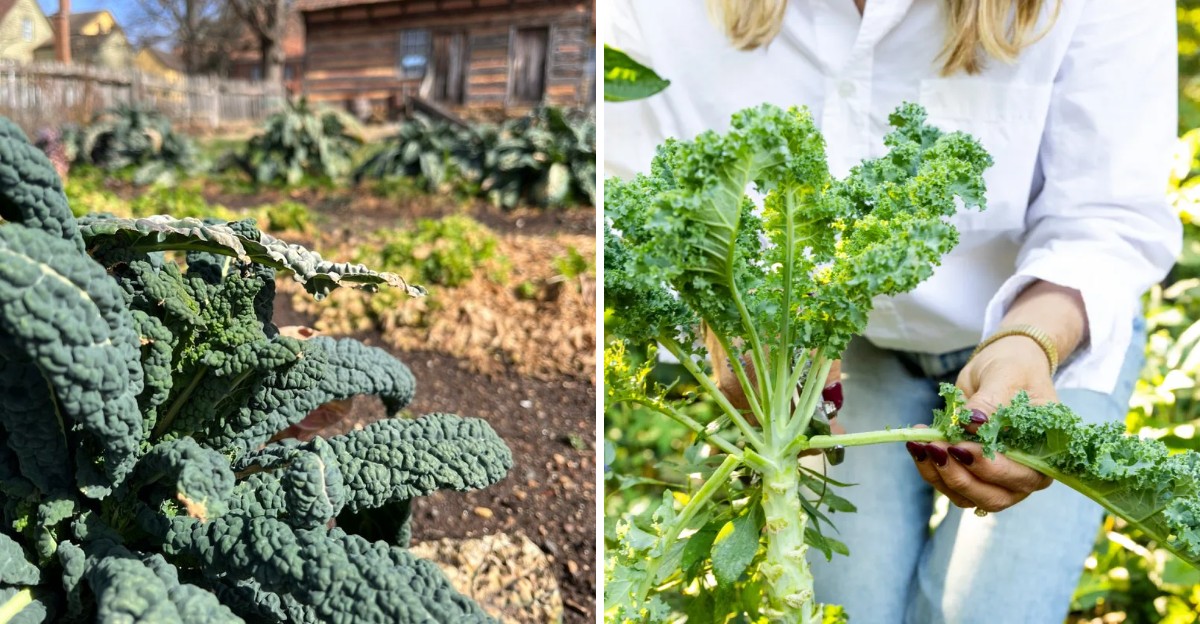
Many vegetables give up the moment frost hits. Tomatoes collapse, beans turn black, and squash vines wilt overnight. Kale just keeps going.
While the rest of the Pennsylvania garden shuts down for the year, this leafy green stands tall through chilly mornings, icy winds, and even light snow.
Many varieties can handle temperatures well below freezing and bounce right back once the sun comes out. Some gardeners brush the snow off their plants in December and still pick fresh leaves for dinner.
Cold weather even makes it taste better. As temperatures drop, kale converts some of its starches into sugars, giving the leaves a milder, sweeter flavor than anything you’ll find in summer.
Add in its impressive nutrition and how little care it needs, and it’s easy to see why this tough green deserves a spot in every fall garden.
1. It Shrugs Off Hard Frosts
Walk outside on a frosty November morning and you will see something amazing. The tomato plants are limp and brown. Right next to them, the kale looks crisp, proud, and ready for a new day.
Kale is one of the most cold-tolerant vegetables you can grow. It can handle temperatures in the low 20s without much trouble. Many plants even make it through nights in the teens with only a little leaf damage.
Compare that to warm-season crops. Tomatoes, peppers, beans, and squash give up as soon as the first frost hits.
In most of Pennsylvania, that first frost shows up between late September and late October. Once it arrives, kale becomes the star of the garden.
So how does it pull this off? Kale has thick, waxy leaves that help shield it from cold air. Its cells also hold special compounds that act a bit like antifreeze. That helps stop ice crystals from tearing the leaves apart.
Here is a fun thing to watch for. On a really cold morning, your kale might look droopy and frozen stiff. Do not panic. Once the sun warms things up, the leaves usually perk right back up by lunchtime.
A few tips can help your plants stay strong. Try not to pick leaves while they are frozen, since they bruise easily.
Wait until they thaw. Also, give your plants a layer of straw or shredded leaves around the base. That mulch keeps the soil warmer and protects the roots.
For the best results, plant kale in mid to late summer. That way, the plants are big and sturdy before the hard frosts come calling.
2. Cold Weather Makes It Taste Better
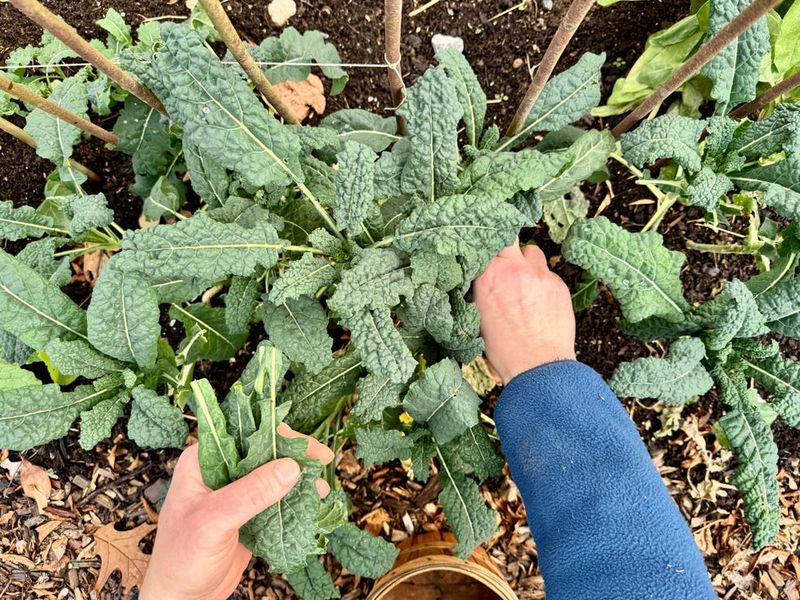
Ask any old-time Pennsylvania gardener about kale, and you will probably hear the same advice. Wait until after a frost to pick it. They are not just being picky. There is real science behind it.
Plants make starches while they grow. When the weather gets cold, kale turns some of those starches into sugars.
Sugar in water freezes at a lower temperature than plain water. So the extra sugar helps protect the plant’s cells from freezing solid.
Your Pennsylvania Garden Changes Every Week. Your Plan Should Too.
Gardening in Pennsylvania changes quickly throughout the season. Every Friday you’ll receive a simple weekly plan showing exactly what to plant, prune, fertilize, harvest, and protect so you never miss the right timing.
That protective trick has a tasty side effect for us. The leaves become sweeter and milder. Summer kale can taste bitter or tough, especially during hot spells. Fall kale, after a few chilly nights, tastes almost nutty and gentle.
Did you know? Farmers have a name for this effect. Some call it frost sweetening, and it also works on carrots, parsnips, and Brussels sprouts. That is why many cooks save these veggies for late fall dishes.
Want to test it yourself? Pick one leaf in early September and taste it raw. Then try another leaf from the same plant in early November. You will likely notice a big difference in flavor.
Sweet fall kale works great in lots of meals. Toss it into a warm soup with potatoes and sausage.
Bake it into crunchy kale chips with a little olive oil and salt. You can even chop it fine for a fresh salad, since the cold makes it more tender.
For the sweetest leaves, harvest in the late morning after the frost has melted. Rinse them in cool water, pat them dry, and store them in the fridge in a bag with a paper towel.
3. One Planting Gives You Months Of Harvests
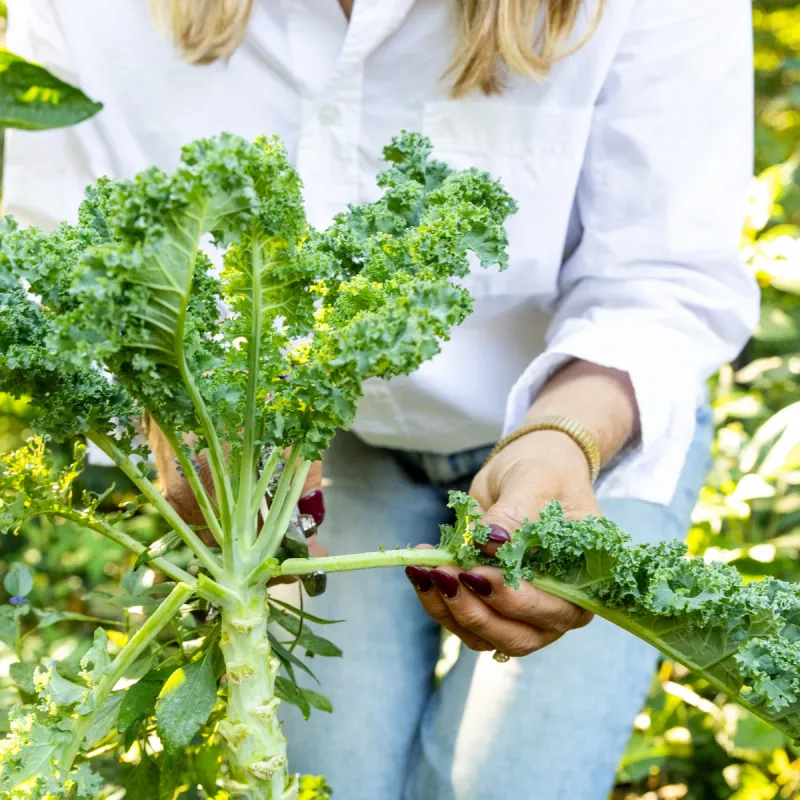
Some vegetables are one and done. You pull a carrot, and that is it. Kale is more like a friend who keeps bringing snacks every time you visit.
The secret is how it grows. Kale makes new leaves from the center of the plant. The older leaves sit on the outside and lower part of the stem. When you pick those outer leaves, the plant simply keeps making more from the top.
Because of this, one planting can feed you from late summer until late fall. In many Pennsylvania gardens, that means fresh greens from August all the way to December. That is a lot of meals from just a few plants.
Here is how to harvest the smart way. Start with the lowest, biggest leaves first. Snap or cut them off close to the main stem. Leave at least five or six leaves at the top so the plant can keep growing strong.
Never cut out the center bud. That little tuft at the top is the growing point. If you remove it, the plant stops making new leaves.
Over time, your kale will start to look a little funny. It might grow tall with a bare stalk and a leafy crown, kind of like a tiny palm tree. Kids often get a kick out of this look.
A family of four can usually do well with about six to eight plants. Pick once or twice a week and you will have plenty for smoothies, soups, and stir fries. Feeding plants with compost in early fall helps keep that steady harvest coming.
4. It Can Survive Well Into Winter
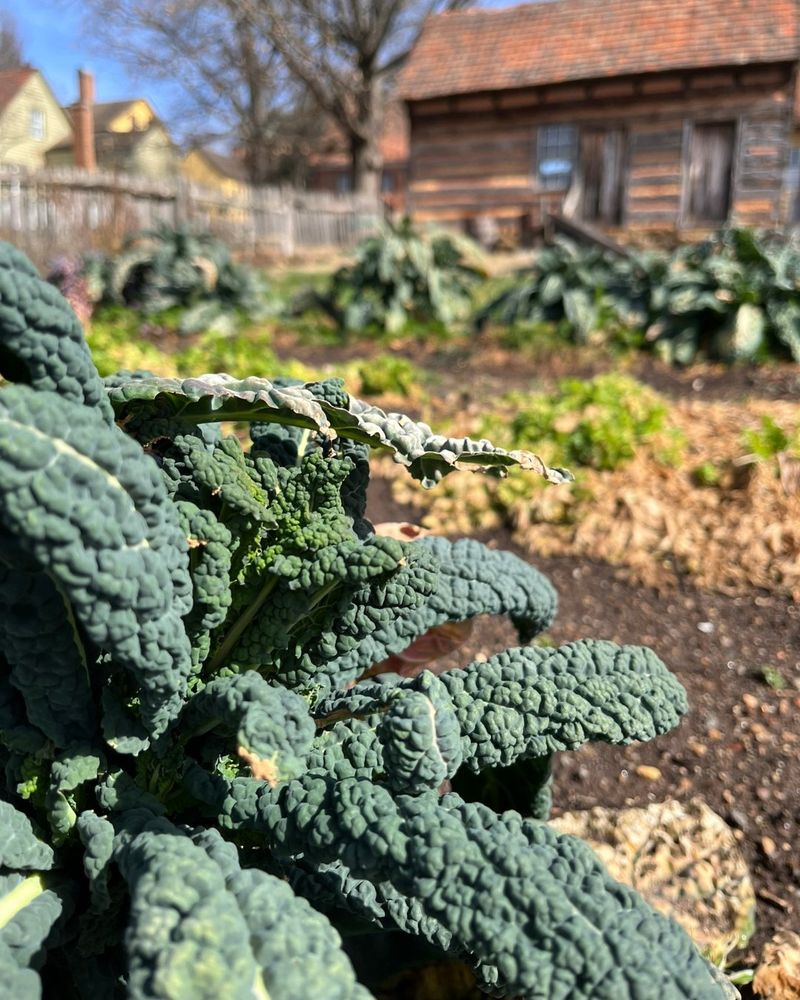
Snow on the ground does not always mean the garden is closed. In fact, plenty of Pennsylvania gardeners pick kale in January. They just give it a little shelter first.
Two simple tools make a big difference. The first is a row cover, which is a light white fabric you lay over the plants.
It traps heat from the soil and blocks harsh wind. The second is a cold frame, which is a low box with a clear lid that works like a mini greenhouse.
Location matters too. Gardens in southern Pennsylvania, around places like York, Lancaster, and Philadelphia, have milder winters.
Kale there often makes it through with only a row cover. Up north, near Erie or in the mountains, a cold frame gives better odds.
Wind is often a bigger problem than cold. Dry winter wind pulls moisture out of leaves. Planting kale near a fence, wall, or the south side of a house can help a lot.
Now for the best part. Plants that make it through winter often wake up early in spring. As soon as days get longer in March, they push out fresh, tender little leaves. Those first greens taste wonderful after months of store-bought produce.
Enjoy them while you can. Once the weather warms, overwintered kale will start to flower, a process called bolting. The leaves get bitter after that.
But those yellow flowers are edible too, and bees love them. Pull the plants in late spring and make room for a new crop.
5. Pest Problems Fade As It Gets Colder
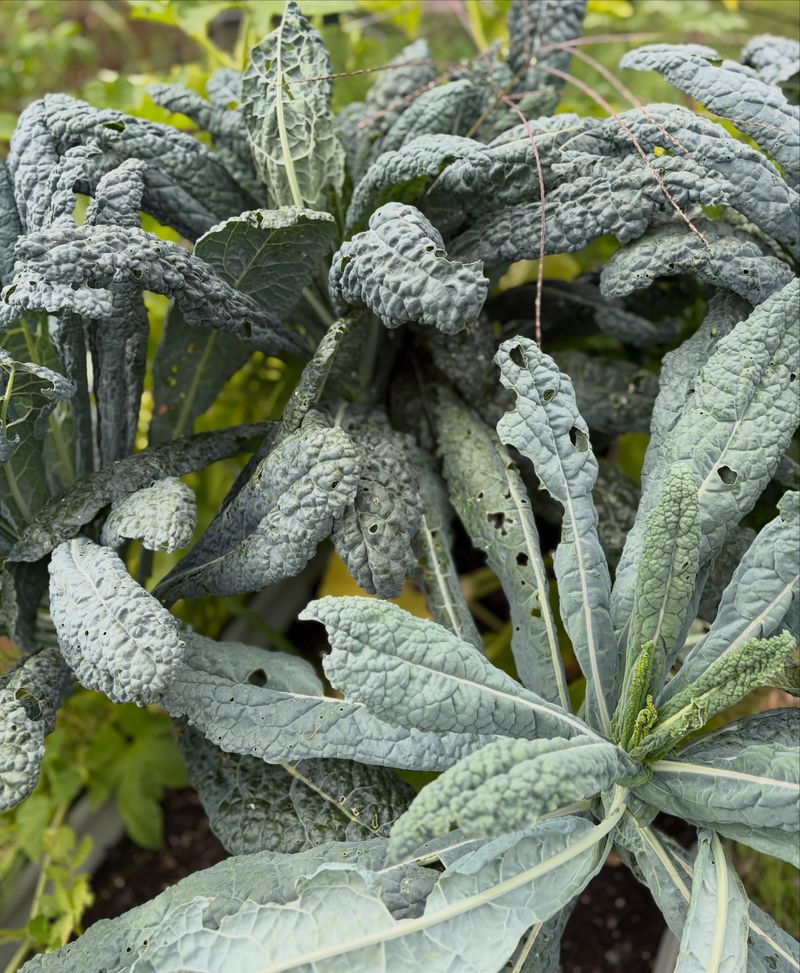
Summer kale can be a real headache. You go out to pick some leaves and find more holes than a slice of Swiss cheese. The culprit is usually a small green caterpillar called the imported cabbage worm.
Those worms come from white butterflies that flutter around the garden all summer. The butterflies lay eggs on kale, cabbage, and broccoli.
When the eggs hatch, the hungry caterpillars munch away. Aphids and flea beetles can join the party too.
Fall brings good news. As nights get cold, these pests slow way down. Butterflies stop laying eggs, and the bugs mostly disappear by the time frost arrives. Your kale leaves stay cleaner and look much nicer.
That is one big reason many gardeners skip spring kale and plant only for fall. Less bug damage means less work and more food.
You also do not need sprays or special treatments. Still, early fall can bring a few stragglers. Here are some easy ways to stay ahead of them:
Check the undersides of leaves for tiny eggs and caterpillars. Pick them off by hand and drop them in soapy water.
Cover young plants with lightweight netting in late summer to keep butterflies away. Spray aphids off with a strong blast from the hose.
Fun fact: cabbage worms are so well camouflaged that they blend right into the leaf veins. Look for dark green droppings on the leaves.
That is often the quickest clue a worm is hiding nearby. By October, you can usually relax and enjoy picture-perfect greens with very little effort.
6. It’s Packed With Nutrition
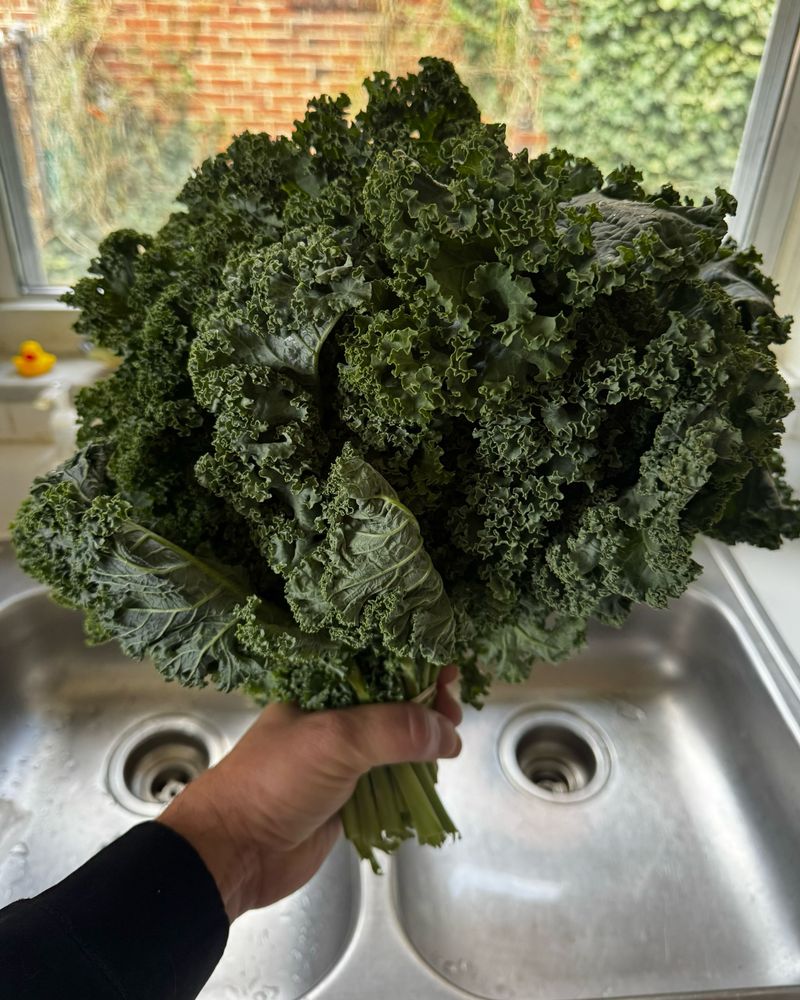
There is a reason kale got the nickname superfood. One cup of chopped raw kale holds more vitamin K than you need for a whole day. It also brings a big dose of vitamins A and C.
Each of those vitamins has its own job. Vitamin A helps your eyes, especially in dim light. Vitamin C supports your immune system, which comes in handy during cold and flu season. Vitamin K helps your blood clot and keeps bones strong.
Kale also has fiber, which keeps your stomach happy and helps you feel full. On top of that, it contains antioxidants. These natural compounds help protect your body’s cells from damage over time.
Fresh garden kale has an edge over store-bought bunches. Leaves start losing some vitamins after they are picked.
Grocery kale may travel for days before it reaches you. Picking it right from your backyard means you get it at its best.
Having fresh greens in November and December is a real treat. Most gardens are empty by then. Your kale patch can add color and health to holiday dinners and cozy winter meals. Need some easy ideas? Try these:
Blend a handful into a fruit smoothie, where the banana hides the green flavor. Stir chopped leaves into chili or spaghetti sauce near the end of cooking. Sauté kale with garlic and a splash of lemon for a quick side dish.
One small tip: always remove the tough center rib before cooking. Just fold the leaf in half and pull the stem away. The tender leaf cooks faster and tastes better.
7. There’s A Variety For Every Garden
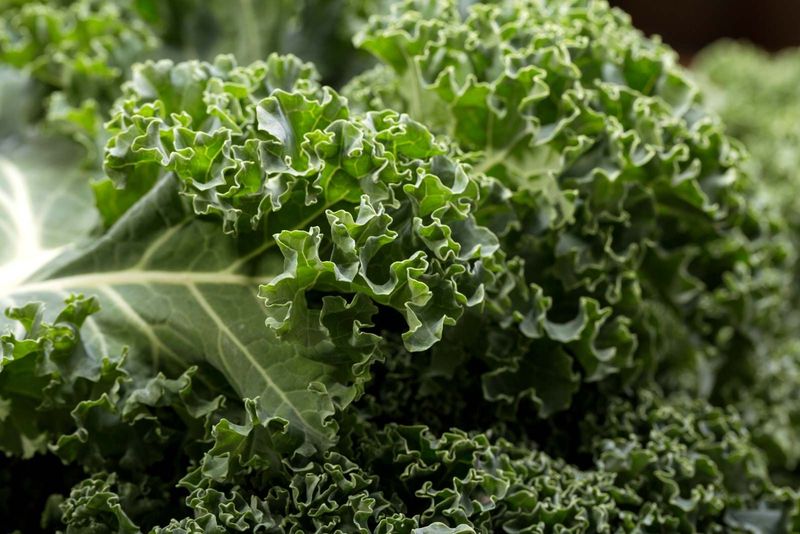
Shopping for kale seeds can feel like walking into a candy store. There are frilly ones, flat ones, purple ones, and some that look like they belong in Jurassic Park. Each type brings something special to your garden.
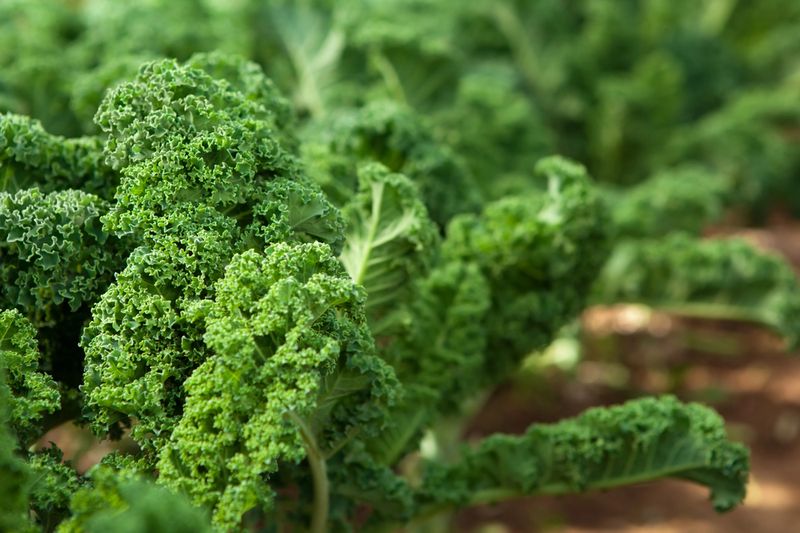
Curly kale is the classic choice. A variety called Winterbor is a favorite in Pennsylvania because it is extra cold hardy.
Its tightly ruffled leaves trap a little air, which helps protect the plant. If you want kale that lasts the longest into winter, start here.
Red Russian kale is a fun pick for color. It has flat, frilly leaves with purple stems and veins. The cold makes that purple even brighter. Its leaves are tender and mild, so they work great raw in salads.
Then there is Lacinato, often called dinosaur kale or Tuscan kale. Its long, dark, bumpy leaves really do look like reptile skin. Many cooks love it for its rich, earthy flavor.
It handles cold pretty well, but not quite as well as curly types. Give it a row cover once nights dip into the low 20s.
Did you know? Lacinato kale has been grown in Italy for hundreds of years. It is a key ingredient in a hearty Tuscan soup called ribollita.
Can’t decide? Plant a little of each. Mixing varieties gives you different flavors in the kitchen and a colorful garden bed. It also helps you learn which kind grows best in your yard.
Most seed packets cost just a few dollars, so trying several types is an easy and affordable experiment.