Why New Jersey Gardeners Can Leave Some Fall Cleanup Undone
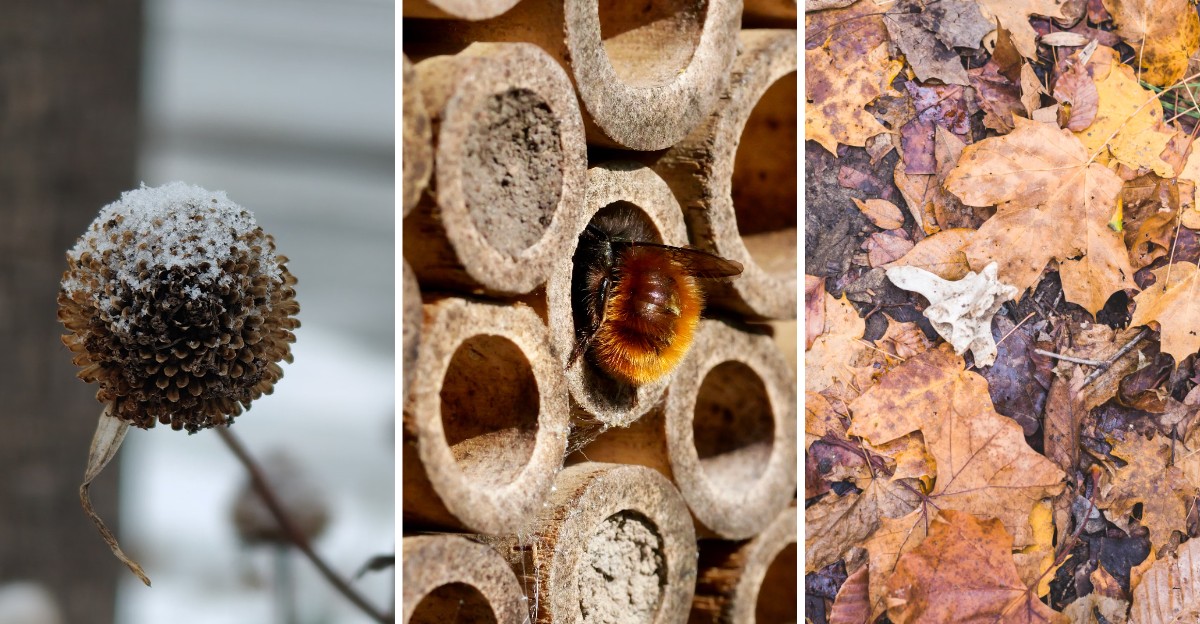
Bumblebee queens are tucking themselves under your maple leaves this very week. You decide whether those queens wake in April.
Firefly larvae winter inside leaf litter, waiting to glow in June. Luna moth cocoons rest inside leaf litter across New Jersey.
Box turtles settle beneath that cover and sleep until spring. Woolly bear caterpillars chill in your leaves, then thaw unharmed in spring.
Bagging those leaves relocates the whole roster to the curb. Spreading them over garden beds gives you free mulch instead.
Leave a loose layer under shrubs and along fences for those residents. Pile the extra into a corner bin and your soil gains nutrients.
New Jersey winters swing between thaw and frost, so that shelter matters. Spare a corner this weekend, and you host a crowded tenant list. Summer rewards you with fireflies glowing over that corner.
1. Leaf Piles Protect Overwintering Butterflies And Moths

Remember catching fuzzy woolly bear caterpillars on the sidewalk as a kid? Those striped little critters shelter in leaf piles to make it through a New Jersey winter.
Woolly bears curl up under leaves and freeze solid until spring. When warm weather returns, they thaw out, munch some greens, and turn into Isabella tiger moths.
Plenty of butterflies follow a similar plan in your yard. Mourning cloaks, question marks, and eastern commas rest as adults tucked into leaf litter and bark.
Many swallowtails spend winter as chrysalises hanging on stems or hidden near the ground. Luna moth cocoons often drop with the leaves and blend right into the pile.
Raking, shredding, and bagging can sweep up many of these sleepers. A leaf blower can also toss them into the street, far from shelter.
Leaving leaves under trees and shrubs is the easiest fix. Keep those piles away from play areas and paths, since ticks shelter in leaf litter. If you must mow, set the blade high and shred only the leaves on open lawn.
Got a strict homeowners association or a particular neighbor? Keep the front lawn neat and let the backyard beds stay leafy and wild.
Spring is when that choice pays off in a big, fluttery way. Many of the first butterflies you see in March wintered in leaf litter, bark, or woodpiles.
Kids who chase butterflies today might grow into gardeners who protect them tomorrow. A small pile of leaves keeps that summer magic going for another year. Mark the pile with a little garden stake so nobody rakes it by mistake.
2. Standing Plants Catch Snow And Insulate Roots
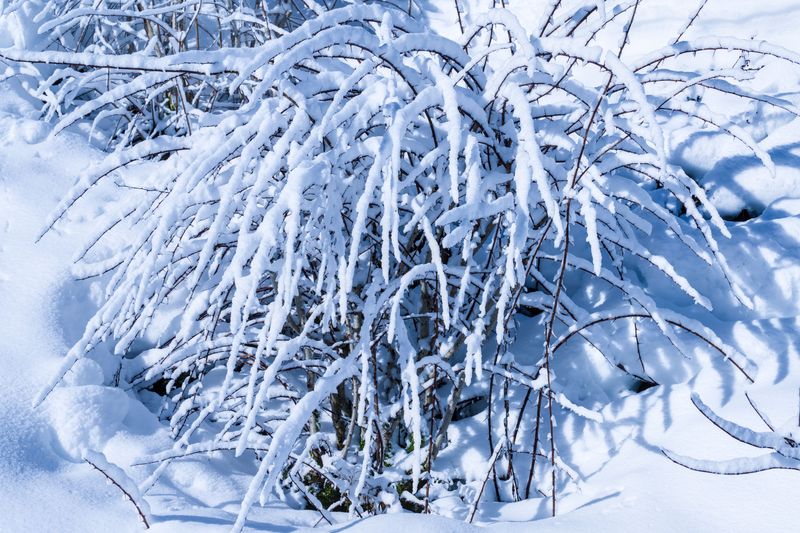
Snow might seem like a gardener’s enemy, yet it works like a fluffy winter coat. Standing plants help catch and hold that coat right where roots need it.
New Jersey winters bounce between freezing nights and surprisingly warm afternoons. That seesaw makes soil freeze, thaw, and heave, which can push plant crowns out of the ground.
Exposed roots then dry out in cold wind, and the plant struggles in spring. Old stems and leaves slow that wind and trap snow around the base.
A few inches of snow can keep soil several degrees warmer than the air above. That steadier temperature protects perennials like mums and asters.
Garden mums in particular survive better when their old stems stay on until spring. Cut them back once new green growth appears at the bottom.
Ornamental grasses work the same way, holding their shape through storms. Wait until March to chop them down, just before fresh blades poke through.
Hardy plants such as asters and sedum also appreciate a little shelter from their own leftovers. Their dried tops even look sculptural when frost coats them.
Of course, not every plant should stay standing. Remove diseased foliage from peonies, tomatoes, and roses to stop problems from spreading next year.
Anything that looks spotted, moldy, or mushy belongs in the trash, not the compost. Healthy brown stems can stay put without a worry.
Think of fall cleanup as editing rather than erasing your garden. Keep the good parts, cut the problem parts, and let winter do the rest.
3. Fallen Leaves Feed The Soil For Free
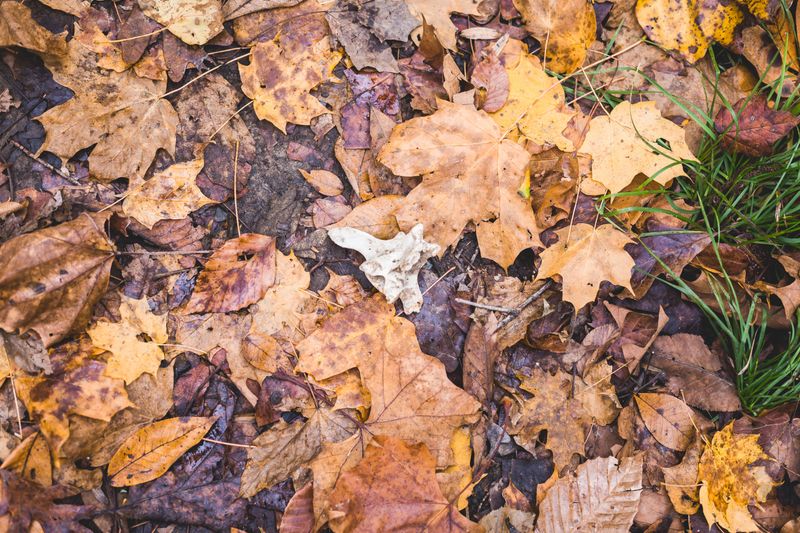
Forests in New Jersey have grown tall for thousands of years without human raking. Their secret is simple: fallen leaves break down and feed the ground below.
Fallen leaves still hold some nutrients and plenty of organic matter that the soil can use. When they soften and rot, worms and tiny fungi return that food to the earth.
Bagging leaves sends that free organic matter to the curb. Some gardeners then buy compost in spring, which adds an extra cost.
You do not need to leave a thick blanket smothering your lawn, though. A thin layer on grass is fine, but heavy piles can block sunlight.
If you mow, set the blade high and run it only over leaves on open lawn to chop them into small bits. Those pieces settle between grass blades and break down over several weeks to months.
Garden beds can handle more, so rake extra leaves onto them instead of the street. Spread them two to three inches deep around perennials and shrubs, keeping them off stems and crowns.
Over the winter, that layer slowly breaks down into your soil. By late spring, the dirt underneath is often darker, crumblier, and richer in earthworms.
Sandy soils near the Jersey Shore benefit noticeably from this extra organic matter. It helps them hold water better during hot, dry summer stretches.
Clay soils up north improve too, since leaf matter loosens packed ground over time. Your plants will thank you with stronger roots and brighter blooms next year.
4. Hollow Stems Shelter Native Bees
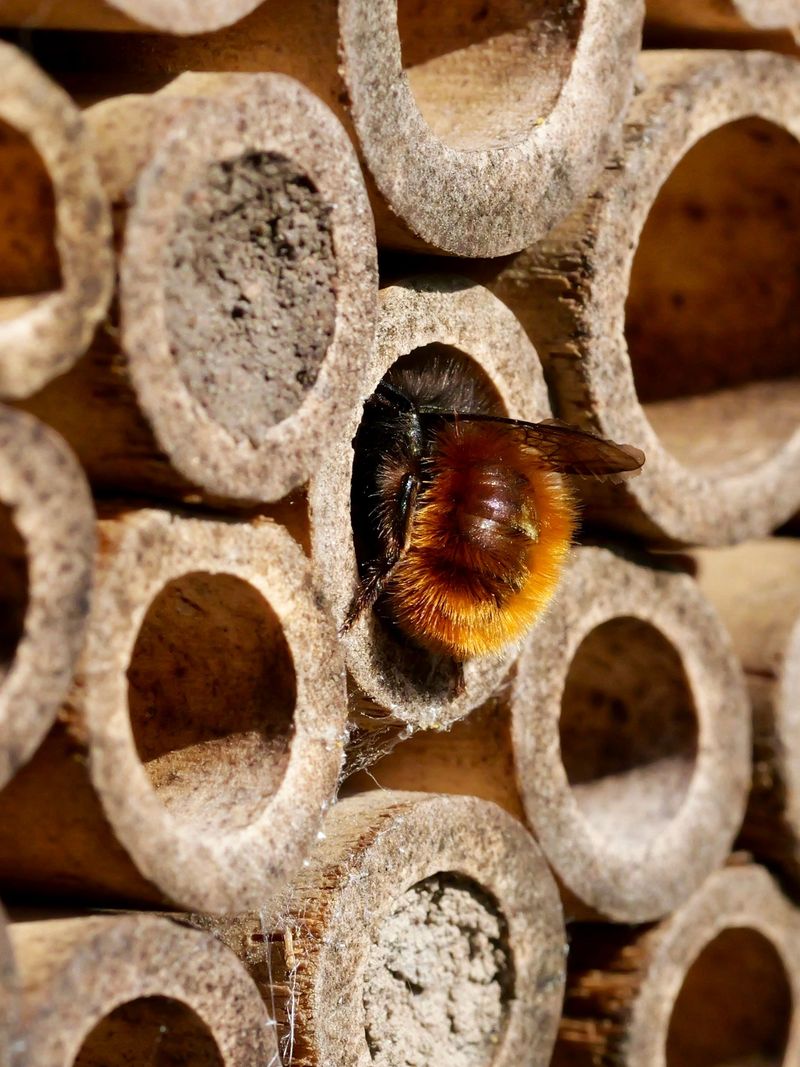
Ever wonder where bees go when the first frost silvers your lawn? Many native bees in New Jersey spend winter tucked inside old plant stems.
Unlike honeybees, most native bees live alone and do not build big hives. Mother bees lay eggs inside hollow or pithy stems, then seal each chamber with mud or pith.
Those young bees rest there all winter, snug as kids in sleeping bags. If you cut and toss the stems in October, the next generation goes with them.
Small carpenter bees use pithy stems like raspberry canes. Mason bees favor hollow stems and existing holes in wood.
Here is a simple plan that works for busy gardeners. Leave stems standing through winter, then trim them to about 12 to 18 inches tall in spring.
New shoots will grow up and hide the short stubs within weeks. Bees will then move into those leftover stalks and raise a fresh family.
The adults usually wake up when spring warms past 50 degrees. Patience matters, so avoid tossing old stems until late April or even early May.
Native bees pollinate tomatoes, blueberries, squash, and apples effectively. Supporting them can mean better harvests from your own garden next summer.
Think of those brown stalks as tiny apartment buildings with very quiet tenants. Rent is free, and the payoff can come in the form of juicy fruit. Bundled stems tied to a fence add more nesting options.
5. Seed Heads Feed Hungry Winter Birds
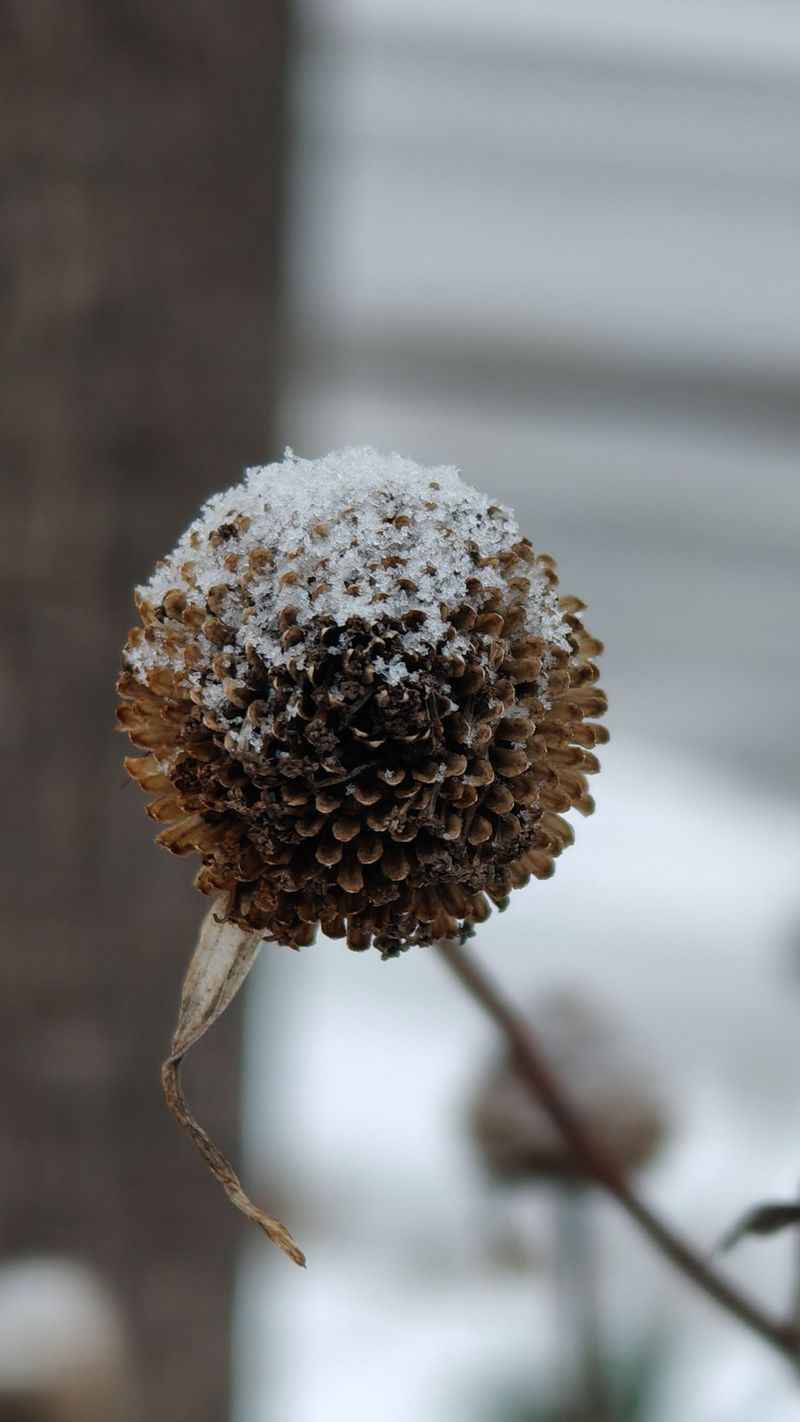
Goldfinches in New Jersey trade their bright yellow feathers for olive brown each fall. They still need plenty of food, and your garden can stock the pantry.
Coneflowers, black-eyed Susans, and sunflowers form heavy seed heads after blooming. Cutting them down removes a food source that birds use through winter.
Juncos, chickadees, sparrows, and cardinals all pick through standing plants for snacks. Watching them balance on a wobbly stem is a real pleasure.
Native grasses like little bluestem and switchgrass also hold seeds well into January. Their golden color looks lovely against snow, so you get beauty and bird food.
Insects hiding in stems add protein to the menu, too. Birds burn a surprising amount of energy just staying warm on freezing nights.
Store-bought birdseed can get pricey, and feeders need regular cleaning to stay safe. Garden seed heads refill themselves every year without any extra work from you.
Place a comfy chair near a window that faces your flower beds. A cup of cocoa and a bird guide make chilly mornings feel special.
For a neater look, trim only the plants along walkways and leave the rest. Tall clumps in the back of a bed hide the scruffy look nicely.
Birds that find steady food may stick around and nest nearby in spring. Many of them eat caterpillars and beetles that feed on garden plants.
In other words, a few brown flower heads now may mean fewer pests later. That trade sounds good for doing less work.
6. Messy Corners Help Fireflies Return Next Summer
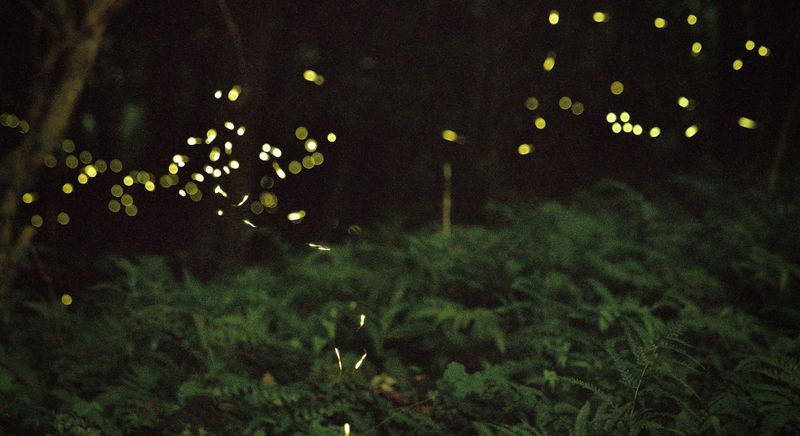
Summer nights in New Jersey glow with tiny blinking lanterns drifting over the grass. Those lights depend on decisions you make with a rake in October.
Firefly larvae spend fall and winter in moist leaf litter and loose soil. In the growing season, they hunt slugs, snails, and worms, acting like little pest patrols.
Cleaning every corner bare dries out the ground and removes their hiding spots. Over time, yards that stay spotless may see fewer flashes each June.
Scientists say fireflies are declining in many places because of habitat loss and bright lights. Home gardens can help turn that story around, one leafy patch at a time.
Pick a shady spot near trees or a fence and let leaves pile up there. Add a few fallen branches or logs to keep moisture in.
Long grass along the edges helps too, since adult fireflies rest there during the day. Keep that grass away from play areas and paths, since ticks also shelter there.
Avoid spraying chemicals on lawns, because larvae soak up whatever soaks into the soil. Fewer sprays mean healthier insects and a safer yard for pets and kids.
Outdoor lighting also confuses fireflies trying to find mates. Turning off porch lights on summer evenings lets their signals shine.
A small, untidy corner costs nothing and takes little effort to create. Next July, that corner might light up with fireflies.
Grab a lawn chair, pour some lemonade, and enjoy the light show you helped build. Few garden rewards feel quite that magical.
7. Fewer Leaf Bags Mean Less Hauling And Waste
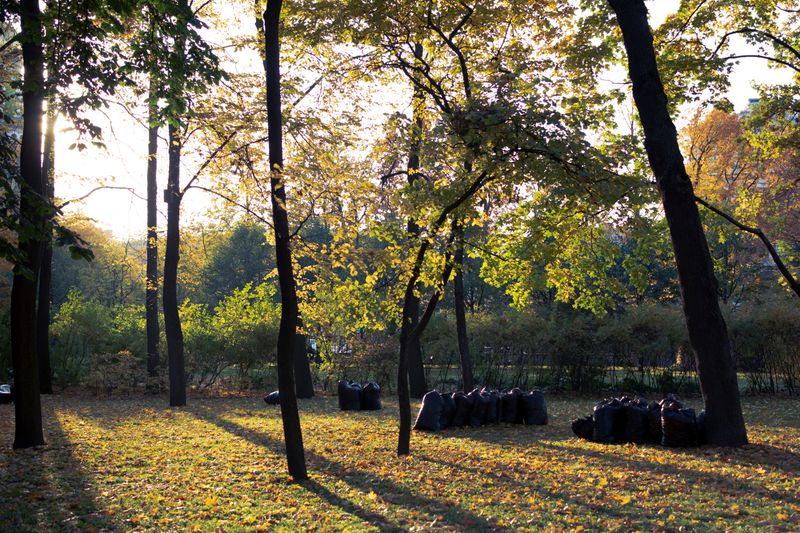
Yard trimmings make up a large share of the waste Americans generate each year. Leaves that break down without air release methane, a gas that traps heat in the atmosphere. A loose, open bin at home lets air in, which limits that problem.
Many New Jersey towns collect loose leaves at the curb, but rules and schedules vary, so check with your town. Those trucks burn fuel, and the pickups cost taxpayers real money.
Some towns have tight pickup schedules that leave piles sitting in the street for weeks. Wet leaves can clog storm drains and cause flooding on rainy autumn days.
Keeping leaves at home skips all of that hassle. You save time, money on bags, and the effort of dragging heavy loads to the curb.
A simple wire bin in a back corner turns extra leaves into rich leaf mold. After a year or two, it becomes dark, earthy stuff plants adore.
Leaf mold holds water like a sponge and improves soil structure. Gardeners in England have prized it for centuries as a free soil conditioner.
Kids can help pack leaves into the bin, as long as they wear closed shoes and get a tick check afterward. Packing the leaves down speeds things along.
Every bag you skip is one less bag in a truck, a landfill, or a drain. Small choices across a whole neighborhood can add up fast.
8. Lighter Chores Free Up Your Autumn Weekends
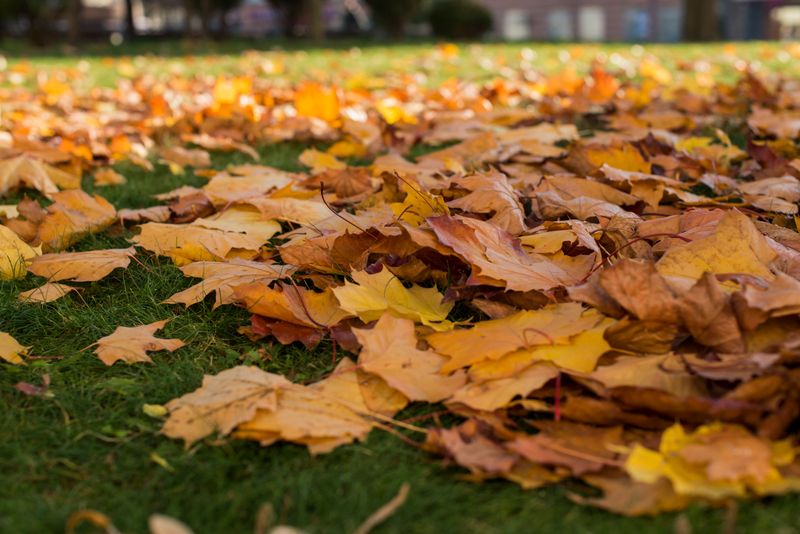
Picture a crisp Saturday in October with no blisters, no sore back, and no noisy leaf blower. That dream can be real if you rake less this fall.
Fall cleanup eats hours that could go toward apple picking, hayrides, or a lazy hike. New Jersey has gorgeous foliage spots, from the Delaware Water Gap to High Point.
Raking can leave you with sore shoulders and a sore back each autumn. A lighter routine still keeps things tidy where it counts.
Clear leaves from paths, driveways, and patios so nobody slips on wet, slick spots. Keep the lawn mostly clear so grass gets sunlight before winter.
Then let garden beds, tree bases, and back corners stay natural until spring. Before you do, check your town’s rules on yard maintenance and leaves in the street.
Neighbors may raise an eyebrow at first, and that is okay. A small pollinator habitat sign can turn curious looks into friendly chats.
Garden clubs in some New Jersey towns encourage leafier, wilder yards. Ideas spread quickly once people see butterflies and birds showing up.
Spring cleanup can happen gradually once temperatures stay above 50 degrees for a week or so. By then, many sleeping insects have woken up, though stem-nesting bees may stay into late spring.
Your garden will look lively, your back will feel great, and your weekends stay open. Honestly, that sounds like a lighter way to handle yard work.
So grab a warm drink and admire the colorful mess from your porch. Natural processes handle much of the work, and they cost nothing.