The Terracotta Pot Mistake Virginia Homeowners Make Every Fall That Cracks Them By Spring
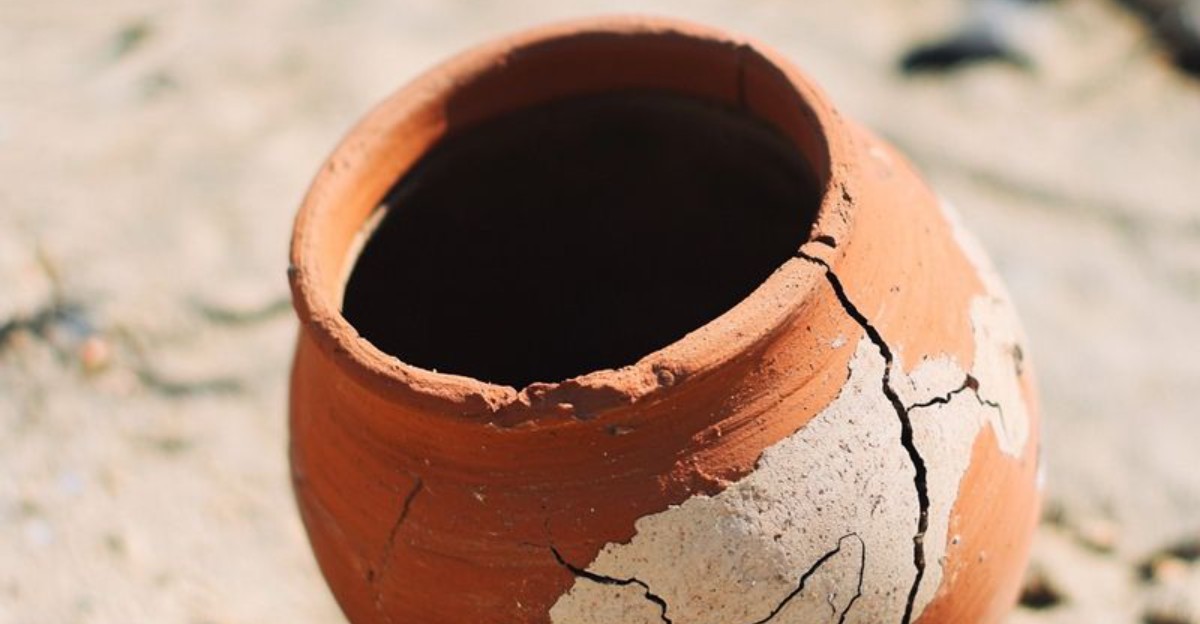
Water may already sit inside your terracotta pots, and you cannot see it. Clay drinks moisture like a sponge, and you probably missed it.
Frost expands that trapped water into ice, and your pot has nowhere to flex. Virginia swings from mild afternoons to cold nights, and you feel it too.
Each thaw sends melted water deeper into your pottery’s pores. Then the next freeze pries those pores wider.
Glazed pots absorb less water, yet chips and unglazed bases still let moisture in. Saucers full of rainwater make your situation worse.
Moving pots, lifting them off concrete, and draining saucers can change your spring. Rim flakes and belly cracks signal trouble you can still prevent.
Choose frost-rated containers, and you protect your investment before January arrives. Winters across Virginia reward you for planning ahead. Act before the first hard frost.
Wet Soil And Freezing Nights Can Crack Clay
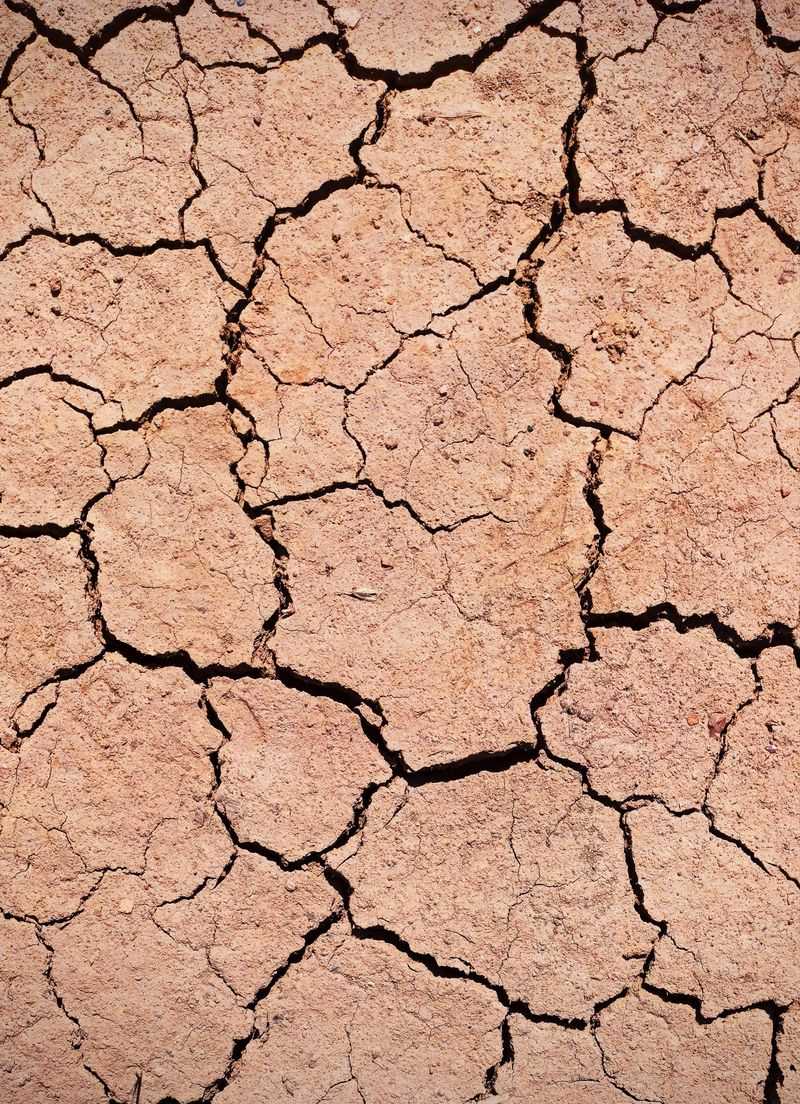
Here is the short answer that saves your pots. Damp soil left inside clay over winter freezes, swells, and pushes outward until the walls crack.
Terracotta is basically baked mud full of tiny pores. Those pores drink up water from the soil like a sponge sipping from a puddle.
When temperatures drop below freezing, that soaked-in water turns to ice. Ice takes up about nine percent more space than liquid water does.
Now imagine that expansion happening inside the clay wall itself. The pot gets squeezed from within, and the pressure has little room to escape.
Meanwhile, the soil in the middle freezes into a solid block. That frozen block presses against the sides like a fist inside a mitten.
One cold night can crack a soaked pot, but damage usually builds over many freezes. The trouble grows with each freeze widening the same small weak spots a little more.
Glazed pots and plastic containers handle winter better because they soak up far less water. Unglazed terracotta is thirsty by design, which lets soil dry out faster in summer.
That same breathable quality becomes a weakness once frost arrives. The cure starts with understanding that water, not cold alone, is the real troublemaker.
Fun fact for the curious gardener. The word terracotta comes from Italian and simply means baked earth.
Keep that image of baked earth in mind as fall arrives. Earth that bakes in summer can still crumble when winter soaks it and freezes it.
The Freeze And Thaw Cycle Inside A Clay Wall

Virginia weather is highly changeable from November through March. A frosty 25-degree morning can turn into a 55-degree afternoon before lunch.
Northern states freeze hard and mostly stay frozen until spring. Virginia can bounce back and forth many times, and clay pots feel each swing.
Each thaw lets melted water seep deeper into the clay. Each new freeze then locks that water in place and pushes the cracks wider.
Think of it like bending a paper clip back and forth. One bend does nothing, but repeated bends snap the metal in two.
Your Virginia Garden Changes Every Week. Your Plan Should Too.
Gardening in Virginia changes quickly throughout the season. Every Friday you’ll receive a simple weekly plan showing exactly what to plant, prune, fertilize, harvest, and protect so you never miss the right timing.
Places like Richmond, Roanoke, and the Shenandoah Valley see plenty of these swings. Even coastal Norfolk gets enough cold snaps to cause trouble for exposed pots.
Late fall rain makes everything worse because pots go into winter already soaked. Wet clay heading into a cold night faces a higher risk of cracking.
The first hard frost often arrives in early to mid-October in the mountains and valleys, and in late October to early November in the Piedmont. Coastal areas see it later.
So October is a good window to act across much of the state. Waiting until December means your pots may have already endured several unnoticed freezes.
Damage often hides until spring, when warm weather reveals the flakes and splits. By then, it likely happened earlier in winter.
Check your local frost dates to plan ahead. Your county extension office and the National Weather Service publish seasonal frost data for your area.
The October Habit Of Leaving Pots Full And Outside
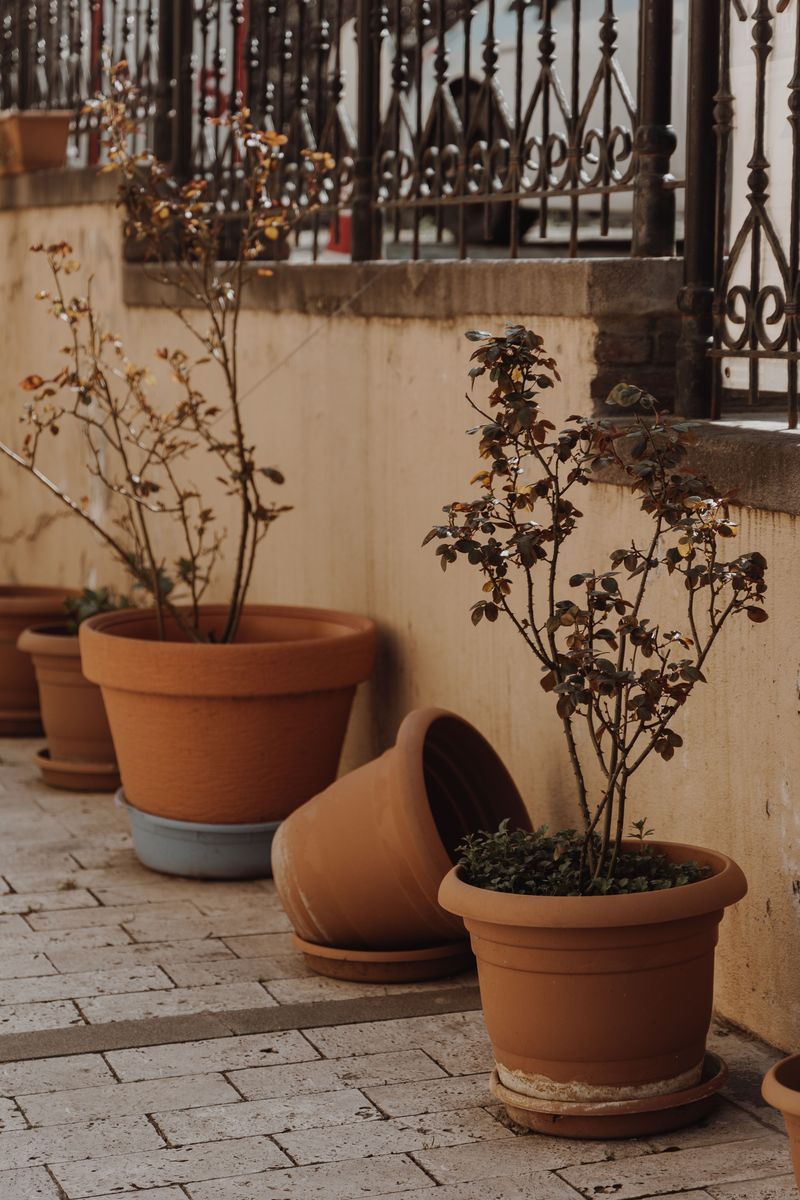
Almost every gardener knows the feeling after a long summer. The petunias look tired, the basil has bolted, and the pots get forgotten on the patio.
That shrug-and-walk-away moment is a common and costly oversight. Spent plants and old soil sit in the pot all winter, soaking up rain and snowmelt.
Potting mix is designed to hold moisture, which is great in July. In January, that soggy mix becomes a heavy, frozen brick pressing on the clay.
Many people also leave pots tucked in exposed corners of the yard. Wind, rain, and snow hit them from several directions with little shelter.
Big pots seem tough, so homeowners assume size equals strength. A larger pot can hold more wet soil, which may mean more ice and more pressure.
Another common slipup is watering perennials in clay pots heavily right before a cold snap. Good intentions can turn into cracked rims.
Some folks wrap pots in plastic, hoping to keep them dry. Plastic often traps condensation instead, leaving the clay damp and ready to split.
None of these choices are silly, and they make sense in the moment. They just ignore the simple science of water turning into ice.
Admitting the habit is half the fix. Next spring, you could be the neighbor whose pots look just as good as they did in May.
Your wallet will thank you, too, since large clay pots can cost well over fifty dollars, depending on size and maker.
Saucers, Low Spots, And Other Hidden Puddle Traps
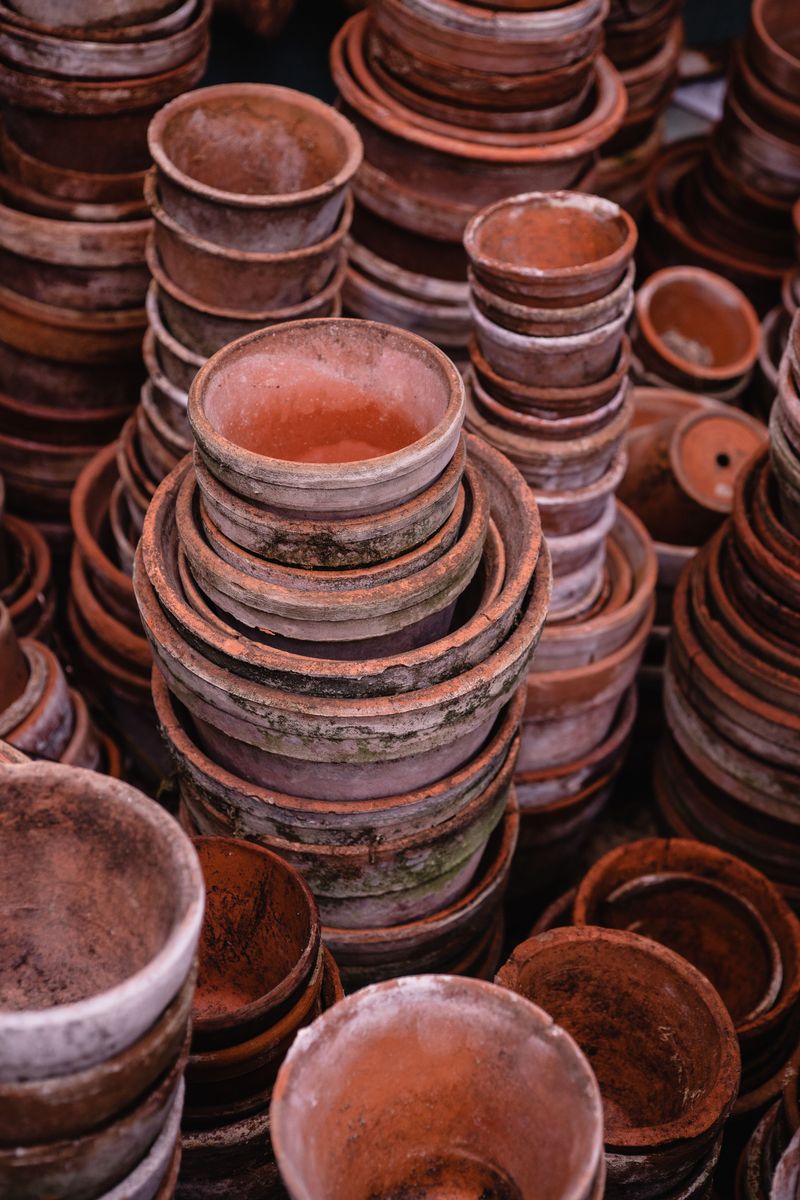
Even an empty pot can crack if it sits in the wrong spot. Water does not need soil to cause trouble, only a place to gather.
Saucers are a common source of trapped water. They catch rain and melting snow, then hold that water right against the pot’s base.
The bottom of the pot wicks water upward like a candle wick. When that water freezes, the base can crack or pop off.
Low spots on patios and decks create the same problem. Pots parked where puddles form after storms are basically sitting in an ice bath.
Watch your yard during the next heavy fall rain. Notice where water pools, then move pots away from those places before winter.
Gutter downspouts are another hidden trap. A pot under a drip line gets drenched whenever it rains.
Pots sitting flat on soil or concrete also struggle. Their drainage holes get blocked, so water stays trapped inside instead of escaping.
Raising pots just an inch makes a noticeable difference. Pot feet, small bricks, or wooden blocks let water drain away freely.
Mulch beds may look cozy, but they stay damp for weeks. A pot nestled in wet mulch slowly soaks up moisture from below.
Think of your pots like guests who dislike wet socks. Give them a dry place to stand, and they will reward you.
Quick tip for apartment dwellers with balconies. Tip saucers upside down or stack them indoors once October winds start howling.
A Simple Fall Cleanout Routine For Clay Pots
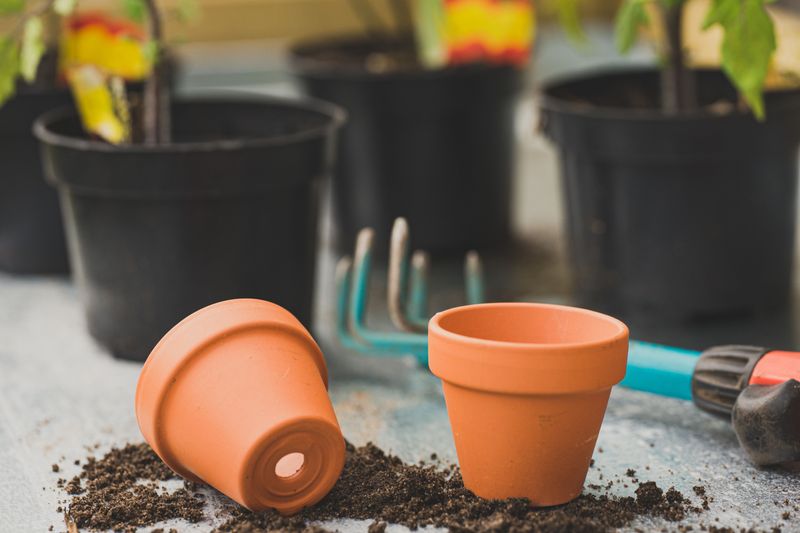
Grab your gloves, a trash bag, and maybe a podcast. Cleaning out clay pots takes about an hour on a sunny October afternoon.
Start by pulling out the spent annuals and tossing them on the compost pile. Then dump the old potting mix onto a tarp or garden bed.
Used soil can be spread over flower beds as a light mulch. Just skip this step if your plants struggled with pests or disease.
Next, scrub each pot with a stiff brush to knock off crusty dirt. White mineral stains wipe away with a mix of water and vinegar.
Many gardeners use one part white vinegar to three parts water. Let tough pots soak for an hour, then scrub again and rinse well.
Here comes the most important part of the whole job. Let every pot dry fully in the sun for a day or two.
Dry clay is happy clay when temperatures drop. Tap a pot gently, and a clear ring usually means it has no hidden cracks.
A dull thud often signals damage you cannot see yet. Mark those pots and use them for summer only, or retire them gracefully.
Have perennials or shrubs that must stay potted? Move them close to the house, raise them on feet, and water only when truly dry.
Broken pieces still have value, so do not toss them. Shards make great drainage cover or cute plant markers for next spring.
Finish with a quick look at your pots’ drainage holes. Clear any clogs now, and spring planting will feel easy.
Smart Winter Storage For Longer-Lasting Pots
Some families pass down clay pots like treasured recipes. With smart winter storage, your favorite pot could still be blooming on your grandkid’s porch.
A garage, shed, or basement makes the ideal winter home. Unheated spaces work fine, as long as the pots are clean and dry.
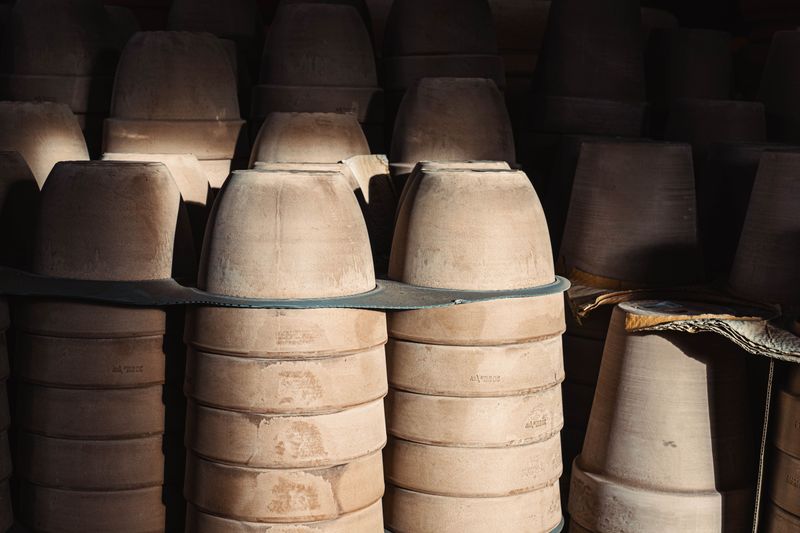
Stack smaller pots inside larger ones to save space. Slip a sheet of newspaper or cardboard between them to prevent sticking and chipping.
Store stacks on their sides or upside down off the floor. Concrete floors can sweat in winter, and moisture is the main concern here.
No room indoors for everything? Flip empty pots upside down on bricks, then cover them with a tarp to block rain.
Huge planters that are too heavy to move need a different plan. Empty as much soil as you can, tilt them slightly, and tuck them under a porch roof.
Some gardeners brush on sealer, but this can trap moisture inside the wall and cause flaking. Dry storage is the safer choice.
When shopping for new pots, look for thicker walls and frost-resistant labels. Clay fired at higher temperatures absorbs less water and usually handles Virginia winters better than thin, cheap pots.
Make the fall routine a yearly tradition, like raking leaves or carving pumpkins. Pick a weekend in mid-October and put it on the calendar.
Come April, you will pull out pots that look ready for action. Few garden feelings beat filling a familiar old pot with fresh soil.