What To Plant In October In New Jersey For A Spring Garden Full Of Color
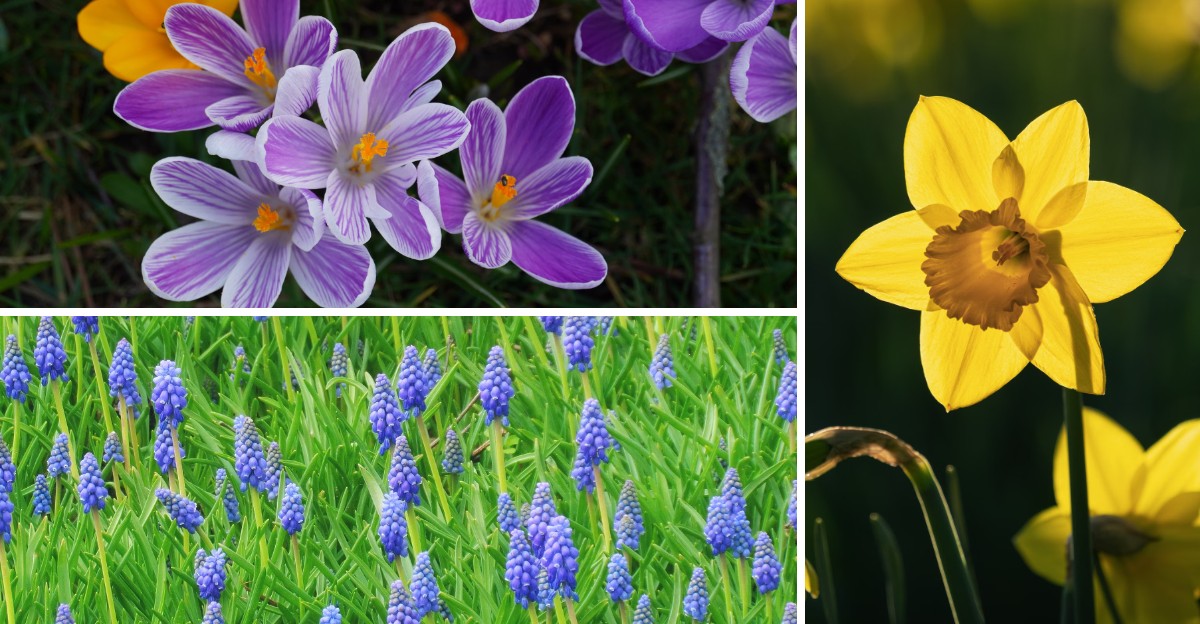
Why are you about to tuck treasure into New Jersey soil this month? Tulips, daffodils, crocuses, and hyacinths wait inside papery shells, ready to reward you.
Bulbs need cold weeks underground to trigger blooms, so you must plant before soil freezes. Dig deep enough to seat each bulb beneath several inches of cool soil.
Squirrels will sniff out your stash, so you should cover the bed with wire mesh. Snowdrops and pansies slip in alongside, and you gain color weeks sooner.
Daffodils even repel deer, so plant them around tender perennials. Picture your neighbors squinting at your blooms across the fence.
Planting takes an afternoon, and the payoff lasts for weeks. Shredded leaves make free insulation for the bed you just planted. Your New Jersey spring is set.
1. Tulips With Bold Cups Of Color
In the 1630s, a few rare Dutch bulbs reportedly sold for the price of a fine house. Lucky for you, bags today often cost only a small fraction of that.
Tulips need a long, cold winter nap to bloom well, and New Jersey delivers that chill nicely. October is the sweet spot because the soil is cool but not frozen yet.
Aim to plant when nighttime temperatures stay in the 40s for about two weeks. Much of the state usually hits that mark from October into November.
Dig each hole about eight inches deep, which is roughly three times the height of the bulb. Set the pointy end facing up, then cover it with loose soil.
Pick a sunny spot with soil that drains well after a rainstorm. Soggy ground makes bulbs rot, especially in heavy clay found across central Jersey.
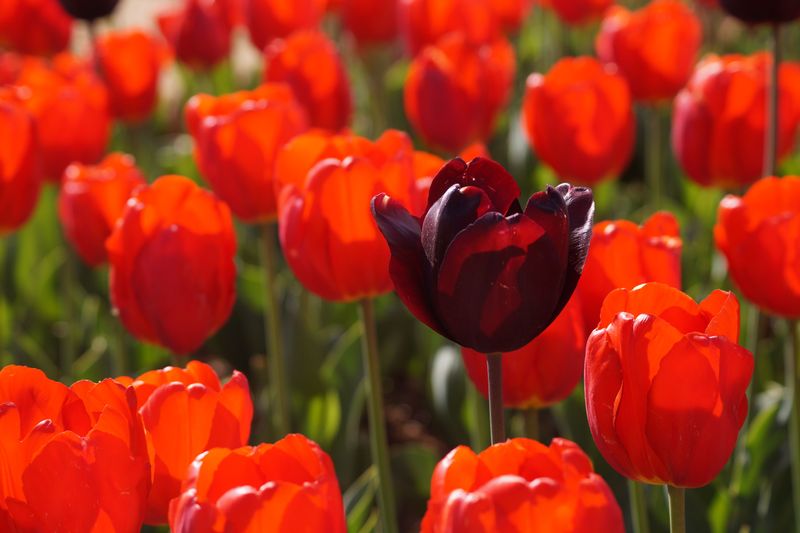
Plant tulips in clumps of ten or more instead of single, straight, narrow rows. Big groups create those bold splashes of red, pink, and yellow you see in magazines.
Squirrels raid tulip bulbs, so lay chicken wire over the bed before adding mulch. Water once after planting, then let winter handle the rest.
Want blooms that return year after year? Try Darwin hybrid or species tulips, which come back more reliably than fancy double types.
Early, middle, and late varieties can be mixed for color from April into May. Check the bag label so your show lasts for weeks instead of days.
2. Daffodils That Deer Tend To Skip
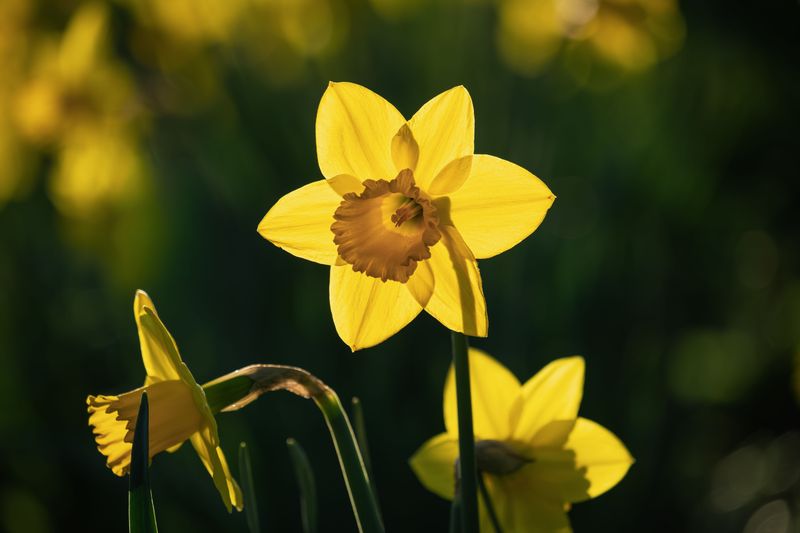
Deer browse a wide range of plants in a New Jersey yard, but they tend to skip daffodils. The bulbs taste bitter and contain a natural toxin that animals avoid.
Squirrels and voles skip them too, which makes these golden trumpets a reliable pick for frustrated gardeners. Plant them once, and they often multiply for decades.
Daffodils like to settle in a bit earlier than tulips, so try to plant by late October. Their roots need a few weeks to grow before the ground freezes.
Dig holes about six inches deep and space bulbs roughly five inches apart. A sunny or partly shady spot works, as long as water does not puddle there.
Your New Jersey Garden Changes Every Week. Your Plan Should Too.
Gardening in New Jersey changes quickly throughout the season. Every Friday you’ll receive a simple weekly plan showing exactly what to plant, prune, fertilize, harvest, and protect so you never miss the right timing.
Try tucking them under big trees that drop their leaves in fall. The flowers bloom before the branches fill in, so they still soak up plenty of sun.
Variety names are half the fun when you shop. Look for Tete-a-Tete for tiny charm, Ice Follies for creamy white, or Dutch Master for classic yellow.
After blooming, let the leaves stay green until they turn yellow on their own. Those leaves soak up sunshine, feed the bulb, and power next year’s flowers.
Braiding or cutting them early is a common mistake that weakens the plant. Be patient, and your daffodil patch will grow bigger each spring.
Pair them with grape hyacinths for a cheerful blue and yellow combo. Cut a few for the kitchen table, wearing gloves, since sap can irritate skin.
3. Crocuses Among The First Blooms
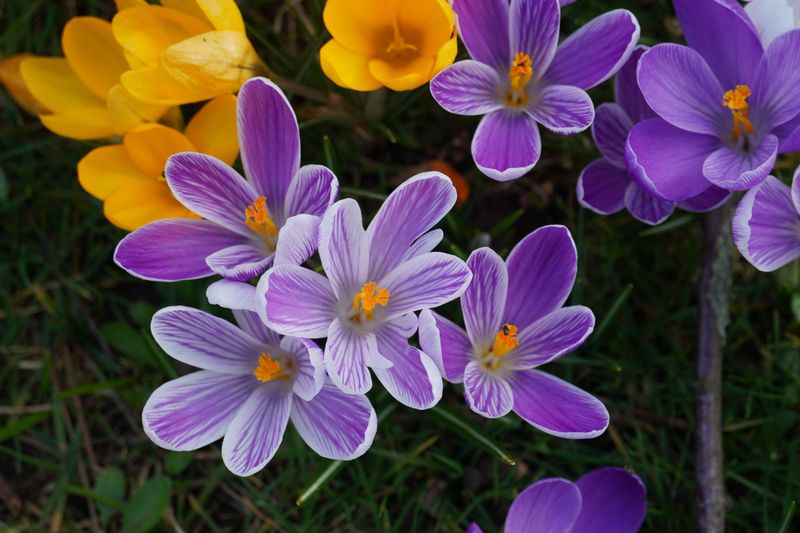
Imagine snow still clinging to the lawn when a purple cup pops up and waves hello. Crocuses count among the first flowers to bloom in a New Jersey yard.
They can open as early as late February in South Jersey and early March up north. Bees waking from winter rely on them for one of their first meals.
These tiny corms are easy to plant, even for beginners or young helpers. Dig holes just three to four inches deep and drop them in, pointy side up.
Since they are so small, plant at least 20 together for a real show. A handful scattered alone can get lost in the grass.
One charming trick is planting crocuses right in your lawn. Toss them across the grass, plant each one where it lands, and enjoy a natural, wild look.
Just wait to mow until the leaves fade in late spring. Cutting too soon deprives the corms of food they need for next year.
Chipmunks find crocuses tasty, so consider Tommasini crocus, which critters often leave alone. Laying a light layer of mulch on top also helps hide your planting spots.
Colors range from white and lavender to bright yellow and striped purple. Mix a few shades, and your yard will look like a box of crayons spilled outside.
October is a fine month to plant them, though early November works too. Get them in the ground before it freezes hard, and spring will reward you.
4. Hyacinths Bringing Sweet Spring Perfume
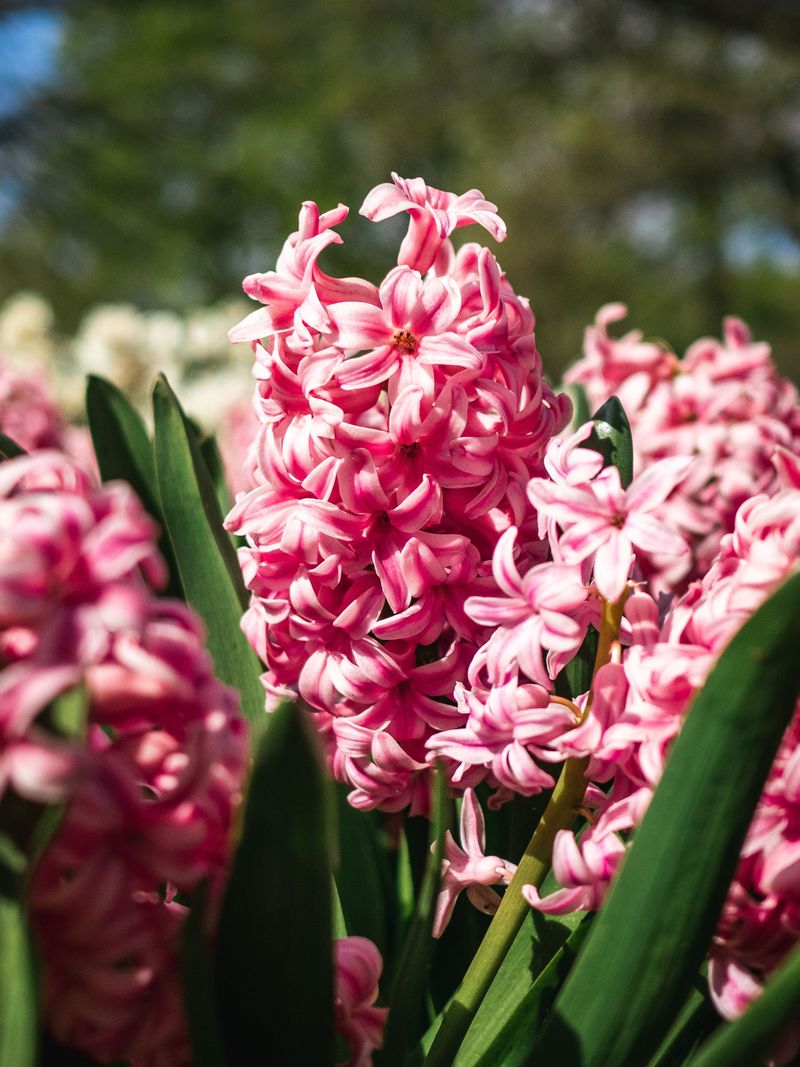
Walk past a blooming hyacinth in April, and the sweet scent might stop you in your tracks. Many people say one plant can perfume a whole porch.
Hyacinths grow thick spikes packed with tiny star-shaped flowers. You can find them in pink, purple, white, blue, and even soft peach.
Plant the bulbs about six inches deep and six inches apart in October. Choose a sunny spot near a doorway, walkway, or window so you catch the fragrance.
Wear gloves when you handle the bulbs because they can make your skin itchy. Wash your hands afterward, and keep curious pets from chewing on them.
Hyacinths look neat and formal, so they shine in tidy rows along a path. They also fit nicely in containers on a front step.
For pots, use a container with drainage holes and keep it in a cold, sheltered spot, watering lightly. Bring it out in early spring and watch the buds swell.
The first year brings the biggest, fullest flower spikes. In later years, blooms get looser and more relaxed, which many gardeners find charming.
Heavy clay soil can rot hyacinth bulbs, so mix in compost before planting. A little extra effort now means healthier plants come April.
Try Delft Blue for a classic look or Jan Bos for a hot pink pop. Cut a few stems for a vase, and your kitchen will smell like a candle shop.
Deer and squirrels usually leave hyacinths alone, which is a nice bonus. That makes them a smart pick near the edges of wooded yards.
5. Alliums In Purple Pom-Pom Drama
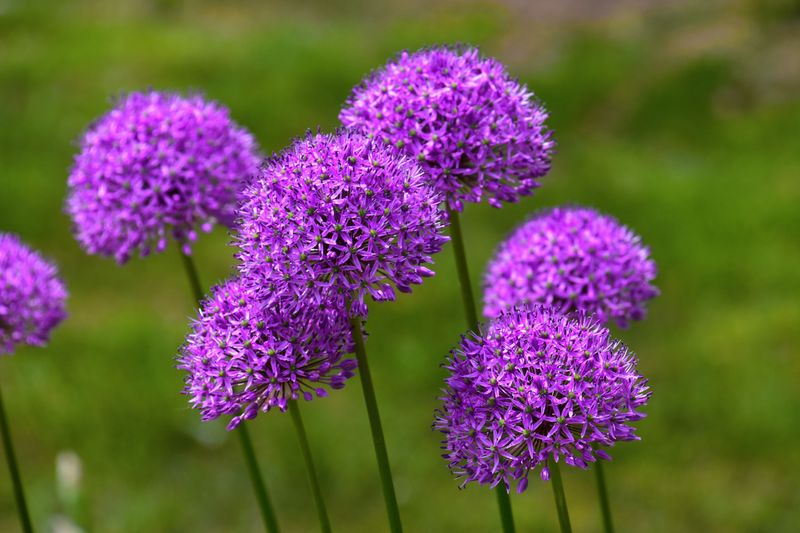
If Dr. Seuss designed a flower, it might look a lot like an allium. Picture a tall green stem topped with a giant purple ball of tiny stars.
Alliums are part of the onion family, and yes, the bulbs smell a bit oniony. Deer, rabbits, and squirrels dislike that smell, so they leave these plants alone.
They bloom in late spring, filling the gap after tulips fade and before summer flowers arrive. Bees and butterflies crowd around the round heads like kids at an ice cream truck.
Plant bulbs in October about three times as deep as they are tall. Big varieties like Globemaster need holes around eight inches deep.
Full sun and well-drained soil keep alliums happy. They dislike waterlogged soil, so avoid low spots where rainwater collects after storms.
Their leaves often turn yellow and floppy right as the flowers open. Hide that messy look by planting them behind bushy perennials like catmint or salvia.
Smaller types, such as drumstick alliums, cost less and spread easily. Their reddish purple heads look great tucked between grasses and daisies.
After the petals fall, the dried seed heads still look cool in the garden. Some people even spray paint them for quirky holiday decorations.
Plant a group of five or seven for the best effect. Odd numbers often look natural, and your garden will feel like a playful science fiction movie set.
Large allium bulbs can cost more, so start with a few and add more each fall. Over time, you can build a bold purple drift.
6. Pansies Built To Handle Cold
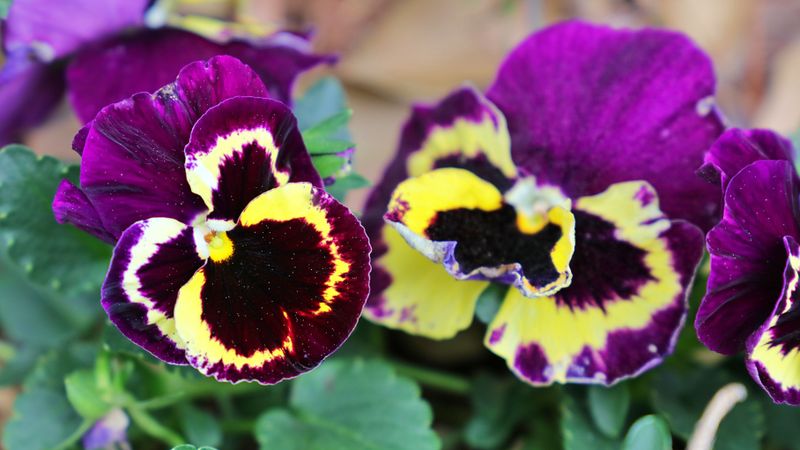
Not every spring flower comes from a bulb, and pansies prove it with cheerful little faces. Their petals often have dark markings that look like tiny smiles or whiskers.
Pansies planted in October give you color twice. They bloom this fall, rest under the snow, then often return to flower in March and April.
These tough plants can handle chilly temperatures down into the teens without much fuss. In fact, cool weather often makes their colors look much richer.
Buy small plants at a garden center rather than starting from seed this late. Look for compact plants with plenty of buds and healthy green leaves.
Plant them in a sunny spot about six to eight inches apart. Water well, then add an inch of shredded leaves or straw around the base.
That mulch keeps roots from heaving out of the ground during freeze and thaw cycles. New Jersey winters bounce between mild and icy, so this step matters.
Pansies look sweet in window boxes, along walkways, or around the base of mailboxes. Pair them with bulbs in the same bed for layered spring color.
A neat trick is planting pansies right on top of your tulip or daffodil bulbs. The pansies cover bare soil while the bulbs push up underneath.
Pinch off faded flowers in spring to keep new blooms coming. Once summer heat arrives, the plants get leggy, and it is time to swap them out.
Their cousins, violas, have smaller flowers but even more of them. Both come in nearly every color, from deep purple to sunny orange.
7. Grape Hyacinths Spreading Into Blue Carpets
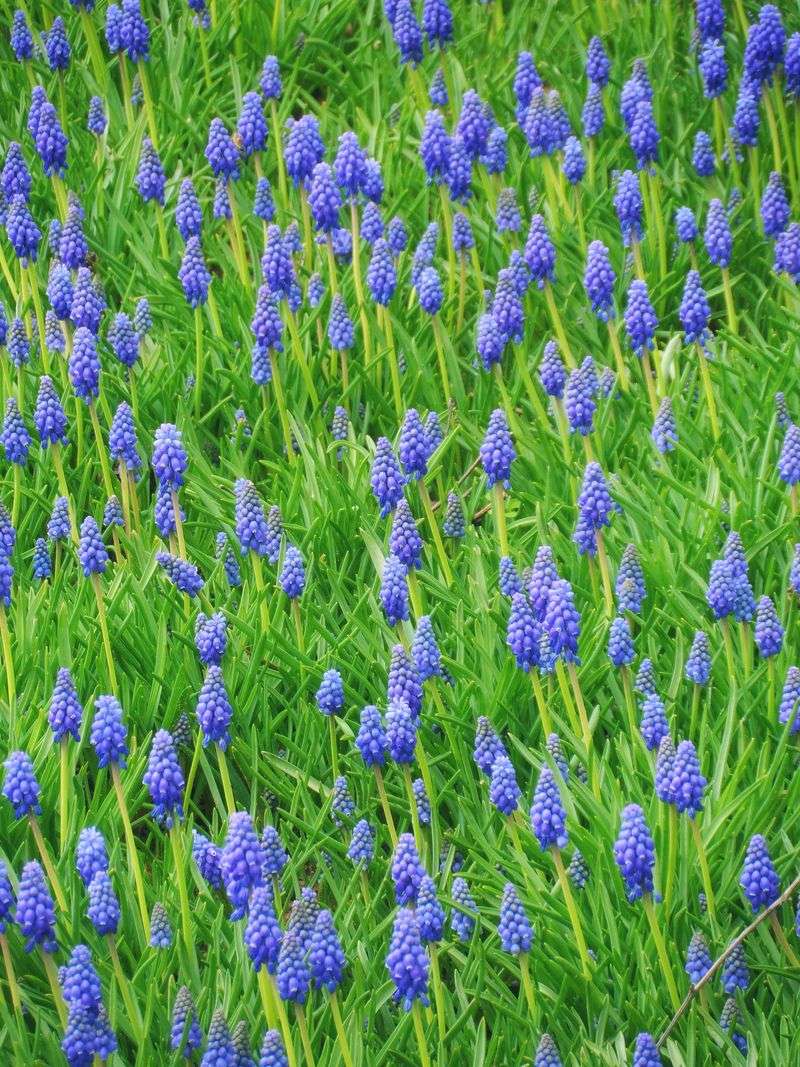
Little clusters of blue beads on short stems give grape hyacinths their name. Up close, each tiny flower looks like a miniature bunch of grapes.
Their scientific name is Muscari, and some types even smell faintly of grape soda. Kids get a kick out of sniffing them in the garden.
Plant the small bulbs in October about three inches deep and three inches apart. They are usually budget-friendly, so buy a big bag and plant generously.
Over time, grape hyacinths spread and form thick blue carpets. Many gardeners plant them in long ribbons that look like a stream flowing through the yard.
They grow happily in sun or part shade and handle most types of soil. Sandy or loamy Jersey soil suits them, while clay needs compost.
One odd habit surprises new growers each autumn. Grape hyacinths send up grassy leaves in fall, yet they still bloom on schedule.
These flowers make wonderful partners for taller bulbs. Plant them in a ring around daffodils or tulips for a bright blue frame.
Pests often skip them, which means less worry and more enjoyment for you. Deer, rabbits, and voles tend to walk right past them.
Bloom time lands in April, lasting two to three weeks in most years. Snip a few for a tiny vase, and they will brighten a nightstand or desk.
Look for varieties like Blue Spike for fluffy doubles or Valerie Finnis for soft sky blue. White types such as Muscari Album add a crisp, cool touch.
8. Snowdrops Across Late Winter Gardens
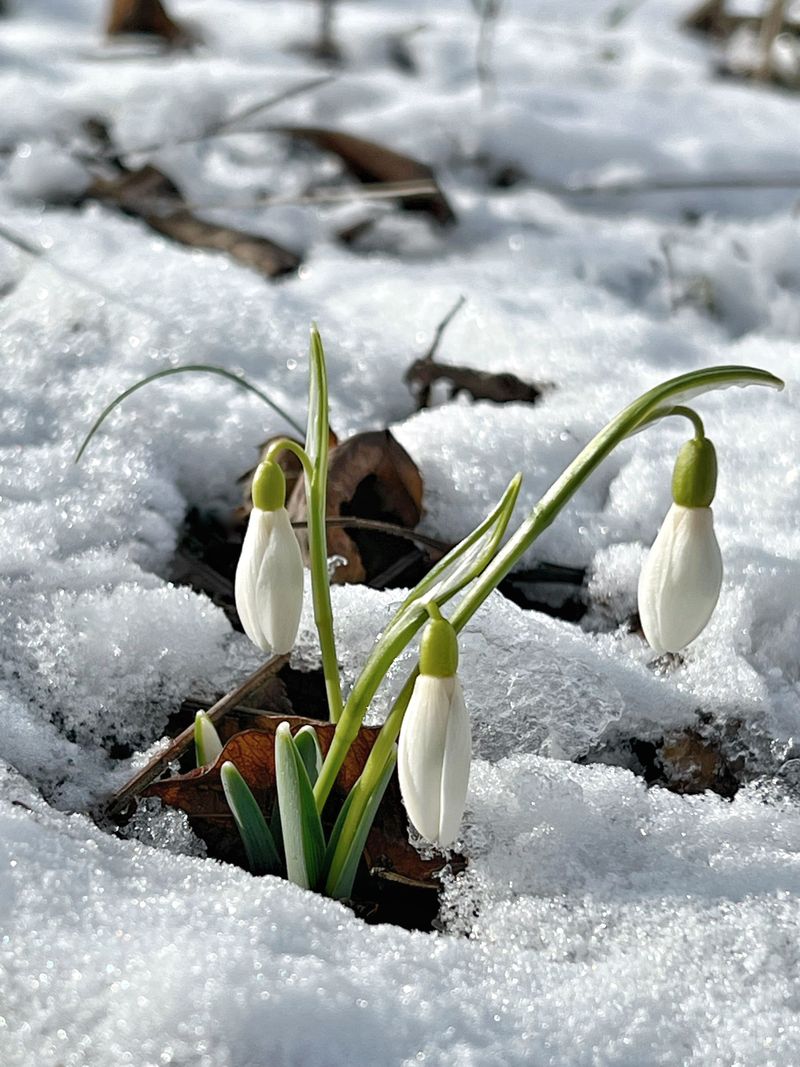
Snowdrops have long symbolized hope after cold, gray winters. Seeing their nodding white bells in February still feels like welcome news today.
Snowdrops often bloom while snow still covers parts of the yard. They can push right through a thin icy crust with little harm.
Tuck the tiny bulbs about three to four inches deep this October. Space them a few inches apart in loose, rich soil with some compost mixed in.
Snowdrops prefer partial shade under trees or along the north side of a house. Cool woodland gardens across the state suit them well.
Dry bulbs from a store can be slow to get going, so plant them soon after buying. Some gardeners have better luck moving clumps in spring while leaves are still green.
Once settled, snowdrops multiply slowly into wide, lovely drifts. Every few years, you can dig and divide clumps to share with friends.
Deer and rodents skip them, so you can plant without wire cages. Their low height also means wind and heavy rain cause little trouble.
Early bees love snowdrops on mild, sunny February afternoons. Watching a fuzzy bee visit your garden in winter is a sweet surprise.
Plant them near a window you look out of each morning. On a gray winter day, those small white flowers can lift your mood fast.
Pair snowdrops with crocuses for a winter-to-spring relay of color. Your garden may start its show weeks before many yards on the block.