The Yellow Warning Showing Up On Houseplants Across New Jersey
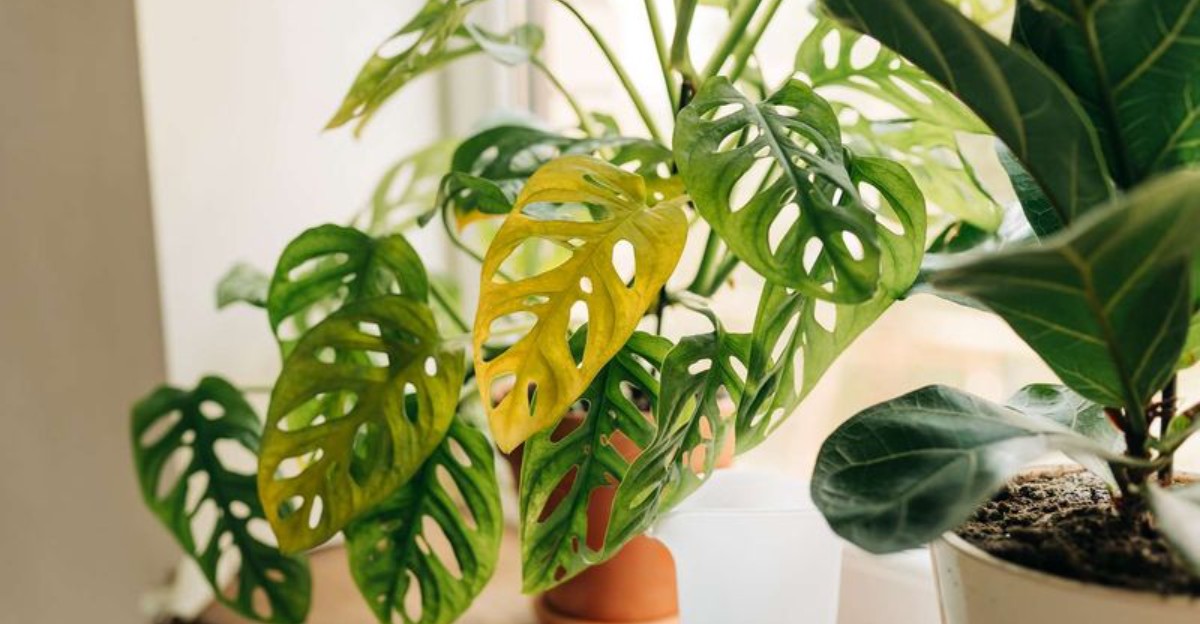
Your houseplants send warning signs before you notice anything wrong. Lower leaves turn yellow as your attention drifts. New Jersey humidity clings to your soil longer than expected. Watering the way you did in July stops working.
Roots slow their pace, and your watering plan needs adjusting. Overwatering becomes the culprit hiding behind your fading leaves. Each dropped leaf carries a clue about your plant’s needs.
Humidity trapped inside New Jersey homes makes your soil misleading. Diagnosing the cause takes sharper eyes than you think. Timing your next move matters more than products.
Waiting too long turns your small concern into something serious. Checking your soil with bare fingers reveals more than looking. Temperature swings inside your home confuse your plant’s roots fast.
Fixing this takes patience from you, not another trip out. Light exposure drops sooner than you expect. What you do next decides how this season treats you.
Lower Leaves Are Waving The First Flag
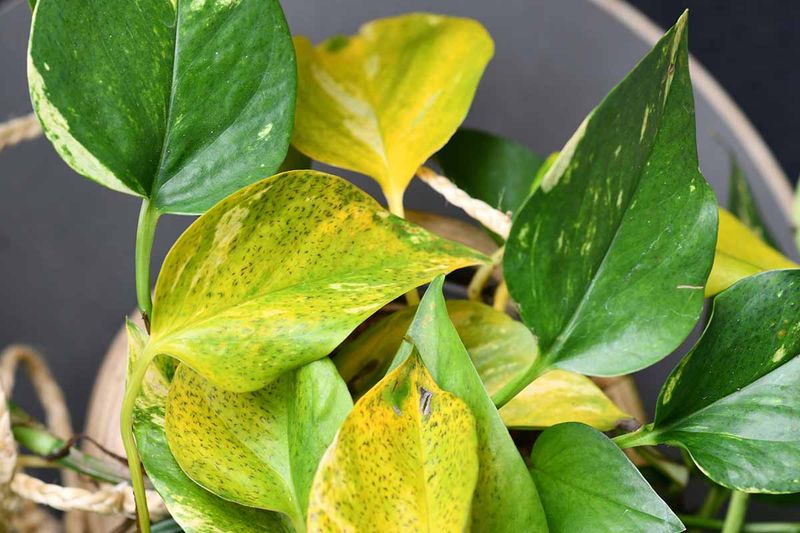
Picture a pothos on a Hoboken windowsill, cheerful through July, now wearing butter-colored leaves down near the soil line. Those bottom leaves are often the first to speak up.
Lower foliage fades because the roots below are sitting in water and cannot pull in oxygen. Without oxygen, they stop moving nutrients upward, so the oldest leaves lose color first.
Color matters more than you might think. Soft, even yellow with a limp feel points toward too much moisture, while crispy brown edges lean the other way.
Give a leaf a light squeeze between two fingers. A mushy, thin texture is a moisture signal, and a papery snap suggests thirst instead.
Timing offers another hint. Yellowing that spreads over a week or two, touching several leaves at once, usually traces back to the watering can rather than a bug.
Some New Jersey homes, especially older houses, tend to hold onto summer humidity a bit longer into September. Soil dries slower in that damp air, so the routine that worked in June now overdelivers.
Keep a small notebook or phone note listing when each plant last had a drink. Patterns jump out quickly once you can see the dates side by side.
Snip the fully yellow leaves at the base with clean scissors. They will not turn green again, and removing them helps you track fresh changes.
Watch the next set of leaves for a week or so. Steady green tells you the adjustment landed exactly where it needed to.
September Air Keeps Pots Damp Longer
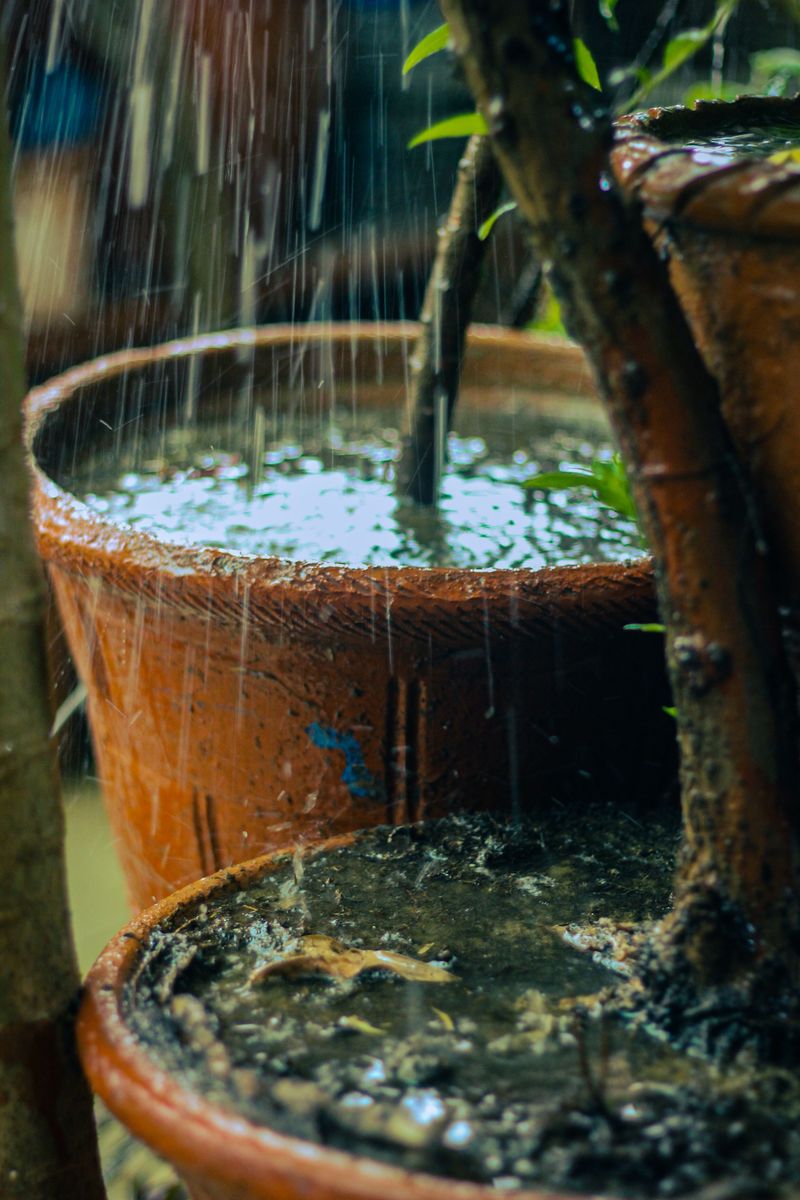
Early September in the Garden State plays tricks on plant parents. Afternoons still feel like August, but daylight is shrinking and evenings cool off fast.
Shorter days slow growth, and slower growth means plants sip less water. Roots that drank deeply in July now leave extra moisture sitting in the pot.
Humidity in parts of New Jersey, including areas along the shore, can stay elevated well into the month. Damp indoor air keeps potting mix soggy for days longer than expected.
Your New Jersey Garden Changes Every Week. Your Plan Should Too.
Gardening in New Jersey changes quickly throughout the season. Every Friday you’ll receive a simple weekly plan showing exactly what to plant, prune, fertilize, harvest, and protect so you never miss the right timing.
Air conditioners complicate the picture further. A unit running in one room dries soil quickly, while a closed bedroom stays muggy and holds water.
Try grouping plants by room rather than by species. Each room has its own drying speed, and watching that speed saves you plenty of guesswork.
Stick a wooden chopstick or bamboo skewer into the mix and pull it back out. Dark, clingy soil on the wood means waiting a few more days.
Consider trimming your usual schedule back once September arrives, often by a noticeable amount. Many tropical houseplants need less frequent watering now, though the exact interval depends on the plant, pot, and light conditions.
Terra cotta pots breathe and dry faster than glazed ceramic or plastic. Matching the pot to your watering habits prevents a lot of yellow.
Cooler nights near the glass can chill wet roots too. Move pots a few inches inward once overnight temperatures dip.
A small fan on low speed keeps stagnant air moving across leaves and soil. Better airflow means faster drying between drinks.
Peek At The Roots Before Grabbing Plant Food
A common misstep is reaching for plant food as soon as yellow leaves appear. Fertilizer on waterlogged roots tends to make matters worse.
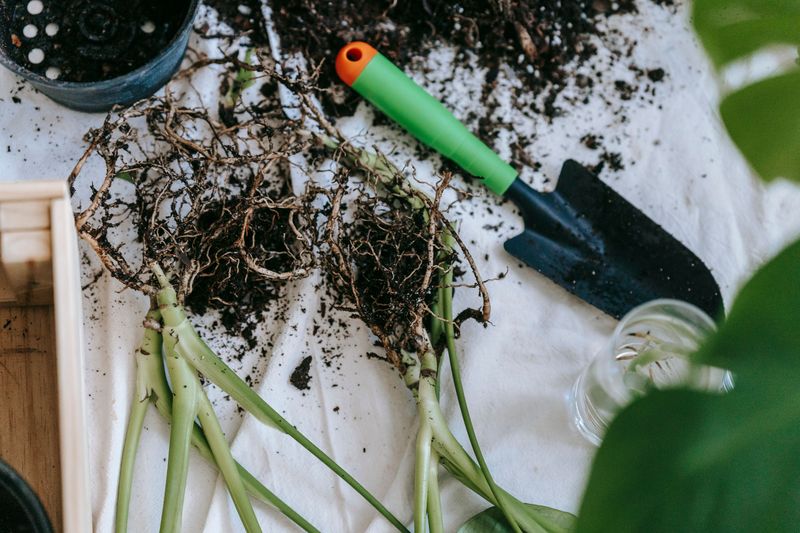
Slide the plant out of its pot and study the root ball. Healthy roots look pale tan or white and feel firm to the touch.
Roots holding too much water turn brown or gray, feel slimy, and give off a sour, swampy smell. That odor is a strong indicator.
Trim the mushy sections away with sterilized scissors, keeping the firm roots intact. Work over newspaper so the mess stays contained.
Shake off the soggy old mix rather than reusing it. Fresh, chunky potting soil with perlite or bark hands air pockets back to the roots.
Choose a pot that fits the trimmed root ball snugly. Oversized containers hold extra water that a small root system cannot use.
Skip fertilizer for about a month after this kind of rescue. Stressed roots absorb salts poorly, and the buildup irritates them further.
Water lightly right after repotting, then wait until the top two inches feel dry. Patience does more good here than attention.
This kind of root rescue often works when caught early, and plants frequently bounce back with new growth within weeks. Recovery is common when the problem is caught in time.
Keep the repotted plant in bright, indirect light while it settles in. Harsh direct sun stresses roots that are still rebuilding. Label the pot with the repotting date. Six weeks later, you will want that reference.
Quick Drainage Fixes You Can Do Today
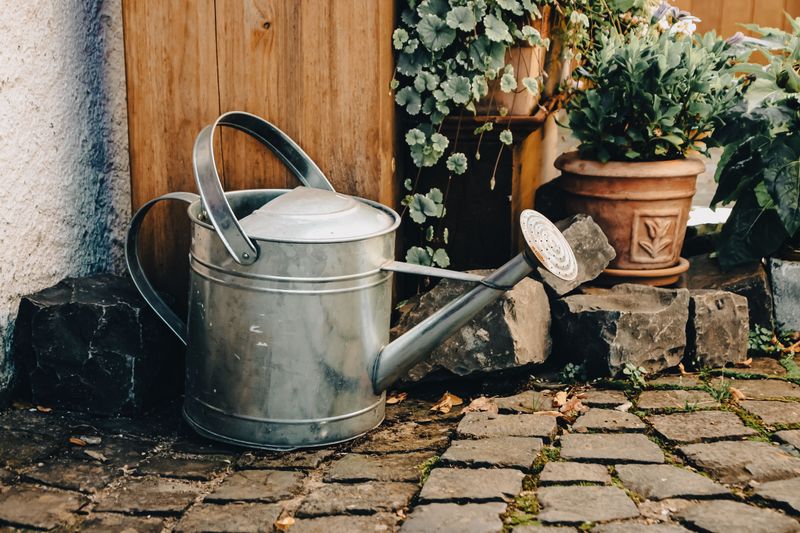
Drainage sounds boring until you realize how many yellow leaves trace back to it. A blocked hole turns a pretty pot into a small indoor pond.
Flip the pot over and check that the drain hole is actually open. Roots, packed soil, and stray pebbles clog it more often than you would guess.
Decorative cachepots without holes cause loads of trouble. Keep the plant in a plastic nursery pot inside, then lift it out to water at the sink.
Saucers deserve attention too. Pour off standing water about fifteen minutes after watering so roots are not left soaking.
That old advice about gravel in the bottom of a pot does not help. Gravel raises the soggy zone closer to the roots instead of lowering it.
Mix in perlite, pumice, or orchid bark to loosen dense soil. Roughly one part chunky material to three parts potting mix suits many tropicals.
Old soil compacts over a year or two and stops draining well. Refreshing the mix after eighteen months or so keeps water moving through.
Bottom watering has loyal fans, and it works when you set a time limit. Let the pot sit in shallow water ten minutes, then lift it out.
Weigh the pot in your hands before and after watering. That weight difference becomes a reliable gauge within a couple of weeks.
Wide, shallow pots dry more evenly than tall narrow ones. Shape matters as much as size. Small changes here often help within a few weeks.
Gnats, Fuzz, And Other Soggy Soil Tattletales
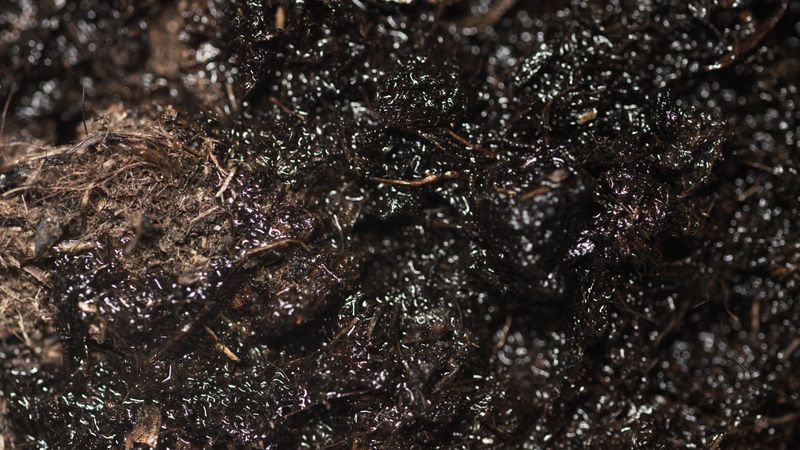
Tiny dark flies drifting up when you walk past the fern? Those little nuisances work like a moisture meter with wings.
Fungus gnats lay eggs in the top inch of damp soil. Their presence tells you the surface stays wet far too long between drinks.
Fuzzy white patches on the soil surface repeat the same message. Harmless in small amounts, that mold still points to poor airflow and slow drying.
A crusty white ring on the pot rim comes from mineral buildup. Frequent shallow watering leaves those salts behind.
Watch for stems that feel soft near the soil line. Firm stems with pale leaves point to a fixable issue, while softness calls for quicker action.
Sticky yellow traps set at soil level catch adult gnats within days. Pair them with letting the top two inches dry out.
A quarter inch of coarse sand or small pebbles on top discourages egg laying. Air still passes through, but the flies lose their nursery.
Mushrooms popping up in a pot startle a lot of folks. They feed on damp organic matter and disappear once the mix dries.
Check under the leaves while you are at it. Spider mites and mealybugs favor stressed plants, and yellowing invites them in.
Rinse saucers and pot rims monthly with warm soapy water. Clean surfaces make trouble easier to spot early.
Yellow bottom leaves dropping while the soil stays damp rounds out the picture, and that combination is worth paying attention to.
Build A Fall Watering Rhythm That Works
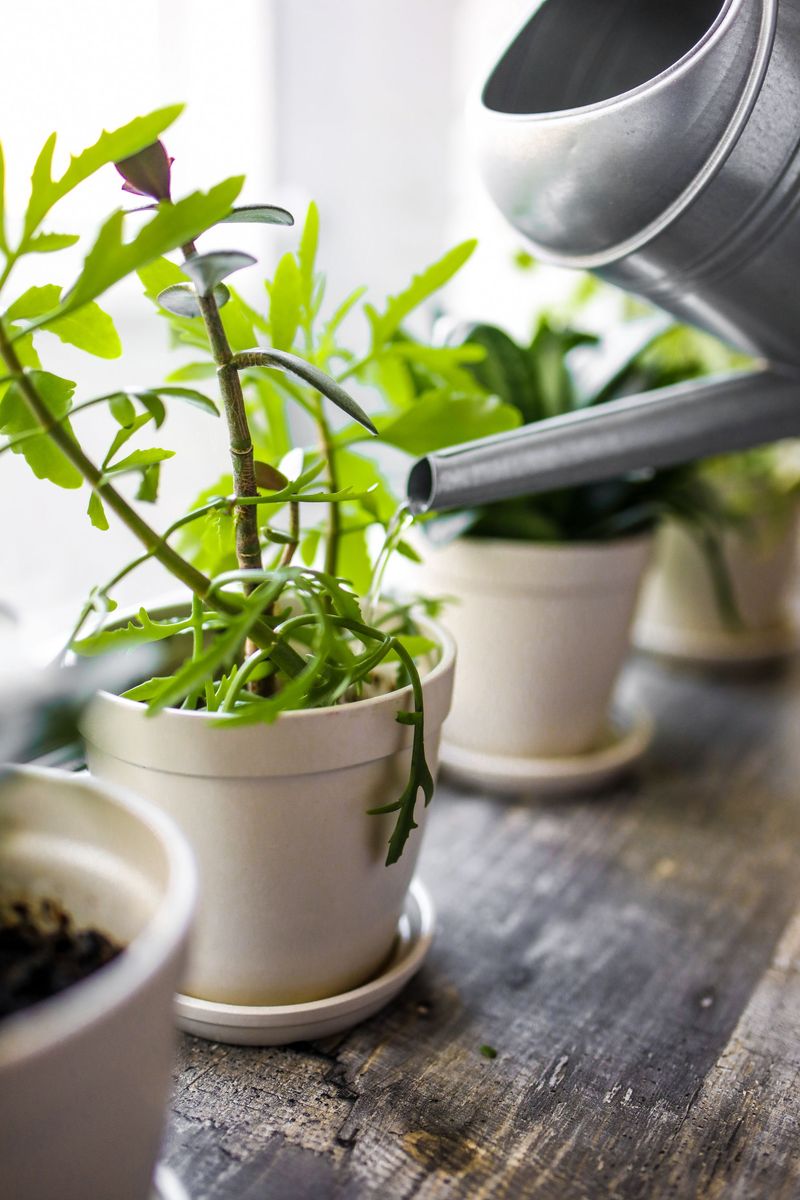
Ditching the calendar is one of the most effective habit changes for fall. Plants do not care what day of the week it happens to be.
Test the soil instead. Push a finger two inches down, and water only when that depth feels dry.
Inexpensive moisture meters help beginners build confidence. Use one for a month, then start trusting your finger.
When you do water, water thoroughly. Pour until liquid runs out the bottom, which flushes salts and wets the whole root ball.
Light daily sips cause more yellowing than deep, spaced drinks. Roots want dry cycles as much as wet ones.
Room temperature water sits better with tropical roots than cold tap water. Fill a jug the night before and let it rest on the counter.
Light drops noticeably across New Jersey through September and October. Less light means slower growth, and slower growth means less water.
Shift plants closer to south or west windows as the sun angle changes. Brighter light helps soil dry at a healthier pace.
Hold off on repotting anything that seems fine. Fresh soil holds extra moisture that fall plants cannot use quickly.
Set a weekly check-in rather than a weekly watering. Walk around, poke the soil, and water only the pots that ask for it.
Green leaves through the winter start with what you do this month. Small habits now spare you a lot of worry come January.