8 Ways To Shape Your Jade Plant Into A Stunning Indoor Tree In Michigan
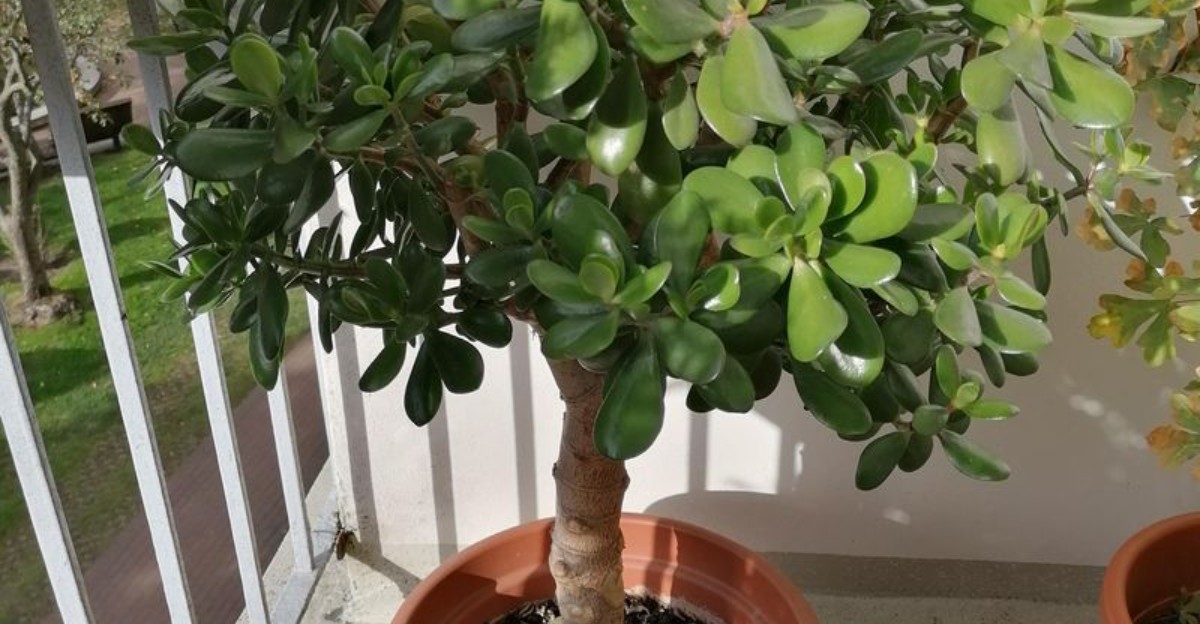
A jade plant can look like a small, sturdy tree after a few years. It does not happen by accident. Shape comes from small choices you make again and again.
Where you cut, how you turn the pot, and how much light the plant gets all guide its growth. Michigan winters help and hurt. Short days slow growth, which gives you time to plan.
Weak light, though, can make stems stretch and lean. Jade is forgiving, so even beginners can try these changes. Each cut encourages thicker branches and a more balanced look.
With patience, a plain pot of leaves can become a living sculpture that anchors a sunny corner of your home.
1. Prune During The Active Growing Season
Timing can make or break your jade plant project. Jade plants, known by the scientific name Crassula ovata, do most of their growing in spring and summer. Cuts made during those warm, bright months heal fast and quickly push out fresh branches.
Winter is a different story. When growth slows down, a pruned stem may sit there for weeks without doing much at all. You might get only one weak shoot, or none, instead of the bushy branching you hoped for.
So save your big shaping jobs for spring or early summer. Small fixes, like trimming a broken stem, are fine any time, but the major work should wait for longer days. Before you start, wipe your pruners or a sharp knife with rubbing alcohol.
Clean tools make neat cuts and keep germs away from open wounds. Sharp blades matter too. A dull tool crushes the soft stem, which leaves a ragged edge that heals slowly. One clean slice is always better than a few rough snips.
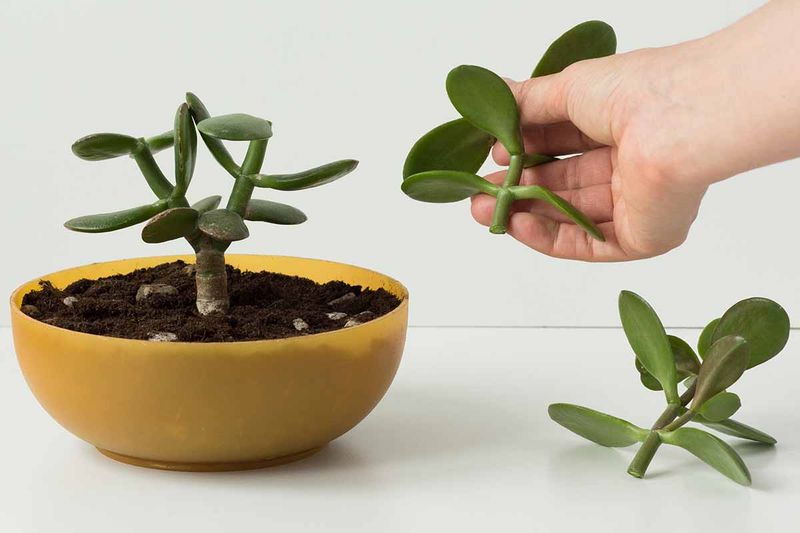
Here is a bonus that many people love. Those pieces you cut off do not have to go in the trash. Let them sit in a dry spot for a few days until the ends form a callus, then press them into dry succulent soil.
In a few weeks, many will grow roots, giving you new plants to keep or share. Michigan gardeners have extra reason to watch the calendar.
Through the gray winter months, jade plants grow at a snail’s pace because indoor light is so weak. Once March and April bring longer days, your plant wakes up and responds to pruning with real energy, making that the perfect moment to grab your tools.
2. Cut Just Above A Leaf Pair To Create Branches
One snip can turn a single stem into two. That small bit of magic is the secret behind every full, tree-like jade plant you have ever admired.
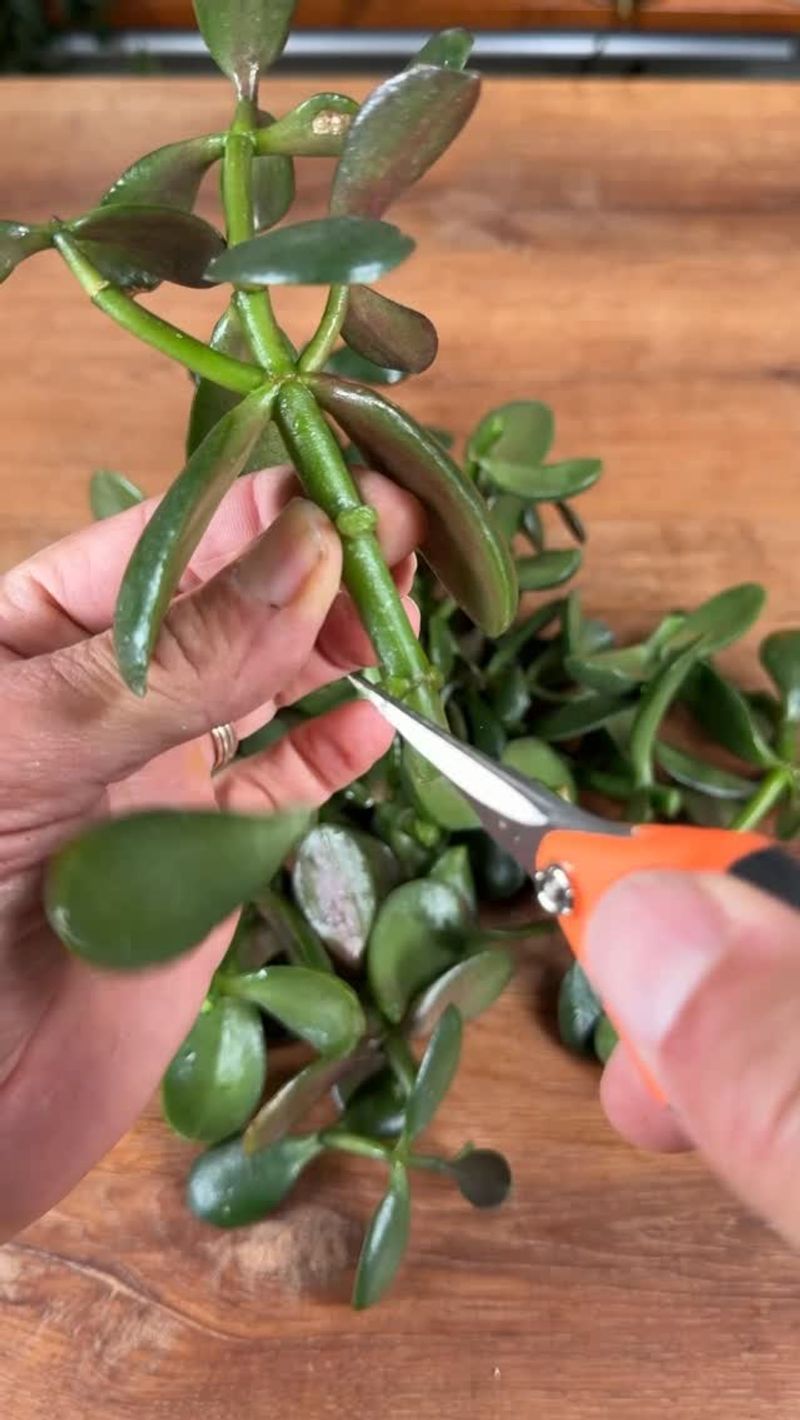
It all comes down to nodes. A node is the spot on a stem where leaves attach, and it holds hidden buds waiting for a signal to grow. When you cut just above a pair of leaves, those buds wake up, and two new branches usually sprout from that point.
Start by looking for stems that are too long, bare, or sticking out awkwardly. Follow each one down and find a leaf pair or a leaf scar, which looks like a small ring or bump on the stem.
Your Michigan Garden Changes Every Week. Your Plan Should Too.
Gardening in Michigan changes quickly throughout the season. Every Friday you’ll receive a simple weekly plan showing exactly what to plant, prune, fertilize, harvest, and protect so you never miss the right timing.
Make your cut just above it, leaving a short stub rather than slicing into the node itself.
After that, simply leave it alone. Many people want to cover the cut with sealant or wax, but jade plants do not need help. The open end dries out and forms a tough callus on its own within a few days, which protects the stem naturally.
Patience pays off here. New shoots often appear within two to four weeks during the growing season. Some cuts may give you three branches instead of two, which is a happy surprise.
For Michigan growers, this simple habit builds up over the years. Each round of pruning doubles the branch tips in that area, and those tips get pruned again next season.
Over time, you end up with a dense, layered canopy that looks like a mature jade tree, even inside a home that only gets a few good growing months each year.
3. Choose A Main Trunk And Clear The Lower Stem
Every great tree needs a backbone. Without one, a jade plant tends to look like a messy shrub, with stems shooting out in all directions from the soil.
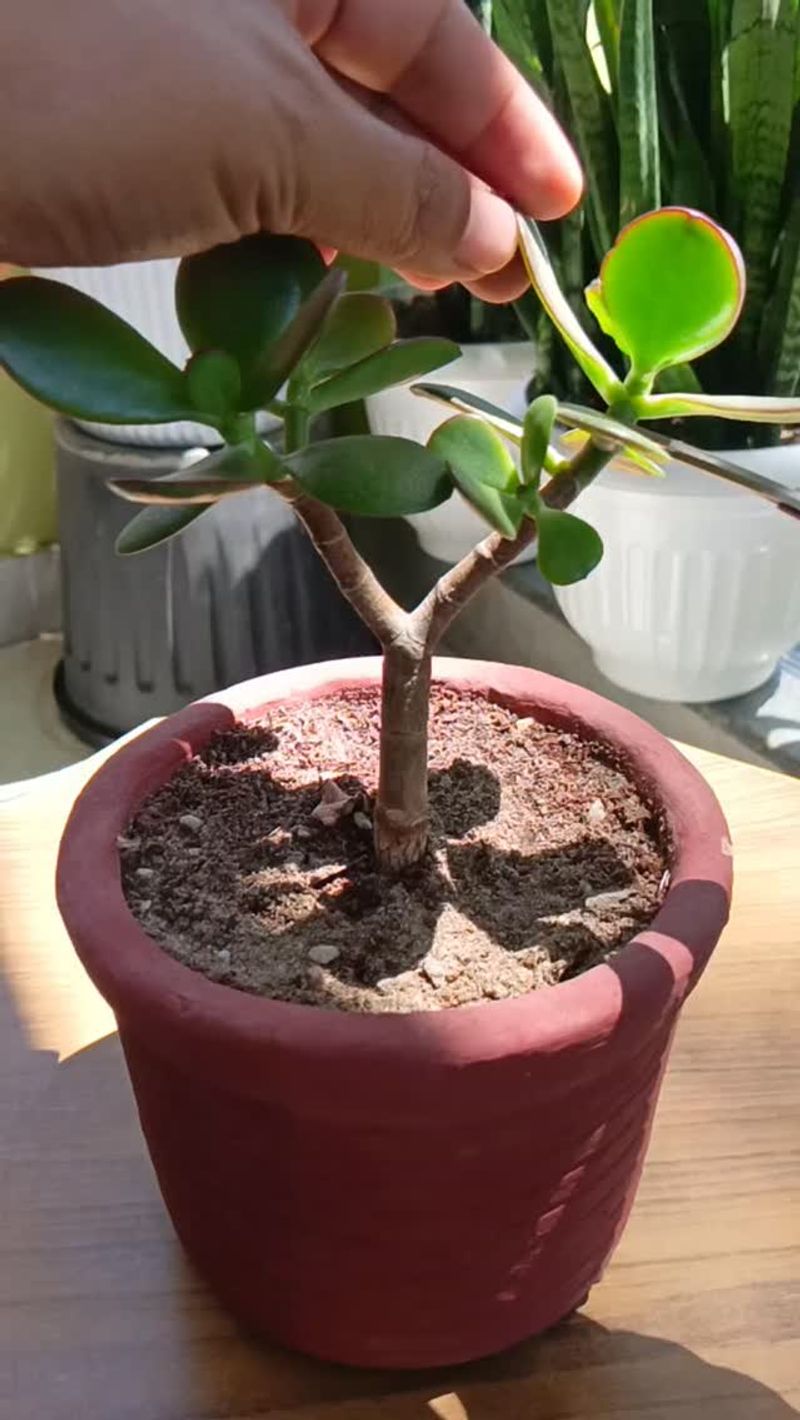
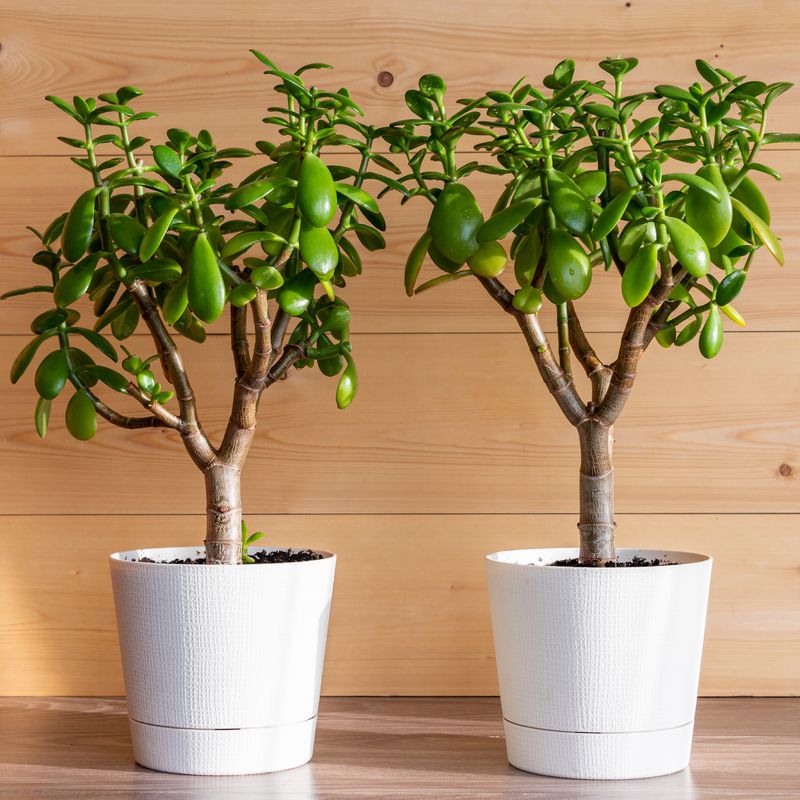
A tree-shaped jade has a clear, thick trunk with branches perched on top. When you remove the low shoots and leaves along the bottom of the stem, the plant puts more of its energy into upward growth.
It also shows off that chunky, woody trunk, which is one of the best features of an older jade.
Begin by studying your plant from all sides. Pick the strongest, straightest stem as your main trunk. If other stems compete with it from the base, plan to remove them over time.
Go slowly with the cleanup. Rather than stripping the lower stem bare in one afternoon, take off a few low branches and leaves each pruning session. Spreading the work over several months, or even a year or two, keeps the plant calm and steady.
Leaves are the plant’s food factory, so always keep plenty of them. A good rule is to never remove more than about a third of the foliage at once. Your jade needs those plump leaves to make energy and store water.
Here in Michigan, going easy matters even more. Plants growing under weak indoor light already have a limited supply of energy, especially from late fall to early spring. Cutting away too much at once can leave your jade weak and slow to recover.
A gentle, step-by-step approach gives you a handsome trunk while keeping the plant healthy and happy.
4. Pinch Tips To Fill Out The Canopy
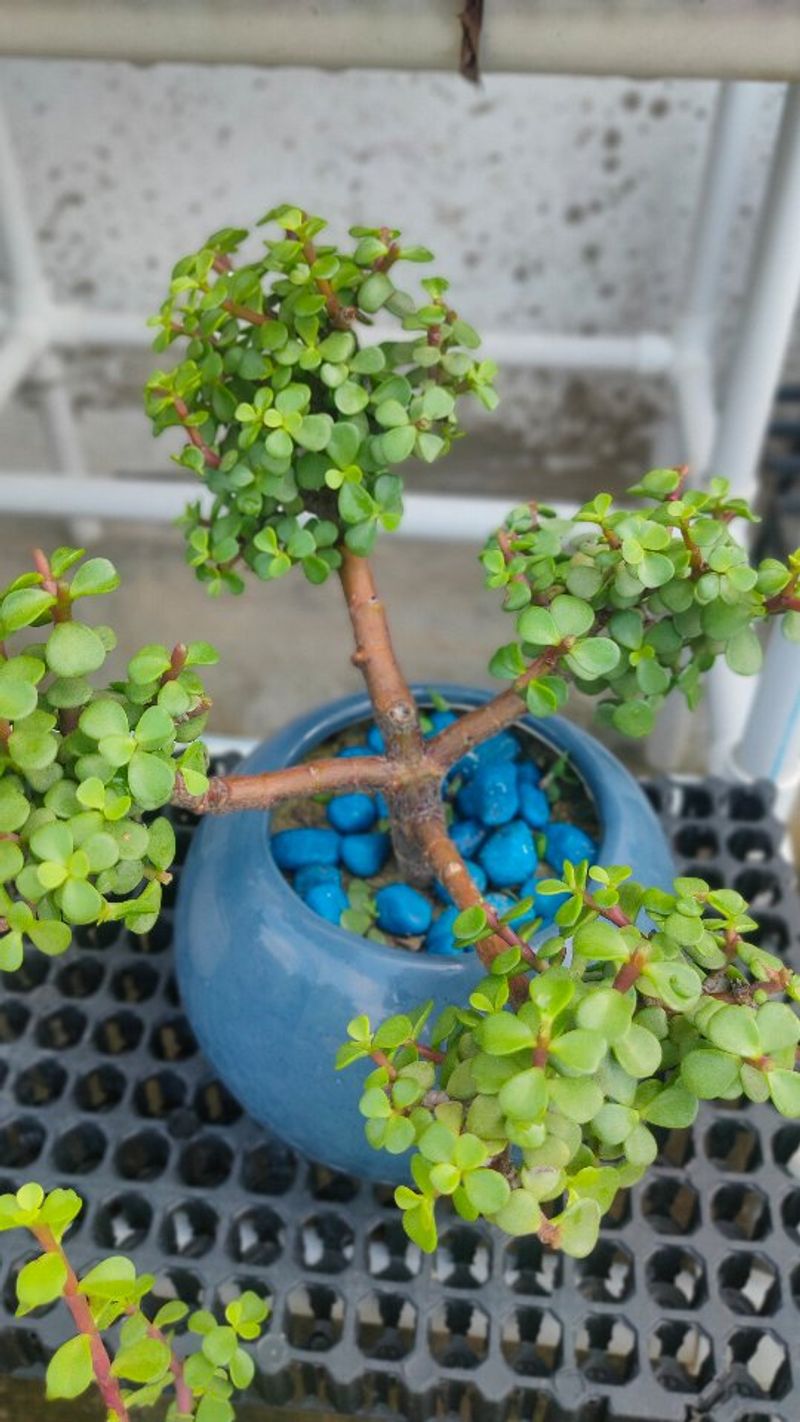
Your fingers might be the best shaping tool you own. No blades, no fuss, just a quick pinch that tells your jade plant to grow wider instead of taller.
At the end of each branch sits a tiny growing tip. As long as it stays in place, the branch keeps stretching forward. Remove that tip, and the plant sends energy into side buds instead, which creates more shoots and a fuller, rounder crown.
The method is simple. Find branches that are growing longer than the rest, then pinch or snip off the newest, smallest pair of leaves at the very end. Soft new growth breaks off easily between your thumb and finger, though small scissors work well too.
Step back often while you work. Look for thin or uneven spots in the canopy, and focus your pinching there. Think of it like giving your plant a haircut, where the goal is a balanced, natural shape rather than a perfect ball.
Consistency is what makes it work. A single pinch helps a little, but repeating the process every few weeks through spring and summer builds a thick, bushy top. Each new side shoot can be pinched later, so the branching keeps multiplying.
Michigan’s growing window is short, which makes this habit extra useful. Your jade has roughly April through September to do most of its growing before the dark months slow everything down.
Steady pinching during that time helps the canopy fill in fast, so your plant heads into winter looking lush and full instead of patchy.
5. Give It Bright Light To Keep Growth Compact
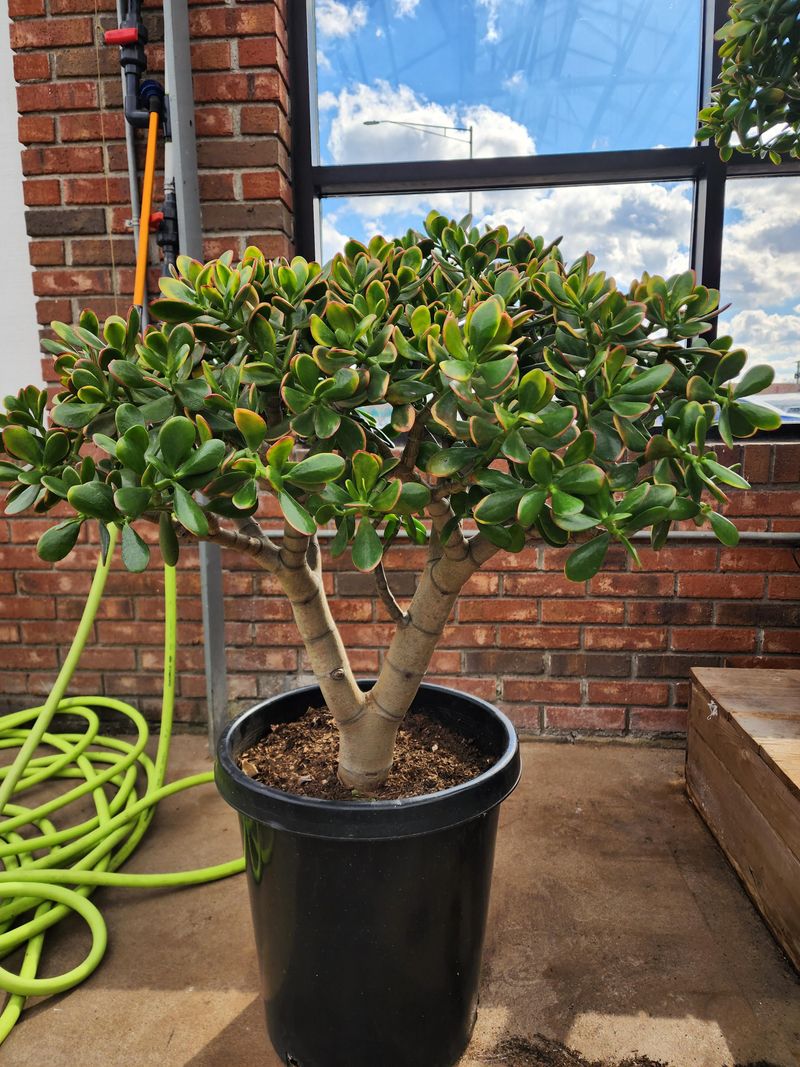
Ever seen a jade plant with long, skinny stems and leaves spaced far apart? That lanky look almost always points to one problem, which is not enough light.
Jade plants are sun lovers. In dim rooms, they stretch toward the nearest window, producing weak stems that flop over and leaves that grow farther and farther apart. Gardeners call this legginess, and it makes a tree shape nearly impossible to maintain.
Bright light changes everything. With plenty of sun, stems stay short and sturdy, leaves grow close together, and the whole plant looks tidy and strong. Some jade leaves even develop pretty red edges when they get lots of light.
Place your plant in a south or west-facing window for the best results. Those spots get the most direct sun through the day. An east window can work too, though growth may be a bit slower.
If stems start stretching during winter, a grow light can fill the gap. A simple LED grow light placed about 12 inches above the plant and run for 12 to 14 hours a day works well. Many affordable models clip right onto a shelf or table.
Watch the glass on cold nights. Leaves pressed against a frosty window can get chilled and damaged, so keep a few inches of space between the plant and the pane.
Michigan winters are famous for short days and heavy cloud cover, especially near the Great Lakes. Indoor light can stay weak from November through February.
Giving your jade the brightest spot in the house, plus some extra help, keeps its growth compact and tree-like all year.
6. Rotate The Pot For Even Growth
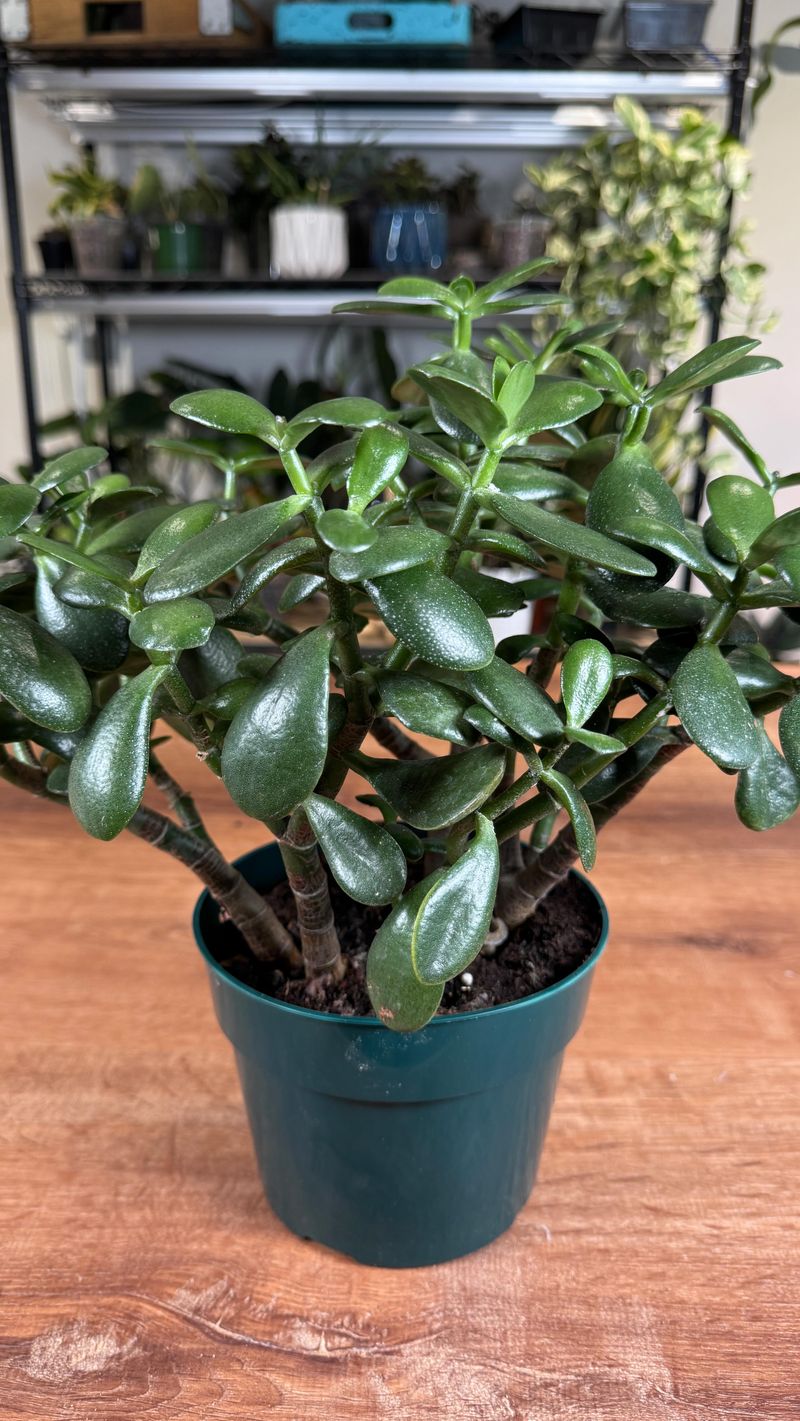
Plants are a lot like sunflowers in one way. They follow the light, and a jade plant sitting in the same spot for months will slowly bend toward the window like it is trying to peek outside.
That leaning creates trouble over time. The side facing the glass grows thicker and heavier, while the back side stays thin and sparse. Eventually, the plant can look lopsided, and a heavy jade may even tip its pot right over.
The fix takes about five seconds. Every week or two, give the pot a quarter turn in the same direction. Some people put a small sticker on the rim to remember which way they turned it last.
Even with regular turning, one side may still race ahead. When you notice branches growing much faster or longer on one side, trim them back during the growing season.
That small cut brings the shape back into balance and encourages new growth where you need it.
Watering day makes a handy reminder. If you water every couple of weeks, simply rotate the plant at the same time, and the habit will stick without much thought.
Michigan’s seasons make this step especially important. In fall and winter, the sun sits low in the sky, so light streams into windows at a low, sideways angle. Plants respond by leaning harder than they do in summer.
Rotating your jade through those months keeps the trunk straight and the canopy even, so your little tree looks great from every side of the room.
7. Use A Heavy Pot And Fast-Draining Mix
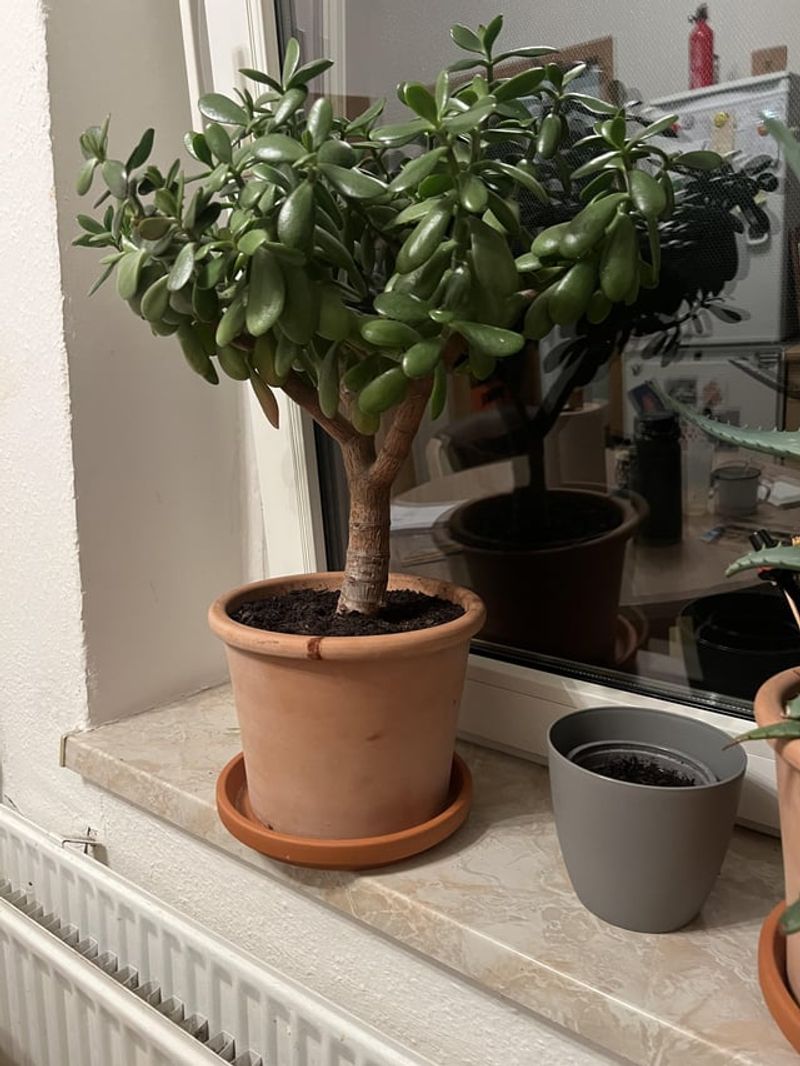
A great tree needs solid ground beneath it. For a jade plant, that means a sturdy pot and soil that drains like a dream.
As jade plants mature, their branches thicken and their leaves fill with water. All that weight sits up top, so a light plastic pot can tip over easily. A wide, heavy container made of terracotta or ceramic keeps the whole plant steady.
Terracotta has an extra perk. The clay is porous, which means it lets moisture escape through its walls and helps the soil dry faster. No matter which material you pick, make sure the pot has drainage holes in the bottom.
Soil matters just as much. Regular potting mix holds too much water for a succulent, and soggy soil leads to root rot. Use a cactus and succulent mix, then add extra perlite or fine grit to help water flow through quickly.
Watering should be on the stingy side. Wait until the soil is completely dry all the way down, then water deeply and let the extra drain away. Push a finger or a wooden chopstick into the soil to check before you pour.
Every few years, check the roots. If they crowd the pot or circle the bottom, repot in spring into a container just a little bigger.
Michigan homes run cool in winter, and cooler air slows down how fast soil dries. A pot that stays wet for days is an open door for rot. Fast-draining mix and a breathable terracotta pot give your jade the best chance to stay firm, healthy, and upright.
8. Give It A Summer Outdoors For Stronger Growth
Think of summer as a vacation for your jade plant. A few months outside can do more for its shape than an entire year on the windowsill.
Outdoor light is far brighter than anything that reaches through a window, even a sunny one.
That intense light encourages compact, strong growth, and over time it can help the trunk thicken. Many gardeners notice tighter leaf spacing and sturdier branches after just one season outdoors.
Timing the move is key. Wait until nighttime temperatures stay above about 50°F, which in much of Michigan means late May or early June. Jade plants dislike cold, so checking the forecast for a week or two ahead helps.
Go slowly once it is outside. Place the plant in shade for about a week, then shift it into brighter spots little by little. Jumping straight into full sun can scorch the leaves and leave tan or white patches.
Heavy rain is the other thing to watch. A covered porch or a spot under the eaves keeps the soil from staying soaked during stormy stretches. Tip out any water that collects in saucers, too.
As fall arrives, keep an eye on the thermometer again. Bring your jade inside before nights dip below 50°F, which often happens in September. Check the leaves and soil for insects before it comes back in.
For Michigan growers, this summer break is a real gift. Your plant gets a powerful growth boost and builds strength before facing months of dim winter light indoors. Come spring, you will have a tougher, thicker tree ready for its next round of shaping.