10 Reasons Michigan Gardeners Should Grow Lemongrass
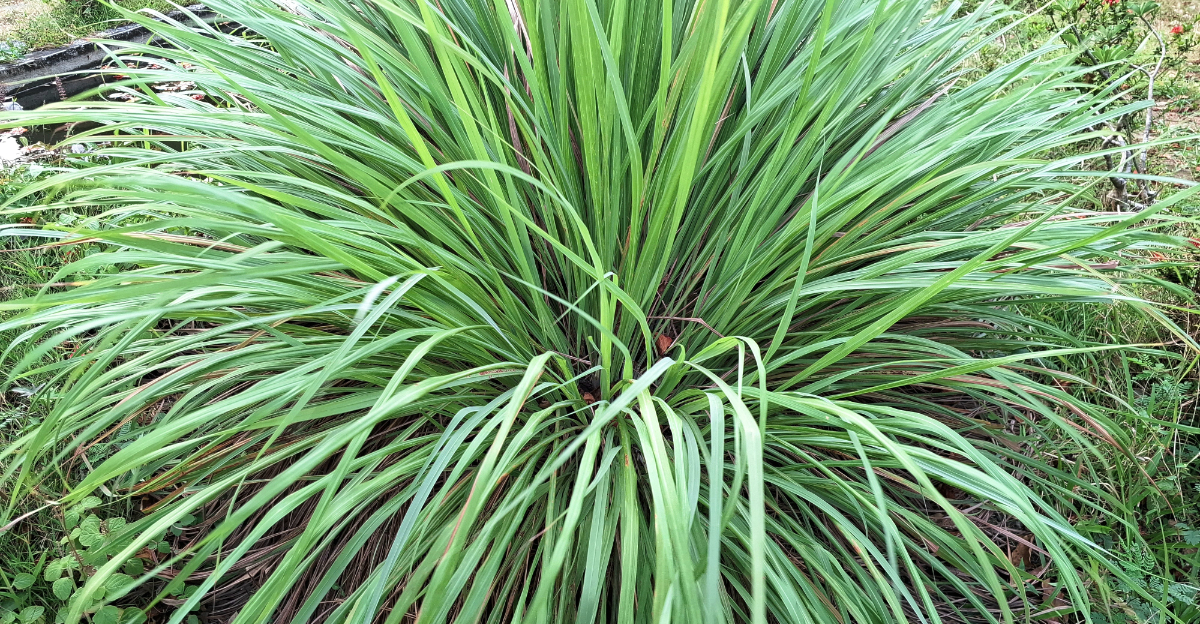
Lemongrass might not be the first plant that comes to mind for Michigan gardens, but it has more to offer than many people expect. This fragrant plant brings a fresh, citrus scent and a bold, grassy look that stands out in both garden beds and containers.
Even in a shorter growing season, Michigan gardeners can enjoy strong growth by planting it at the right time and giving it plenty of warmth. Beyond its appearance, lemongrass is useful in the kitchen and adds a unique touch to summer meals.
It can also help create a more inviting outdoor space with its light scent and movement in the breeze. For gardeners looking to try something a little different, this plant checks a lot of boxes.
It is simple, rewarding, and a great way to add both beauty and function to your garden.
1. It Grows Well As A Warm-Season Annual In Michigan
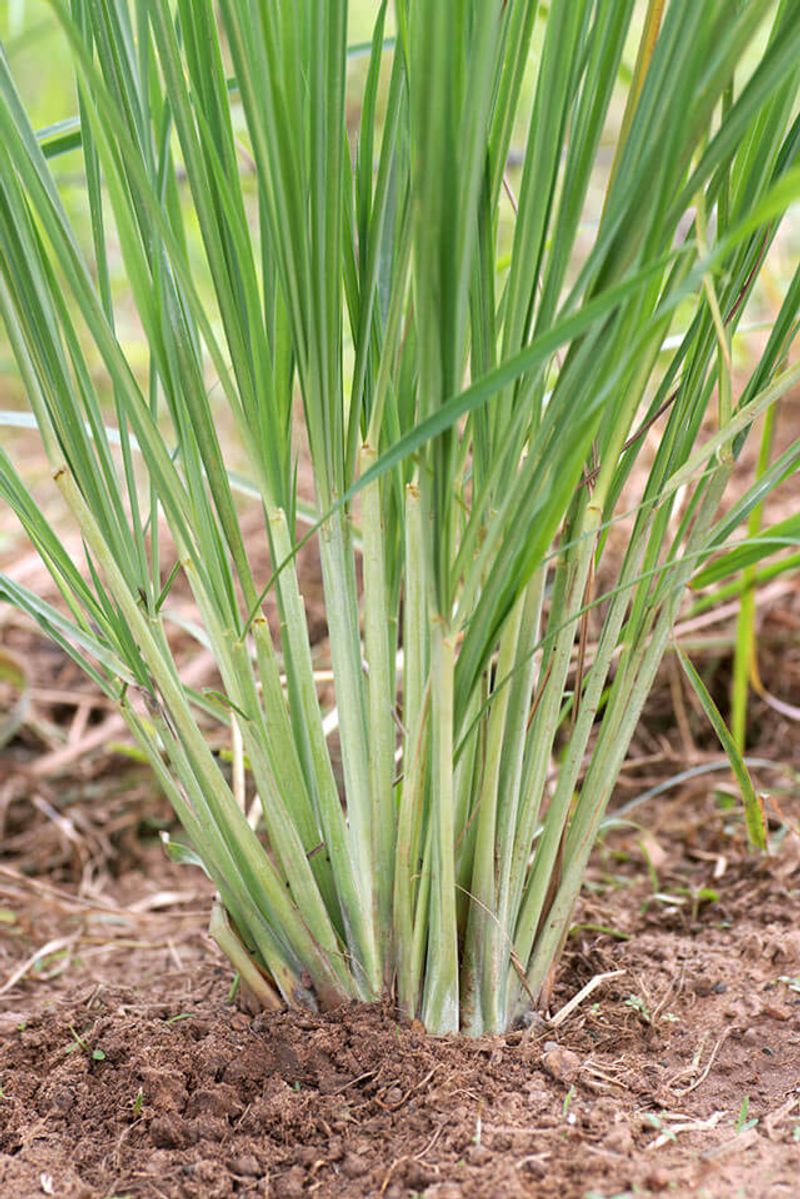
Believe it or not, lemongrass (Cymbopogon citratus) absolutely loves Michigan summers.
Even though it is not cold-hardy enough to survive a Michigan winter in the ground, it makes the most of the warm season by growing at an impressive speed once temperatures climb above 60 degrees Fahrenheit.
Many gardeners are genuinely surprised by how much ground it covers in just a few months.
Treating lemongrass as a warm-season annual is a smart and practical approach for Michigan growers. You plant it after the last frost, usually around late May, and it takes off with very little fuss.
By midsummer, you can have full, lush clumps reaching three to five feet tall, looking like something straight out of a tropical garden catalog.
The plant thrives in Michigan’s sunny summer days, especially when planted in a south-facing spot with at least six hours of direct sunlight. Rich, well-draining soil gives it the best possible start.
Adding compost at planting time helps fuel that impressive growth. Even beginners find that lemongrass rewards consistent watering and a little patience with a bold, beautiful clump that becomes the centerpiece of the summer garden.
2. Perfect For Growing In Containers On Michigan Patios
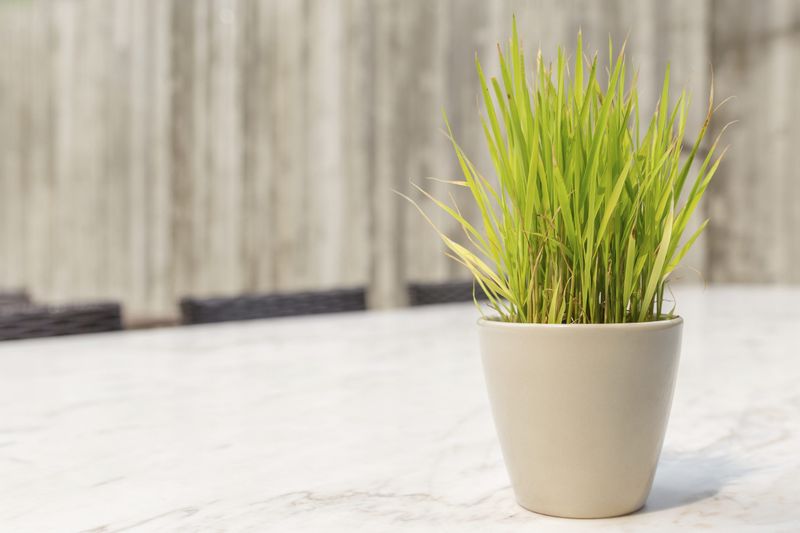
Container gardening is a total game-changer for Michigan gardeners, and lemongrass is one of the best plants to grow in a pot.
Because Michigan winters are far too harsh for lemongrass to survive outdoors, growing it in a container gives you the flexibility to move it inside when the weather turns cold. That simple trick turns a one-season plant into a multi-year investment.
Choose a large pot, at least 12 to 15 inches wide and deep, to give the roots enough room to spread out comfortably. Use a high-quality potting mix with good drainage because lemongrass does not like soggy roots.
Set the container in a sunny spot on your patio or deck, and you will have a striking, fragrant focal point all summer long.
One of the best things about growing lemongrass in pots is how versatile it becomes. You can arrange it near seating areas to enjoy the citrus scent on warm evenings, or cluster it with other container herbs for a beautiful edible garden display.
Your Michigan Garden Changes Every Week. Your Plan Should Too.
Gardening in Michigan changes quickly throughout the season. Every Friday you’ll receive a simple weekly plan showing exactly what to plant, prune, fertilize, harvest, and protect so you never miss the right timing.
Michigan gardeners who grow in containers also find it much easier to control soil quality and moisture levels. It is a practical, stylish, and rewarding way to enjoy this incredible herb right through the entire growing season.
3. Surprisingly Easy To Overwinter Indoors
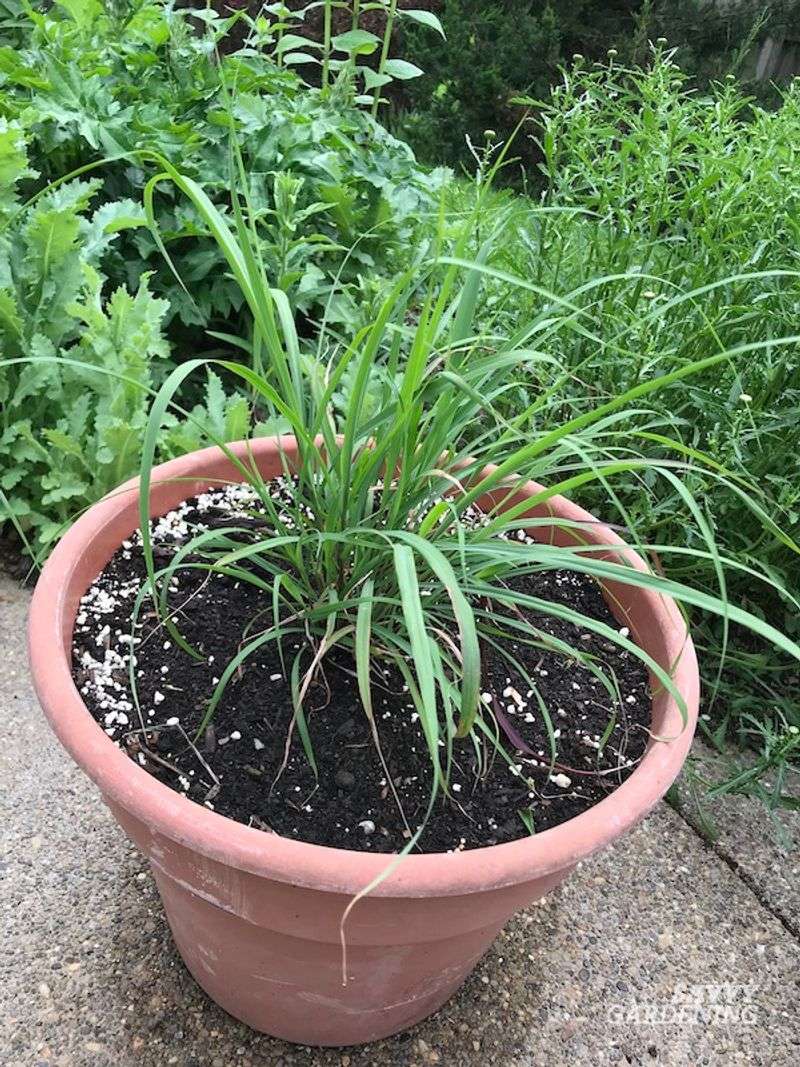
Here is something most Michigan gardeners do not realize at first: lemongrass does not have to be a one-season wonder. With just a little preparation before the first frost hits, you can bring your plant indoors and keep it healthy all winter long.
It is one of the most satisfying gardening tricks you can pull off in a Michigan climate.
Before temperatures drop below 40 degrees Fahrenheit, trim the plant back to about six inches and move it to a bright, sunny window inside your home. A south-facing window works best because it captures the most light during Michigan’s shorter winter days.
Water it sparingly during this rest period since the plant naturally slows down in lower light and cooler indoor temperatures.
By late winter, you will notice fresh green shoots starting to push up from the base, which is a sure sign that spring is on its way. Once outdoor temperatures warm up again in late May, move the plant back outside and watch it take off.
Overwintering lemongrass successfully means you are working with an established root system rather than starting fresh each year, which translates to faster, bigger, and more productive growth.
Michigan gardeners who try this method once rarely go back to buying new plants every season.
4. Fast-Growing And Very Low Maintenance
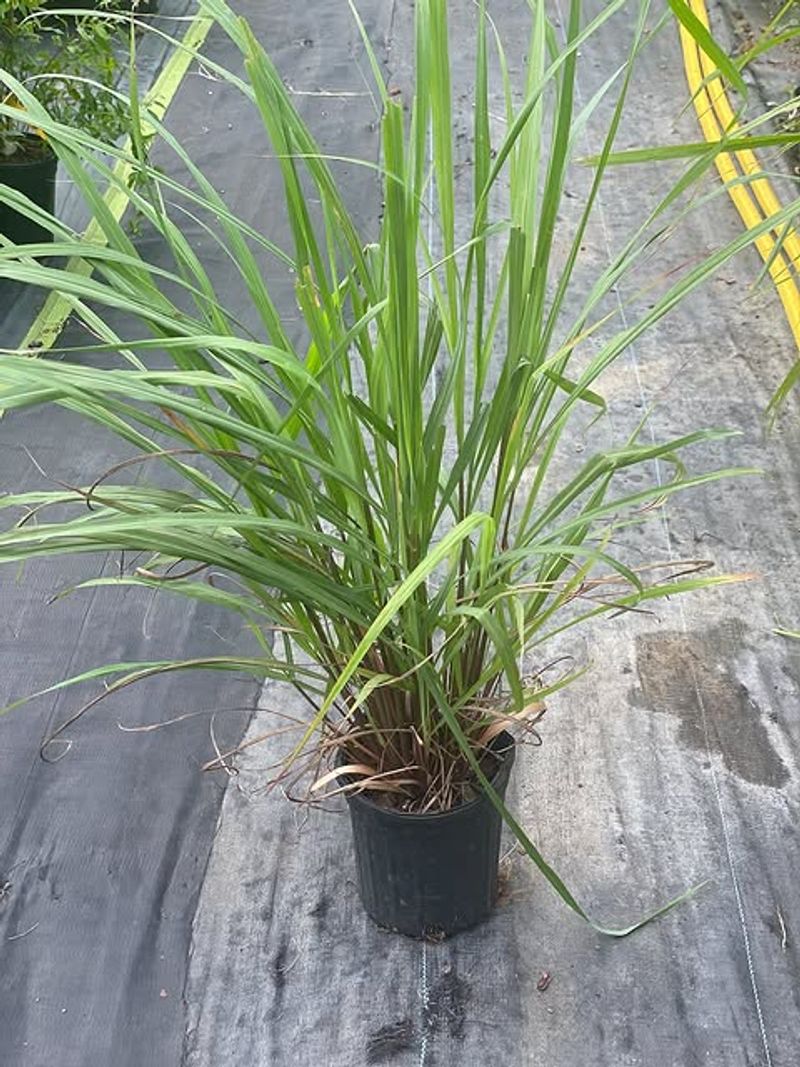
Gardening should be enjoyable, not exhausting, and lemongrass completely agrees with that idea. Once you get it settled into warm soil after Michigan’s last frost, this plant takes care of itself in a way that most herbs simply do not.
It is the kind of plant that makes even a busy gardener feel like an expert.
Lemongrass needs full sun and consistent moisture, but it does not require constant attention or complicated feeding schedules. A balanced fertilizer applied once a month during the growing season is more than enough to keep it thriving.
It does not attract many pests, and it is naturally resistant to most common garden diseases, which means fewer headaches for Michigan growers juggling multiple plants.
The growth rate is genuinely exciting to watch. Within weeks of planting, you will see new blades pushing up from the center of the clump.
By midsummer in Michigan, a single plant can grow into a full, impressive bunch that looks like it belongs in a professional landscape design. Beginners love it because the margin for error is wide, and experienced gardeners appreciate how little babysitting it needs.
If you are looking for a high-reward, low-effort addition to your Michigan garden, lemongrass belongs at the top of your list this growing season.
5. Adds Bold Height And Texture To Any Garden Bed
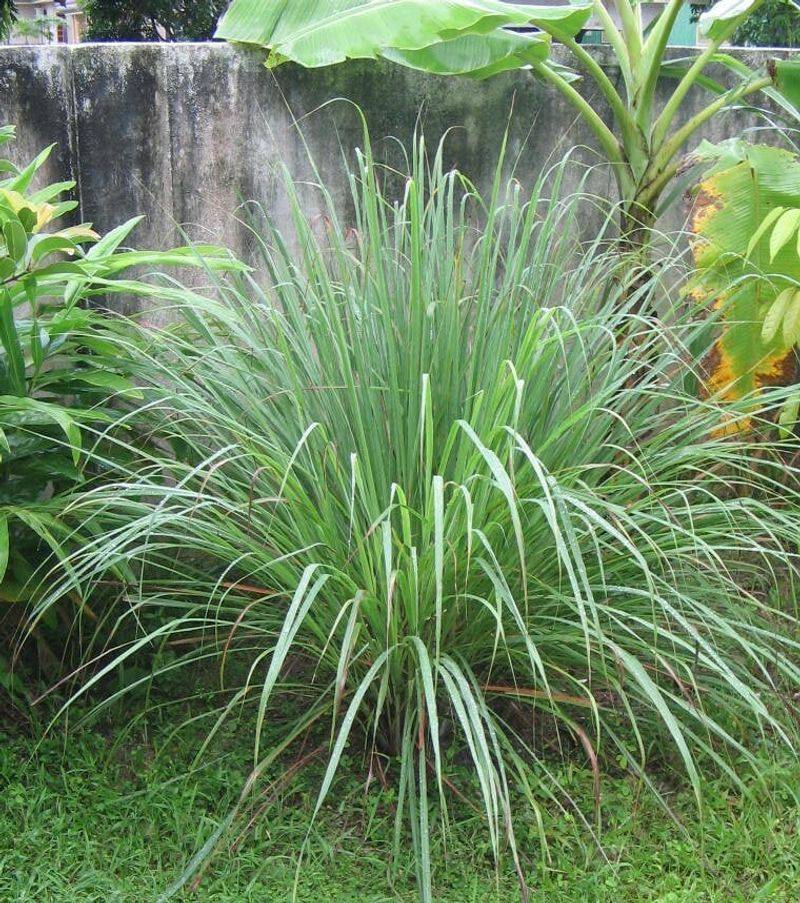
Not every plant can pull double duty as both a useful herb and a stunning garden feature, but lemongrass does it effortlessly. Its tall, arching, grass-like blades create a dramatic vertical element that stands out beautifully in Michigan garden beds.
When everything else sits low to the ground, lemongrass draws the eye upward in the best possible way.
Designers often use plants with bold texture and height to create visual interest, and lemongrass fits that role perfectly without needing any special care.
Pair it with shorter, colorful flowering plants like marigolds or petunias in front of it, and you instantly have a layered, professional-looking garden bed.
The contrast between its slender green blades and broader-leafed plants adds a lush, tropical energy that makes Michigan gardens feel warm and exotic.
Raised beds, mixed borders, and vegetable gardens all benefit from the structure that lemongrass provides. It also works beautifully as a natural screen or backdrop for smaller plants that need a little shelter from wind.
Michigan summers can bring gusty days, and having taller plants positioned thoughtfully in the garden helps protect more delicate neighbors.
Growing lemongrass purely for its appearance is a completely valid reason on its own, but the fact that it is also edible and aromatic makes it one of the smartest design choices you can make.
6. A Fantastic Fresh Ingredient For Your Kitchen
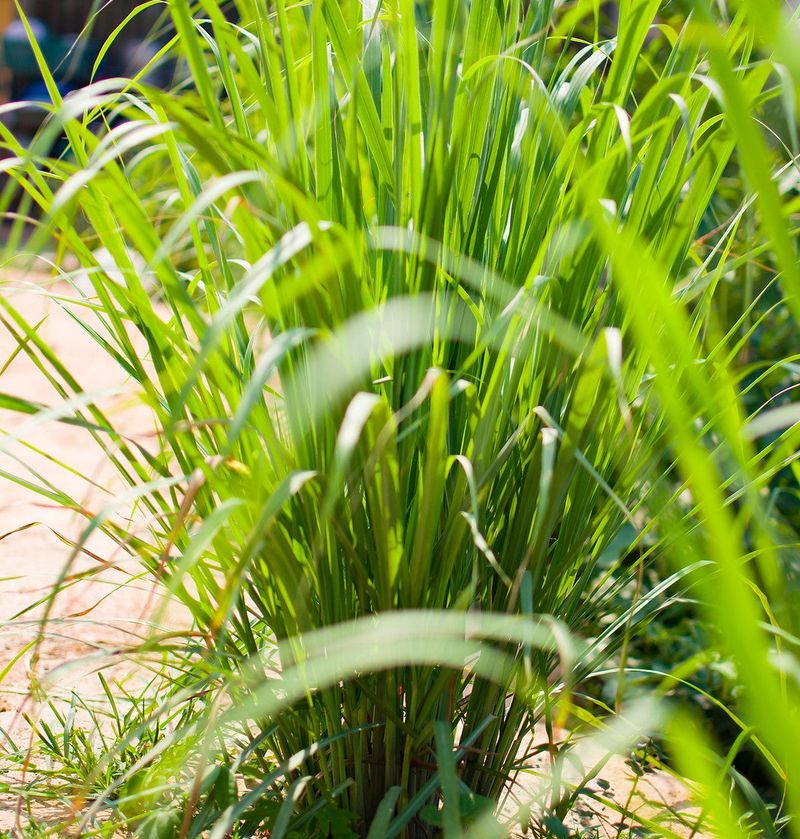
Walking outside to snip a fresh stalk of lemongrass before cooking dinner is one of those small pleasures that makes home gardening so rewarding.
Michigan gardeners who grow their own have access to one of the most flavorful culinary herbs available, and they never have to pay grocery store prices for it again. Fresh lemongrass has a brightness and intensity that store-bought simply cannot match.
In the kitchen, lemongrass adds a clean, citrusy depth to soups, stir-fries, curries, marinades, and teas.
It is a foundational ingredient in Thai and Vietnamese cooking, but its flavor works beautifully in a wide range of recipes from grilled chicken to homemade salad dressings.
You use the lower, pale portion of the stalk, which contains the most concentrated flavor and aroma.
Growing your own also means you control exactly how the plant is raised, with no pesticides or unknown handling between farm and table.
For Michigan families interested in cooking with fresh, homegrown ingredients, lemongrass is an exciting and somewhat unexpected addition to the herb garden.
It sparks curiosity in the kitchen and encourages trying new recipes and cuisines. Once you cook with freshly harvested lemongrass from your own Michigan backyard, the experience of growing it becomes just as satisfying as eating it.
7. The Citrus Scent Makes Your Garden Feel Amazing
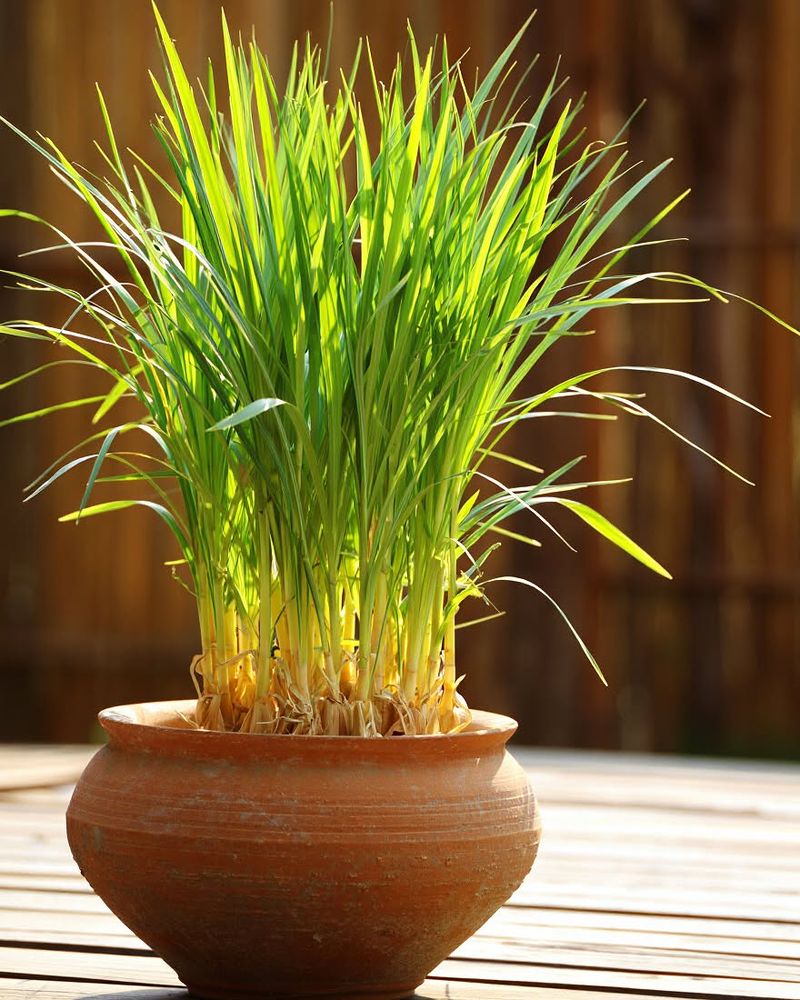
Some plants look great but offer nothing beyond their appearance. Lemongrass, on the other hand, engages multiple senses at once, and the scent alone is worth planting it for.
Brush against the leaves while walking through your Michigan garden, and you get an instant burst of fresh, clean citrus that is both uplifting and deeply satisfying.
The aroma comes from the natural oils in the leaves, particularly citral, which is the same compound responsible for the scent of lemon zest. It is bright, clean, and energizing in a way that makes spending time outdoors even more enjoyable.
Michigan gardeners who place lemongrass near seating areas or garden pathways get to enjoy this sensory experience every single time they step outside during the growing season.
Beyond just smelling wonderful, the fragrance of lemongrass has long been associated with relaxation and mental clarity in traditional wellness practices.
While your garden is not a spa, there is something genuinely refreshing about being surrounded by a natural citrus scent on a warm Michigan afternoon.
You can also harvest the leaves to make simple herbal teas that carry that same bright, soothing aroma straight into your cup. It is the kind of garden experience that makes neighbors stop and ask what that incredible smell is coming from your yard.
8. Can Help Discourage Certain Insects Naturally
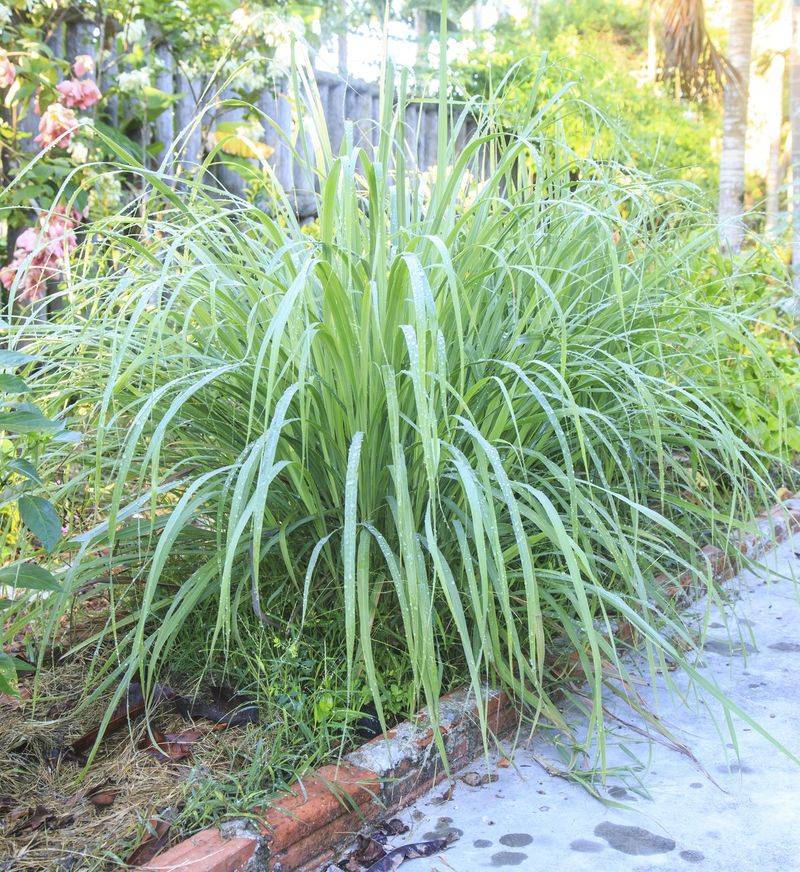
Nobody enjoys swatting at bugs while trying to relax on the patio, and lemongrass offers a pleasant, natural way to make outdoor spaces a little more comfortable. The plant contains citronella oil, which is widely recognized as a natural insect deterrent.
While lemongrass is not a complete solution on its own, planting it near seating areas can help reduce the presence of certain unwanted insects in your Michigan backyard.
Citronella is the same ingredient used in many commercial candles and sprays, but having it growing fresh in your garden is a much more appealing option.
The scent is strongest when the leaves are brushed or disturbed, so placing a pot or two near high-traffic outdoor areas makes practical sense.
Michigan summers are meant to be enjoyed outside, and anything that makes that experience more pleasant is worth trying.
Pairing lemongrass with other aromatic plants like basil, lavender, or rosemary can create a more effective and beautiful natural barrier in your garden. Think of it as building a fragrant, functional border that looks great and serves a real purpose.
While you should still use other protective measures for serious pest problems, lemongrass adds an extra layer of natural support without any chemicals involved.
Michigan gardeners looking for eco-friendly garden solutions will genuinely appreciate what this plant brings to the outdoor experience.
9. Raised Beds In Michigan Are Ideal For Lemongrass
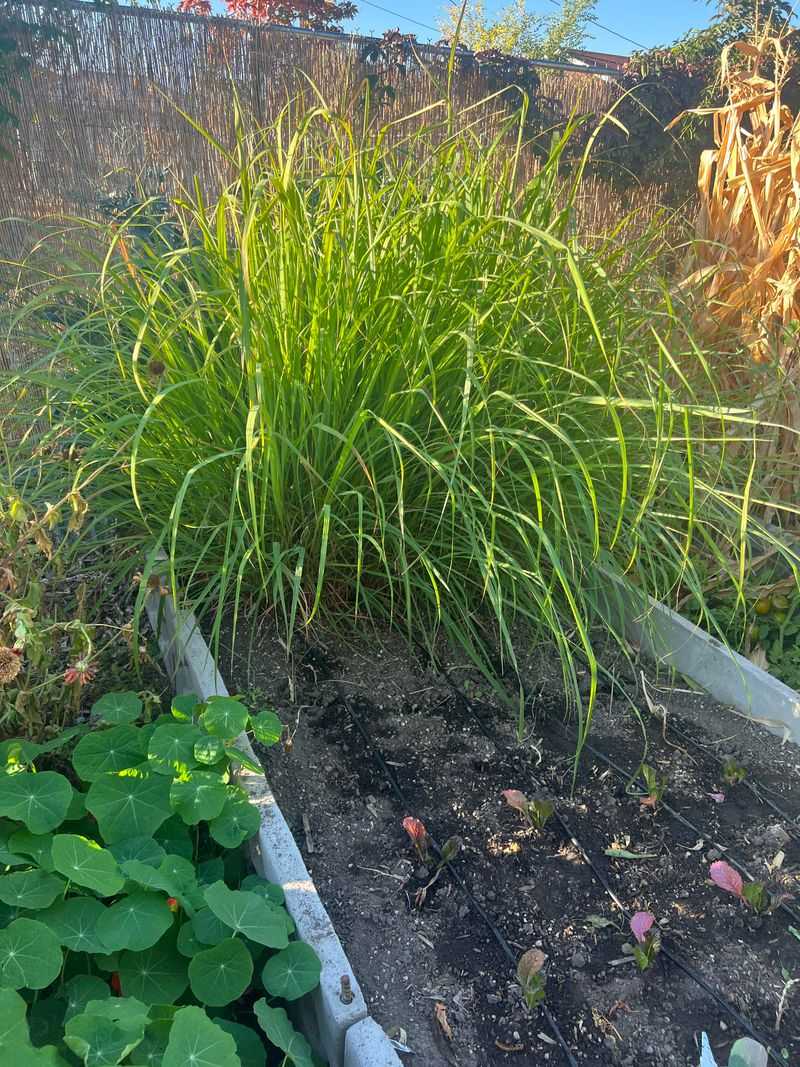
Raised beds have become incredibly popular among Michigan gardeners, and lemongrass is one of the best plants to fill them with.
The combination of warm, well-draining soil and full sun exposure that raised beds naturally provide is almost exactly what lemongrass needs to perform at its very best. It is like the plant was designed with raised beds in mind.
Michigan soil can be heavy and clay-rich in many areas, which makes drainage a real challenge for moisture-sensitive plants. A raised bed filled with a quality mix of compost, topsoil, and perlite gives lemongrass the loose, fertile environment it craves.
The soil in raised beds also warms up faster in spring, which means you can get lemongrass established a little earlier in the Michigan growing season without worrying about cold, soggy ground.
Another bonus of raised beds is that they make harvesting and maintaining lemongrass much easier on your back and knees. You can access the plant from all sides, trim it back when needed, and divide the clump without digging into compacted ground.
Placing lemongrass at the center or back of a raised bed and surrounding it with companion herbs like cilantro, basil, or Thai basil creates a stunning and functional herb garden.
Michigan gardeners who try this setup often say it becomes their favorite corner of the entire yard.
10. You Can Start It From Grocery Store Stalks
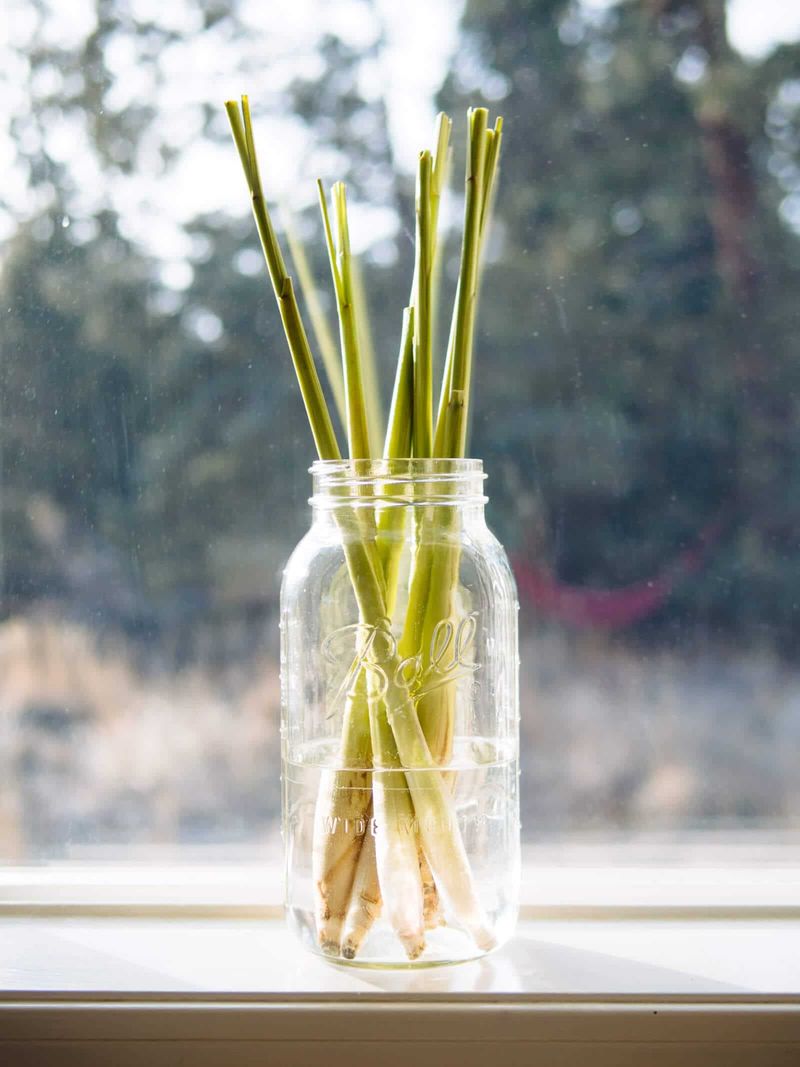
Starting a plant from scratch usually means buying seeds or seedlings from a garden center, but lemongrass breaks all those rules in the most satisfying way.
You can actually root fresh stalks purchased from a regular grocery store and grow them into full plants right in your Michigan home. It is one of the most budget-friendly gardening tricks out there.
All you need is a few fresh lemongrass stalks with the base still intact, a glass of water, and a sunny windowsill. Trim the tops down to about six inches, place the stalks in an inch or two of water, and wait.
Within one to two weeks, you will start seeing tiny white roots forming at the base. Once those roots reach about an inch long, the stalks are ready to be potted up or planted outside after Michigan’s last frost.
This propagation method is not only inexpensive but also incredibly rewarding, especially for newer gardeners who want to see quick results. A bunch of lemongrass from the store costs just a few dollars and can yield multiple plants for your Michigan garden.
Sharing rooted stalks with neighbors or friends is a fun way to spread the joy of growing this herb around the community.
Few plants make it this easy and affordable to get started, which is exactly why Michigan gardeners keep coming back to lemongrass season after season.