The One Thing You Must Do For Tender Michigan Perennials Before October Wraps Up
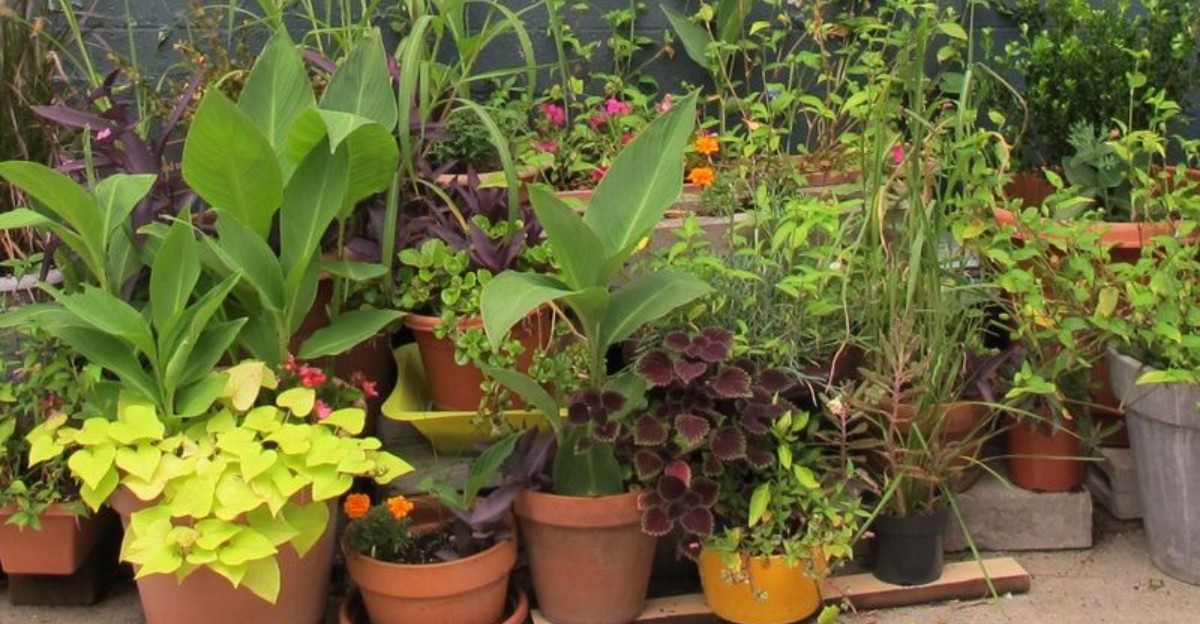
Some perennials look tough but are not built for Michigan’s coldest weeks. They return in mild years and disappear in harsh ones. That uncertainty frustrates many gardeners.
The plants often get blamed, when the real issue is how they were prepared. October is the last comfortable month to help them. Soil is still workable, days are still mild, and plants are settling toward rest.
One simple task, done at the right moment, can make the difference between a strong spring and an empty spot. It takes little time and few supplies. Waiting until the ground freezes makes the job harder and less effective.
Do it now, and your tender perennials have a much better chance to come back.
1. Know Which Plants Won’t Survive In The Ground
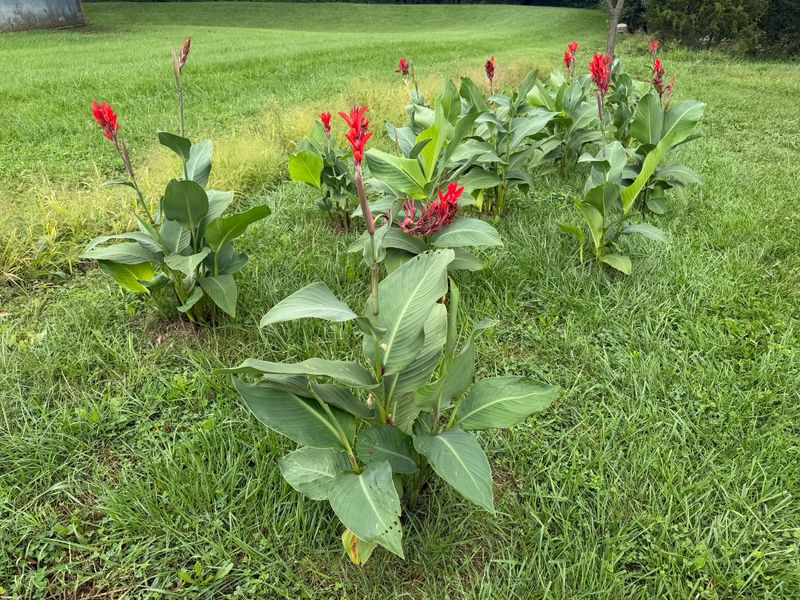
Every garden has a few divas, and in Michigan those divas are your tender perennials.
Plants like dahlias, cannas, gladiolus, elephant ears, tuberous begonias, geraniums, rosemary, lantana, tropical hibiscus, and mandevilla come back year after year in warm places. Here, though, a Michigan winter is simply too harsh for them outdoors.
Hardy perennials are a different story. Coneflowers, hostas, daylilies, and peonies can stay right where they are, because they are built for cold winters.
So the one big job before October ends is moving tender plants out of the cold, and that starts with knowing who is who.
Grab those plant tags you tucked in a drawer last spring. Look for the hardiness zone, which tells you the coldest winter a plant can handle.
Most of Michigan falls in USDA zones 4 through 6, with the warmest spots in the southwest and the coldest in the Upper Peninsula. If a tag says zone 8 or higher, that plant needs your help.
Next, sort your tender plants into three simple groups. Bulbs and tubers like dahlias and cannas get dug and stored. Potted plants like hibiscus and mandevilla come indoors as houseplants, and easy rooters like geraniums and coleus can be saved as cuttings.
Timing matters more than you might think. Hard freezes often hit much of Michigan by late October, and northern areas can see them weeks earlier.
A quick walk around your yard with a notepad now gives you a clear plan, so you are not racing the weather with a shovel in one hand and a flashlight in the other.
2. Dig Tender Bulbs And Tubers Before The Ground Freezes
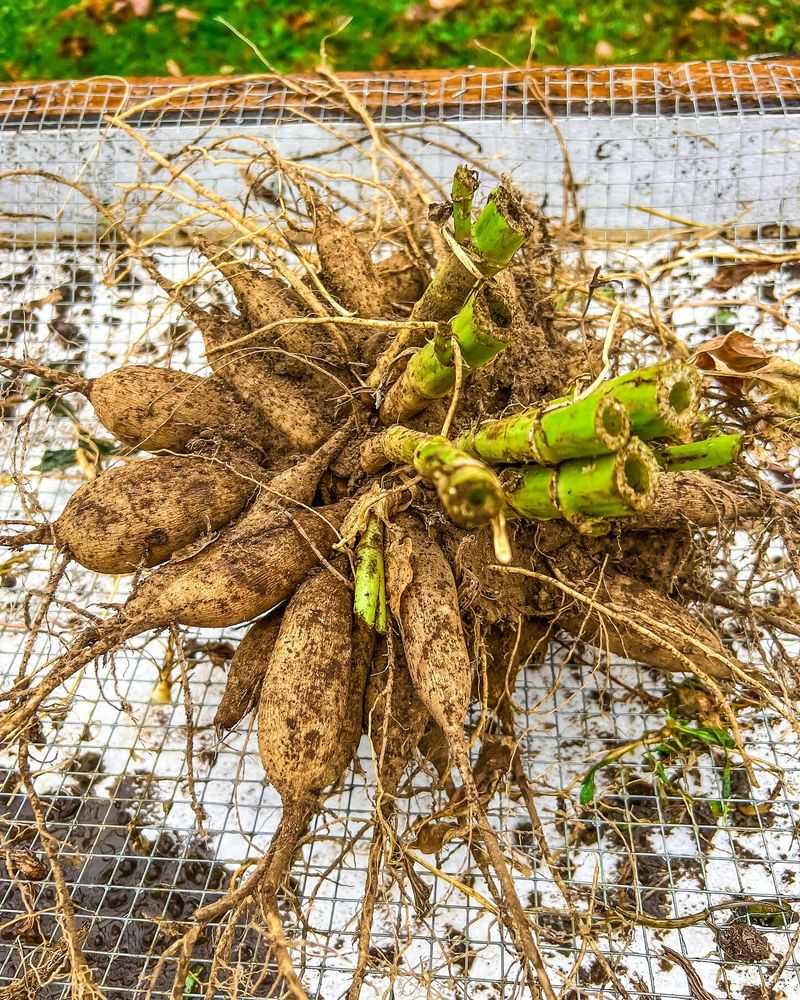
Frost-blackened dahlia leaves look sad, but they are actually your signal to grab a garden fork.
That dark, wilted foliage tells you the plant has stopped growing and the tubers below are ready to come up. Waiting a few days after that first frost helps the tubers toughen their skins for storage.
Dahlias, cannas, gladiolus, and elephant ears all grow from underground parts like tubers, corms, and rhizomes.
Frozen soil damages them, yet they store surprisingly well indoors when you lift them at the right time. Think of it as tucking them into bed for a long winter nap.
Start by cutting the stems back to a few inches. Then dig wide around the plant, at least a foot away, so you do not slice into the clumps. Lift gently, and shake or brush off the loose soil instead of scrubbing hard.
Your Michigan Garden Changes Every Week. Your Plan Should Too.
Gardening in Michigan changes quickly throughout the season. Every Friday you’ll receive a simple weekly plan showing exactly what to plant, prune, fertilize, harvest, and protect so you never miss the right timing.
Let them dry for a few days in a frost-free spot, like a garage on a mild week or a covered porch. After that, nestle them in peat moss, vermiculite, or paper bags. A cool space that stays above freezing, ideally around 40 to 50°F, works best.
Labels are your future best friend. Write each variety name on the bag or right on the tuber with a permanent marker, because every dahlia looks the same in January.
Michigan soil can freeze solid in November, and once that happens, digging becomes hard work or flat-out impossible. Getting your bulbs up before October wraps up means you will have them ready to replant when spring finally rolls around.
3. Bring Potted Tender Plants Indoors
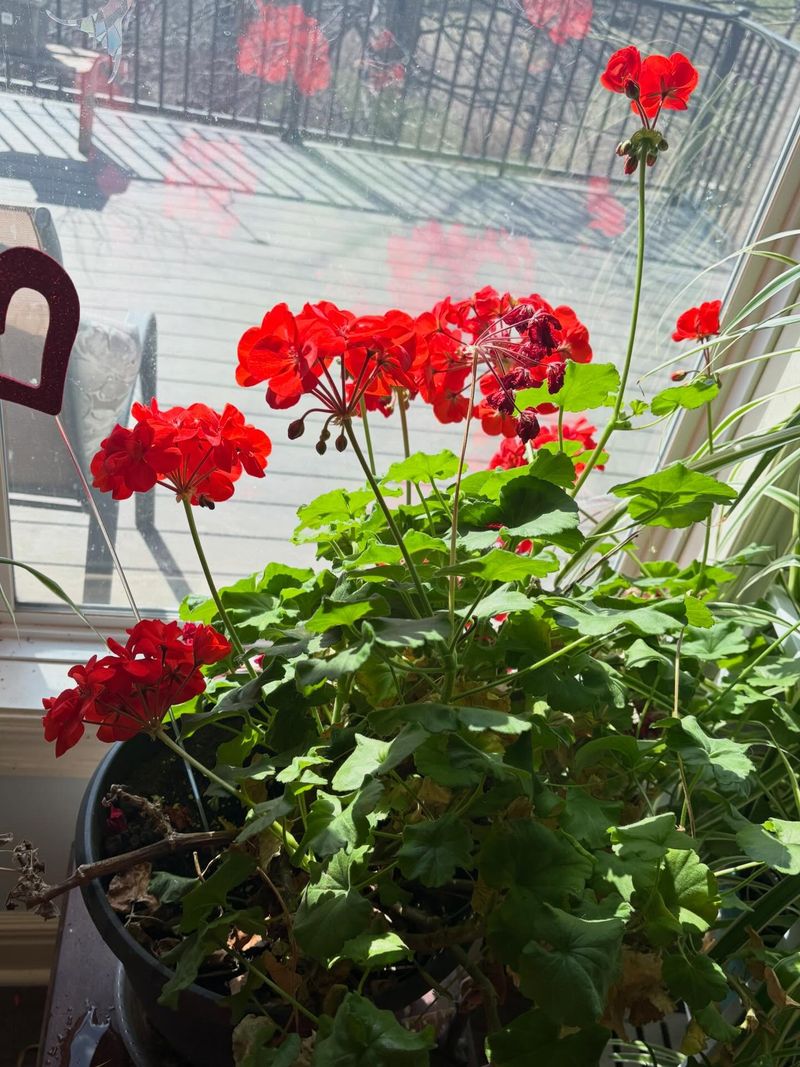
A blooming hibiscus in your living room while snow piles up outside feels a little like cheating winter.
It is also one of the smartest money-saving moves a gardener can make. Instead of buying new plants every spring, you simply bring your favorites inside and let them carry on.
Geraniums, tropical hibiscus, mandevilla, and lantana are happy to live as houseplants for a few months.
They may slow down and bloom less, but they keep growing in bright light. Come spring, they head back outside bigger and stronger than any small plant from the store.
Watch the nighttime temperatures closely. Many tropical plants start to suffer once nights dip below 50°F, and most should be indoors before temps fall to about 40°F. Cold damage can show up as yellow or spotted leaves even before frost arrives.
Once inside, light becomes the most important thing. A south or west facing window is ideal, and a simple grow light can fill the gap on gray days. Michigan winters are famous for cloudy skies, so extra light makes a real difference.
Go easy on the watering can, too. Plants grow slower indoors and use less water, so let the top of the soil dry a bit between drinks. Skip the fertilizer until spring, since feeding a resting plant only encourages weak, stretchy growth.
Early cold snaps are common here, and a single chilly September night can catch you off guard. Moving pots before the forecast surprises you keeps your plants healthy and ready for another season of color.
4. Give Rosemary A Cool, Bright Spot
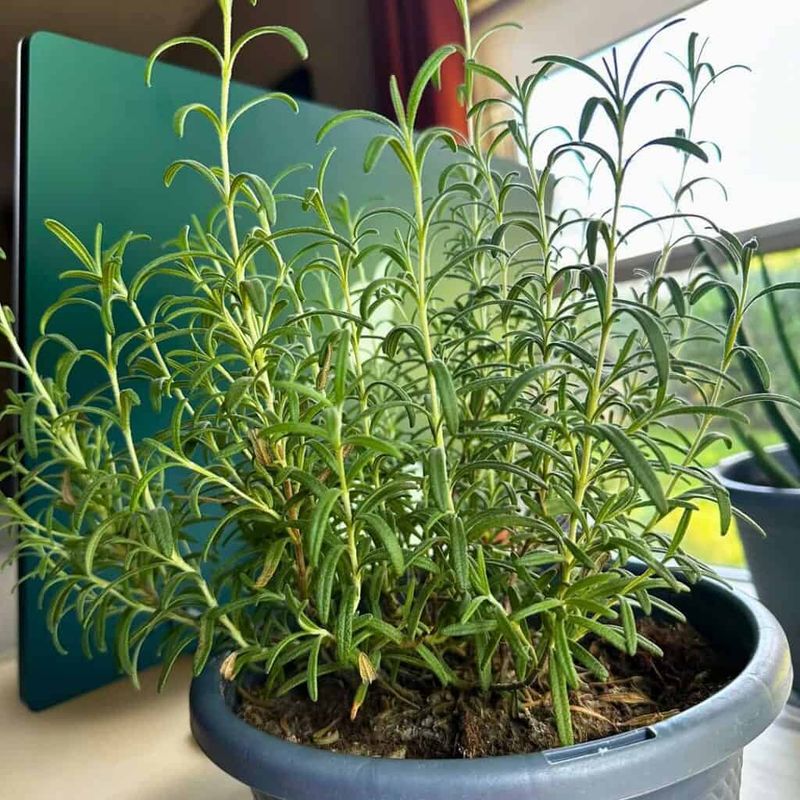
Rosemary has a reputation as the houseplant that breaks hearts. Plenty of Michigan gardeners carry a beautiful pot inside in October, only to watch it turn brown and crispy by February.
The secret to beating those odds is understanding what this Mediterranean herb really wants. Most rosemary is not reliably hardy in Michigan, so it needs to come inside before hard freezes hit.
Some varieties, like Arp, handle more cold, but even they struggle through our toughest winters. Indoors, the trouble usually comes from warm, dry rooms with weak light.
Rosemary actually prefers things cool. A bright window in a chilly room, like an enclosed porch, a spare bedroom, or a cool basement window, often works far better than a cozy kitchen.
Temperatures in the 40s to 60s suit it nicely, as long as the room stays above freezing. Watering takes a careful balance.
Check the soil with your finger, and water when the top inch feels dry. Never let the whole pot dry out completely, since rosemary roots can be damaged quickly and the plant may not show trouble until it is too late.
Good air flow helps, too. Powdery mildew, a white dusty coating on the leaves, loves still, stuffy air. Spacing plants apart or running a small fan nearby on low can keep it away.
With a little attention, your rosemary can keep sending out fragrant sprigs all winter. Imagine snipping fresh herbs for roasted potatoes in January, straight from your own windowsill.
5. Take Cuttings When Space Is Short
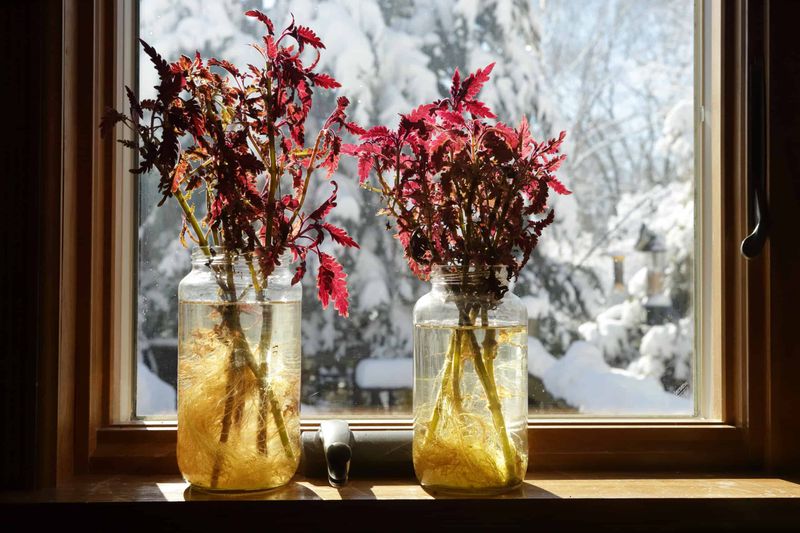
Not everyone has room for a jungle of giant pots in their house. Maybe your windows are already full, or maybe that lantana grew as big as a beach ball this summer. Cuttings offer a clever way out, letting you save your plants in a fraction of the space.
Geraniums, coleus, and some salvias root easily from stem pieces. A row of small jars on a windowsill takes up far less room than a full-grown plant. Better yet, cuttings are often healthier and tidier than an old, leggy plant hauled in from the patio.
Start with healthy stems that have no flowers or pests. Cut pieces about 4 to 6 inches long, just below a leaf joint. Then strip off the lower leaves so nothing sits under water or soil.
You have two easy options for rooting. Set the stems in a glass of water, or poke them into moist potting mix. Either way, place them in bright, indirect light, since harsh direct sun can scorch tender new cuttings.
Coleus roots quickly in water, often within a week or two. Geraniums usually prefer potting mix and may take a few weeks to settle in. Once roots form, move each cutting to its own small pot and let it grow on a sunny windowsill.
Timing works beautifully in Michigan. Cuttings taken in early fall can grow into full, bushy plants by late May or early June, right when it is safe to plant outside again, giving you a free garden refill.
6. Check For Pests Before Moving Anything Inside
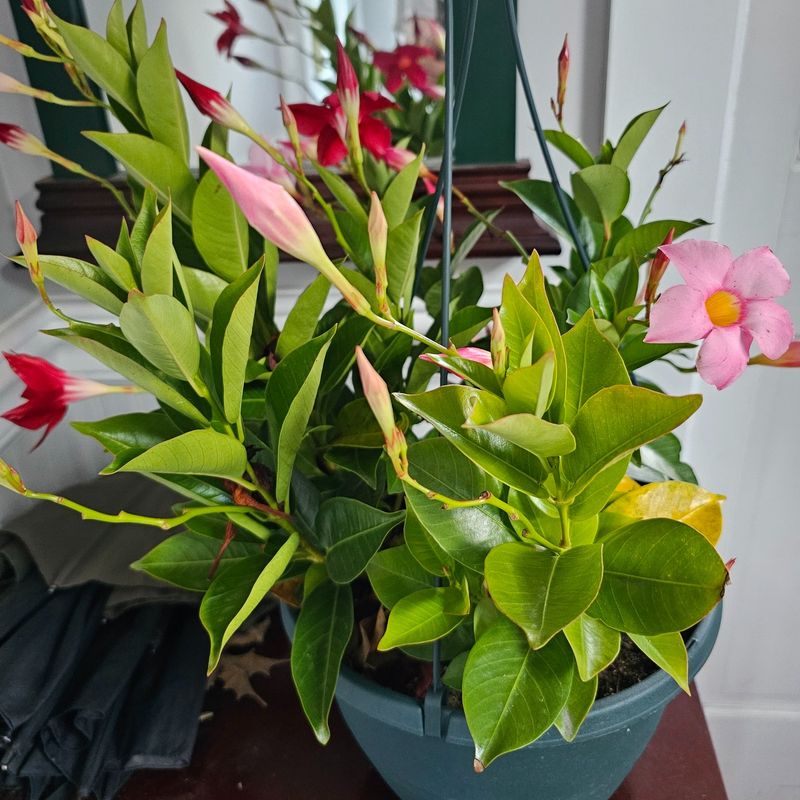
Tiny hitchhikers love a free ride indoors. Plants that spent summer outside often carry spider mites, mealybugs, aphids, whiteflies, and scale, and you may not notice them at first glance. Once inside, these pests can quickly spread to every houseplant you own.
Outdoors, ladybugs, lacewings, and rain help keep pests in check. Indoors, there are no natural predators, and warm, dry air is exactly what spider mites love. A few bugs in October can turn into thousands by Christmas.
Give every plant a careful once-over before it crosses your doorstep. Flip the leaves and check the undersides, then look along the stems and where leaves meet branches. Watch for webbing, sticky spots, white fluff, or tiny bumps that scrape off.
Next, take the plant to the yard and rinse it with a gentle spray from the hose. Clean water knocks off many pests right away. If you still see trouble, treat with insecticidal soap or horticultural oil, following the label carefully.
Soil can hide pests too, so try soaking each pot in a tub of water for about 15 minutes. Bugs living in the soil will float up or crawl out. Let the pot drain well before bringing it in.
Keep new arrivals in a separate room for a few weeks, like a quarantine zone. In Michigan, tender plants may live indoors for six months or more, and that is a long time to battle a bug outbreak. A little prevention now saves a lot of frustration later.
7. Store Dormant Plants Where They Won’t Freeze
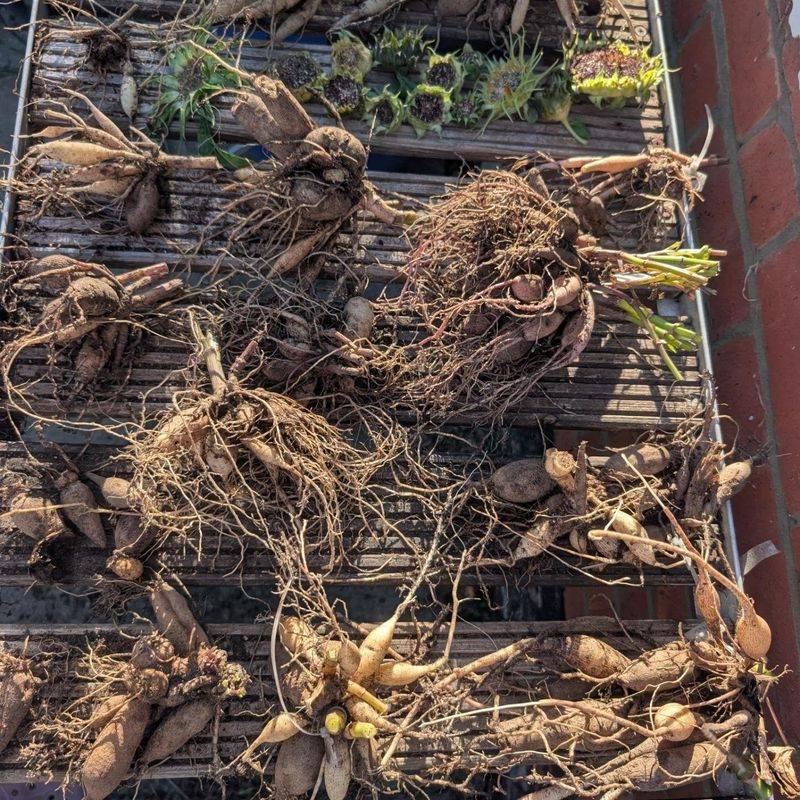
Basements finally get their moment to shine in winter. That cool, slightly dim space downstairs is often the perfect home for dormant bulbs, tubers, and resting potted plants.
Choosing the right spot can make the difference between plump, healthy tubers and a mushy mess in March.
Dormant plants need cool conditions to stay asleep. If they get too warm, they may sprout early and grow weak and pale. Freezing temperatures, though, damage their tissue, so the sweet spot is cool but always above 32°F.
A cool basement, root cellar, or unheated but frost-free room works well. Aim for about 40 to 50°F for most tubers and bulbs. An unheated garage might seem handy, but it is risky in Michigan.
During deep cold snaps, garage temperatures can drop well below freezing, sometimes overnight. Many gardeners learn this lesson the hard way after one frigid January week. A basement against the foundation tends to stay much steadier.
Keep a simple thermometer near your stored plants. Some models even record the lowest temperature, which shows you what happened on the coldest night. If things get too chilly, move bins closer to the house or wrap them in an old blanket.
Once a month, take a quick peek at everything. Gently squeeze tubers and remove any that feel soft or show mold, so problems do not spread to the rest.
If tubers look shriveled, a light mist of water can perk them up, and soon spring will arrive to bring them back to life.