What To Do With A Blueberry Bush After Harvest To Get More Berries Next Year
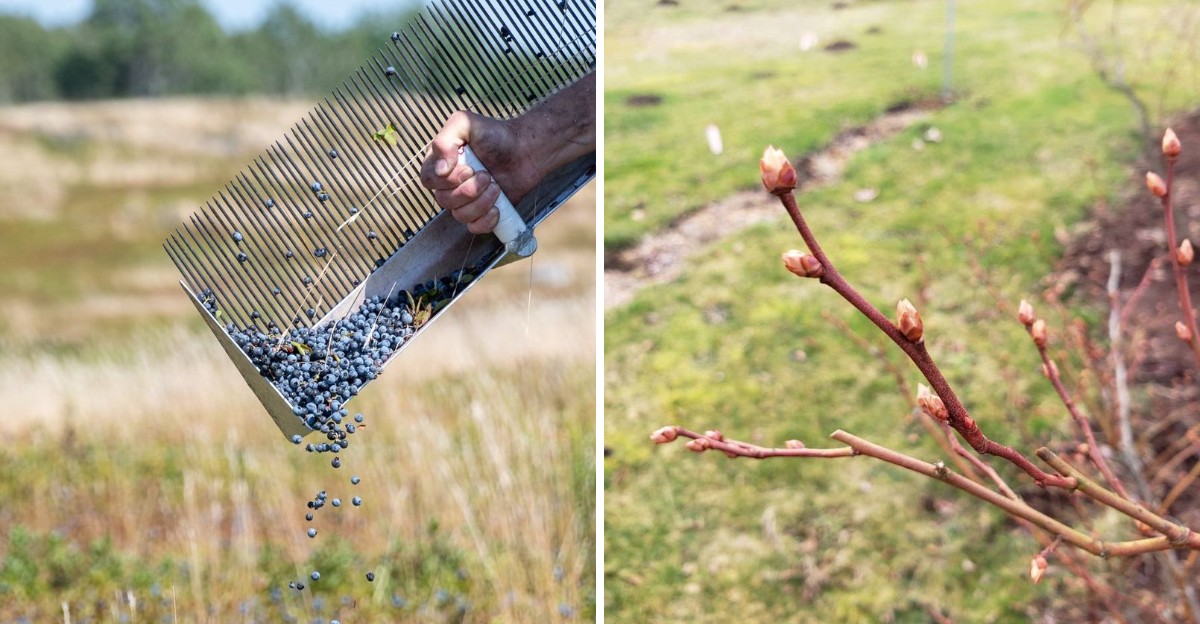
Do you know when your blueberry bushes decide next summer’s harvest? Flower buds are forming right now, shaping the crop you will pick.
Rake the fallen leaves away, because mummified berries and litter harbor fungus. Test your soil, since blueberries demand acidity and fade on neutral ground.
Spread pine bark mulch to lock moisture around shallow roots. Water deeply before the ground freezes, because dry roots struggle through winter.
Skip nitrogen fertilizer now, since it pushes tender growth that frost damages. Tackle these chores this month and you improve your chances of bigger, sweeter berries.
Imagine July with heavy branches and a bowl that overflows. Winter tests plants, but prepared roots and buds hold their promise.
Save heavy thinning for late winter so sunlight reaches the fruiting wood next season. Act before snow arrives, and you fill that bowl higher.
These tips suit cold-winter regions, so in mild climates prune and feed lightly right after harvest.
1. Give The Bushes A Deep Drink
Picture a marathon runner crossing the finish line and nobody hands them water. Your blueberry bushes feel the same way after pumping out pounds of fruit all summer.
Long after picking ends, the plants are busy building flower buds for next year. Those tiny buds need steady moisture to form properly before cold weather arrives.
Shallow roots are part of the problem here. Most of the root system sits in the top foot of soil, so it dries out fast.
Aim for about one inch of water each week in fall, including rainfall, and up to two inches during hot, dry spells. A simple rain gauge stuck in the ground helps you track what nature already provided.
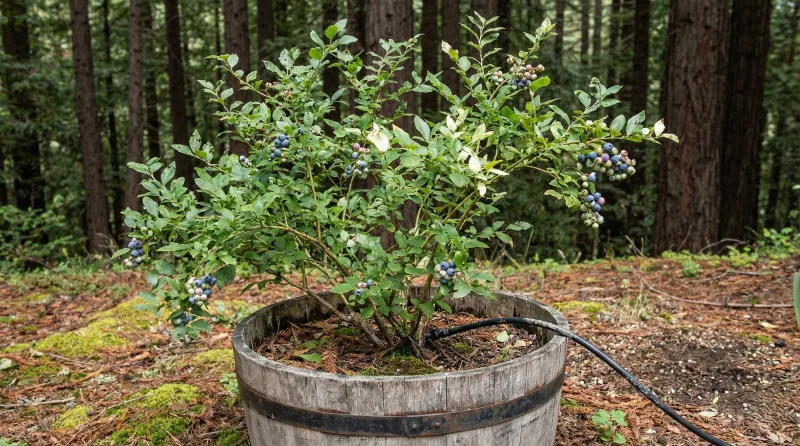
Soaker hoses or drip lines work well because they deliver water slowly at the base. Overhead sprinklers waste water and can leave leaves damp, which invites fungus.
Morning is the best time to water during dry spells. Any splashes on the leaves dry quickly in the sun instead of sitting overnight.
In October, keep watering if your area has a dry autumn. Stop once the ground starts to freeze, since frozen soil cannot soak anything up.
Try the finger test if you feel unsure. Push a finger two inches into the soil, and water if it feels dry.
Waterlogged soil can also harm roots, so skip watering after heavy rain. Roots sitting in puddles can rot and weaken the whole plant.
Think of each deep drink as a savings deposit for summer. Next July, those well-fed buds will pay you back in plump fruit.
2. Snip Off Broken And Sickly Branches
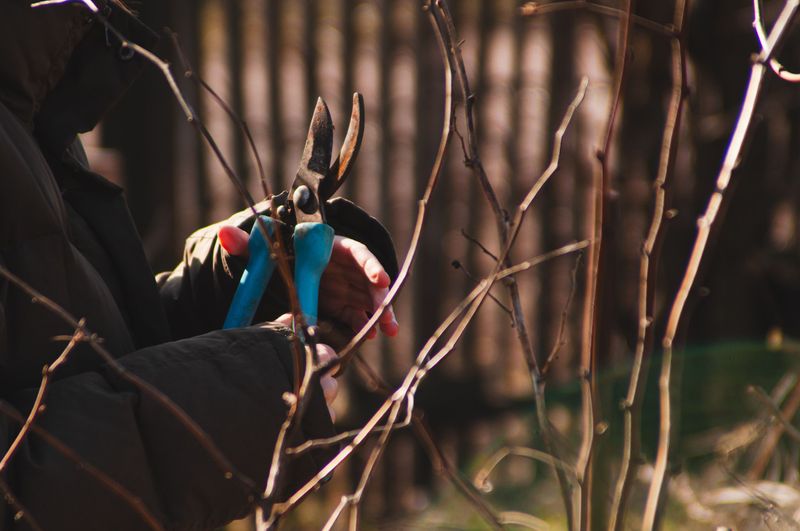
Grab your pruners, but hold that big haircut for now. Fall is the season for small, careful snips, not a dramatic makeover.
Heavy pruning in autumn can spark tender new growth. That soft growth is damaged by the first hard frost and weakens the plant.
Instead, walk around each bush and look for obvious trouble. Snap-damaged branches, cracked canes, and stems with dark, sunken spots should go.
Brittle gray wood that shows no green under the bark can also come off. Scratch it lightly with your thumbnail to check for a green layer underneath.
Cut back to healthy wood, just above a bud or side branch. Make clean, slanted cuts so rainwater slides off instead of pooling.
Wipe your blades with rubbing alcohol between plants. Germs ride along on dirty tools and can spread from one bush to the next.
Toss all the clippings in the trash rather than the compost pile. Some fungus spores survive winter in old wood and return in spring.
Save the real thinning job for late winter, when the plants are fully asleep. Then you can remove the oldest canes and open up the center.
Older canes, usually six years or more, produce fewer and smaller fruits. Young, vigorous canes are the real stars of a big harvest.
A little tidy work now makes that winter job much easier. Consider it a quick sweep before the big spring cleaning.
Your bushes will head into winter cleaner, stronger, and ready to bounce back. That fresh start shows up in sweeter, fuller clusters next summer.
3. Test And Adjust The Soil Acidity
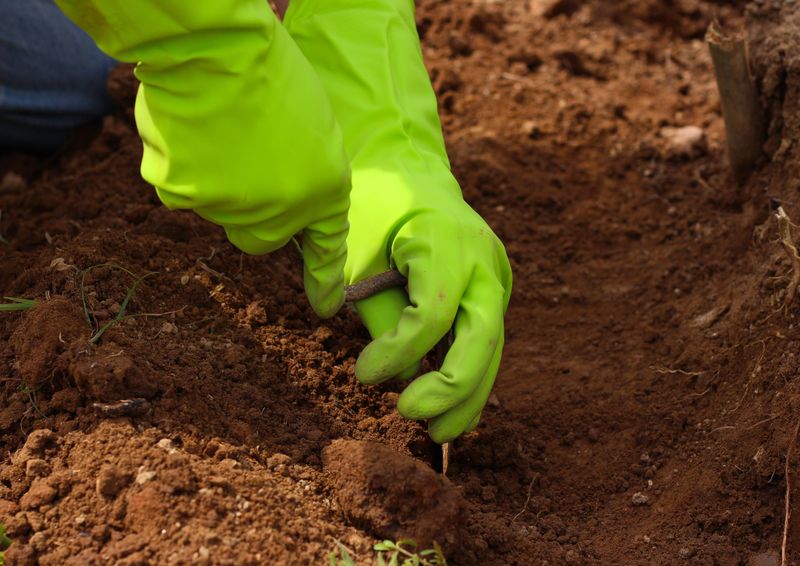
These shrubs are picky about soil. They want it sour, like a lemon, not sweet like regular garden dirt.
The ideal pH sits between 4.5 and 5.5. Many yards have a pH closer to 6.5 or 7, which is higher than blueberries prefer.
When soil is too sweet, roots struggle to absorb iron and other nutrients. Leaves turn yellow with green veins, and fruit production drops off.
October is a smart month to test because the plants are slowing down. Changes you make now get a head start, though sulfur works slowly in cold soil.
Pick up an inexpensive soil test kit at a garden center. Your local extension office can also run a detailed lab test for a small fee.
If the number is too high, sprinkle elemental sulfur around the drip line. Soil bacteria slowly turn sulfur into acid over several months.
Go easy, though, because too much sulfur can injure the roots. Follow the package directions and add small amounts each year instead of one huge dose.
Peat moss can lower pH modestly. Pine needles and used coffee grounds have little measurable effect, so rely on a soil test and sulfur.
Avoid wood ash and lime near these plants. Both raise pH and reduce the benefit of your acidifying.
Retest every year or two to see how things are changing. Getting the soil right is like fixing the foundation before painting the house.
Once the pH settles into the sweet spot, everything else gets easier. Fertilizer works better, leaves stay greener, and berries ripen fuller and tastier.
4. Hold Off On Fall Fertilizer
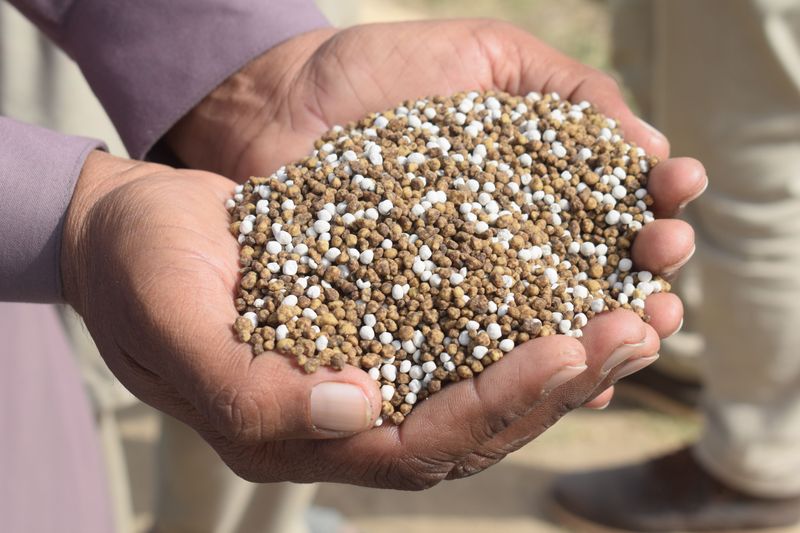
Feeding a plant sounds kind, but timing matters more than you might think. In autumn, a big dose of fertilizer can harm the plants.
Nitrogen tells plants to grow leafy new shoots. Those shoots stay soft and green when cold weather hits, so frost damages them easily.
Your bushes are trying to toughen up for winter right now. They are hardening their stems and storing energy in their roots.
So when should you feed them? The best schedule splits fertilizer into early spring and late spring doses.
Stop nitrogen feeding by early July in cold regions and by late July in milder ones. That gives new growth plenty of time to mature before October chills arrive.
Choose a fertilizer made for acid-loving plants, like azaleas and rhododendrons. Look for ammonium sulfate or products labeled for hollies and evergreens.
Skip nitrate-based fertilizers because these shrubs cannot use nitrate well. It can even harm the roots over time.
Compost is a gentler option you can spread in fall, but check its pH first, since many composts are neutral to alkaline. It feeds soil life slowly without pushing a sudden burst of growth.
Just add a thin layer, about one inch, around the base. Keep it a few inches away from the stems to prevent rot.
Think of fall like bedtime for your plants. Handing them a sugary snack right before bed only makes them restless.
Patience now pays off when spring arrives. The plants wake up rested, hungry, and ready to soak up a proper meal.
Mark your calendar for early spring so you remember the first feeding. A sticky note on the garage door works surprisingly well too.
5. Refresh The Mulch Around The Roots
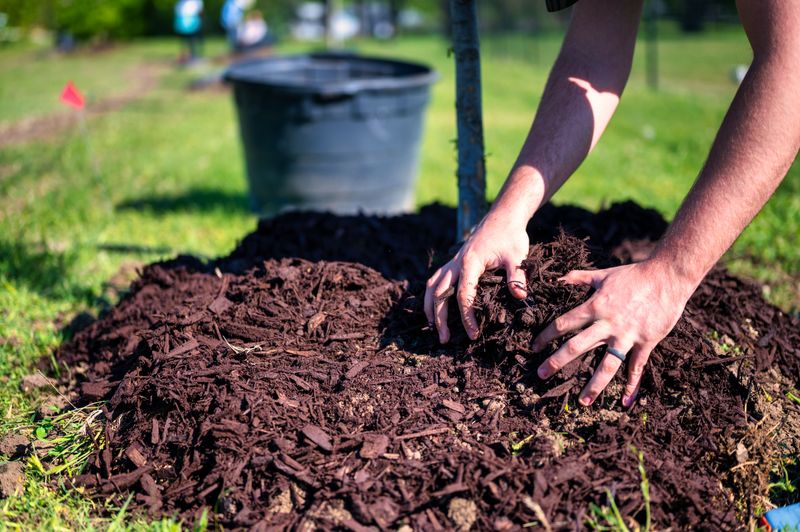
Wild relatives of these shrubs grow in acidic woodlands, bogs, and barrens with spongy, organic soil. Mulch helps recreate that cozy home in your own backyard.
Because the roots grow so close to the surface, they need a protective blanket. Mulch keeps them moist in dry spells and insulated during freezing nights.
By October, last spring’s mulch may have thinned out, depending on the material. Bare patches leave roots exposed to cold and sudden temperature swings.
Pine bark, pine needles, and shredded hardwood all make excellent choices. Pine materials break down slowly and hold moisture well.
Spread a layer about two to four inches deep. Cover the area out to the edge of the branches, where many feeder roots hide.
Leave a small gap around the main stems. Mulch piled against the canes traps moisture and invites rot and chewing mice.
Steer clear of fresh grass clippings in thick piles. They mat down, get slimy, and can heat up as they rot.
Sawdust works in a pinch, but it may borrow nitrogen from the soil. Aged sawdust causes fewer problems than fresh material from the lumberyard.
One more perk is fewer weeds next spring. A thick layer blocks sunlight, so weed seeds struggle to sprout.
Over time, the mulch breaks down into rich, crumbly soil. Soil organisms help pull it deeper, improving the ground for years.
Tucking your plants in now feels a lot like pulling a quilt over a sleepy kid. Come spring, they wake up warm and ready to bloom.
6. Rake Up Fallen Leaves And Fruit
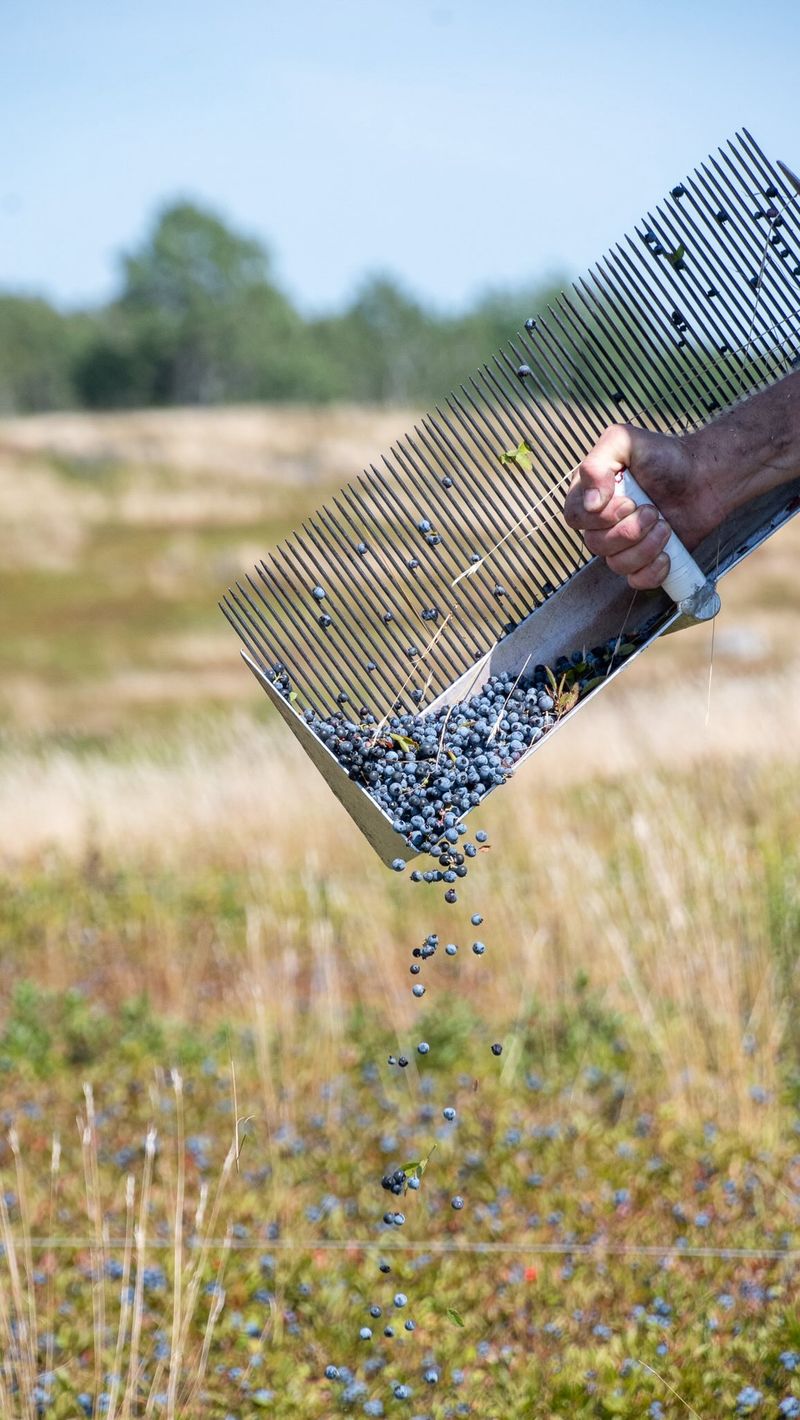
Fruit you missed in July can still harbor disease. Rotting fruit and fallen leaves give pests and fungus a place to shelter.
Mummy berry is a fungus with a spooky name, perfect for October. It turns fruit hard and shriveled, and the fungus overwinters in those mummies on the ground.
Spotted wing drosophila, a tiny fruit fly, also breeds in leftover fruit. Cleaning up reduces breeding sites for next season.
Grab a leaf rake and gently clear the area under each bush. Be careful around the shallow roots and avoid digging into the soil.
Pick off any shriveled fruit still hanging on the branches too. These dried leftovers can carry disease into the new season.
Bag the debris and put it out with the trash. Many home compost piles do not get hot enough to inactivate fungus spores. Bag the leaves too, since disease can persist in fallen litter.
After raking, add a fresh layer of mulch at least two inches deep to bury any mummified berries you missed. That barrier blocks them from releasing spores in spring.
Cleanup also helps you spot other issues early. You might notice gnawed bark, odd spots, or tunnels from voles.
Make it a family chore with hot cider waiting afterward. Kids love crunching through leaves, and the work goes twice as fast.
A tidy garden floor may seem like a small detail. Yet it can reduce disease pressure on next year’s crop.
7. Pull Weeds And Grass From The Base
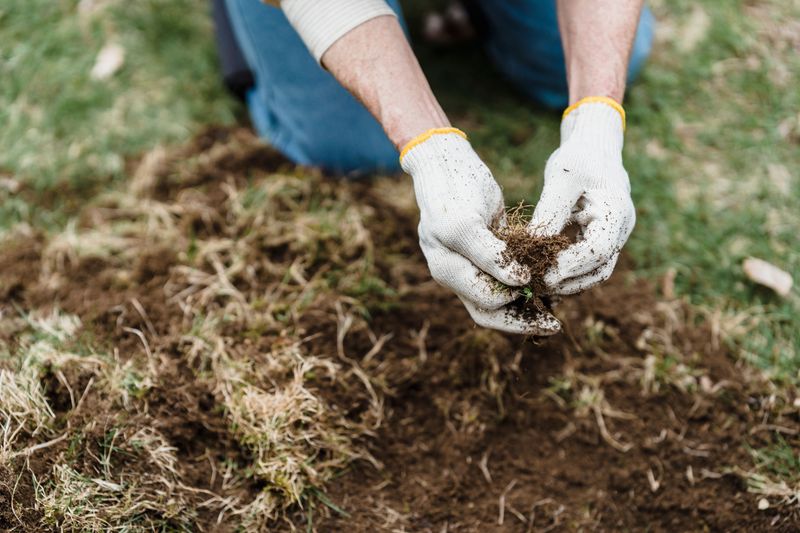
Weeds compete with your bushes for the water, nutrients, and sunlight they need to build next year’s buds.
Grass is one of the worst offenders. Its thick roots form a dense mat that crowds out the shallow roots of fruiting shrubs.
Fall weeding has a sweet bonus. Pulling perennial weeds and winter annuals now reduces next year’s weed pressure.
Hand pulling works best around these plants. Hoes and tillers can slice through roots hiding just below the surface.
Water the area a day before you weed. Moist soil lets roots slide out easily, so less soil gets disturbed.
Wear gloves and grip each weed low near the base. Pull slowly and steadily to get the whole root out.
Tough perennial weeds like bindweed may need several rounds. Keep at it, and they will lose strength over time.
Avoid spraying herbicides near your bushes. Drift can harm leaves and roots, and some chemicals linger in the soil.
Once the area is clear, aim for a weed-free circle around each plant. About two to three feet wide gives roots room to breathe.
Cardboard topped with mulch makes a cheap, effective weed barrier. It smothers sprouts and breaks down naturally by spring.
Many gardeners find weeding oddly relaxing on a crisp fall afternoon. Put on a podcast, grab a kneeling pad, and enjoy the quiet.
Your bushes will face less competition. With less competition, they can focus their energy on growing plump fruit buds.
8. Guard The Buds From Hungry Critters
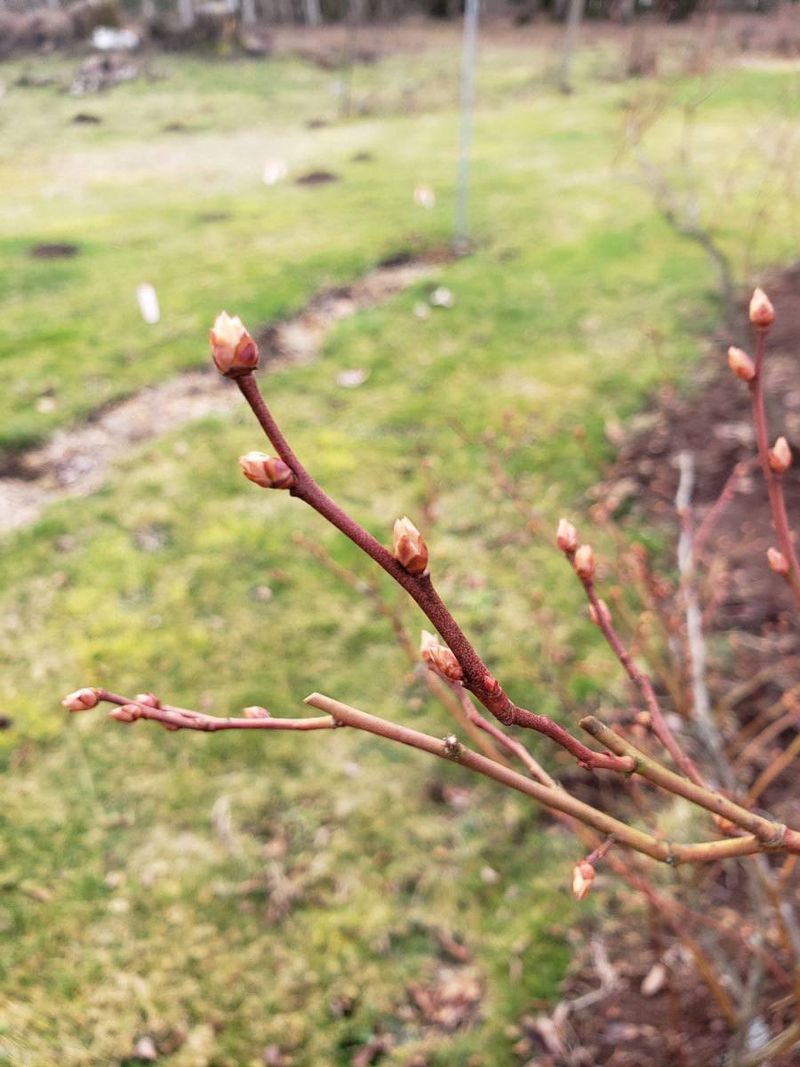
Rabbits and deer browse blueberry twigs in winter. To them, your bushes are a food source.
Once snow covers the grass, rabbits and deer go looking for tender twigs. Unfortunately, those twigs hold the flower buds that become next year’s fruit.
Look closely at a branch tip in October. Plump, rounded buds will turn into flowers, while skinny, pointed ones become leaves.
Deer can heavily browse a bush over a few nights, and losing those fat buds reduces next year’s berry crop.
Chicken wire cages work well for small plants. Make them at least two feet tall for rabbits, and secure the bottom.
Deer need taller protection, ideally a fence about eight feet high. Plastic deer netting draped over bushes is a cheaper option for small gardens.
Voles and mice cause trouble below the snow line. Wrap hardware cloth loosely around the base to protect the bark.
Pull mulch back slightly from the stems so rodents cannot hide right against them. Those little critters love a cozy tunnel next to a tasty snack.
Some gardeners try homemade sprays with garlic or hot pepper. They help a bit but need reapplying after rain or snow.
Check your barriers after big storms during the winter. Heavy snow can flatten netting or open gaps in fences.
Protecting buds might feel fussy, but it pays off big. Each flower bud you protect now can become a cluster of sweet fruit next summer.