Mud-Like Smears On Indiana Firewood Can Hold Dozens Of Invasive Eggs
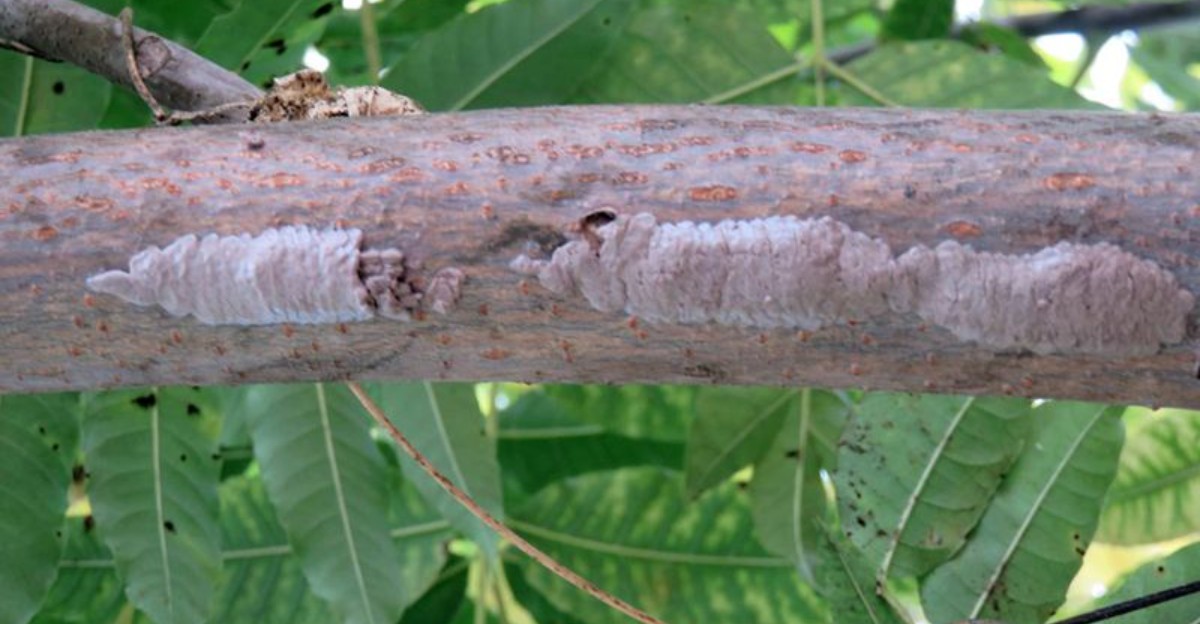
Picture grabbing a split log from the backyard pile on a crisp Indiana morning in October. The bark feels rough and cool, but one gray patch looks smooth, like dried mud smeared there.
Many people would brush it off with a gloved thumb and toss the log onto the fire. That crusty patch, though, may be worth a much closer look than any splinter or spider in the wood.
Under that putty-colored coating, rows of tiny seed-like shapes can sit packed together, waiting for warmer weather. A single smear the size of your thumb may hold thirty to fifty of these hidden passengers.
Firewood travels farther than you might guess, riding in truck beds, camper racks, and neighborly trade across Indiana. Each trip can give those tucked-away passengers a free ride toward new trees, fresh vines, and unsuspecting backyards.
So before that next log lands on the grate, it pays to take a slower, closer look at the bark. A smudge that small can carry a surprisingly big story inside its dry, crusty gray shell.
Egg Masses From An Asian Planthopper
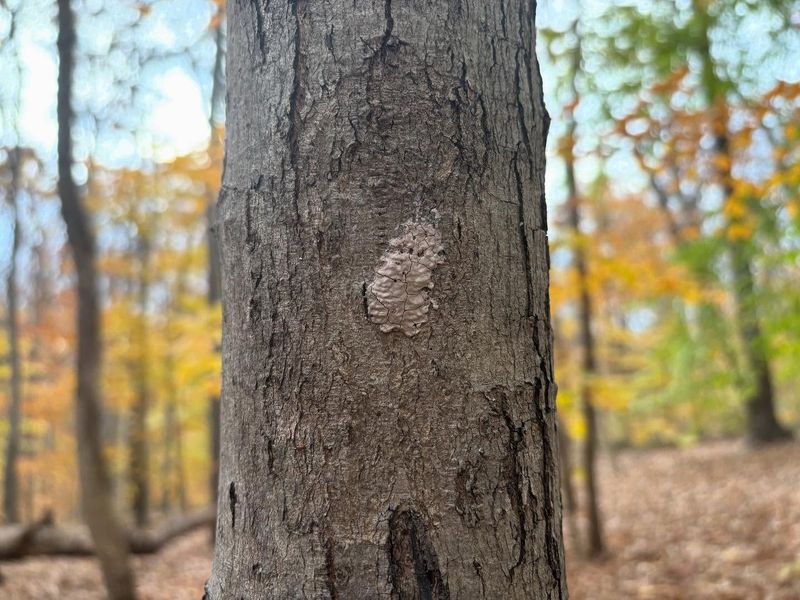
Those gray, mud-like smears are often egg masses laid by the spotted lanternfly, a colorful planthopper from Asia. Females cover their eggs with a waxy paste that dries into a crusty shell resembling dull, cracked putty.
Each mass usually measures about one to one and a half inches long, roughly the size of a thumbprint. Inside, thirty to fifty eggs sit lined up in neat columns, like tiny seeds tucked into a garden row.
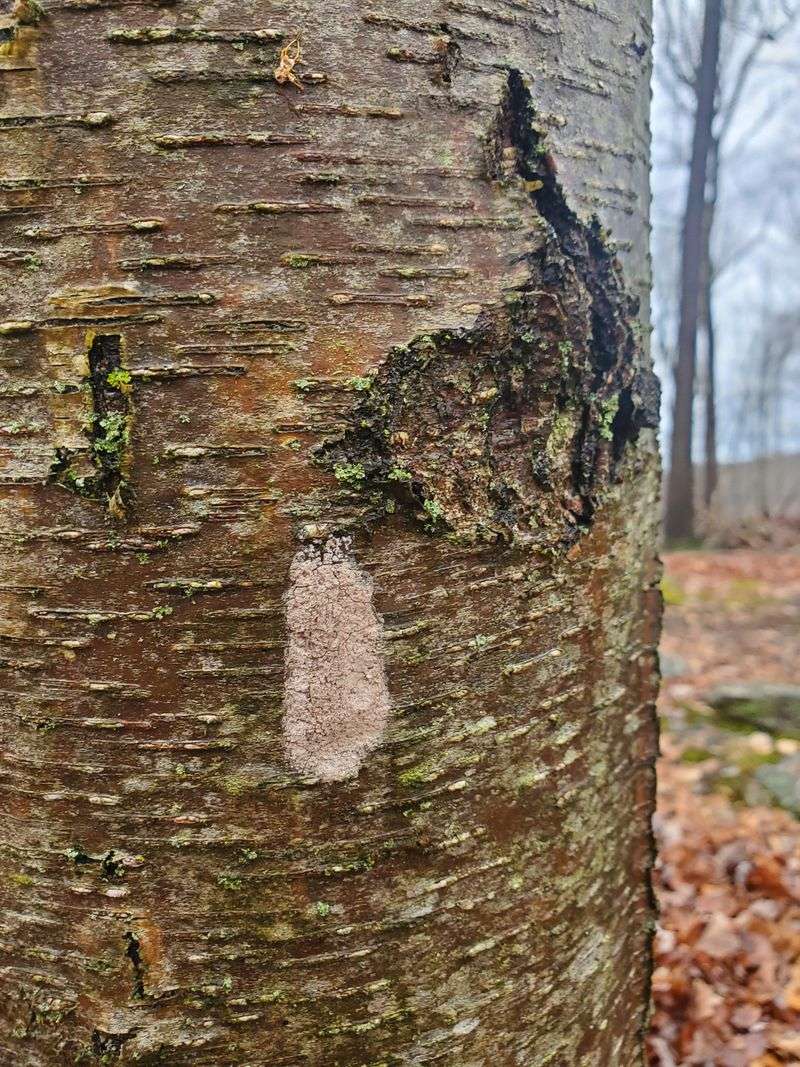
Fresh masses look shiny and grayish, almost like wet cement that someone dabbed onto the bark with a finger. Over a few weeks, the coating dries, cracks, and fades until it blends in with ordinary tree bark.
Older masses from past seasons may show rows of small holes where young insects already crawled out. Those empty shells look a bit like a worn honeycomb and mostly pose little risk to your woodpile.
Indiana confirmed its first spotted lanternfly population in Switzerland County back in 2021, along the Ohio River. Since then, sightings have popped up in several other counties, so state experts ask residents to stay alert.
Firewood bark is a favorite laying surface because it is rough, shaded, and often stacked outside for months. Females also use stones, fences, lawn chairs, and even parked trailers.
Once you learn the look, spotting these smears becomes easier, almost like finding a hidden picture puzzle. Grab a flashlight on a cloudy day, since side lighting helps the raised, crusty texture stand out clearly.
A Fall Egg Laying Window In Indiana
Grab a calendar, because the timing of these smears matters this time of year. Adult lanternflies in Indiana typically begin laying eggs in late September and continue until hard frosts arrive.
October is often a busy stretch, when females crawl down trunks and search for sturdy, sheltered surfaces. A single female may lay one or two masses, which adds up quickly when many gather on one tree.
Your Indiana Garden Changes Every Week. Your Plan Should Too.
Gardening in Indiana changes quickly throughout the season. Every Friday you’ll receive a simple weekly plan showing exactly what to plant, prune, fertilize, harvest, and protect so you never miss the right timing.
Cool nights and shorter days signal that the adults have limited time left before winter sets in. The eggs, however, are built to handle freezing weather and can sit safely through a snowy Indiana winter.
That toughness explains why fall firewood is such a concern, since logs cut now may carry fresh masses. A woodpile stacked near tree-of-heaven, maples, or black walnut trees often gets extra attention from laying females.
Hatching usually begins around late April or May, once spring temperatures warm the bark for several days. That leaves roughly seven months when the eggs sit still, which gives you plenty of time to act.
Think of October through March as scraping season, a quiet window when the pest cannot hop or fly away. Checking wood during leaf cleanup or while stacking a fresh cord fits easily into ordinary autumn chores.
Bare branches later in the season also make egg masses easier to see on trunks and limbs. Mark a few weekend afternoons for inspection, and treat it like a treasure hunt with a helpful purpose.
The Firewood Hitchhiker Problem
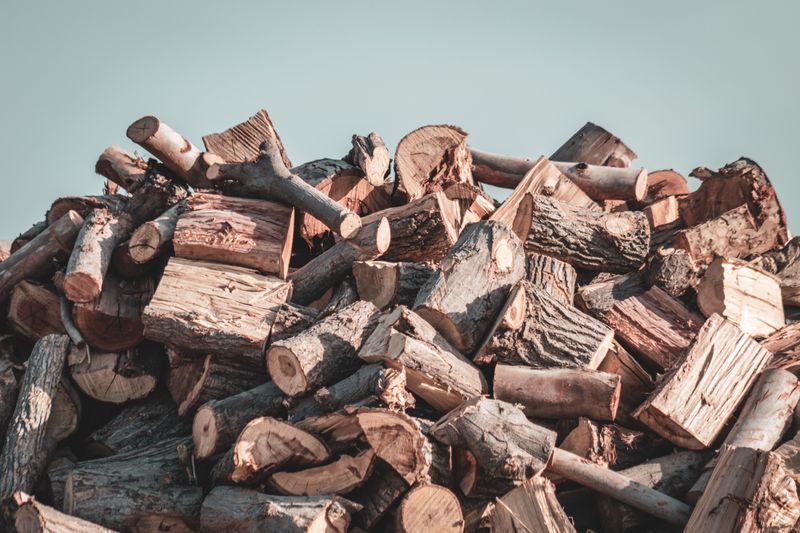
Picture a family packing the car for a fall camping trip, tossing in a bundle of logs from home. It feels thrifty and harmless, yet that bundle might carry a few egg masses straight into a state park.
Moving firewood is one of the biggest ways invasive insects spread far beyond the places they first appeared. Adult lanternflies are weak fliers, so people often carry them across long distances.
Indiana has already seen how quickly firewood can move a pest, since the emerald ash borer spread statewide that way. Ash trees across the state declined as that beetle moved from county to county, often riding inside campfire wood.
Another common slip is buying cheap wood from a roadside seller without asking where the trees were cut. Wood from an infested county can look perfectly normal, especially when the gray smears blend with bark.
Some folks also assume that eggs on firewood will burn up, so they skip checking the logs altogether. That plan only works if the logs are burned before spring, and leftover wood often sits around.
A forgotten stack behind the shed can become a hatching nursery once April sunshine warms the pile. Campers who leave extra logs at a campsite may also hand the next visitors an unwelcome surprise.
The easiest rule to remember is simple: buy firewood where you plan to burn it, close to camp. Some Indiana campgrounds sell local or heat-treated bundles, which may cost a little more but carry a lower risk.
A Simple Scrape With A Plastic Card
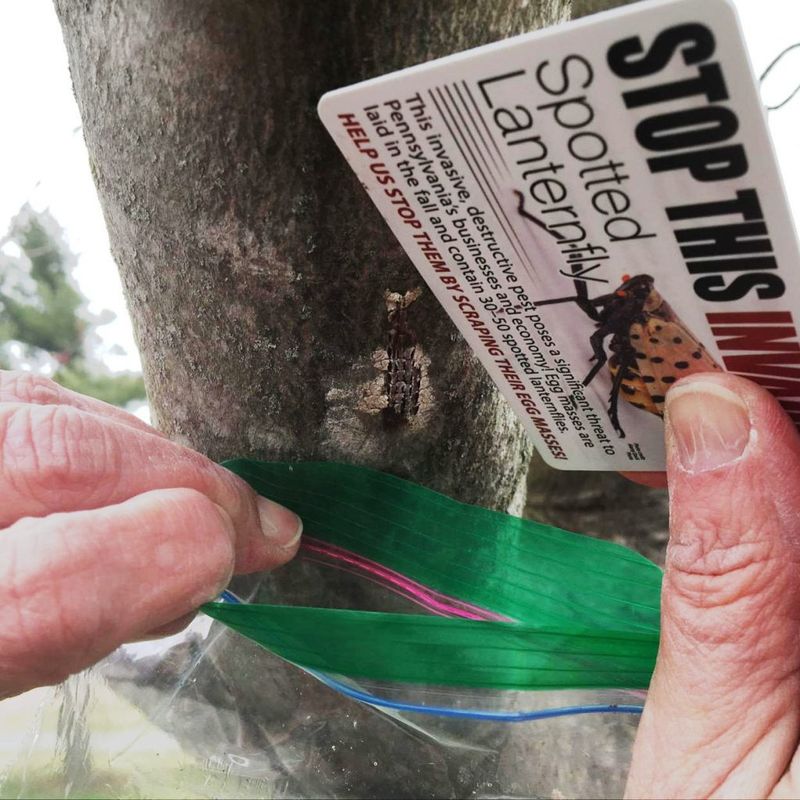
Removing an egg mass takes only a minute or two, and the tools are cheap. An old credit card, a plastic putty knife, or a sturdy gift card all work nicely for scraping.
Hold a zip-top bag or small jar right under the smear so the eggs fall in instead of scattering. Press firmly and scrape downward, and you will often hear a soft crackle as the waxy coating breaks.
Once the eggs are in the bag, seal it and press the bag flat with your hand or a shoe. The tiny eggs break open, which feels a bit like pressing bubble wrap between your fingers.
Another option is dropping the scraped eggs into a container of disinfecting solution. Seal the container and place it in the trash afterward.
Take a quick photo before scraping, since Indiana officials want to track where egg masses are being found. Reports can go to the Indiana Department of Natural Resources by email or through its online reporting tools.
Wear gloves if the bark is splintery, and check the cracks and undersides of logs where masses hide. Smears often tuck into shaded spots near the ground, so lift a few pieces and peek underneath them.
Spraying insecticide on firewood is not recommended, since the wood is meant to be burned. A simple scrape-and-seal routine costs almost nothing and works without treating the logs.
Spring Hatchlings On Indiana Vines
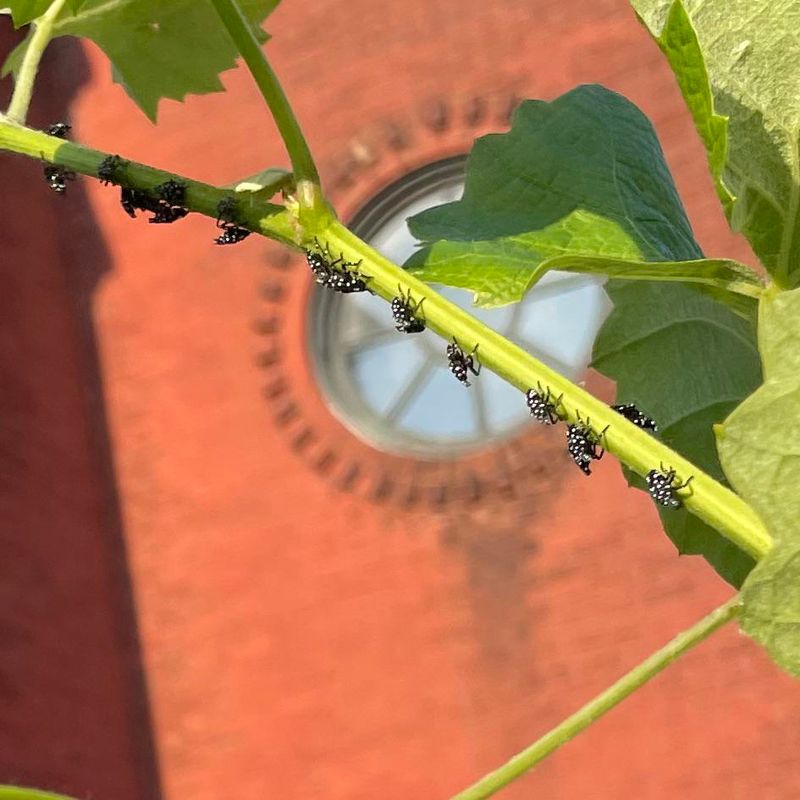
Fast forward to a warm May afternoon, when tiny black bugs with white polka dots start hopping across your patio. Those are lanternfly nymphs, and they may have hatched from one missed smear on last year’s firewood.
Young nymphs are smaller than a pencil eraser and jump surprisingly far when you try to catch them. By midsummer, many turn bright red with white spots, looking almost like little ladybugs with long legs.
Both nymphs and adults feed by sucking sap from plants, which can leave trees and vines weak and stressed. Grapevines are among the most affected plants, which worries Indiana vineyard owners and backyard growers who tend grapes for jelly.
As they feed, the insects drip a sticky, sugary liquid called honeydew onto everything below them. That gooey mess attracts wasps and can grow a black, sooty mold on decks, cars, and patio furniture.
Imagine sitting under a maple and feeling tiny drops land on your arms, like a drizzle on a sunny day. People in infested areas describe that scene, and it can make time outdoors far less pleasant.
Fun fact: the spotted lanternfly is not a true fly at all, but a planthopper related to cicadas. Its preferred host is tree-of-heaven, another invasive species that grows along Indiana highways and railroad edges.
Each egg mass scraped this October removes up to fifty potential nymphs from next spring. That math adds up fast, and it turns a small fall chore into a useful step for your yard.
Smart Firewood Habits For The Cold Months
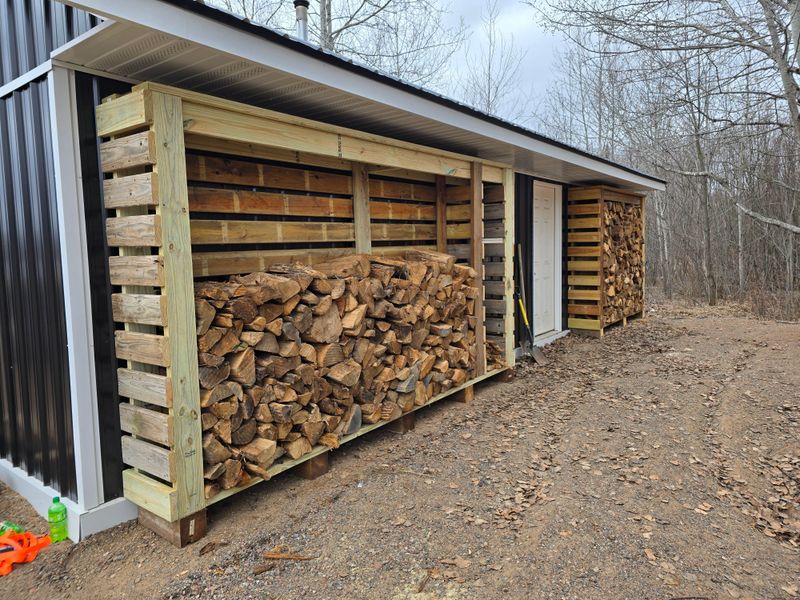
Cozy fires are one of autumn’s best pleasures, and a few smart habits help keep them pest-free all season. Start by buying wood cut within your own county, or choose bundles stamped with a heat-treated certification.
Heat treatment warms logs to a high internal temperature, which helps eliminate hidden insects and eggs before sale. Look for labels from the USDA or a state agency, since those seals show the wood met set standards.
Store your woodpile away from the house and off the ground, ideally on a simple rack with good airflow. Dry, tidy stacks are easier to inspect, and they burn hotter with less smoke drifting into the neighborhood.
Try to burn this year’s supply before April, since unhatched eggs on leftover logs can wake up in spring. If wood remains, give each piece a careful once-over and scrape any gray smears before the weather warms.
Remember that trailers, grills, and outdoor gear stored near trees can collect egg masses too during October. Before driving to another county or state, walk around your vehicle and check the hitch, bumpers, and wheel wells.
Removing tree-of-heaven from your property also helps, because adult lanternflies strongly prefer feeding and laying near it. Purdue Extension offers free resources that explain how to identify and manage this weedy tree safely.
Share what you learn with neighbors, since one sharp-eyed person on a street can spot problems early. A quick glance at the bark before each fire turns into a habit, much like checking the weather forecast.