Pansies Planted In Indiana Gardens This October Can Bloom Again After Winter Ends
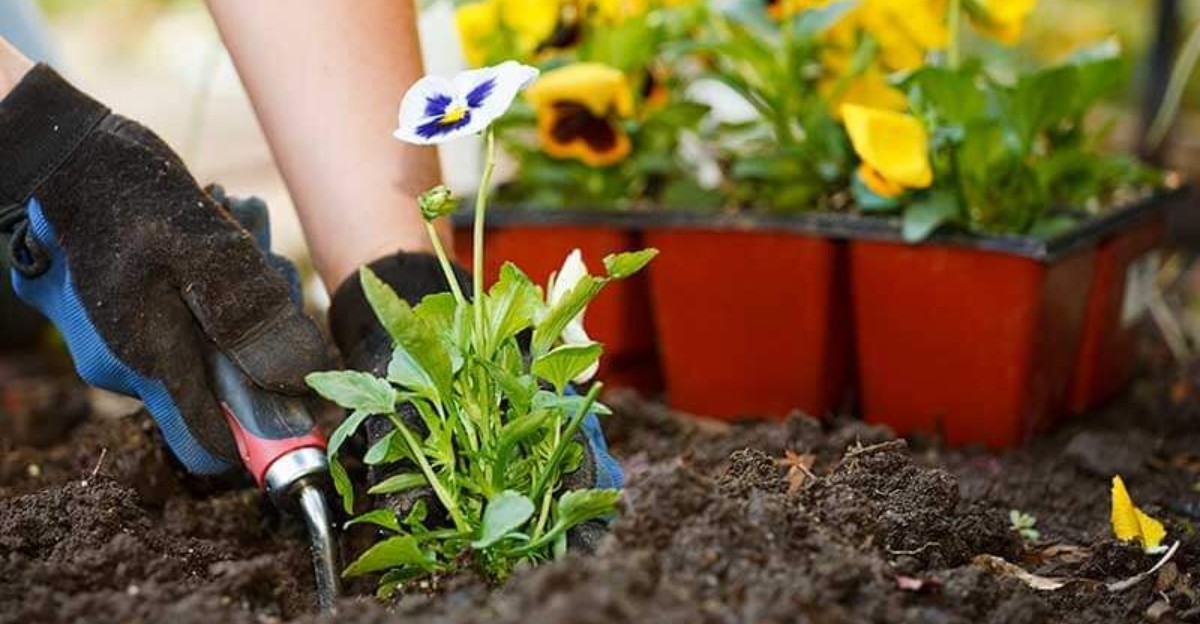
Picture a chilly October morning in Indiana, with frost sparkling on the grass like spilled sugar. Most garden beds look tired by now, with droopy stems and faded leaves everywhere you look.
Yet one cheerful little flower handles the cold well, holding up bright faces in purple and gold. It keeps standing through chilly winds like a kid who skips the coat on the way to school.
Many Indiana gardeners have seen this tough bloomer rest under snow for months and return in spring. When the ground thaws, the same plants often wake up and start flowering all over again.
A little work in the fall can pay off twice, once now and once after winter. It feels a bit like finding money in an old jacket pocket.
Cold-Hardy Roots Carry Flowers Into Spring
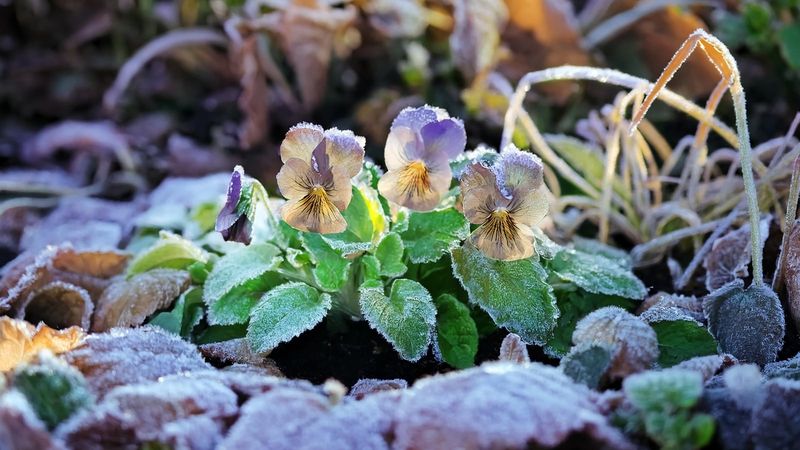
Underneath those velvety petals hides a plant with surprising grit, built for cool weather rather than summer heat. Garden pansies descend from wild European violas that grew in cool meadows, so cold nights feel almost like home.
Planting them in October gives their roots several weeks to spread through the soil before the ground freezes. Strong roots act like an anchor, holding the plant steady while snow, ice, and wind pass over it.
During the coldest part of an Indiana winter, the plant mostly rests instead of growing or making new flowers. Leaves may look limp or a little purple, but that change is often just a natural cold response.
Once temperatures climb back above freezing for a few days, the plant usually perks up quickly and stands taller. New buds form at the crown, which is the spot where stems meet the roots just above soil.
Many gardeners are amazed to see fresh blooms in March, long before most spring flowers have even sprouted. Those early faces give hungry bees a snack and give you a reason to smile at muddy beds.
Not every plant returns after a harsh winter, especially in northern counties with bitter wind. Still, a healthy, well-rooted pansy has a strong chance of returning, which makes fall planting a smart choice.
Think of fall planting as an investment, since a small flat of flowers can deliver two full seasons. Few other garden plants offer that kind of value for just a few dollars and an afternoon of digging.
The Early October Planting Window
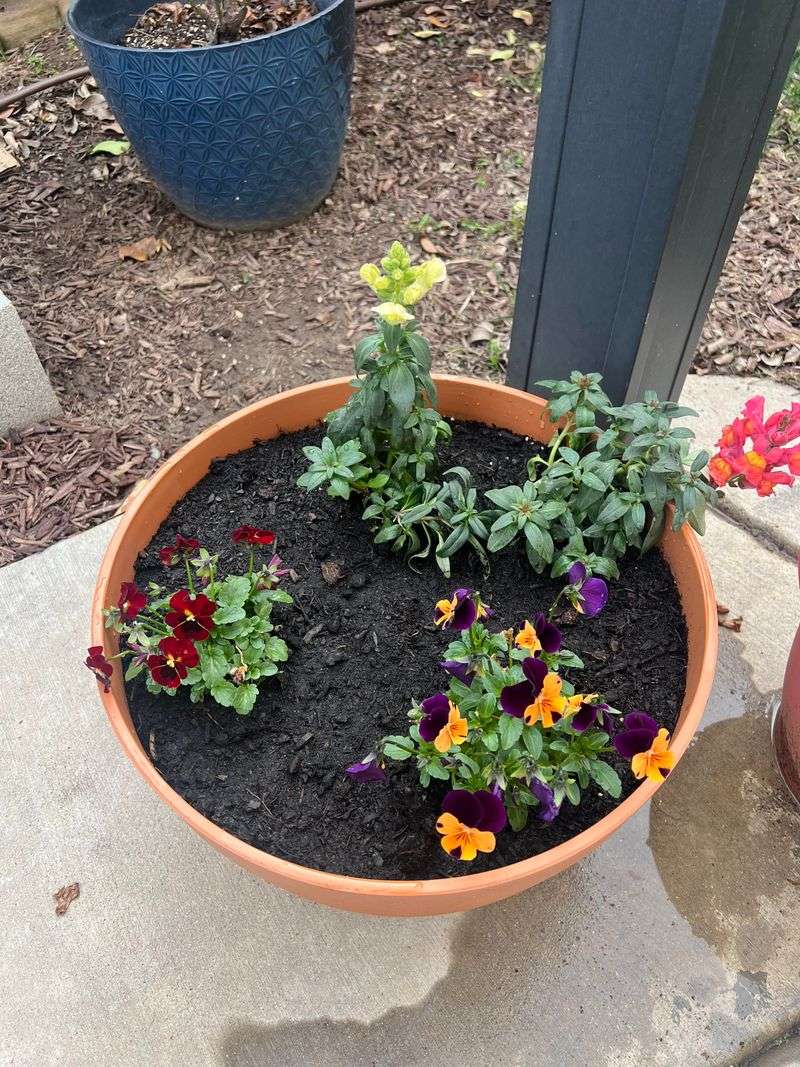
Mark your calendar for the first two weeks of October, because that stretch is prime planting time across Indiana. Soil is still warm from September, while the air has cooled enough to keep young plants comfortable.
Extension experts often suggest planting four to six weeks before the ground usually freezes in your part of the state. Gardeners near Fort Wayne or South Bend may want to start a little earlier than folks near Evansville.
Pick a cloudy afternoon if you can, since gentle light helps freshly moved plants settle in without stress. Choose sturdy plants with deep green leaves and plenty of unopened buds instead of ones in full bloom.
Your Indiana Garden Changes Every Week. Your Plan Should Too.
Gardening in Indiana changes quickly throughout the season. Every Friday you’ll receive a simple weekly plan showing exactly what to plant, prune, fertilize, harvest, and protect so you never miss the right timing.
Dig holes slightly wider than the pot, loosen any circling roots with your fingers, and set plants level. Space them about six to eight inches apart so air can move and leaves can dry after rain.
A sunny spot works best, ideally one that gets at least six hours of light on clear days. Well-drained soil matters even more, because soggy ground in winter can damage roots.
Water deeply right after planting, then check the soil every few days until steady fall rains take over. Mixing a little compost into the planting hole gives roots an easy meal as they stretch out.
Getting the timing right is a bit like baking cookies, since pulling them out on time makes all the difference. Plant during that early October window, and your flowers will thank you twice with color before and after winter.
The Late Planting Mistake
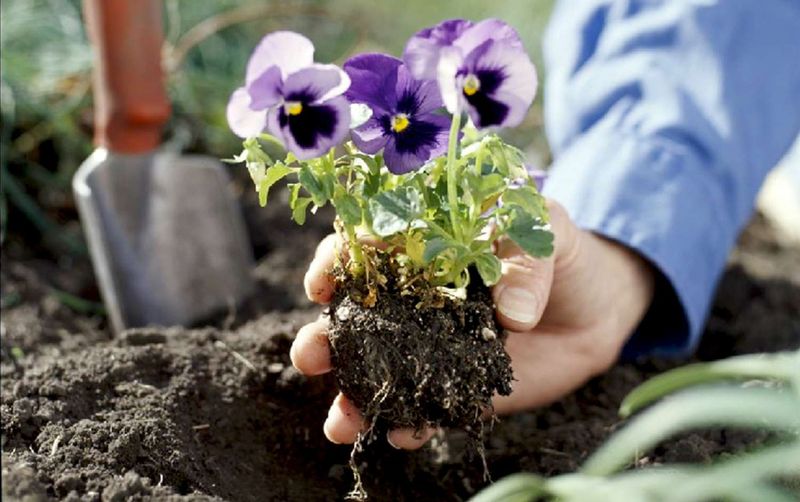
Imagine finding a clearance rack of pansies in November and planting them the week before Thanksgiving. By March, many of those bargain flowers could be gone, leaving bare patches and a very confused gardener behind.
Waiting too long is a common slip people make with fall pansies in Indiana gardens. Late plants have shallow roots that sit near the surface, where freezing and thawing can cause real trouble.
Each time soil freezes, it expands a little, and each thaw lets it shrink back down again. That constant movement can push young plants right out of the ground, a problem gardeners call frost heave.
Once roots are exposed to icy air, they dry out quickly and the plant struggles to recover. Another sneaky mistake is choosing plants that are already stretched tall and leggy from sitting in store pots.
Those tired plants have spent their energy on flowers instead of roots, so they often struggle after frost. Overwatering in late fall can also cause problems, since cold, wet soil invites moisture-related root problems.
If you do end up planting late, press the soil firmly around each plant to reduce air pockets. Check the bed after thaws, and gently push any lifted plants back into place with your palm.
Container pansies placed against a sheltered wall can also handle a late start better than exposed beds. Still, the easiest fix is simple: plant early, and save the clearance rack hunting for garden gloves instead.
A Winter Mulch Blanket
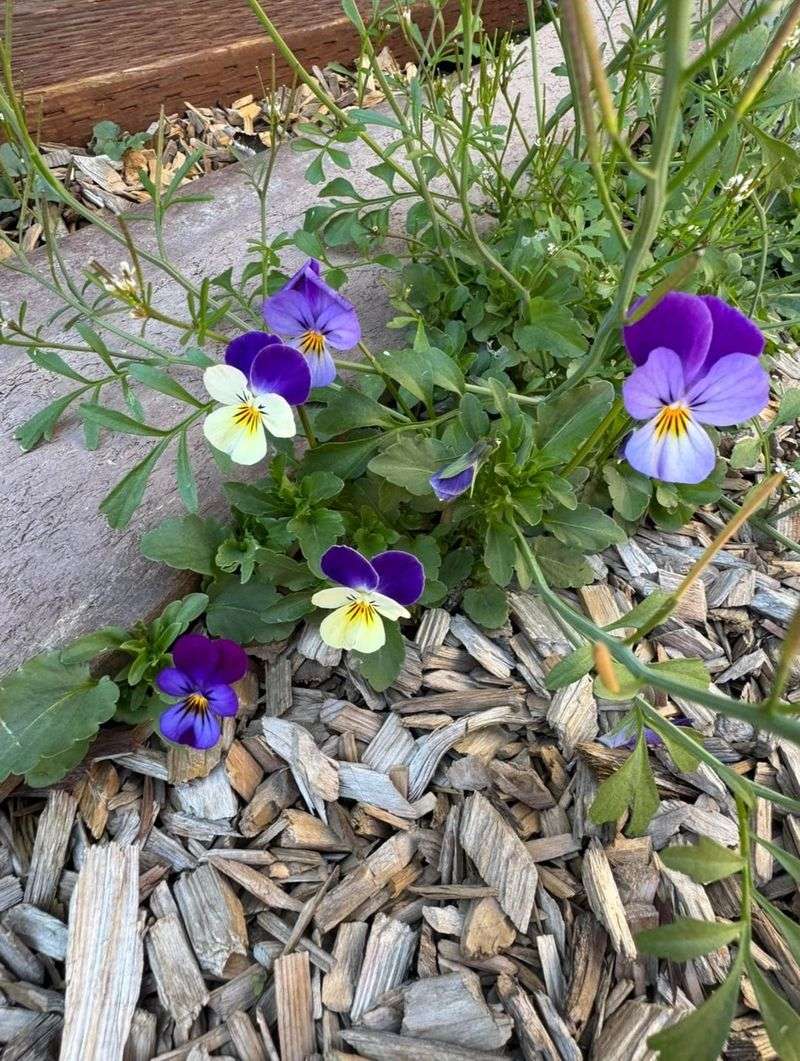
Ever crawled under a heavy quilt on a frosty night and felt instantly cozy from your toes to your nose? Pansies enjoy a similar comfort when you add a loose layer of mulch once the ground starts freezing.
Mulch does not make the soil warm, but it keeps the temperature steady during wild winter swings. Indiana weather can jump from sixty degrees to single digits in one week, which stresses shallow roots.
Shredded leaves, pine needles, or clean straw all work well, and many of them cost nothing at all. Raking up those October leaves suddenly feels more useful when you know they will protect your flowers.
Wait until the ground begins to freeze, usually in late November or December, before spreading the mulch around plants. Adding it too soon can trap warmth and moisture, which may invite mice or encourage soft, weak growth.
Aim for a layer about two to three inches deep, tucked gently around the stems like a scarf. Leave the tops of the plants peeking out so leaves can still catch light on sunny winter afternoons.
In very exposed spots, an evergreen branch laid loosely over the bed adds extra shelter from drying wind. Many gardeners reuse trimmings from their holiday tree, which gives that old tree one more helpful job.
Snow itself acts as natural insulation, so a fluffy white cover over your bed is a welcome sight. With a mulch blanket in place, your pansies can snooze safely until the first warm days return.
Second Bloom After The Thaw
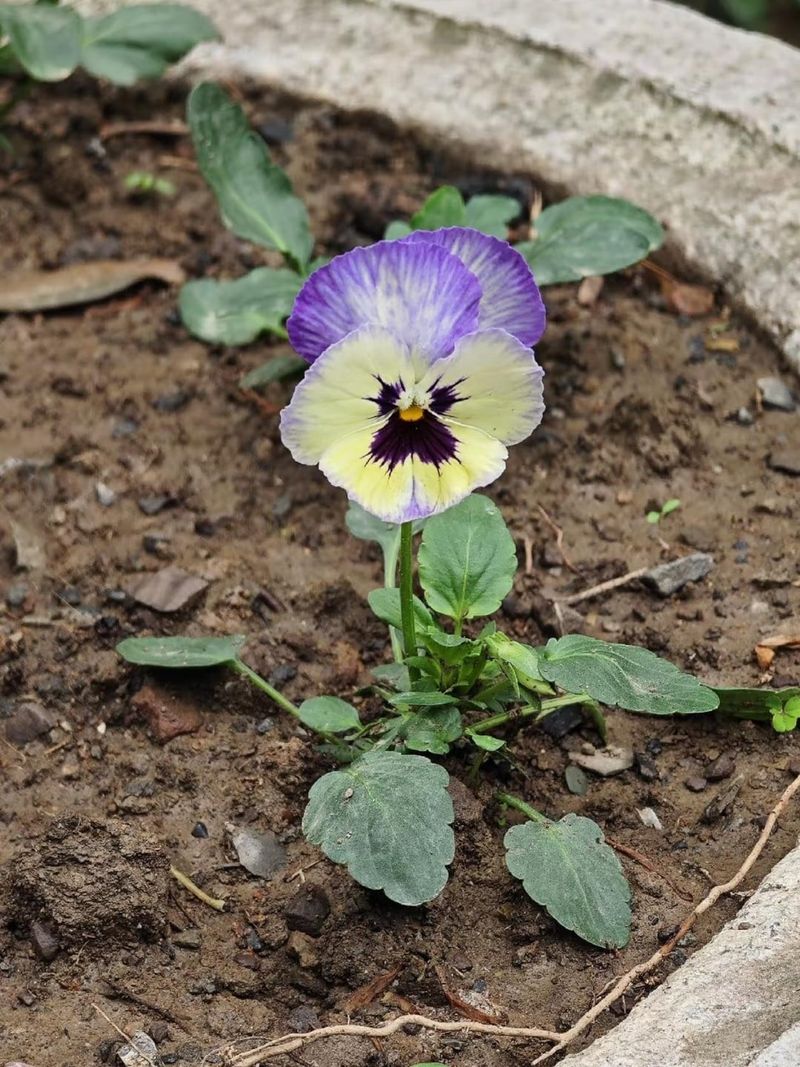
Somewhere around the middle of March, a patch of brown soil suddenly shows a speck of bright violet. That tiny flash of color is your fall pansy waking up, and it feels like a surprise party.
Overwintered pansies often bloom weeks earlier than new plants bought in spring, thanks to their established roots. They also tend to grow fuller and wider, spreading into a mound that covers more ground than before.
Expect some winter damage on older leaves, which may look brown, crispy, or slightly torn by early spring. Snip those tired leaves away with clean scissors so fresh green growth can get plenty of light.
Fun fact: the name pansy comes from the French word pensée, which means thought or remembrance. People once believed the flower’s face looked like someone deep in thought, nodding its head in the breeze.
Those returning blooms are a handy pit stop for early pollinators, including bumblebee queens searching for food. Few other flowers are open that early, so your little patch becomes an important part of their route.
Pansies usually keep blooming through April and May, until rising heat makes them stretch and slow down. That gives you roughly three months of spring color from plants that went into the ground last October.
Pair them with early tulips or daffodils, and your garden can look lively while neighbors are still raking. Bulbs planted in October alongside pansies make a fun team that greets spring with layers of color.
Spring Care For Longer Color
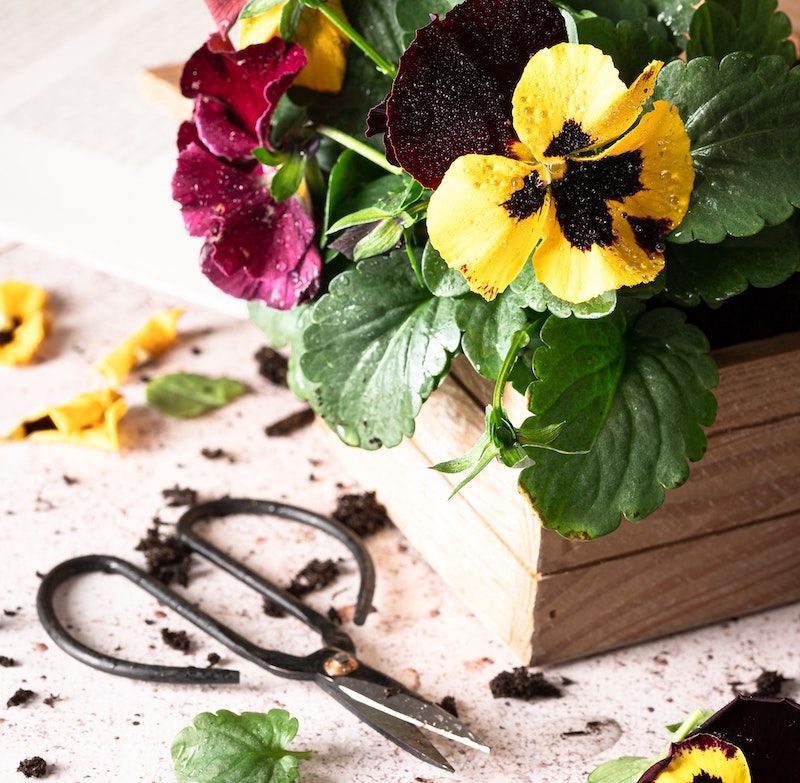
Regular snipping is one of the easiest ways to keep pansies producing fresh flowers. Pinching off faded blooms keeps the plant busy making fresh buds instead of putting energy into seeds.
Start this habit as soon as flowering picks up in spring, checking the bed every few days. Kids often love this job, since snapping off wilted flowers feels a bit like a treasure hunt.
Once growth starts, pull back the winter mulch slowly so sunlight can warm the soil around the crowns. Keep some nearby for a few weeks, because Indiana often tosses in a surprise frost in early April.
A light feeding with balanced liquid fertilizer every two weeks gives returning plants energy for steady blooming. Too much nitrogen creates lots of leaves but fewer flowers, so follow the label and go easy.
Water during dry spells, aiming at the soil rather than the petals to help reduce mildew and spots. Watch for slugs on damp mornings, since they enjoy nibbling holes in tender leaves after rainy nights.
As days warm, a spot with afternoon shade can stretch the bloom season a few extra weeks. Container pansies are easy to move into cooler corners, which makes them a flexible choice for patios.
When plants finally get leggy in late spring, enjoy that run and swap in heat-loving annuals. Then mark next October on your calendar, because this cheerful little cycle is worth repeating every single fall.