This Native Florida Grass Is Replacing Pampas Grass In Front Yards
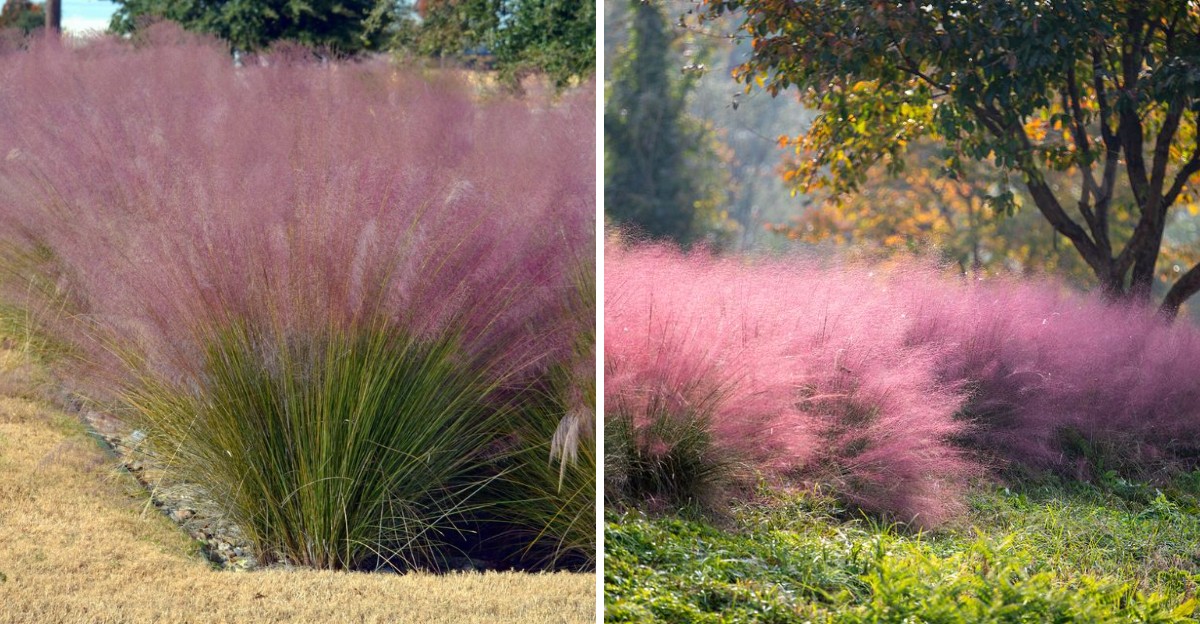
Pampas grass spent decades as the loud guest at the Florida landscaping party. Now a quieter native is quietly taking its seat.
Those towering white plumes looked dramatic, sure. They also scattered seed across the neighborhood and turned a simple front yard into a mowing nightmare.
Homeowners got tired of the fight, and designers started hunting for a replacement with the same wow factor and none of the baggage.
One native grass checks nearly every box. It brings soft movement, a glow in the afternoon light, and a tidy habit that plays nice with the neighbors.
You’ve probably walked right past it at the nursery. Take another look before you plant anything else.
1. UF/IFAS No Longer Recommends Pampas Grass
Experts at the University of Florida have a clear message for homeowners. The Institute of Food and Agricultural Sciences, known as UF/IFAS, pushes native, Florida-Friendly plants over imported ones.
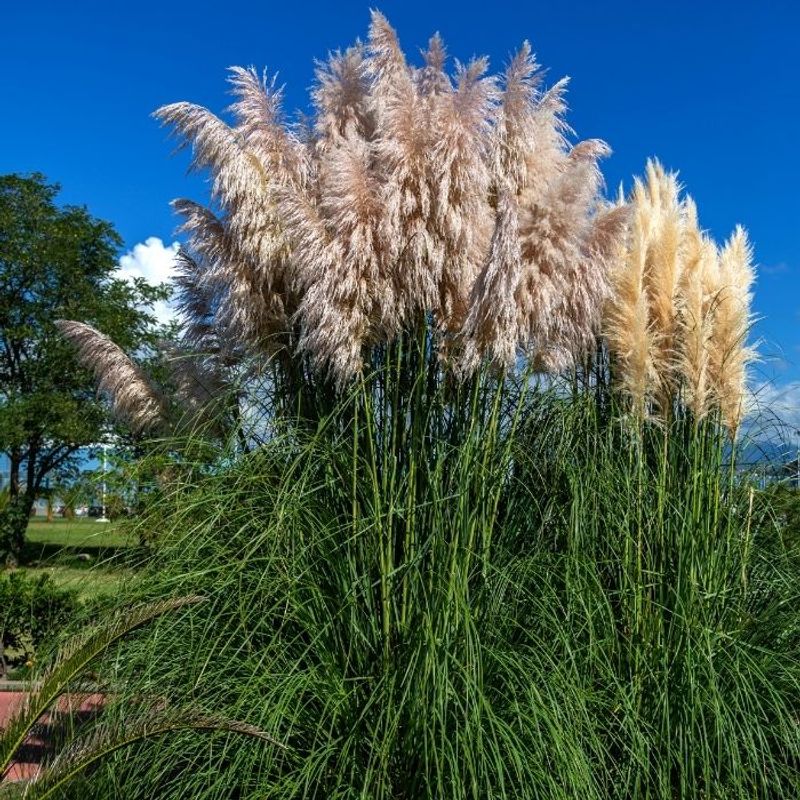
Pampas grass comes from South America, not Florida. UF/IFAS has assessed it as invasive in our natural areas and no longer recommends it for any use.
Its sharp leaf edges can also scratch arms and legs during yard work.
UF/IFAS Extension points gardeners toward muhly grass as a better pick. It is native, tough, and helpful to the local ecosystem.
That makes it a smart swap for anyone who loves the plume look but wants fewer problems.
So what does Florida-Friendly really mean? It is a program that encourages using the right plant in the right place.
Plants that fit local soil and weather need less water, less fertilizer, and less fuss from you.
Here is a practical tip. Call your county extension office before buying new plants for your front yard.
The staff can suggest native options that match your soil, light, and space. Many offices also run free classes and plant sales during the year.
Choosing native plants helps more than just your yard. It supports bees, birds, and butterflies that depend on familiar plants to survive and raise their young.
2. Muhly Grass Delivers The Same Pink, Wispy Look
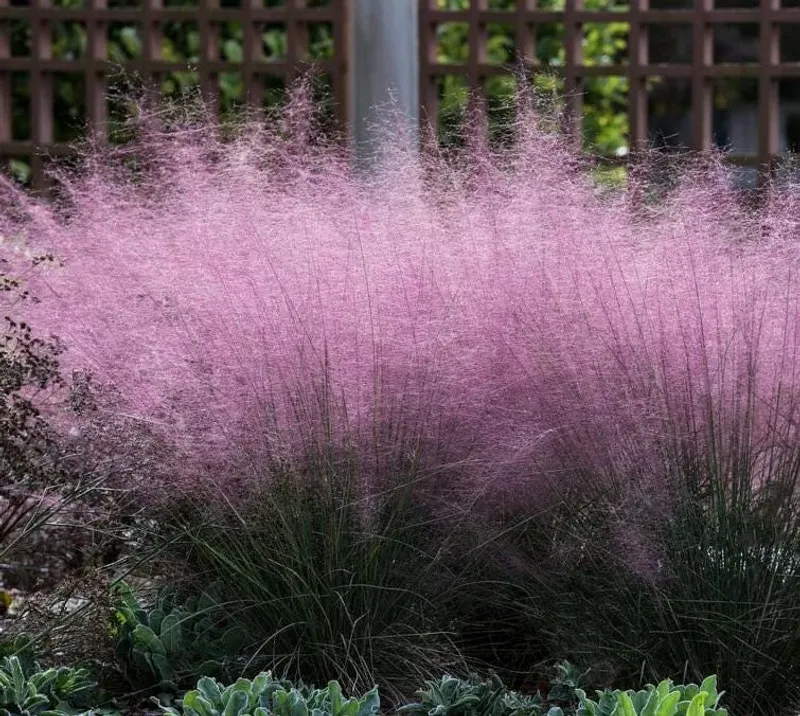
Imagine cotton candy floating just above the ground. That is the best way to describe muhly grass in full bloom, and people stop on sidewalks to snap photos.
Its scientific name is Muhlenbergia capillaris. The word capillaris means hair-like, which fits the thin, feathery flower sprays perfectly.
Each plume is made of countless tiny stems that hold the pink to purple color.
When sunlight hits from behind, the plumes seem to glow. Sunrise and sunset are the magic hours for this effect.
A light breeze makes the whole plant ripple like water in a pond.
Many people chose pampas grass for that soft, dreamy feel. Muhly grass gives the same romantic mood, but with a rosier shade.
Some folks think it looks even prettier because the color is so bold.
Want to make the most of the glow? Plant it where the evening sun shines through it from your porch or front window.
Your Florida Garden Changes Every Week. Your Plan Should Too.
Gardening in Florida changes quickly throughout the season. Every Friday you’ll receive a simple weekly plan showing exactly what to plant, prune, fertilize, harvest, and protect so you never miss the right timing.
East or west sides of the yard often work well for this trick.
Planted in a cluster, the flowers blend into a hazy pink cloud. It looks like fog that blushed.
Your yard can go from plain to postcard-worthy in a single season with this easy native.
3. It Blooms From August Through November
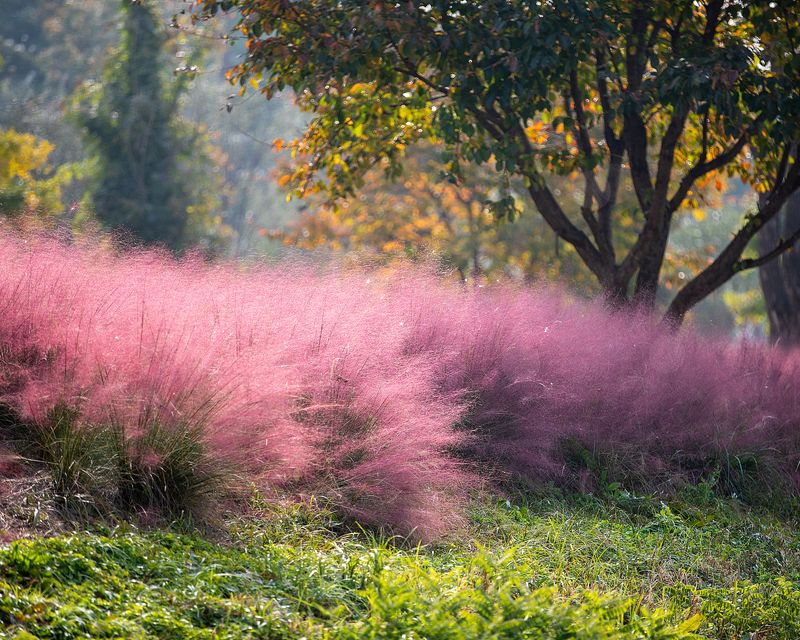
Most gardens start looking tired by the end of summer. Muhly grass waits patiently, then shows up for the fall party wearing pink.
Plumes usually begin forming in late summer, around August. The color builds into early fall and often hangs on through November.
That gives you months of color when many flowers have faded.
Think about what that means for your front yard. While neighbors pull out wilted annuals, your grass is just hitting its peak.
It even pairs nicely with fall decorations like pumpkins and wreaths.
Fun fact: in some places, muhly grass festivals and garden tours are planned around its bloom time. People drive to parks just to see fields of pink haze.
For the rest of the year, the plant stays green and tidy. Its fine leaves form a neat mound that adds texture without stealing attention from other plants.
A quick care tip helps keep the show strong. In late winter, before new growth appears, trim the old leaves back to a few inches tall.
Fresh green blades will pop up in spring.
Hold off on heavy pruning in summer. Cutting then may remove the stems that would soon carry those famous plumes, leaving you with fewer blooms in fall.
4. Expect A Plant About 3 To 4 Feet Tall
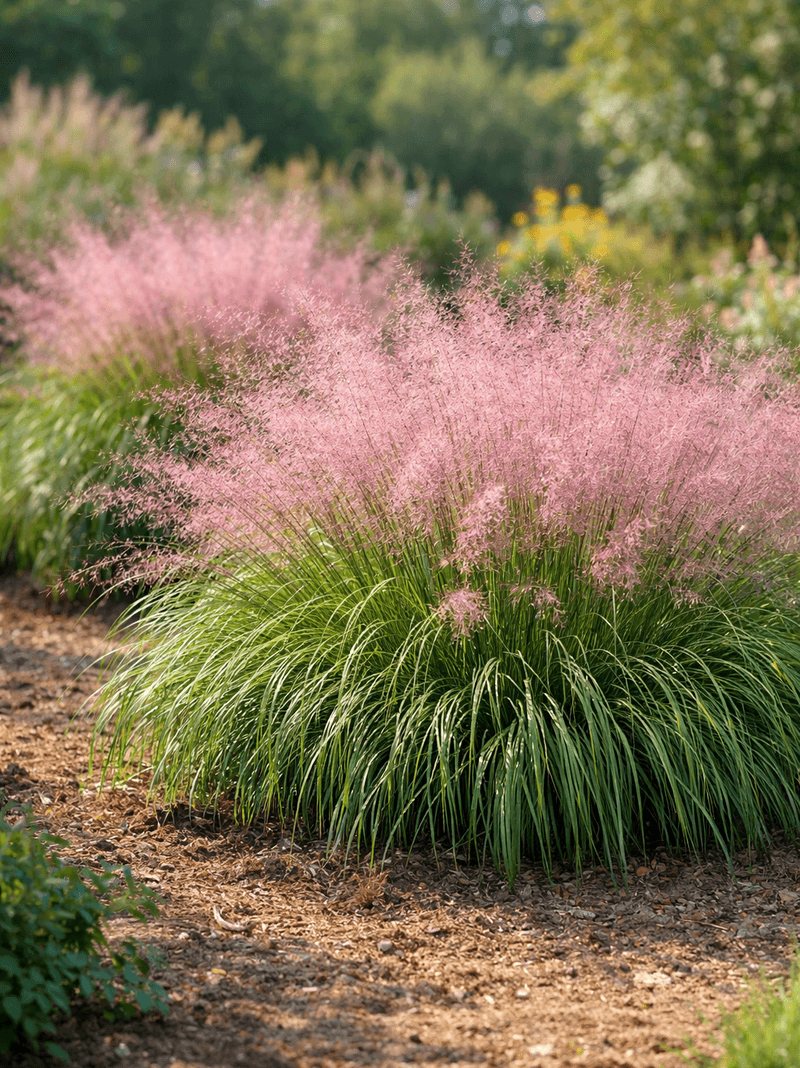
Picture a plant about as tall as a fourth grader. That is roughly the size of a grown muhly grass clump, and it is a very handy size for front yards.
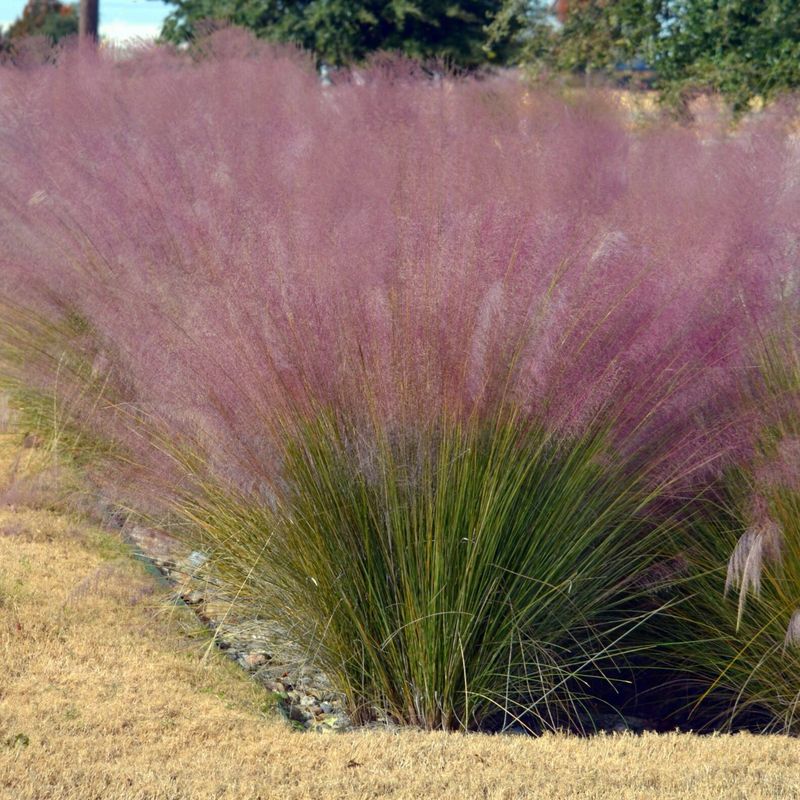
Muhly grass forms a neat, fountain-shaped mound. It usually reaches 3 to 4 feet tall and about the same width.
The leaves arch outward gently, giving it a soft, rounded shape.
During bloom season, the plumes rise above the leaves. They can push the total height to around 5 feet.
Then the plant looks like it is wearing a fluffy pink crown.
Knowing the size ahead of time saves headaches. You can plan your beds without guessing.
Place taller plants behind it and shorter flowers in front to create layers.
Here are a few spots where this height shines:
Along a driveway, it softens hard edges without blocking views. Under a front window, it stays low enough to keep light coming in.
Near a mailbox, it adds color without hiding the house number.
Give each plant room to spread out. Squeezing it too close to a wall or fence can make it lean or look crowded.
A little breathing space keeps the fountain shape full and balanced all year long.
5. It Stays Smaller Than Pampas Grass
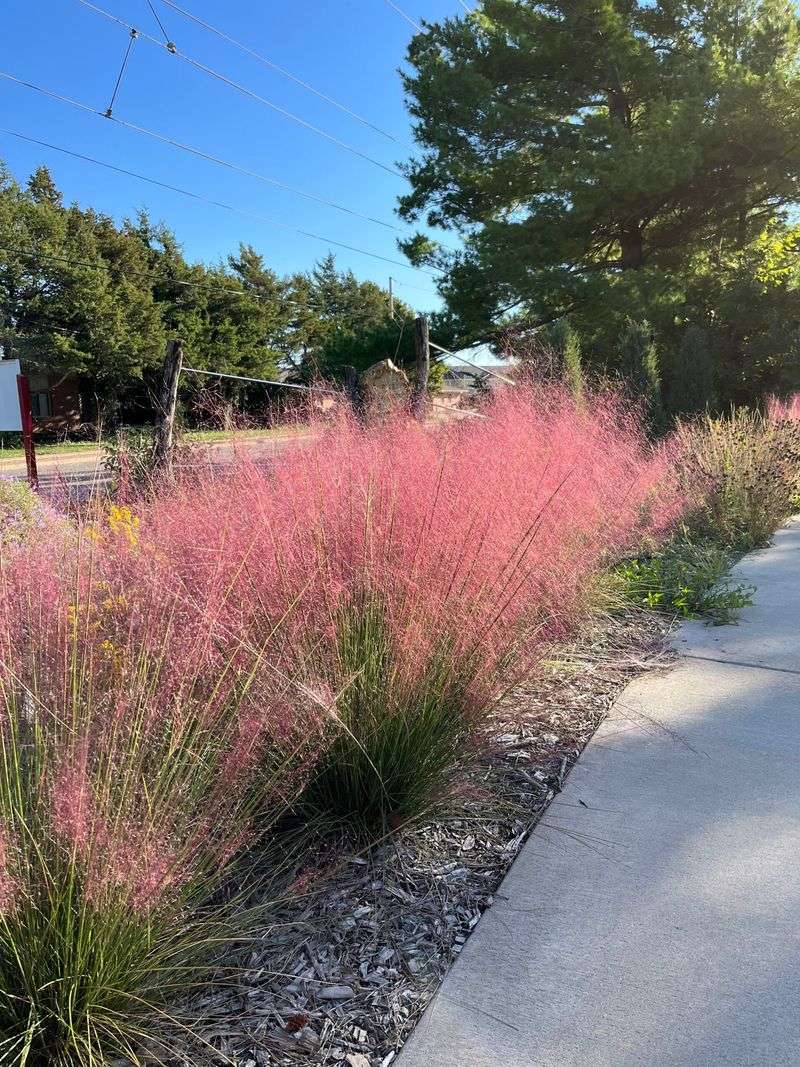
Ever planted something cute that turned into a monster? Pampas grass has surprised plenty of homeowners that way, sometimes growing taller than a person and spreading wide.
Muhly grass is the polite cousin. Its leaves usually grow 2 to 4 feet tall, with flower stalks reaching 3 to 5 feet.
That compact size means it fits nicely into small and medium yards.
A smaller plant brings real benefits. You spend less time cutting it back.
You need fewer tools and less muscle to keep it tidy. Your garden bed stays balanced instead of being swallowed by one giant clump.
Another bonus is safety. Pampas leaves have sharp edges that can slice skin.
Muhly grass has fine, soft blades that feel far friendlier, which matters if kids or pets play nearby.
Trimming day becomes simple too. With hand pruners or hedge shears, one clump takes just a few minutes in late winter.
Compare that to wrestling a huge pampas plant with gloves and long sleeves.
Small yards especially benefit from this swap. You can enjoy the same airy plume style without giving up half your space.
Even townhouse gardens and side strips can host a few clumps and still look roomy and neat.
6. Give It A Spot In Full Sun
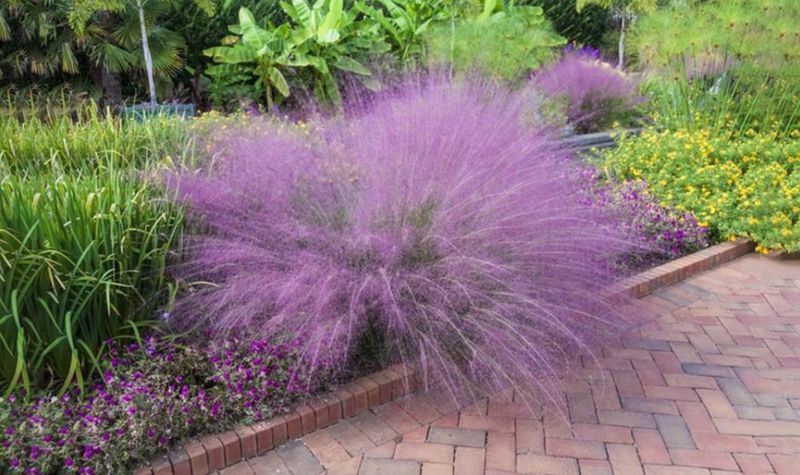
Sunshine is the secret fuel behind those bright pink clouds. Lucky for gardeners, our state has plenty of it to go around.
Muhly grass grows best in full sun. That means at least six hours of direct sunlight each day.
More sun usually leads to stronger stems and richer color.
It can handle a little partial shade. However, too much shade often means fewer plumes or weaker, floppy ones.
The plant may also look thin and stretched as it reaches for light.
Not sure how sunny your yard is? Try this simple test.
Check the spot every two hours on a clear day and jot down whether it is in sun or shade. Add up the sunny hours to see if it qualifies.
Good spots often include open front lawns, sunny edges near sidewalks, and beds away from big trees. Areas on the south or west side of a house usually soak up the most light.
Soil matters a bit too. Muhly grass likes soil that drains well, like Florida’s sandy ground.
Skip heavy fertilizer, since extra feeding can make the plant floppy. A sunny spot and loose soil are really all it needs to put on a dazzling display.
7. It Handles Drought, Flooding And Some Salt
Florida weather loves a plot twist. One month brings scorching dry spells, and the next dumps buckets of rain from a summer storm.
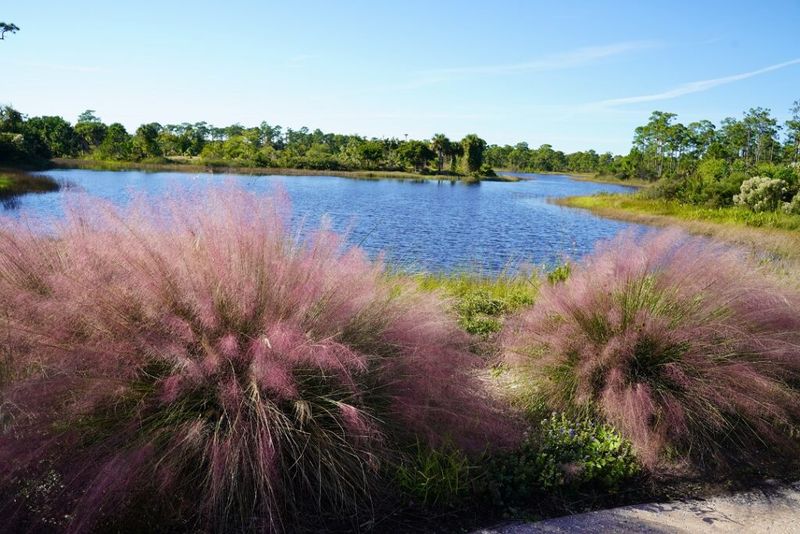
Muhly grass rolls with these changes like a seasoned pro. Once its roots settle in, usually after the first few months, it handles drought very well.
You may barely need to water it at all.
Heavy rain does not bother it much either. It can manage occasional flooding, which is great for low spots that stay soggy after storms.
Few showy plants can claim both skills.
Coastal homeowners get extra good news. Muhly grass is considered moderately to highly salt tolerant.
Salty breezes from the ocean are less likely to scorch it compared with many garden plants.
Here is how to help it get established:
Water new plants a few times a week for the first month or two. Slowly cut back as the plant grows stronger.
After that, let rain do most of the work, watering only during long dry stretches.
This toughness saves money and time. Lower water bills, fewer replacement plants, and less worry during wild weather all add up.
It is a yard plant that truly earns its keep in the Sunshine State.
8. Plant It In Groups For The Biggest Impact
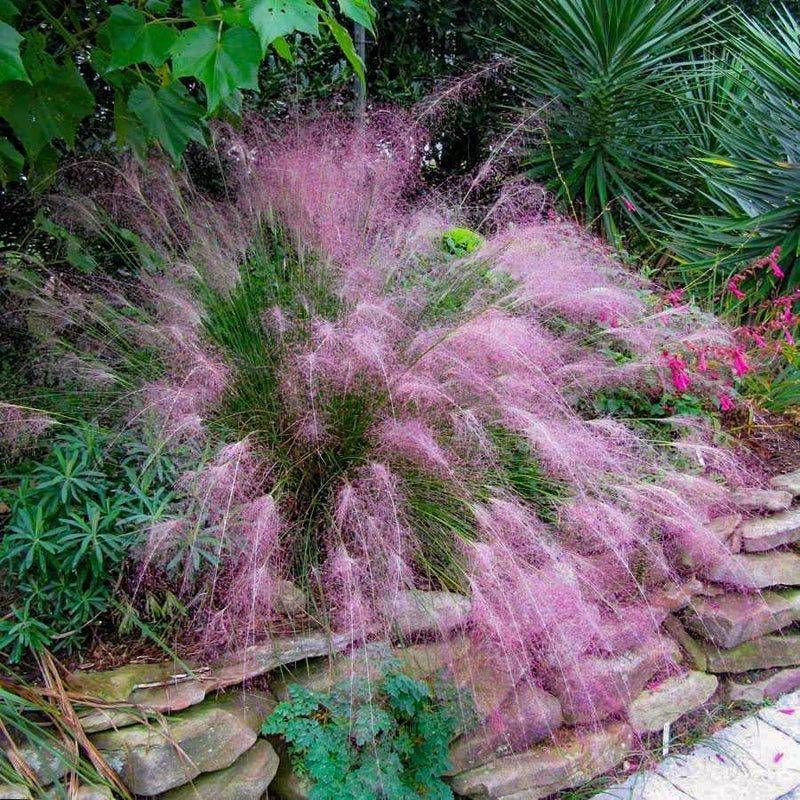
One muhly grass plant is pretty. A whole group of them is the kind of sight that makes drivers slow down and point.
Gardeners call this mass planting. Instead of scattering single plants around, you place several together.
When they bloom, the plumes blend into one big pink haze that looks almost unreal.
Spacing matters for this trick. Set plants about 2 to 3 feet apart.
That gives each clump room to grow while letting the flowers touch and mingle as they mature.
Try using odd numbers, like three, five, or seven plants. Designers say odd groups look more natural to our eyes.
Even numbers can seem stiff and formal.
Some fun layout ideas to try:
Curve a line of plants along a walkway to guide guests to the door. Fill a corner bed with a soft drift of pink.
Mix them with native wildflowers like blanket flower or coreopsis for color in other seasons.
Planting in groups can also be budget friendly. Many nurseries sell small pots that grow quickly.
Buy smaller sizes, plant them in a cluster, and be patient. Within a season or two, you will have a yard that glows every fall.
9. Birds Eat The Seeds And Use The Stems
Listen closely on a cool autumn morning, and you may hear tiny chirps coming from your muhly grass. Your yard just became a bird cafe.
After the pink flowers fade, they turn into small seeds. Songbirds love snacking on them, especially as other food sources shrink later in the year.
Watching them hop and nibble is a free nature show.
The benefits do not stop there. Birds also gather the dry stems to build nests.
Those thin, flexible pieces are perfect for weaving cozy homes in spring.
Thick clumps offer shelter too. Small creatures can hide from heat and predators among the dense leaves.
Butterflies and other insects may rest there as well.
Want to help the wildlife even more? Wait until late winter to trim your plants.
That way, birds can enjoy the seeds through the cooler months. Leaving the old stems a bit longer gives nest builders a handy supply.
Adding a birdbath nearby makes your yard even more inviting. Fresh water plus food and shelter creates a small habitat right by your front door.
It is a great reminder that beauty and helpfulness can grow side by side. Your pretty front yard can also support Florida’s feathered neighbors.