Which Pennsylvania Perennials To Cut Down In Fall And Which To Leave Alone
Fall has a way of making every Pennsylvania gardener reach for the pruners with a little too much confidence. The beds look tired, the stems are flopping, and the whole garden has that end-of-semester energy that makes you want to cut everything down and start fresh.
Not so fast. Some perennials genuinely benefit from a clean fall cutback, and skipping that step can invite real problems come spring.
Others, however, are doing some of their most important work right now, feeding birds, sheltering native bees, and holding structure through the coldest months of the year. Cut those down and you lose more than you bargained for.
The good news is that sorting the cut-it crowd from the leave-it-alone crowd is pretty straightforward once you know what each plant is actually up to out there.
1. Hostas In Pennsylvania Reward A Clean Fall Cutback
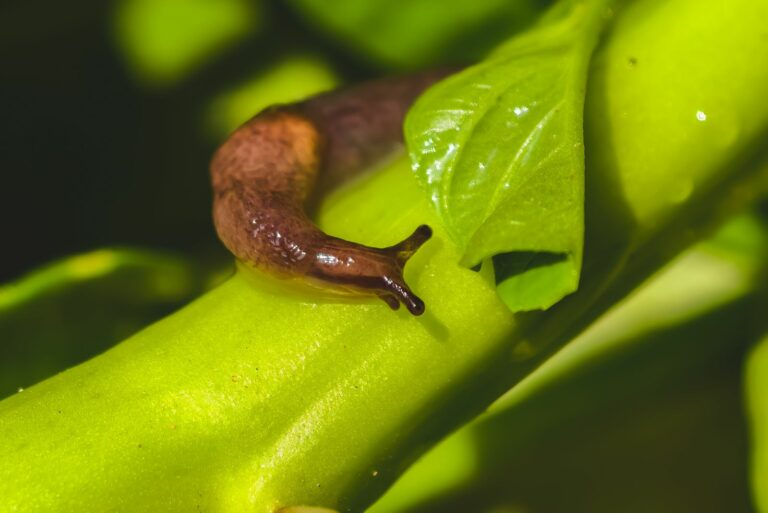
Slugs adore a soggy pile of hosta leaves. Once frost hits, those big green fans turn mushy and brown in just a few days.
Leaving that mush in place gives slugs a cozy spot to lay eggs over winter. Come spring, the babies hatch right next to fresh new shoots, ready for a feast.
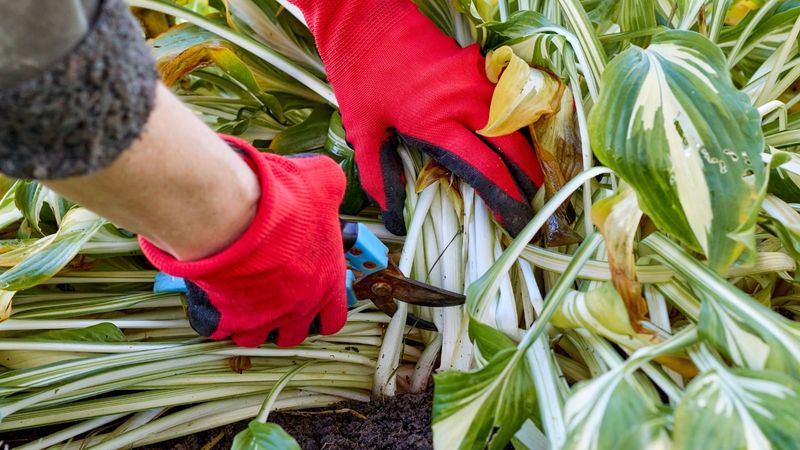
The fix is simple and quick. Wait until the leaves collapse after the first hard frost, which usually lands in October across most of Pennsylvania.
Grab a clean pair of pruners or even sharp scissors. Cut each leaf stalk down to about one or two inches above the soil line.
Toss the trimmings in the trash or a hot compost pile rather than a cold heap. Soft hosta leaves can carry fungal spots and pest eggs that survive in cool compost.
After cleanup, spread a thin layer of shredded leaves or bark over the crown area. Keep the mulch loose so it does not stay soggy against the plant.
Hostas are tough survivors, so don’t worry about cutting too low. Their roots store plenty of energy for next year, and a tidy bed lets you spot early shoots in April.
Fun fact: hostas first came from northeast Asia, with species native to Japan, Korea, China, and the Russian Far East. Today they rank among the most popular shade plants in American yards.
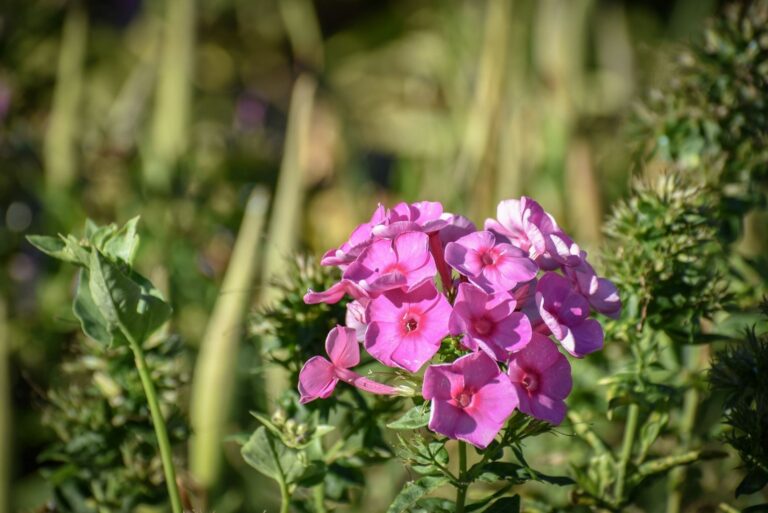
2. Cutting Garden Phlox Back In Fall Helps Slow Powdery Mildew
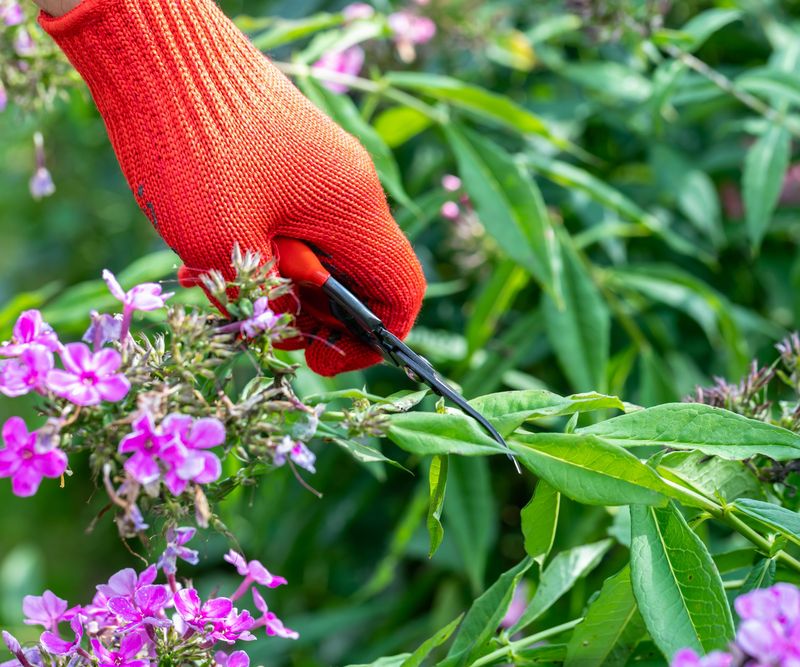
Ever notice a dusty white film on your phlox leaves by late summer? That chalky coating is powdery mildew, and garden phlox seems to attract it like a magnet.
The fungus does not vanish when the weather cools. Its spores cling to old leaves and stems, waiting patiently for warm, humid days to return.
Humid summers in Pennsylvania give this problem plenty of fuel. So cutting phlox down in fall is one of the smartest moves you can make.
Once the plants finish blooming and the foliage fades, snip every stem to about two inches tall. Rake up any fallen leaves around the base too.
Bag the clippings and send them away with the trash. Composting infected material at home often spreads the spores right back into your beds.
Your Pennsylvania Garden Changes Every Week. Your Plan Should Too.
Gardening in Pennsylvania changes quickly throughout the season. Every Friday you’ll receive a simple weekly plan showing exactly what to plant, prune, fertilize, harvest, and protect so you never miss the right timing.
A few extra steps help even more next season. Thin crowded clumps in spring so only five or six strong stems remain per plant.
Better airflow means leaves dry faster after rain or morning dew. Water at the base of the plant instead of spraying over the top.
If mildew keeps showing up, try resistant types like ‘David’ or ‘Jeana.’ Both have proven themselves in tough summer conditions.
Your phlox will thank you with cleaner leaves and sweet-smelling blooms that butterflies can’t resist.
3. Pennsylvania Bearded Iris Fall Cutback Removes A Key Pest Hiding Spot
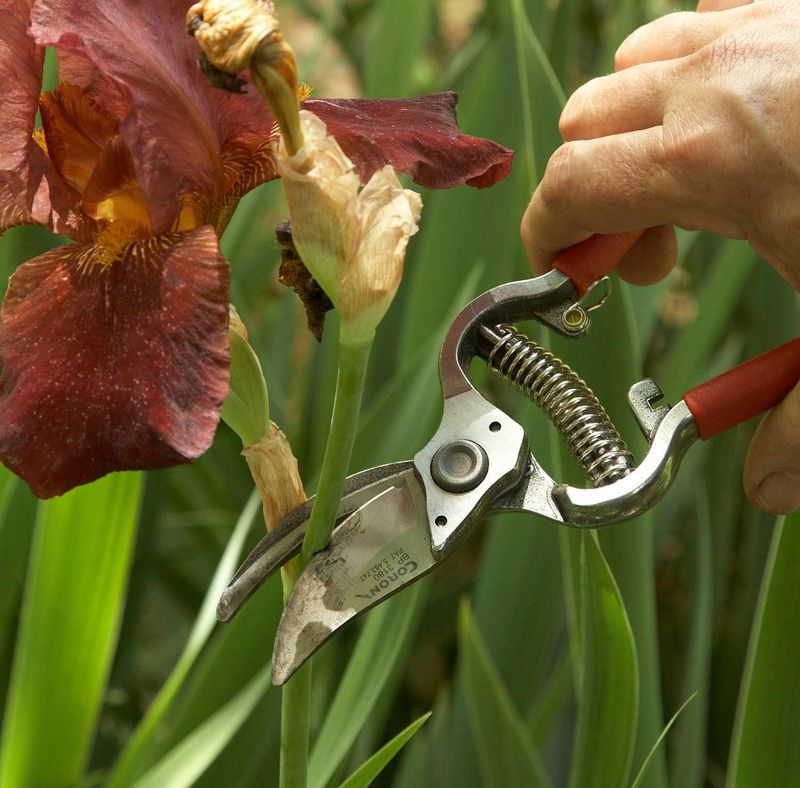
Hidden inside old iris leaves, a sneaky moth leaves behind its eggs every fall. Those eggs belong to the iris borer, the number one enemy of bearded iris.
In spring the tiny larvae hatch and tunnel down the leaves. They chew their way into the rhizome, leaving soft, smelly rot behind.
Gardeners in Pennsylvania see this pest often, especially in older iris beds. Thankfully, a good fall cleanup breaks the cycle.
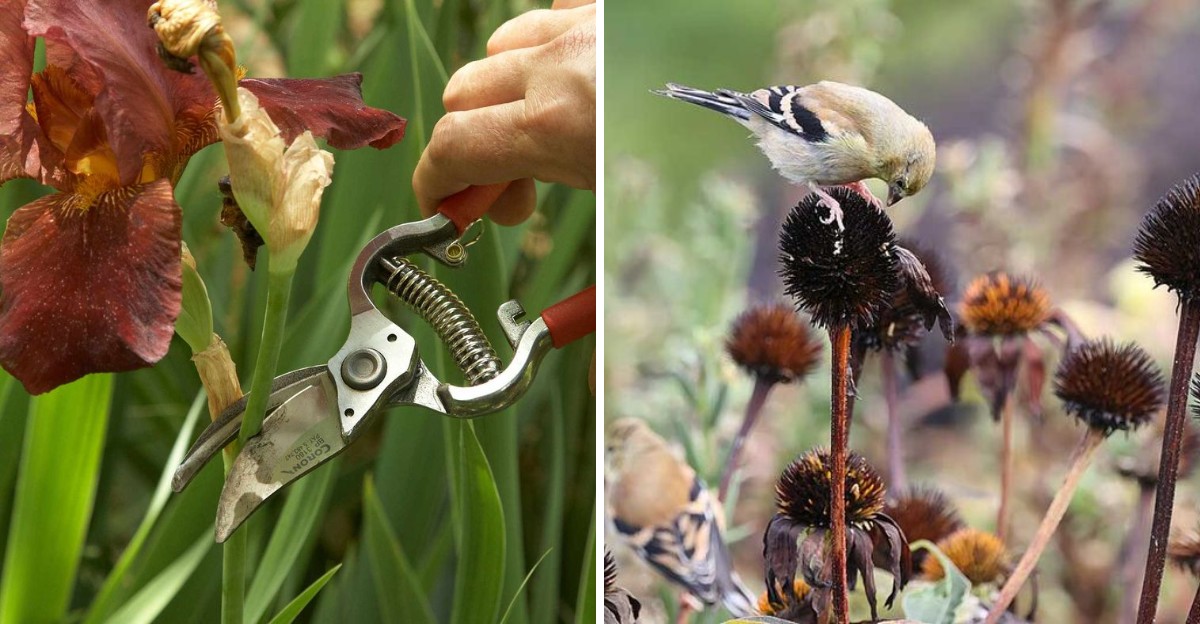
After a hard frost, trim the leaf fans down to about four to six inches. Many people cut them into a neat upside-down V shape.
Pull away any brown, floppy leaves sitting on the ground. Those are the favorite egg spots for the moths.
Get rid of all debris in the trash. Please skip the compost bin, since eggs can easily survive there until spring.
Keep the tops of the rhizomes peeking out of the soil. Iris like their “knees” in the sun, and heavy mulch can trap moisture and invite rot.
In spring, watch for leaves with wet streaks or ragged edges. Squeeze those spots gently to crush any larvae inside.
Here’s a fun bit of history: the iris was named after the Greek goddess of the rainbow. With so many colors, the name fits perfectly.
4. Daylilies Perform Stronger After A Fall Trim
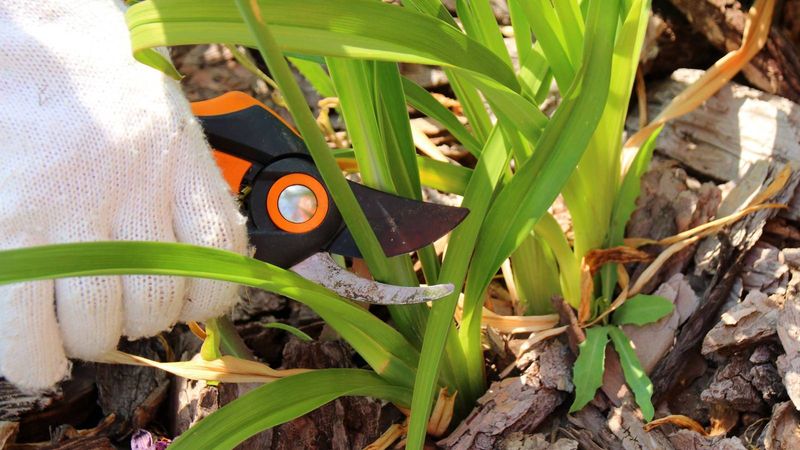
Grandma’s orange ditch lilies could probably grow on the moon. Daylilies are famous for being tough, but even tough plants appreciate a little tidying.
By late fall, daylily leaves turn yellow, limp, and slimy. Left alone, they flop into a tangled mat over the crown.
That mat holds moisture and can shelter slugs, aphid eggs, and leaf streak fungus. A quick trim clears it all out.
Wait until the leaves have mostly yellowed, often in late October or November in Pennsylvania. Then cut them back to about three or four inches.
Some reblooming types, like ‘Stella de Oro,’ stay partly green longer. You can simply pull off loose brown leaves by hand instead of cutting everything.
Gently tug old foliage and it often slips right off. Gardeners call this the “pull and peel” method, and it’s oddly satisfying.
Fall is also a great time to check if clumps have grown too crowded. If the center has few flowers, plan to divide it in early spring.
A light layer of compost over the trimmed crowns feeds the roots slowly through winter. Skip heavy fertilizer until spring growth begins.
Daylily flowers last only one day each, which explains their name. Luckily, each stalk carries many buds, so the show keeps rolling for weeks.
5. Peony Fall Cleanup Cuts Down On A Stubborn Fungal Problem
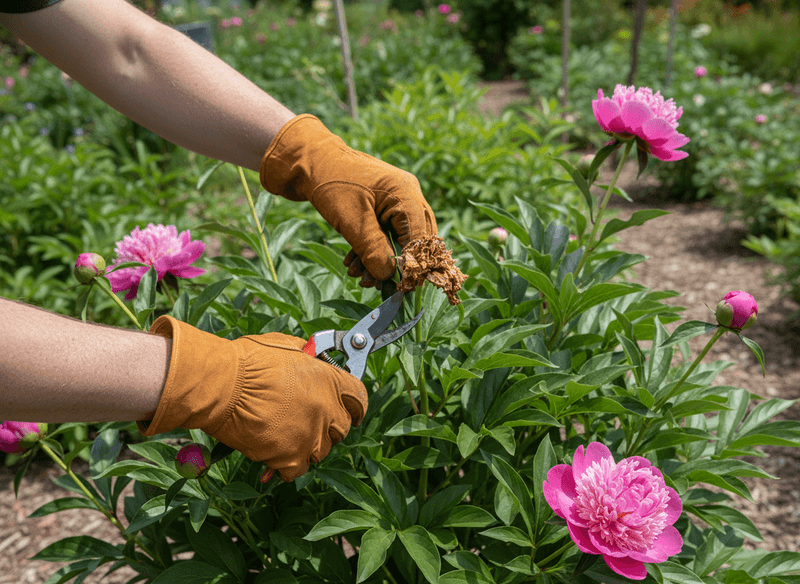
“Why do my peony buds turn brown and never open?” Many gardeners ask that question every spring, and the answer is usually botrytis blight.
The fungus spends winter on old peony stems and leaves. When cool, wet spring weather shows up, it spreads fast to tender new shoots and buds.
Springs in Pennsylvania are often rainy and chilly, which gives botrytis a perfect launch pad. A thorough fall cleanup knocks it way down.
After frost darkens the foliage, cut every stem right down to the ground. Leave no stubs taller than an inch.
Be careful around the crown, though. Look for small pink or red buds, called eyes, sitting just below the soil.
Those eyes are next year’s flowers, so avoid nicking them. Rake up every leaf and bag it for the trash.
Clean your pruners with rubbing alcohol between plants. It’s a small habit that stops spores from hitching a ride.
Skip thick mulch over peony crowns after the first winter. Mulch can hold moisture and may push the eyes too deep, which cuts down on blooms.
Peonies can live for over 100 years in one spot. With yearly cleanup, your plants could still be blooming for your grandkids.
Tree peonies are different, so don’t cut their woody stems at all.
6. Goldenrod Stems Are Worth Leaving Standing All Winter
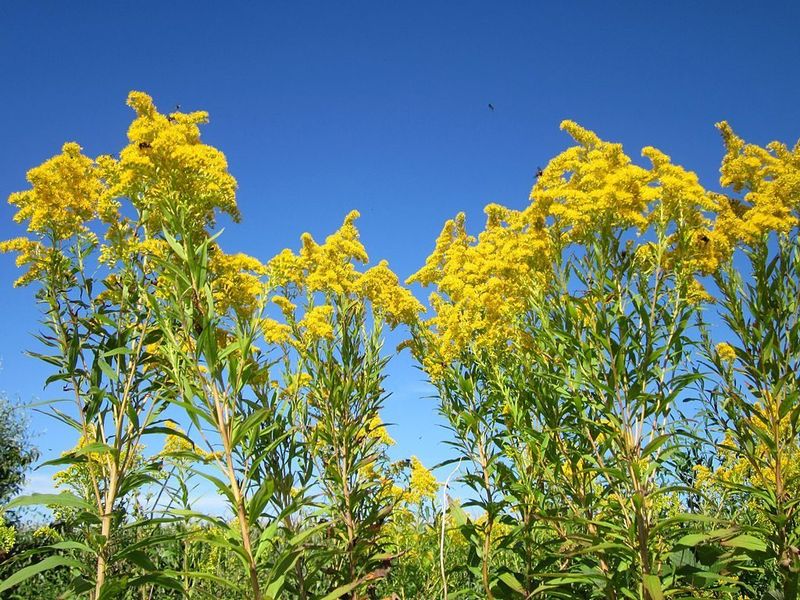
Now we switch teams. Goldenrod belongs firmly in the leave-it-alone group.
Those fluffy tan seed heads may look scruffy to some folks. To birds, they look like a winter buffet.
Juncos, sparrows, and chickadees pick at the tiny seeds when snow covers the ground. You’ll often spot them bouncing on the stems in January.
Look closely and you may find round bumps on some stems. Those are galls, made by a small fly whose larva spends winter inside.
Downy woodpeckers know exactly where to find them. They peck holes in the galls to grab a protein-packed snack.
Native goldenrods grow wild all over the state, and Flora of Pennsylvania documents approximately 30 goldenrod species native to the state. They support many native insects and pollinators throughout the season as well.
Leaving the stems also helps catch blowing leaves and snow. That natural blanket protects the roots from freezing and thawing swings.
Wait until mid to late spring to cut goldenrod back. Once temperatures stay above 50 degrees for a week or so, trim old stems to about a foot tall.
Many bees will nest in that leftover stubble later. New green shoots will quickly hide it.
And one myth needs busting. Goldenrod does not cause hay fever, since its pollen is heavy and sticky.
Ragweed is the real sneezy culprit.
7. Switchgrass Brings Structure And Wildlife Value To Pennsylvania Winter Gardens
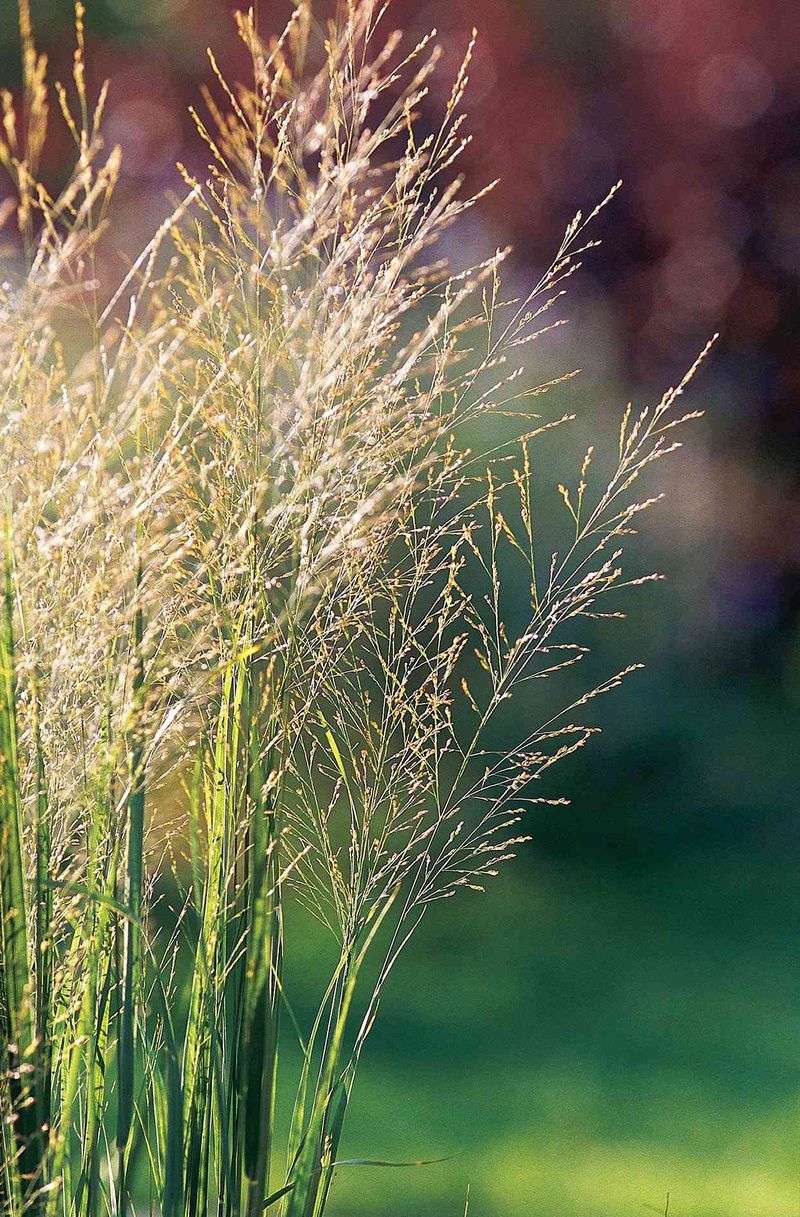
Golden, swaying, and a little bit wild, switchgrass turns a bare winter yard into a moving painting. On sunny days, it practically glows.
This native grass once covered huge stretches of tallgrass prairie. It also grows naturally in open fields and meadows across Pennsylvania.
Cutting it down in fall would waste its best season. Its stiff stems stand up to snow better than most grasses, holding shape well into March.
The clumps give small birds a safe place to hide from hawks and wind. Seeds that drop through winter feed sparrows and other ground feeders.
Beneficial insects, like ladybugs, often tuck themselves into the base of the clump. They wake up in spring ready to munch on aphids in your garden.
Switchgrass also looks great with other plants. Try pairing it with evergreens or red-twig dogwood for winter color that pops.
When spring arrives, it’s time for a fresh start. Cut the whole clump down to about four to six inches in March or early April, before green shoots appear.
A tip from seasoned gardeners: wrap a bungee cord or twine around the clump first. Then you can cut and carry it away in one tidy bundle.
Popular types include ‘Northwind,’ which stands very upright. ‘Shenandoah’ adds rich red-purple tones that deepen in fall.
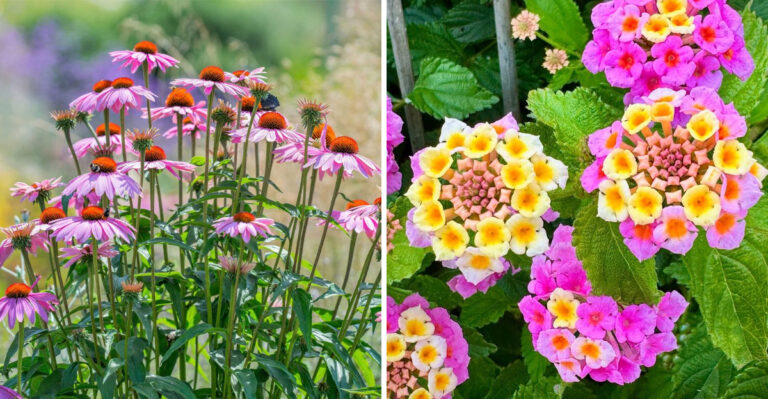
8. Purple Coneflower Seed Heads Feed Goldfinches All Winter Long
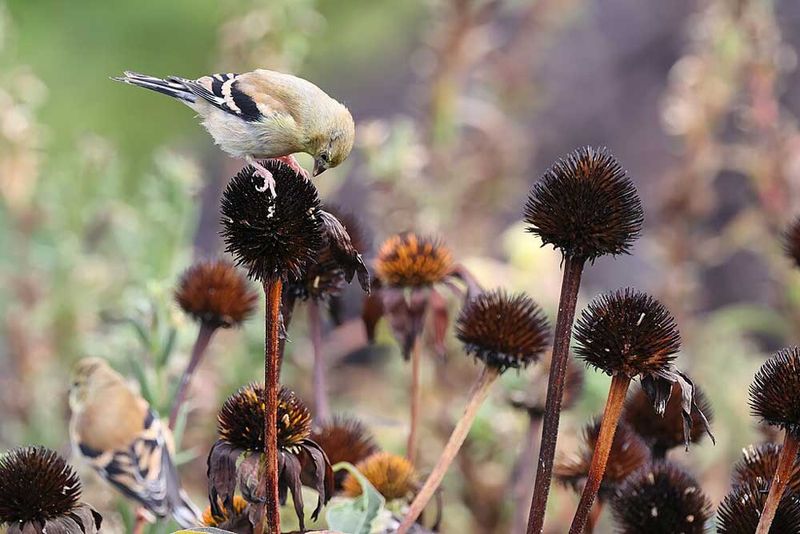
A flash of olive-yellow lands on a dark, spiky cone. Pretty soon, seeds are flying everywhere.
American goldfinches are huge fans of purple coneflower. In winter their bright summer feathers fade to a softer olive, but their appetite stays strong.
Goldfinches stay in Pennsylvania all year, so they need dependable food in the cold months. Coneflower seed heads deliver just that.
To help them out, stop deadheading your coneflowers by late August. Let the last round of blooms dry out on the stems.
The cones will turn dark brown and stiff. Each one holds dozens of small seeds packed tightly between sharp spines.
Leaving them up also adds texture to snowy beds. Little caps of snow on top of each cone look charming from a kitchen window.
Bonus: some seeds fall and sprout on their own. You’ll get free baby coneflowers to move around or share with neighbors.
If you want fewer volunteers, simply pull the extra seedlings in late spring. They come out easily while small.
Cut the old stems back in spring once new leaves appear at the base. A height of six to eight inches leaves room for stem-nesting bees.
Fun fact: Native Americans used coneflower roots as a traditional remedy. Today, people know the plant by its other name, echinacea.
9. Little Bluestem Earns Its Place In The Pennsylvania Winter Garden
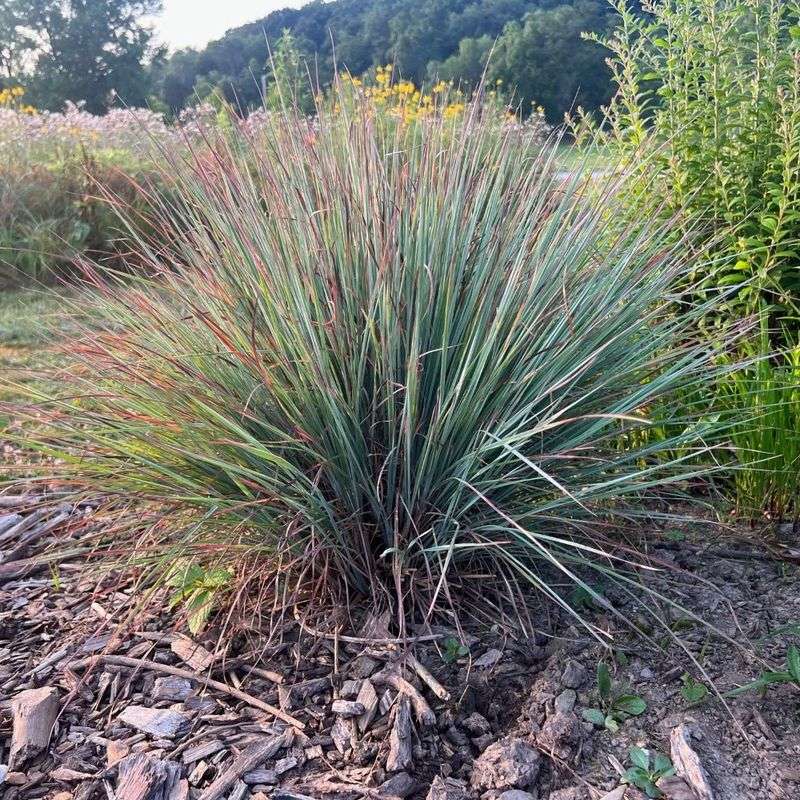
Don’t let the name fool you. Little bluestem turns a fiery copper-orange in fall, a color that lasts through most of the winter.
Fluffy silver seed tufts sparkle along the stems when sunlight hits them. On frosty mornings, the whole clump shines like it’s dusted with sugar.
This compact native grass usually grows only two to three feet tall. That makes it a great choice for smaller yards across Pennsylvania.
Little bluestem handles dry, rocky, or sandy soil with ease. Once settled in, it barely needs any watering at all.
Wildlife benefits are a big reason to leave it standing. Birds nibble the seeds, and the clumps protect small critters from icy wind.
It also hosts the caterpillars of several skipper butterflies. Some of those caterpillars spend winter tucked inside rolled leaves at the base of the plant.
Cutting the grass in fall would toss those future butterflies away. So hold off until spring, when the caterpillars move on.
In late March or April, trim the clumps to about three or four inches. Fresh blue-green blades will pop up within a few weeks.
Gardeners love the variety ‘Standing Ovation,’ which stays upright even in rich soil. ‘Blue Heaven’ is another strong choice with deep red-purple fall color.
10. Joe Pye Weed Hollow Stems Become A Winter Home For Pennsylvania Native Bees
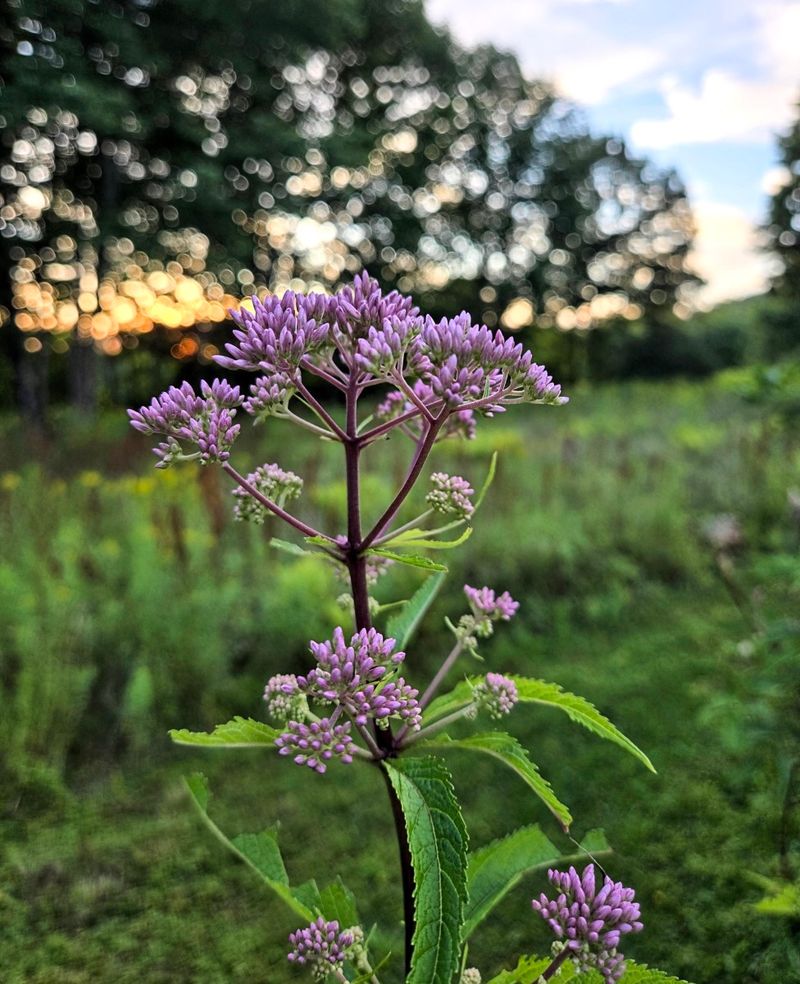
Towering up to seven feet or more depending on the species, Joe Pye weed is one of the giants of the late summer garden. Its dusty pink flower domes draw swallowtails, monarchs, and bumblebees by the dozen.
Once the blooms fade, certain species hold a hidden secret inside their stems. Hollow Joe Pye weed, known botanically as Eutrochium fistulosum, is the species most associated with this trait.
Its stems are notably hollow, like natural drinking straws, which sets it apart from other Joe Pye weed species that have pithy rather than fully hollow stems.
Small native bees, such as mason bees and small carpenter bees, love tucking into hollow stems. Some lay eggs inside, and their young spend the winter there safely.
Pennsylvania is home to more than 400 kinds of native bees. Giving them winter shelter is one of the easiest ways to help.
So leave Joe Pye weed standing through fall and winter. The fluffy seed heads also feed birds and look lovely dusted in snow.
In spring, wait until daytime temperatures reach the 50s for a week or two. Then cut the stems down, but leave 12 to 18 inches of stubble.
Those leftover stems become fresh nesting spots for the next generation of bees. New growth will grow tall and hide the stubs by early summer.
Got a smaller space? Try Little Joe or Baby Joe, which stay about three to four feet tall.
Legend says the plant was named after a Native American healer who used it to treat typhus and fevers in colonial New England. True or not, it makes a great garden story.