This Unwanted Georgia Pest Starts Gathering Around Homes As Fall Cools Down
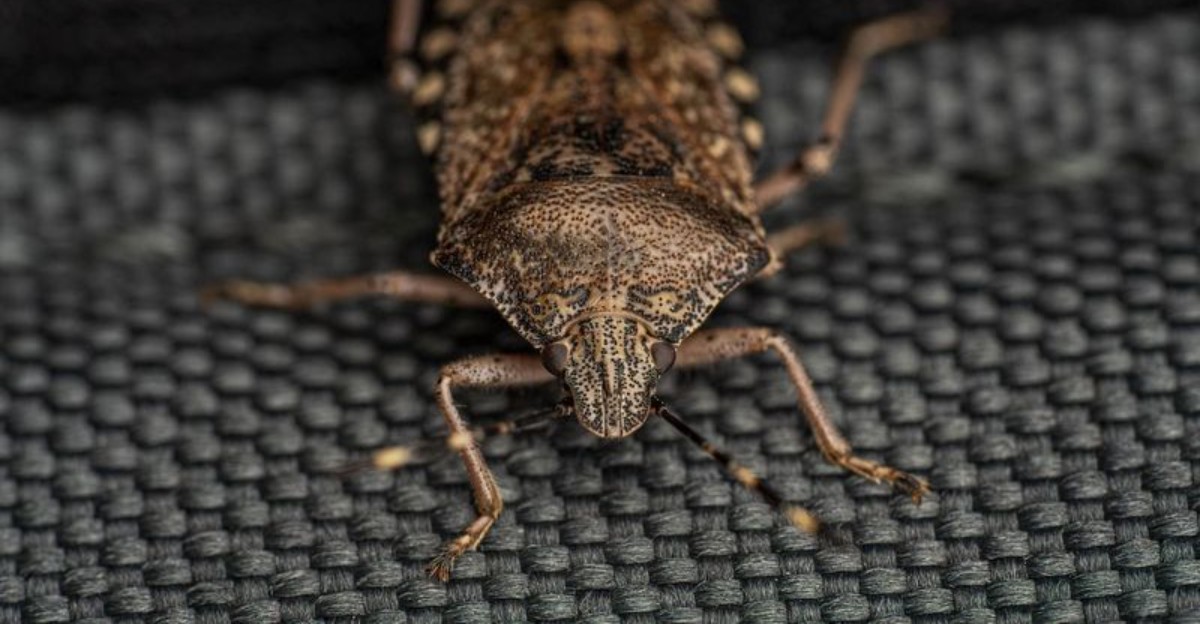
Cooler afternoons can bring an unwelcome change around your home when clusters of insects begin collecting on sunny walls and windows.
Fall sends one unwanted visitor searching for protected places where it can spend the colder months.
Warm walls, window frames, and other sheltered surfaces can become gathering spots as temperatures begin dropping.
Once these insects find small openings, some may work their way indoors. Check gaps around windows, doors, siding, vents, and utility openings before activity increases.
Homes throughout Georgia can see these seasonal gatherings as fall weather settles in.
Spotting them outside gives you time to close possible entry points before more begin moving toward shelter. Acting early can make the seasonal gathering much easier to manage.
1. Shield-Shaped Bugs Lining Sunny Siding Are Hunting For Somewhere To Spend The Winter
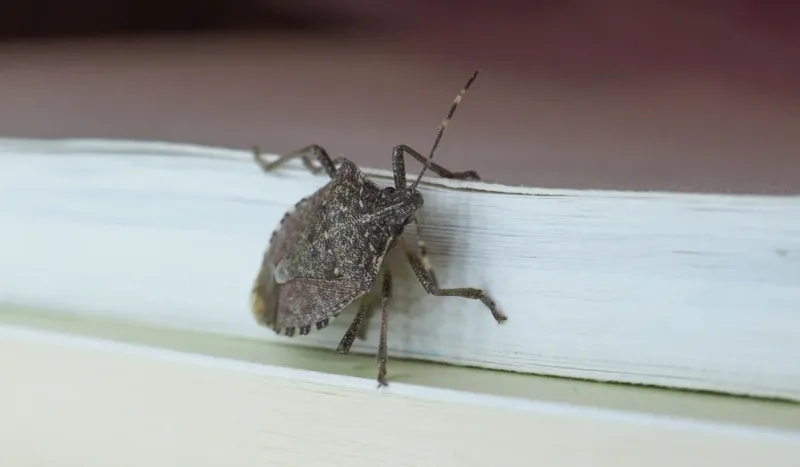
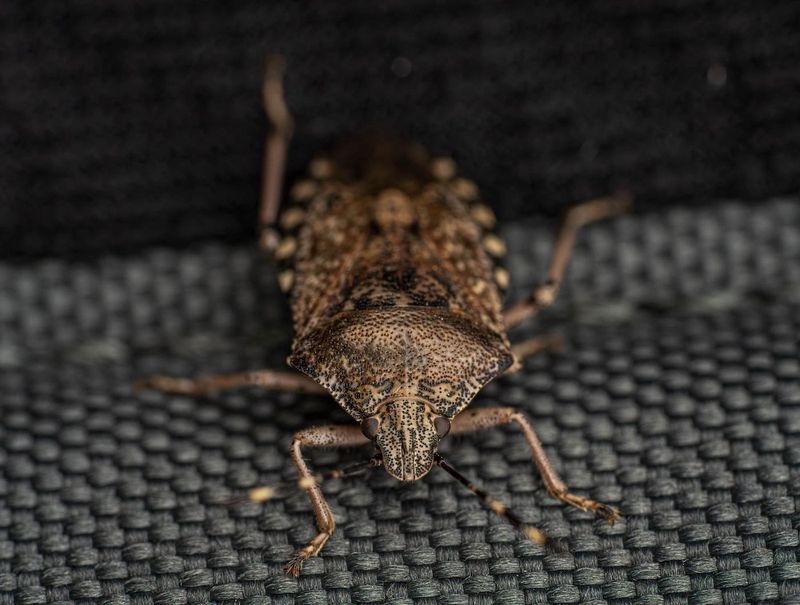
Warm siding acts like a magnet once nights turn crisp. Those flat, shield-shaped bugs you notice soaking up afternoon sun are brown marmorated stink bugs, known to scientists as Halyomorpha halys.
Shorter days and cooler temperatures signal them to stop feeding and start searching for shelter.
South and west walls usually draw the biggest crowds because they hold heat longest. Light-colored siding, window frames, and door trim seem especially popular in many yards.
Timing varies from year to year depending on the weather.
In much of Georgia, the gathering often picks up from late September into October, though a warm spell can shift that schedule. Mountain counties up north may see activity a bit earlier than coastal areas.
Spotting a handful on the porch is not a sign of a serious problem inside your home.
Still, it gives you a useful heads-up. A quick walk around the house on a sunny afternoon shows you exactly where they are landing, which hints at where they may try to sneak in.
Jot down those hot spots, then check nearby cracks, vents, and screens before the crowds grow larger.
Early attention tends to pay off more than reacting after they have already moved indoors. Think of these sunbathing bugs as a free warning system for the gaps you need to fix.
2. White Bands On The Antennae Help Tell This Species Apart
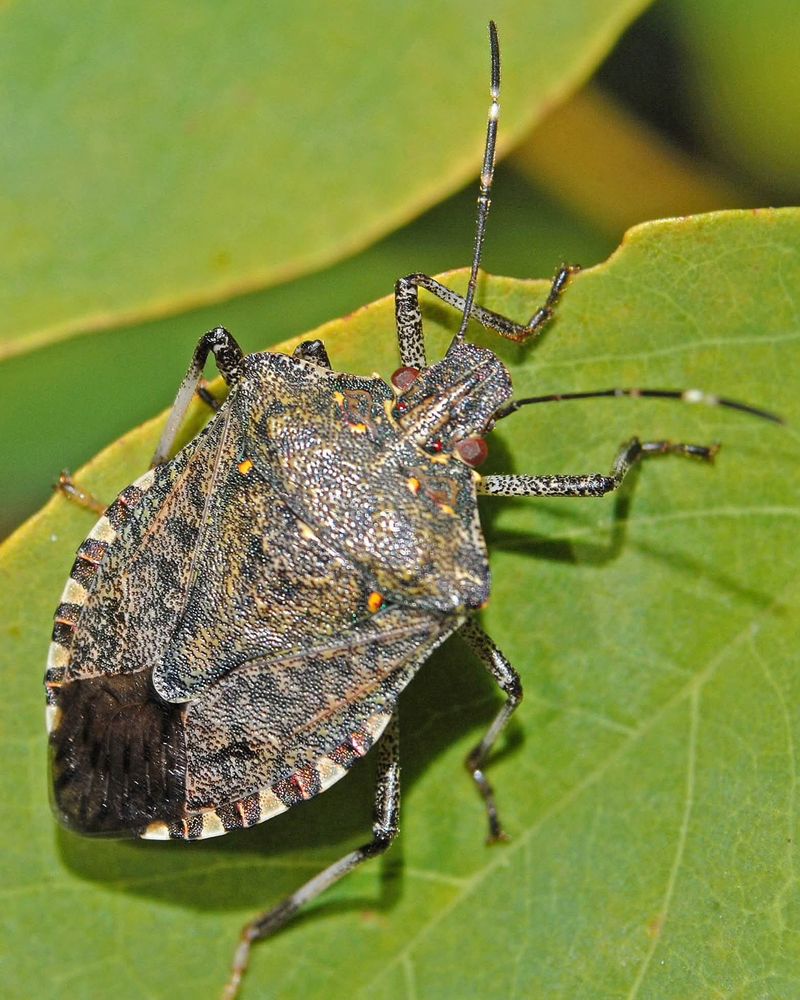
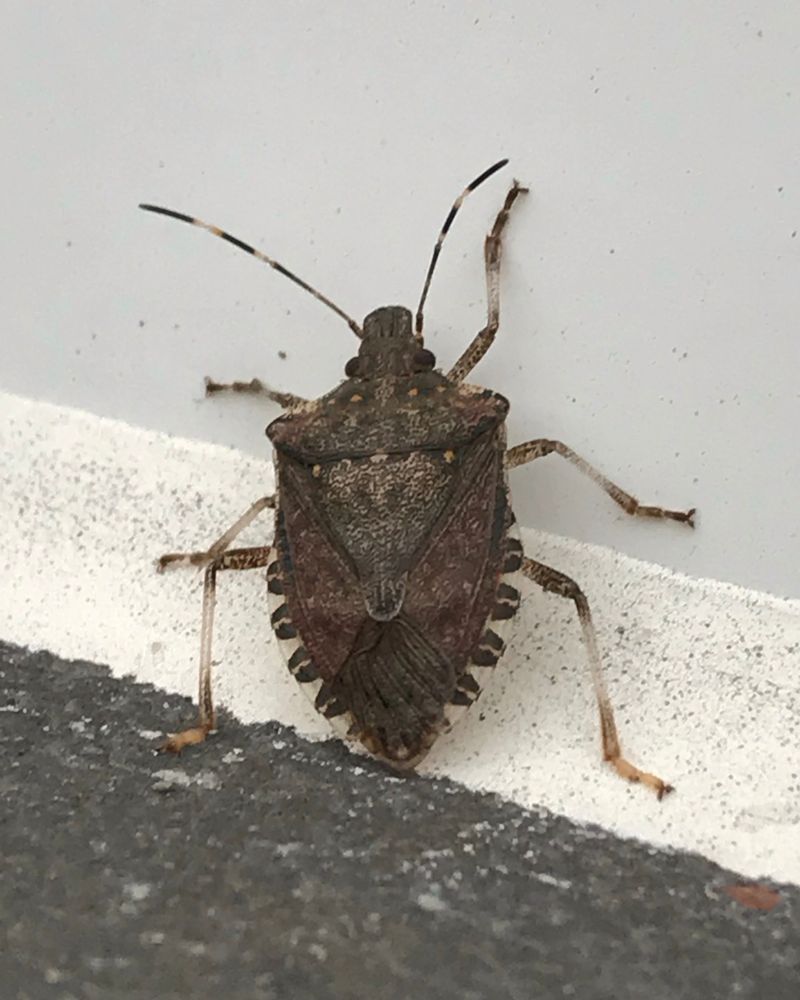
Plenty of brown bugs look alike at first glance. A closer peek at the antennae usually settles the question, since this species has light bands on the last two segments.
Those pale stripes stand out against the mottled brown body once you know to look.
Check the outer edge of the abdomen next. You will often see alternating dark and light bands peeking out from under the wings, almost like a little checkered trim.
Adults measure a little over half an inch long, roughly the size of a dime’s width.
Native brown stink bugs in Georgia can look similar but usually lack those clear white antenna bands. Some native kinds are even helpful, eating caterpillars and other garden pests.
Getting the identification right matters before you decide how to respond.
A phone camera with zoom works well if you prefer not to get too close. Snap a picture, enlarge it, and compare the antennae and body edges with photos from a county Extension office.
Your Georgia Garden Changes Every Week. Your Plan Should Too.
Gardening in Georgia changes quickly throughout the season. Every Friday you’ll receive a simple weekly plan showing exactly what to plant, prune, fertilize, harvest, and protect so you never miss the right timing.
Young nymphs look different from adults, with rounder bodies and reddish or striped patterns early on.
If you still feel unsure, your local Extension agent can help confirm what you found. Bringing a clear photo or a sample in a sealed bag usually makes their job much easier.
3. This Invader Arrived From Asia And Feeds On Many Garden Crops
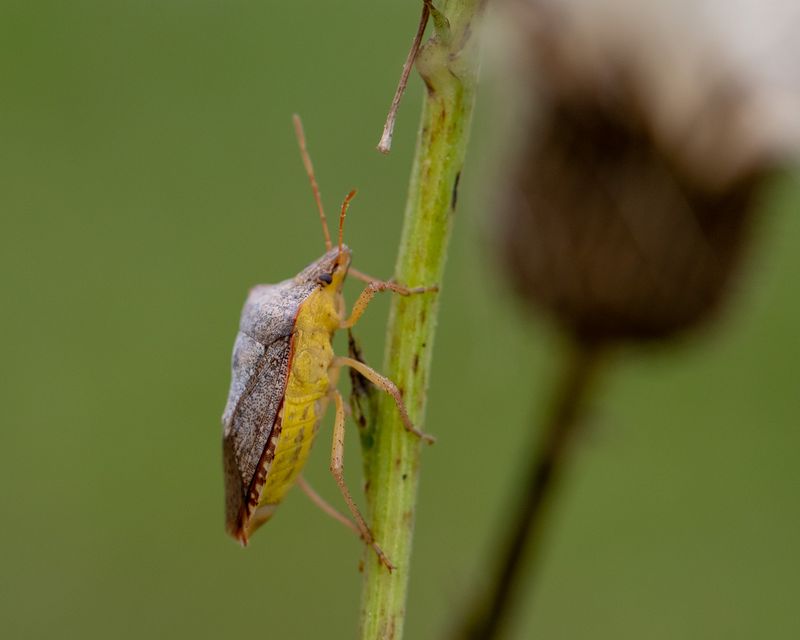
Nobody invited these bugs to North America. They are native to parts of eastern Asia and were first confirmed in Pennsylvania in the late 1990s, likely arriving with shipped goods.
From there, they spread steadily into many states, including much of the Southeast.
Gardeners notice them most in summer. They pierce fruit and vegetables with needle-like mouthparts, leaving small sunken spots, cloudy patches, or corky areas under the skin.
Tomatoes, peppers, beans, okra, sweet corn, and apples are common targets in home plots.
Fruit trees and ornamental shrubs can attract them as well. Damage levels swing widely from one garden to the next, depending on local populations and the weather that year.
Georgia peach and pecan growers keep an eye on this pest, though impact on commercial crops can vary by region and season.
Home gardeners can often manage with simple habits. Pick ripe produce promptly, hand-pick bugs early in the morning when they move slowly, and watch the undersides of leaves for egg clusters.
Eggs usually sit in neat groups of about 28, light green and barrel-shaped.
Fine mesh row covers can protect small crops, as long as flowers that need pollinators are not kept covered too long. Removing summer populations may help reduce how many show up at your walls later.
4. Wall Gaps And Attics Become Their Winter Hideaways
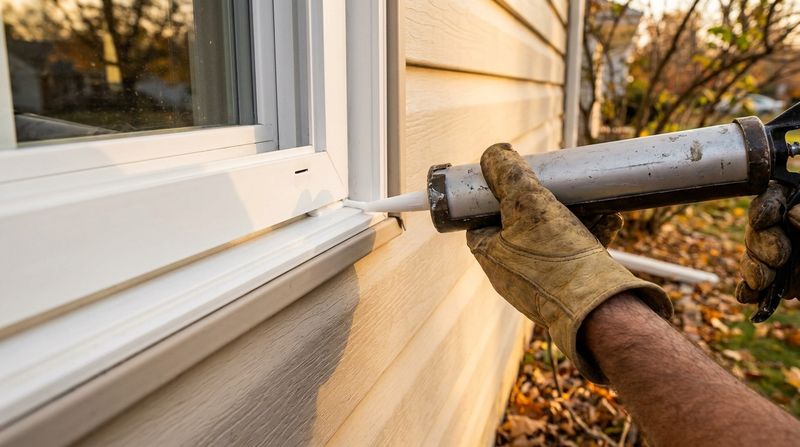
Tiny openings are all they need. A crack about an eighth of an inch wide can be enough for a stink bug to squeeze through and settle into a quiet wall space.
Attics, crawl spaces, and gaps behind siding offer the steady shelter they want.
Sealing those entry points before late September gives you the best odds. Run a bead of quality caulk around window frames, door trim, and spots where pipes or wires enter the house.
Worn weatherstripping deserves a close look too.
Torn window screens are an easy fix that many people overlook. Patch kits from the hardware store cost little and can block a surprising number of bugs during a busy fall.
Roof and soffit vents need attention as well, and fine screening can cover them without blocking airflow.
Window air conditioning units often leave gaps along their sides. Foam strips or panels can close those spaces once the cooling season ends in Georgia.
Chimneys sometimes let bugs in, so check that the damper closes tightly.
No home will ever be perfectly sealed, especially older houses with settled frames. Even partial sealing tends to cut down on how many bugs make it indoors, and it may help your energy bills a little too.
5. They Won’t Breed Indoors, But Warm Days Can Wake Them Up
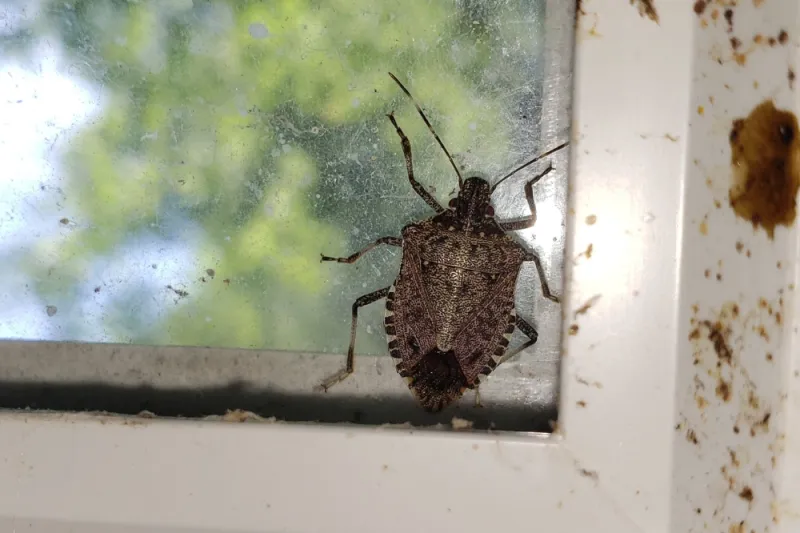
Good news first, they are not raising families in your living room. Stink bugs that overwinter inside generally stay inactive and do not reproduce until spring returns.
That means the numbers inside usually do not climb on their own during winter.
So why does one suddenly buzz past your lamp in January? Heating systems, sunny windows, and warm afternoons can rouse them from their sluggish state.
Mild winters in Georgia make these wake-up moments fairly common, especially on bright days in the 60s.
Awake bugs often head toward light and warmth. You might find them on windows, ceiling fixtures, or walls near a heater vent.
Indoors, they generally do not feed on houseplants, furniture, or stored food, so damage is unlikely.
Spring brings another wave of movement. As temperatures climb, bugs hiding in walls try to get back outside, and some get confused and wander into rooms instead.
Keeping a small container handy near the windows can make spring stragglers easy to manage.
Patience helps a lot here. Seeing a few through the colder months does not mean an infestation is growing, and the activity usually fades once they leave in spring.
6. Disturbing Them Releases The Odor Behind Their Name
Squish one, and you will understand the name right away. Stink bugs release a sharp odor from glands on their bodies when they feel threatened or get crushed.
People describe the smell in different ways, from cilantro to dirty socks to burnt rubber.
That scent is a defense tool meant to discourage predators. It can linger on fingers, fabrics, and surfaces longer than you might expect.
Swatting them on curtains or bedding is a mistake most people only make once.
Vacuuming seems like a smart shortcut, yet the smell can stick inside the machine for a while. Some Georgia homeowners keep an old or cheap vacuum just for bugs, emptying the bag outside right after.
A knee-high nylon stocking secured inside the vacuum tube can catch bugs before they reach the canister.
Pets sometimes get curious and bat at them. Most dogs and cats lose interest after one whiff, though a vet can answer questions if a pet seems upset after eating one.
Sensitive people may notice mild skin irritation after handling them.
Gloves or a tissue offer an easy barrier. Moving slowly and calmly is also helpful, since sudden grabs tend to trigger the stinkiest reaction.
7. A Jar Of Soapy Water Handles Stragglers With Less Smell
Simple tools often work best. A wide-mouth jar with a few inches of water and a squirt of dish soap can handle loose stink bugs with very little fuss.
Soap breaks the water’s surface tension, so bugs that drop in cannot climb back out.
Hold the jar just below the bug and give it a gentle nudge with a card or stick. When disturbed, they tend to drop downward, which makes this method surprisingly effective.
Keeping a jar near sunny windows makes quick work of stragglers through the season.
Odor stays low because the bugs are not crushed. Once the jar fills, dump the contents outdoors or flush them, then rinse and refill.
Indoor sprays usually do not help much and are not recommended for stink bugs inside living spaces.
Bugs hiding in walls stay out of reach, and new ones can keep arriving from outside. Prevention through sealing tends to matter far more than any treatment after they arrive.
Some people build simple light traps, though results vary from house to house.
For heavy pressure each fall, a licensed pest professional in Georgia can discuss exterior options timed before bugs move in. For most homes, though, a jar and a little patience keep things manageable.