Is Ornamental Kale Edible? What North Carolina Gardeners Should Know
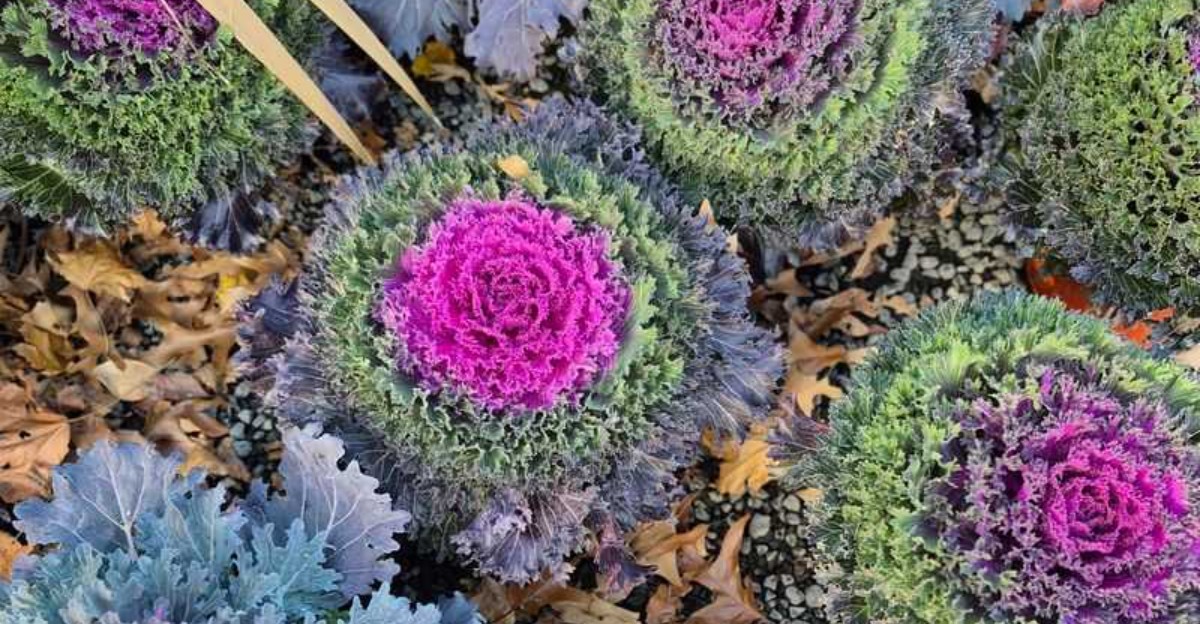
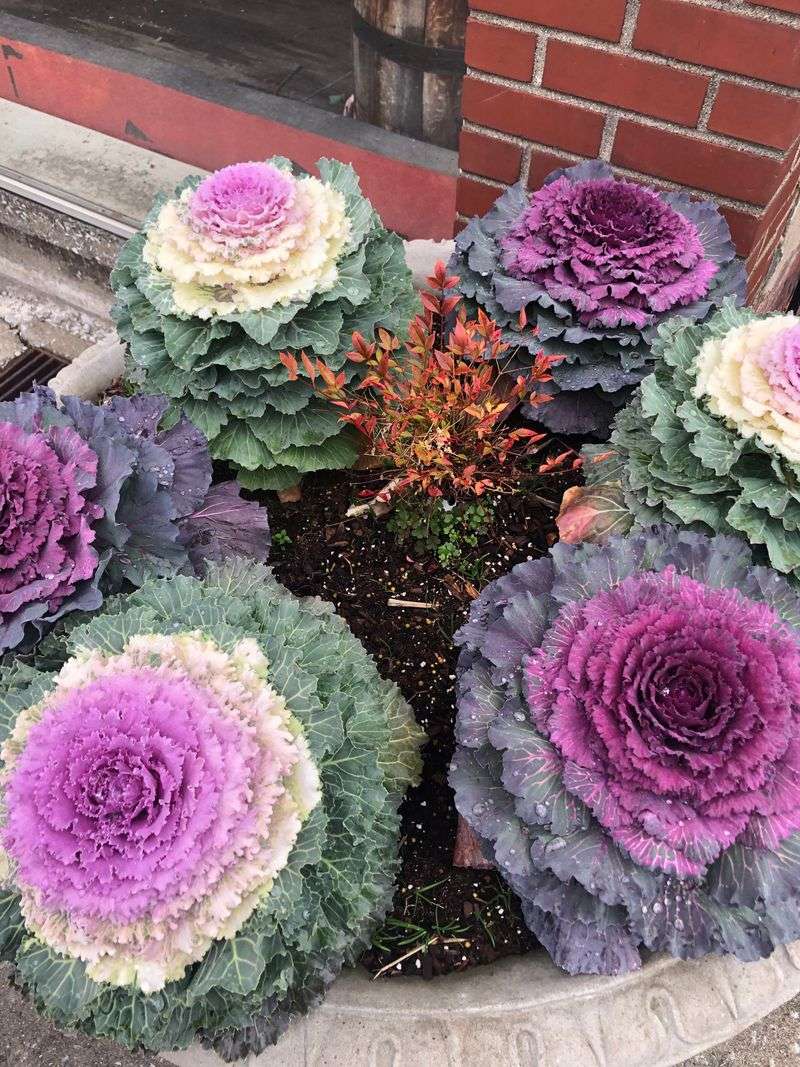
Ornamental kale looks too beautiful to eat, and that is exactly why people ask. The ruffled purple and white leaves fill fall containers all over North Carolina.
The short answer is yes, it is edible. It belongs to the same plant family as the kale you buy for salads. But the long answer has a few catches. Ornamental types were bred for color, not flavor, so the leaves can be tougher and more bitter.
Plants from garden centers may also have been treated with products not meant for food. Knowing where your plant came from matters.
If you want to eat it, a few simple steps make it far more pleasant. Whether you toss it in a pan or leave it as decoration, the choice is worth making with the facts.
1. Ornamental Kale Is The Same Species As Kitchen Kale
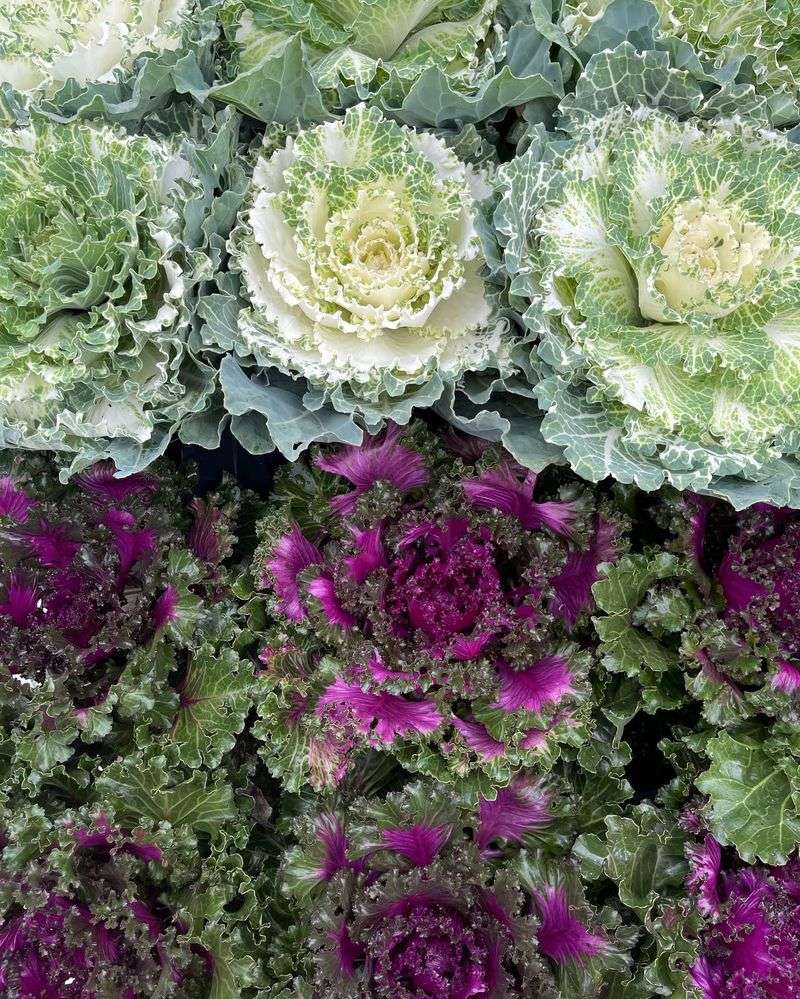
Plant a frilly purple ornamental kale next to a row of curly green kitchen kale, and you are looking at close cousins. Both belong to the same species, Brassica oleracea.
That same species also gives us broccoli, cabbage, cauliflower, and Brussels sprouts, which is a pretty impressive family tree.
So why does one end up in flower pots and the other in salads? Breeders simply chose different goals.
Ornamental types were selected for bold leaf color and a neat rosette shape, while kitchen types were selected for flavor and tender texture.
The good news is that ornamental kale is not a separate or toxic plant. It is technically edible, just like the kale you buy at the grocery store.
The plant itself carries no hidden danger, although how it was grown can matter, which comes up later in this article.
Many shoppers also mix up ornamental kale and ornamental cabbage. They look a lot alike at first glance.
Kale usually has frilly, ruffled, or deeply cut leaves, while ornamental cabbage has smoother, broader leaves with a rounder look.
Both plants are edible in the same way, and both bring the same cheerful color to the garden. Choosing between them is mostly about which leaf style you like best. Some gardeners mix the two for extra texture in beds and containers.
Here in North Carolina, ornamental kale ranks among the most popular fall and winter bedding plants. You will spot it at garden centers, church entrances, and front porches from October onward.
Knowing it shares roots with kitchen kale makes it feel even more useful, since your pretty display has a practical side too.
2. It’s Tougher And More Bitter Than Culinary Kale
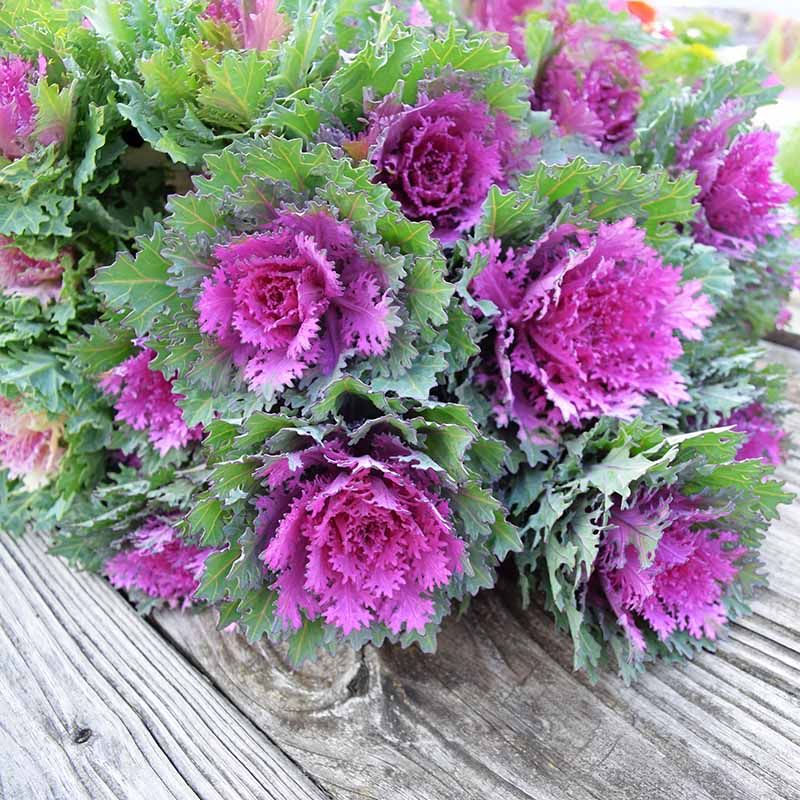
One bite of raw ornamental kale might make you raise an eyebrow. The leaves are often tough, chewy, and noticeably bitter.
If you expected the mild taste of your garden greens, the difference can be a real surprise. Blame the breeders, at least a little. Their focus was on color and form, not flavor, so taste took a back seat.
Culinary varieties like Lacinato, also called dinosaur kale, and classic curly kale were developed to be tender and pleasant to eat.
Your North Carolina Garden Changes Every Week. Your Plan Should Too.
Gardening in North Carolina changes quickly throughout the season. Every Friday you’ll receive a simple weekly plan showing exactly what to plant, prune, fertilize, harvest, and protect so you never miss the right timing.
That does not mean ornamental kale belongs only in the flower bed. With the right approach, it can still earn a spot in the kitchen. The trick is picking the best leaves and cooking them well.
Start with the young, tender leaves near the center of the plant. Older outer leaves tend to be the toughest and most bitter. Smaller leaves also hold their color nicely, which adds a fun pop to any dish.
Cooking helps a lot. Sauteing with garlic and olive oil, braising slowly in broth, or tossing leaves into soups and stews will soften the texture and mellow the bite. A splash of lemon juice or vinegar can balance any lingering bitterness.
Small leaves also make a striking garnish for holiday platters. A ruffled pink or white leaf under a cheese plate looks festive and fancy.
For North Carolina gardeners who already grow collards and kale for greens, setting the right expectations matters. Think of ornamental kale as a bonus ingredient, not a replacement.
Grow your favorite culinary kale for big harvests, and enjoy the ornamental kind as a colorful extra when it fits the menu.
3. Store-Bought Plants May Not Be Safe To Eat
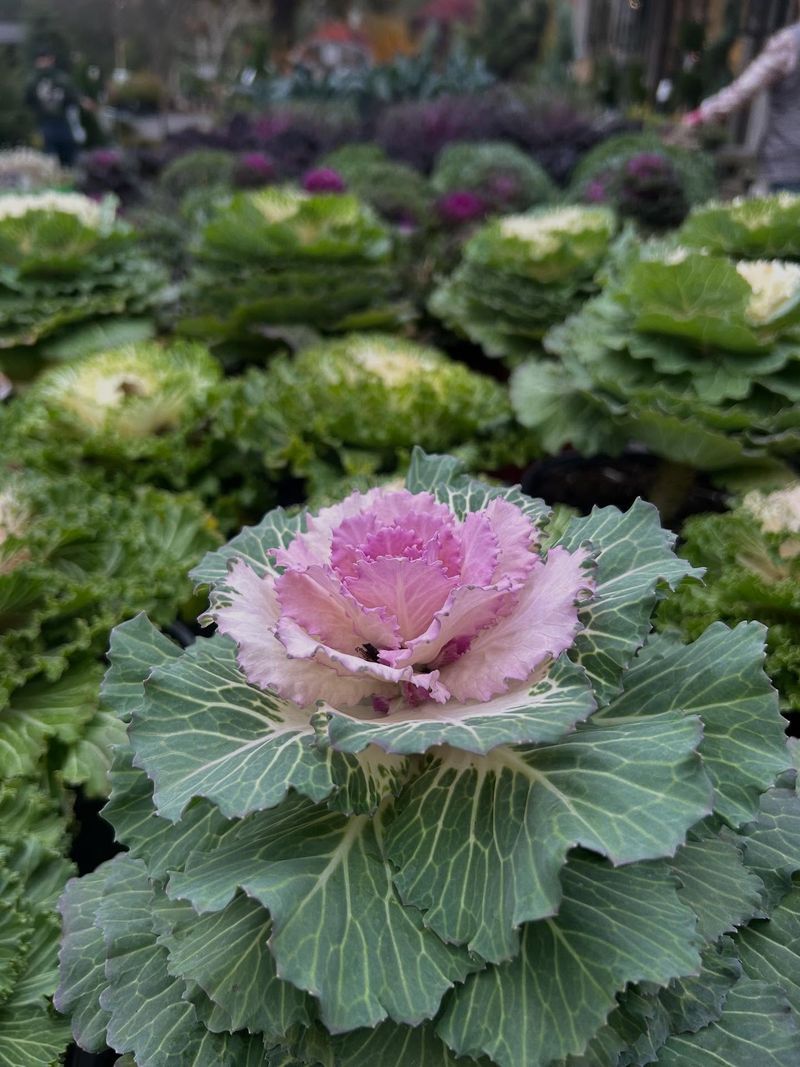
Every fall, carts loaded with ornamental kale roll out of garden centers and big box stores across North Carolina. Those plants look fresh and healthy, but looks can be misleading when it comes to eating them.
A plant can be edible by nature and still not be safe for your dinner plate.
The reason comes down to how the plants were grown. Nurseries raising ornamentals often use pesticides or other products that are labeled for flowers and landscape plants only.
Those products have not been approved for food crops, so no one has set safe levels for eating treated leaves.
Some treatments, called systemic products, move inside the plant itself. Washing the leaves will not remove them.
That is why a quick rinse is not enough to make a store-bought plant kitchen-ready. So what should a curious cook do? First, ask the nursery staff how their plants were treated.
Smaller local growers can often tell you exactly what they used, and some grow without any ornamental-only products.
Next, read the plant tag carefully. Some tags include warnings like not for human consumption, which settles the question right away. If the tag says nothing, do not assume the plant is safe.
The safest plan is simple. Only eat ornamental kale you grew yourself from seed, or plants you know were raised without products labeled for ornamentals only. Seed packets are cheap and easy to find, and kale sprouts quickly in late summer.
Starting your own seeds in August gives you sturdy transplants by fall. You get the same gorgeous color, plus peace of mind every time you snip a leaf for the skillet.
4. Cool Nights Bring Out The Best Color
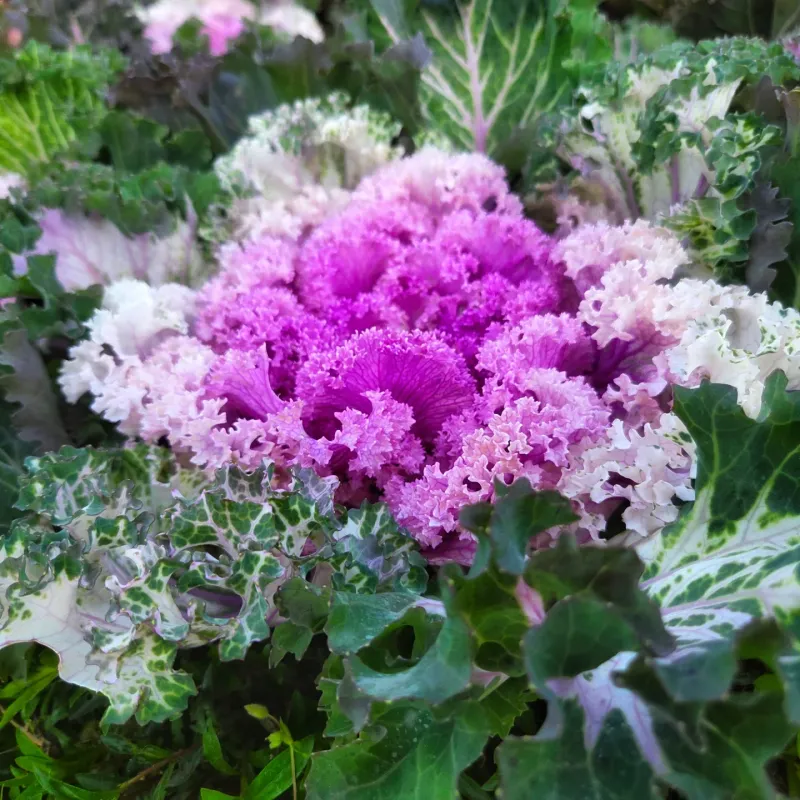
Ever wonder why your new ornamental kale looks plain green in September? Nothing is wrong with it. The plant is simply waiting for the weather to cool down before it puts on its full show.
Temperature acts like a switch for color. Once nighttime temperatures drop below about 55 degrees Fahrenheit, the centers start to brighten.
Shades of pink, purple, red, and creamy white grow stronger with each chilly night, while plants in warm weather stay mostly green.
Patience pays off here. After a few weeks of cool nights, the rosettes reach their brightest and most dramatic look.
Many gardeners say the change feels almost magical, like the plant blushes overnight.
Good care sets the stage for that color. Plant ornamental kale in early fall in a spot with full sun, since at least six hours of light helps plants stay compact and healthy. Shady spots often lead to leggy, floppy growth.
Water when the top inch of soil feels dry. Kale likes steady moisture but does not enjoy soggy roots, so well-drained soil or a good potting mix works best.
A light layer of mulch helps hold moisture and keeps roots comfortable. Go easy on fertilizer once plants are settled. Too much nitrogen can encourage green growth and dull the colorful centers.
North Carolina falls can stay warm well into October, especially in the Coastal Plain. That means color may arrive later than you expect.
Do not give up on your plants. Once those crisp nights finally roll in, the reward is a bed full of jewel-toned rosettes that glow through the cold months.
5. It Handles Frost Well
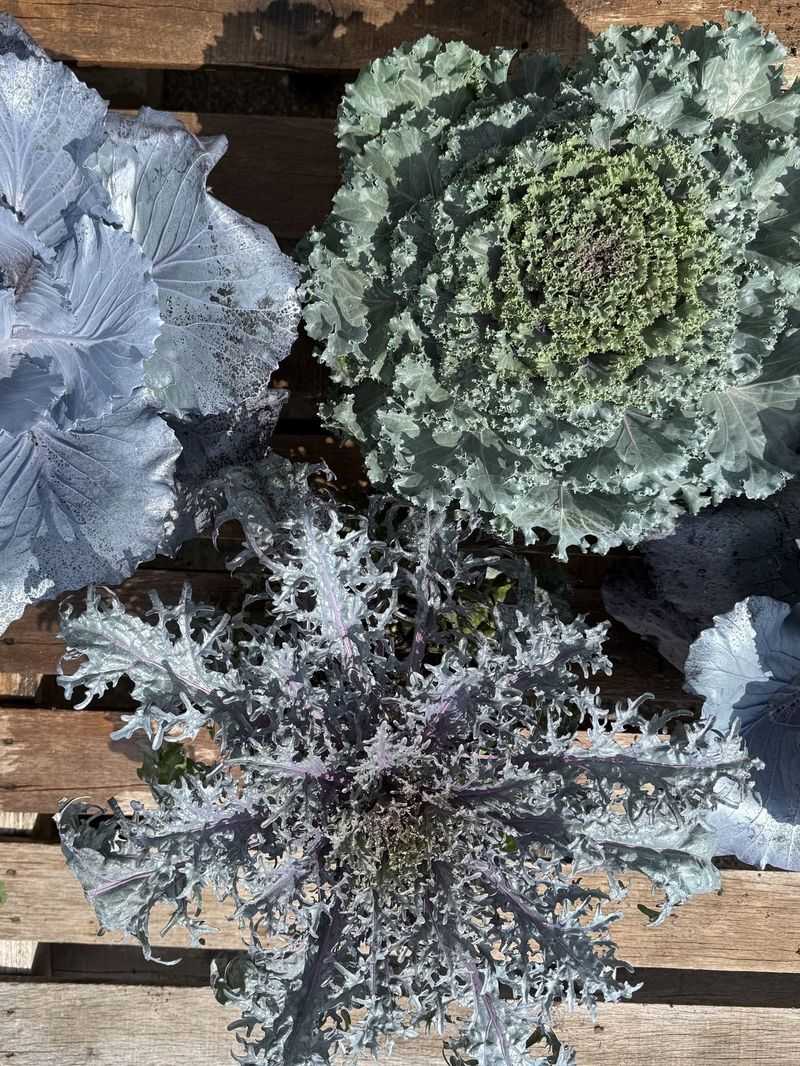
Frosty mornings send most summer flowers packing, but ornamental kale barely flinches. It shrugs off cold that would flatten petunias or impatiens. That toughness is a big reason gardeners love it so much.
Like its kitchen cousin, ornamental kale tolerates frost and freezing temperatures. Plants often stay attractive into the low 20s, and some handle even colder snaps.
Few bedding plants can match that kind of staying power, which makes it one of the longest-lasting cool season choices around.
Still, a little care goes a long way. When leaves are frozen, leave them alone. Touching or brushing against icy leaves can bruise the tissue and leave ugly marks once they thaw.
Wait until the sun warms things up before working in the bed. Frozen leaves usually bounce back on their own as temperatures rise. A morning walk with your coffee is fine, just keep your hands off.
Severe cold calls for backup. When forecasts call for temperatures in the teens, drape frost cloth over your plants in the evening.
Lightweight fabric traps warmth from the soil and can make a real difference. Remove it once the cold snap passes.
After a hard freeze, some outer leaves may look tattered or brown. Snip those off at the base to keep the plant neat. The colorful center usually stays bright and keeps going strong.
Across the Piedmont and Coastal Plain, ornamental kale often lasts from fall through winter and right into early spring.
Mountain gardeners face harsher cold, so plants there may need more protection. Either way, few plants offer this much color for this long.
6. It Attracts The Same Pests As Kitchen Kale
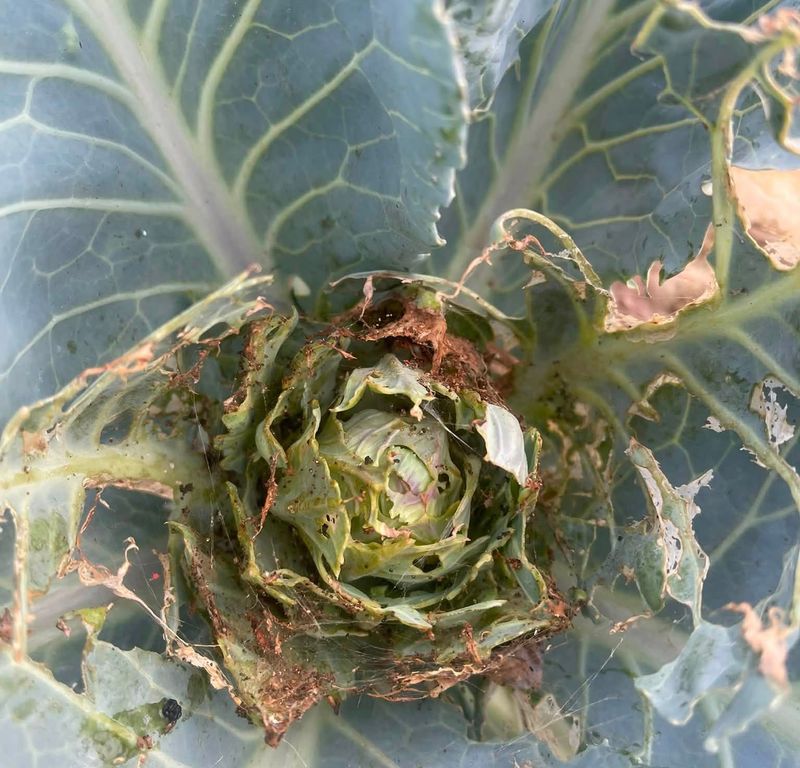
Hungry caterpillars do not care whether your kale is for looks or for lunch. To them, it is all dinner. Ornamental kale draws the very same pests that chew on other cabbage family crops.
The usual troublemakers include imported cabbageworms, cabbage loopers, and diamondback moth larvae. Cabbage aphids and harlequin bugs join the party too.
Holes, chewed edges, and sticky clusters of aphids can quickly spoil those decorative leaves.
Those small white butterflies fluttering over your garden are a warning sign. They are imported cabbageworm adults, busy laying eggs on your plants.
A few minutes of scouting now can save a lot of damage later. Make a habit of flipping leaves over and checking the undersides. Pests love to hide there.
Look for green caterpillars, tiny eggs, and gray waxy clusters of aphids. Hand-picking works great for caterpillars when numbers are small. Drop them into a cup of soapy water and move on.
For bigger problems, Bacillus thuringiensis, often called Bt, targets caterpillars without harming bees or other helpful insects.
Aphids respond well to insecticidal soap, which needs to touch the insects directly to work. Harlequin bugs, with their bold black and orange markings, are best picked off by hand early in the season.
Planning to eat the leaves? Choose only products labeled for edible crops and follow the label directions closely. That keeps your harvest safe.
North Carolina falls often stay warm after planting time, which keeps these pests active longer than you might expect. Regular checks in September and October help your plants reach cool weather looking their best.
7. Its Spring Flowers Are Edible Too
Spring has a funny way of surprising kale growers. One week your rosettes look tidy, and the next they shoot up tall stalks like they are reaching for the sky. That growth spurt is called bolting, and it is a natural part of the plant’s life.
As days grow longer and temperatures warm, ornamental kale shifts its energy toward making flowers and seeds. Kale is a biennial, so it grows leaves in its first season and flowers after a winter chill.
The leaves turn tougher and more bitter during this stage. Here is the tasty twist. The cheerful yellow flowers and the tender flower buds are edible.
Young buds taste mild and a bit like broccoli, and they are lovely sauteed or tossed raw into a spring salad.
Only harvest from plants grown without products labeled for ornamentals only. Snip buds while they are still tight and tender for the best flavor. Open flowers make a pretty, peppery garnish too.
You have choices once bolting begins. Gardeners who prefer a neat bed can pull plants and make room for spring flowers or vegetables. The old plants make a fine addition to the compost pile.
Others leave them standing to bloom. Those bright yellow flowers feed early bees and other pollinators when food can still be scarce. Your yard becomes a helpful snack bar for busy insects.
In North Carolina, ornamental kale usually bolts in early to mid spring. That tall stalk is your signal that the season is wrapping up. Enjoy the final show, savor a few buds, and start planning next fall’s colorful display.