Shrubs North Carolina Gardeners Should Never Plant Along A Driveway
Planting along a driveway feels like a simple decision until a few years pass and the problems that were always coming finally show up. Some shrubs that look perfectly manageable at the nursery turn out to be genuinely wrong for that specific spot.
A few grow too wide for the clearance cars need. Others are too sensitive to the heat that radiates off pavement through the summer.
Some drop berries or sticky seedpods onto surfaces people walk across every single day. A few spread aggressively enough to cause real damage to pavement edges over time.
North Carolina gardeners have pulled out and replanted driveway borders more than almost any other spot in the yard. In nearly every case those replacements were avoidable, and they started with the same handful of shrubs.
1. Pyracantha (Pyracantha Coccinea)

Few shrubs look as inviting as Pyracantha when it’s covered in clusters of fiery red and orange berries in the fall. That beauty, though, comes with a serious catch.
The thorns on this shrub are no joke, and anyone who has tried to prune one near a car or a walkway knows exactly how painful that experience gets.
Pyracantha grows wide and stiff, and it does not stay neatly in bounds without regular, aggressive pruning. Along a driveway, that means fighting sharp spines every few weeks just to keep it from scratching car doors or poking pedestrians.
Gloves, long sleeves, and eye protection are required gear just to maintain it.
Beyond the thorns, Pyracantha can also spread in ways that feel relentless. New growth pushes outward quickly, and the stiff arching branches are nearly impossible to redirect without removing them entirely.
That kind of maintenance burden adds up fast over a single growing season in North Carolina’s long, warm summers.
Pyracantha is a much better fit for a back fence line or a slope where it can naturalize without heavy intervention.
Along a driveway where people open car doors, carry groceries, and walk close to the planting bed, those thorns become a real liability. Save this one for a spot where it can shine without causing trouble.
2. Large Camellias (Camellia Japonica)
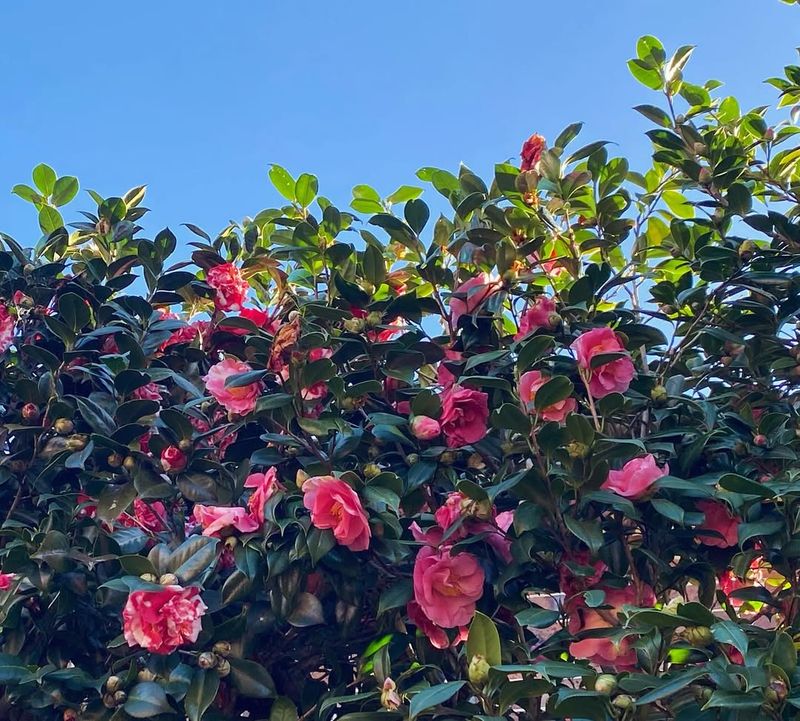
Camellias are one of the most beloved flowering shrubs across North Carolina, and for good reason. Their glossy evergreen leaves and stunning blooms from fall through spring make them feel almost magical.
The problem is not the camellia itself but rather where people tend to plant it.
Large Camellia japonica varieties can easily reach ten to fifteen feet tall and equally wide at full maturity. Planted along a driveway, that size becomes a serious issue.
Branches begin to hang over vehicles, block sightlines when backing out, and require constant trimming just to keep the path clear and safe.
Repeated heavy pruning also ruins the natural shape of the camellia, turning a graceful, rounded shrub into something that looks chopped and awkward.
Most gardeners do not realize how large these plants get because they grow slowly at first, then seem to explode in size once established.
Your North Carolina Garden Changes Every Week. Your Plan Should Too.
Gardening in North Carolina changes quickly throughout the season. Every Friday you’ll receive a simple weekly plan showing exactly what to plant, prune, fertilize, harvest, and protect so you never miss the right timing.
By the time the problem is obvious, the shrub is deeply rooted and difficult to relocate.
Compact camellia varieties exist and work beautifully in tighter spots, but standard large Camellia japonica cultivars need room to spread without interference.
A wide garden bed, a woodland border, or a spacious foundation planting gives them the space they deserve.
Driveways are simply too confined for these beauties to thrive without becoming a constant pruning project.
3. Rose Of Sharon (Hibiscus Syriacus)
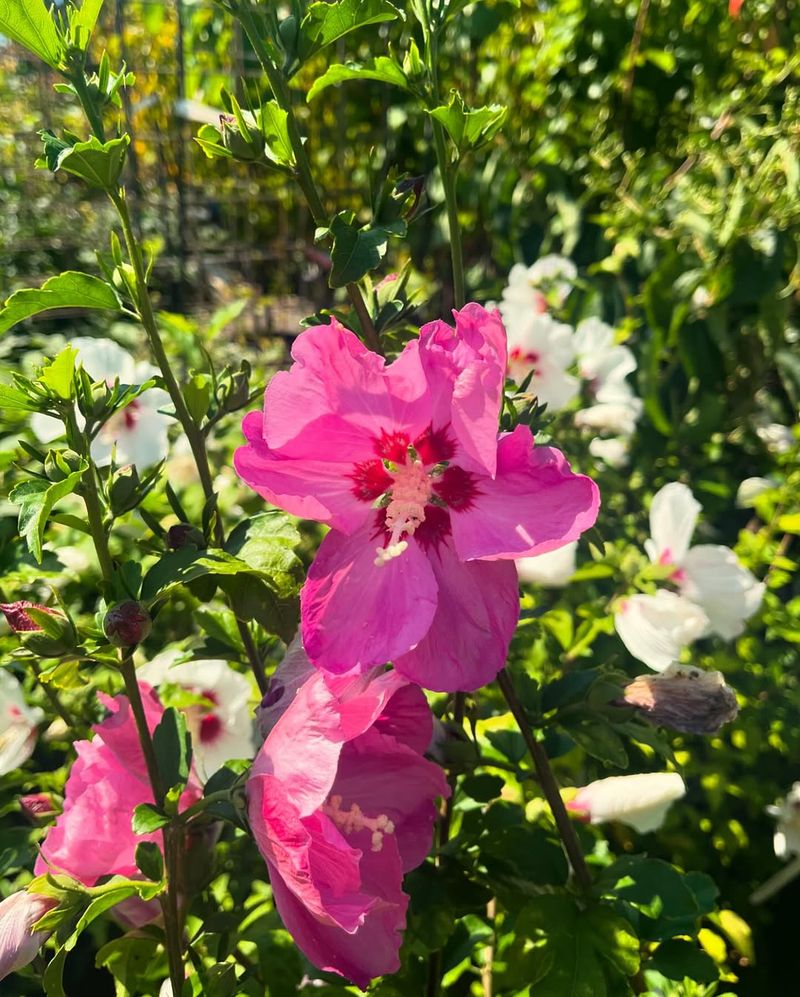
Rose of Sharon is one of those shrubs that earns its place in the summer garden with spectacular trumpet-shaped flowers in purple, white, pink, and lavender.
It blooms when almost nothing else does, right in the heat of July and August, which makes it wildly popular in North Carolina yards. However, popularity and practicality are two different things when it comes to driveway plantings.
The issue starts with size. Rose of Sharon can reach eight to twelve feet tall and spread four to six feet wide, which is simply too much plant for most driveway strips.
It tends to grow upright at first, then fans out as it matures, eventually crowding any narrow border where space is limited.
Then there is the seeding problem. Rose of Sharon produces an enormous number of seeds, and those seeds sprout everywhere, including cracks in the pavement, nearby beds, and your neighbor’s yard.
Pulling seedlings becomes a weekly summer chore that never quite ends. Some newer sterile varieties help with this issue, but the size concern remains.
If you love this shrub, plant it in a wide mixed border or as a back-of-bed specimen where its height is an asset rather than a headache.
Along the driveway edge, it will quickly feel more like a maintenance burden than the cheerful summer showstopper it truly can be in the right location.
4. Cherry Laurel (Prunus Caroliniana)
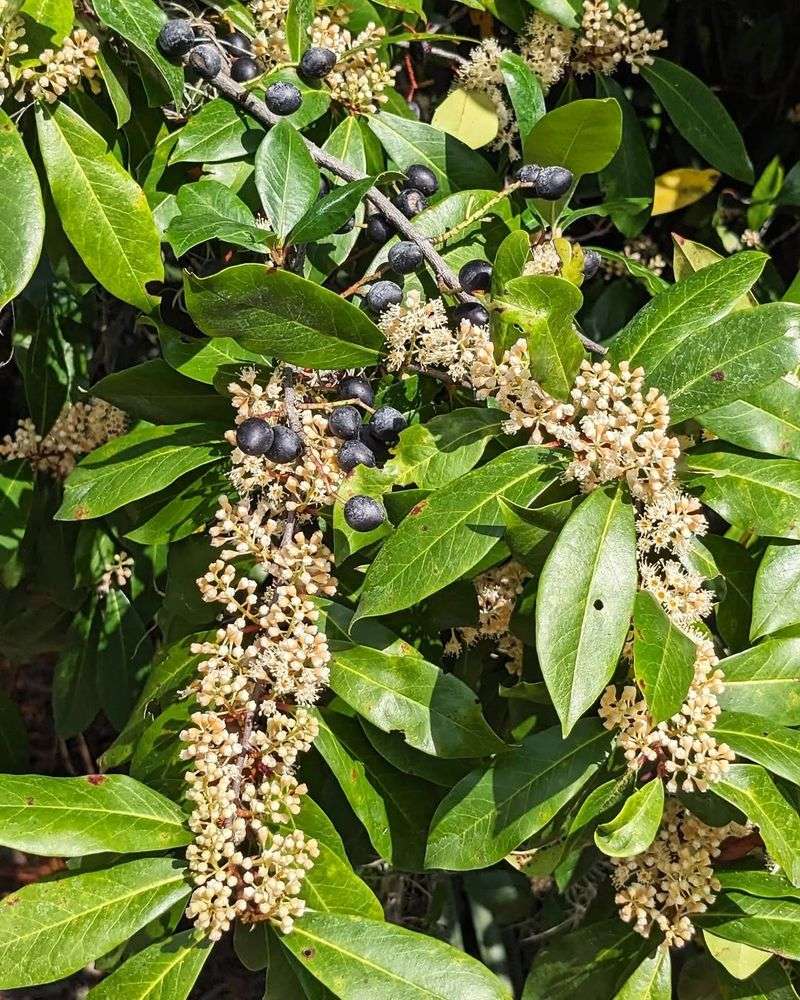
Cherry Laurel has a lot going for it on paper. It is a North Carolina native, evergreen, fast-growing, and excellent for privacy screening.
Birds love the berries, it tolerates shade, and it establishes quickly even in tough soil conditions. So why does it land on this list? Because fast-growing and driveway-edge are a combination that rarely ends well.
Prunus caroliniana can reach twenty to thirty feet tall and fifteen feet wide under ideal conditions, which describes most of North Carolina’s piedmont and coastal plain regions perfectly.
Along a driveway, that growth rate means you will be pruning constantly just to prevent branches from hanging over vehicles or blocking the path entirely.
The more you cut it, the faster it seems to push back.
Cherry Laurel also produces prolific berries that birds spread widely, leading to seedlings popping up in inconvenient places around your yard and beyond. While that is less of a problem than the size issue along the driveway, it adds to the overall maintenance picture.
Where Cherry Laurel truly shines is as a back property screen or a naturalized hedge along a fence line with plenty of width to expand. Giving it room to grow on its own terms means far less work for you.
Squeezing it into a driveway planting strip is a recipe for a pruning battle you will never fully win.
5. Wax Myrtle (Morella Cerifera)
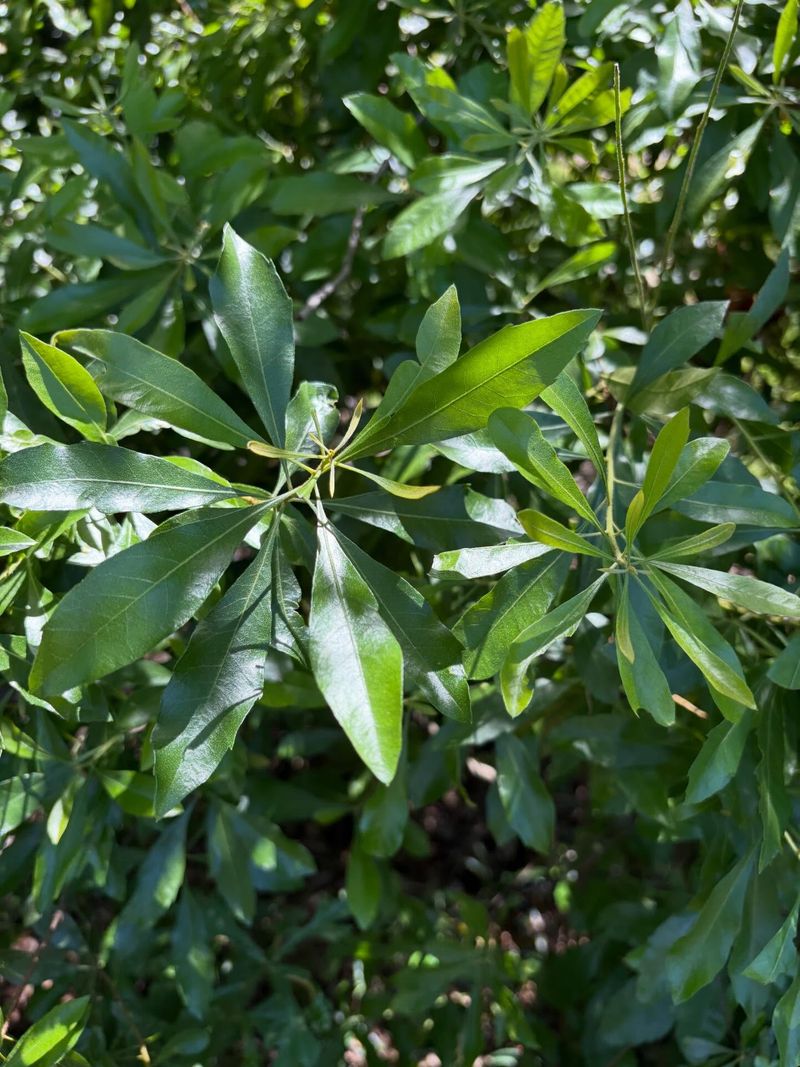
Wax Myrtle is genuinely one of the best native shrubs North Carolina has to offer. It handles heat, drought, poor soil, salt spray, and wet conditions with remarkable toughness.
Wildlife gardeners love it for the waxy blue-gray berries that feed dozens of bird species through winter. In the right spot, it is nearly perfect.
The driveway edge, unfortunately, is not that spot. Without regular pruning, Wax Myrtle can reach ten to fifteen feet tall and spread almost as wide, forming a broad, multi-stemmed thicket.
That kind of growth is wonderful along a property boundary or a naturalized screen, but it becomes overwhelming fast when planted in a narrow strip beside pavement.
Branches push outward quickly, and the shrub does not respond gracefully to heavy shaping.
What frustrates many gardeners is how innocent it looks at the nursery. A small, tidy Wax Myrtle in a one-gallon container gives no hint of how aggressively it will expand once it settles into North Carolina’s fertile, warm soil.
Within two or three growing seasons, it can easily double or triple in size. For those who love this native plant, use it as a naturalized screen along a back fence, a rain garden border, or a woodland edge where its spreading habit is an asset.
Along a driveway, it will outpace the space before you realize what has happened, and bringing it back under control is a significant amount of work.
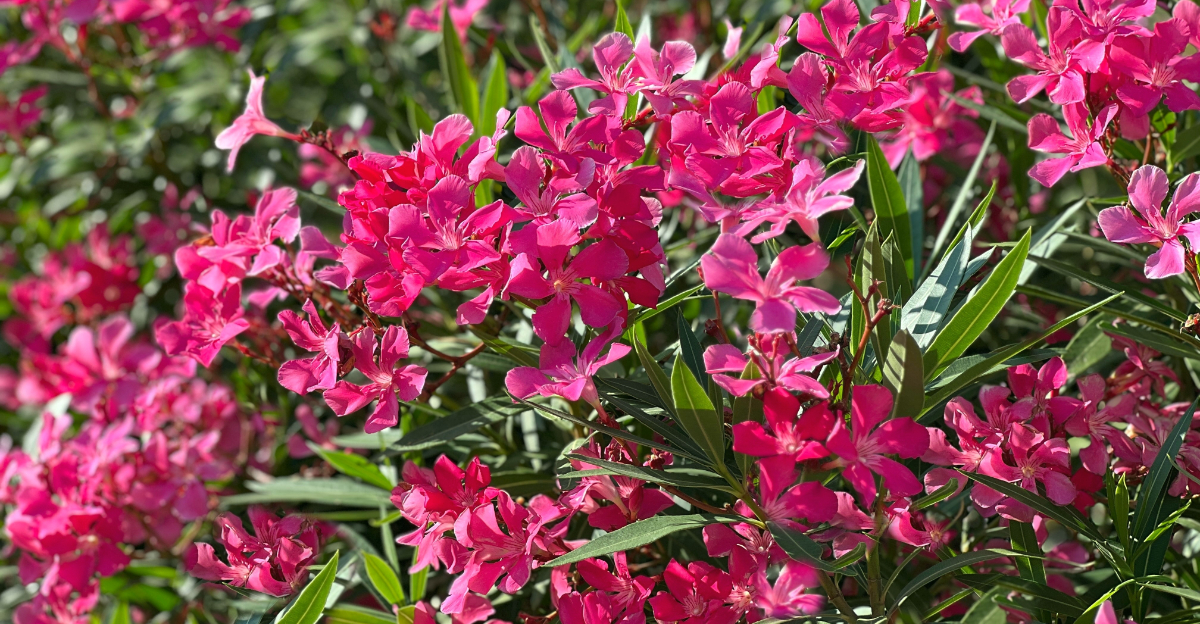
6. Oleander (Nerium Oleander)
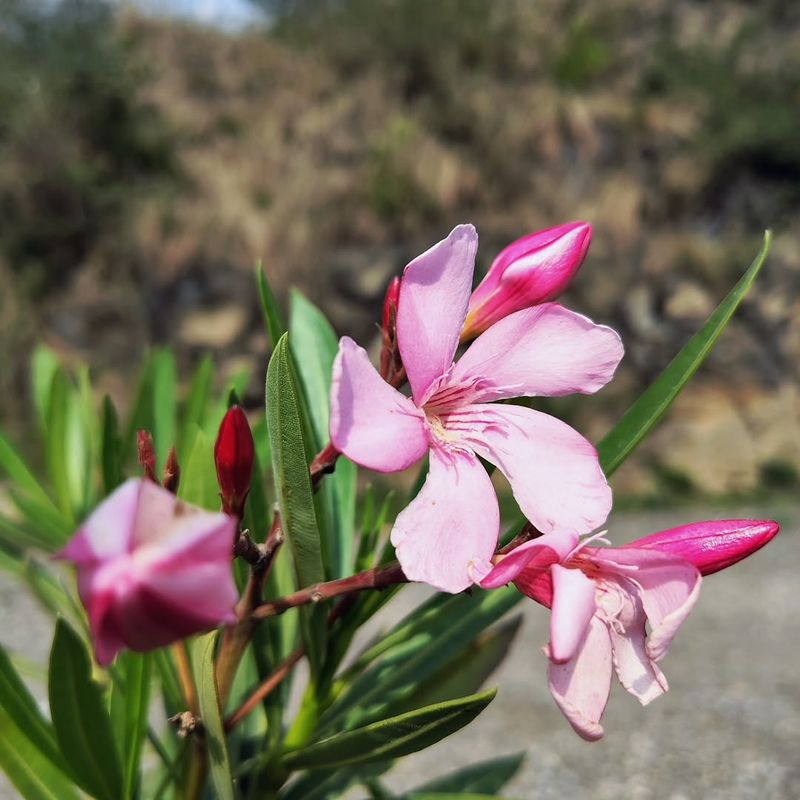
Oleander has a reputation as one of the toughest, most heat-tolerant flowering shrubs in the South, and that reputation is well earned.
It blooms in shades of pink, red, white, and yellow through some of the hottest months of summer, and it shrugs off drought conditions that would stress most other plants.
Along the North Carolina coast, it is a common sight in commercial landscapes and highway medians. That does not mean it belongs next to your driveway at home.
The biggest concern with Oleander is toxicity. Every part of this plant, from the leaves to the flowers to the stems, contains compounds that are seriously harmful if ingested.
Families with young children or pets who roam near the driveway face a genuine risk, especially when pruning debris falls onto the ground where it can be picked up or chewed on.
Size is the second issue. Oleander can reach eight to twelve feet tall and spread just as wide without regular trimming.
In a tight driveway planting bed, that scale becomes difficult to manage, and pruning produces cuttings that must be handled carefully and disposed of properly rather than composted.
Oleander works well in large commercial settings or wide open residential borders where foot traffic is minimal.
Near a busy driveway where people park, unload, and walk past regularly, the combination of size and toxicity creates more problems than the beautiful blooms are worth.
7. Large Loropetalum (Loropetalum Chinense Var. Rubrum)
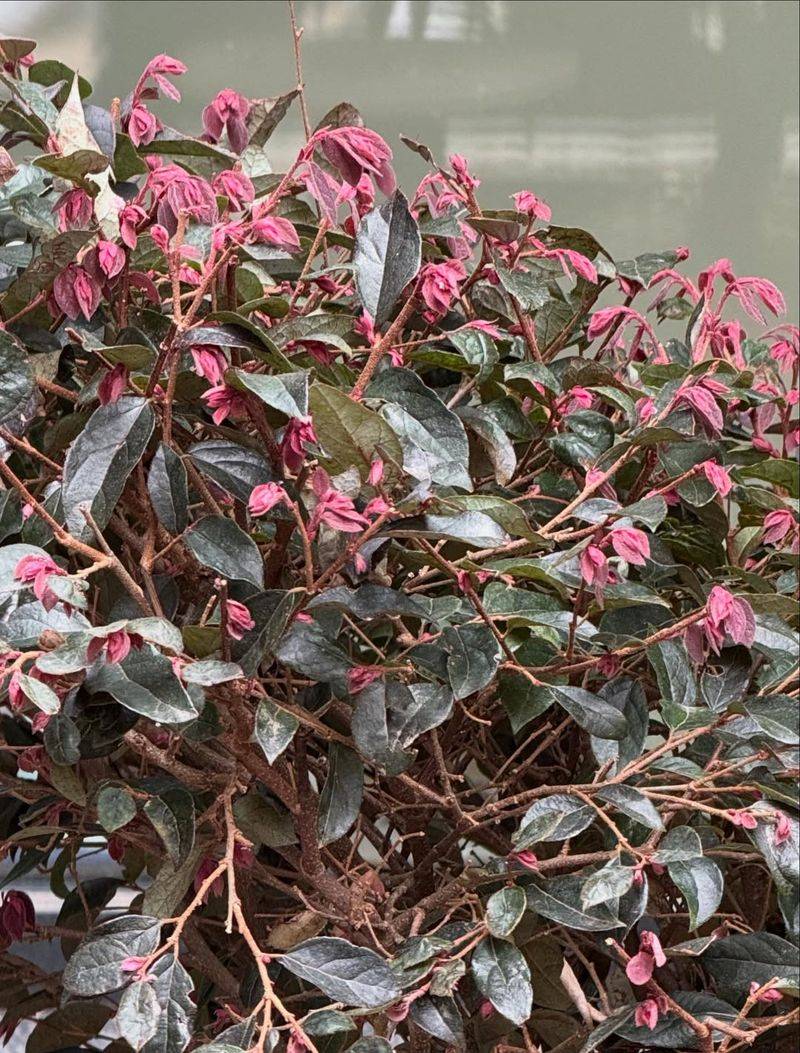
Loropetalum is everywhere in North Carolina landscapes, and it is easy to understand why. The deep burgundy foliage, fringe-like pink flowers, and year-round color make it one of the most eye-catching shrubs available at any garden center.
Smaller compact varieties are genuinely fantastic choices for tight spots. The problem comes with the older standard and large-growing forms, which are still widely sold and planted without enough warning about their eventual size.
Full-size Loropetalum chinense var. rubrum cultivars can reach ten to fifteen feet tall and spread equally wide over time.
Planted along a driveway, those graceful arching branches that look so beautiful in photos will eventually reach right across the pavement and drag along car rooftops.
The branches are flexible, which makes them harder to notice until they are scratching every vehicle that passes. Another frustration is that Loropetalum does not take well to repeated hard pruning.
Cutting it back heavily destroys its natural weeping, layered form and often results in a dense, twiggy mess of regrowth that looks nothing like the elegant plant you originally chose.
Many gardeners end up in a cycle of pruning that never quite restores the original shape. When shopping for Loropetalum, always check the mature size on the tag and choose a compact or dwarf variety for driveway borders.
Varieties like ‘Purple Pixie’ or ‘Plum Delight’ stay manageable and still deliver that signature burgundy color without the sprawling growth habit that causes so many headaches.
8. Standard Burford Holly (Ilex Cornuta ‘Burfordii’)
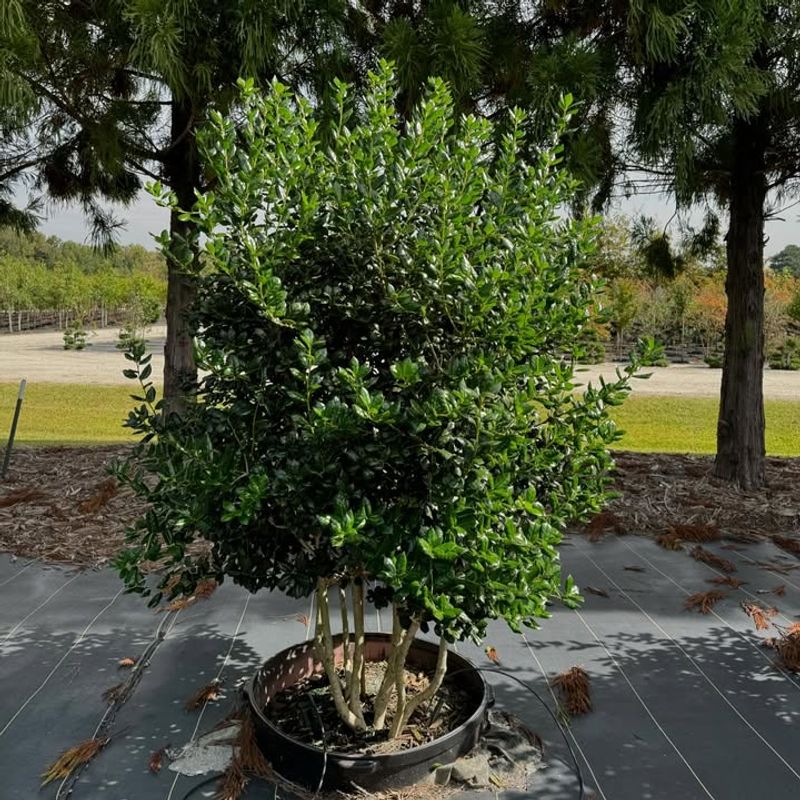
Burford Holly is one of the most planted evergreen shrubs in North Carolina, and it has earned that status through sheer reliability. It tolerates heat, humidity, drought, and a wide range of soil types without complaint.
The glossy dark green leaves and bright red winter berries make it a landscape staple. But standard Burford Holly has a size secret that catches many homeowners completely off guard.
Left unpruned, Ilex cornuta ‘Burfordii’ can grow eight to ten feet tall and equally wide, forming a massive, dense mound of foliage.
The leaves have a single terminal spine that is sharp enough to draw blood, and anyone who brushes against a mature Burford Holly while getting out of a car quickly learns to give it more respect.
Near a driveway, that combination of size and spiny leaves is genuinely unpleasant to deal with. The shrub also grows more vigorously than most people expect, especially in the rich, amended soil that goes into a new landscape bed.
What looks like a neat, compact plant in year one can become a sprawling giant by year five or six, particularly in North Carolina’s long growing season.
Dwarf Burford Holly, Ilex cornuta ‘Dwarf Burfordii,’ is a far smarter choice for driveway borders. It stays three to four feet tall and wide with minimal pruning, holds its shape beautifully, and still produces those cheerful red berries.
Standard Burford belongs in a wide foundation bed or a screen planting where its full size is actually an advantage.
9. Large Viburnums (Viburnum Odoratissimum Or Large Cultivars)
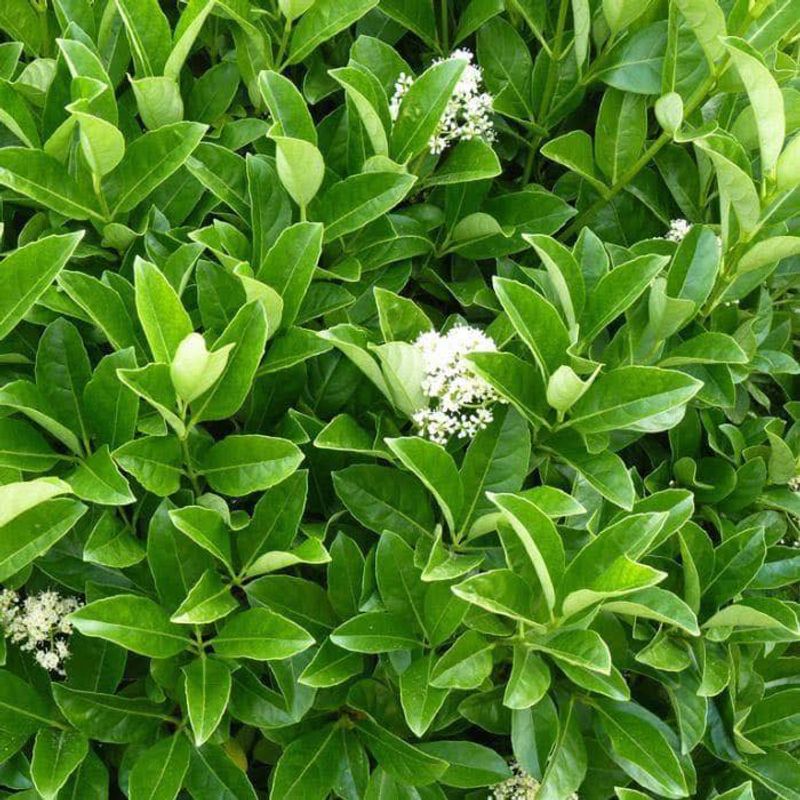
Viburnums as a group are genuinely outstanding shrubs, and North Carolina gardeners have good reason to love them. They offer fragrant flowers, attractive berries, great fall color, and strong wildlife value all in one plant.
The trouble is that the larger species and cultivars, particularly Viburnum odoratissimum, are simply too big and too vigorous for most driveway planting situations.
Sweet Viburnum, Viburnum odoratissimum, can reach fifteen to twenty feet tall under favorable conditions, which is essentially a small tree.
Even more moderate large cultivars routinely hit eight to twelve feet wide, spreading well beyond any reasonable driveway border.
The growth rate is fast, especially in the warm, humid conditions that define North Carolina summers, and keeping them in bounds requires significant pruning effort.
What makes this particularly frustrating is that Viburnums do not respond to repeated shearing the way a formal hedge might.
Heavy cutting often removes the flowering wood, which means you lose the blooms and fragrance that made you want the plant in the first place. You end up with a large, dense, green wall that never quite looks intentional.
Smaller Viburnum options like Viburnum obovatum or compact cultivars of Viburnum nudum work beautifully in tighter driveway borders. They offer the same wildlife value and seasonal interest without overwhelming the space.
Matching the right size plant to the right space is always the smarter, lower-maintenance choice in the long run.
10. Tall Upright Junipers (Juniperus Spp. And Cultivars)
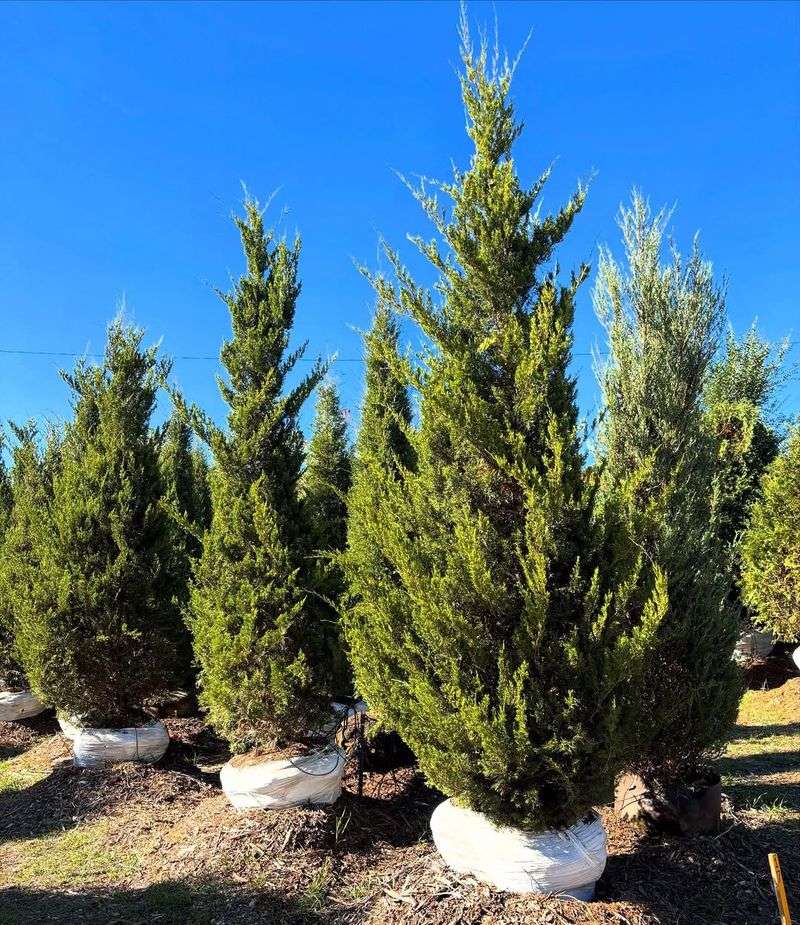
Tall upright Junipers show up in driveways all across North Carolina, usually planted with the best of intentions.
They look tidy and narrow at the nursery, promise low maintenance on the tag, and seem like the perfect solution for adding some vertical evergreen structure along a driveway edge.
Fast forward five to ten years, and the story changes considerably. Many upright Juniper cultivars that appear slim and columnar when young gradually widen as they age, especially in the lower half of the plant.
Branches spread outward into the driveway space, becoming stiff, scratchy, and nearly impossible to reshape without leaving obvious bare patches.
Unlike many broadleaf shrubs, Junipers do not regenerate well from old wood, so cutting back into the interior usually results in permanent brown gaps.
There is also the issue of interior browning. As Junipers mature, the inner foliage naturally sheds, leaving a hollow, unattractive center that becomes visible whenever branches are pushed aside by passing vehicles or strong winds.
In a driveway setting where the shrubs are viewed up close every single day, that look becomes a real eyesore.
If you want vertical evergreen structure along a driveway, consider narrower, more predictable options like Sky Pencil Holly or columnar Ilex species that hold their shape reliably without spreading.
Junipers are far better suited to open slopes, large foundation beds, or naturalized areas where their texture and toughness can truly shine without the constant battle for space.