This Fall Milkweed Mistake Could Put Georgia Monarchs At Risk
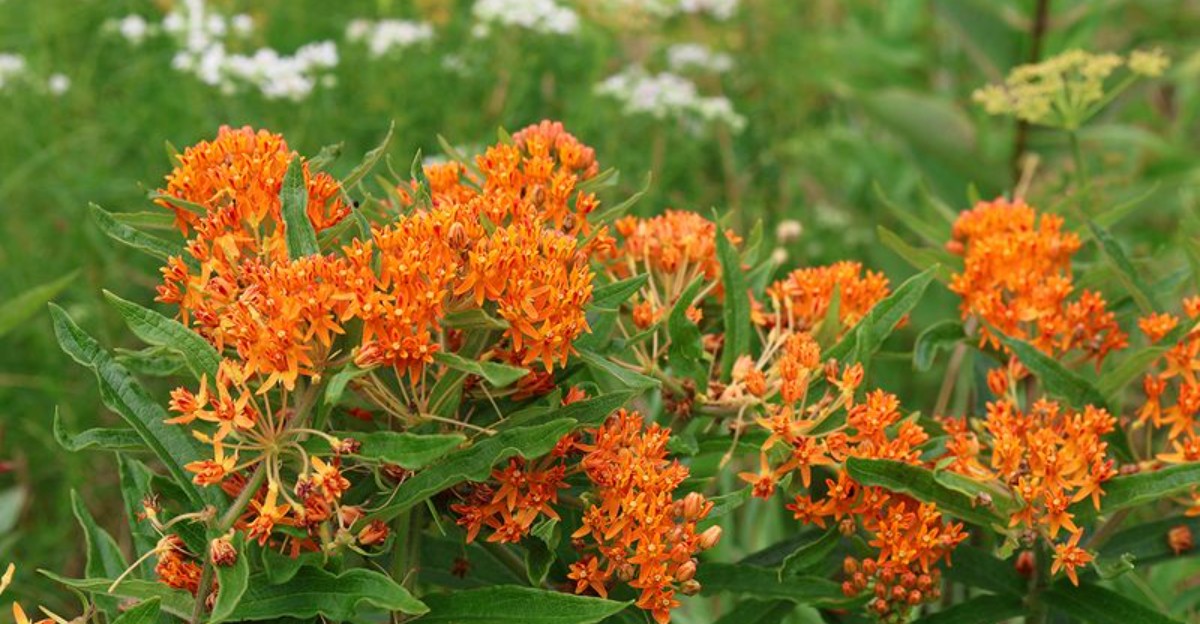
Milkweed still standing in your garden this fall may look helpful, but one common choice can create problems for migrating monarchs.
The concern is not every milkweed plant. Tropical milkweed can remain green longer than native species and may encourage monarchs to linger where winters are mild.
Persistent foliage can also allow a monarch parasite called OE to build up on leaves.
If tropical milkweed grows in your yard, pay attention to seasonal guidance instead of treating it like native milkweed. Proper management can reduce potential problems.
Georgia gardeners can support monarchs by choosing native milkweed species suited to their region and growing conditions.
Fall care should help these butterflies follow their natural seasonal cycle. Knowing which milkweed you have is the first step before deciding what to cut or leave alone.
1. A Popular Butterfly Plant Can Cause Trouble Late In The Year
Good intentions can sometimes lead a garden in the wrong direction. Tropical milkweed, sold in nurseries and big box stores, is one of the easiest butterfly plants to find.
Gardeners love its bright red and orange flowers, which keep coming for months.
So what is the mistake? It is leaving tropical milkweed growing through fall and winter instead of cutting it back once the season winds down.
Plenty of Georgia gardeners let it stand because it still looks healthy and green in November.
That choice seems harmless, and in a cold year it may cause little trouble at all. In milder years, though, a leafy patch can keep attracting monarchs long after most of them should be moving south.
Butterfly experts and groups like the Xerces Society have raised concerns about this plant in warm Southern areas. Their worries center on two issues, which are off-season breeding and a parasite that builds up on plants left standing.
Neither problem shows up overnight, which is why it is easy to miss.
You do not need to rip out every tropical milkweed you own. Many people keep a few plants and simply manage them with a little seasonal pruning.
Knowing why that pruning matters makes it much easier to remember when fall arrives.
2. Tropical Varieties Can Stay Green Long After Native Types Go Dormant
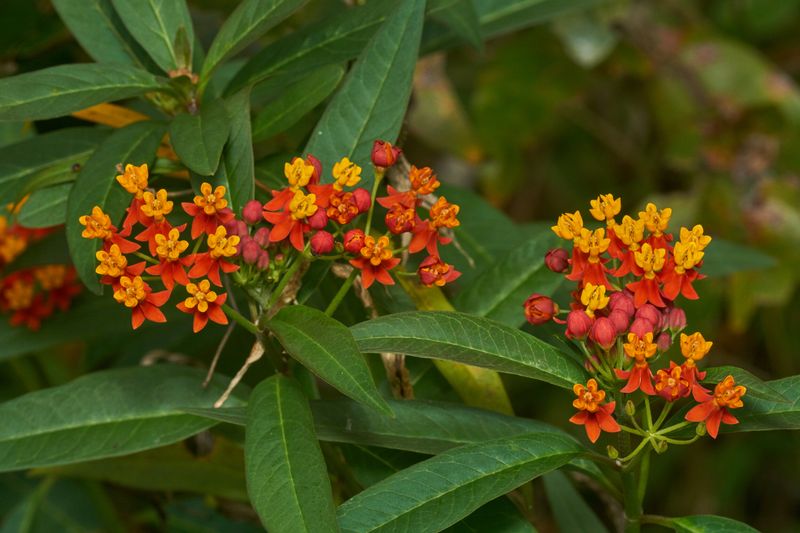
Walk past a native milkweed in October and it often looks tired, yellow, or already fading. Tropical milkweed, sometimes called Asclepias curassavica, tends to look like it is still in midsummer.
That difference comes from where each plant originally grew.
Tropical milkweed comes from warmer parts of the Americas, so it does not slow down on the same schedule. Native types like swamp milkweed and butterfly weed respond to shorter days and cooler nights by heading into dormancy.
In a garden, that means the tropical plant can keep pushing out leaves and flowers while everything else rests.
Across much of south and central Georgia, frost can arrive late or come and go without doing much damage. A sheltered spot near a brick wall or patio may protect tropical milkweed even longer.
Your Georgia Garden Changes Every Week. Your Plan Should Too.
Gardening in Georgia changes quickly throughout the season. Every Friday you’ll receive a simple weekly plan showing exactly what to plant, prune, fertilize, harvest, and protect so you never miss the right timing.
Take a quick look at your plants in late September and early October.
Plants still covered in fresh leaves and flowers are the ones worth watching. Native milkweeds that have started browning are doing exactly what nature expects.
Keeping notes on when each type slows down can help you plan next year. A simple calendar reminder works well for many home gardeners.
3. Fresh Leaves Late In The Season May Encourage Off-Season Breeding
Monarchs read the season partly through the plants around them. In late summer, shorter days and aging milkweed help push the fall generation into a nonbreeding state built for migration.
Fresh, tender milkweed leaves may send a different message.
Some scientists believe abundant new growth late in the year could nudge certain butterflies toward breeding instead of traveling. That theory is still being studied, and results vary by place and weather.
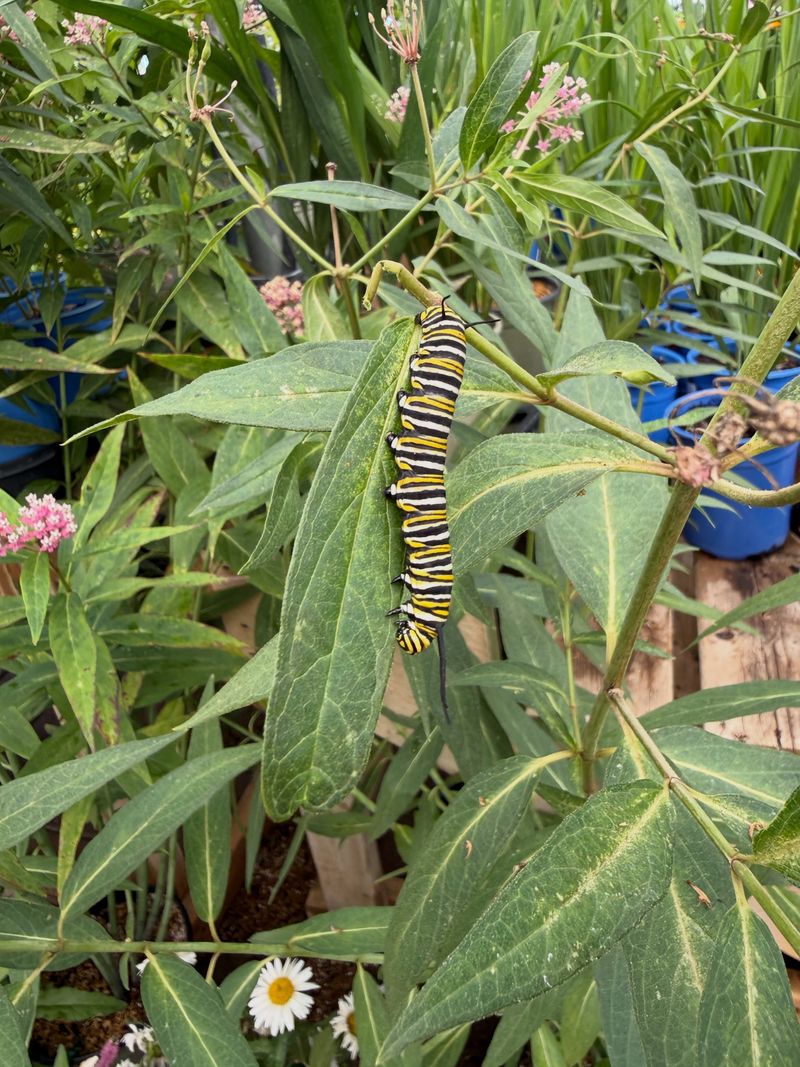
Even so, eggs and caterpillars spotted in a Georgia yard in November or December raise real concerns.
Those late caterpillars face a tough road. Cold snaps can arrive suddenly, and young monarchs develop slowly in cool weather, so many may not reach adulthood.
Adults that stay behind to breed also miss their chance to join the larger journey south.
Picture a rest stop that keeps travelers comfortable enough to cancel the rest of the trip. Your garden can be a useful fuel station without becoming a reason to stay.
Cutting back tropical milkweed in fall removes the fresh leaves that may confuse the timing. Nectar flowers like asters and goldenrod can still feed migrating adults on their way through.
4. Plants Left Growing Year-Round Can Harbor A Harmful Parasite
Tiny spores, invisible to the naked eye, may be the biggest issue here. The parasite is called Ophryocystis elektroscirrha, usually shortened to OE.
Infected adult monarchs shed spores onto milkweed leaves as they lay eggs or rest.
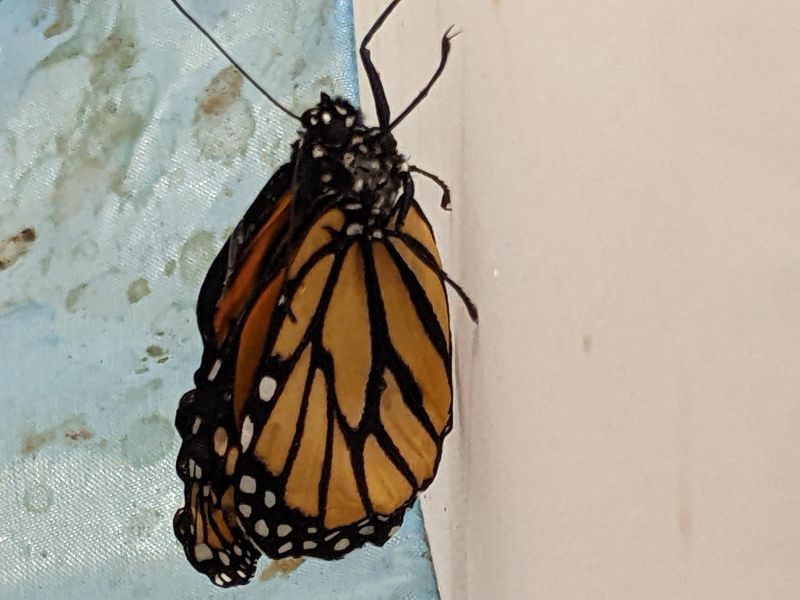
Caterpillars swallow those spores while eating, and the infection grows inside them as they develop. Heavily infected butterflies may come out with crumpled wings, low energy, or a weak flying ability.
A butterfly in that condition has a harder time making a long migration.
Seasonal milkweed helps break the cycle naturally. When plants go dormant, old leaves fall away and spore buildup drops before new growth appears in spring.
Tropical milkweed left standing year-round in warm parts of the South can skip that reset, allowing spores to collect.
Researchers have reported higher OE rates in monarchs that breed through winter in mild Southern areas, including parts of Georgia near the coast. Infection levels can still shift from year to year based on weather and local monarch numbers.
Removing old stems and leaves is one of the easiest ways to lower that risk. Bagging the clippings rather than leaving them in a pile also helps keep the area cleaner.
5. Cutting Tropical Milkweed Back Interrupts Year-Round Growth
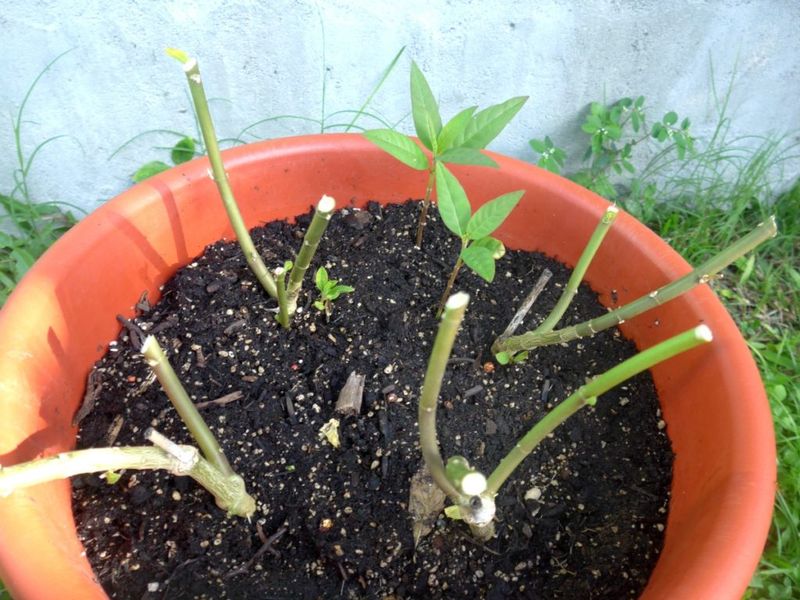
Grab your pruners, because the fix takes less time than watering the garden. Cutting tropical milkweed back removes the leafy growth that can cause timing and parasite problems.
Most experts suggest trimming stems down to about 6 inches above the ground.
Timing depends on where you live. Gardeners in north Georgia often cut back in October, while folks farther south may wait until late October or early November.
Check for caterpillars first, since a few late ones may still be munching.
Plants often sprout again after a cut, especially during warm stretches.
Keep an eye out through winter and trim new shoots every few weeks if they appear. That small habit keeps the plant from offering fresh leaves at the wrong time.
Wear gloves while you work, since the milky sap can irritate skin and eyes. Wash your hands afterward, and toss the cuttings in the trash or yard waste rather than the compost pile.
In spring, the plant usually comes back ready for the new butterfly season.
6. Hard Frosts Often Knock Plants Back In Colder Areas
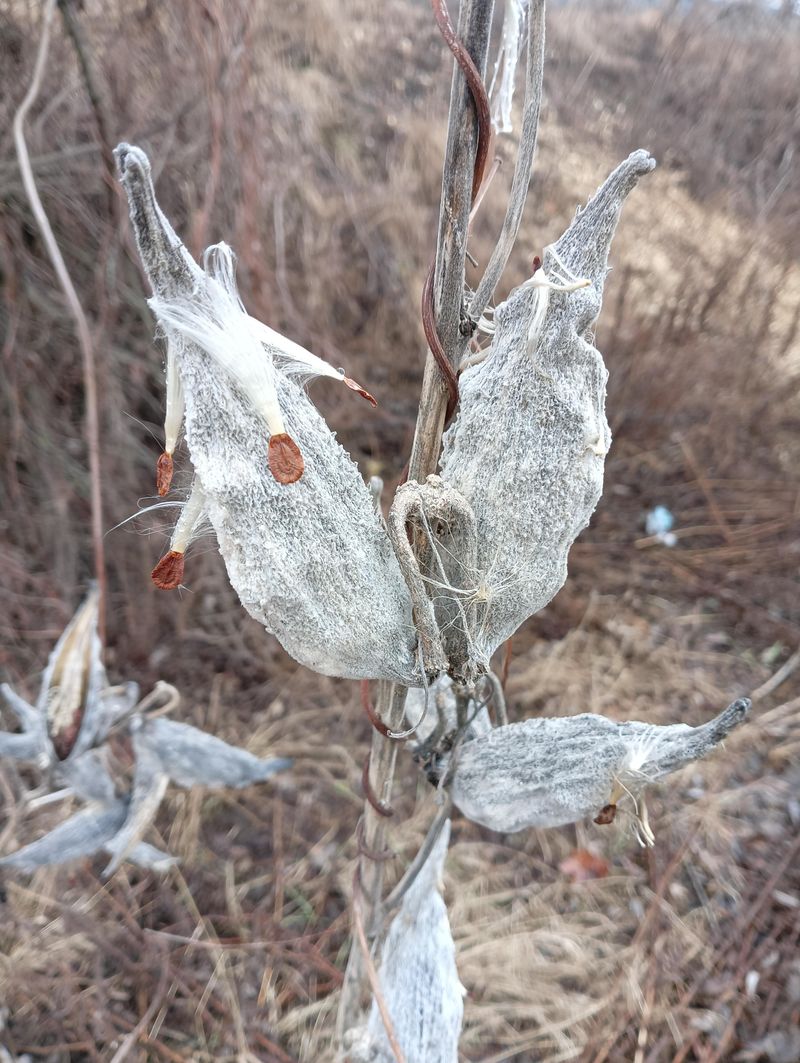
Weather sometimes does the pruning for you. A hard freeze, usually in the upper 20s or below, tends to wilt tropical milkweed leaves and brown the stems.
In colder spots, that natural setback often handles much of the problem.
Mountain towns like Ellijay and Blairsville in north Georgia typically see hard freezes earlier and more often than southern counties. Gardeners there may find their tropical milkweed looks finished by December.
Roots can still survive and send up new shoots once spring warms things up.
Farther south, the picture changes. Places like Valdosta, Brunswick, and Savannah may have mild winters with only light frosts that barely touch the plants.
Light frost does not always remove enough foliage to break the cycle.
So relying on the weather alone can be a gamble in warmer zones. A mild winter might leave green leaves standing for months, while a cold one might clear them out by itself.
Your best move is to watch local forecasts and check the plants after cold nights. If leaves still look fresh after a frost, grab your pruners and finish the job by hand.
7. Native Milkweeds Make A Safer Long-Term Choice
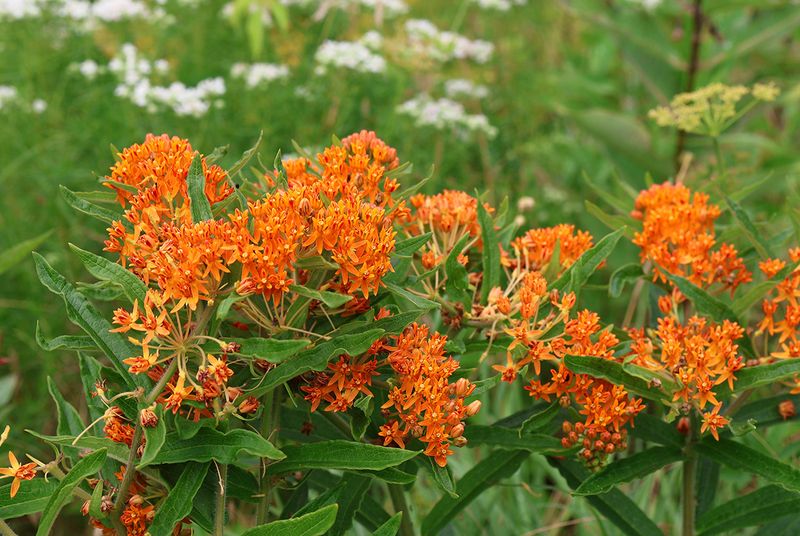
Swapping in native plants may be the most lasting fix of all. Native milkweeds follow the seasons the way monarchs expect, going dormant when fall arrives.
That built-in rhythm helps reduce both parasite buildup and off-season breeding.
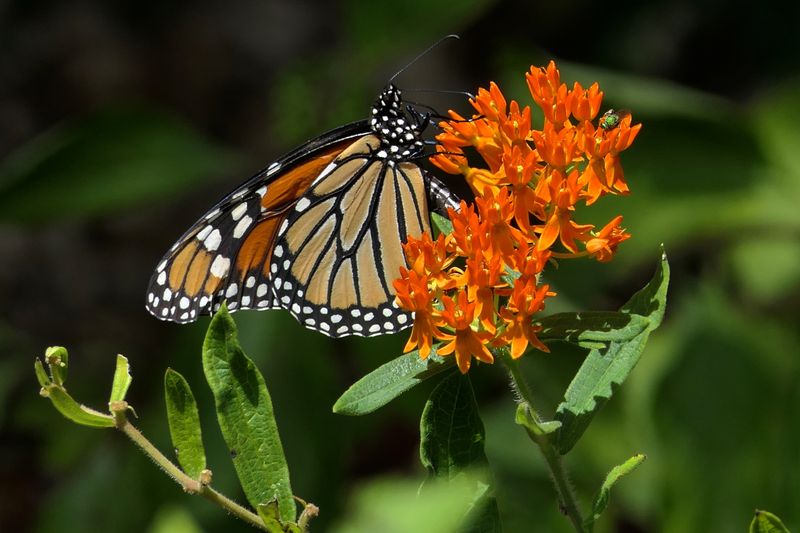
Several kinds grow well across Georgia. Butterfly weed, or Asclepias tuberosa, handles dry, sunny spots and has bright orange flowers that also draw bees.
Swamp milkweed prefers moist soil and works nicely near rain gardens or low spots in the yard.
Other options include whorled milkweed and common milkweed, though growing success depends on your soil, sun, and region. Check with your county extension office or a native plant society before buying.
Local native plant sales are a great place to find plants grown from regional seed.
Native milkweed can be slower to establish than tropical types. Some take a season or two before they really fill out, so a little patience helps.
Butterfly weed also has a long taproot, which means it does not like being moved once planted.
Pair your milkweed with fall nectar plants like asters and goldenrod. Together, they give monarchs food for caterpillars in summer and fuel for adults heading south.