Why Ants Are Suddenly Crowding Your Patio And What It Can Tell You About Your Yard
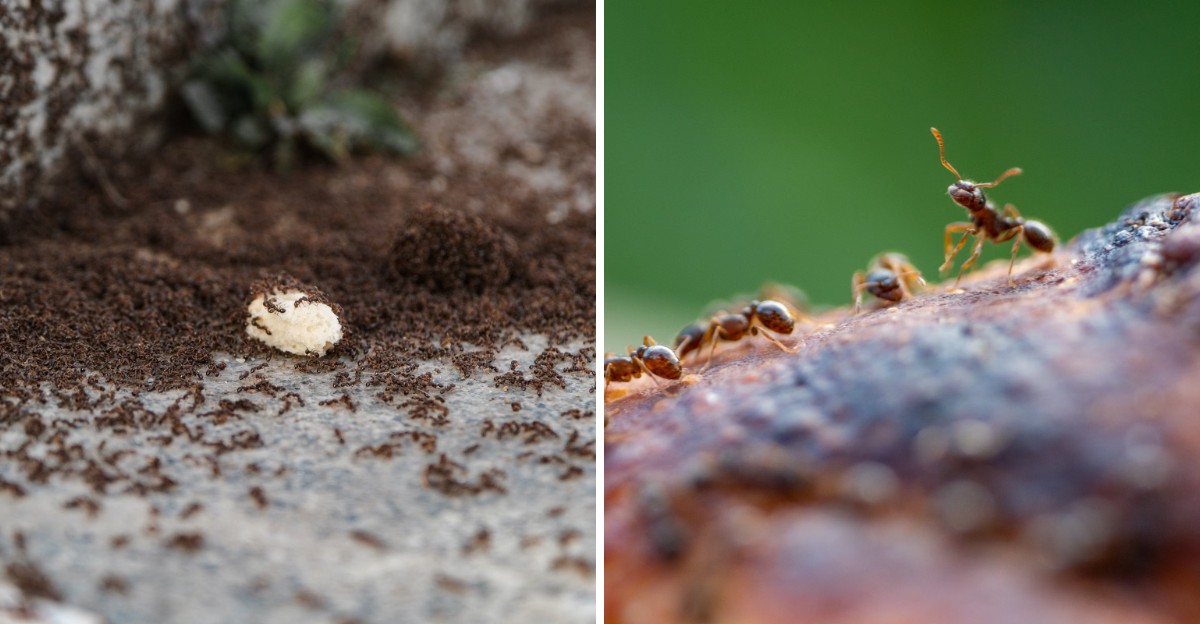
Ants marching in October should puzzle you, because winter is approaching. You are watching foragers hurry to stockpile food before temperatures drop.
Pheromone trails guide them to sugar, grease, or seeds you may have spilled. Watch their direction, because trails can point to food, water, or a nest.
Carpenter ants favor damp wood, so a steady line toward your deck matters. Black ants hauling pale, rice-shaped pupae signal a nest nearby or a disturbed colony.
Pavement ants dig beneath your slabs, pushing up neat little mounds of sand. Shrubs dotted with ants often point to aphids feeding on your plants.
Trace the honeydew trail, then protect the leaves you love. Sketch their route on your phone before winter arrives.
Tap questionable boards with a coin, and a dull thud reveals softness. Your patio just handed you a free inspection report.
Cooling Soil Sends Them To Warm Pavers
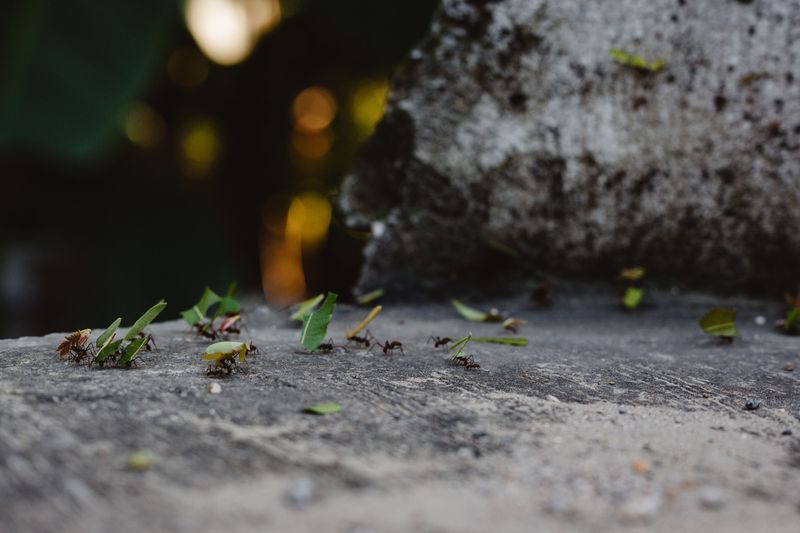
Picture a sidewalk on a chilly October afternoon, soaking up sunshine like a lizard on a rock. To a tiny insect, that warm patio slab feels like a heated floor in a ski lodge.
Ants are cold-blooded, so their bodies match the temperature around them. When autumn nights drop, the ground cools fast, and the colony slows down in a hurry.
Concrete, brick, and stone pavers hold heat much longer than bare dirt or grass. Workers rush to that leftover warmth to stay active and finish their seasonal chores.
Many colonies build nests right under patio stones for this exact reason. The slabs act like solar panels, warming the tunnels below and helping baby ants grow faster.
So that sudden crowd on a sunny October day is often a warmth-seeking group. They are basking, foraging, and hurrying before frost slows everything to a crawl.
You can test this idea with a simple trick. Check the patio early in the cool morning, then again around two in the afternoon when the stones feel toasty.
If the afternoon crowd is far bigger, temperature is likely a main driver. Sweep the area and brush polymeric sand into the gaps between pavers to reduce easy entrances.
Avoid pouring boiling water on pavers or plants, since it can stress both. A little patience helps too, because hard frost will quiet things down soon.
Until then, enjoy the show from a lawn chair with a warm drink. Those tiny sunbathers are just trying to beat winter, like the rest of us.
Fall Hunger Sends Them Hunting For Crumbs
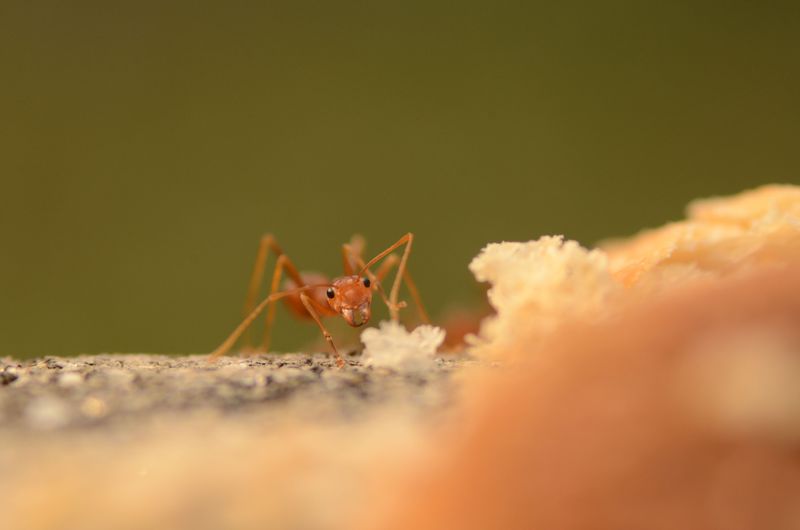
Think of autumn as grocery week for an ant colony. Before winter, workers race to stock the pantry with every snack they can carry home.
Their queen needs plenty of fuel, and so do the young ants still growing underground. That pressure turns ordinary scouts into extra-bold treasure hunters this time of year.
Your patio is basically a buffet in their eyes. Dropped chips, spilled lemonade, a smear of barbecue sauce, and even pet food bowls send out tasty signals.
One scout finds a crumb and lays a scent trail on the way back. Within a short time, many nestmates can follow that invisible path straight to your table.
That is why a single forgotten cookie can create a marching line by lunchtime. The trail works like a glowing road map only they can smell.
October cookouts and pumpkin carving parties make the problem worse. Seeds, sticky pumpkin goo, and candy wrappers are pure gold to a hungry forager.
Start by wiping tables and sweeping the patio after every outdoor meal. Store trash cans with tight lids and move them a few feet from the seating area.
Wipe the scent trail with a mix of vinegar and water. This disrupts the chemical trail, so new scouts have to search again.
Bring pet bowls inside between meals as well. Your dog will not mind, and the six-legged diners will lose their favorite free restaurant.
Clean habits often work better than sprays. Cut the snacks, and the crowd often moves on to search elsewhere within days.
Heavy Rain Sends Them Out Of Flooded Nests
Think of a basement taking on water. That is roughly what a heavy October downpour does to an underground ant city.
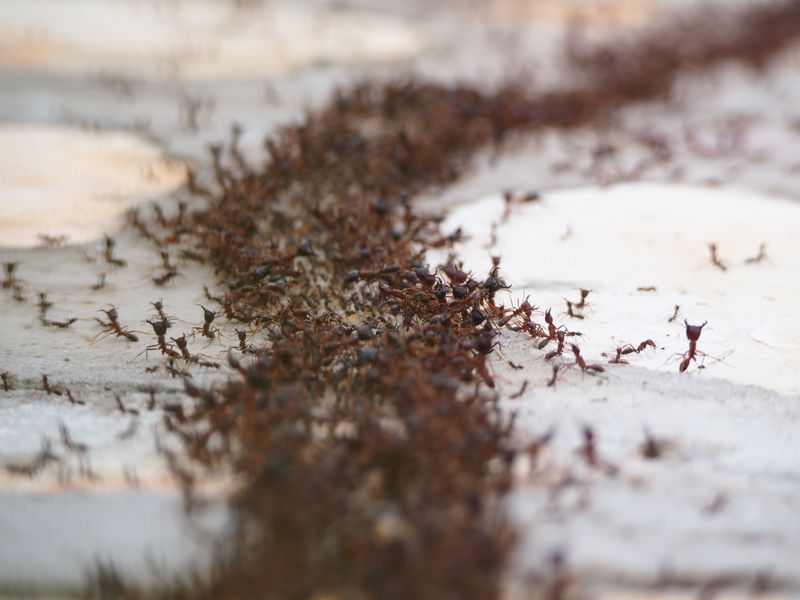
Fall storms soak the soil quickly, and tunnels can flood during heavy rain. Workers grab eggs and larvae, then rush upward to find higher, drier ground.
Your patio often becomes a dry refuge. Raised stones, dry gaps under furniture, and the edges of your foundation all look like higher ground.
After a big rain, you might spot ants carrying tiny white bundles. Those bundles are their babies, being moved to safety like a family evacuation.
Some species even link their bodies together to float during floods. Fire ants are famous for forming living rafts that drift until they reach dry land.
Once the soil dries out, many colonies head back down and rebuild. Others decide the patio spot is cozy enough and simply stay put.
Check your gutters and downspouts this month. Clogged gutters full of fallen leaves can dump water right beside your patio and saturate nearby soil.
Point downspout extenders at least four feet away from the paved area. This simple fix keeps the soil drier and makes the space less inviting.
Look for low spots where puddles linger after storms. Filling them with soil or gravel helps water drain instead of pooling near your seating area.
Rain-driven crowds often fade within a few days. If they stick around, though, they may be settling in for the season.
Watch the cracks closely after the next storm. A quick look tells you where the new residents are hiding.
Sweet Honeydew Sends Them To Patio Plants
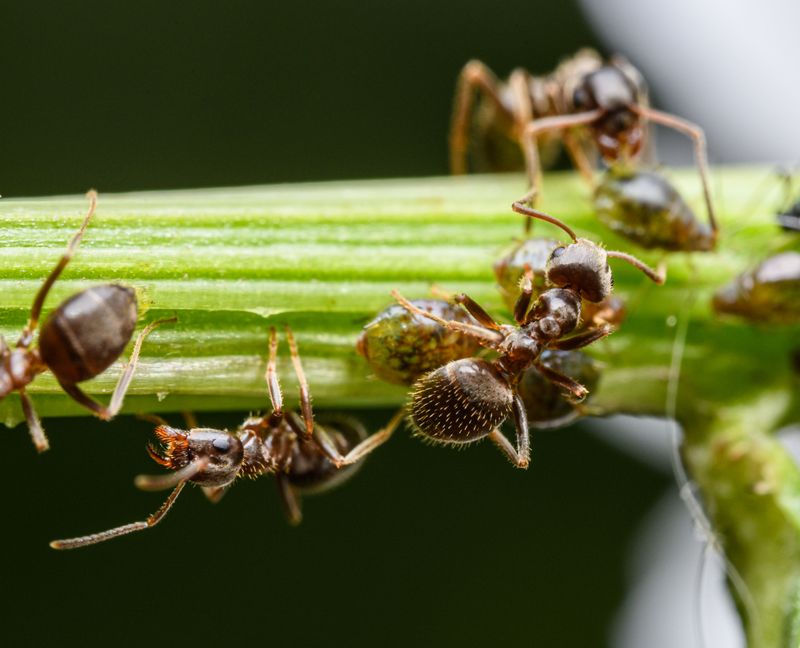
Ants have a secret farming hobby that sounds made up. They herd tiny aphids the way farmers herd cows, then collect a sweet liquid called honeydew.
Aphids suck sap from plants and release that sugary drip as waste. To a hungry worker, it tastes like candy delivered right to the door.
Potted mums, roses, and patio herbs are popular hangouts for aphids in early fall. When you see ants climbing plant stems, honeydew is likely the prize.
In return, ants guard their aphid herds from ladybugs and other hungry predators. It is a surprisingly cozy partnership, though your plants can be weakened.
Look under leaves for clusters of small green, black, or white bugs. Shiny, sticky spots on the leaves or patio table are another clear clue.
Sometimes a dark, sooty mold grows on that sticky coating. It looks like someone dusted the leaves with pepper, and it blocks sunlight.
Rinse aphids off with a strong spray from the garden hose. Repeat every few days, and the honeydew supply will start to dry up.
Insecticidal soap works well on stubborn groups and is gentle on many patio plants. Test a small leaf first, then treat the rest on a cool day.
You can also wrap a band of sticky barrier tape over a paper or cloth wrap on woody stems. Ants have difficulty crossing it to reach their herds.
Without bodyguards, aphids become easier prey for ladybugs and lacewings. Predators can help, and your patio crowd may thin out.
Damp Soil Under Pavers Can Attract Ants
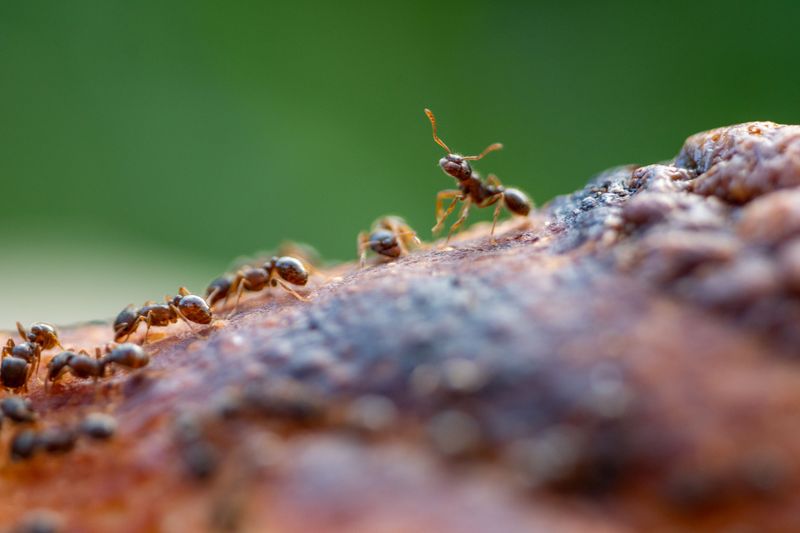
Lift a loose paver after a rainy week, and you may find a surprise. Sandy soil underneath can be an inviting ant hotel.
Many species like loose, sandy ground, and some prefer moist soil because it holds its shape. Tunnels stay sturdy, and the colony stays comfortable through dry spells.
A big patio crowd may hint that water is sitting where it should not. Poor slope, packed soil, or a sunken base may be trapping moisture.
Watch your patio during the next rainstorm. Water should run gently away from the house, not pool in the middle or along the edges.
Tiny sand piles between stones are another clue to look for. Workers push that sand up as they dig, leaving neat little volcanoes behind.
Over time, all that digging can loosen pavers and make them wobble. Ignored long enough, it can create tripping spots and uneven surfaces.
Fixing drainage helps both your patio and your yard. Pull up sunken pavers, add fresh gravel and sand, then reset them with a slight slope.
Aerating nearby lawn areas also lets water soak in instead of rushing toward the patio. October can be a good month for this job in many regions, since the soil is often soft.
Finish by sweeping polymeric sand into the joints and misting it lightly with water. It hardens into a firm seal that discourages new tunnels.
Think of the ants as free inspectors. Their busy digging may point out a moisture problem early.
Thin Turf Makes Easy Digging For Ants
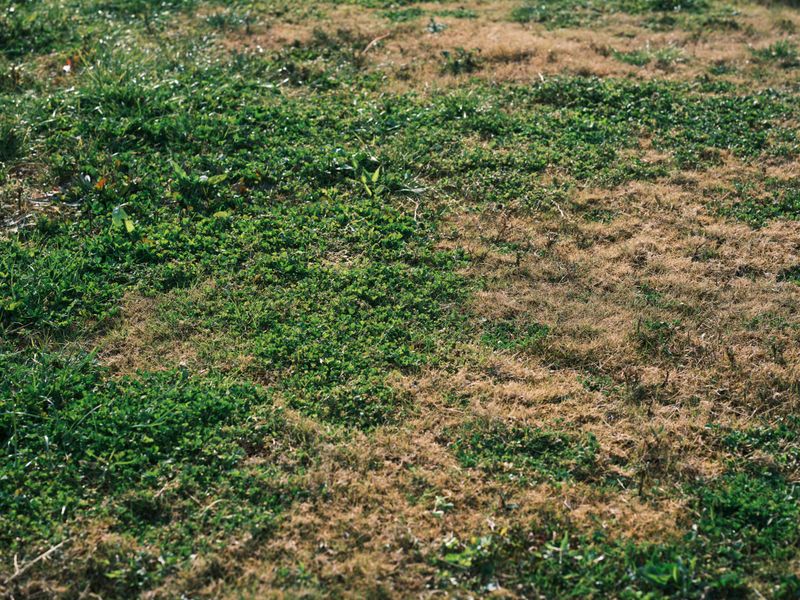
Ever notice bare spots in the lawn right beside your patio? Ants adore those sunny, open patches because digging there is quick and easy.
Thick grass has dense roots that can make tunneling harder. Thin turf makes digging easier.
So a busy colony near the patio may point to a lawn that needs some care. Heavy foot traffic, poor soil, or summer drought often cause the thinning.
Push a thin metal probe into the ground near the edge. If it struggles to go in, compacted soil may be restricting your grass roots.
Early fall is a good time for lawn repair where cool-season grasses grow. Cool air and warm soil help new grass seed sprout quickly.
Rake the bare spots to loosen the top layer of dirt. Spread seed, cover lightly with compost, and keep it damp until the seedlings are established.
A thin layer of compost also feeds helpful soil life. Earthworms and helpful fungi make the ground richer and healthier.
Add stepping stones along heavy walking paths so feet stop wearing the grass down. Kids and pets will follow the stones, and the turf can recover.
Mow a little higher during fall, around three inches tall. Taller blades shade the soil and keep it cooler, which ants find less cozy.
By spring, a thicker lawn may reduce some of those mounds. Your patio crowd shrinks, and your yard looks greener in the process.
Damp Wood Signals Cozy Nesting Spots
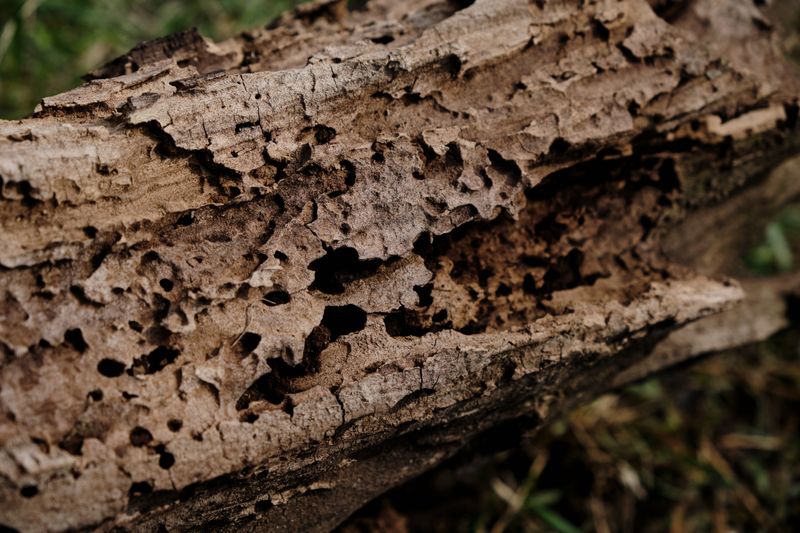
That old stump you keep meaning to remove might be a busy apartment building. Soft, damp wood is a dream home for several kinds of ants.
Carpenter ants are the most famous wood lovers. They do not eat wood, but they carve smooth tunnels through damp, decaying lumber.
Large black ants marching across your patio at dusk can be a sign. Their nest may be hiding in a stump, woodpile, or old fence post.
Fall leaf piles create cozy shelters too. Damp leaves trap moisture and warmth, giving colonies a snug place to ride out chilly nights.
Take a walk around the yard with a flashlight after sunset. Look for fine sawdust, called frass, piled near wood or along your foundation.
Frass looks like tiny wood shavings mixed with bits of insect parts. Finding it near your home deserves quick attention from a pest professional.
Stack firewood at least twenty feet from the house and raise it off the ground. Burn the oldest logs first so the pile does not sit for years.
Replace soggy deck boards, rotting railings, and moldy landscape timbers when you spot them. Fixing leaky outdoor faucets also keeps wood drier and less inviting.
Rake leaves away from the patio edges this month instead of letting them pile up. Shred them into mulch or compost them in a bin away from the house.
Tidying these spots does double duty. It protects your home and sends the six-legged visitors looking for a new address.
Ants Also Do Useful Work In Your Yard
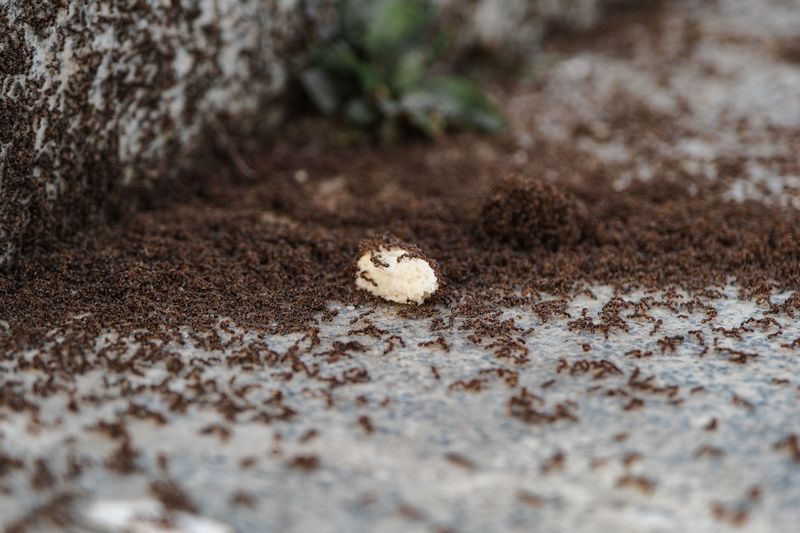
A crowd of ants can sometimes reflect a lively yard. Their presence may mean your soil supports plenty of life.
Ants turn and loosen soil much like earthworms do. Their tunnels let air and rainwater reach plant roots that need them.
They also clean up the yard for free. Workers haul away fallen insects, crumbs, and bits of plant matter, recycling them into nutrients.
Some ants even plant seeds without meaning to. Wildflowers like violets and trilliums rely on them to carry seeds underground, where they sprout safely.
Birds, toads, and lizards also eat ants by the hundreds. A healthy colony helps feed the wildlife that makes your backyard feel lively.
Scientists estimate there are roughly twenty quadrillion ants on Earth. That works out to a couple of million ants for each person.
So before reaching for broad-spectrum insecticides, consider the bigger picture. Broad sprays can harm bees, butterflies, and the helpful bugs that control pests.
A balanced approach works best for most homes. Keep ants off the patio with good cleaning, sealed gaps, and smart drainage.
Then let colonies out in the lawn and garden beds do their quiet work. Consider calling a professional for fire ants, carpenter ants, termites, or indoor invasions.
Your patio visitors are part of a much bigger story. A yard that supports them often supports other helpful wildlife too.
Next time you spot a busy trail, take a second to watch. Tiny workers like these keep your outdoor world humming along through the warm months.