How To Get Rid Of Boxelder Bugs Before They Move Indoors
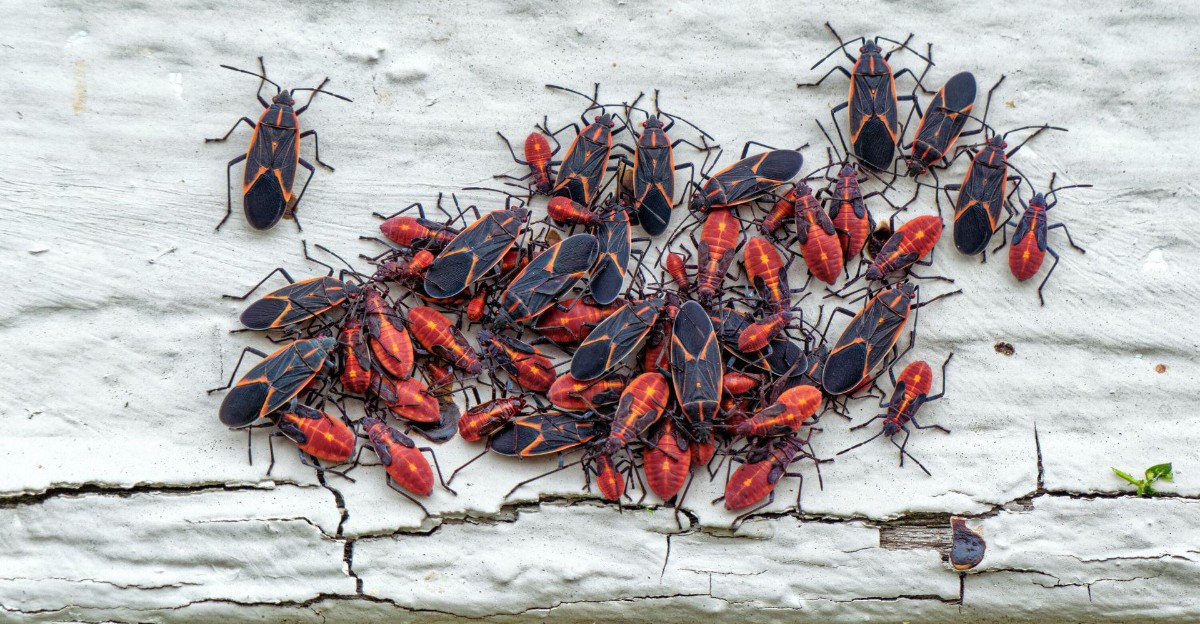
Picture an October afternoon when your siding suddenly grows hundreds of tiny red and black freckles. Then the freckles start walking, and you realize your house has become a popular gathering spot.
They are not here for food, because they simply want a warm place to spend the winter. Your attic, wall gaps, and window frames look like perfect shelter to a chilly crawler.
When they slip inside, they wander across curtains, bump into lamps, and leave tiny orange stains. They do not bite much or chew wood, but they sure know how to overstay a welcome.
Early fall is the moment to act, while the bugs are still sunbathing on the warm siding outside. A little effort now saves you from finding them on your windows in January.
1. Seal The Cracks Before The Cold Snap Arrives
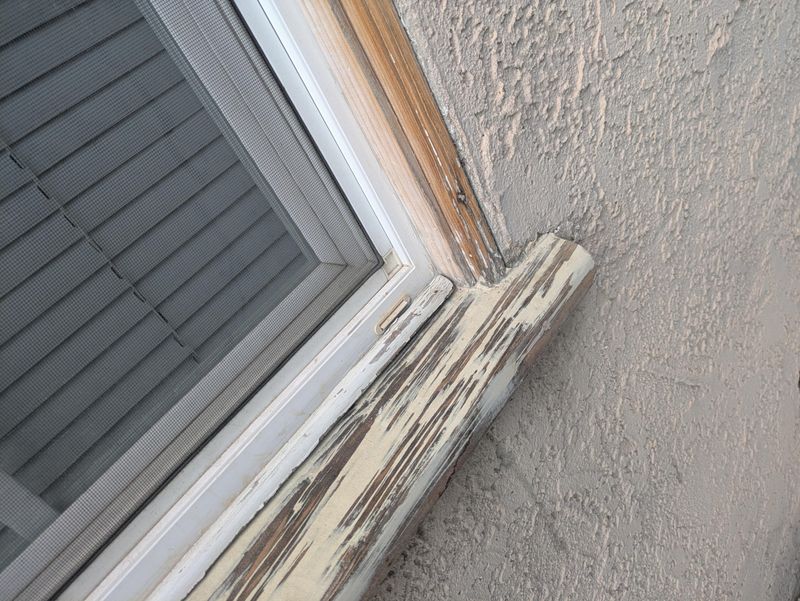
Boxelder bugs have flat bodies and can squeeze through very small gaps. That explains why so many homes end up with bugs hiding behind trim and outlet covers.
Grab a flashlight on a cool October evening and walk slowly around the outside of your house. Look closely where siding meets the foundation, around pipes, and along the edges of window and door frames.
Any spot where light leaks through or air feels drafty is a likely doorway for these sneaky insects. Mark each problem area with painter’s tape so you can find it again when you start sealing.
For small cracks, a tube of outdoor silicone or acrylic latex caulk works well and costs only a few dollars. Squeeze a steady bead into the gap, then smooth it with a damp finger for a neat finish.
Bigger openings around dryer vents or cable lines usually need expanding foam or a snug piece of copper mesh. Foam fills odd shapes nicely, while mesh blocks bugs while still letting the area breathe.
Caulk needs mild weather to cure properly, so try to finish this job on a dry, mild afternoon, and check the caulk label for its minimum temperature. Early October often brings those comfortable days, but colder nights are just around the corner in many regions.
Do not forget the roofline, because soffits and attic vents are favorite entry points for climbing bugs. A sturdy ladder and a helper make that upper work safer and quicker.
2. Swap Worn Screens For Snug New Ones
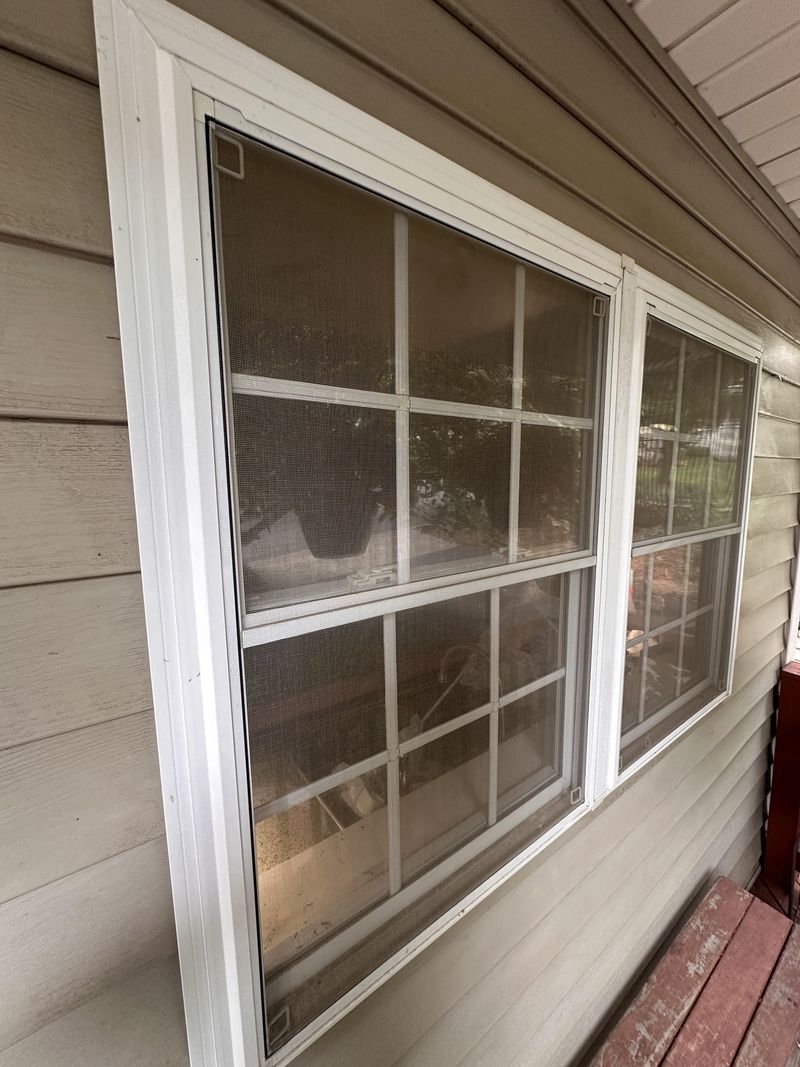
Window screens take a beating all year, and by fall many of them have tiny tears you barely notice. Boxelder bugs notice, though, and they treat every little rip like an open invitation to come right inside.
Start by popping each screen out and holding it up to the bright afternoon sunlight for a quick check. Holes, loose corners, and bent frames show up much faster this way than they do from indoors.
Small holes can be patched with ready made screen repair kits sold at most hardware stores for cheap. The patches press on like stickers, and you can finish a window in a few minutes.
Larger tears or saggy mesh usually call for rescreening, which sounds harder than it actually turns out to be. A roll of fiberglass mesh, a spline roller, and some patience can make an old frame look brand new.
Pay special attention to the screens on south and west windows, since those sides soak up the most warmth. Boxelder bugs gather where the sun hits hardest, so those windows often face the heaviest crowds in early fall.
Check door sweeps and weatherstripping too, because a gap under the door works just like a broken screen. New sweeps slide or screw onto the bottom edge and block bugs, drafts, and even curious mice.
Fun fact, standard window screen is typically 18 by 16 mesh, which is fine enough to block adult boxelder bugs. Keep that mesh tight and whole, and your windows can stay cracked open on those crisp fall afternoons.
3. Hose Down The Sunny Side Of Your House
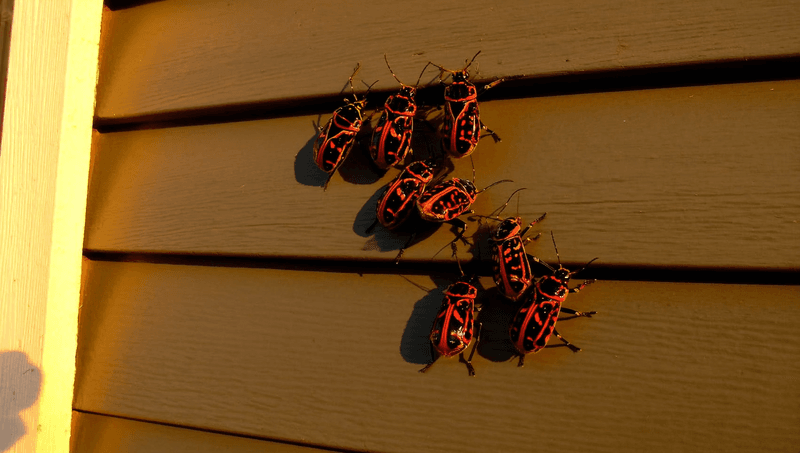
Boxelder bugs often gather by the hundreds on sunny south walls, since they love warm surfaces that soak up heat in early fall. A south wall can look crowded by midafternoon, when the siding holds the most warmth.
A garden hose with a strong spray nozzle is one of the simplest tools for breaking up those crowds. A firm spray knocks the bugs off the siding and sends them tumbling into the grass below.
Water alone will not remove every insect, but it scatters them and makes your house feel less welcoming. Bugs that keep getting washed away may move on to a quieter spot.
Morning is a smart time to spray, since the bugs move slowly while the air is still cool. Your siding also has the whole day to dry, which helps prevent mildew and water spots on paint.
Aim the stream downward and avoid aiming directly at window seals, vents, or the gaps under your siding. Forcing water into those places can cause leaks and might even push bugs deeper into the walls.
Repeat the spraying every few days during warm stretches, especially after a chilly night brings a sunny afternoon. Those temperature swings are exactly when boxelder bugs gather in big numbers, hunting for a winter hideout.
Kids often love helping with this chore, so hand them the hose and let them play bug patrol. Just remind everyone to keep the spray low and friendly, aimed at the wall instead of each other.
4. Mix Up A Simple Soapy Spray
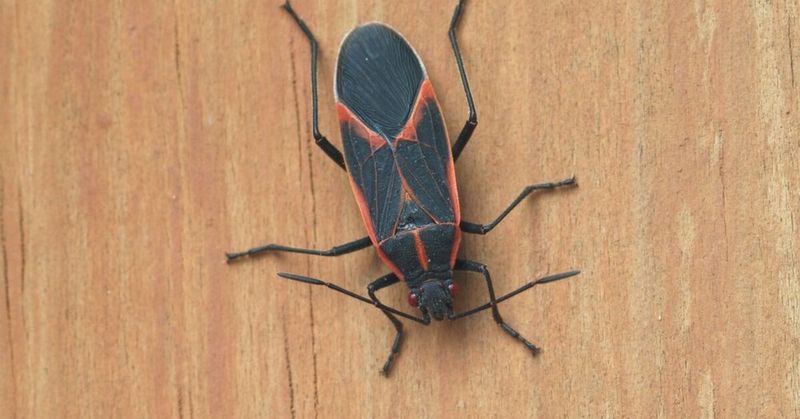
Your kitchen sink already holds one of the handiest boxelder bug helpers around, plain liquid dish soap. Soap breaks down the protective outer layer on these insects, which dries them out.
To make the mix, stir about two teaspoons of dish soap into a quart of warm water. Pour it into a clean spray bottle and give it a gentle swirl so it does not foam over.
Spray the bugs directly, because the soap only works when it actually coats their small red and black bodies. Once the mix dries on the siding, it loses its power, so spraying empty walls does little good.
Plain dish soaps without bleach, degreasers, or strong scents tend to be the safest choice for your paint and plants. Test a small hidden patch first, just to make sure the spray leaves no marks on your siding.
A pump sprayer from the garden center saves your hand from cramping when the crowd is especially large. Many gallon sized models cost around twenty dollars and can reach bugs gathered higher up on walls and fences.
If you prefer a store bought option, insecticidal soap works the same way and comes ready to use. It is made for garden use, but check the label for plants that may be sensitive.
Spray in the late morning when the bugs are clustered but still a little sluggish from the cool night. Regular spraying during October can reduce the size of the crowds.
5. Rake Away The Seeds Under Boxelder Trees
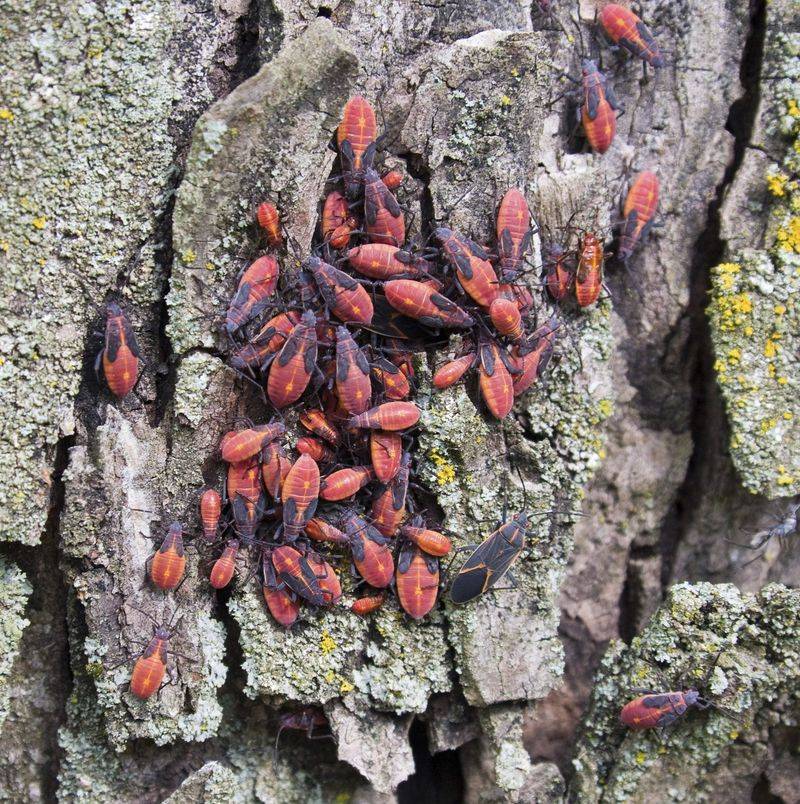
Boxelder bugs earned their name from the boxelder tree, a type of maple that feeds them all season long. Female trees grow winged seeds, and those seeds are a top snack for both young and adult bugs.
When the seeds drop in fall, they pile up under the branches and keep the bugs well fed. A well fed bug population can grow bigger each year, which means more visitors knocking on your windows.
Raking up fallen seeds, pods, and leaves takes away that easy buffet and makes your yard less attractive. Bag the debris or add it to a hot compost pile far away from the walls of your home.
Look closely and you may spot young bugs, which are bright red and smaller than a grain of rice. They often hide in the leaf litter, so clearing it away removes some before they reach the house.
Some homeowners decide to replace female boxelder trees growing close to the house with a different shade tree. Talk with a local arborist first, since mature trees offer real value for shade, birds, and property appeal.
Silver maples and ash trees can also attract these insects, so check under those trees while you rake. Spread your raking out over several weekends in October, since seeds keep dropping as the wind picks up.
Clearing the yard brings bonus rewards too, like a tidier lawn and fewer slippery piles on the sidewalk. Grab a rake, a cozy sweatshirt, and some hot cocoa, and the chore starts to feel like a fall tradition.
6. Vacuum Up The Stragglers On Warm Afternoons
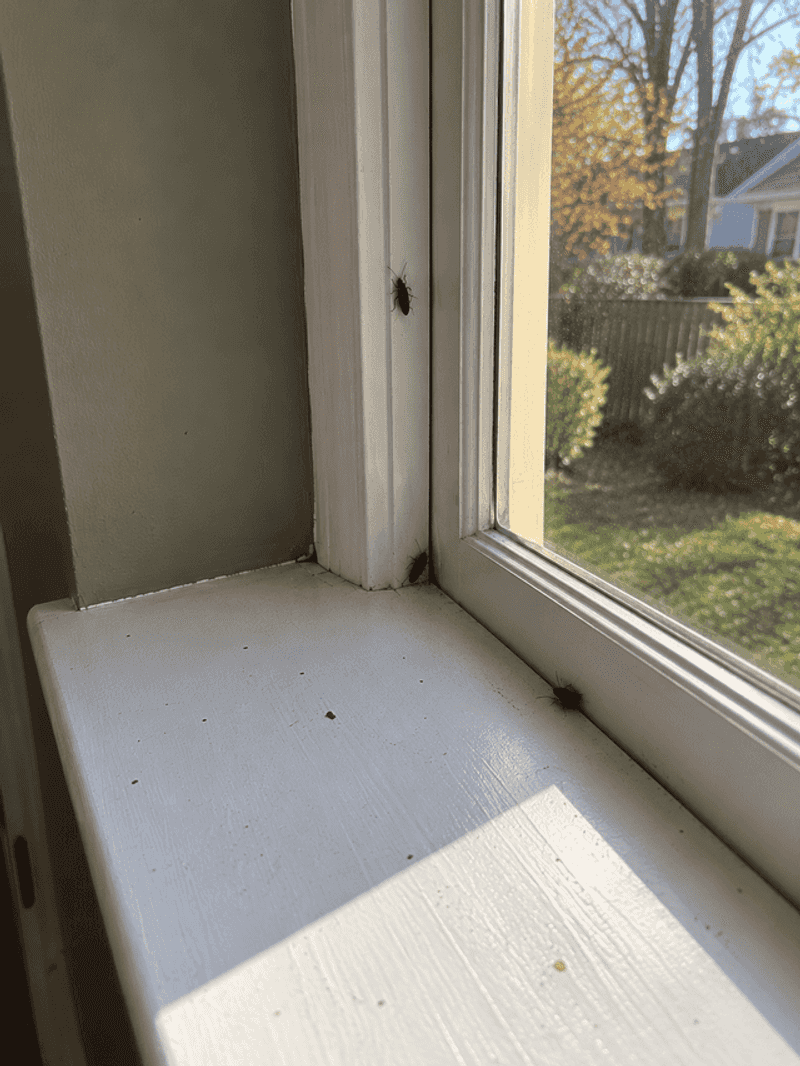
Squishing a boxelder bug might feel satisfying, but it leaves a smelly orange smear that can stain fabric and walls. A vacuum offers a much cleaner way to handle the few bugs that sneak past your other efforts.
Shop vacuums work great outside, where you can suck up clusters from porch corners, window ledges, and siding. Warm afternoons bring the bugs out into the open, which makes them easier to reach with the hose attachment.
Inside the house, a handheld vacuum is perfect for the occasional bug crawling across a sunny window sill. Keep it charged near the windows you notice them on most, so it is ready whenever one shows up.
Empty the canister or bag right away, since boxelder bugs can crawl back out and stink up the machine. Seal the contents in a plastic bag and toss it into an outdoor trash can with a tight lid.
A clever trick involves slipping a knee high stocking into the vacuum hose and holding it with a rubber band. The bugs get caught in the stocking instead of the bag, so you can release them far from home.
Pay attention to where indoor bugs keep appearing, because repeat sightings can point to a hidden gap nearby. That clue tells you exactly which window frame, outlet, or baseboard needs a fresh line of caulk.
Vacuuming will not solve a big infestation alone, but it keeps small numbers from growing into big groups. Think of it as quick tidying that keeps your windows clear and your nose much happier this fall.
7. Treat The Foundation With A Barrier Spray
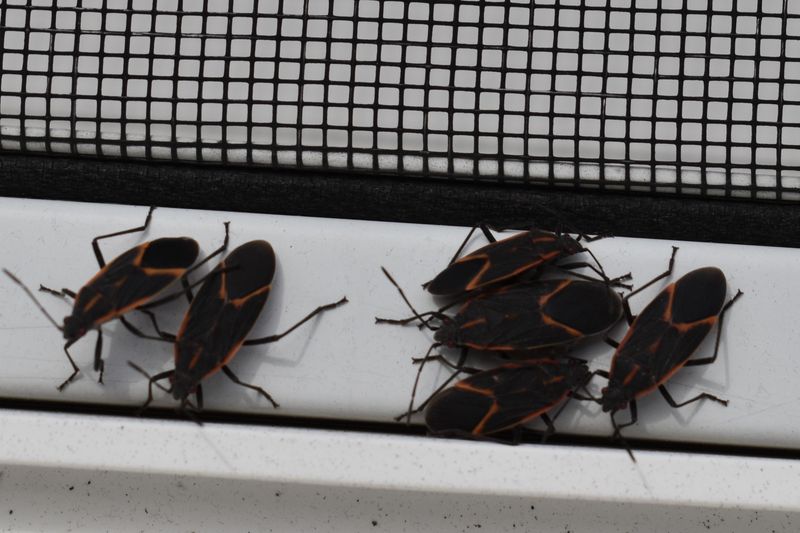
Sometimes soap and water are not enough, especially if your home sits near a large stand of boxelder trees. In that case, a residual barrier spray around the outside can add a stronger layer of protection.
These products can stay active on surfaces for weeks, depending on the label, so bugs that crawl across them later are still affected. Look for labels that list boxelder bugs or occasional pests, and choose formulas made for outdoor perimeter use.
Timing matters a lot, and late September through early October is often the sweet spot for application. Spraying before the big crowds arrive puts the barrier in place right when the bugs start searching for shelter.
Treat a band around the foundation, plus window frames, door frames, and the lower few feet of siding. Focus on the sunny south and west walls, since those spots attract the biggest gatherings each fall.
Read the whole label before you start, and wear gloves, long sleeves, and eye protection while you work. Keep kids and pets indoors until the spray dries completely, and follow the drying time on the label.
Skip spraying on windy afternoons or right before rain, because the product can drift or wash away quickly. Keep it away from flower beds and vegetable gardens too, since helpful insects like bees visit those areas.
Barrier sprays work best as part of a bigger plan that also includes sealing gaps and cleaning up seeds. Used together, those steps turn your house into a much less tempting place for bugs to spend winter.
8. Call In A Pro When Clusters Keep Growing
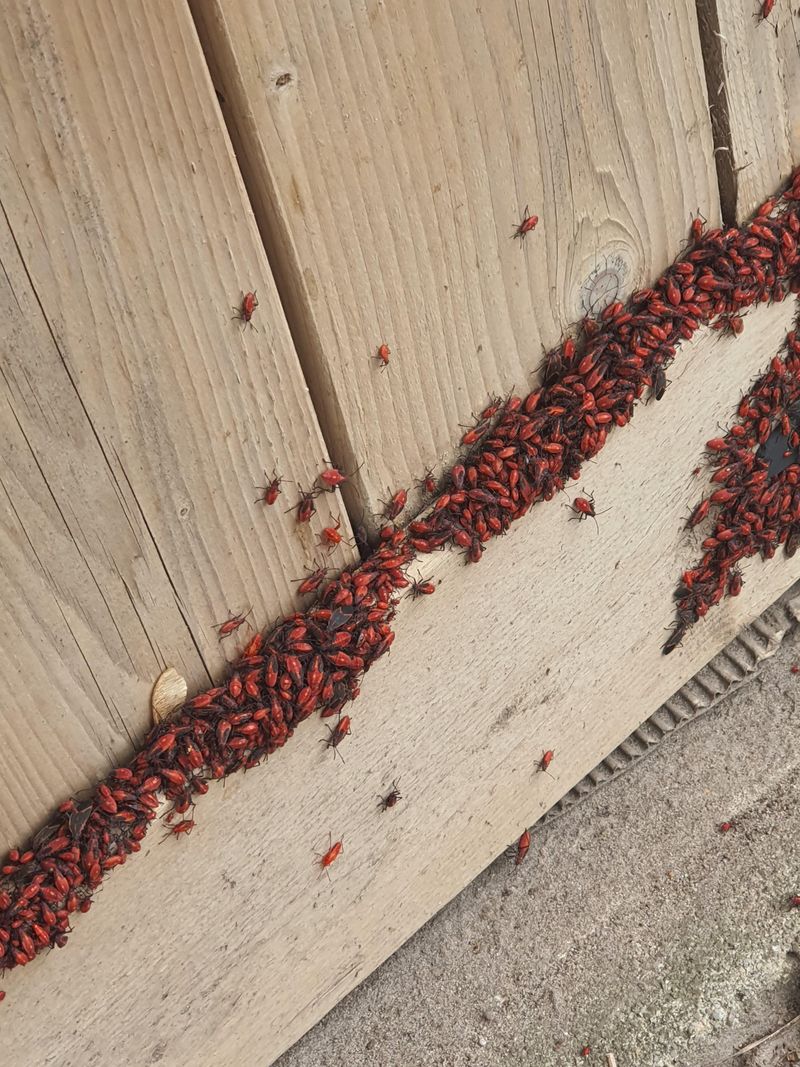
Some homes attract boxelder bugs year after year. If your home keeps earning that title, a professional might be worth a phone call.
Pest control experts know where these insects hide and can spot entry points most homeowners easily overlook. They also have access to stronger products and equipment that reach high rooflines and tricky attic spaces safely.
Call early, ideally in late September or the first week of October, before the bugs settle into walls. Once they tuck themselves inside for winter, outdoor treatments become far less helpful until warm weather returns.
Ask each company how they handle boxelder bugs specifically, since some treat them just like ants or spiders. A good technician should mention sealing, seed cleanup, and timing, not just spraying the walls and leaving quickly.
Many services offer a fall perimeter treatment, and some include a return visit. Compare at least two or three quotes, and read local reviews to find a company with happy customers.
Hiring help does not mean you failed, because some homes simply sit in spots that bugs find irresistible. Big shade trees, bright southern walls, and older siding can all stack the odds against even careful homeowners.
Keep up your own efforts after the visit, like patching gaps and raking seeds, to stretch the results further. Teamwork between you and the pro gives your home its best chance at a calm, bug free winter.