Grow Scallions In Containers Now For A Cool Season Harvest In North Carolina
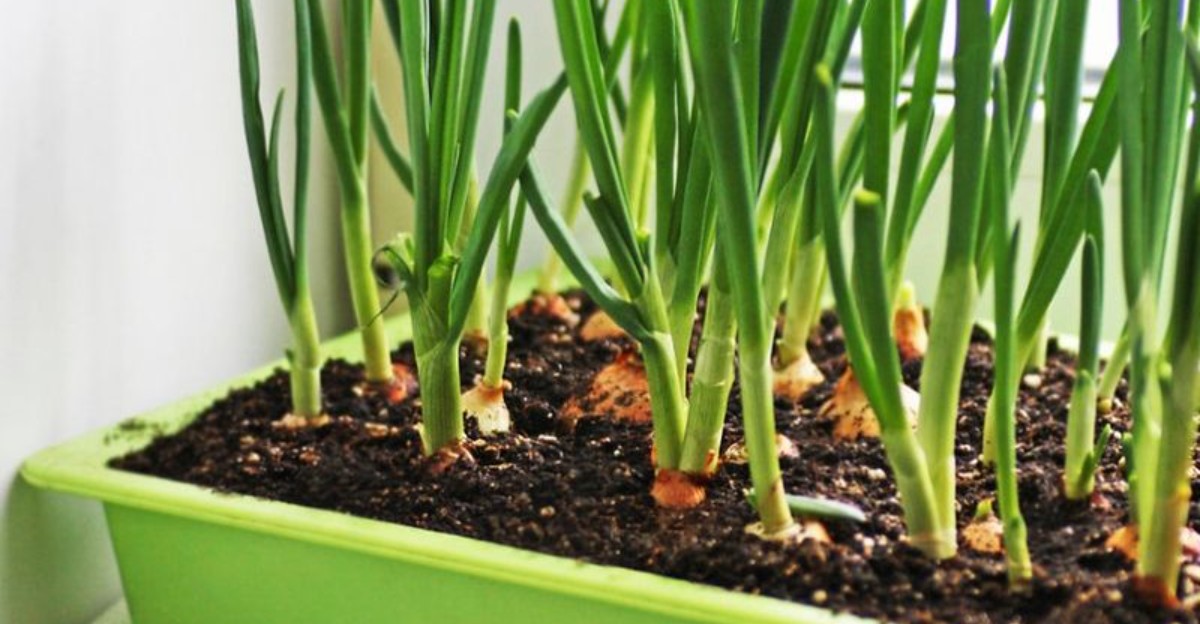
If you want something growing in a pot that is ready fast, scallions are hard to beat. They sprout quickly, need very little space, and do not mind cool weather. That makes them a smart choice for a North Carolina fall.
A single container on a porch or patio can supply fresh green onions for weeks. You can snip what you need and let the rest keep growing. Containers also give you control over soil and drainage, which helps if your ground is heavy clay.
Beginners love scallions because mistakes are easy to forgive. Kids love them because the results come quickly. Planting now means a steady supply through the cooler months, just when fresh flavor is most welcome in soups and stir-fries.
1. Choose Bunching Onions For The Most Reliable Harvest
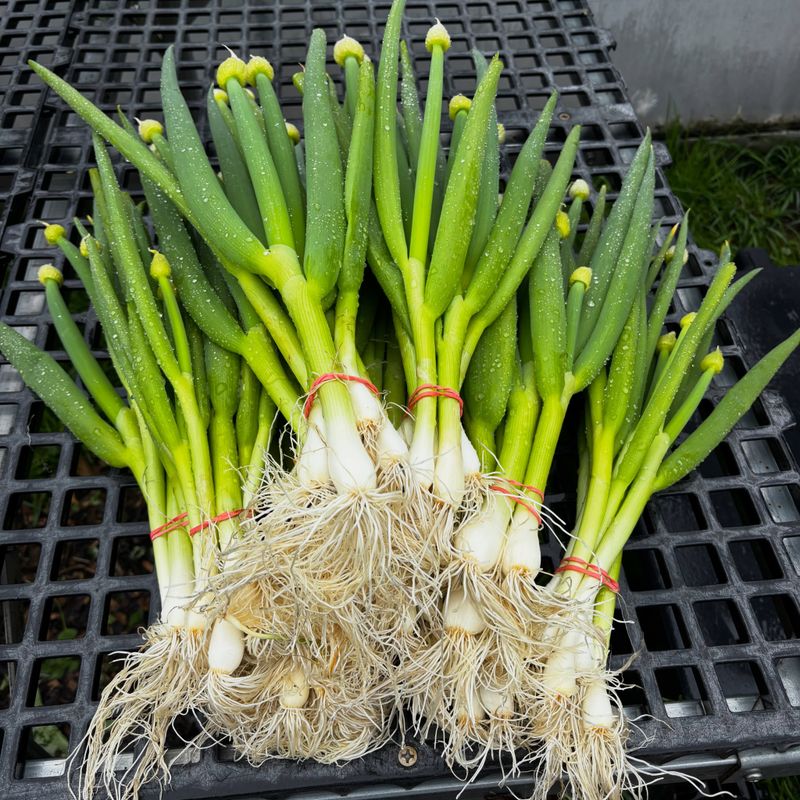
Not every onion seed will give you the tidy scallions you see at the store. The secret is a plant called the bunching onion, known to botanists as Allium fistulosum.
It grows long, slender white stems topped with hollow green leaves, and it never puts its energy into a big round bulb.
That habit makes a huge difference in a pot. Regular bulb onions want lots of room and months of growing time, while bunching onions stay slim and ready to eat. They also shrug off chilly nights and light frost far better than many other kitchen crops.
For a fall and winter harvest, that toughness is exactly what you want. Shopping for seed is easy once you know the right words.
Look for packets labeled bunching onions or scallions, and read the description for terms like cold hardy or winter hardy. Evergreen Hardy White is a classic choice that handles cold weather very well.
Tokyo Long White grows tall, mild stems that look lovely in a bundle on the kitchen counter.
Some seed companies also sell red-stemmed types, which add a pop of color to salads. They work fine too, as long as the packet says they are a bunching variety. If you save the packet, you can jot down planting dates on the back and keep track of what grew best.
Here in North Carolina, winters are usually mild enough that hardy bunching onions keep growing through much of fall and into winter.
In many parts of the state, a pot planted now can stay green and useful for months. Picking the right seed at the start sets you up for that long, steady supply.
2. Sow Seeds Now For A Late Fall And Winter Harvest
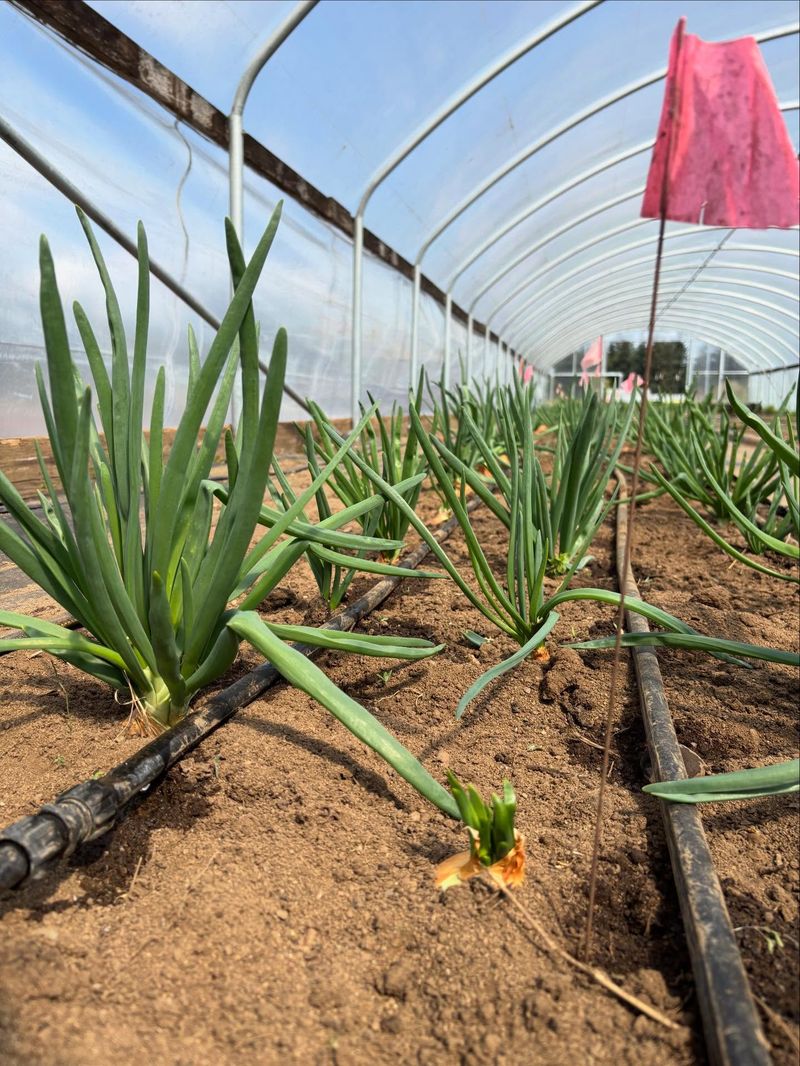
Timing is the quiet hero of a good scallion crop. From seed to harvest, these plants need roughly two months to reach a size worth cutting. Plant them in early fall, and they grow steadily as the air turns crisp instead of sulking through summer heat.
North Carolina stretches from cool mountain peaks to warm coastal towns, so the best sowing date depends on where you live.
Mountain gardeners should aim for late summer into early fall, since cold arrives sooner up high. In the Piedmont, September into October works beautifully.
Your North Carolina Garden Changes Every Week. Your Plan Should Too.
Gardening in North Carolina changes quickly throughout the season. Every Friday you’ll receive a simple weekly plan showing exactly what to plant, prune, fertilize, harvest, and protect so you never miss the right timing.
Down in the Coastal Plain, you can wait until October and keep sowing into November. After planting, a little patience pays off.
Scallion seeds usually sprout in about one to two weeks, poking up thin green threads that look almost like grass. Some gardeners worry when nothing shows after a few days, but slow starts are perfectly normal for onion family seeds.
A simple trick helps you stay on schedule. Mark your calendar with a planting date and a second reminder about eight weeks later for your first harvest. You might be surprised how quickly that second date rolls around.
Fall is truly a sweet spot in this state. Days stay pleasant, nights cool down, and pests that bother summer crops start to fade away.
Scallions love that gentle stretch of weather, and they reward you with tender stems right when hearty soups and stews return to the dinner table.
Sowing now means fresh green onions are ready while store prices for produce often climb in winter.
3. Pick A Container With Good Depth And Drainage
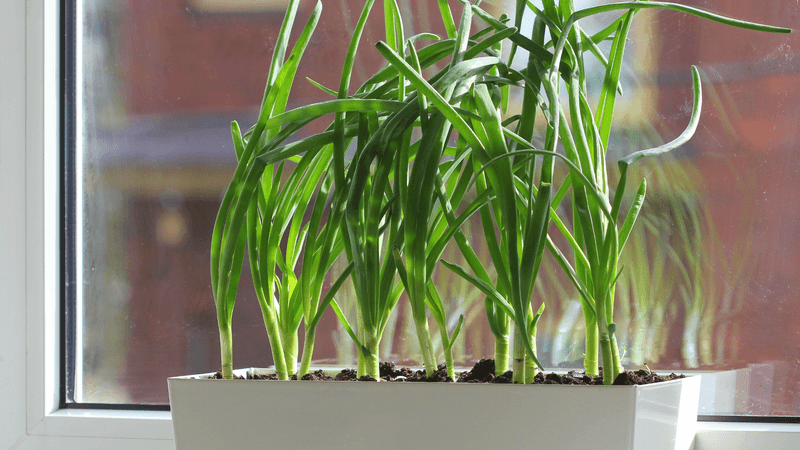
Think of a container as a scallion’s whole world. Every root, drop of water, and bit of food has to fit inside it, so choosing well matters more than you might expect. Scallions have shallow roots, yet they still grow best with several inches of soil below them.
A pot, window box, or trough that is at least 6 to 8 inches deep gives roots enough room to spread and hold moisture. Shallower trays dry out fast and can leave plants thin and weak.
Drainage holes are a must, not a bonus. Without them, extra water pools at the bottom and roots sit in soggy soil, which can lead to rot. If you fall in love with a pretty pot that has no holes, use it as a decorative cover and slip a plain draining pot inside.
What goes inside counts too. Fill your container with a quality potting mix instead of soil dug from the yard. Garden soil packs down hard in pots, while potting mix stays light, fluffy, and airy so water moves through easily.
Wide containers are a smart choice if you cook with scallions often. A long window box or broad trough lets you plant many more stems at once, giving you bigger harvests from one spot. Plastic, terracotta, wood, and fabric pots all work well.
Drainage becomes extra important in North Carolina, where fall can bring heavy rain from passing storms and the remains of tropical systems.
A pot that drains poorly can turn into a muddy bucket overnight. Good holes and loose mix keep your scallions happy even through a soggy week.
4. Sow Thickly And Thin As They Grow
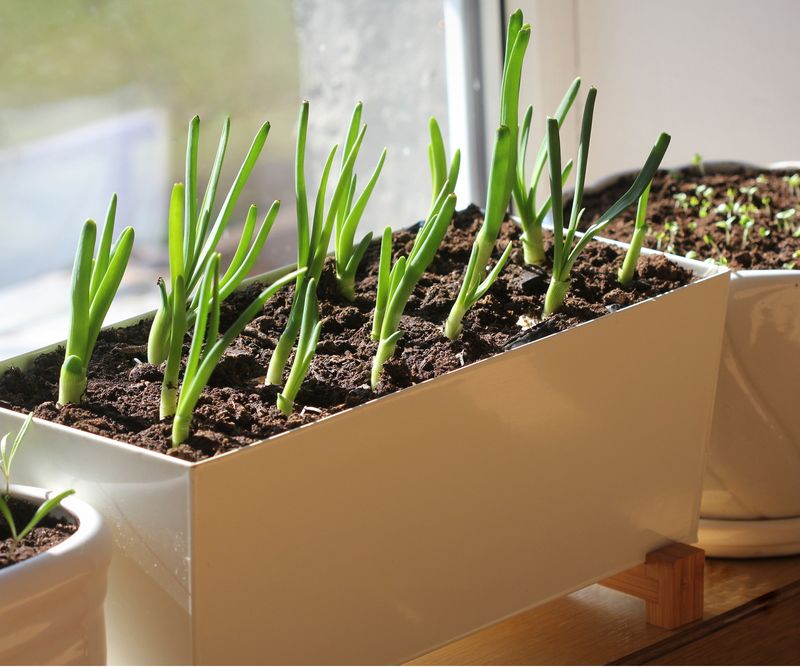
Here is a gardening rule you get to break. Most crops need lots of elbow room, but scallions are happy growing shoulder to shoulder. That makes them perfect for squeezing a big harvest into a small pot.
Planting is simple. Scatter seeds evenly across the soil surface, or sow them in short rows if you like a neater look. Then cover them with about a quarter inch of potting mix and press gently so the seeds touch the soil.
Moisture is the next job. Keep the mix evenly damp until the seedlings appear, since dry soil can stop sprouting in its tracks. A spray bottle or a watering can with a gentle rose head works well so the tiny seeds do not wash away.
Once the seedlings stand a few inches tall, it is time to thin. Pull out extras so the remaining plants sit about half an inch to an inch apart. Grab a pair of small scissors if pulling feels tricky, and snip the extras right at the soil line.
Those thinnings are not waste at all. They are baby scallions with a soft, mild flavor that tastes wonderful sprinkled over scrambled eggs, rice, or a bowl of ramen. Many cooks think these little greens are one of the best treats of the whole season.
For North Carolina gardeners with only a porch, balcony, or small patio, sowing thickly is a big win.
One wide container can produce more scallions than you might buy in several trips to the grocery store. Small space, big flavor, and very little effort make this method hard to beat.
5. Give Them Sun And Steady Moisture
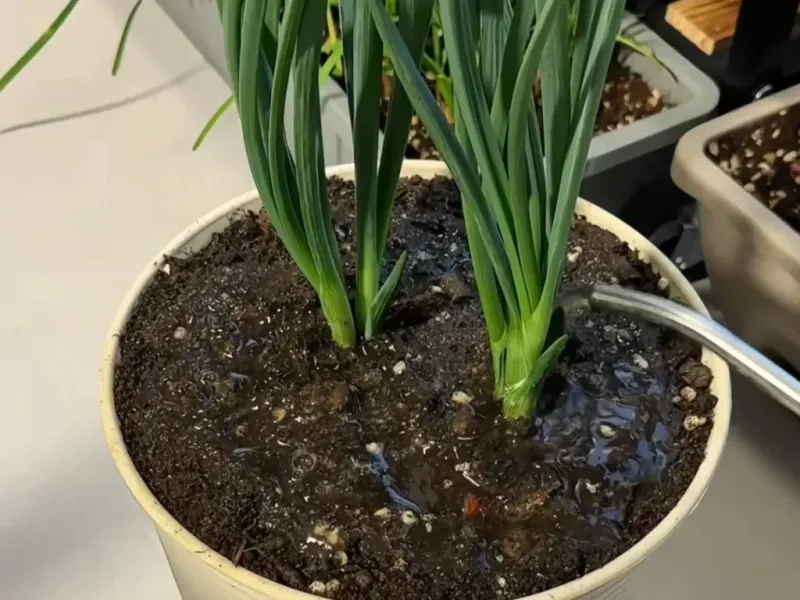
Sunlight is basically scallion fuel. The more light these plants soak up, the thicker and sturdier their stems become. In a shady corner, they tend to stretch out pale and floppy, almost like they are reaching for help.
Find a spot that gets at least six hours of direct sun each day. A south-facing porch, sunny deck rail, or bright driveway edge often works best. Because containers move easily, you can shift them as the sun changes its path through the seasons.
Water plays a big role in flavor, too. Steady moisture keeps scallions tender and mild, while plants that swing between soaked and bone dry can turn tough and sharp tasting.
Poke a finger into the soil, and if the top inch feels dry, give the pot a good drink until water runs out the bottom.
Feeding is the final piece. Containers lose nutrients each time you water, so a light meal helps. Use a balanced liquid fertilizer every few weeks, and always follow the directions on the label, since more is not better.
North Carolina throws two curveballs at fall gardeners. Days grow shorter as autumn moves along, which means every hour of sunshine counts more. October also tends to bring dry spells, with clear skies and little rain for stretches at a time.
Checking your pots often during those weeks keeps scallions juicy instead of stringy.
A little attention goes a long way here. A quick soil check with your morning coffee can become an easy habit, and your plants will show their thanks with bright green growth.
6. Harvest By Cutting Or Pulling
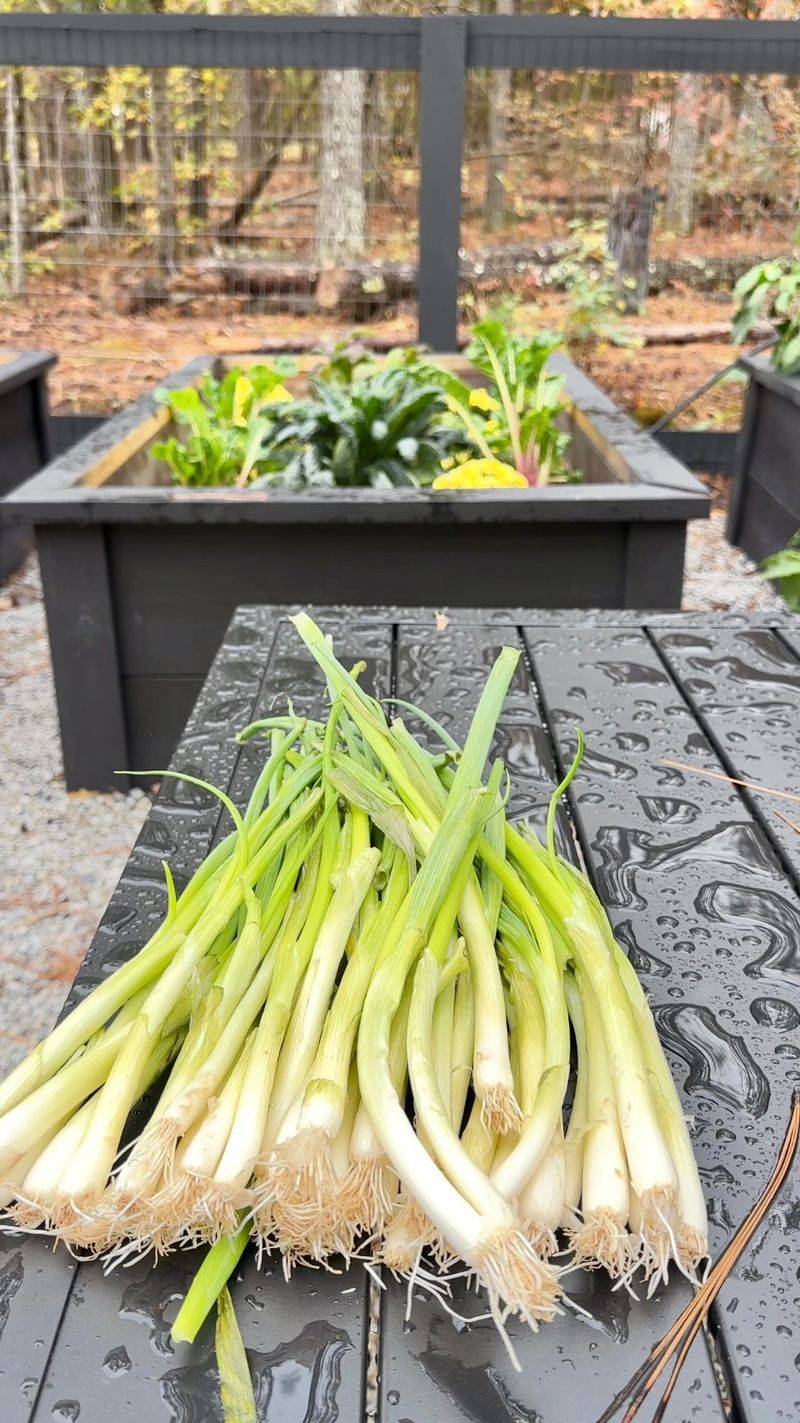
Few crops are as generous as scallions. You can enjoy them two ways, and one of those ways lets the same plants feed you again and again.
Start harvesting once stems reach about the thickness of a pencil. At that stage, the flavor is lively but not harsh, and the white base has enough substance for cooking. Smaller stems are still tasty, but waiting a bit gives you more to work with.
Pulling is the classic method. Grip a plant near the soil and lift it out, roots and all, for a full scallion with its white end intact. Loosening the soil with a finger first makes the job easier and keeps neighboring plants in place.
Cutting offers a clever shortcut. Snip the green tops about an inch above the soil with clean scissors, and leave the base in the pot. Within a couple of weeks, fresh leaves push up again, ready for another trim.
Many home cooks keep a pot near the kitchen door just for this. For a supply that never runs short, sow a new container every few weeks.
As one pot slows down, the next one is coming into its prime. It works a bit like a relay race, with each batch handing off to the next.
North Carolina’s mild cool season makes this approach especially rewarding. In much of the state, scallions keep producing through a long stretch of fall and winter.
A couple of staggered pots can easily keep you stocked for omelets, chili toppings, and stir fries until spring arrives.
7. Protect Containers During Hard Freezes
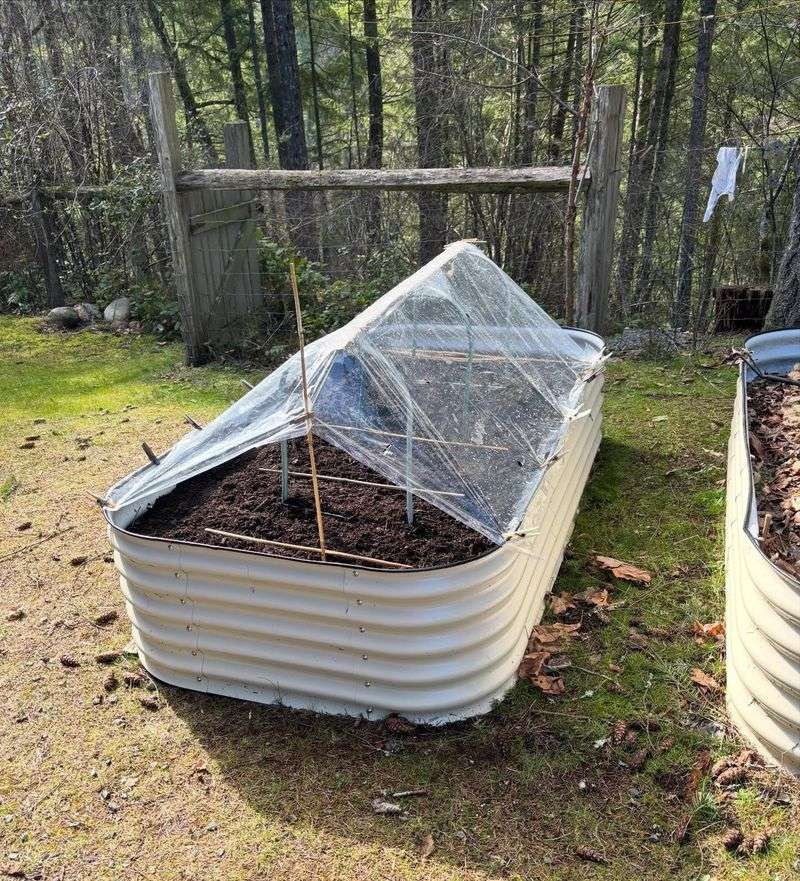
Scallions are tough little plants, but even tough plants appreciate a warm coat on a bitter night. These hardy greens can handle frost with ease. Pots, however, add a twist that gardeners sometimes forget.
Roots growing in the ground stay snug, wrapped in a deep blanket of earth that holds warmth.
Roots in a container have only a few inches of soil and a thin wall between them and the cold air. During a severe cold snap, a pot can freeze much harder than the garden bed beside it.
Moving your containers is the easiest fix. Before a hard freeze, slide them against a south-facing wall, where bricks or siding soak up daytime heat and release it overnight. A covered porch, carport, or other sheltered spot works well too.
Grouping pots together helps as well. Clustered containers protect each other, cutting down on how much cold reaches each one. On very cold nights, drape frost cloth over the group, then remove it once temperatures climb the next day.
Patience matters at harvest time during cold weather. Avoid cutting or pulling scallions while the leaves are frozen, since handling icy leaves can leave them mushy and damaged. Wait until the sun warms them and they look soft and green again.
North Carolina winters are usually gentle, yet occasional hard freezes do roll through. The Mountains feel them most often, and the Piedmont sees its share of frigid nights too. Coastal gardeners have it a bit easier but still benefit from a backup plan.
With a few simple moves, your scallions can sail through winter and keep your kitchen stocked.