This Arizona Tree Grows Its Own Mosquito Repellent Right In Its Leaves
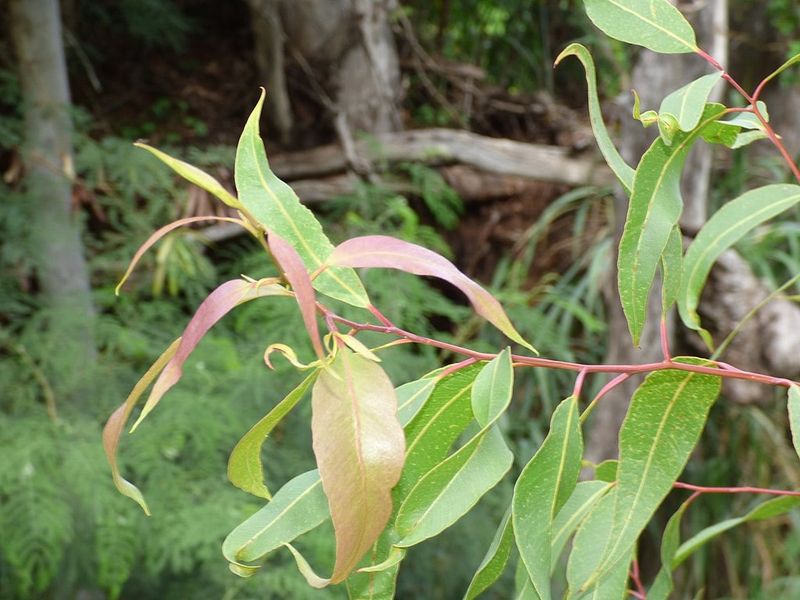
Crush a leaf from a lemon-scented gum and you get a bright citrus smell that makes people wonder about mosquitoes. The idea that the tree comes with its own bug shield is catchy, but the real story is more careful.
Here is what the leaves actually offer, what they do not, and what Arizona yards and skin really need.
The leaves smell lemony, but they are not a ready-made shield
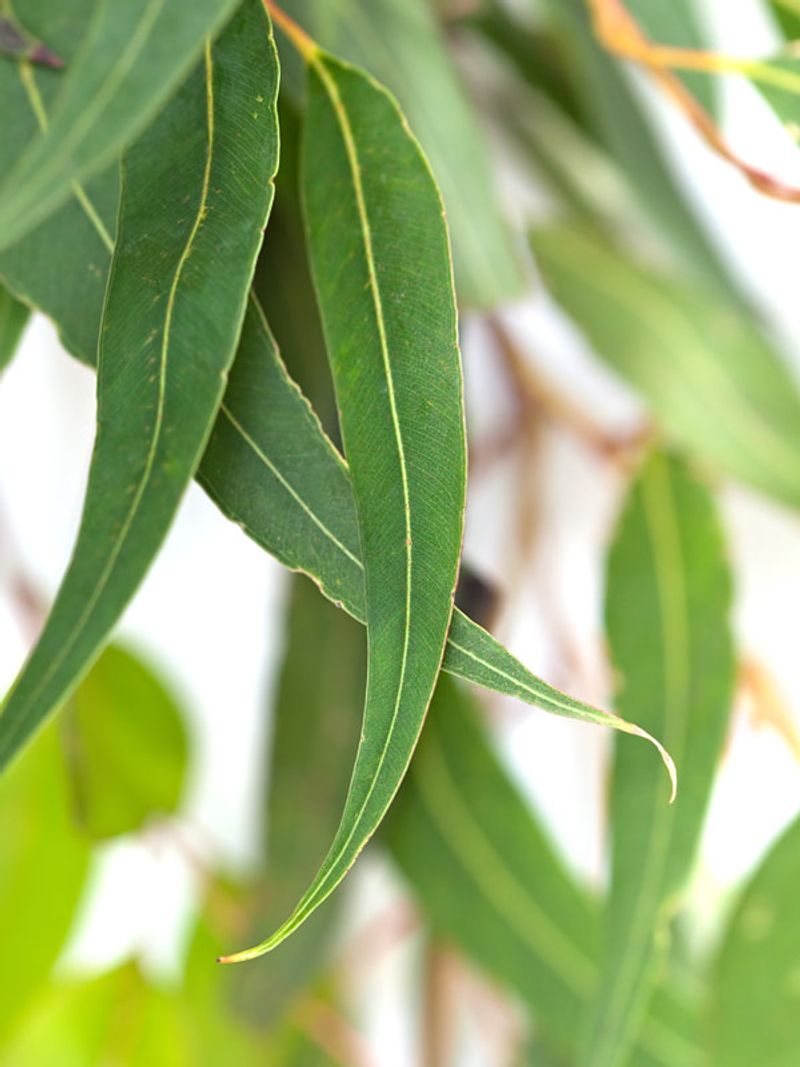
Few trees announce themselves like lemon-scented gum. Brush past the long, narrow leaves and a clean citrus aroma drifts up, which is how the tree earned its name.
That scent comes from oils stored in the foliage. Those oils are processed into an essential oil, and a review of plant-based repellents describes lemon-eucalyptus oil as rich in citronellal, a compound that researchers have looked at for insect-repellent properties.
Notice the wording, though. Scientists study the extracted oil, not the leaves hanging on a tree.
A fragrant leaf is not a finished repellent, and a lemony smell in the air does not mean you are shielded from bites.
The review also treats the oil as something different from PMD, an ingredient tied to formulated repellents. So the tree is best seen as a fragrant source material, not a mosquito shield you can walk under and trust.
Repellent research does not prove a tree scrambles mosquito signals
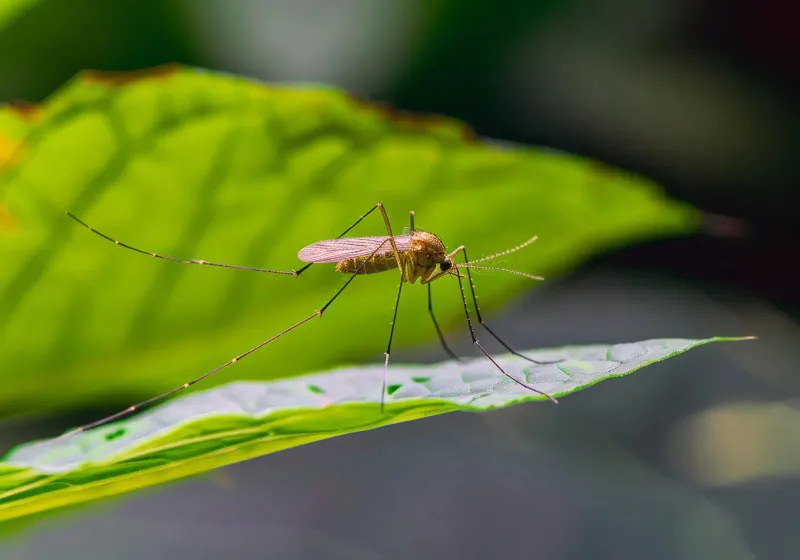
Mosquito studies are narrow by design. Researchers pick a specific compound, a specific mosquito species, and a controlled setup, then watch how the insects respond to smell.
One example is a study on species-specific olfactory behaviors, which found that repellents can trigger different responses depending on the mosquito. Not every species reacts the same way.
Mosquitoes also track people with several cues at once, so a single scent is only part of the picture. A lab result about one compound cannot simply be stretched to cover a whole tree.
That is why the catchy claim that the leaves scramble mosquito signals goes too far. Nothing here shows that a living lemon-scented gum disrupts how mosquitoes find you, or that it protects people across a yard.
A planted tree does not repel mosquitoes nearby
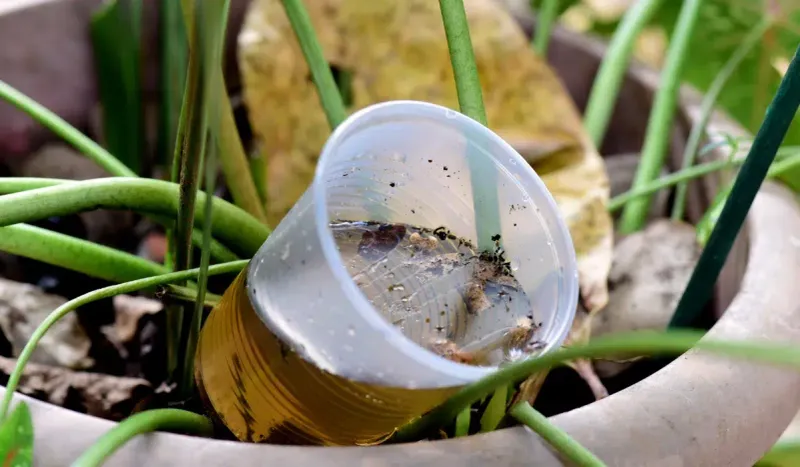
Here is the plain answer for your yard. Planting a lemon-scented gum, or keeping one near the patio, does not give meaningful mosquito protection.
Extension experts say much the same. Iowa State Extension notes that a plant sitting on a patio has no mosquito-repelling effect, because the oils that matter have to be released or concentrated first.
A living tree simply does not give off enough of those oils to make a protective bubble. The strong research results involve oil that has been extracted or concentrated, which is a different thing from foliage swaying overhead.
Crushing leaves is not a proven fix either. A crushed leaf releases a burst of scent that fades fast, and it is not a tested treatment, so skip rubbing leaves on skin.
Essential oil, OLE, and PMD are not interchangeable
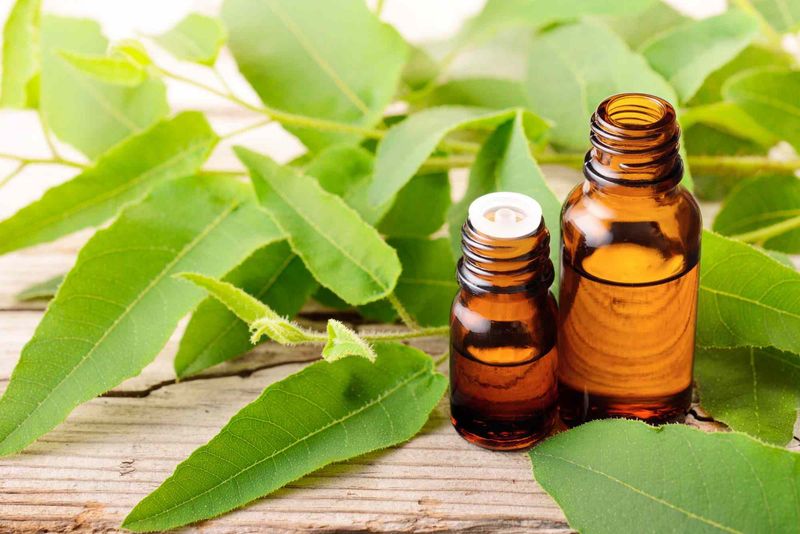
The names sound alike, which causes plenty of confusion. Lemon-eucalyptus essential oil is the plain oil taken from the leaves.
Your Arizona Garden Changes Every Week. Your Plan Should Too.
Gardening in Arizona changes quickly throughout the season. Every Friday you’ll receive a simple weekly plan showing exactly what to plant, prune, fertilize, harvest, and protect so you never miss the right timing.
Oil of lemon eucalyptus, or OLE, and PMD are ingredients used in formulated repellents.
The EPA lists OLE and PMD among the active ingredients in EPA-registered skin-applied repellents. Those products are made and tested to a standard.
Unformulated oil is a different story. CDC guidance says pure lemon-eucalyptus essential oil is not a validated, EPA-registered repellent and should not be treated as equal to an OLE or PMD product.
In practice, a bottle labeled essential oil and a bottle labeled as a registered repellent are not the same product. This article gives no recipes for mixing leaf oil at home, since that skips the testing that registration involves.
The tree’s Arizona fit involves water and space

Lemon-scented gum is Australian, native to Queensland, and it is not an Arizona native. It can be grown in the region, but that is not the same as being a desert-adapted pick.
The University of Arizona Arboretum rates it as moderate water use and lists a mature height of 50 to 100 feet. It also notes a preferred rainfall of 20 to 50 inches a year, far more than the low desert usually gets, along with well-drained soil and medium moisture.
That adds up to a big thirsty tree. Picture a trunk and canopy that may eventually tower over a roofline, with roots and limbs that need real room.
For a small or average lot, or for a yard built around saving water, it may be a poor match. Measure your space and check your irrigation budget before you fall for the lemony scent.
Choose a labeled repellent for bite prevention
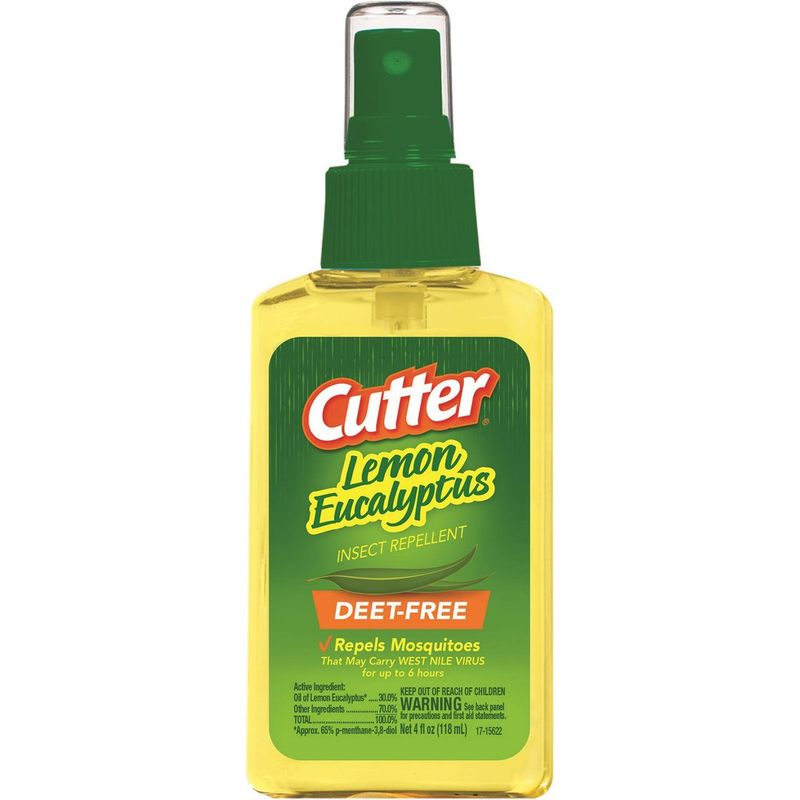
When bites are the problem, reach for a product made for skin. Pick an EPA-registered repellent and follow the directions on its label, rather than counting on a tree, crushed leaves, or homemade oil.
The EPA’s page on skin-applied repellent ingredients helps you see which active ingredients are registered, including OLE and PMD.
Do not count on a set number of hours. CDC guidance says protection time varies with the product, mosquito species, temperature, sweating, and water exposure, so hot Arizona evenings may call for reapplying as the label directs.
For children under 3, CDC generally advises against OLE and PMD products. The exception covers only certain OLE products at 30% or less where OLE is the sole active ingredient, and it does not apply to PMD.
Check current CDC guidance and the label first.
A lemon-scented tree is a lovely thing to smell, but it is the label that does the protecting.