The Wild Orange Fruit Ripening in New Jersey Woods Right Now Tastes Sweet Only After It Softens
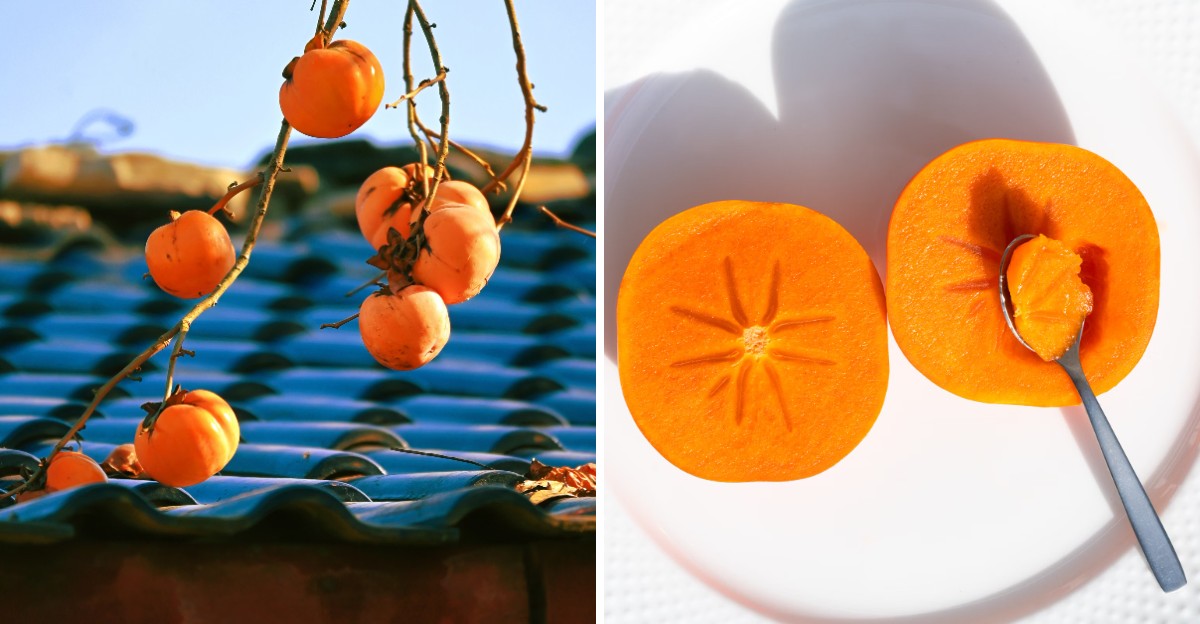
Bite that glowing orange fruit and your mouth protests instantly. You have met an unripe American persimmon, loaded with tannins.
Those compounds bind to proteins in your saliva and pull out moisture. Ripeness rewrites the recipe. Tannins fade, sugars climb, and the flesh turns custardy.
Wrinkled, dark, and soft on the ground, the best fruit looks rumpled. Trust that look when you wander New Jersey woodlands. Press gently, and your thumb should sink in.
Taste it, and you meet brown sugar, dates, and roasted pumpkin. Diospyros, the Greek name your fruit carries, means fruit of Zeus. Open a seed, and a spoon shape supposedly promises heavy snow.
Carry a bucket and gather fallen fruit beneath the branches. Rinse them, press the pulp through a sieve, and freeze portions for baking. Wait in New Jersey, and you earn rich, dessert-level sweetness.
The American Persimmon Behind The Puckered Face
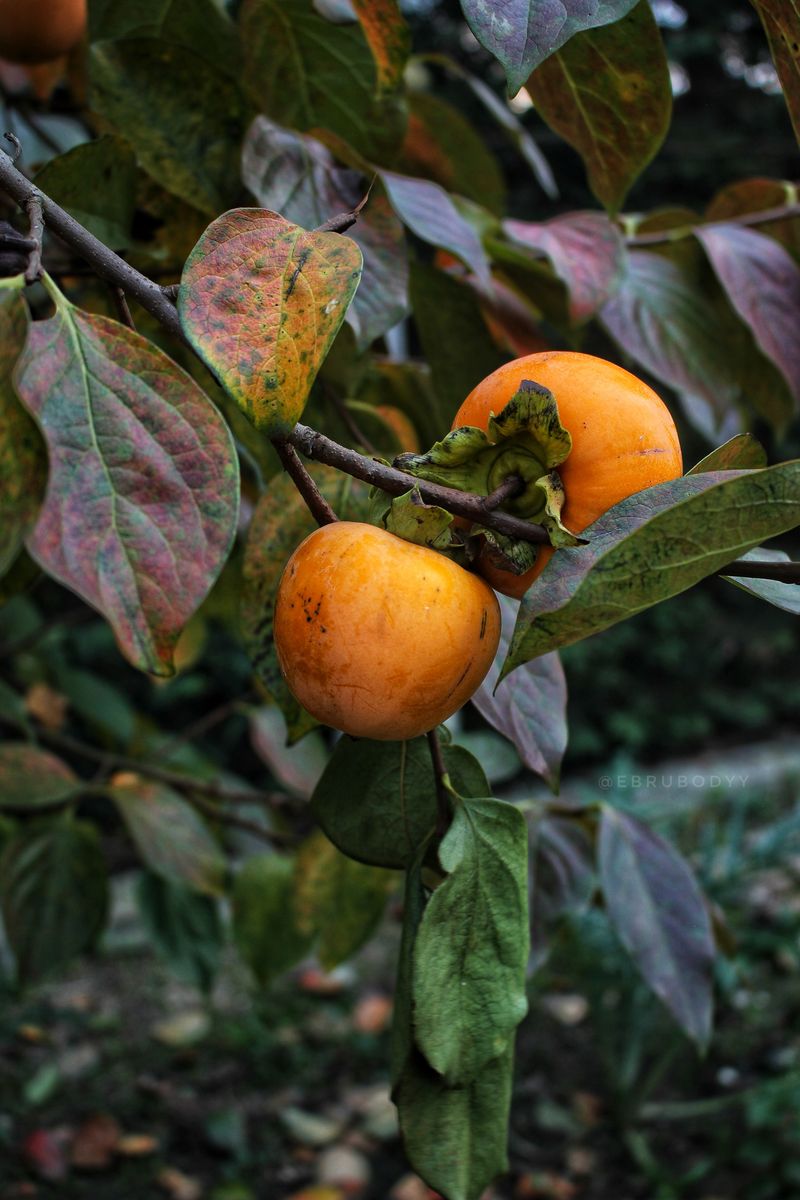
Many people remember their first unripe persimmon, and some recall exactly where they were standing. That small orange fruit is the American persimmon, known to scientists as Diospyros virginiana.
Native trees grow wild across southern and central New Jersey, especially in old fields and along woodland edges. They can reach thirty to sixty feet tall, though many stay much smaller in shady woods.
The fruit is round, about one to two inches wide, and turns orange in early fall. A little cap of stiff, leaf-like sepals sits on top, like a tiny green crown.
Bark gives the tree away even in winter, because it breaks into dark, chunky squares. Many hikers say it looks like rough alligator skin or a pile of dark, blocky charcoal pieces.
Not every tree makes fruit, which surprises plenty of eager first-time foragers. Persimmons usually have separate male and female trees, and mainly the females grow those glowing orange fruits.
Native Americans dried the fruit into cakes long before European settlers arrived in the region. Early colonists learned the hard way that a pretty color does not mean ready to eat.
Spotting one this month is easier than you might think, since the leaves drop and leave fruit hanging. Look for bare branches dotted with orange near sunny trails and meadow edges.
Tannins That Dry Out Your Mouth
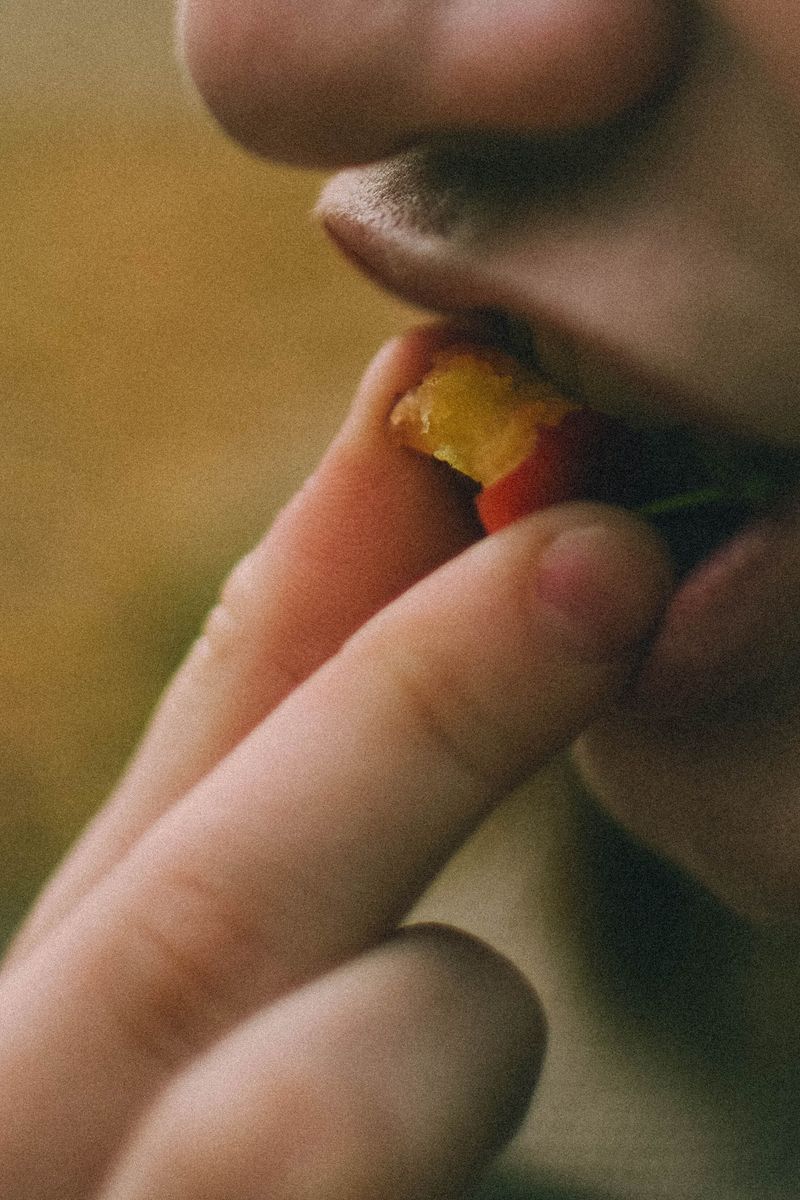
Imagine licking a dry paper towel and feeling your cheeks tighten. That strange feeling comes from tannins, natural chemicals packed inside unripe persimmons.
Tannins are the same stuff that makes strong tea or grape skins taste harsh. In green or firm persimmons, they sit inside tiny cells waiting to burst when you chew.
Once released, tannins grab onto proteins in your saliva and clump them together. Your mouth loses its slippery coating, so everything suddenly feels rough, fuzzy, and tight.
Scientists call this feeling astringency, and it is not the same as sourness. A lemon is sour, but an unripe persimmon makes your tongue feel like wool.
The tree likely has a reason for this defense. Bitter, chalky fruit may keep animals from eating it before the seeds inside are ready to sprout.
Your New Jersey Garden Changes Every Week. Your Plan Should Too.
Gardening in New Jersey changes quickly throughout the season. Every Friday you’ll receive a simple weekly plan showing exactly what to plant, prune, fertilize, harvest, and protect so you never miss the right timing.
As the fruit softens, the tannins bind together and stop reacting with your saliva. The harsh taste fades away, and natural sugars finally take over the flavor.
If you do take a bad bite, rinse with water and eat something fatty like cheese or crackers. The pucker usually fades within a few minutes.
Kids often dare each other to try one, turning it into a classic woodland prank. Just remember to laugh along, since the joke may land on you next time.
October Timing And The Best Ripeness Window
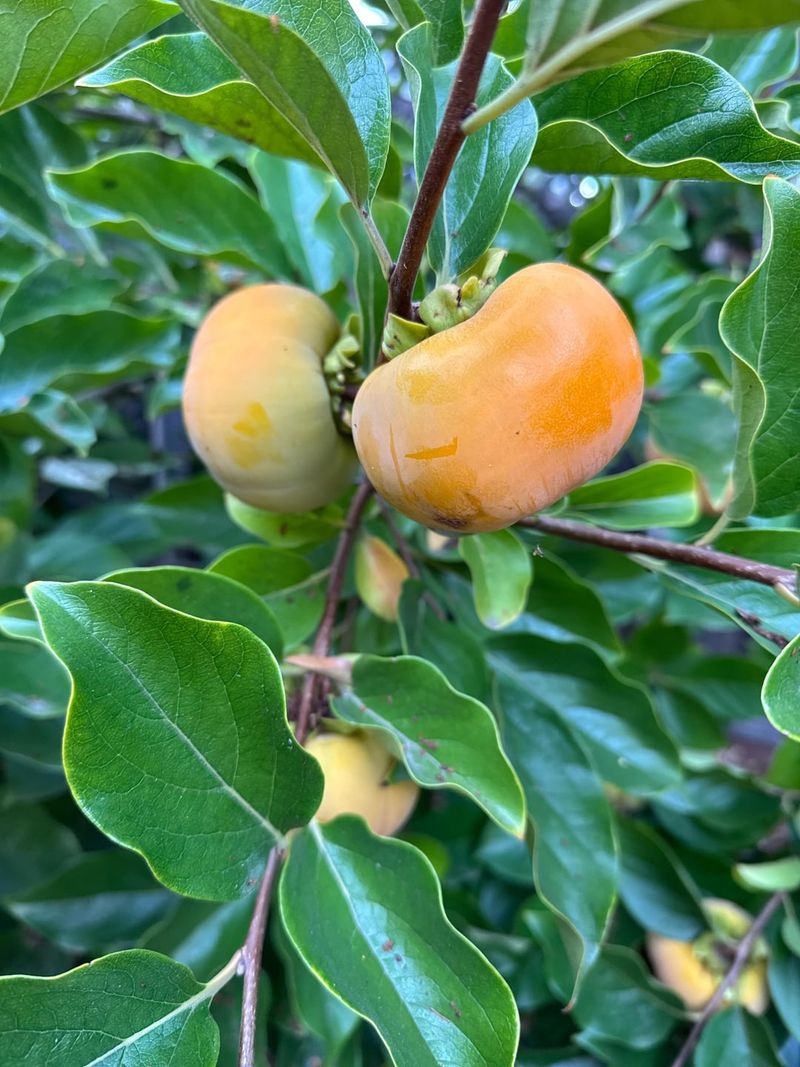
Old-timers in South Jersey like to say persimmons are not worth eating until after the first frost. There is some truth to that saying, though frost is not the real magic.
Ripening depends more on time than on cold weather. Most New Jersey trees start dropping ripe fruit from late September through November, with October being the sweet spot.
Some trees ripen early, while others hold firm fruit well into December. Each tree has its own schedule, so one grove may offer treats while another stays bitter.
Frost may help soften the skin on some stubborn trees. Still, an unripe persimmon often stays puckery even after freezing.
Watch the ground more than the branches during a cool October week. Ripe persimmons tend to fall on their own, landing soft and squishy in the leaves.
Early morning visits work best, because deer, raccoons, foxes, and opossums love these treats too. Wait until afternoon, and other animals may have eaten most of them.
Mark the trees you find on a phone map or in a notebook. You can check them every few days and learn which ones ripen first each year.
Over a few seasons, you will build your own personal persimmon calendar. That kind of local knowledge becomes a useful guide to your neighborhood.
The Common Mistake Of Picking From The Branch
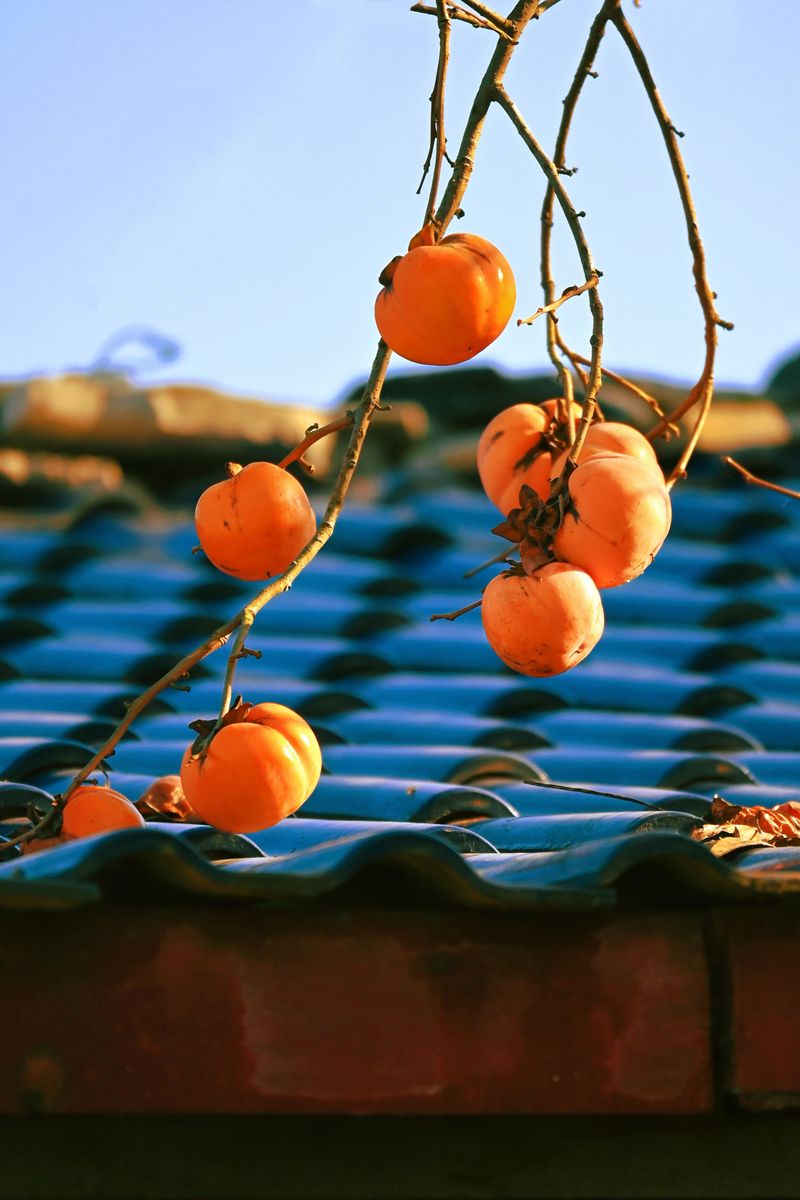
A scene like this plays out on trails each fall. A hiker spots bright orange fruit, reaches up, twists one free, and bites right in.
Seconds later, that person is grimacing, wiping their tongue, and wondering what went wrong. The answer is simple, since persimmons pulled from branches are usually not ready yet.
Color fools many first-time foragers, because the fruit turns orange weeks before it turns sweet. A firm, smooth, shiny persimmon looks perfect, yet it holds the most tannins.
Ripe ones look a little ugly by comparison. They feel very soft, and the skin may look wrinkled, bruised, or even slightly see-through.
Squeeze gently, and a ripe one yields like a ripe plum. A fruit that resists your thumb still holds tannins and needs more days.
Another mistake is shaking the tree too hard to knock fruit loose. That rough method brings down unripe fruit along with the ripe ones.
Some people also confuse the native persimmon with the larger Asian kinds sold in stores. Fuyu persimmons from the market can be eaten firm, but wild American ones cannot.
Gentle hands and patience make a real difference here. If a fruit does not drop with a light touch, leave it hanging for another week or two. Carry a small paper bag, since soft fruit bruises easily in a jacket pocket.
Think of the tree as a careful timer that knows when the fruit is ready. Picking early leads to disappointment, because the fruit needs time to finish ripening.
Soft Wrinkly Fruit As The Sweet Fix
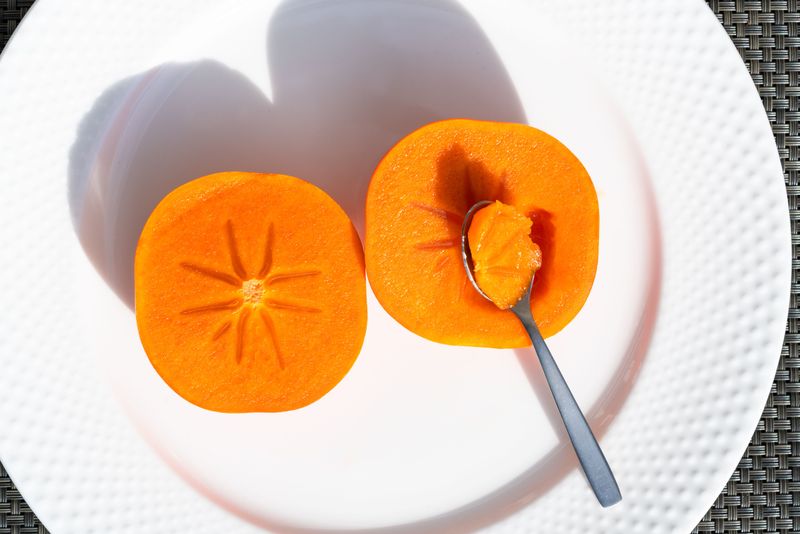
Once you taste a truly ripe persimmon, the earlier pucker starts to feel worth it. The flavor blends honey, apricot, and brown sugar with a hint of warm spice.
The best fruit feels soft enough to squish with gentle pressure. Its skin may look dull, wrinkled, or a bit darker orange with tiny brown freckles.
Pick persimmons from the ground and give each one a quick sniff and squeeze. Skip any that smell sour, have mold, or show deep holes from insects.
Brought home some firm ones by accident? Set them beside a banana or apple, which release a gas that may speed ripening, though results vary.
Within a few days, they should turn soft and much sweeter. Check them daily, because ripe persimmons can go from perfect to overripe pretty quickly.
To eat one, simply pull off the cap and squeeze the pulp into your mouth. Watch out for the flat brown seeds, which are hard and not meant for chewing.
Washing the fruit first is a smart habit, since it has been lying on the forest floor. A quick rinse removes dirt, leaf bits, and any curious ants.
Many foragers say the ugliest persimmon on the ground is the tastiest one in the bunch. Trust that rule, and your face will thank you.
Kitchen Rewards And Safe Foraging Habits
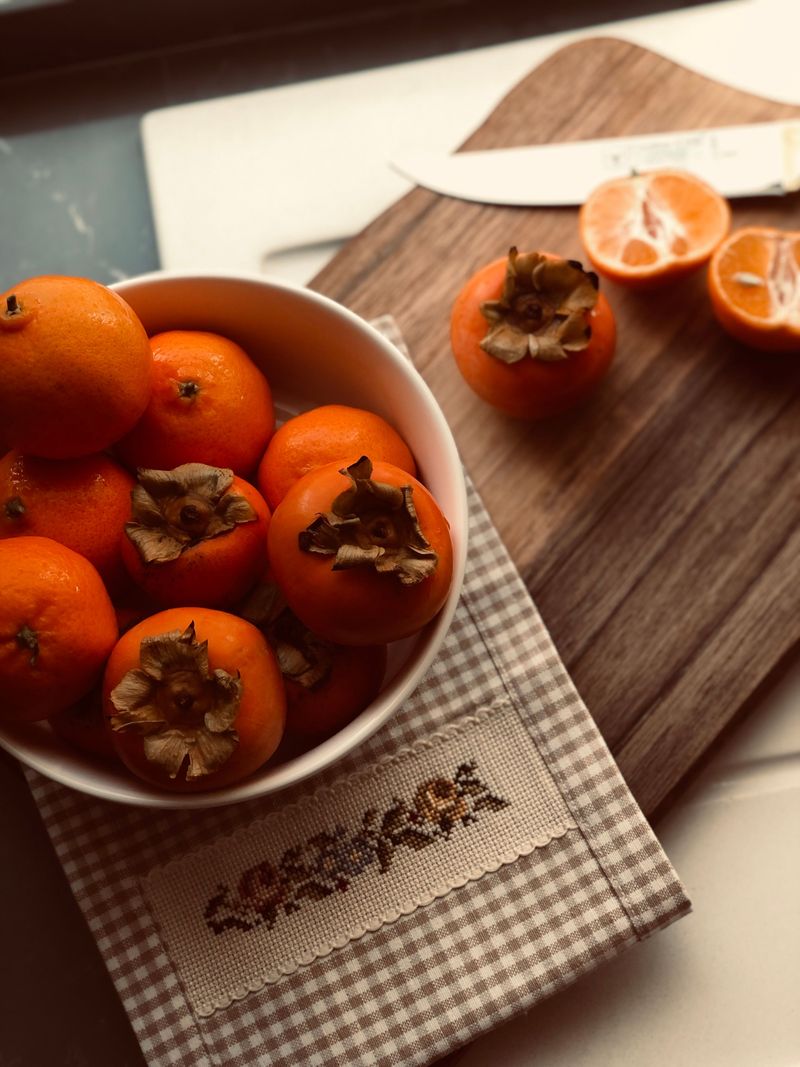
Many families across the eastern United States once baked persimmon pudding for Thanksgiving, filling kitchens with the smell of spice. That dense, dark dessert is still a beloved tradition in many homes.
To make it, you first separate the pulp from the skins and seeds. A food mill or a simple metal strainer works well for pressing the soft fruit through.
The pulp freezes beautifully, so you can enjoy October flavor in the middle of winter. Try it in bread, muffins, cookies, smoothies, or stirred into morning oatmeal.
Safe foraging matters just as much as tasty recipes. Only eat fruit you can identify with confidence, and ask an adult or local expert if unsure.
Avoid eating too many unripe persimmons, since large amounts of tannins can upset your stomach. Stick to soft, fully ripe fruit, and enjoy them in reasonable amounts.
Respect property rules, too, because many trees grow in parks or on private land. Ask permission before gathering, and confirm current New Jersey rules, since foraging policies differ by park.
Leave some fruit behind for the wildlife that depends on it each fall. Deer, birds, and opossums count on persimmons to fatten up before cold weather arrives.
Some foragers even save seeds and plant new trees in their own backyards. Years later, those trees can introduce a whole new generation of curious foragers to this fruit.