Why Ohio Lawns Look Greener In October Than Any Other Month
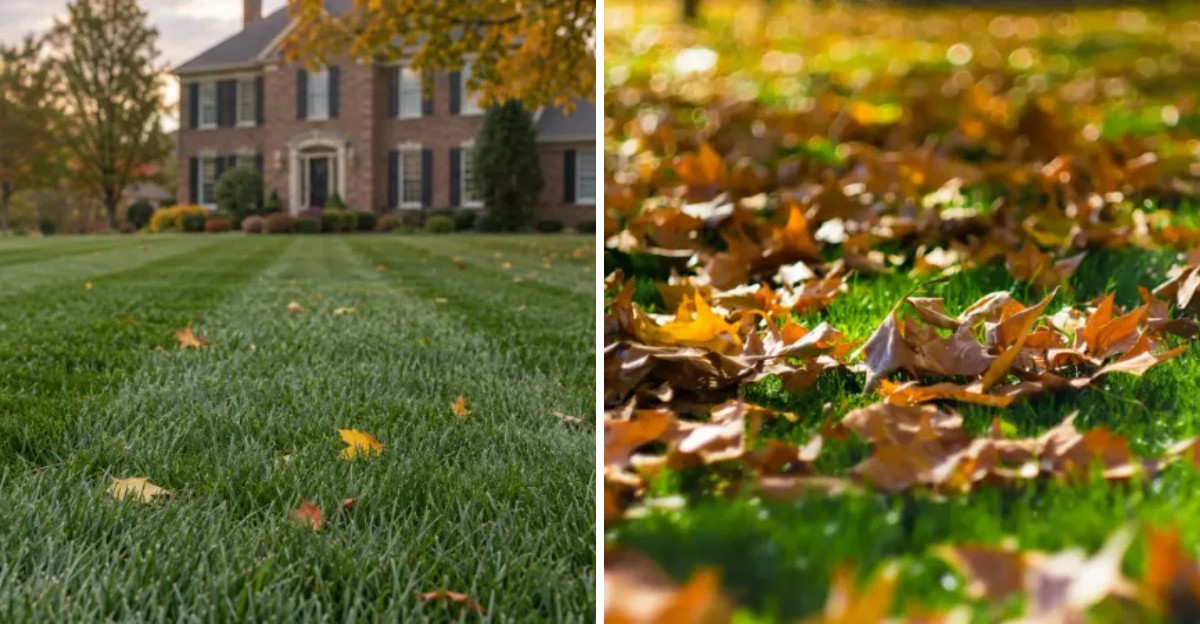
Something genuinely strange happens to Ohio lawns in October and most homeowners have no idea why. The trees are putting on their big colorful exit, temperatures are dropping, and somehow the grass looks better than it did all summer.
Greener, thicker, almost suspiciously lush. It makes no sense on the surface, and yet there it is every single fall, glowing like someone secretly resodded the neighborhood overnight.
Your neighbor’s yard looks like a golf course. Yours might too, and if it doesn’t yet, it absolutely could.
The explanation behind this October grass phenomenon is actually pretty fascinating and involves a satisfying mix of plant science, soil behavior, and Ohio weather doing something right for once.
Grab a warm drink and let’s get into what is actually happening out there under all those falling leaves.
1. Cool Nights Give Grass A Second Wind
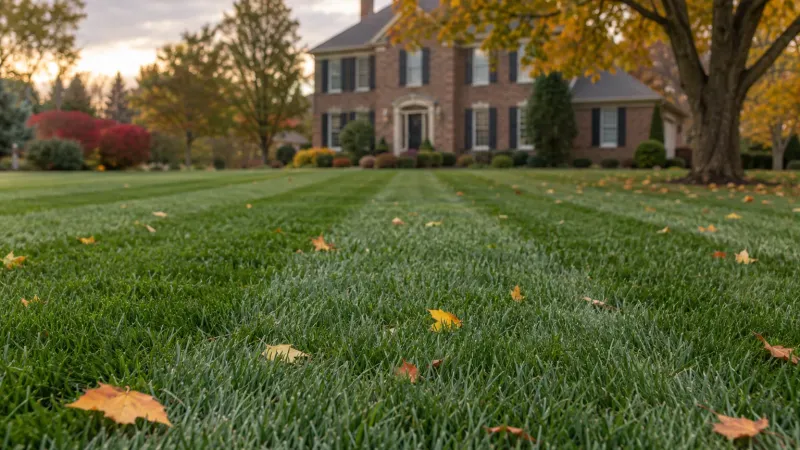
Grass has a favorite season, and summer is not it. Most yards across Ohio grow cool-season grasses like Kentucky bluegrass, tall fescue, and perennial ryegrass.
These grasses grow best when the air sits between 60 and 75 degrees. In July, heat pushes them into a slow, tired mode called summer dormancy.
Blades turn tan, growth stalls, and your lawn looks a little sad.
Then October arrives with cooler days and chilly nights. The grass perks up like a kid on the first snow day.
It starts making food again and pushes out fresh, deep green blades.
Cool nights also help in a sneaky way. Plants burn energy at night through a process called respiration.
When nights are hot, grass burns through its stored sugar fast.
When nights cool down, that energy loss slows way down. More sugar stays in the plant, so it has extra fuel for growing roots and leaves.
The result is thicker, brighter turf.
You can help your grass enjoy this second wind. Keep mowing on a regular schedule so it does not get shaggy.
Set your mower blade around 3 inches tall to protect the crown of the plant.
Kentucky bluegrass is not actually blue, and its name has nothing to do with its origins. While it is widely believed to have come from Europe and Asia and was introduced to North America by early settlers, its exact origins are still debated among botanists, with some research suggesting it may have existed natively in parts of the continent as well.
What is clear is that it thrived in Kentucky pastures and earned its popular name from there.
Under fall light, though, it can show a faint bluish shine.
2. Steady Fall Rain Keeps Roots Happy
Think back to August, when the hose barely kept up and the ground felt like brick. Water was scarce, and your grass knew it.
By October, Ohio usually settles into a calmer rain pattern. Instead of wild summer storms that dump water and run off, fall brings softer, steadier showers.
That kind of rain soaks into soil slowly, right where roots can reach it.
Cooler air matters here too. Less heat means less water escapes from the soil and from grass blades.
Your Ohio Garden Changes Every Week. Your Plan Should Too.
Gardening in Ohio changes quickly throughout the season. Every Friday you’ll receive a simple weekly plan showing exactly what to plant, prune, fertilize, harvest, and protect so you never miss the right timing.
So each inch of rain lasts longer and does more good.
Morning dew adds a little bonus. Long, cool nights let dew form heavily on the lawn.
While dew will not replace rain, it helps blades stay plump and fresh looking.
Still, nature can skip a week or two. A good rule is that most lawns want about one inch of water each week, rain included.
Set an empty tuna can on the grass to measure how much falls.
If you need to water, do it early in the morning. Grass dries during the day, which lowers the chance of fungus.
Water deeply but less often so roots grow long and strong.
Deep roots are your lawn’s savings account. The more water and food they store in fall, the better your yard handles winter.
Come spring, you will thank yourself for paying attention now.
3. Ohio Soil Stays Warm While The Air Cools
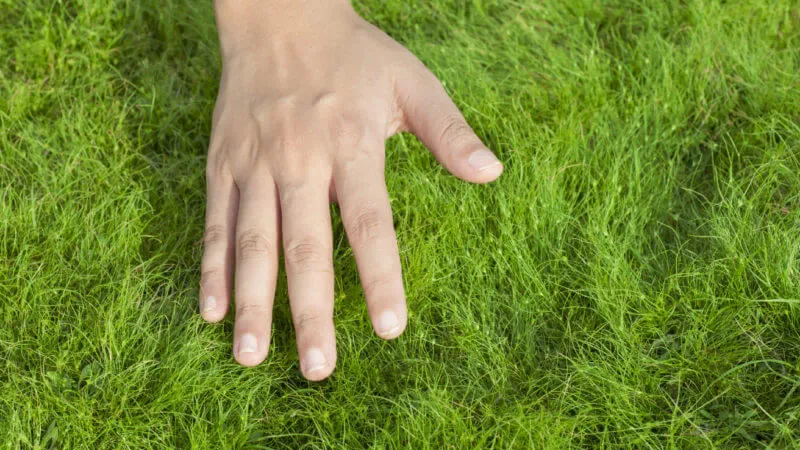
Here is a cool trick of nature. While you are pulling on a hoodie, the ground below your feet is still holding onto summer warmth.
Soil heats up slowly and cools down slowly. In Ohio, October soil often stays in the 50s and low 60s, even when the air gets nippy.
That warm ground is like a heated blanket for grass roots.
Roots love this setup. With warm soil below and cool air above, grass puts much of its energy underground.
Roots spread wider, dig deeper, and grab more nutrients.
Better roots lead to better blades. A strong root system feeds the top of the plant, so the lawn looks thick and lively.
You are seeing the payoff above ground from all the work happening below.
Warm soil also helps grass seed sprout quickly. That is why experts call early fall the best time to overseed.
New seedlings pop up fast and face less competition from weeds.
Want to check your soil? Pick up a cheap soil thermometer at a garden store.
Push it about 4 inches down and read it in the morning.
If the reading is above 50 degrees, your roots are still busy. That is a great window for seeding, aerating, or feeding.
Once the soil drops into the 40s, growth slows, and your lawn starts settling in for its long winter nap.
4. Fewer Weeds Steal The Spotlight
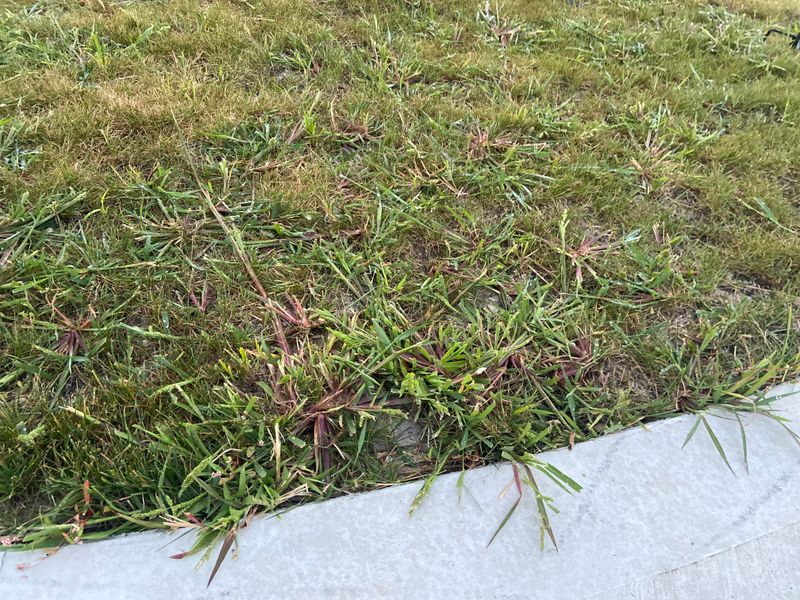
Crabgrass had a great summer. It spread across bare spots, laughed at the heat, and made your yard look patchy and pale.
October is when crabgrass finally fades. It is a summer annual, which means it only lives for one growing season.
Once the first frosts hit Ohio, it turns brown and stops spreading.
With that weed out of the way, your real grass gets the stage. Gaps fill in, color evens out, and the whole yard suddenly looks tidier.
It is a bit like cleaning your room and realizing how nice the carpet is.
Broadleaf weeds like dandelions and clover act differently. In fall, they pull food down into their roots to get ready for winter.
That habit makes October a smart time to treat them.
Any weed control you apply now gets carried straight to the roots. So spot treatments work better in fall than in spring.
Always read the label and pick a calm, dry day.
Prefer a chemical-free option? A thick lawn is the best weed fighter there is.
Healthy grass crowds out weeds by blocking the sunlight their seeds need.
Fill thin spots with seed this month, and next summer will bring fewer surprises. Pulling weeds by hand after a rain also works, since moist soil lets roots slide out easily.
Bring a podcast and make it a calm chore.
5. Fall Fertilizer Gives Ohio Grass A Boost
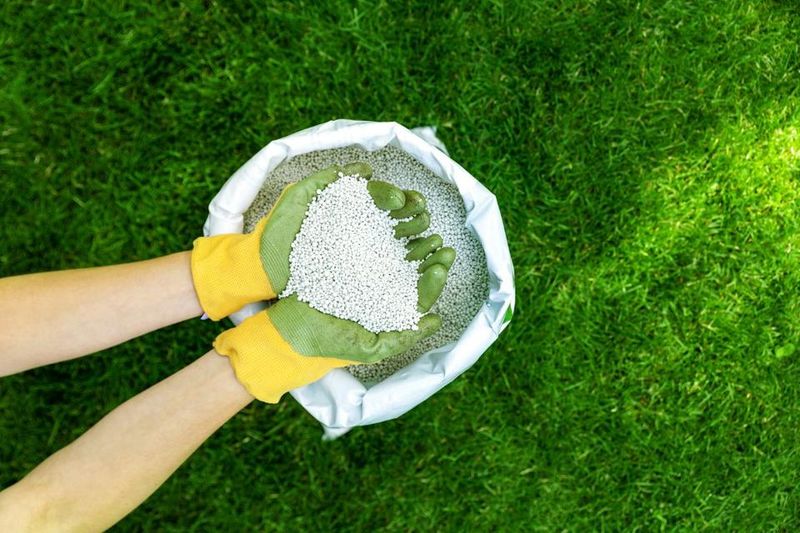
Ask any lawn pro their favorite time to feed grass, and many will grin and say fall. A lot of Ohio homeowners make their biggest feeding of the year right around now.
Grass uses fertilizer differently when the weather cools. In summer, a dose of nitrogen pushes fast top growth that just means more mowing.
In fall, the plant sends that food into roots and stored energy.
Nitrogen is also the nutrient that makes grass deeply green. It helps blades build chlorophyll, the green stuff plants use to catch sunlight.
More chlorophyll means that rich emerald color you notice in October.
Some people add a late feeding in early November too. That last snack helps grass green up sooner in spring.
Many folks call it a winterizer.
Here are a few easy tips. Use a spreader so the fertilizer goes down evenly and you avoid stripes.
Sweep any granules off sidewalks and driveways so they do not wash into storm drains.
Try not to overdo it. Too much fertilizer can burn grass and harm local streams and lakes.
Follow the bag directions, and consider a soil test from your county extension office.
A soil test tells you exactly what your yard needs. Sometimes the answer is less fertilizer than you think.
Saving money and helping your lawn at the same time feels pretty good.
6. Golden Leaves Make Green Grass Pop
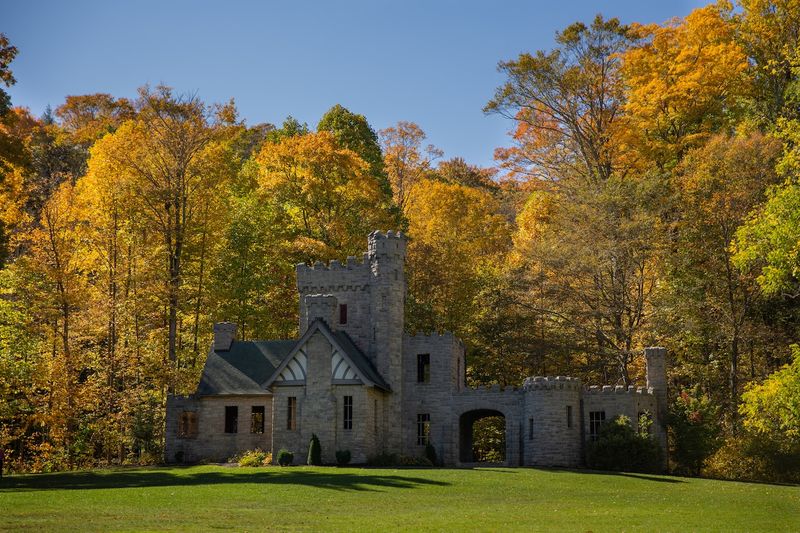
Artists have known this trick for centuries. Put red or orange next to green, and both colors suddenly look brighter.
October in Ohio is a living color wheel. Sugar maples blaze orange, red maples glow scarlet, and oaks turn deep rust.
All that warm color makes the green grass beneath look even more vivid.
Red and green sit across from each other on the color wheel. Painters call them complementary colors.
When they meet, your eyes see stronger contrast, so the lawn seems to glow.
The light helps too. Fall sun sits lower in the sky, sending soft, slanted rays across the yard.
That warm, golden light makes blades sparkle, especially in early morning and late afternoon.
So part of the magic is real plant health, and part is a happy visual effect. Either way, it is a great time for photos.
Snap pictures of your yard during golden hour, about an hour before sunset.
Leaves do bring one problem, though. A thick layer left on the grass blocks light and traps moisture.
That can smother turf and leave bald spots by spring.
Rake or blow leaves off about once a week. Better yet, mow over them with a mulching mower.
Small leaf bits break down into the soil and feed your lawn for free, which feels like recycling with a bonus.
7. Ohio Lawns Get A Break From Summer Stress
Summer is rough on a yard. Kids run through sprinklers, dogs dig, cookouts pack the grass, and the sun bakes everything for weeks.
By October, life in an Ohio backyard slows down. Pools get packed away, and fewer feet trample the turf.
Grass finally has a chance to rest and repair itself.
Heavy foot traffic squeezes soil tight. Packed soil makes it hard for water, air, and roots to move.
That stress shows up as thin, faded patches.
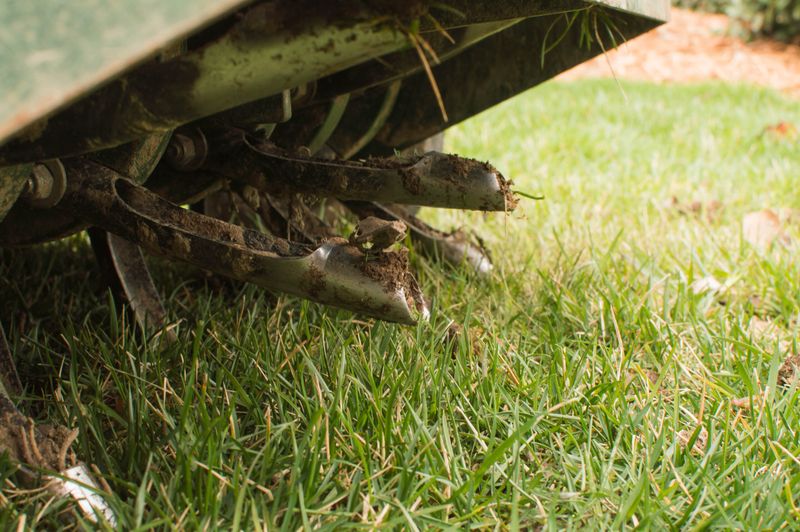
Fall is the perfect time to undo that damage with core aeration. An aerator pulls small plugs of soil out of the ground.
Those holes let air, water, and food reach the roots again.
You can rent an aerator from a hardware store or hire a service. Leave the soil plugs on the lawn.
They break down in a week or two and return nutrients to the yard.
Insects also calm down this time of year. Pests like chinch bugs slow as temperatures drop.
Fungus problems from hot, sticky nights fade too.
Give your lawn some kindness this month. Move patio furniture around so the same spots do not get crushed.
Try to keep heavy cars and trailers off the grass, especially when the ground is soft from rain.
8. Smart Homeowners Overseed In Early Fall
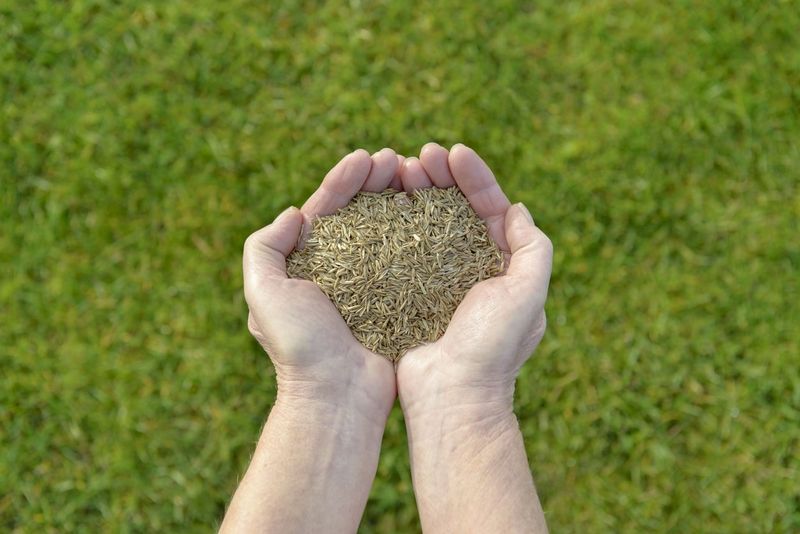
Walk through almost any Ohio neighborhood in September, and you might spot someone tossing seed across the yard. By October, those efforts start paying off in a big way.
Overseeding means spreading new grass seed over an existing lawn. It fills thin areas and adds younger, healthier plants.
Fresh grass tends to be a brighter, richer green than older, worn turf.
Early fall gives seed everything it wants. Warm soil helps it sprout, cool air keeps it from drying out, and rain helps it settle in.
Weeds are slowing down, so seedlings face less competition.
Timing matters a lot. OSU Extension recommends seeding cool-season grasses from around mid August through late September for the strongest establishment results across most of Ohio.
That window gives new grass several weeks to develop meaningful root strength before the ground freezes.
Pairing seed with aeration works wonders. Seeds drop into the aeration holes and touch soil directly.
Good seed-to-soil contact is the secret to a strong start.
Keep new seed moist with light, frequent watering for the first two weeks. After it sprouts, water less often but more deeply.
Hold off on mowing until the young grass reaches about 3 to 4 inches.
Choose a seed blend made for your region. Tall fescue handles shade and drought nicely, while bluegrass spreads to repair damage.
A mix gives you the best of both worlds.
9. Ohio Grass Stores Energy Before Winter
Bears are not the only ones getting ready for winter. Your lawn is quietly packing a lunch box for the cold months ahead.
As days get shorter, grass in Ohio starts storing carbohydrates in its roots and crowns. These stored sugars act like antifreeze and backup fuel.
They help the plant survive snow, ice, and freezing soil.
To build up that supply, grass works hard at making food from sunlight. All that activity keeps the blades full of chlorophyll.
That is a big reason the color looks so deep and rich right before winter.
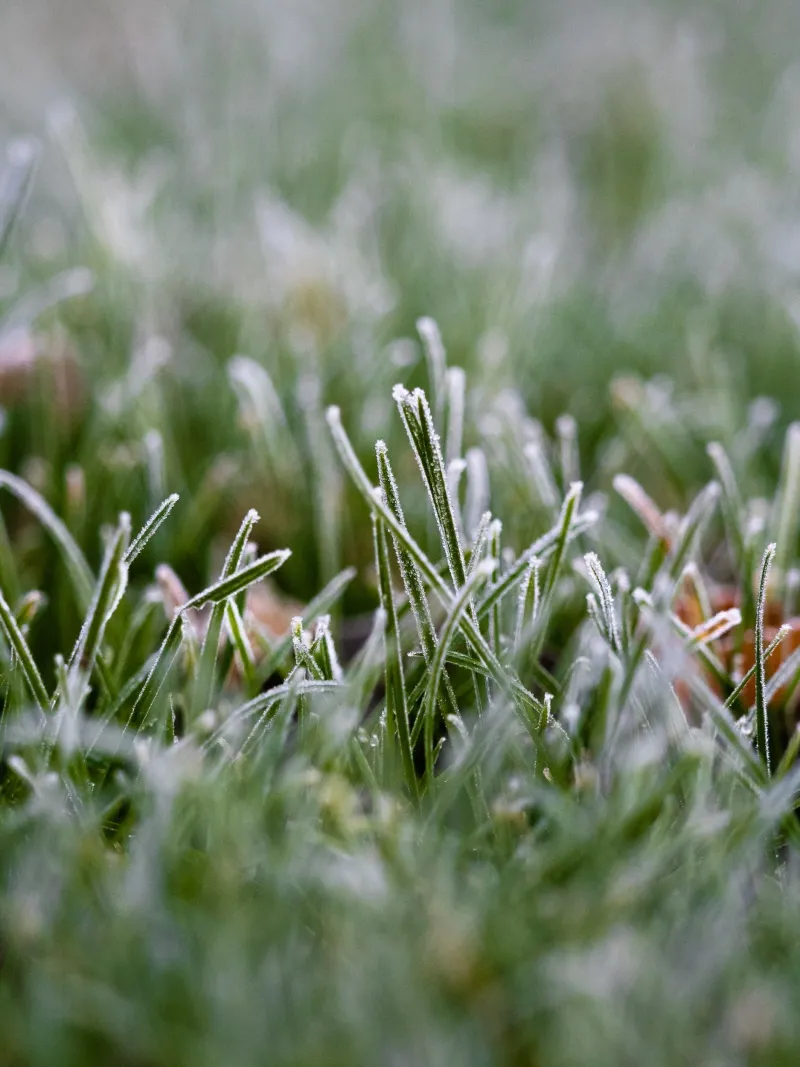
Eventually, growth slows to a crawl. The grass goes dormant, which means it is resting, not giving up.
It might fade to a dull green or tan by January, then bounce back in spring.
You can help with a few final chores. Keep mowing until the grass stops growing, usually in early November.
For the last cut of the season, most turfgrass specialists recommend bringing the blade down to somewhere in the range of 2.5 to 3 inches. Staying within that range helps reduce the risk of snow mold without cutting so short that the grass gets scalped heading into winter.
Check what works best for your specific grass type, since tall fescue and bluegrass can respond a little differently.
Clear all leaves before the first snow. Wet leaves under snow can cause matted, moldy patches.
Also drain and store your hose so it does not crack.
Did you know? A healthy lawn can hold enough stored energy to green up weeks before a weak one.
Those October efforts really do show up when spring rolls around.