Why Your Forsythia Blooms But Your Lilac Does Not In Ohio
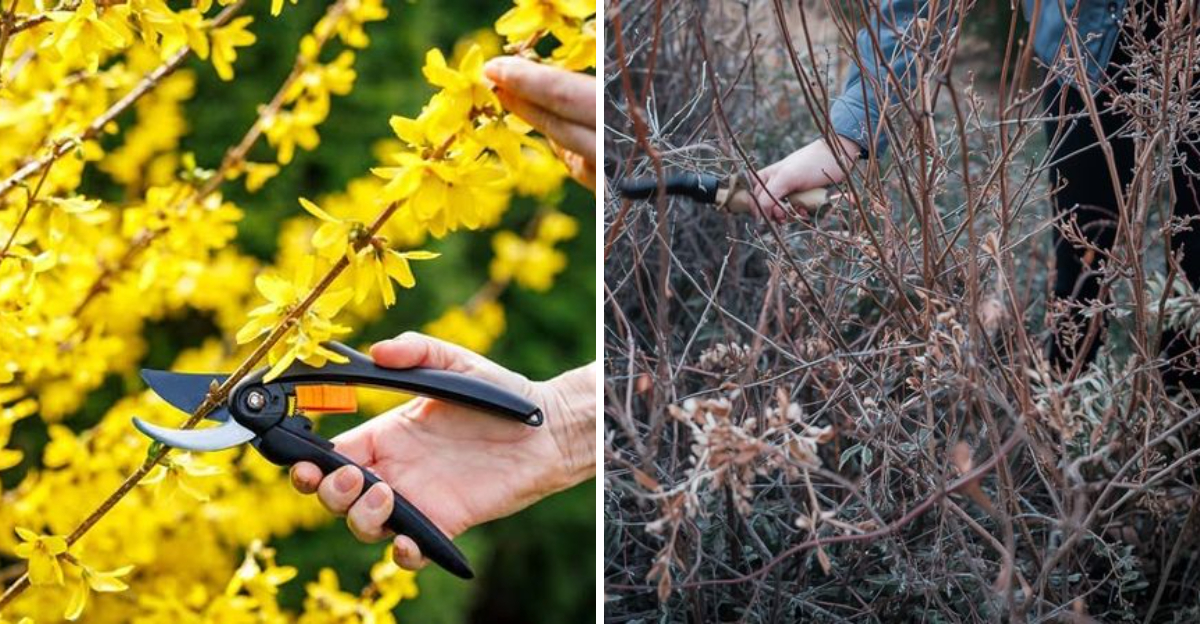
Two shrubs, planted in the same yard, cared for by the same hands, growing in the same Ohio soil. Every spring, the forsythia puts on a full show without being asked twice.
The lilac stands right next to it looking perfectly healthy and delivers almost nothing. A handful of blooms at best, bare stems at worst, and a lot of frustration in between.
This particular scenario plays out in Ohio yards more often than most gardeners realize, and the explanation is almost never what people assume it is. Bad luck gets blamed.
Soil gets blamed. The Ohio weather, which admittedly deserves blame for many things, gets blamed for this one too.
The real answer comes down to a few very specific factors that affect lilacs in ways that forsythia simply does not experience.
Pruning timing, chill hour accumulation, sun exposure, and a couple of care habits that feel completely reasonable but quietly work against bloom production year after year.
Understanding the difference between how these two shrubs actually operate makes the whole thing click into place fast.
1. Start With The Old Wood Blooming Rule
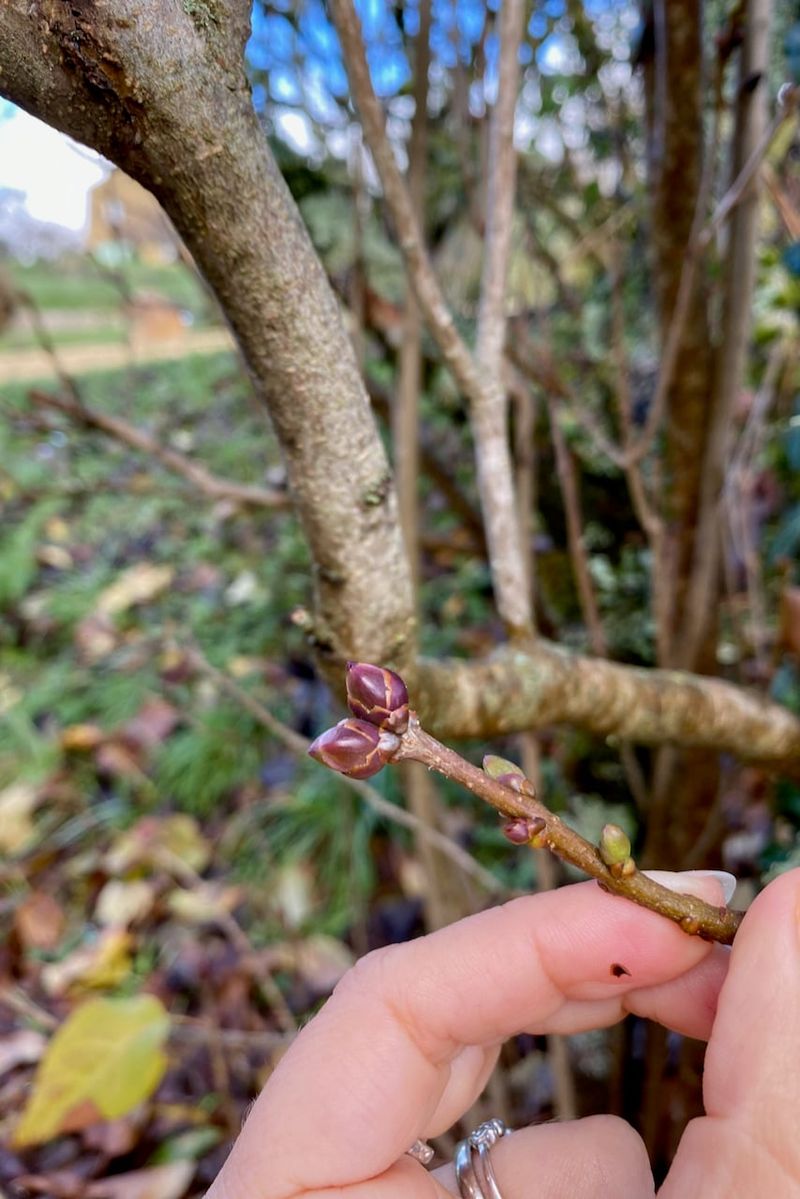
Picture two shrubs side by side in an Ohio yard. One is glowing yellow in early April, and the other looks like it forgot spring arrived.
Before anything else makes sense, you need to understand the old wood blooming rule, because it explains almost everything.
Both forsythia and lilac are spring-flowering shrubs that set their flower buds during the previous growing season. By late summer or early fall, the buds for next spring are already sitting on the stems, waiting out the winter.
Those buds are not formed fresh each spring. They are already there, fully committed, before the snow ever falls.
Cutting stems in fall, winter, or early spring means removing buds that were quietly developing for months. The shrub does not get a second chance to replace them that season.
Ohio State University Extension describes this pattern clearly when discussing spring-flowering shrub care, noting that pruning at the wrong time is one of the most common reasons these plants skip a bloom year.
Forsythia and lilac follow the same rule, but lilac tends to show the consequences more clearly. A forsythia may still produce enough stems to make a decent show.
A lilac with half its old wood removed may produce almost nothing. Knowing this rule is the starting point for fixing any spring blooming problem.
2. Prune Lilacs Right After The Flowers Fade

Timing is the single most controllable factor in whether your lilac blooms next year. The window is shorter than most people expect, and missing it by even a few weeks can cost you a full season of flowers.
The general guidance from Ohio State University Extension and Midwest horticulture sources is to prune spring-flowering shrubs shortly after the blooms fade.
For lilacs in Ohio, that usually means sometime in May, though southern Ohio locations may finish earlier and northern Ohio or lake-influenced areas can run later into the season.
Your Ohio Garden Changes Every Week. Your Plan Should Too.
Gardening in Ohio changes quickly throughout the season. Every Friday you’ll receive a simple weekly plan showing exactly what to plant, prune, fertilize, harvest, and protect so you never miss the right timing.
Use the plant itself as your calendar. When the last flowers look spent and petals are dropping, that is your cue.
Waiting until summer cleanup, fall yard work, or a tidy-up in late winter puts you squarely in the danger zone. By midsummer, new buds for the following spring are already forming on the current season’s growth.
Any pruning after that point risks cutting off exactly what you want to keep.
One helpful habit is to walk your yard right after lilac bloom and make a note or even a small marking to remind yourself which shrubs need attention. Pruning while the plant is still showing some faded flowers is actually a good sign that the timing is right.
Waiting for a convenient weekend in July is one of the most reliable ways to lose next year’s bloom display entirely.
3. Stop Cutting Off Next Spring’s Flower Buds
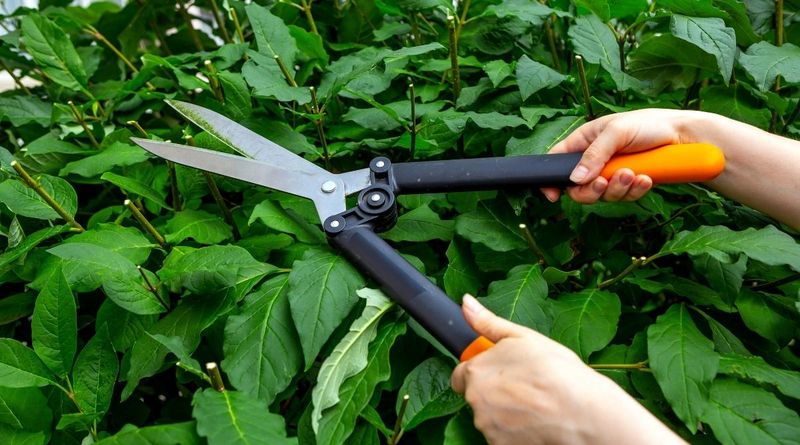
Hedge trimmers are one of the most common tools in an Ohio garage, and they are also one of the most reliable ways to end up with a flowerless lilac. The problem is not the tool itself.
The problem is using it at the wrong time or in the wrong way on a shrub that does not respond well to shearing.
Lilacs grow best when selectively pruned rather than clipped into a tight shape. Running a hedge trimmer across the top of a lilac in July, August, or September removes the very buds that were developing all summer for next spring’s bloom.
The shrub looks neat for a few weeks, but come April, there is nothing to show for it.
Before you reach for any pruning tool, step back and ask what you are actually trying to accomplish. If the goal is flowers, the answer is usually to do less, not more.
Removing a few crossing or withered stems right after bloom is usually all a healthy lilac needs in a given year.
Aggressive shaping is also hard on the shrub’s energy reserves. Repeatedly cutting back new growth forces the plant to spend resources on recovery rather than building a strong flower display.
Ohio State University Extension recommends avoiding repeated shearing of lilacs and instead focusing on selective removal of specific stems to maintain both health and bloom quality.
4. Know Why Forsythia Forgives Bad Timing Better
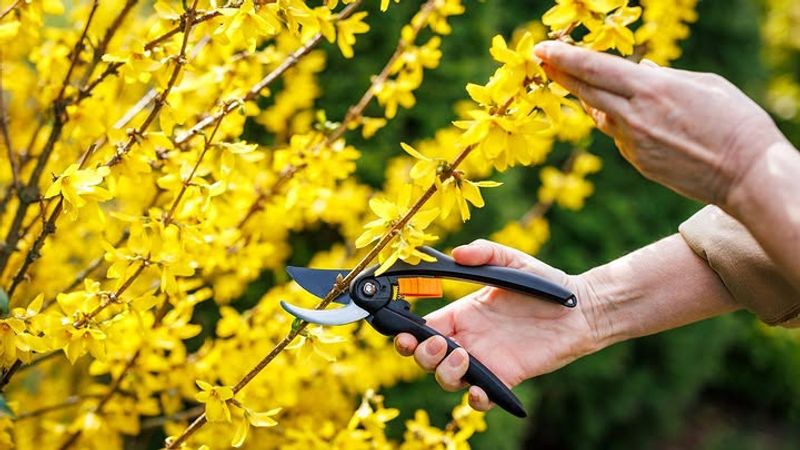
Forsythia has a reputation for being nearly indestructible, and while that is a bit of an overstatement, there is something real behind it.
The way forsythia grows makes pruning mistakes less obvious than the same mistakes on a lilac, and that difference trips up a lot of Ohio homeowners.
A mature forsythia produces long, arching stems in large numbers every season. Even if some stems get pruned at the wrong time and lose their buds, there are usually enough remaining stems to put on a respectable show the following spring.
The sheer volume of growth makes the shrub somewhat self-correcting in appearance, even when care is imperfect.
Lilacs do not work that way. A mature lilac produces fewer main stems, and each one carries a more limited number of flower clusters.
Remove buds from several of those stems at the wrong time, and the entire shrub may look bare in spring. The loss is much more visible and much harder to overlook.
To be clear, forsythia still blooms on old wood and can absolutely lose flowers if pruned too late in the season. Cutting forsythia back hard in late summer or fall will reduce next year’s bloom just as it would on any other old-wood shrub.
The difference is that forsythia’s growth habit tends to hide moderate mistakes, while a lilac puts every pruning error on full display the following April.
5. Check Whether Your Lilac Is Too Young To Bloom

Not every flowerless lilac has a pruning problem. Sometimes the shrub just needs more time, and no amount of perfect technique will speed that up.
Young lilacs are notoriously slow to settle into a blooming routine, and new homeowners sometimes worry about a plant that is simply still getting established.
Most lilacs need several years after planting before they produce a reliable bloom display. During those first seasons, the plant is focused on building a strong root system and putting on new stem growth.
Flowers are not the priority yet, and that is completely normal. Pushing the plant with heavy fertilizer or cutting it back repeatedly during this phase can delay flowering even further.
Patience is genuinely the best advice here. Give a young lilac full sun, consistent moisture during dry spells in its first few growing seasons, and room to develop without crowding.
Avoid high-nitrogen fertilizers, which encourage lush leafy growth at the expense of flower bud development.
If you planted a lilac as a bare-root or small container plant, expect to wait anywhere from three to five years or sometimes longer before seeing a full bloom. Grafted plants may bloom a bit sooner than own-rooted ones, but the general rule holds.
A lilac that has been in the ground for only a season or two and shows no flowers is almost certainly just doing exactly what it should be doing at that stage of growth.
6. Look For Shade Crowding And Weak Airflow

Older Ohio neighborhoods are beautiful, but they can quietly work against a lilac over time.
Trees that were saplings when a shrub was planted may now cast deep shade for much of the day, and a lilac that bloomed reliably for years can gradually stop performing as the light changes around it.
Lilacs need strong, direct sun for best flowering. Most horticulture sources recommend at least six hours of full sun daily for consistent bloom.
Shrubs growing under heavy tree canopy, close to buildings, or crowded by fences and other plantings often produce fewer flowers or none at all, even when everything else is done correctly.
Poor airflow compounds the problem. Crowded conditions encourage fungal issues like powdery mildew, which weakens the shrub over time and reduces its ability to build strong flower buds.
Thinning nearby growth, removing low branches from overhanging trees, or selectively trimming surrounding shrubs can make a meaningful difference without requiring a major landscape overhaul.
Walk around your lilac on a sunny morning and watch where the shadows fall. If the shrub is in shade by mid-morning or never gets direct afternoon sun, light is almost certainly part of the problem.
Transplanting a mature lilac is hard on the plant, so improving the light where it stands is usually the better first step. Sometimes just removing one low-hanging limb from a nearby tree opens up enough sky to help the shrub recover its bloom.
7. Thin Old Lilac Stems Instead Of Shearing The Top
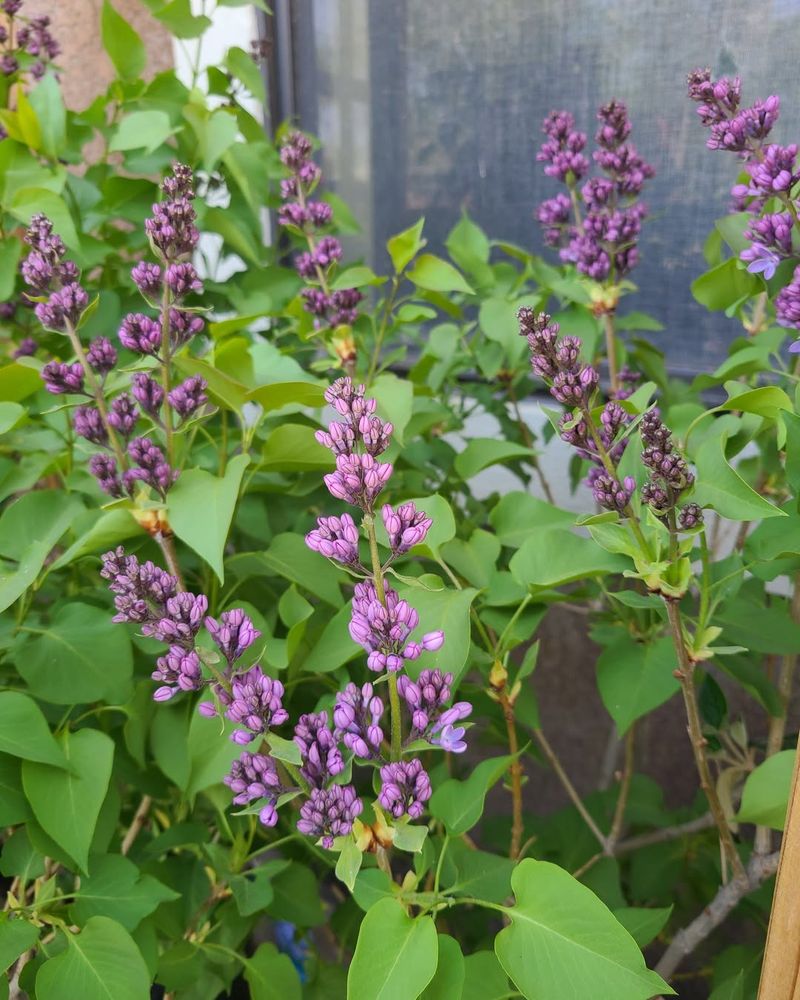
A lot of lilac problems come down to one repeated habit: cutting across the top of the shrub like trimming a hedge.
Year after year, the same stems get shorter and woodier, new growth gets removed before it can mature, and the whole shrub slowly stops blooming well.
The fix is a different approach entirely.
Selective thinning means removing specific stems rather than cutting everything to the same height. On an established lilac, that usually means taking out some of the oldest, thickest stems at or near the base every year or two after bloom.
Removing old wood lets light into the center of the shrub and encourages younger, more vigorous stems to grow up and eventually produce flowers.
Young replacement stems need time to mature before they bloom, so thinning is a long-term investment rather than a quick fix.
The goal is to maintain a mix of stem ages in the shrub, with some established flowering wood and some younger growth coming up from below.
Ohio State University Extension guidance on lilac care consistently recommends this approach over repeated top-trimming.
Using sharp bypass pruners or a pruning saw for larger stems makes clean cuts that heal better than the torn cuts left by dull tools. Cutting to just above a healthy bud or lateral branch gives the remaining stem a clean endpoint.
Done consistently over several years, selective thinning keeps a lilac healthier, more open, and far more likely to reward you with a strong bloom each spring.
8. Give Overgrown Lilacs Time To Recover After Hard Pruning
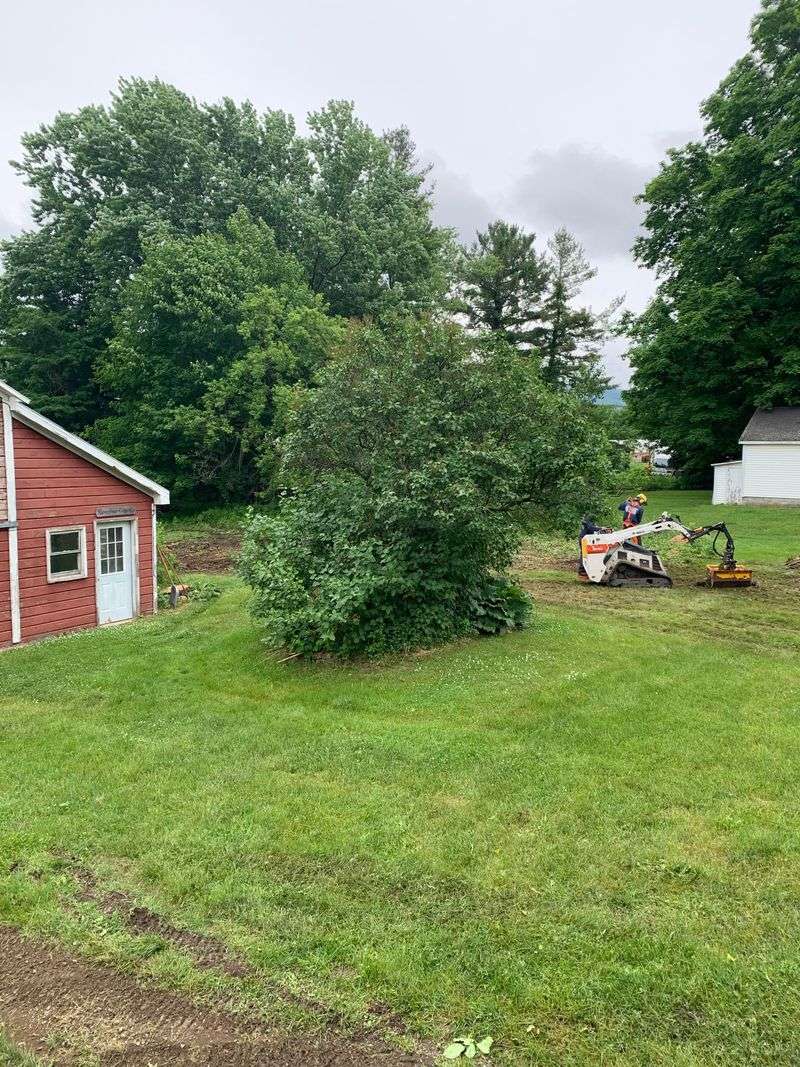
Some lilacs reach a point where a little annual thinning is not going to be enough. If a shrub has been neglected for many years, the stems may be too thick and shaded to bloom well, and the whole plant can look more like a small tree than a flowering shrub.
Hard renewal pruning is one option, but it comes with a clear trade-off.
Cutting a lilac back severely, whether all at once or gradually over two to three years, will likely reduce or eliminate flowering while the shrub regrows. That is not a sign that something went wrong.
It is simply how the plant responds to major structural changes. New stems need time to mature before they carry flower buds, and that process cannot be rushed.
The gradual approach, removing roughly one-third of the oldest stems each year for three years, is often recommended because it preserves some flowering wood while new growth develops.
Cutting everything back at once produces faster structural results but means waiting longer for flowers to return.
Both approaches can work, and the right choice depends on how overgrown the shrub is and how much patience you have.
Avoid stressing the shrub further during recovery by holding off on heavy fertilizing and unnecessary pruning of new growth. Water during dry periods and give the plant room to rebuild.
Renewal pruning done right after bloom and followed by steady, low-stress care gives the shrub the best possible chance of coming back strong within a few seasons.
9. Use Ohio Spring Timing To Protect Next Year’s Blooms
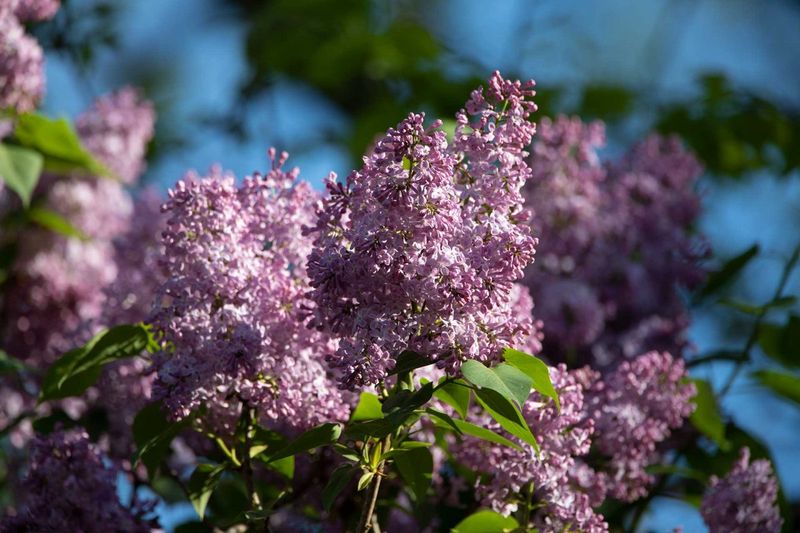
Spring in Ohio does not follow a single script. A lilac in Cincinnati may finish blooming a full two to three weeks before one in Cleveland, and a shrub in a cold pocket or north-facing foundation bed may lag even further behind.
Relying on a fixed calendar date for pruning is one of the most common ways Ohio homeowners accidentally remove next year’s flower buds.
The most reliable approach is to watch your own shrub and prune based on what it is doing, not what the calendar says. When the flowers have clearly faded and petals are falling, that is the right moment to make any needed cuts.
Missing that window by a few weeks is not catastrophic every single time, but making a habit of late pruning will eventually show up as reduced bloom.
Late freezes are another Ohio reality worth keeping in mind. A hard frost after flower buds begin to swell can damage or destroy the current year’s bloom without any pruning involved at all.
If your lilac fails to flower after a spring with a late cold snap, check the remaining buds before assuming you made a pruning mistake.
Winter exposure, particularly on shrubs in exposed northern sites or near reflective surfaces, can also stress flower buds before spring arrives.
Putting all of these factors together gives a clearer picture of why lilac bloom can vary so much from yard to yard across the state, even when care habits are similar.