How To Tell If Your Florida Desert Rose Is Going Dormant Or In Real Trouble
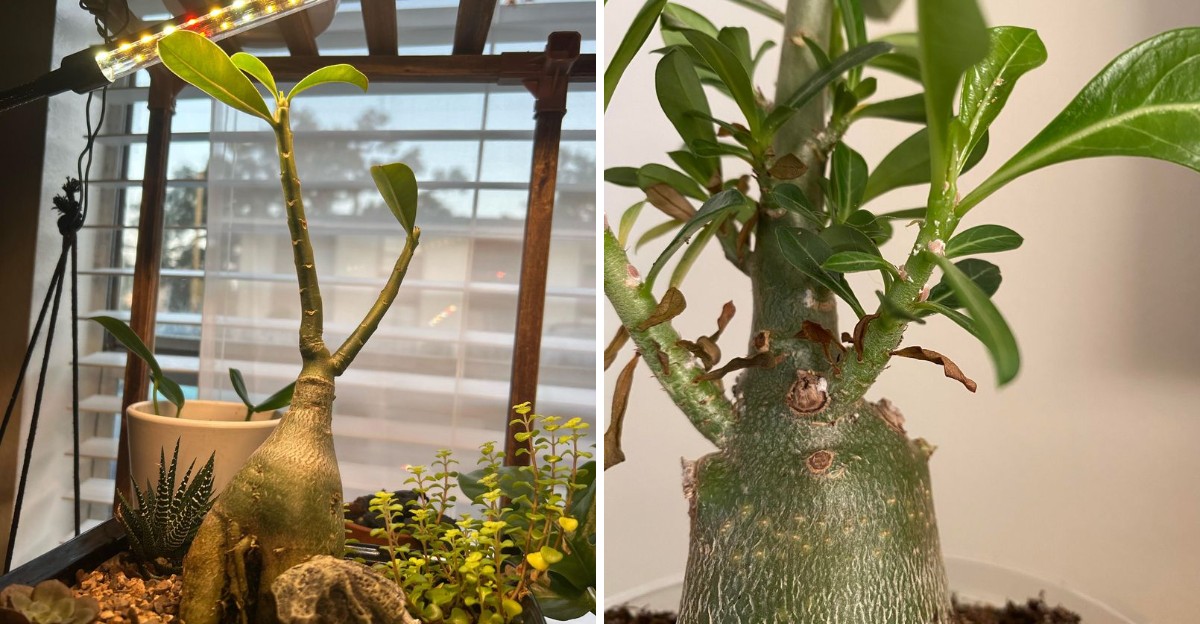
Your desert rose drops a few leaves, and suddenly you’re staring at it like it has betrayed you.
That reaction is easy to understand. One week, the plant is full and healthy.
Then Florida’s weather shifts, the leaves start turning yellow, and bare branches begin to show. Is the plant simply settling into a seasonal slowdown, or is something else going on?
That’s where things get interesting.
Desert roses have their own way of responding to changes in light, temperature, and moisture. Some changes are perfectly normal.
Others deserve a closer look, especially when the trunk, roots, or remaining leaves start showing certain signs.
The trick is knowing which clues matter and which ones you can safely ignore. A quick check of the plant can tell you far more than a calendar ever could.
Before you change its watering, move the pot, or start adding products, see what your desert rose is actually telling you.
1. Yellowing Leaves In Cool Weather Are Normal
Picture a maple tree in New England putting on its fall show. Your desert rose does a quieter Florida version of that same seasonal trick.
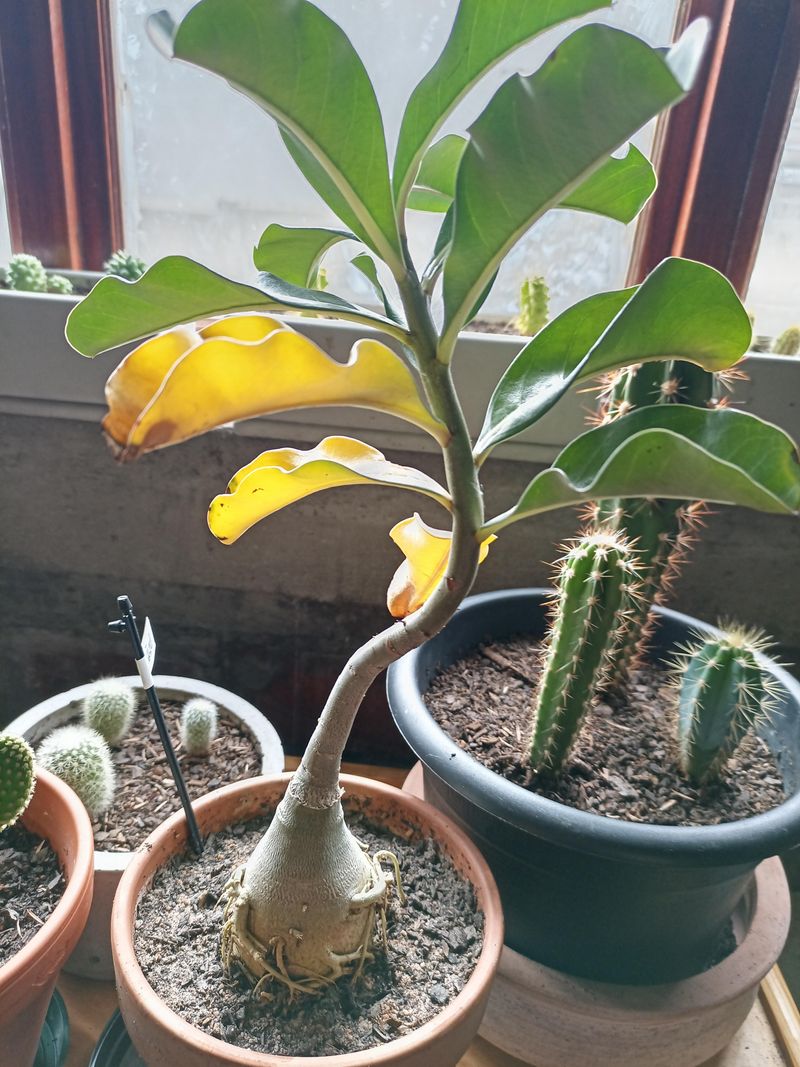
When nights cool down and days get shorter, the plant starts slowing its growth. Yellow leaves are one of the first friendly signals that rest time is near.
Most of the time, this shift shows up during the cooler months. Even South Florida plants can react to cooler temperatures, with yellowing and leaf drop possible once temperatures fall into the 50s.
So how do you know the yellowing is harmless? Gently touch a yellow leaf, and see if it pops off with almost no effort.
Easy release is a good sign of natural shedding. The plant is pulling energy back into its fat trunk, called the caudex, for safekeeping.
Next, give that caudex a light squeeze with your fingers. A firm, solid feel tells you the heart of the plant is still strong.
Healthy seasonal yellowing also tends to start with older, lower leaves first. Newer leaves near branch tips often hang on a bit longer.
Fun fact: in its native lands of Africa and Arabia, this plant rests through long dry spells. Your Florida plant is simply following an old family habit.
Resist the urge to fertilize or fuss right now. Let the plant settle in, and save the pampering for warmer days ahead.
2. Losing Every Leaf Can Be Part Of The Rest
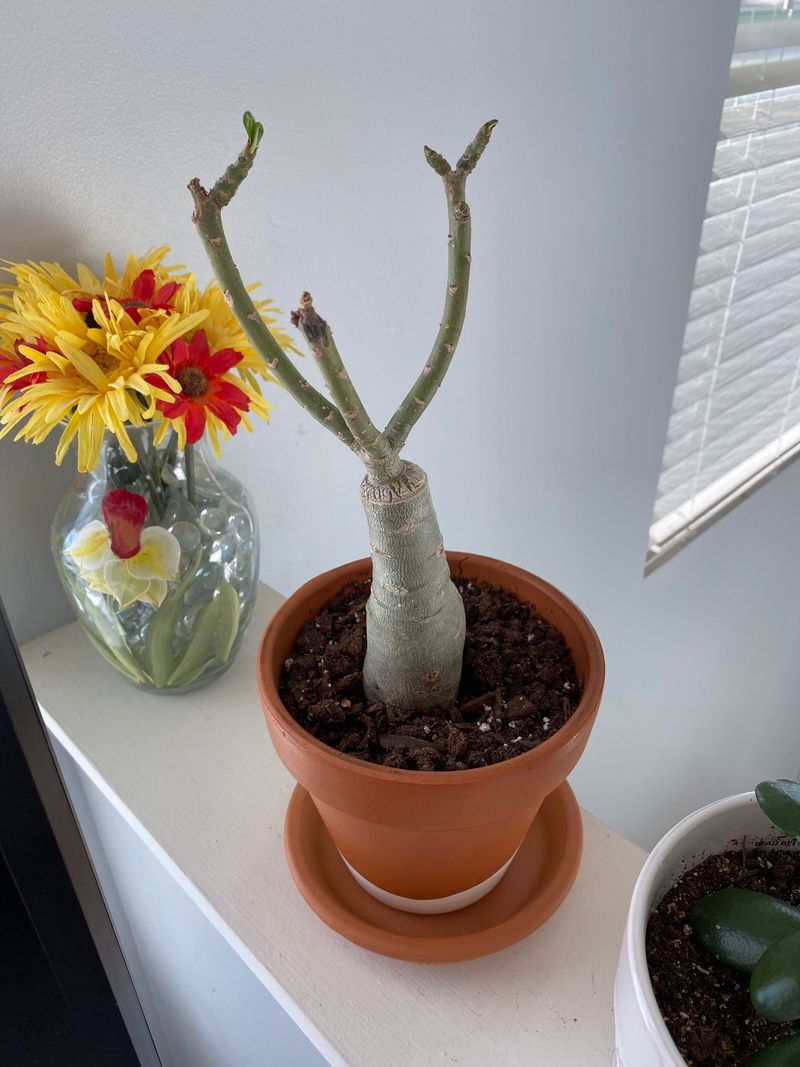
My neighbor once called me in a panic because her plant looked like a bundle of bare sticks. Three months later, it was covered in pink blooms and she laughed about it.
Plenty of growers go through that same scare. A desert rose can drop every single leaf and still be perfectly fine.
Shedding helps the plant save water and energy. Fewer leaves mean less moisture lost to the air during cool, slow months.
By mid-November or December, a fully bare plant is pretty common. North Florida growers tend to see this more than folks in Miami or the Keys.
Your Florida Garden Changes Every Week. Your Plan Should Too.
Gardening in Florida changes quickly throughout the season. Every Friday you’ll receive a simple weekly plan showing exactly what to plant, prune, fertilize, harvest, and protect so you never miss the right timing.
Still, bare branches do not tell the whole story by themselves. You need to check what the stems and trunk feel like too.
Healthy resting branches feel firm, like a sturdy pencil. The bark should look smooth or gently wrinkled, not black or soggy.
A simple scratch test can help as well. Lightly scrape a tiny spot of bark with your fingernail, and look for green or creamy tissue underneath.
Green underneath means the branch is alive and just snoozing. Brown, mushy tissue is a warning that needs a closer look.
Treat a leafless plant like a sleeping pet. Keep it cozy, keep it dry, and let it wake up on its own schedule.
3. A Little Winter Droop Is Expected
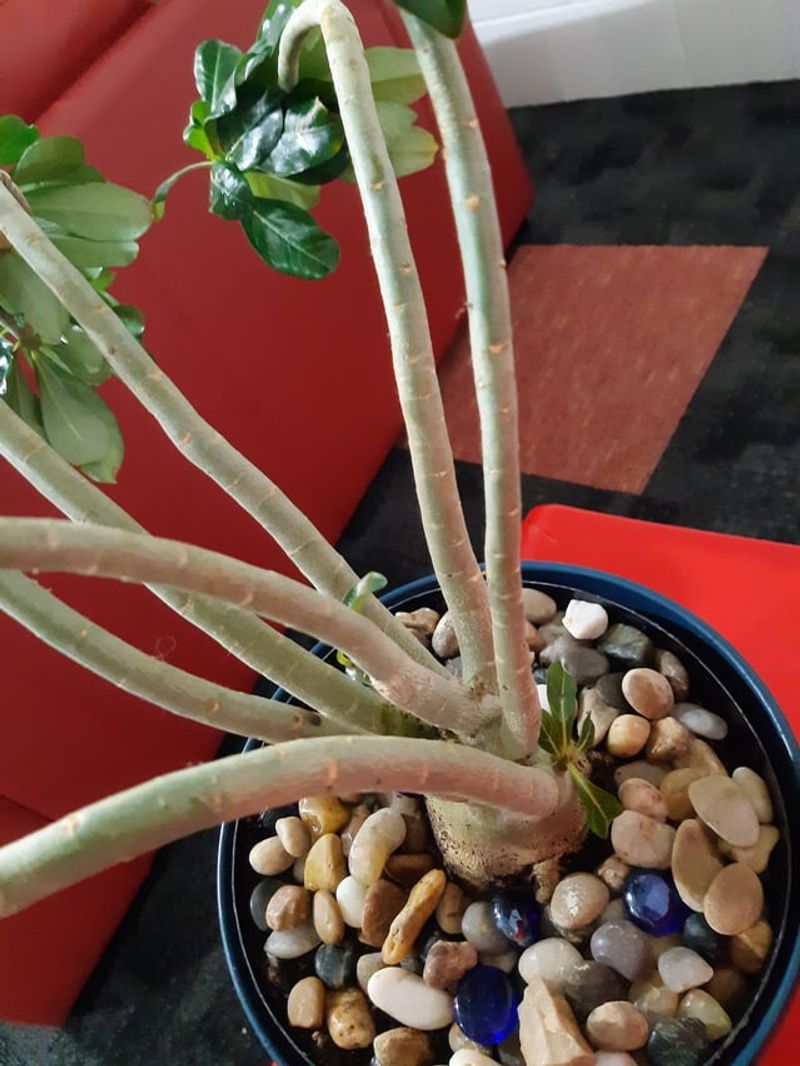
Ever notice how you slump on the couch after a big holiday dinner? Your desert rose gets a similar relaxed posture in the cooler months.
A bit of sag in the leaves or thin branch tips is part of normal winter behavior. The plant is moving less water, so things soften slightly.
Usually this droop is mild and even across the plant. It looks tired, not broken or collapsed.
Here is where you need to tell the difference between sleepy and sick. Firm branches with a gentle bend are fine, but soft, rubbery ones are a red flag.
Run your hand along each main branch from tip to trunk. Pay extra attention to the spots where branches join the caudex.
Any squishy area, dark patch, or sour smell points to rot. That kind of droop will not fix itself with more time.
If you find rot, cut back to healthy, firm tissue with clean, disinfected shears. Keep the plant dry afterward and avoid watering until the damaged area has had time to dry.
For normal droop, just leave the plant alone in a bright spot. Extra water to perk it up is the worst choice here.
Once warm weather returns, those lazy branches typically stand tall again. New leaves bring the plant right back to its perky self.
4. Healthy Plants Leaf Out Again In Spring
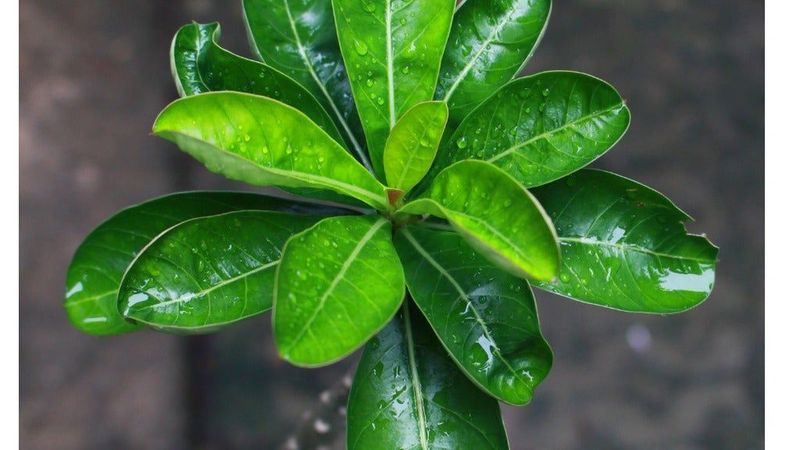
There is no better garden moment than spotting the first tiny green buds in March. It feels like your plant just said good morning after a long winter.
Spring is the true test of whether your desert rose was resting or struggling. Healthy plants wake up once warm weather settles in.
Look for small leaf clusters at the very tips of the branches. Sometimes flower buds show up first, which surprises a lot of new growers.
As temperatures warm consistently in spring, that is a good cue to start watering again. Begin gradually, making sure the soil drains quickly and does not stay soggy.
As more leaves appear, you can water more often. Let the soil dry out between drinks, since soggy roots still cause trouble.
This is also the perfect time to feed your plant. A balanced, slow-release fertilizer gives new growth a gentle boost.
Repotting works well now too, if roots are crowding the pot. Use a gritty cactus mix so water drains quickly.
What if late April arrives and nothing happens? Check the caudex and branches for softness, since a plant that stays bare may have hidden rot.
Most of the time, patience pays off beautifully. By early summer, many desert roses are bursting with bright blooms again.
5. Overwatering Is The Real Danger
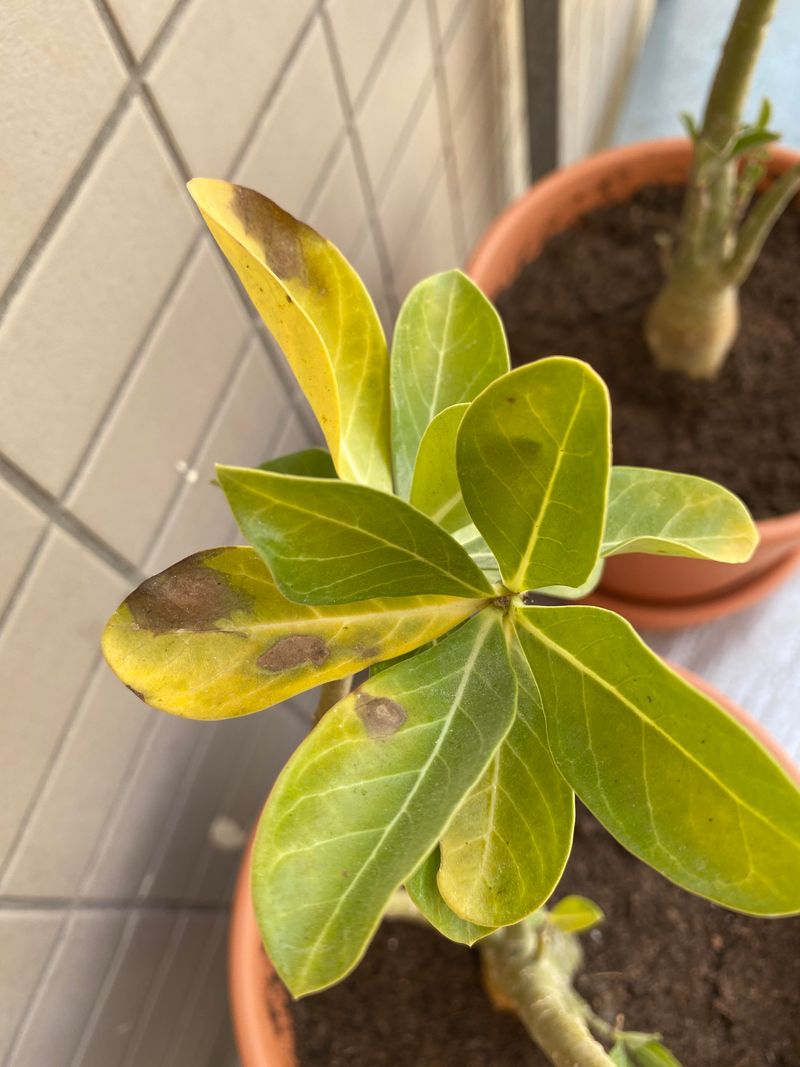
Here is a hard truth many plant lovers learn the hard way. More desert roses get into trouble from too much love in a watering can than from anything else.
Cool weather plus wet soil is a dangerous mix. Fungi and bacteria thrive in those conditions and attack the roots.
Once roots rot, they cannot take in water or food properly. The strange part is that the plant may look thirsty even while sitting in soggy soil.
So what are the warning signs? Leaves may look yellow but also swollen, see-through, or mushy to the touch.
Over time those leaves can turn brown or black and fall off. That looks very different from the crisp, easy drop of normal dormancy.
The caudex tells the biggest story. A soft, squishy, or wrinkled-and-wet base often means rot has moved in.
If you suspect trouble, slide the plant out of its pot right away. Healthy roots look white or tan, while rotted roots are dark and slimy.
Trim away any mushy roots with clean scissors. Then let the plant dry for a few days before repotting in fresh, gritty soil.
Remember that Florida rain counts as watering too. Move potted plants under cover during long wet spells.
6. Hold Back Water For 3 To 4 Months
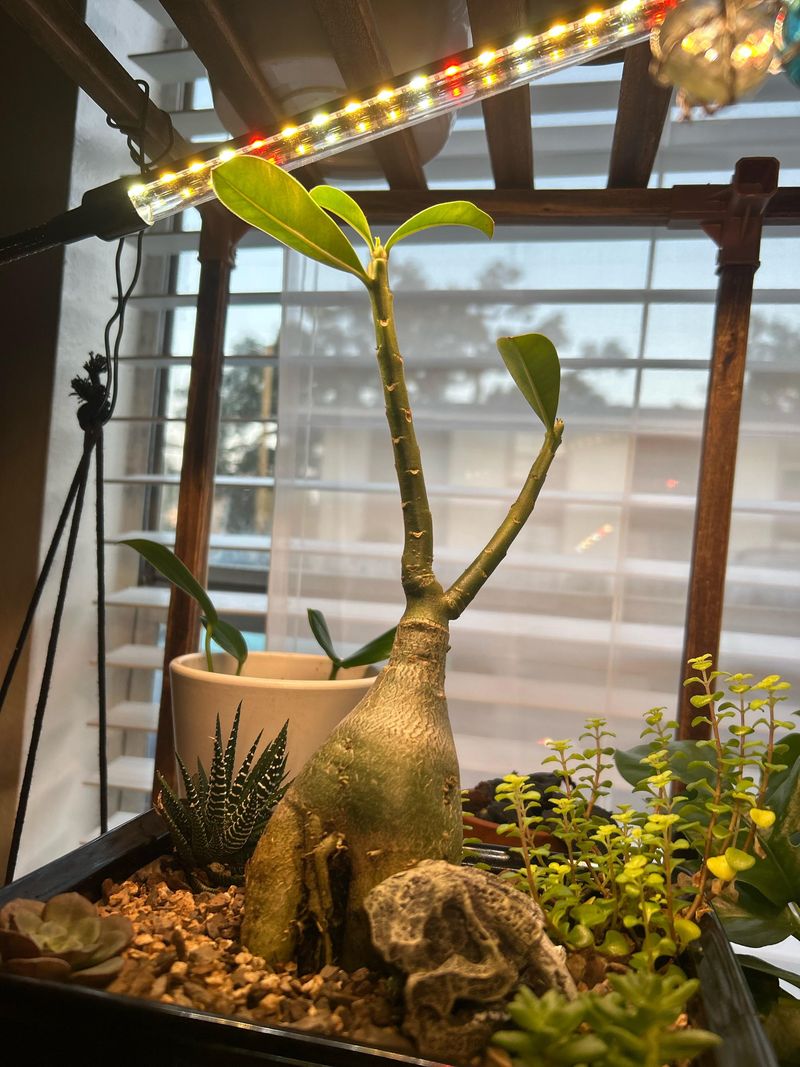
Think of your dormant desert rose as a camel with a built-in water tank. That chunky caudex stores moisture so the plant can ride out dry seasons.
During the cool, short days of winter, most plants need very little water. Many growers hold back for three to four months.
Some folks in cooler parts of Florida water only two or three times all winter. A few skip it entirely if the plant stays indoors and cool.
That may sound harsh, but it copies the dry winters of the plant’s homeland. Your desert rose is built for this kind of break.
So when should you give a drink? Use the caudex as your guide.
Give it a gentle squeeze every couple of weeks. If it feels a little soft and slightly wrinkled, a small sip of water can help.
Water lightly and make sure it drains out the bottom fast. Never leave the pot sitting in a saucer of water.
Morning is the best time for these rare drinks. Warmer daytime air helps the soil dry before chilly nights arrive.
Write your watering dates on a calendar or phone note. It keeps you from guessing and stops that sneaky urge to water out of worry.
7. Temperatures Below 40 Degrees Mean Trouble
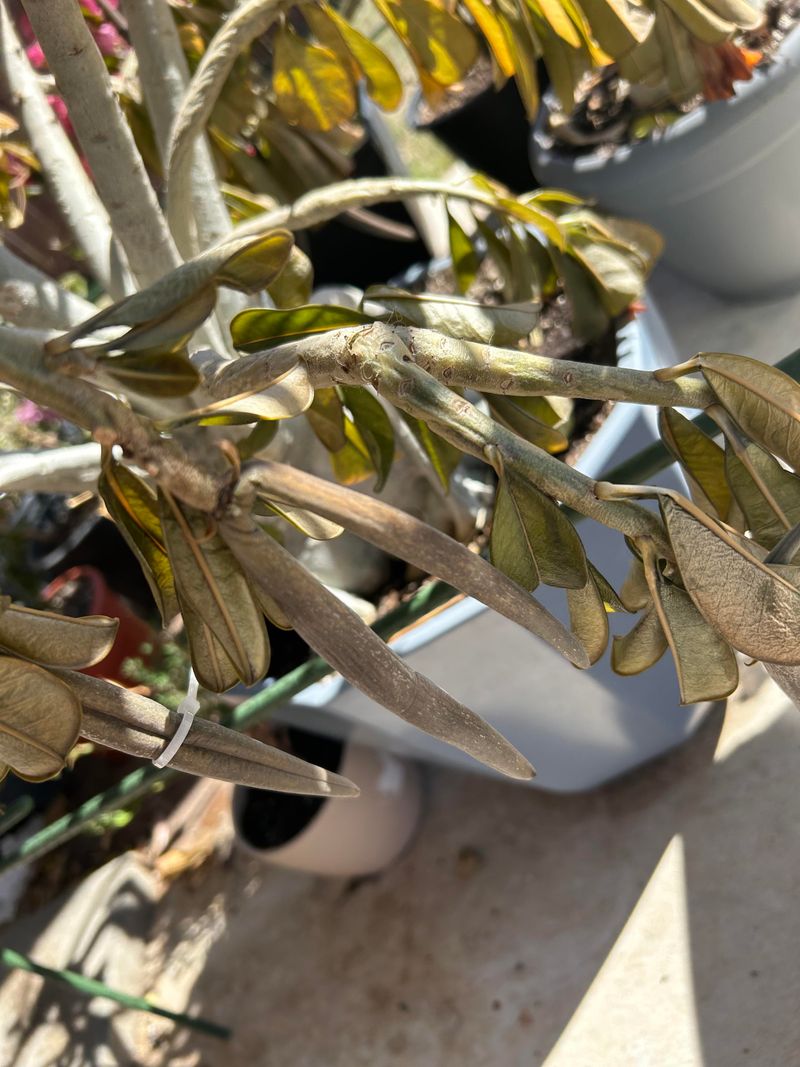
Our winters are mostly mild, but every few years a cold snap sneaks down from the north. Those chilly nights can be rough on a tropical plant like this one.
Desert roses prefer warm conditions, and temperatures below 40 degrees can cause damage. UF/IFAS recommends protecting the plant from freezing temperatures altogether.
Panhandle and North Florida gardeners face this risk most often. Even Central Florida sees the occasional frosty morning.
Watch the weather apps closely from December through February. A forecast below 40 is your signal to take action.
Potted plants are easy to protect. Roll them into a garage, porch, or bright room until the cold passes.
For in-ground plants, try a frost cloth or old bedsheet draped to the ground. Remove the cover once the sun warms things up.
Keeping the soil dry also helps a lot. Wet roots chill faster and are far more likely to rot after a freeze.
After a cold night, look for discolored, soft, or mushy branches. Cold-damaged tissue often turns dark and limp within a few days.
Wait until spring to prune damaged parts, though. The top growth can shield the lower plant from another cold blast.
8. Check For Scale And Mealybugs
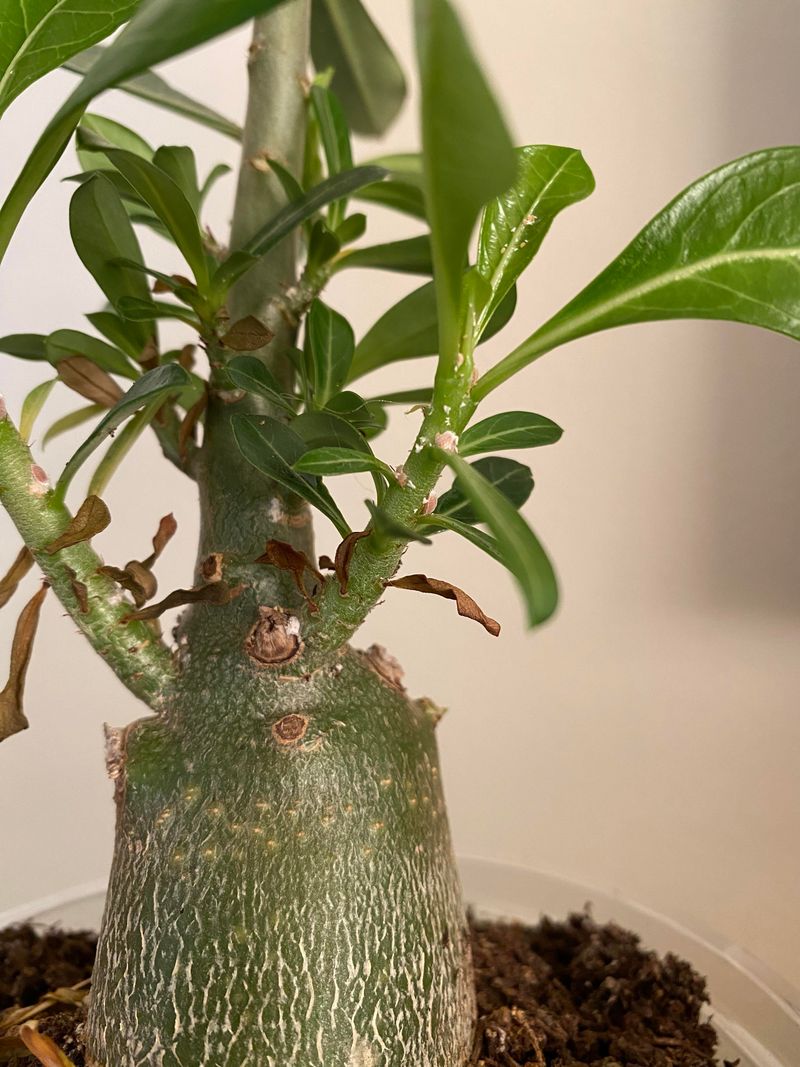
Some troublemakers are so tiny you could mistake them for dust or bits of bark. Scale insects and mealybugs are masters of this sneaky disguise.
Both pests suck juices out of the plant. That leads to slow growth, yellow leaves, and leaf drop that can fool you into thinking it is dormancy.
Scale insects look like hard brown or yellow oval bumps. You will usually find them stuck to stems and the caudex.
Mealybugs are soft and about one eighth of an inch long. They wear fuzzy white coats that look like little bits of cotton.
Check the folds of the caudex, stem joints, and leaf bases carefully. A magnifying glass makes the hunt much easier.
Another clue is a sticky, shiny coating on leaves called honeydew. Black sooty mold may grow on top of that sugary mess.
For small outbreaks, dab pests with a cotton swab dipped in rubbing alcohol. They loosen right up and wipe away.
Bigger problems may need insecticidal soap or horticultural oil. Follow the label and treat again in a week or two.
Pests love stressed, crowded plants. Good airflow and smart watering go a long way toward keeping them away.
9. Watch For Oleander Caterpillars
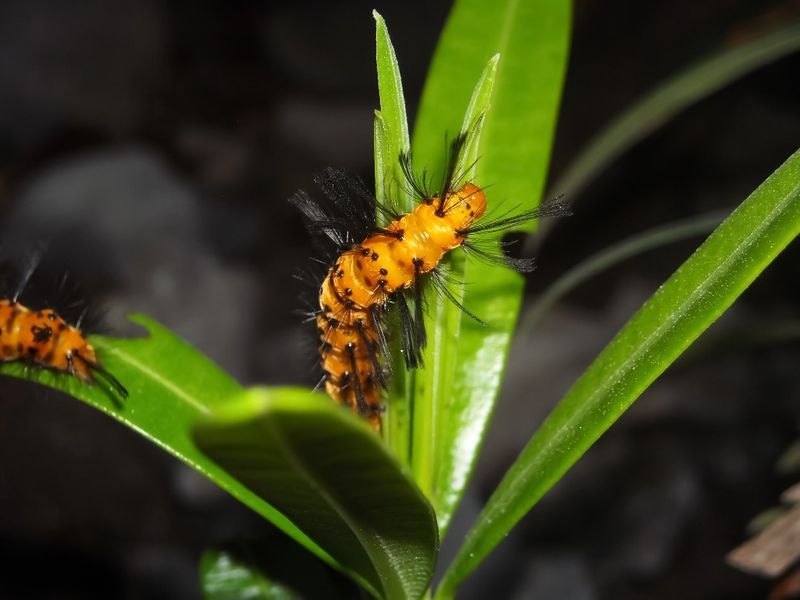
Good news first: their black hairs do not sting. Then you notice half your plant’s leaves have vanished overnight.
Oleander caterpillars can feed on desert roses because desert rose belongs to the same plant family as oleander. To these hungry guests, your plant is basically an all-you-can-eat buffet.
To these hungry guests, your plant is basically an all-you-can-eat buffet.
Good news first: their black hairs do not sting. You can pick them off with gloved hands without worry.
They show up most in spring and summer, especially in Southwest Florida. That timing helps you tell their damage apart from winter dormancy.
Young caterpillars feed in groups on the undersides of leaves. They leave behind see-through, lacy leaves that look like skeletons.
Older caterpillars are bolder and chew entire leaves down to the stem. A bad outbreak can strip a plant bare in just days.
Check under leaves every few days during warm months. Catching a cluster early saves a lot of trouble.
Hand-picking works great for small groups. For bigger outbreaks, a spray with Bt, a natural caterpillar control, is safe and effective.
Fun fact: the adult moth is called the polka-dot wasp moth. It has a shiny blue body with white spots and red-tipped tail.