Now That The Heat Has Broken, It’s Time To Aerate Your North Carolina Lawn
All summer, your lawn took a beating. Feet, mowers, and storms pressed the soil tighter and tighter. Compacted ground blocks air, water, and fertilizer from reaching the roots.
Grass grows thin and tired as a result. Now that the heat has finally eased, North Carolina lawns can recover. Cooler weather lets cool-season grasses grow strong again, which makes fall the best time to aerate.
Pulling small plugs of soil opens the ground and gives roots room to breathe. Seed and fertilizer also work far better afterward. Skip it, and many of your fall efforts fall flat.
A single afternoon of aerating can change how your lawn looks next spring. It is one of the most useful jobs of the season.
1. Fall Aeration Is For Cool Season Lawns
Timing can make or break your aeration plans. Pull plugs at the right moment, and your grass bounces back stronger than before. Do it at the wrong time, and you may stress a lawn that is trying to rest.
Cool season grasses like tall fescue love fall. As the air cools down, these grasses wake up from their summer slump and start growing hard again.
Because they are so active, they heal quickly from aeration and use all those fresh openings in the soil to push roots deeper before winter arrives.
Warm season grasses tell a very different story. Bermudagrass, zoysia, centipede, and St. Augustine are slowing down in fall and getting ready to go dormant.
Poking holes in them now gives weeds an easy way in, and the grass is not growing fast enough to fill the gaps.
So when should you get started? For tall fescue, aim for September through October, once the worst of the summer heat has passed. Warm season lawns should wait until late spring or early summer, when they are green and growing fast.
North Carolina makes this a little tricky because both types of grass grow here. Tall fescue rules much of the Piedmont and mountains, while bermudagrass, zoysia, and centipede show up often in the eastern part of the state and in sunny yards everywhere.
Some neighborhoods even have both kinds on the same street. Before you rent a machine, take a close look at your grass or ask your local NC State Extension office to help you identify it.
Knowing what you are growing is the first and most helpful step toward a healthier lawn.
2. Choose Core Aeration Over Spike Aeration
Walk into any garden center, and you will likely see two kinds of aerators. One pulls out little plugs of soil, and the other just pokes holes. They may look similar, but they do very different jobs.
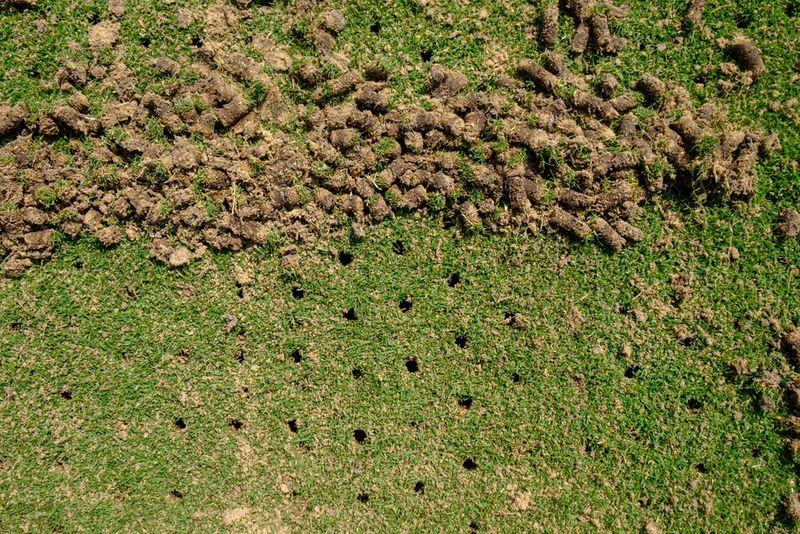
Core aerators use hollow tines to remove small cylinders of soil from your lawn. Each plug leaves behind an open pocket where air, water, and roots can move freely. Over time, the soil around those holes loosens up, and your grass gets a much easier place to grow.
Spike aerators work in a simpler way. Solid spikes push straight into the ground, but nothing gets removed. That pressure can actually squeeze the soil tighter around each hole, which is the opposite of what a compacted lawn needs.
Your North Carolina Garden Changes Every Week. Your Plan Should Too.
Gardening in North Carolina changes quickly throughout the season. Every Friday you’ll receive a simple weekly plan showing exactly what to plant, prune, fertilize, harvest, and protect so you never miss the right timing.
Getting your hands on a core aerator is easier than you might think. Many hardware stores and equipment rental shops offer them by the half day or full day.
If you would rather skip the heavy lifting, local lawn care companies offer aeration as a service, and many book up fast in early fall.
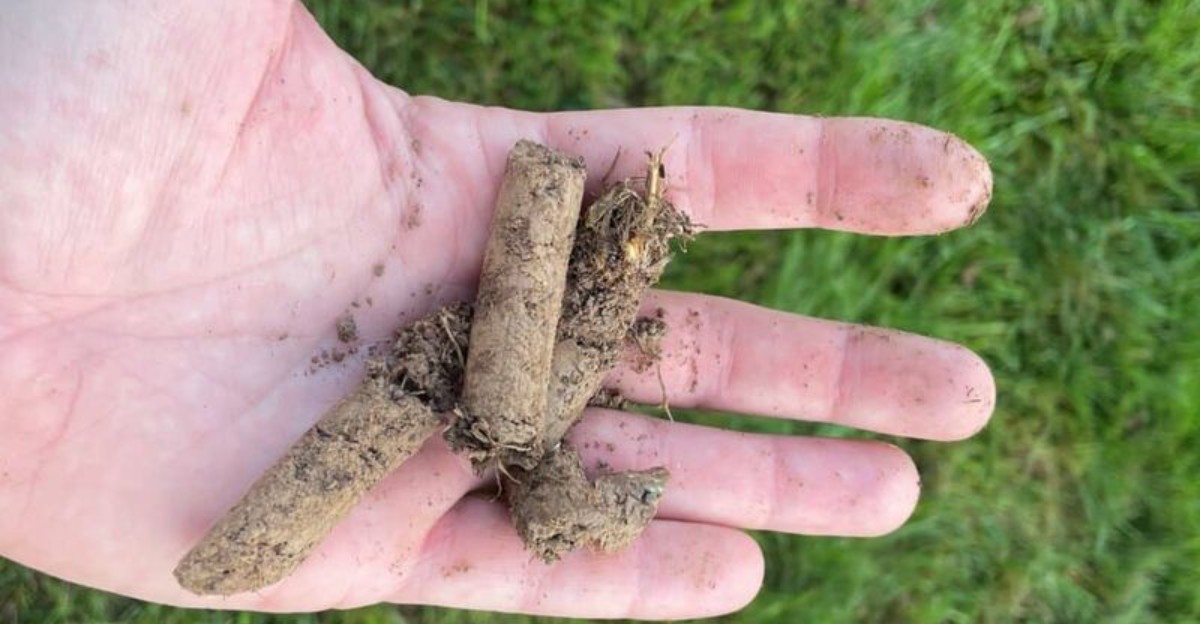
When you pick a machine, check the plugs it pulls. Good cores should be about 2 to 3 inches long. Short, stubby plugs usually mean the tines are not reaching deep enough to help much.
Here in North Carolina, core aeration really earns its keep. Much of the state has heavy red clay soil that packs down like brick, especially after a hot, dry summer.
Removing actual soil gives that clay room to breathe, and your tall fescue will thank you with deeper roots and thicker growth next spring.
3. Water The Lawn A Day Or Two Before
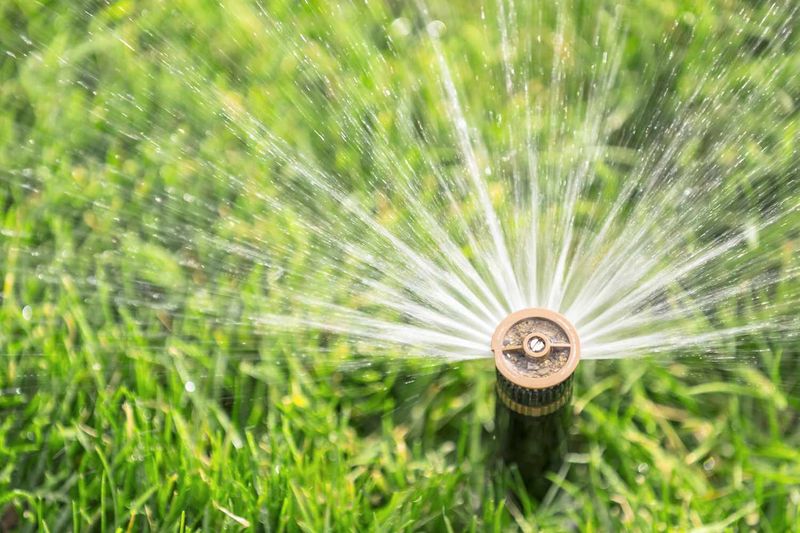
Have you ever tried pushing a shovel into dry clay in late summer? It barely moves. Aerator tines face the same struggle, and that is why soil moisture matters so much on aeration day.
Moist soil lets the tines slide in smoothly and pull out clean, deep plugs. Dry, hard ground fights back, so the machine bounces along the surface and leaves shallow dents instead of real holes. On the flip side, soggy soil causes its own mess.
Wet mud clogs the tines and smears the sides of each hole, which can seal them up. The sweet spot sits right in the middle. Give your lawn a deep watering one or two days before you plan to aerate.
About an inch of water usually does the trick, soaking the soil several inches down without leaving puddles behind.
Nature can also lend a hand. A good, steady rain a day or so before aerating sets up perfect conditions, and it saves you a little on your water bill too.
Not sure if the soil is ready? Try a quick test. Push a screwdriver into the ground. If it slides in a few inches without much effort, you are good to go. If it comes out caked in mud, wait another day.
Fall weather in North Carolina loves to surprise people. October often brings long dry spells with bright blue skies and very little rain.
Those pretty days can leave clay soil as tough as concrete, so plan ahead and keep an eye on the forecast before you pick up that rental machine.
4. Mark Hidden Lines Before You Start
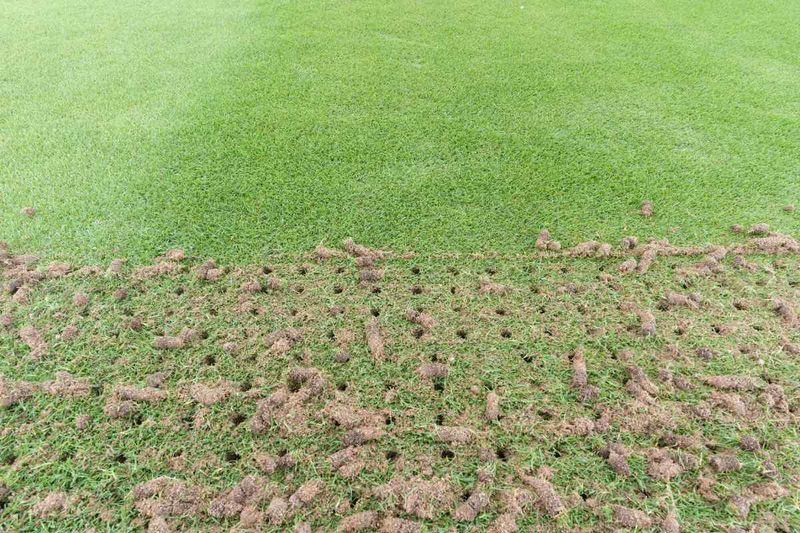
Nobody wants to hear a loud crunch halfway across the yard. Unfortunately, that sound often means an aerator just hit something buried under the grass. A little prep work keeps that from happening.
Aerator tines dig a few inches into the ground, which is exactly where many hidden items sit. Sprinkler heads, shallow irrigation pipes, and invisible pet fence wires are common victims.
Fixing them can cost far more than the aeration itself, and it can turn a simple weekend job into a frustrating repair project.
Start by grabbing a pack of small marker flags from the hardware store. Walk your lawn and place a flag beside every sprinkler head. If you know where shallow irrigation lines run, mark those paths as well so you can steer around them.
Pet fences need attention too. The wire usually runs just below the surface along the edge of the yard. Check your installation paperwork or use the system’s locator tool, then flag the line before you begin.
Septic systems deserve a wide berth. Stay away from the tank lid, the drain field pipes, and any cleanouts, since heavy equipment and tines can cause damage there.
Unsure what else might be hiding underground? North Carolina has a free service called NC 811. You can call 811 or submit a request online a few business days before any digging project, and crews will mark public utility lines in your yard.
Plenty of homeowners across the state have irrigation systems and pet fences, especially in newer neighborhoods. Spending twenty minutes with a handful of flags is a small price for peace of mind.
5. Make Extra Passes On Compacted Areas
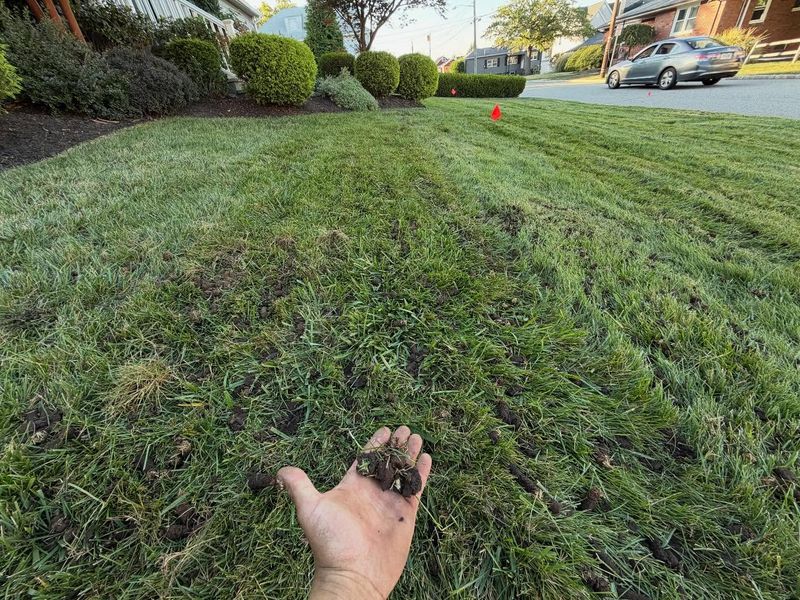
Every yard has its trouble spots. Maybe it is the path your dog races along the fence, or the patch where the kids play soccer every afternoon. Those busy areas take a beating, and the soil underneath shows it.
Foot traffic, paws, bikes, and lawn mowers all press the ground down over time. The busiest parts of your lawn usually end up with the tightest soil, which explains why grass there often looks thin, patchy, or brown.
One quick trip with the aerator may not open enough holes to fix the problem. Luckily, the solution is simple.
First, make a full pass over your entire lawn, working in neat rows like you would when mowing. Once that is done, head back to the worn-out areas for a second round.
Change direction on that second pass. If you went north to south the first time, go east to west or on a diagonal. Crossing your path creates more holes and spreads them out evenly.
Aim for holes spaced just a few inches apart in those tough spots. More openings mean more room for air, water, and new roots to move in. Some folks even make a third pass in the very worst areas, and that is perfectly fine.
Clay soil across much of North Carolina packs down fast, especially in places that see daily use. A path that looks fine in spring can turn rock hard by September.
Giving those areas extra attention now helps your tall fescue fill in and stand up better to next year’s traffic.
6. Leave The Soil Plugs On The Lawn
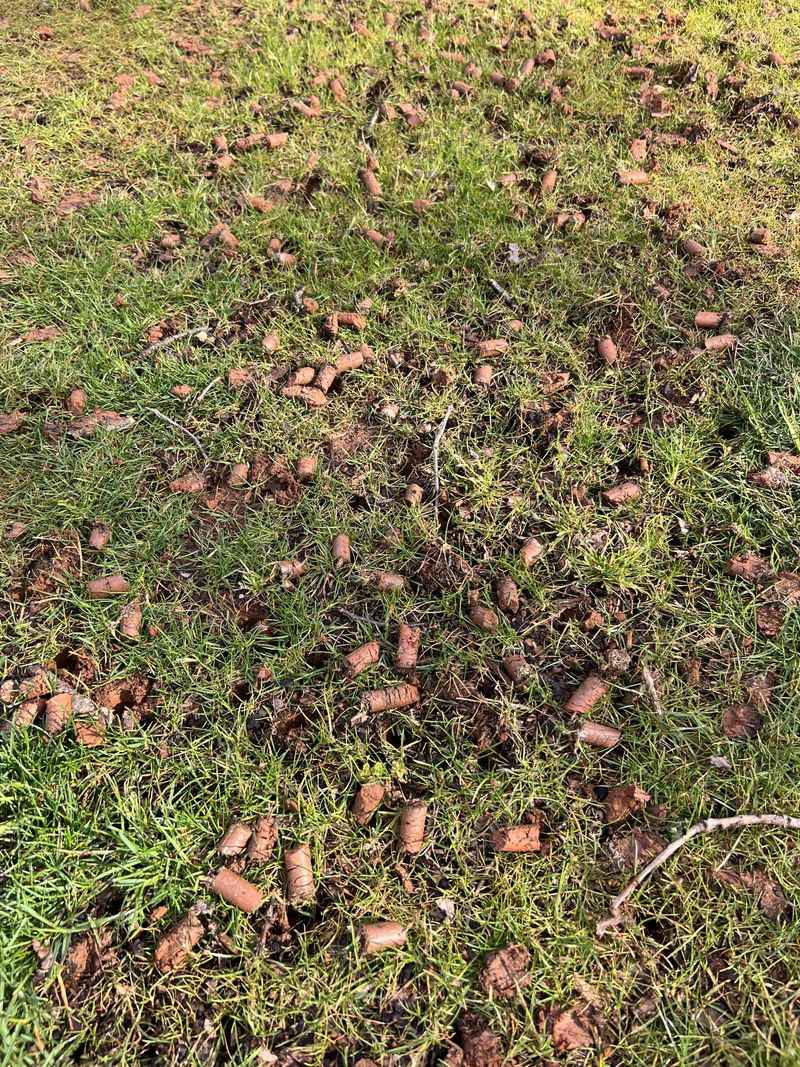
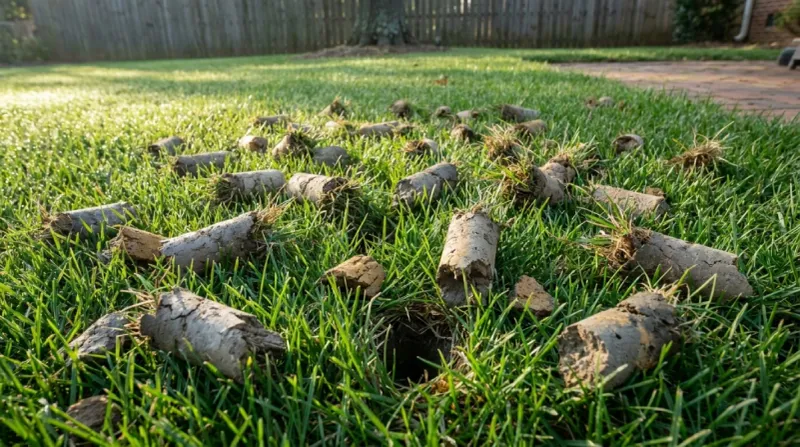
Right after aerating, your yard might look like a flock of geese held a party on it. Little soil plugs cover the grass from one end to the other. It is tempting to rake them up, but those messy-looking cores are actually doing your lawn a favor.
Each plug holds soil, tiny roots, and helpful microbes from below the surface. As rain falls and you water and mow, the plugs slowly crumble and melt back into the lawn. Most disappear within a couple of weeks.
That breakdown brings real benefits. Soil and organic matter spread back over the surface, and the microbes in those cores help break down thatch.
Thatch is the layer of old stems and roots that builds up between the grass blades and the soil, and too much of it can block water and nutrients.
So what should you do with all those plugs? Honestly, not much. Leave them right where they fell.
If you want them gone faster, wait until they dry out, then run your mower over them. The blades will chop them into crumbs that settle in quickly.
Skip the rake. Pulling the plugs away takes time and energy, and it removes the very material that helps your lawn recover.
For busy homeowners across North Carolina, this is welcome news. Fall weekends fill up fast with football games, festivals, and leaf cleanup.
Letting the plugs handle themselves frees up your time while giving your tall fescue a natural boost, which feels like a win all around.
7. Follow Up With Seed And Fertilizer
Aeration is only half the magic. The real payoff comes when you fill those fresh holes with seed and food, setting your lawn up for a thick, green comeback.
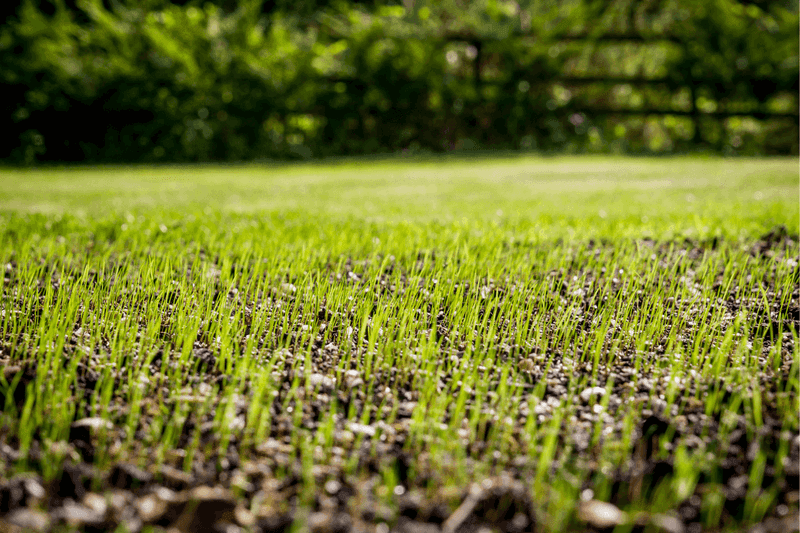
Grass seed needs solid contact with soil to sprout well. Scattered on top of hard ground, much of it just sits there or washes away. Aeration holes give seeds a cozy pocket to land in, and they help fertilizer and water reach the roots too.
Plan to overseed right after you finish aerating. Choose a quality tall fescue blend made for your region, and spread it evenly with a broadcast or drop spreader.
Your local NC State Extension office can point you toward varieties that handle North Carolina conditions well.
Moisture is the key to success for the next few weeks. Water lightly once or twice a day so the top of the soil stays damp until the seeds sprout. Once the new grass gets going, you can switch back to deeper, less frequent watering.
Feeding your lawn works best with a plan. A soil test tells you exactly what your yard needs, and kits are available through your county Extension office.
Pair those results with the NC State Extension tall fescue maintenance calendar, which lists the best months to fertilize.
Watch the calendar closely, too. In the Piedmont, try to finish seeding by about mid-October so young grass has time to grow strong before cold weather arrives.
Fall truly is the main season for fixing and thickening tall fescue in North Carolina. Put in the effort now, and you will enjoy a lush, healthy lawn when spring rolls around.