The Meaning Behind Pumpkins Ripening Early In California Gardens This Year
Pumpkin patches sometimes jump ahead of the calendar. Orange fruit can appear while Halloween still sits weeks away, and vines may already look tired by early fall.
That surprise can feel puzzling, even a little worrying, for gardeners who planned for an October harvest.
The explanation usually has little to do with luck. Several quiet factors shape when a pumpkin reaches the finish line, from weather patterns to choices made months earlier.
Some of those factors bring good news, while a few deserve a closer look.
Reading the clues correctly reveals plenty about the garden itself. It also opens the door to a longer-lasting harvest and an even better patch next year.
Heat Speeds Up Pumpkin Ripening
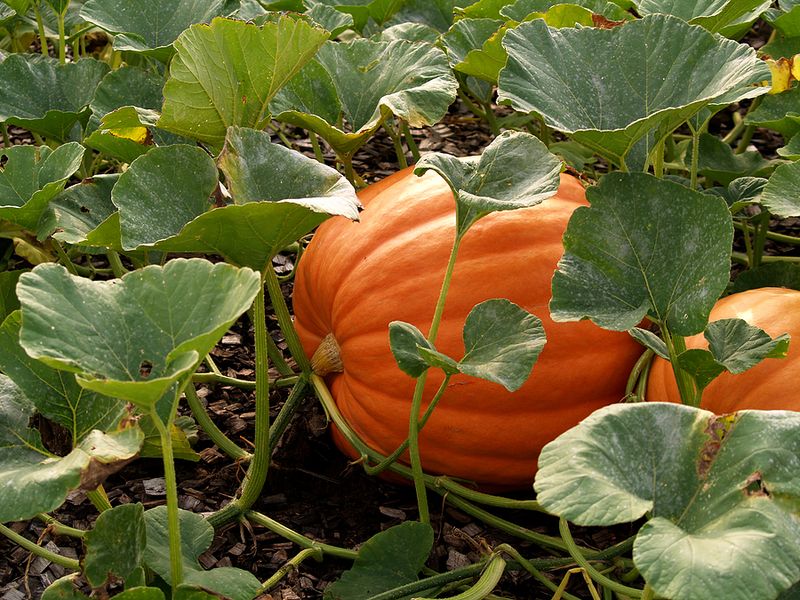
A July heat wave rolling through an inland California valley can push thermometers past 90 degrees day after day. Out in the garden, pumpkin vines quietly race ahead.
Pumpkins are warm-season crops, and they grow faster as temperatures rise. Plants develop according to accumulated warmth, sometimes measured as growing degree days.
More warm days stack up more of that heat. Each stage, from flowering to fruit coloring, then arrives sooner.
A summer warmer than usual can push harvest ahead by a noticeable stretch. Warm nights matter, too.
Cool nights slow plant activity, while mild ones keep growth humming around the clock. Gardens in hot inland spots like the Central Valley often finish earlier than gardens near the foggy coast.
Neighborhood weather may explain a great deal. Heat has its limits, though.
Very high temperatures, often above the mid-90s, can stress plants, cause blossoms to drop, and scorch exposed fruit. Sunburned rind may turn pale or soft and break down sooner.
Leafy cover over the fruit offers natural shade. Keeping healthy foliage in place makes a big difference during heat waves.
Daily highs and lows jotted in a garden notebook, or pulled from a local weather station record, show how the summer stacked up.
Comparing this year with last year turns a mystery into a pattern, making future planting plans much easier to time. That simple habit pays off season after season.
Early Varieties Mature On Their Own Schedule
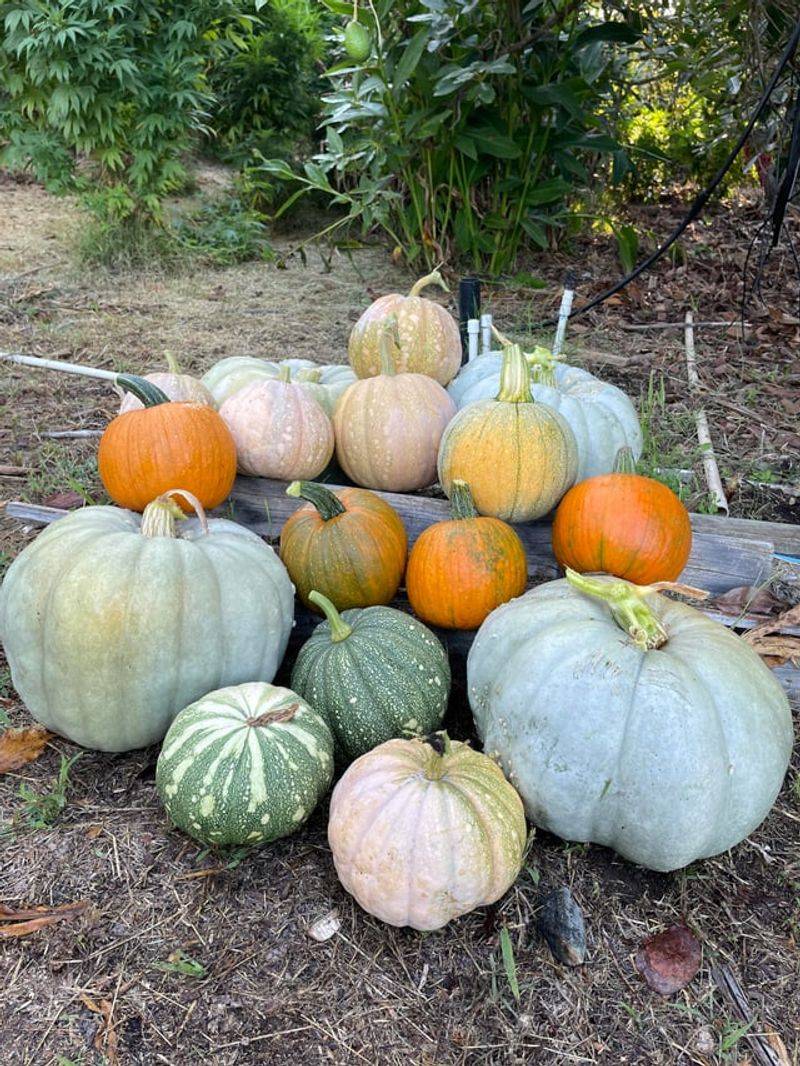
The seed packet often holds the whole answer before the weather takes any blame. Every pumpkin variety comes with its own expected days to maturity.
Plant breeders have created pumpkins for many purposes. Small pie types and miniature pumpkins usually finish faster than giant carving or show varieties.
Some quick types reach maturity in about 90 to 100 days from seeding. Large field pumpkins often need well over 100 days, and giant varieties need even longer.
Gardeners who switched seeds this year may simply be seeing a different clock at work. A friend shares seeds from a speedy variety, and suddenly the patch turns orange in late August.
Nothing went wrong in that case. The plant did exactly what it was bred to do.
Classic Halloween pumpkins are often carving types bred for thin walls and big size. Sugar or pie pumpkins tend to be smaller, with thicker, sweeter flesh, and those smaller kinds often show color first.
Your California Garden Changes Every Week. Your Plan Should Too.
Gardening in California changes quickly throughout the season. Every Friday you’ll receive a simple weekly plan showing exactly what to plant, prune, fertilize, harvest, and protect so you never miss the right timing.
Counting backward from the desired harvest date, using the days listed on the packet, makes timing far easier next season. A little extra cushion helps, since heat and stress can shift the schedule.
Saved packets or variety names written on plant labels add another layer of help. Those simple records prevent guesswork later.
Next year, the garden will reveal exactly which variety showed up early to the party, and why. That knowledge makes every future patch easier to plan.
Planting Date Changes The Clock
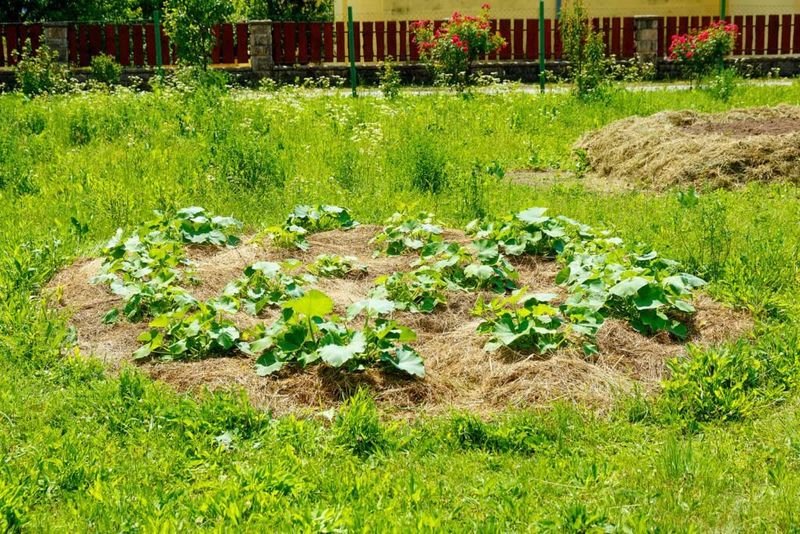
Pumpkin seeds tucked into warm soil a few weeks earlier than usual can produce orange fruit while a neighbor’s patch stays green. The difference often starts on planting day.
Days to maturity begin counting once seeds sprout or transplants go in. An earlier start moves the finish line earlier, too.
Many California gardeners plant pumpkins in May or early June, aiming for October fruit. Seeds sown in April or early May can easily be ready by late August or September.
Soil temperature plays a big role. Pumpkin seeds sprout poorly in cold soil, and UC guidance suggests waiting until soil warms to around 60 degrees or higher.
A warm spring lets seeds sprout fast and grow strongly. That head start can last all summer long, nudging every stage forward.
Transplants also speed things along. Seedlings started indoors and moved outside skip a few weeks of early growth, a step many gardeners forget when early fruit appears.
Timing for Halloween takes a bit of math. A variety’s days to maturity, counted backward from mid-October, point to the ideal planting date.
Local climate adjusts that date further. Hot inland areas may benefit from a slightly later planting, while cool coastal gardens can use a little extra time.
A marked calendar keeps everything on track. With a few notes from this year, next season’s patch can hit its target almost exactly.
Stress Can Push Fruit To Finish Early
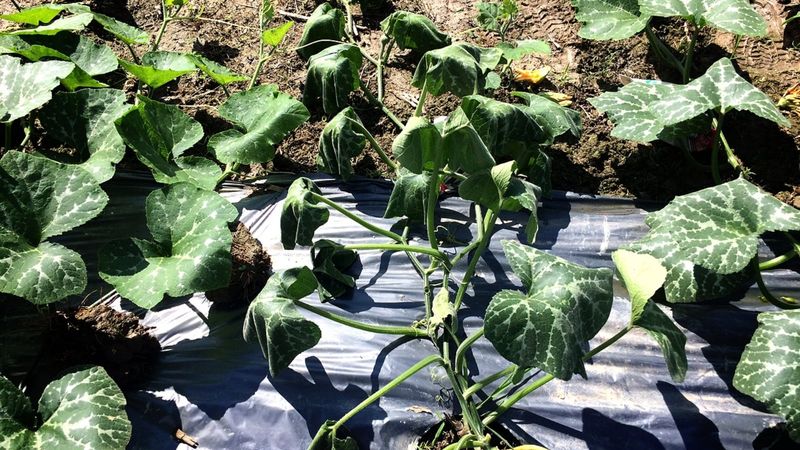
Wilted leaves at 3 p.m. tell a story. A pumpkin plant under pressure starts making tough choices, and one of them may involve wrapping up the season fast.
Plants respond to stress by shifting energy. Drought, extreme heat, poor soil, or root damage can slow new leaf growth.
The vine may stop setting new fruit and focus on finishing the pumpkins already there. Those fruits may color early, sometimes smaller than expected.
Water often plays the biggest role. Pumpkins need steady, deep watering, especially during flowering and fruit growth.
Letting soil dry completely, then flooding it, keeps plants on a roller coaster. UC ANR recommends deep, regular watering at the base of the plant, keeping leaves as dry as possible.
Nutrients matter, too. Plants in tired, compacted soil may run low on energy before the season ends.
Compost added before planting helps build healthier roots that handle summer heat better. That preparation pays off by late summer.
Warning signs deserve attention. Leaves that stay wilted into the evening, yellowing older leaves, or vines that stop growing all hint at stress.
A slight midday droop during hot weather is normal, while a plant that looks limp at sunrise needs attention. Steady care from here can still help the remaining fruit.
Early fruit from a stressed vine remains usable once the rind hardens, though it may not become the biggest or longest-lasting harvest of the year.
Powdery Mildew Can Shorten Vine Life
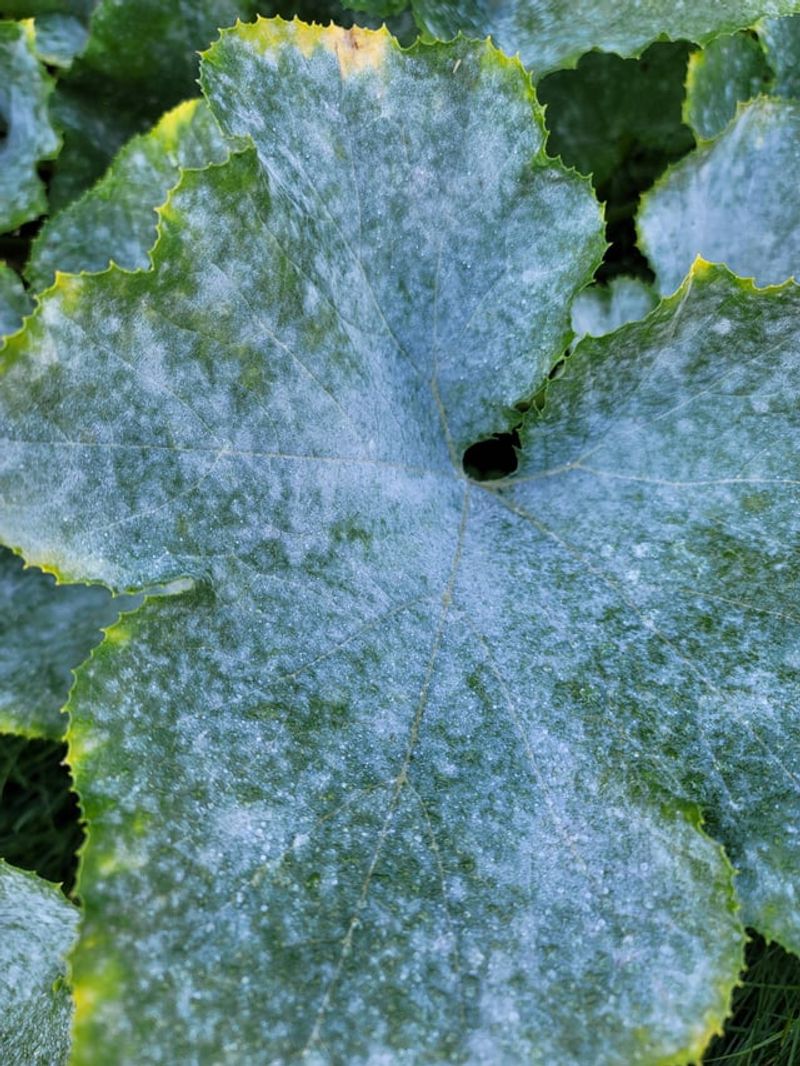
A dusting of white powder on pumpkin leaves looks almost like someone spilled flour across the patch. Powdery mildew, however, ranks among the most common problems for squash and pumpkins in California.
Unlike many plant diseases, powdery mildew doesn’t need wet leaves to spread. UC ANR notes that it thrives in warm, dry conditions with shade and moderate humidity, which makes California summers a good fit.
Spots start small, then spread until leaves turn yellow, brown, and brittle. Leaves serve as the plant’s food factories.
Mildew-covered leaves make less energy for the vine. Weak leaves can wither early, and the plant runs out of steam.
Fruit may ripen sooner simply because the vine is winding down. Pumpkins can also end up smaller or less sweet.
Exposed fruit faces a second risk. Once leaves shrivel, pumpkins lose their shade and can sunburn quickly in hot weather.
Prevention helps most. Mildew-resistant varieties, plenty of space and sunlight, and modest nitrogen feeding all reduce the soft, lush growth mildew favors.
Removing badly infected leaves slows the spread. UC IPM Pest Notes also list options such as sulfur, horticultural oils, and certain biological products, applied early and according to label directions.
Oil and sulfur are best kept far apart in timing, since that combination can burn leaves. Catching mildew early keeps vines working longer, giving fruit more time to mature properly.
Hard Rind And Dry Stem Signal Ripeness
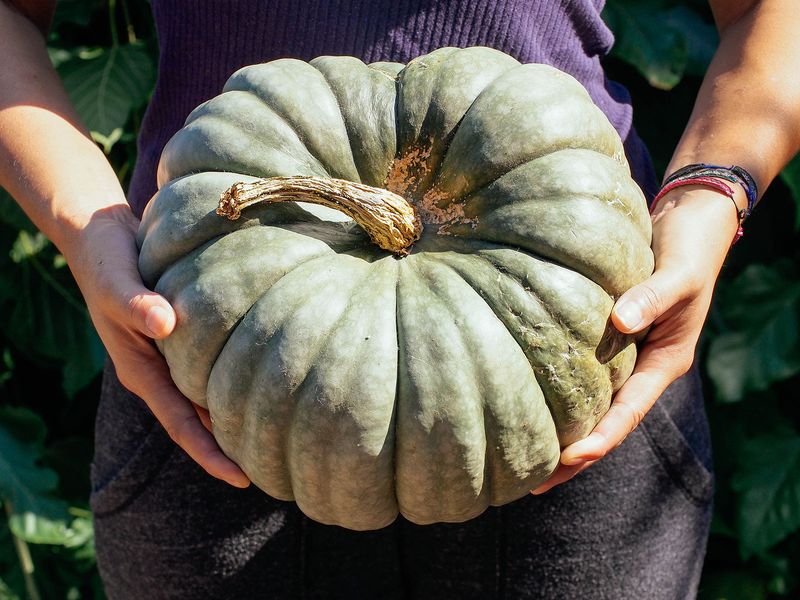
Orange color alone can fool even experienced gardeners. Some pumpkins color up before they’re truly ready, while others stay pale even when fully mature.
Real ripeness lives in the rind and the stem. The fingernail test makes a great first check.
A fingernail pressed gently into the skin of a ripe pumpkin meets a hard rind that resists puncture and doesn’t dent easily. A nail that slides in or leaves a deep mark signals that the fruit needs more time.
The stem offers the next clue. A mature pumpkin’s stem turns hard, dry, and woody.
Green, soft, or bendy stems usually mean the fruit is still developing. The vine near the pumpkin may also begin to brown and shrivel as the plant finishes.
Color still counts as one piece of the puzzle. Even, deep color across the surface, typical for that variety, points toward ripeness.
White, blue, green, or striped pumpkins won’t turn classic orange, so knowing the variety matters. Skin that has lost its glossy shine and looks dull adds another helpful sign.
Together, a hard rind, a dry stem, solid color, and a dull finish make a reliable checklist. When all four line up, harvest time has arrived.
A hollow sound when the pumpkin gets a thump makes a popular folk test. It works as a fun extra, though the rind and stem give far more reliable answers.
Harvest Early Fruit Before Pests And Rot
A perfectly ripe pumpkin sitting in the field for six extra weeks resembles cookies left on the counter beside an open window. Something will find it, whether pests, moisture, or rot.
Once fruit is mature, it doesn’t need to stay on the vine until October. Ripe pumpkins can be harvested and stored indoors.
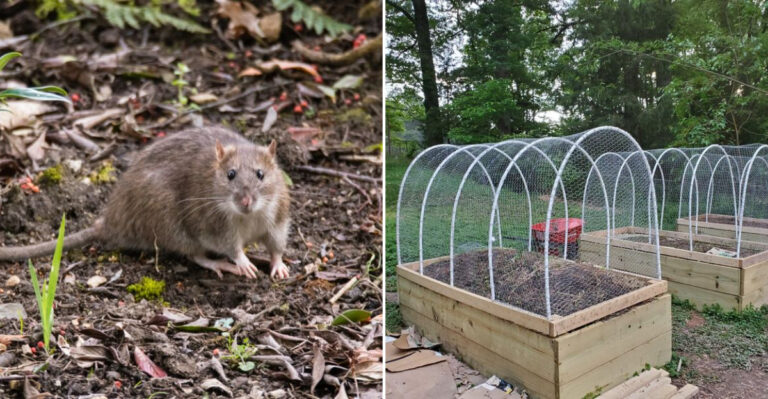
Fruit left in the garden faces squash bugs, cucumber beetles, rodents, and soil-borne rot. Damp soil underneath can soften the bottom, especially after irrigation or an early rain.
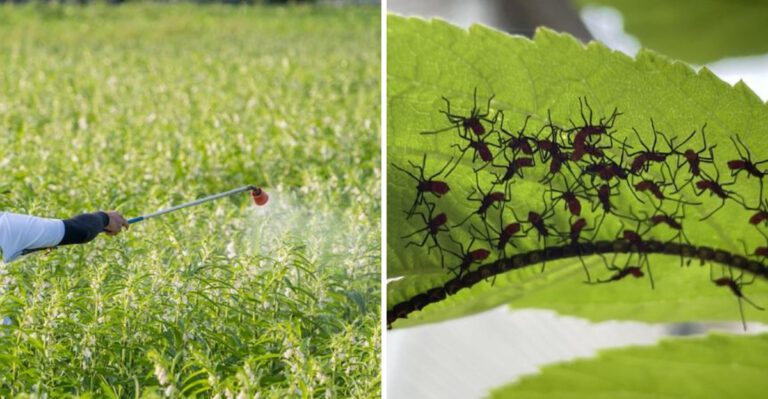
Squash bugs and cucumber beetles are common pumpkin pests in California gardens. They feed on vines and can scar fruit surfaces.
Scarred or damaged rind lets decay organisms inside, shortening storage life. Careful harvest helps prevent that.
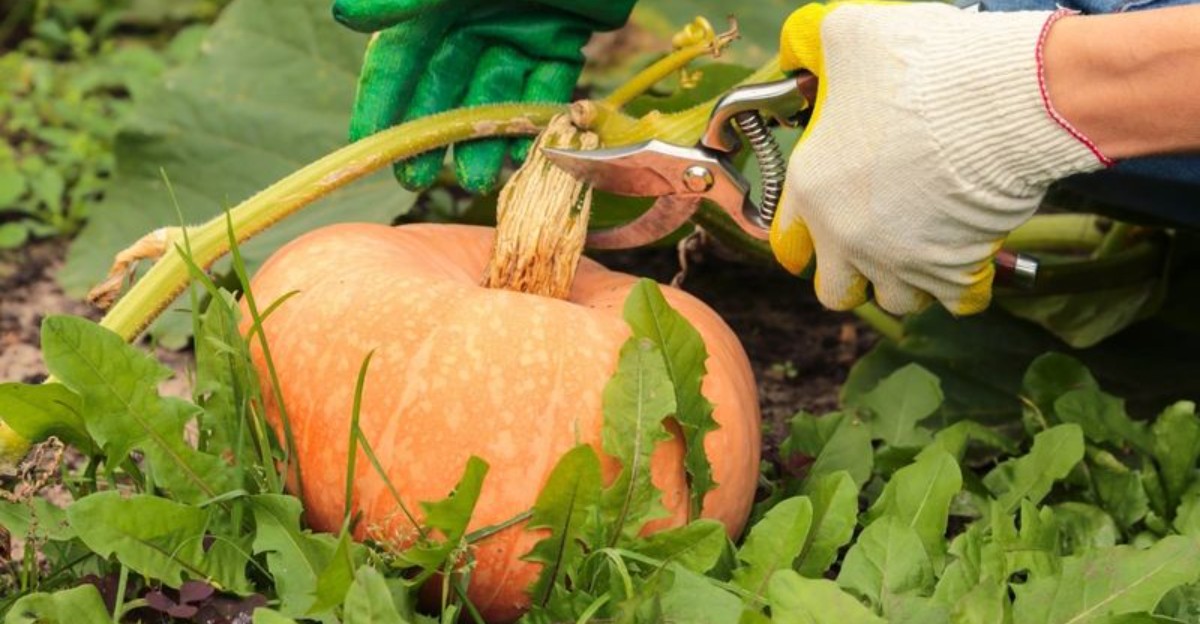
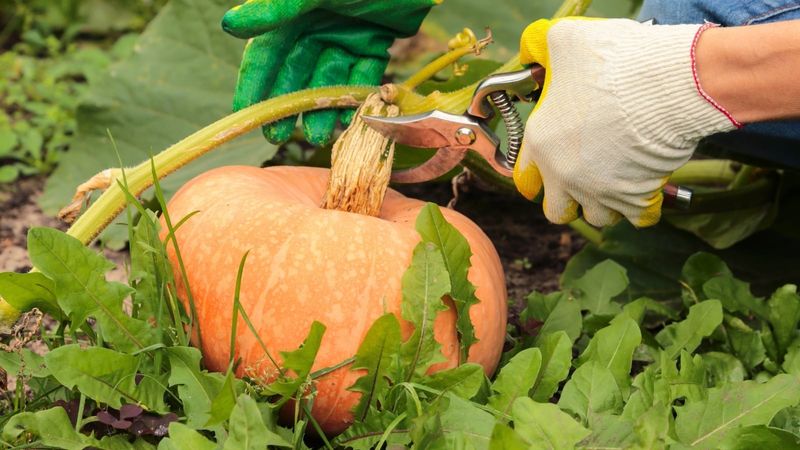
Sharp pruning shears or a knife make the cleanest cut, leaving a few inches of stem attached. Carrying a pumpkin by its stem is best avoided, since a broken stem opens a door for rot.
Support from underneath works far better. Pumpkins deserve the gentle treatment of eggs rather than footballs.
Bruises and cuts may not show right away, though they often turn into soft spots later. A little care at harvest protects months of storage.
Developing fruit set on a board, a piece of cardboard, or a layer of straw stays off moist soil. That small lift goes a long way toward a cleaner, healthier pumpkin that’s ready to decorate the porch or fill a pie.