The California Fire Rule About Dry Brush Many Homeowners Still Ignore
A tidy yard can hide a surprising gap in wildfire protection. Gutters get cleaned, patios get swept, and the area right around the house looks well cared for.
Farther out, though, a stretch of ground often gets left alone summer after summer, simply because it feels like somebody else’s job.
California law sees that space differently, and many homeowners don’t realize just how far their responsibility reaches.
Wildfire rarely stops politely at the edge of a lawn, and wind can carry trouble even farther.
Understanding this often-overlooked rule offers one of the simplest ways to protect a home, its neighbors, and the firefighters who may someday stand in that very yard.
The Rule Reaches 100 Feet From Your Home
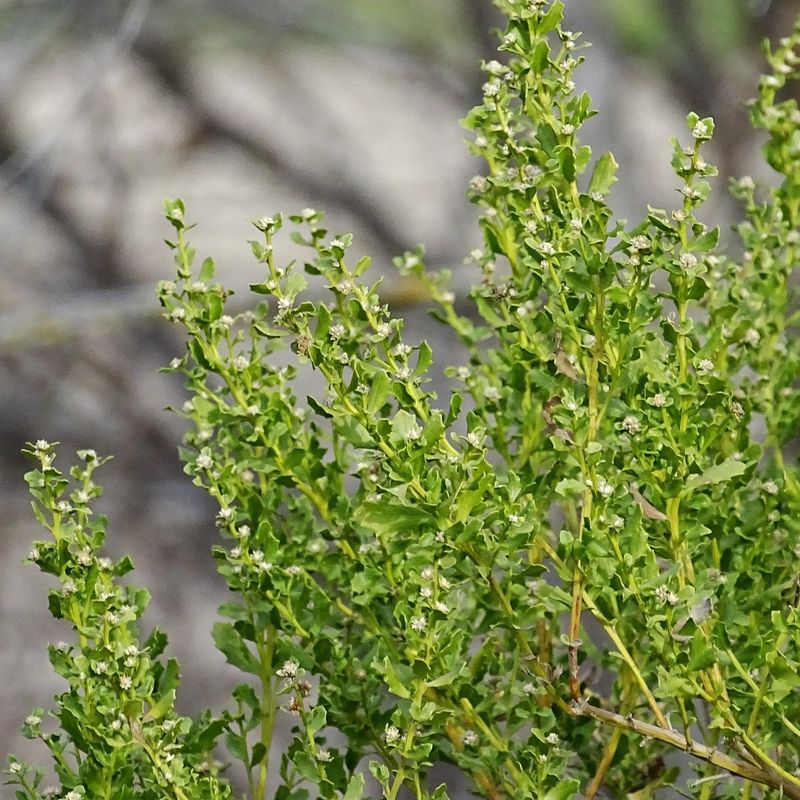
Thirty-three long steps from a back wall usually land near the 100-foot mark. Many homeowners feel surprised at how far into the hillside that distance reaches.
California’s defensible space law, found in Public Resources Code Section 4291, asks owners to maintain defensible space up to 100 feet from a structure. The line stops at the property boundary, so clearing a neighbor’s land isn’t expected.
Everything inside that distance on the parcel still counts. CAL FIRE divides the space into zones.
The area within 30 feet of the home is often called the inner zone, and it needs the most careful upkeep. The band from 30 to 100 feet forms the outer zone, sometimes called the reduced fuel zone.
Closest of all sits Zone 0, the first 5 feet around the structure, which carries its own ember-resistant standards. Each zone plays a different role.
Defensible space slows a fire and lowers its heat before it reaches the house. It also gives firefighters a safer place to work.
A wall of burning brush 50 feet away can throw intense heat and showers of embers right at windows and vents.
The rule applies in State Responsibility Areas, and many cities and counties in local responsibility areas enforce similar or tougher versions. CAL FIRE’s website shows which category each address falls under.
Knowing the zone boundaries makes the first step toward a yard that works for its owner rather than against them.
Dry Brush And Lifeless Plants Must Go
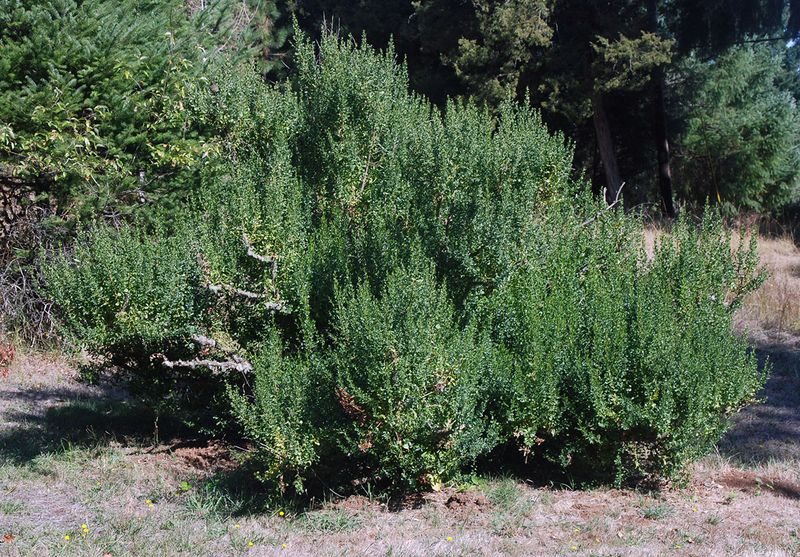
Brown signals trouble in a California summer. A shrub gone crispy, a fallen oak branch, or a pile of old prunings tucked behind the shed can all act like kindling waiting for a spark.
CAL FIRE’s inspection checklist asks owners to remove dry, brown, or spent trees, branches, shrubs, and surface debris. In the inner zone, that includes dry plant material plus leaves and needles on the yard, roof, and gutters.
In the outer zone, the same cleanup applies to brush, fallen limbs, and other dry debris scattered across the slope.
Spent plants burn faster and hotter than healthy, watered ones. They hold very little moisture, so a single ember can turn them into a torch.
A clump of dry brush near a fence can easily spread flames straight toward the house. Removing it breaks that path.
Your California Garden Changes Every Week. Your Plan Should Too.
Gardening in California changes quickly throughout the season. Every Friday you’ll receive a simple weekly plan showing exactly what to plant, prune, fertilize, harvest, and protect so you never miss the right timing.
A walk around the property after spring growth fades helps spot problems. Anything gray, brittle, or leafless deserves a flag.
A quick twig snap settles any doubt, since healthy wood bends while dry wood cracks. Hauling plans matter, too.
Green waste bins fill quickly, so local haulers may offer extra pickups or chipping programs. Some fire safe councils also run free chipping days for neighborhoods.
Spreading chips is allowed in limited ways, as long as layers stay thin and away from the house. Clearing brush makes for sweaty work, yet few chores pay off as much when smoke appears on the horizon.
Annual Grass Stays Under Four Inches
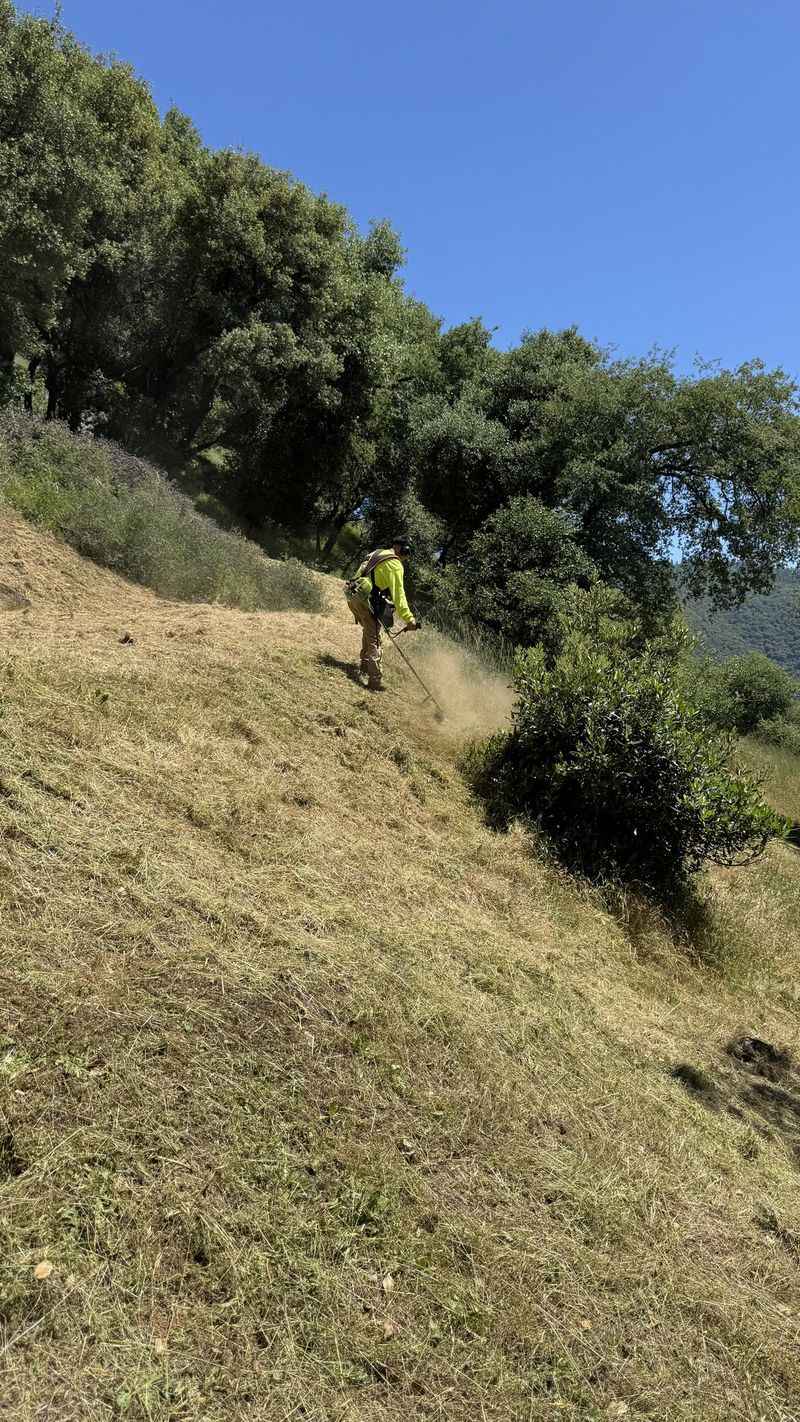
Spring rains bring a lovely green carpet to California hills. By June, that same carpet turns golden and dry, becoming one of the fastest fuels a fire can find.
CAL FIRE’s checklist calls for cutting annual grasses and forbs to a maximum height of 4 inches. Forbs are broadleaf, non-woody plants like many wildflowers and common weeds.
Mustard, thistle, and foxtail patches that pop up after a wet winter all fall into that group.
Short grass still burns, though flames stay low and move more slowly. Tall dry grass, by contrast, can produce flames several feet high.
Those taller flames are far more likely to jump into shrubs, fences, and decks. Trimming takes the wind out of a grass fire’s sails, so to speak.
Timing matters as much as height. Mowing or trimming after grass has cured, before the hottest stretch of summer, works best.
Cutting too early may mean a second round when new growth appears.
Equipment choice matters even more. Metal blades striking rocks can throw sparks that start fires.
Cool morning hours make the safest time to mow, with a string trimmer handling rocky spots and water or a fire extinguisher kept close by. Hot, windy afternoons and red flag warnings are best avoided entirely.
Heavy clippings work best raked up and removed so they don’t form a dry mat. A trimmed hillside may look plain, yet it buys precious time when flames start moving.
Space Shrubs To Break The Fuel Ladder
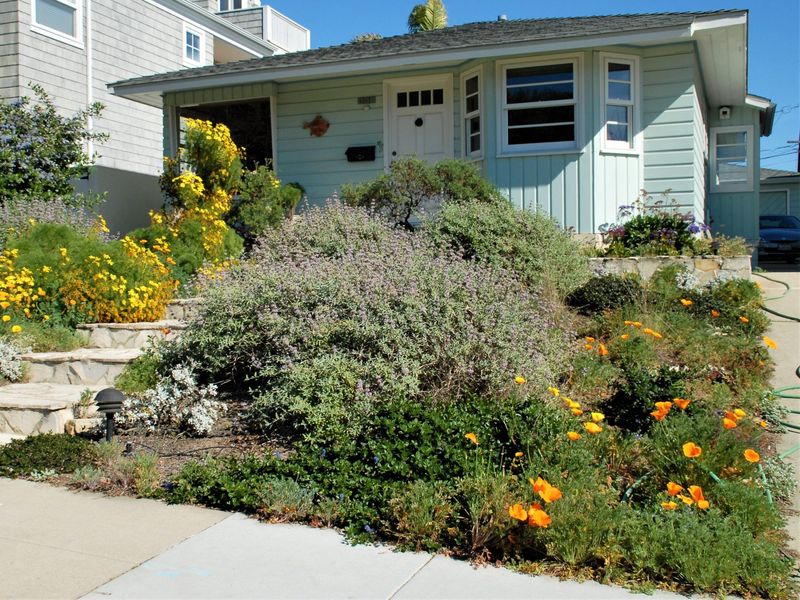
A staircase made of plants offers a useful way to understand fire behavior. Grass leads to small bushes, bushes lead to tall shrubs, and tall shrubs reach the lowest branches of a pine.
Fire climbs that staircase much like a kid scaling a jungle gym. Firefighters call it a fuel ladder.
CAL FIRE’s checklist asks owners in the outer zone to create horizontal and vertical spacing among shrubs and trees. Horizontal spacing means gaps from side to side.
Vertical spacing means open air between low plants and the branches above them. Both work together to slow a fire’s progress.
On flat ground, the gaps can stay smaller. Steeper slopes need more room, since fire races uphill and preheats the plants above it.
CAL FIRE publishes spacing charts that increase distances as slopes grow steeper. Those guidelines deserve a look before any plants come out.
Shrub islands offer a practical approach. Small clusters surrounded by open ground or short grass keep plenty of attractive plants in place without forming a solid wall of fuel.
Removing the plants that connect one cluster to another breaks the chain. Hidden ladders deserve attention, too.
A shrub growing right under a tree, a vine climbing a trunk, or tall weeds tucked against a woodpile can all bridge the gap.
Breaking those links forces a fire to stay low, smaller, and easier to fight, leaving a yard that still feels natural, just far less inviting to flames.
Prune Lower Tree Limbs Off The Ground
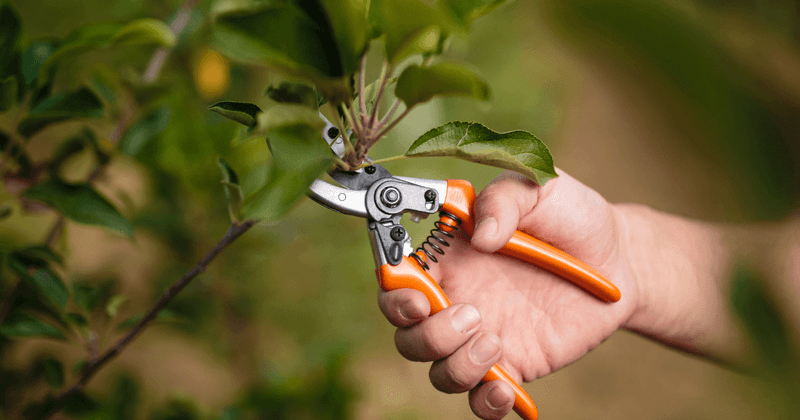
Low, droopy branches can look cozy, almost like a tree wearing a skirt. During a wildfire, that skirt is exactly where trouble starts.
CAL FIRE’s guidance asks owners to remove lower tree limbs so ground fires can’t reach the canopy. Common advice calls for pruning trees up to about 6 feet from the ground.
Shorter trees need a gentler touch. The usual guideline limits removal to about a third of a small tree’s height.
Crown fires, which burn through treetops, are hard to stop and throw huge numbers of embers. Most begin as ground fires that found a way up.
Lifting the canopy keeps a grass or litter fire down where it belongs. That simple step makes a real difference.
A sharp pruning saw or pole saw handles most limbs well. Cuts made just outside the branch collar, the slightly swollen ring where a limb meets the trunk, help the tree heal cleanly.
Stubs and torn bark are best avoided. Late fall through winter often makes a good pruning season for many trees, since conditions stay cooler and fire risk runs lower.
Big limbs, ladder work, and anything near power lines belong to a certified arborist. Work near energized lines is best left entirely to trained professionals and the utility company.
Branches that come down deserve prompt hauling or chipping, so they don’t create a fresh pile of fuel. The trees end up standing a little taller, and the home breathes a little easier.
A Thin Litter Layer Is Allowed In The Outer Zone
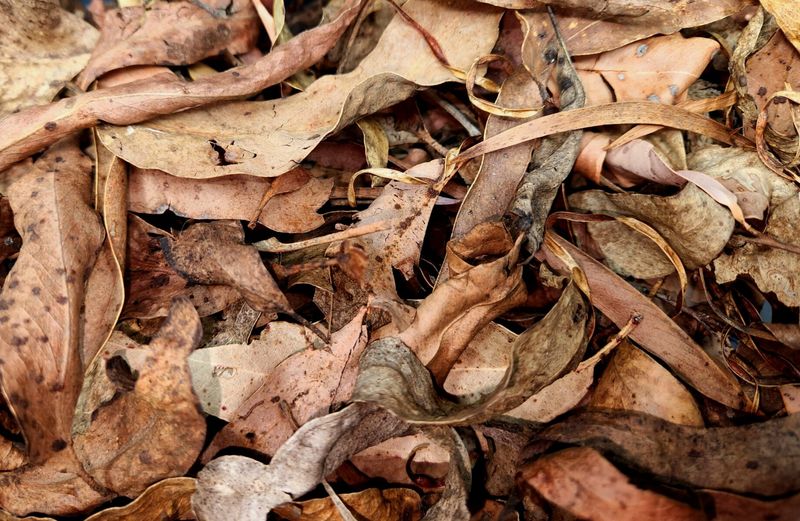
Some homeowners hear the word clearance and assume the ground must be scraped bare. The outer zone, however, doesn’t require a moonscape.
CAL FIRE’s checklist allows loose surface litter, like fallen leaves, needles, twigs, bark, and cones, to remain in the outer zone at a maximum depth of 3 inches. A thin layer helps hold soil in place and slows erosion on slopes.
Bare ground on a hillside can wash away during winter storms. That light cover protects the slope.
Three inches is roughly the height of a standard coffee mug lying on its side. A ruler or stick pushed into the litter in a few spots gives a quick check.
Under oaks and pines, needles and leaves can pile up faster than expected. Regular checks keep depth in line.
The inner zone works differently. Within 30 feet of the home, the checklist calls for removing dry leaves and needles from the yard, roof, and gutters.
Closer still, the 5-foot Zone 0 area works best kept free of combustible material. Each zone has its own standard.
Deep spots can be raked into thinner layers or hauled away. Areas beneath shrubs and trees deserve first attention, since litter there can feed flames upward.
A leaf blower helps on flat ground, though gas equipment is best skipped during hot, windy conditions.
The goal involves trimming the mulch budget rather than eliminating it, since a light blanket stays put while a deep one goes.