California Groundcovers That Choke Out Weeds And Survive Brutal Heat Waves
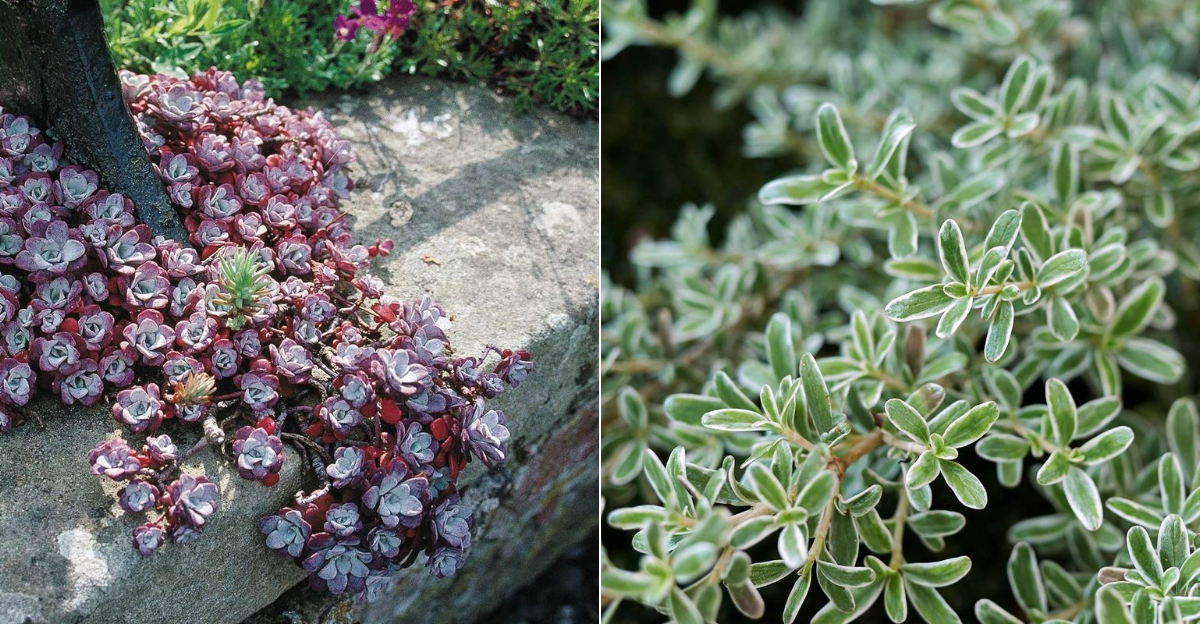
Bare soil has a funny way of becoming an open invitation. Give it a little sunshine and a few unattended weeks, and weeds can move in like they have signed a lease.
For California gardeners dealing with scorching summers, finding something tougher to occupy that space can make the yard much easier to manage.
That is where hardworking groundcovers earn their keep. The best choices can spread into awkward gaps, soften the edges of paths and planting beds, and create a more finished look without demanding the constant attention of fussier plants.
Even better, some are capable of holding their own when temperatures climb and the garden starts feeling like a toaster oven.
Of course, not every low-growing plant is suited to every California yard. Sun exposure, soil, irrigation, foot traffic, and local climate can all change what makes sense in a particular spot.
If pulling weeds in blazing heat has become your least favorite summer tradition, it may be time to let plants do more of the work. The right groundcover can turn troublesome open soil into one of the easiest parts of the garden.
1. Blue Spruce Sedum Makes A Tough Low-Water Carpet
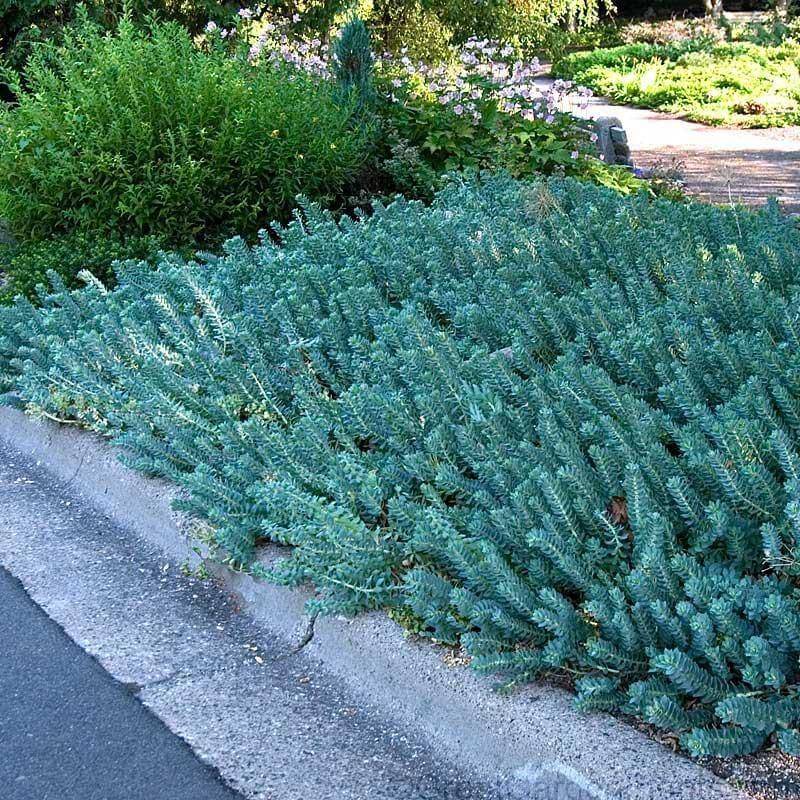
Some plants just look cool without even trying. Blue Spruce Sedum has tiny, blue-green leaves that look almost like miniature spruce needles.
That unusual texture makes it stand out in any garden bed. It grows low to the ground, usually only a few inches tall, and spreads outward in a thick, tight mat.
This sedum is a succulent, which means it stores water in its leaves. That gives it a serious advantage during heat waves.
It can go long stretches without rain and still look fresh. Once it is established, you barely need to water it at all. It thrives in full sun and well-drained soil.
Because it spreads so densely, weeds have almost no room to push through. The mat it creates is tight and consistent, leaving little light or space for weed seeds to sprout.
It works great along pathways, in rock gardens, or on dry slopes where other plants give up.
In late spring, it produces small yellow flowers that attract bees and other pollinators. Deer tend to avoid it, which is another big win.
You can plant it from cuttings or small starts, and it fills in surprisingly fast. It is one of the most rewarding low-effort groundcovers available for hot, sunny spots.
2. Cape Blanco Sedum Covers Dry Soil With Silver Foliage
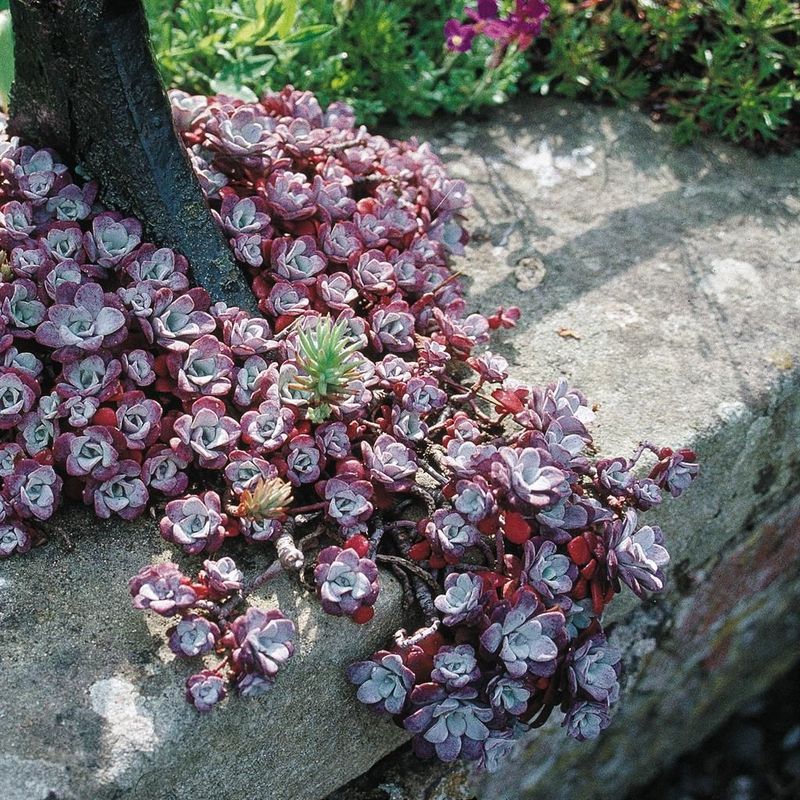
Not all groundcovers are green. Cape Blanco Sedum brings a cool, silvery tone to dry garden spaces that makes everything around it look more polished.
The leaves are plump, rounded, and coated in a pale, almost frosty color. It is a sedum native to Oregon but performs beautifully in hot, dry garden conditions.
Heat does not bother this plant one bit. Full sun is where it thrives best, and poor, rocky soil is actually preferred over rich garden soil.
Too much water or fertilizer can cause problems, so less is truly more with this one. Once settled in, it spreads steadily and quietly, filling bare ground with silvery rosettes.
Your California Garden Changes Every Week. Your Plan Should Too.
Gardening in California changes quickly throughout the season. Every Friday you’ll receive a simple weekly plan showing exactly what to plant, prune, fertilize, harvest, and protect so you never miss the right timing.
Weed suppression happens naturally as the plant spreads. The dense rosettes block light from reaching the soil, which stops weed seeds from germinating.
You will notice fewer weeds popping up as the sedum fills in over a season or two.
Cape Blanco also produces cheerful yellow flowers in summer, adding a pop of color against the silver leaves. It pairs beautifully with other low-water plants like lavender or ornamental grasses.
Planting it in clusters gives it a head start and speeds up coverage. It is a quiet overachiever that looks elegant while doing all the hard work of keeping your garden tidy.
3. Woodland Strawberry Covers Cooler Part-Shade Areas
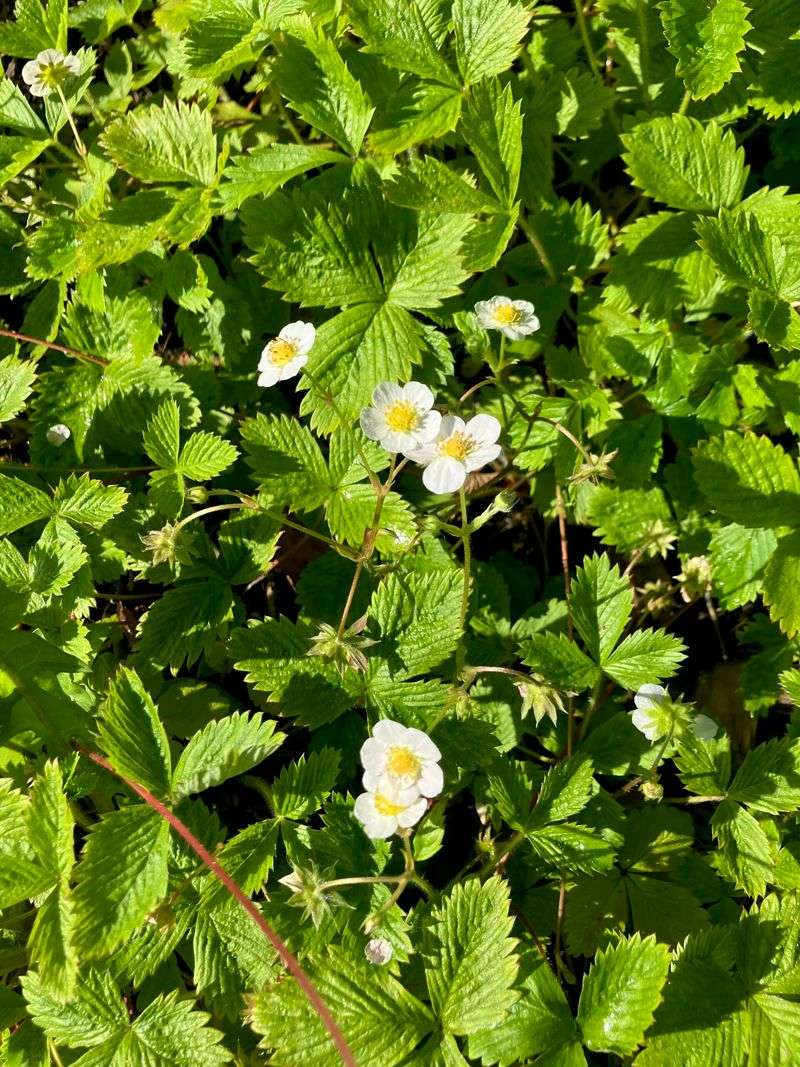
Not every corner of a yard gets blasted with full sun all day. For those shadier spots under trees or along north-facing fences, Woodland Strawberry is a fantastic solution.
It is a native plant that grows naturally in forests and shaded hillsides, so part shade feels like home to it.
The leaves are bright green, made up of three leaflets, and they spread by sending out runners across the soil. Those runners root wherever they touch the ground, which means coverage builds up quickly.
In spring, small white flowers appear, followed by tiny red berries that birds absolutely love.
Even though it prefers cooler spots, Woodland Strawberry is tougher than it looks. It handles dry summers well once established, especially when planted in shaded areas where soil moisture lasts longer.
It does appreciate occasional deep watering during the hottest months, but it does not need constant attention.
Weed control is one of its best qualities. The runners weave together and create a living mat that blocks weeds from getting established.
It is especially useful under trees where it is hard to grow grass or other plants. It also stays green through much of the year in mild climates.
For a low-care, wildlife-friendly groundcover in a tricky shaded spot, Woodland Strawberry earns high marks every time.
4. Yerba Buena Forms A Fragrant Mat In Light Shade
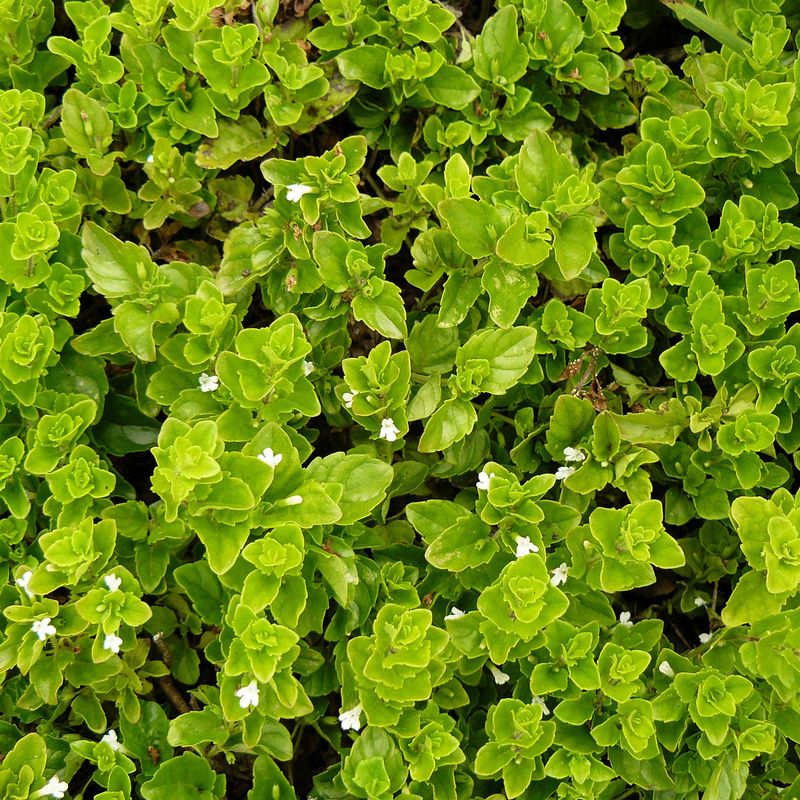
Few groundcovers offer the bonus of a pleasant scent every time you brush past them. Yerba Buena is a native mint relative that releases a sweet, herbal fragrance when its leaves are touched or crushed.
Gardeners who plant it along walkways quickly discover how enjoyable that little detail can be.
It grows low, usually just a few inches off the ground, and spreads by trailing stems that root as they go. Light shade suits it best, though it can tolerate a bit more sun if given some extra water during peak heat.
In shadier spots with occasional moisture, it spreads at a steady, reliable pace.
The leaves are small, rounded, and a rich green color. The plant stays relatively thin compared to some other groundcovers, but it fills in consistently over time.
Weeds struggle to push through once Yerba Buena gets going, especially in shaded areas where competition is already limited.
Historically, this plant was used by Native Californians and early Spanish settlers for medicinal teas and remedies. That cultural history adds a meaningful layer to growing it in your own garden.
It is also a host plant for certain native insects. For a fragrant, historically rich, and practical groundcover in light shade, Yerba Buena is hard to beat.
It rewards patient gardeners with a beautiful, aromatic carpet that feels truly special.
5. Creeping Coprosma Forms A Dense Evergreen Ground Layer
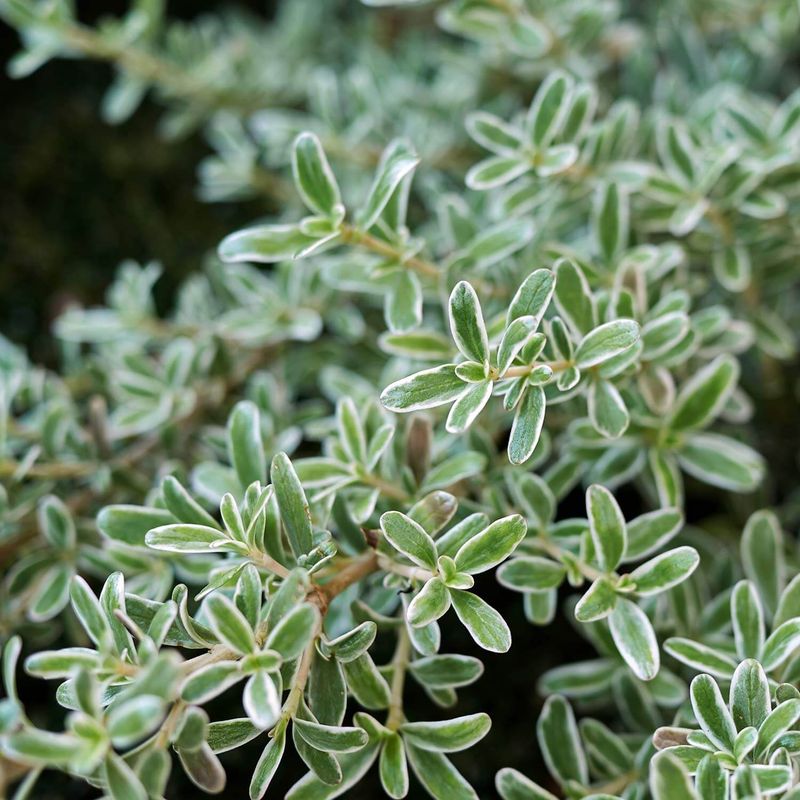
Shiny leaves and a tough attitude make Creeping Coprosma one of the more underrated groundcovers for hot, dry landscapes. This plant originates from New Zealand but has proven itself extremely well-suited to warm, dry climates.
It stays evergreen all year, which means your garden always looks covered and cared for.
The leaves are small, glossy, and packed tightly along low-spreading stems. It hugs the ground closely and spreads outward at a moderate pace.
Once it gets going, the coverage is dense enough to block most weeds from finding sunlight. That is exactly what you want from a groundcover in a tough spot.
Heat and drought tolerance are two of its strongest traits. It handles full sun well and does not need frequent watering once established.
Good drainage is important, as soggy soil is the one thing it does not appreciate. Planting it in well-drained garden beds or on slopes gives it the best chance to thrive.
Creeping Coprosma also holds soil well, making it a smart choice for erosion-prone areas. It can handle some foot traffic, which adds to its versatility.
Pair it with boulders or ornamental grasses for a layered, low-maintenance look. For gardeners who want year-round green coverage without a lot of upkeep, this plant delivers consistently and quietly, season after season.
6. Groundcover Juniper Handles Heat And Blocks Light From Weeds
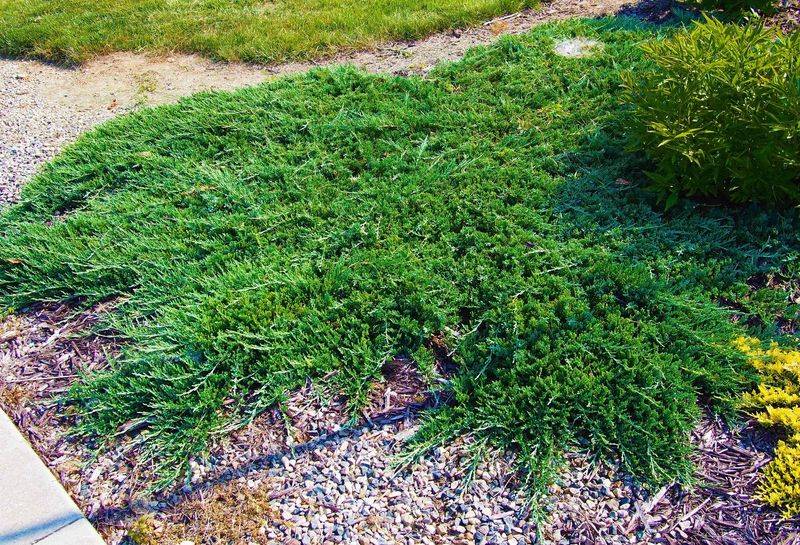
Tough as nails and built for punishment, Groundcover Juniper is the heavy-duty option for large, sun-baked areas where weeds love to take over. It spreads wide and low, sometimes reaching six feet or more across, while staying only a foot or two tall.
That wide, flat shape is what makes it so effective at smothering weeds.
The dense needle foliage blocks sunlight from reaching the soil below. Without light, weed seeds cannot sprout.
Over time, a well-established juniper planting creates an almost impenetrable ground layer that keeps maintenance very low. It is one of the most reliable weed-suppression strategies for large open areas.
Junipers are built for heat and drought. They evolved in tough, rocky environments and have no trouble handling long dry spells.
Once established, they rarely need supplemental watering in most climates. They also handle poor soil, slopes, and even coastal conditions with ease.
Different varieties offer different textures and colors. Some have blue-green foliage, others lean more silvery or golden.
Bar Harbor, Blue Rug, and Wiltonii are popular choices for flat, spreading coverage. Birds sometimes use the dense branches for nesting, which adds a wildlife element to your yard.
For gardeners who want a set-it-and-forget-it solution for large areas, Groundcover Juniper is one of the most dependable options on this entire list.
7. Silver Carpet Spreads Tight Across Dry Ground
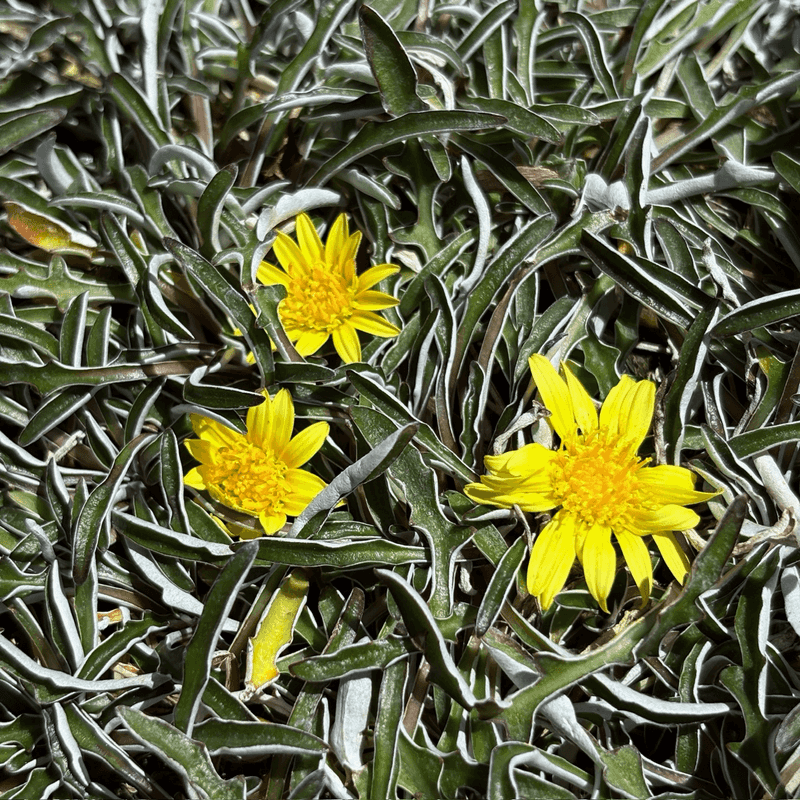
Gardeners who have struggled to grow grass in dry, sunny spots often discover Silver Carpet as a game-changing alternative. Dymondia margaretae, commonly called Silver Carpet, forms a flat, dense mat that stays only an inch or two tall.
The narrow leaves are green on top and silvery-white underneath, giving the whole planting a shimmery, two-toned look.
It handles foot traffic surprisingly well for such a delicate-looking plant. People use it between stepping stones, along pathways, and in place of lawn areas that need too much water.
It stays low and tidy without any mowing, which saves both time and water. Small yellow daisy-like flowers appear in summer and add a cheerful touch.
Drought tolerance is a major strength. Once established, Silver Carpet needs very little irrigation.
It actually prefers to dry out between waterings, so overwatering is a more common mistake than underwatering. Full sun and fast-draining soil are the two things it needs most.
Weed suppression comes from the sheer density of the mat it forms. The tight growth leaves almost no room for weed seeds to find bare soil.
It does spread slowly compared to some other groundcovers, so starting with closer plant spacing helps fill in gaps faster. For a refined, low-water lawn alternative that looks polished and handles heat, Silver Carpet is a top-tier choice worth trying.
8. Myoporum Parvifolium Covers Large Hot Areas Fast
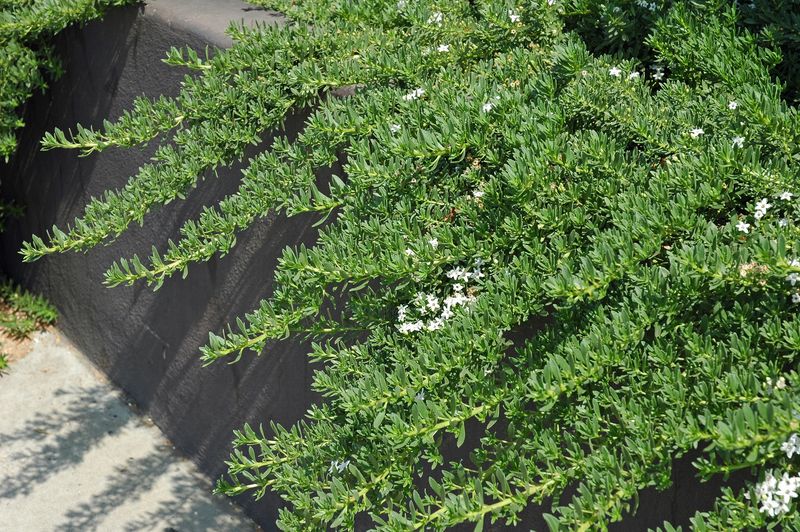
Speed matters when you are trying to cover a large bare area before weeds move in. Myoporum Parvifolium is one of the fastest-spreading groundcovers available for hot, dry conditions.
It can spread several feet in a single season under good conditions, quickly blanketing slopes, medians, and open areas with bright green foliage.
Originally from Australia, this plant is perfectly adapted to long, hot summers with little rain. It grows only a few inches tall but spreads wide and aggressively.
That combination of low height and fast spread is what makes it such a powerful weed fighter. Weeds simply cannot compete once Myoporum gets going.
It performs best in full sun and well-drained soil. Poor, sandy, or rocky soil is no problem at all.
Once established, it needs very little water, making it a great match for water-wise landscapes. Small white flowers appear in spring and summer, adding light, delicate detail to the spreading mat.
One thing to keep in mind is that some varieties can become invasive in certain coastal areas, so checking with local nurseries before planting is a smart move. Inland gardens with hot summers are where it truly shines without concern.
For covering large stretches of difficult ground quickly and affordably, few plants can match the speed and reliability of Myoporum Parvifolium. It is a true workhorse of the low-water garden world.
9. Lippia Creates A Low Carpet With Less Summer Water
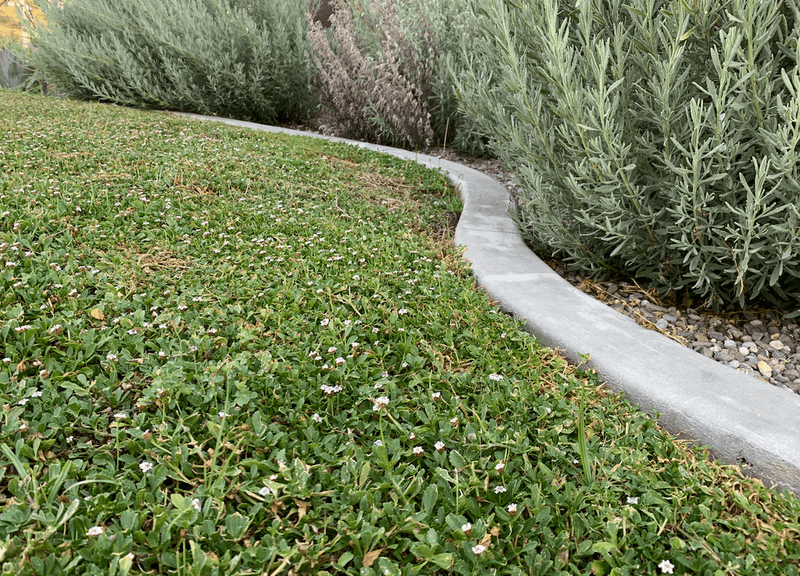
For gardeners looking to replace a thirsty lawn with something far more water-efficient, Lippia is a name worth knowing.
Also called Phyla nodiflora or Turkey Tangle Fogfruit, this tough little plant forms a flat, dense carpet that handles heat and drought with impressive ease. It stays low, usually under two inches tall, and spreads quickly by rooting stems.
The small leaves are slightly rough in texture and medium green in color. Tiny lavender-pink flowers appear in clusters throughout spring and summer, and bees absolutely swarm to them.
That pollinator activity is a big bonus for gardeners who want to support local wildlife while keeping their yard looking great.
Lippia handles full sun and dry conditions very well once it is established. It can tolerate occasional foot traffic, which makes it a practical choice for informal lawn areas or spaces between pavers.
It does go somewhat dormant and brown during the coldest months in colder regions, but it bounces back reliably once temperatures warm up.
Weed suppression is strong because the mat it forms is so tight and continuous. Light barely reaches the soil underneath, which keeps weed seeds from getting the start they need.
Water needs drop significantly compared to traditional lawn grass, sometimes by more than half.
For a practical, pollinator-friendly, and heat-tough lawn replacement, Lippia is one of the smartest choices a water-conscious gardener can make.