What A Sudden Mushroom Ring On Your Lawn Means For Your Soil
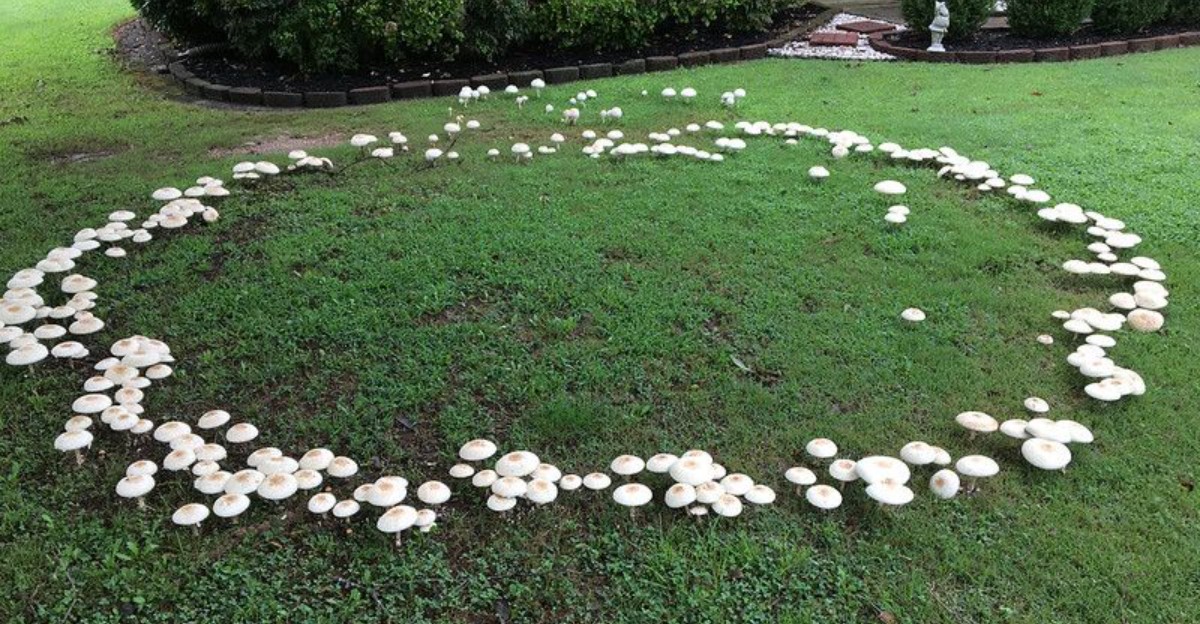
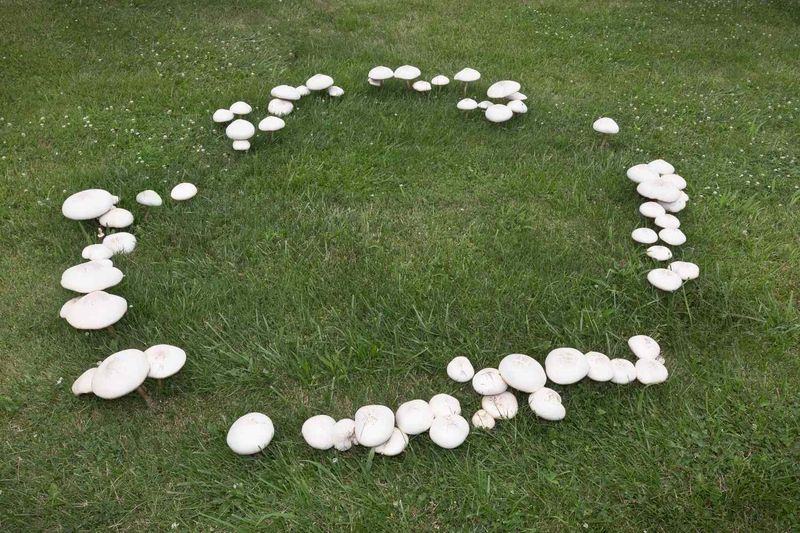
The lawn looked perfectly ordinary last evening, and then a cool, rainy night rolled through. By sunrise, a neat circle had appeared in the grass, as if someone had drawn it with a compass.
Tiny pale caps stand along the curve, evenly spaced like guests at a very small party. Nobody remembers sending invitations, and nobody saw the guests arrive.
Old European folk tales blamed dancing elves for circles like this, and a few neighbors may still prefer that version. The truth is less magical, though it is just as surprising.
That truth sits a few inches below the surface, where autumn rain and cooler air have woken up a hidden crowd. They have been working far longer than the circle has been visible.
Like any good party, this one may end before anyone gets a chance to ask what it was celebrating.
A Hidden Fungal Feast Beneath The Grass
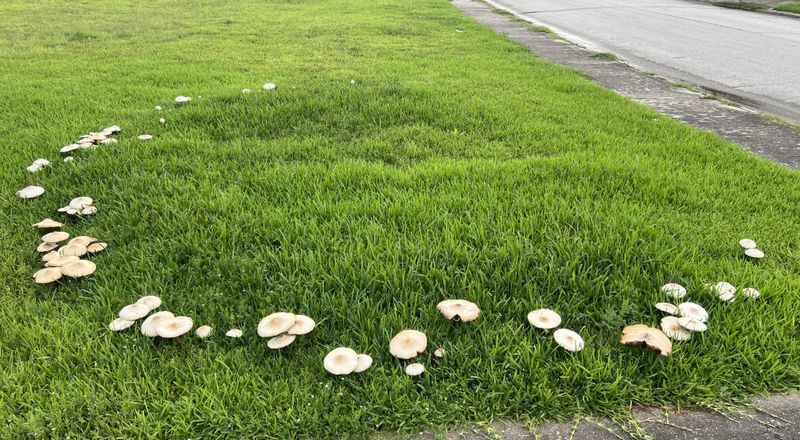
Picture a spider web made of white threads, spreading slowly through your soil for years before anyone notices. That web belongs to a fungus, and the mushrooms you see are just its fruit popping up.
A mushroom ring usually points to buried organic matter in your soil, like old roots or stumps. The fungus feeds on that material, breaking it down into nutrients that plants can eventually soak up again.
Growth starts at a single point, then moves outward in every direction like ripples from a dropped pebble. As the center runs out of food, the fungus keeps traveling toward fresh meals along the outer edge.
Fun fact for curious readers, one ring in France is thought to be several hundred years old. Some giant circles stretch wider than a basketball court, slowly growing a few inches outward every single year.
In many yards, a ring is a sign of healthy, active soil packed with tiny helpful living things. Earthworms, bacteria, and fungi work together underground, turning old plant scraps into rich, crumbly dark earth.
Still, a sudden ring can also hint that something is buried below, such as leftover lumber from construction. Some newer homes have scraps of wood hidden under the sod, giving fungi a long-lasting snack buffet.
Grab a small trowel and dig gently near the ring to look for white, cottony threads in the dirt. Finding them confirms the fungus is busy, and that your soil is far more alive than it looks.
Early Fall Moisture Behind The Sudden Pop-Up
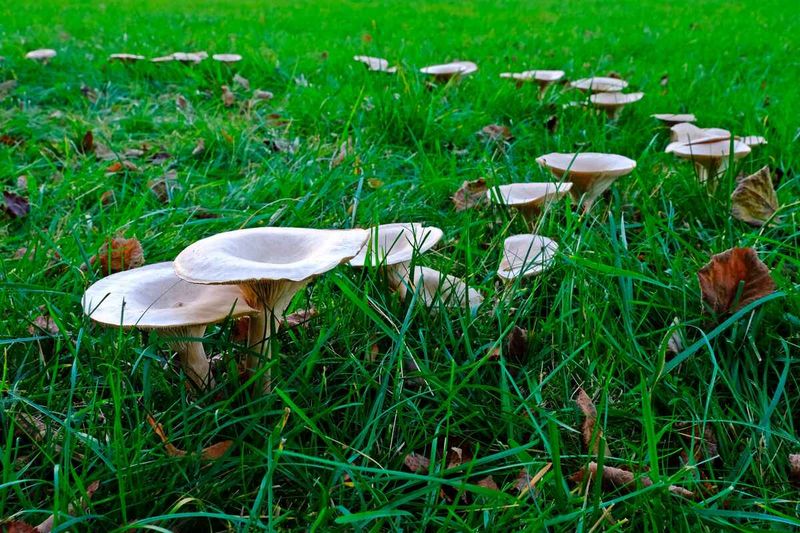
Rain boots by the door usually mean mushroom season has arrived, especially during these damp early October weeks. Cool nights, morning dew, and steady showers create conditions that fungi favor.
Underground, the fungus may have been growing quietly for months without showing a single cap above ground. A good soaking rain acts like an alarm clock, telling it to push mushrooms up within days.
That explains why the ring seems to appear overnight, even though the real growth started long before. Mushrooms are mostly water, so they swell up fast once the soil stays moist for a stretch.
Fall timing also matters because summer heat has faded and soil temperatures now sit in a comfortable range. Fungi favor soil that feels cool to your hand but not cold enough to freeze the top layer.
Falling leaves add even more food to the mix, piling up and breaking down on top of lawns. Thick layers trap moisture against the grass, giving fungi a cozy, damp blanket to grow beneath each day.
Most of these mushrooms fade within a week or two once dry, sunny weather returns to your area. The ring itself may linger, though, showing up again after the next big storm rolls through town.
Keep a simple calendar note each time mushrooms appear, along with the weather from the days before. Over a few seasons, you will spot clear patterns and know when to expect those surprise visitors.
The Common Mistake Of Pulling Mushrooms Alone
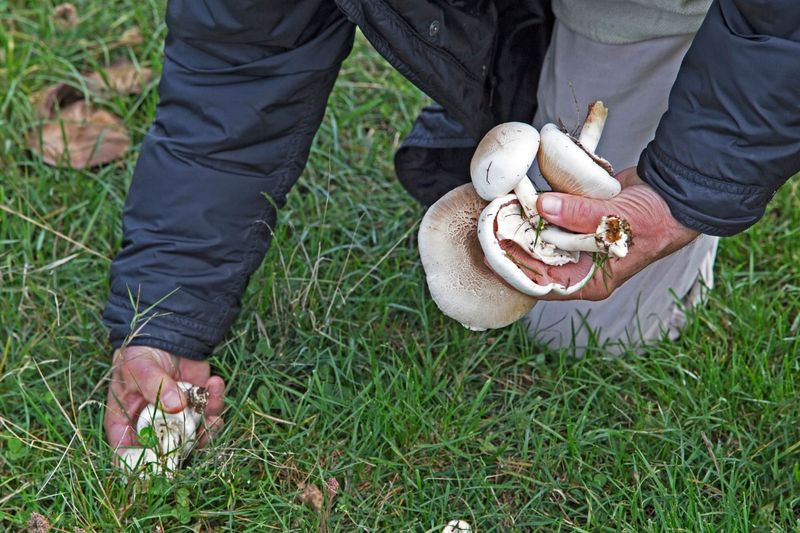
Plenty of homeowners spot a ring, head outside with a bucket, and pluck every mushroom in sight. It feels satisfying for about a day, until a fresh batch pops up right back in the same spot.
Pulling mushrooms is a bit like picking apples off a tree and expecting the whole orchard to vanish. The real fungus lives underground in a wide network, and it barely notices when you remove the caps.
Another popular misstep is grabbing a strong fungicide from the store and drenching the whole circle with it. Most home products do not reach deep enough to affect the network, and they may also disturb helpful soil life.
Some folks also dig out the whole ring, hauling away soil by the wheelbarrow load in frustration. That approach is hard work, costly, and often unnecessary for a problem that is mostly cosmetic.
Pulling mushrooms does have one smart use, though, especially if small children or pets play in the yard. Some lawn mushrooms can make people or animals sick, so removing them reduces the chance of curious nibbling.
Wear gloves, toss them in the trash instead of compost, and wash your hands when you finish. Mowing over them also works in a pinch, though it can spread spores across the lawn a little.
Treat mushroom picking as a safety step, not a cure, and save your energy for the soil itself. The lasting solution sits below the surface, where water, air, and food shape how the fungus behaves.
Simple Fixes For Thirsty Soil Rings
Take a screwdriver and push it into the soil inside the ring, then repeat the test just outside. If the inside feels hard and dry, the fungus has likely made that soil repel water like wax.
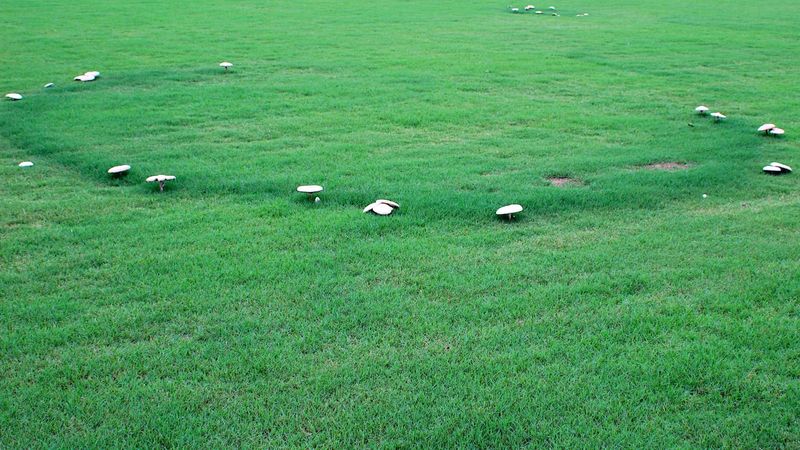
Thick fungal threads can coat soil particles, forming a barrier that sends rain running off instead of soaking in. That dryness explains the brown patches some rings create, even when the rest of the lawn looks lush.
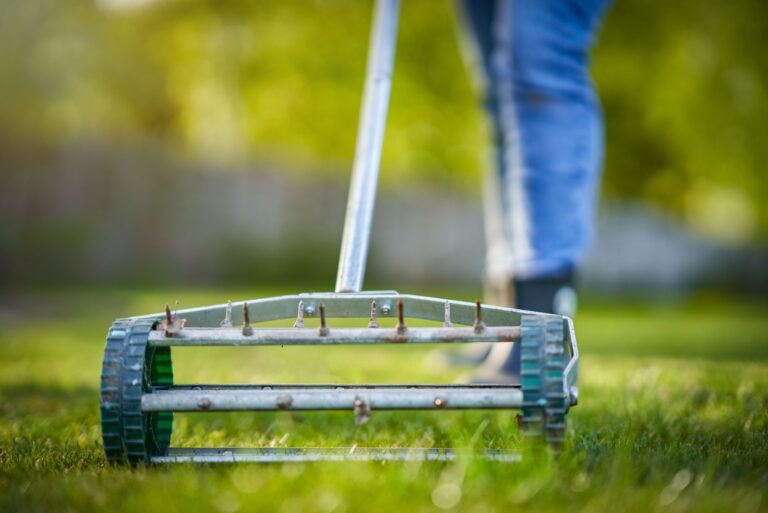
Start by poking holes across the ring with a garden fork, spacing them a few inches apart. Early October is a fine time for this job, since the ground stays soft after autumn showers.
Next, water the ring slowly and deeply, letting a hose trickle for a while instead of spraying it hard. Adding a lawn wetting agent, following the label directions, helps water move past that barrier.
Some rings show a bright green band where the fungus releases extra nitrogen as it munches through debris. A light dose of balanced fall fertilizer across the whole lawn can blend that band with surrounding grass.
Repeat the deep watering once or twice a week until the soil inside the ring feels evenly moist. Patience pays off here, since the fungus responds slowly and the grass needs time to bounce back.
Keep your expectations realistic, because these steps usually manage the ring rather than remove the fungus for good. Most homeowners find that a softer, greener circle is easy to live with and barely noticeable.
A Greener Lawn Ahead For Patient Gardeners
Many gardeners treat a circle of mushrooms as a thank-you note from the soil. That view has some truth, because many rings signal a yard that is quietly recycling its own nutrients.
Over time, buried wood and old roots break down, and the fungus runs short of food. Some rings fade on their own over the years as that food supply shrinks.
Soil with plenty of decomposed organic matter tends to be darker, softer, and better at holding moisture through dry spells. Grass growing there can fill in thicker once the ring fades.
Some soil fungi also help nearby plants by forming partnerships with roots, trading water and minerals for sugar. Fossil evidence suggests these root partnerships date back roughly 400 million years.
A healthy soil community can support stronger turf and may reduce the need for extra fertilizer. That can save you a few trips to the garden center.
Not every ring fades so neatly, and some keep spreading for decades in open fields. Even then, regular deep watering and loose soil help keep the grass looking healthy.
Snap a photo of the ring this October, then take another next fall to compare the changes. Watching your lawn slowly improve can feel surprisingly rewarding, like checking a growth chart on the kitchen wall.
Smart Fall Habits For Fewer Rings
Prevention starts with what lies beneath, so think about your soil the way a chef thinks about ingredients. Fungi thrive on buried leftovers, so the less hidden debris you have, the fewer rings tend to form.
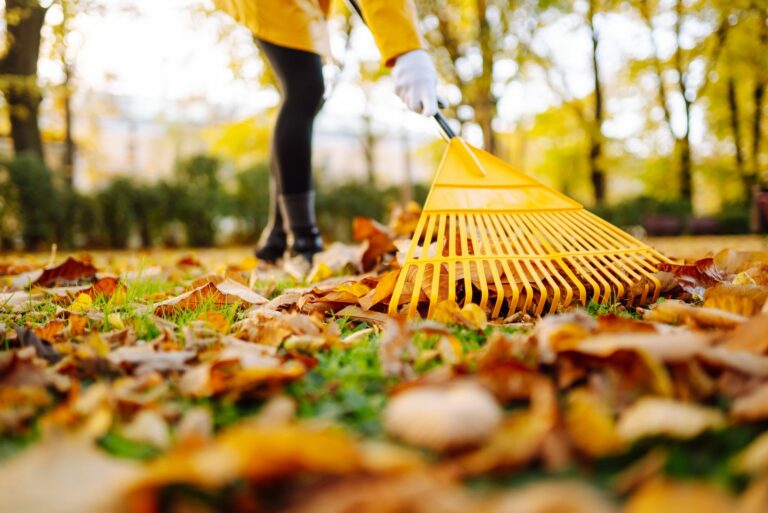
Rake fallen leaves every week or so this October, instead of letting soggy piles cover the grass for weeks. Mulching them finely with a mower works too, since tiny pieces break down fast without forming thick mats.
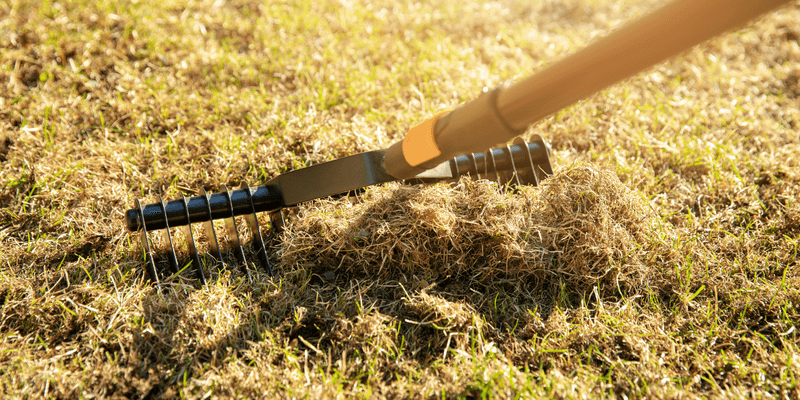
Thatch, the spongy layer of old stems above the soil, can also feed fungi when it gets thick. For cool-season grasses, early fall is a good time to dethatch, because the lawn recovers quickly in the cool, moist weather ahead.
Core aeration pairs nicely with dethatching, pulling small plugs of soil to let air and water reach roots. Loose, breathing soil helps water soak in evenly, which can reduce the dry patches that rings cause.
Anyone planning a new patio or garden bed should ask builders to haul away scrap wood instead of burying it. Old tree stumps deserve attention too, since grinding them down removes a feast that could last for years.
Watering habits matter as well, so aim for deep, less frequent soakings rather than quick daily sprinkles. Steady, even moisture keeps soil from drying into hard patches that fungi can claim as their own.
A light fall feeding rounds out the routine, helping grass grow thick enough to hide minor rings. Mushrooms may still visit after heavy rain, but a well-tended lawn treats them like brief, harmless guests.