What Those Black Spots On Your Tomato Leaves Are Actually Telling You
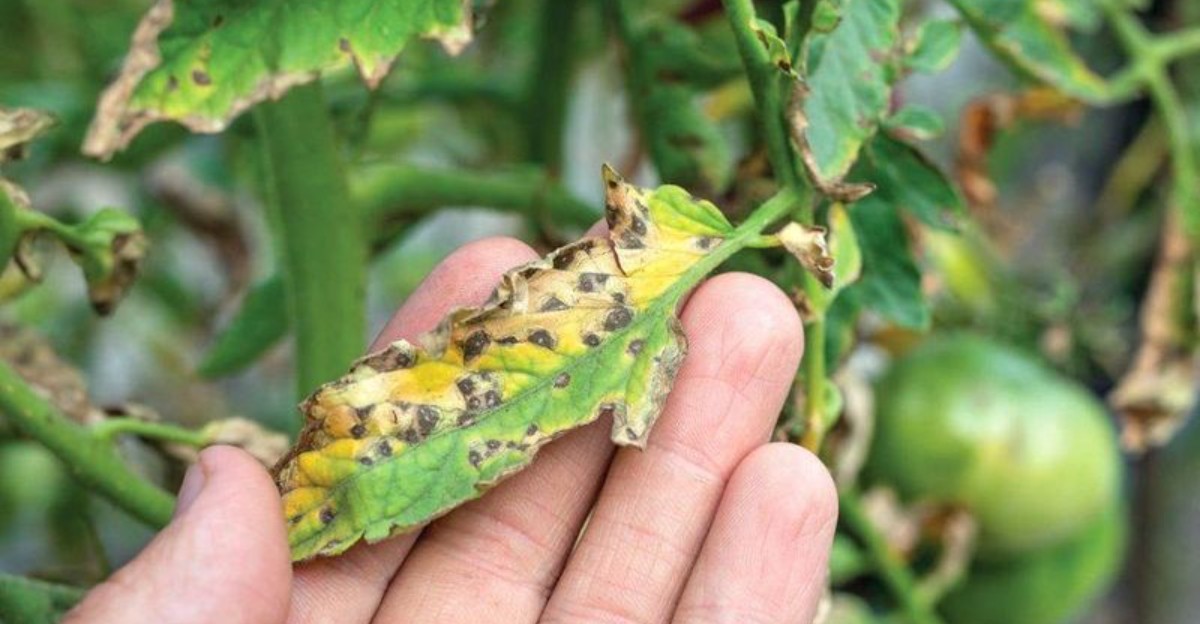
You step outside on a cool October morning, and something on your tomato plants looks off. Tiny dark freckles have appeared overnight, and they seem to be spreading like gossip at a picnic.
Those little marks are not random decorations, and they are not simply a sign of old age either. Each spot carries a clue about the weather, the soil, and the habits you follow in your garden.
Some gardeners panic and yank everything out, while others ignore the problem until the whole row looks tired. Neither choice helps much, because the real answer sits somewhere in the middle with a little detective work.
Reading those marks correctly can save your last ripening fruit and protect next year’s crop from the same trouble. The air is crisp, the afternoon sun is still warm, and the garden still smells green and earthy when brushed.
Most of those spots have been quietly growing for days before anyone noticed them. In a way, they are the plant’s very slow version of a text message.
The Fungus Behind Rings On Lower Leaves
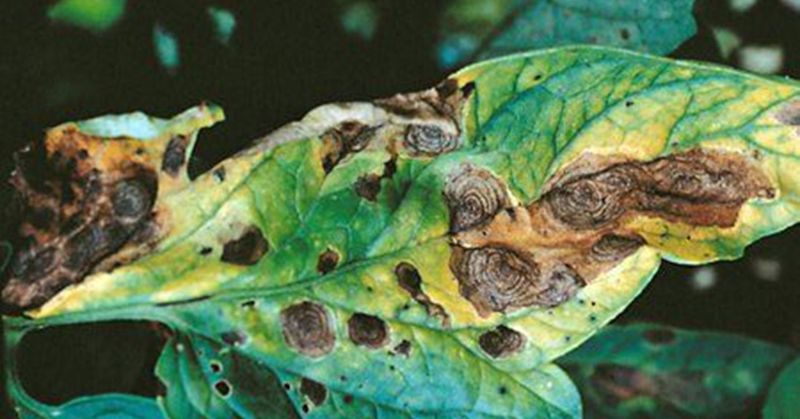
Picture a leaf with dark spots ringed like the inside of a tree stump, and you have met early blight. It is one of the most common causes of dark marks on tomato foliage across the country.
The culprit is a fungus called Alternaria, and its spores often hide in soil, old stems, and fallen leaves. Rain or hose water splashes those spores upward, landing them right on the lowest leaves of your plants.
That splashing explains a pattern you may have noticed, with trouble starting near the ground and climbing slowly. Older bottom leaves usually show spots first, then turn yellow around the edges before dropping off the stem.
Other problems can cause dark marks too, so it helps to compare what you see with a few examples. Septoria leaf spot makes many tiny spots with gray centers, while bacterial spot starts as small, greasy-looking dots.
Late blight is a more serious disease, creating large dark patches that spread fast during cool, wet stretches of weather. You might also spot fuzzy white growth under those leaves on damp mornings, which points strongly toward late blight.
Grab a magnifying glass and look closely, since those concentric rings are the clearest calling card of early blight. Snapping a phone photo also helps, because your local extension office can often confirm the problem at little or no cost.
Fun fact, the same fungus can bother potatoes, so keep an eye on any nearby potato patches as well. Knowing the exact cause shapes every choice you make next, from pruning to cleanup to planning next spring.
The Fall Weather Behind Every Fresh Spot
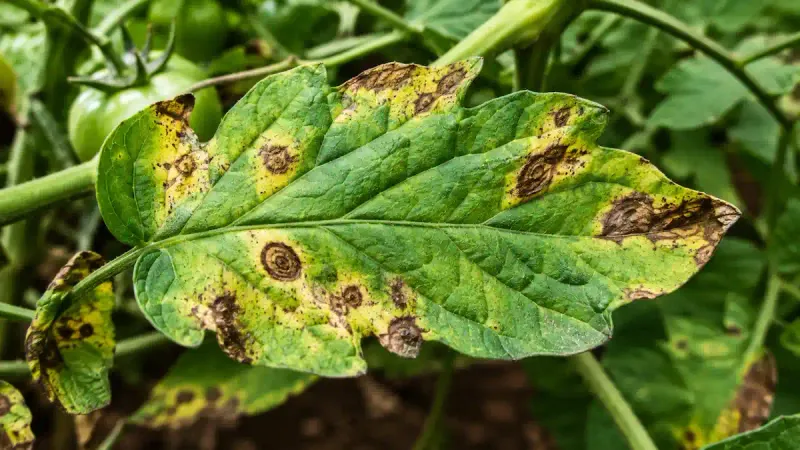
Early October can bring a combination of warm afternoons, chilly nights, and heavy morning dew on garden leaves. Fungal spores do well in that routine, because damp leaves give them hours to sprout and settle into the tissue.
Each foggy morning gives spores a chance to get started, since water droplets hold them in place on the leaf. Leaves that stay wet for several hours give early blight a better chance to take hold.
Plants are also worn out by this point in the year, after months of producing fruit and stretching upward. Older plants tend to have less natural resistance, so spots can spread more easily.
Shorter days matter too, since less sunlight means leaves dry more slowly after rain or a heavy dew. You may notice spots spreading faster now than they did earlier in the season.
Check your plants every few days this month, ideally late morning when the light is bright and clear. Flip a few lower leaves over, because early spots sometimes start small and easy to miss on top.
Keep a simple garden notebook, jotting down rainy days, foggy mornings, and the dates when new spots appear. Over time, you will see a clear link between damp spells and fresh trouble on your tomato leaves.
Timing also helps you decide how much effort to spend, since the first frost arrives within weeks in many areas. A plant with heavy spotting and only a few green fruits may not need a rescue mission at all.
The Watering Habit That Spreads Spores
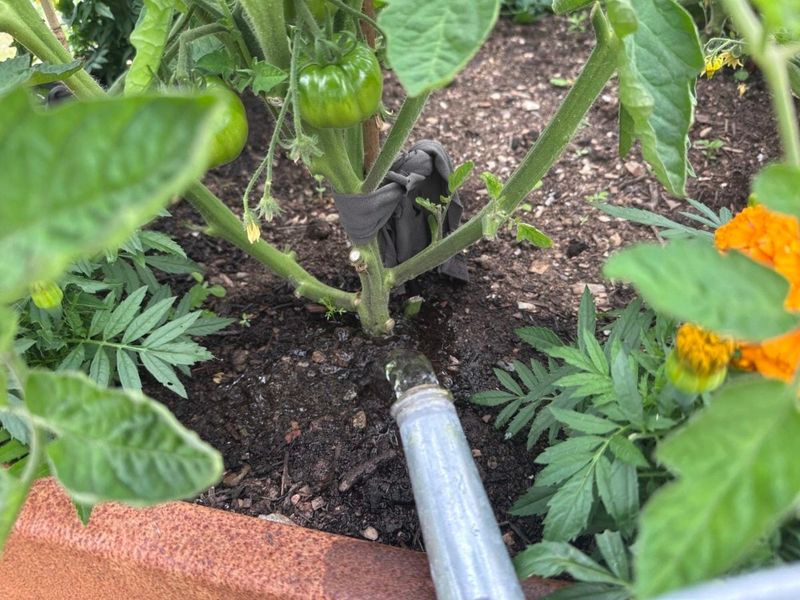
Plenty of caring gardeners accidentally spread spots with the very hose they use to help their plants. Overhead watering soaks the leaves and splashes soil upward, giving fungal spores a ride onto fresh foliage.
Evening watering can make the trouble worse, because leaves may stay damp through the cool October night. Spores need moisture to settle in, and that long, damp window gives them time to do it before the sun rises.
A better habit is watering at the base of each plant, slowly, during the early part of the day. Soaker hoses or drip lines work well here, since they deliver water straight to the roots without splashing.
Crowding causes a second common problem, especially when plants grow into a tangled jungle over the long season. Packed leaves trap moisture and block breezes, so the inside of the plant stays humid like a steamy bathroom.
Leaving fallen leaves on the ground is another slip, since each one can carry spores. Pick them up regularly and bag them, rather than tossing them onto the compost pile for later use.
Home compost piles often do not get hot enough to break down fungal spores, so infected material can return next year. Sending spotted leaves out with the trash helps keep your garden soil cleaner.
Changing just one watering habit this week can slow the spread, even this late in the season. Small tweaks like these cost almost nothing, and they work well alongside any spray.
A Quick Rescue Plan For Spotted Leaves
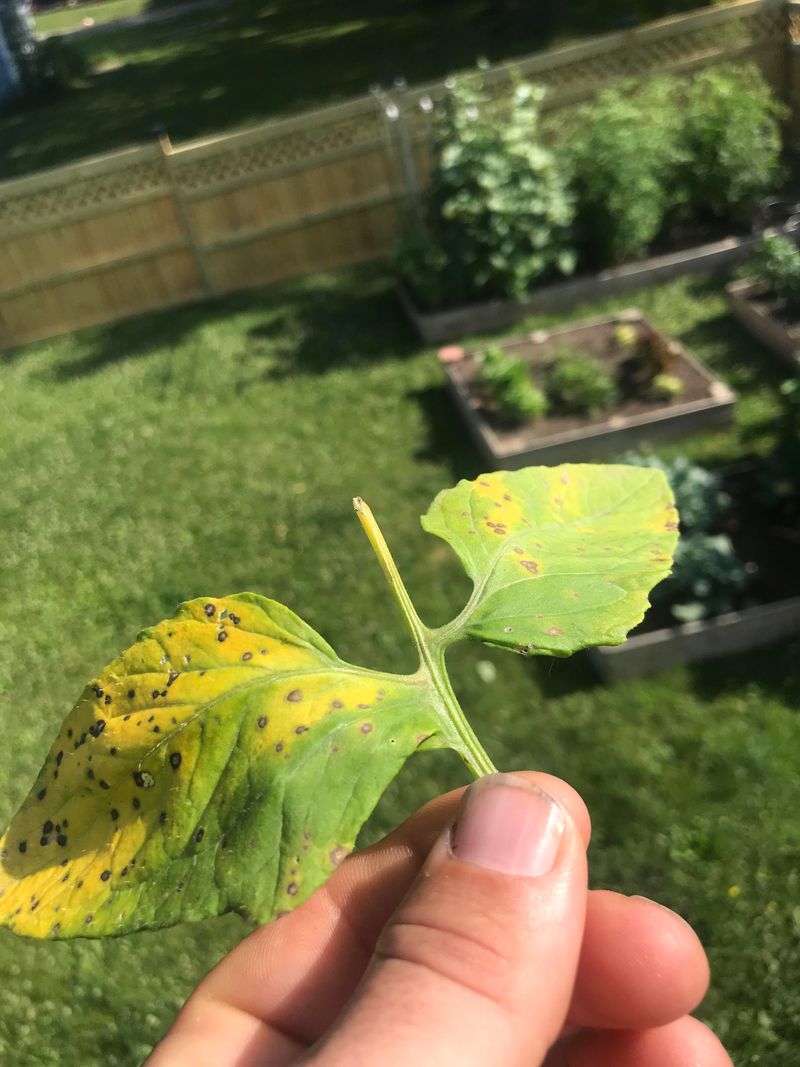
Start with clean pruning shears, a trash bag, and a calm mood, because this job rewards patience over speed. Snip off every leaf showing dark spots or yellowing, working from the bottom of the plant toward the top.
Try to remove no more than about one third of the foliage at a time to avoid stressing the plant. Leaves feed the ripening fruit, so the goal is cleaner growth rather than a bare, skinny stem.
Wipe your shears with a bleach and water mix between plants, using about one part bleach to nine parts water. That quick dip helps stop you from carrying spores from one plant to the next as you work.
Organic sprays containing copper or the helpful bacterium Bacillus subtilis can slow the spread on remaining leaves. Follow the label carefully, spraying on a calm, dry morning so the treatment has time to settle and stick.
Sprays work best as protection for healthy leaves, since they cannot erase spots that already formed earlier. Think of them like sunscreen, helping new growth stay clear rather than repairing the damage you already see.
Add a layer of straw or shredded leaves under the plants, creating a soft barrier between soil and foliage. Mulch reduces splashing during fall rains, and it also keeps the roots a little warmer on chilly nights.
Keep checking every few days, removing new spotted leaves as they appear and wiping your tools each time. Steady attention over the next few weeks usually keeps the problem manageable until your final harvest comes in.
The Harvest Outlook For Spotted Plants
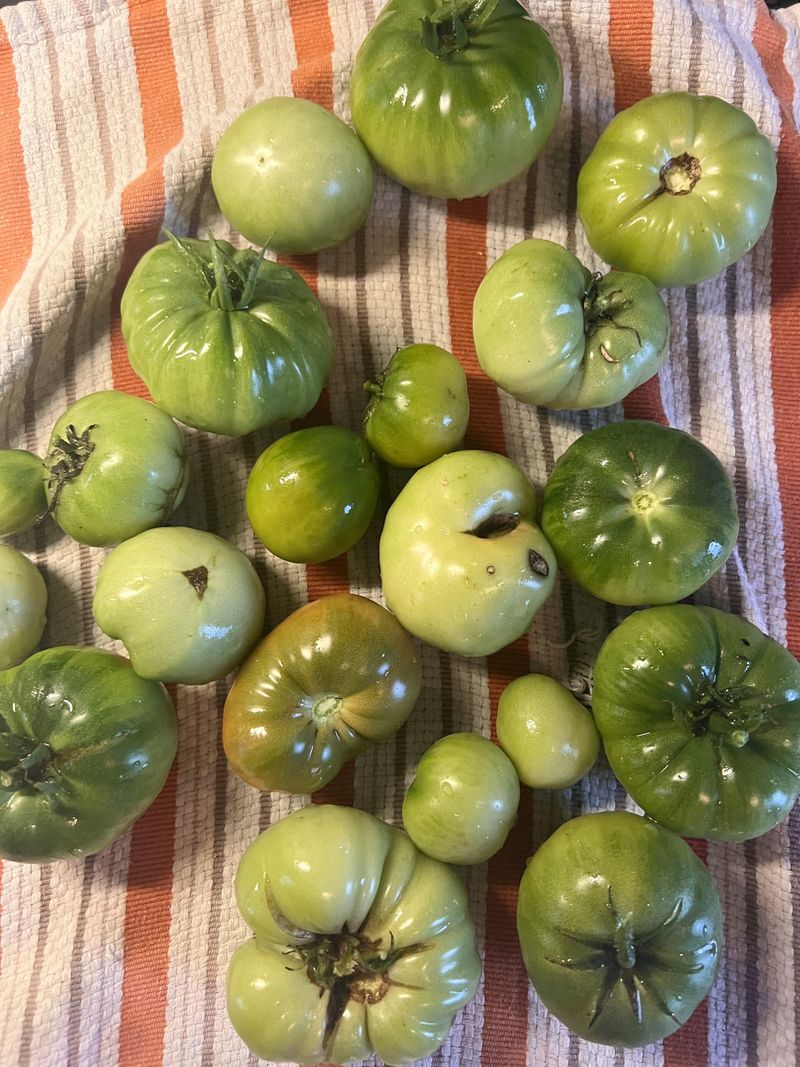
Spotted leaves do not always mean spotted fruit, so those tomatoes hanging on the vine may still be fine to eat. Early blight mostly targets foliage, though it can sometimes leave dark, sunken marks near the stem end.
Fruit with small marks can often be eaten once you cut away the damaged part with a knife. Toss any tomato that feels mushy, smells sour, or shows fuzzy mold, since those signs point to deeper rot.
The bigger change shows up in the plant itself, since losing leaves means less energy for ripening fruit. Exposed tomatoes can also get sunscald, a pale, leathery patch caused by strong sun hitting unshaded skin.
In early October, many gardeners pick green tomatoes that show a light blush and let them ripen indoors. Set them stem side down on a counter, away from direct sun, and check them every couple of days.
Placing a ripe banana nearby speeds things up, thanks to the natural ethylene gas that bananas slowly release. A paper bag works too, since it holds that gas close around the fruit.
Unripe fruit that refuses to color still has value, especially in fried green tomatoes or tangy homemade relish. Green tomato chutney is a classic fall recipe, and it makes a thoughtful gift for neighbors and friends.
A spotted plant can still feel like a small win when you count every jar and every sliced tomato. Celebrate what this season gave you, then turn your attention toward making next year’s patch even stronger.
Garden Cleanup For A Healthier Next Season
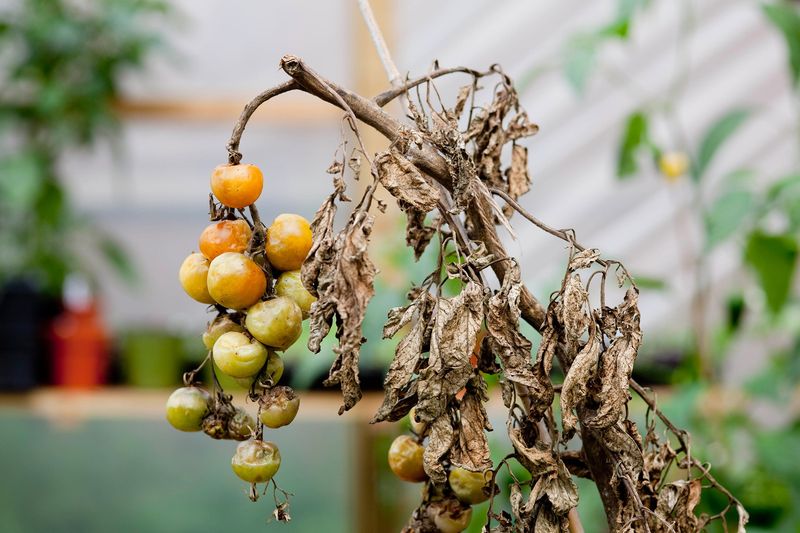
Did you know fungal spores can survive winter tucked inside old tomato stems, waiting patiently for warmer weather? That sneaky survival trick makes fall cleanup one of the smartest favors you can give next year’s garden.
Once your harvest wraps up, pull the plants, roots and all, and bag them for the trash collection. Rake up fallen leaves and loose fruit too, leaving the bed tidy, bare, and ready for a fresh start.
Crop rotation is another powerful habit, which means planting tomatoes in a different spot for the next few years. Try waiting at least three years before returning, and avoid using that bed for potatoes, peppers, or eggplants.
A cozy blanket of fall leaves or a cover crop like winter rye protects the soil during colder months. Healthy soil supports sturdier plants, and sturdier plants are better able to handle fungal problems.
Winter is also a great time to browse seed catalogs for varieties labeled resistant or tolerant to early blight. Iron Lady is one popular pick bred with resistance to both early and late blight, so check each seed label for the exact diseases covered.
Next season, give each plant elbow room, and stake or cage them early to keep leaves off the ground. Good airflow helps leaves dry quickly after rain, which leaves spores far fewer chances to settle in.
Prevention feels less exciting than rescue work, but it often saves the most time, money, and frustration later. A little effort this October can mean greener leaves and a bigger, healthier harvest when tomato season returns.