This Is When To Stop Mowing Your Texas Lawn
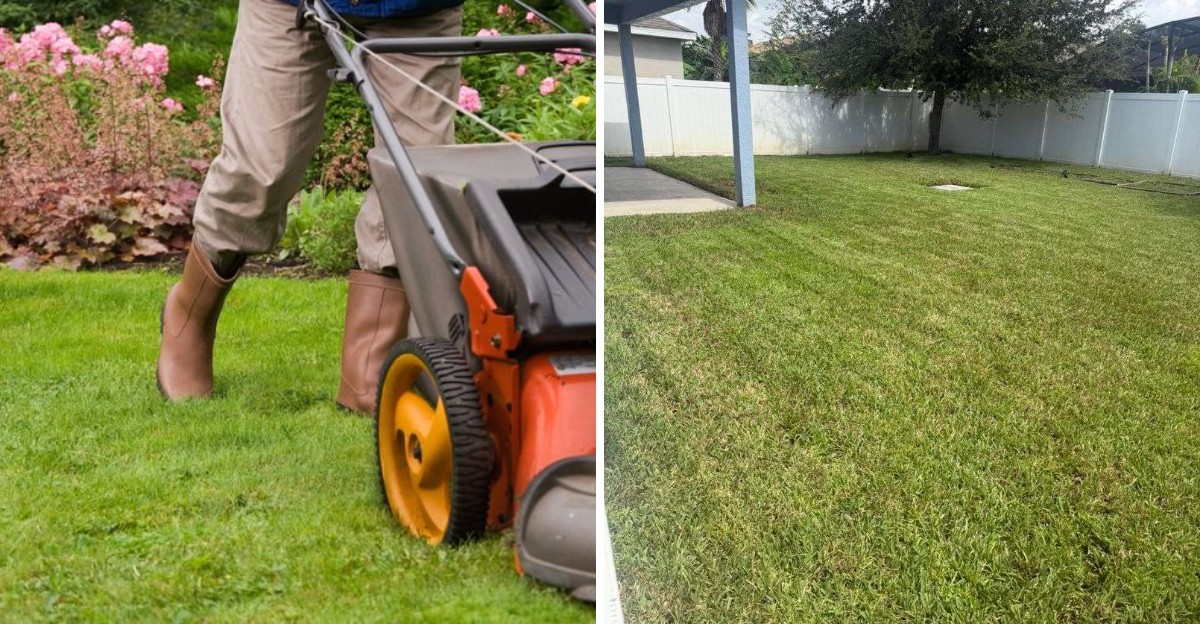
In the Texas Panhandle, the mower might be parked by Halloween. Down in the Rio Grande Valley, it could still be running at Christmas.
That’s the thing about lawn care in a state this big. There’s no single date that works for everyone.
Most Texas lawns are made up of warm-season grasses that love heat and sunshine. As the days get shorter and the soil cools, their growth slows way down.
Eventually, they slip into winter dormancy and turn a tan or golden brown until spring. Mowing on a summer schedule during that transition can stress the grass right when it needs to store energy.
Cutting too short can also leave it more exposed to cold snaps and weeds. Knowing the signs that your lawn is winding down can help you make the final cut at just the right time.
Stop When Your Grass Goes Dormant
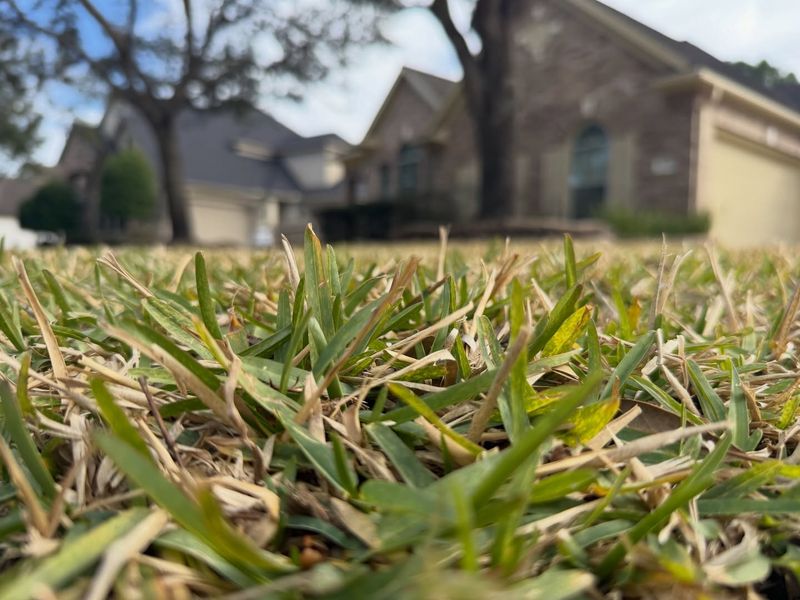
Your lawn has a built-in calendar, and it is smarter than any app on your phone. Most Texas yards are covered in warm-season grasses. That includes St. Augustine, Bermudagrass, zoysia, and buffalograss.
Each of these grasses loves hot weather. They grow fast in July and August when the sun is blazing. Once the cold starts creeping in, though, they slow down and take a long winter nap called dormancy.
During dormancy, the blades turn a tan or straw color. Some people panic and think their lawn is ruined. Relax, because the roots are still alive and resting under the soil.
So how do you spot the change? Watch how fast your grass grows between mowings. If you mowed a week ago and the lawn still looks freshly cut, growth has almost stopped.
Color is another big clue. When most of the yard shifts from green to brown or tan, your grass is telling you it is done for the year. This usually happens after the first frost or after a few weeks of cool nights.
Soil temperature plays a part too. Warm-season grasses slow down when the soil drops below about 60 degrees. You can check with a cheap soil thermometer from any garden store.
Once growth stops, there is no reason to keep mowing. Cutting resting grass does nothing helpful. It can even stress the plants and waste your gas.
Fun fact: buffalograss is native to Texas prairies. Bison grazed on it for thousands of years, long before anyone owned a lawn mower.
Let your grass rest, and it will reward you with fresh green growth when spring returns.
Timing Depends On Where You Live
Texas is so big that you could drive for twelve hours and still be in the same state. That size means winter shows up at very different times depending on your zip code. Your neighbor across the state might still be mowing while you are already done.
Up in the Panhandle and North Texas, cold weather arrives early. Cities like Amarillo, Lubbock, and Dallas often see their first frost in November.
Lawns there usually go dormant soon after, so the last mow often lands in early to mid November.
Your Texas Garden Changes Every Week. Your Plan Should Too.
Gardening in Texas changes quickly throughout the season. Every Friday you’ll receive a simple weekly plan showing exactly what to plant, prune, fertilize, harvest, and protect so you never miss the right timing.
Central Texas runs a little later. In places like Austin, Waco, and San Antonio, the grass may keep growing slowly into late November. Some years, homeowners make their final cut in early December.
South Texas and the Gulf Coast play by different rules. Around Houston, Corpus Christi, and the Rio Grande Valley, winters are often mild. Grass may slow down but stay partly green all season long.
If you live down south, you might need to mow every few weeks during warm spells. Just raise your expectations for how often. A trim once or twice a month is usually plenty.
A handy trick is to check your local first frost date online. The Texas A&M AgriLife Extension office has great guides for every region. They can tell you what is normal in your county.
Also, keep an eye on the forecast. A surprise warm spell in December can wake up some grass for a short while.
Mow only if it actually grows. Knowing your region helps you stop at just the right moment.
Don’t Scalp The Lawn Before Winter
Plenty of folks have the same thought in the fall. Why not cut the grass super short one last time so it looks tidy all winter? It sounds smart, but it can actually hurt your lawn.
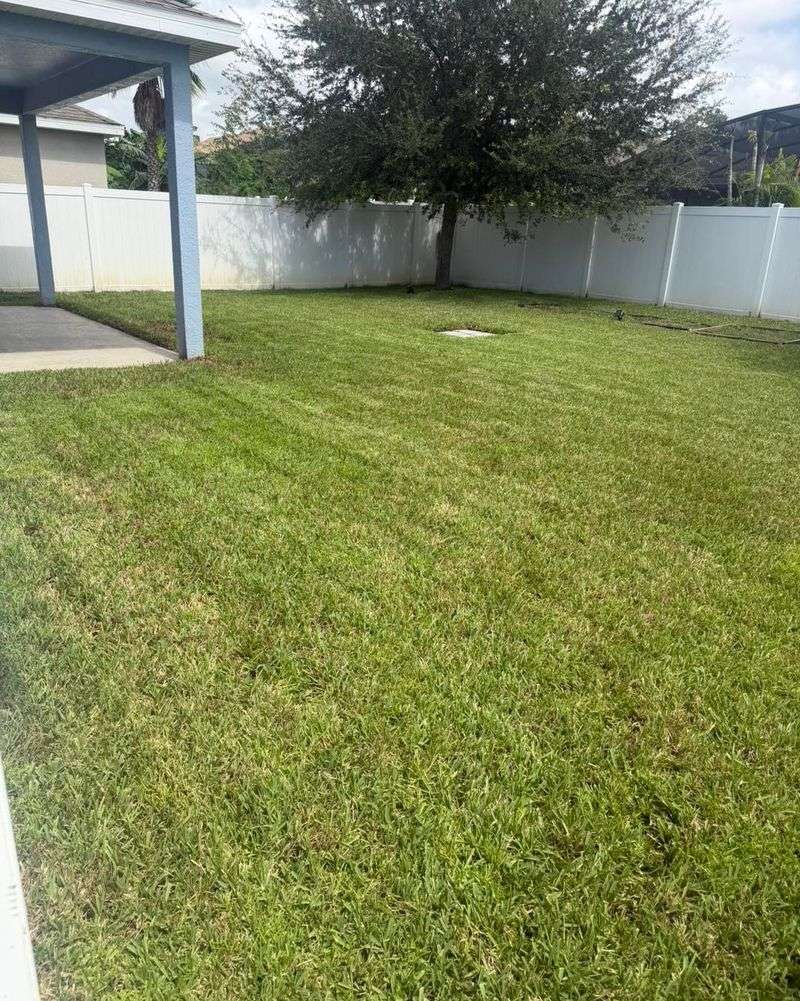
Cutting grass very low is called scalping. It removes most of the green leaf and leaves the crown of the plant exposed. The crown is the part near the soil where new growth starts.
Leaf blades act like a cozy blanket. They trap a little warmth and shield the crown from icy wind and frost. Without them, cold snaps can do real damage.
St. Augustine is the most sensitive to this problem. It does not handle hard freezes very well, especially in North Texas. A scalped St. Augustine lawn may come back thin and patchy in spring.
The fix is easy. Keep mowing at your normal height right up until growth stops. Do not drop the mower deck for the final cut. Here are some general heights that work well:
St. Augustine likes about 3 to 4 inches. Bermudagrass does well around 1 to 2 inches. Zoysia usually sits between 1 and 2.5 inches, while buffalograss can stay 2 to 4 inches tall.
Also remember the one-third rule. Never cut off more than one third of the blade in a single mowing. Taking too much at once shocks the grass.
A slightly taller lawn heading into winter might not look perfect. Still, it gives your grass the best shot at waking up strong and green when the weather warms.
Never Mow Frosty Grass
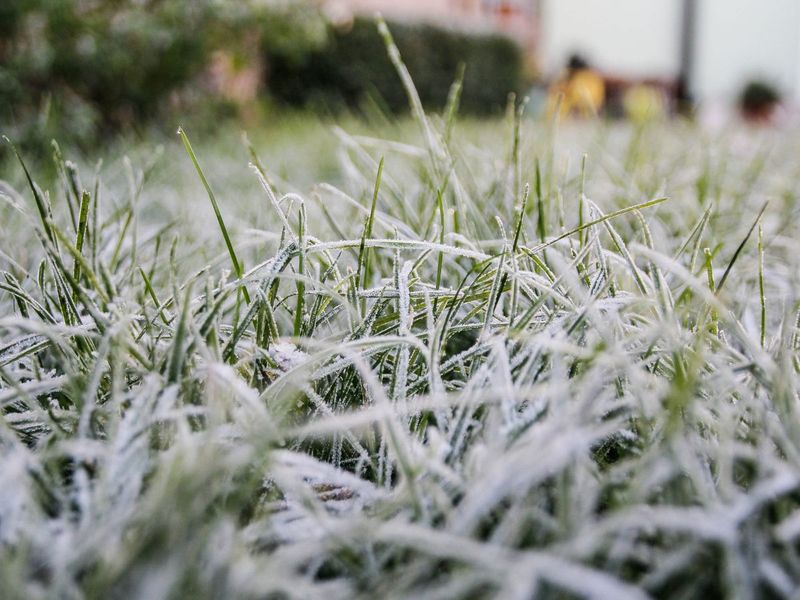
Ever walked across a frosty lawn and looked back? You may have noticed a trail of dark footprints. A few days later, those spots often turn brown.
That happens because frost freezes the water inside each grass blade. Frozen blades turn stiff and brittle, almost like thin glass. Any pressure can crack the cells inside them.
Now think about a heavy mower rolling over that same grass. The wheels crush the blades, and the spinning blade tears them instead of cutting cleanly. The result is ugly brown streaks and damaged patches.
The best move is simple patience. Wait until the sun has melted all the frost. In most of Texas, that usually happens by late morning.
Even after the frost is gone, give the lawn time to dry. Wet grass clumps under the mower deck and leaves soggy piles behind. Those clumps can smother the grass beneath them.
A good test is to touch the blades with your hand. If they feel cold, crunchy, or damp, wait longer. If they feel dry and soft, you are good to go.
Try to keep foot traffic off frosty grass too. Ask kids and pets to wait before running around the yard on icy mornings. It might feel silly, but it really helps.
Quick tip: if you must cross the lawn, stick to a paved path or stepping stones. Your grass will thank you in spring.
Mowing in the afternoon on cold days is a smart habit. The grass is warmer, drier, and much tougher by then.
Overseeded Lawns Need Mowing All Winter
Some Texans refuse to live with a brown yard in winter. Their secret weapon is ryegrass. If you are one of them, your mowing season is far from over.
Overseeding means spreading ryegrass seed over your dormant warm-season lawn in the fall. Ryegrass loves cool weather. It sprouts quickly and gives your yard a bright green color from fall through spring.
Here is the catch. Because ryegrass keeps growing, it needs regular mowing. You may be out there every week or two, even in January.
Most people keep ryegrass around 1.5 to 2.5 inches tall. Mowing at that height keeps it neat and helps it fill in nicely. Make sure your mower blade is sharp so it cuts cleanly.
Watering matters too. Ryegrass needs some moisture during dry Texas winters. Light watering once a week is often enough unless it rains.
As spring arrives and temperatures climb, the ryegrass will start to fade. Your Bermudagrass or other warm-season grass will begin waking up underneath. During this switch, mow a bit lower to let sunlight reach the waking grass.
Did you know? Many golf courses in Texas overseed with ryegrass every fall. That is why fairways often look green in the middle of winter.
One word of caution. Overseeding works best on Bermudagrass. It is usually not a good idea for St. Augustine, since the ryegrass can compete with it. If you love green grass all year, enjoy it. Just keep that mower ready.
Handle Leaves And Winter Weeds
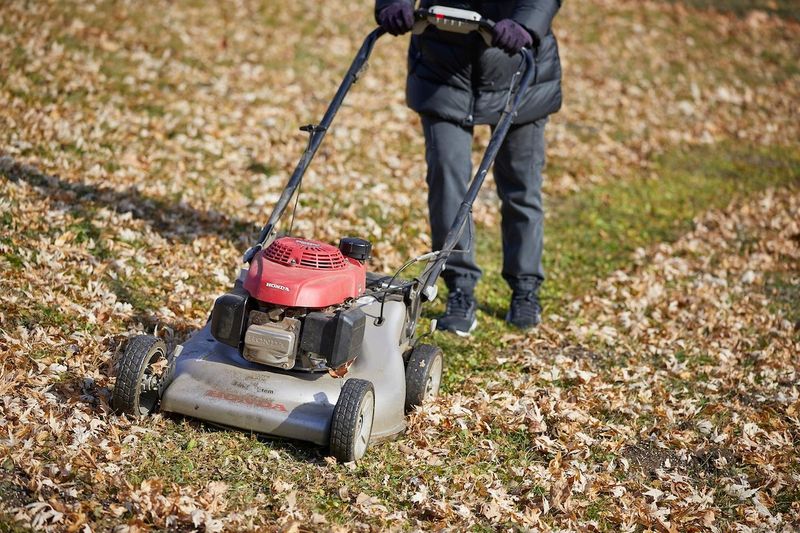
Just when you think the mowing is finished, the oak and pecan trees drop a thick layer of leaves. Your yard suddenly looks like a brown carpet. Good news, your mower can still help.
Instead of raking for hours, run the mower over the leaves. A mulching mower chops them into tiny pieces. Those bits break down and feed your soil with natural nutrients.
Do not let leaves pile up too thick, though. A heavy layer blocks light and traps moisture. That can lead to mold and thin spots in spring.
Winter weeds are another reason to fire up the mower. Henbit, with its small purple flowers, pops up in many Texas yards. Annual bluegrass is also common and grows in light green clumps.
These weeds want to make seeds before spring. Mowing them down before they flower keeps them from spreading. Fewer seeds now means fewer weeds next year.
Once you are truly done for the season, give your mower some care. Here is a simple checklist:
Scrape grass and dirt off the bottom of the mower deck. Add fuel stabilizer to the gas tank and run the engine a few minutes. Sharpen or replace the blade so it is ready for spring.
Store the mower in a dry garage or shed. Cover it to keep dust off. If it is battery powered, keep the battery indoors where it stays above freezing.
A little effort now saves big headaches later. Come spring, your mower will start right up and be ready for that first cut.