Grow These Plants Near Your Carrots For A Bigger Harvest
You pull up forked, stubby, chewed carrots and blame your seeds. Soil matters, but the neighbors count too.
Some companions mask the scent that lures carrot rust flies to your rows. Others may confuse those flies, so you may need less spray.
Leafy partners shade the soil and keep it cool during hot afternoons. Fast sprouters break the crust for slow seedlings, so you harvest them early.
Low growers hold moisture around thirsty roots. Pungent allies work double duty, shielding your rows while sharing space politely.
Poor companions can slow growth or attract pests. Choose partners carefully, and you tilt the odds toward fat, straight, sweet roots.
Position matters as much as pairing. In the Northern Hemisphere, sow tall helpers on the north side.
Space your rows wide enough for airflow and weeding. Soon you may pull straighter, fuller roots.
1. Onions Confuse The Carrot Fly
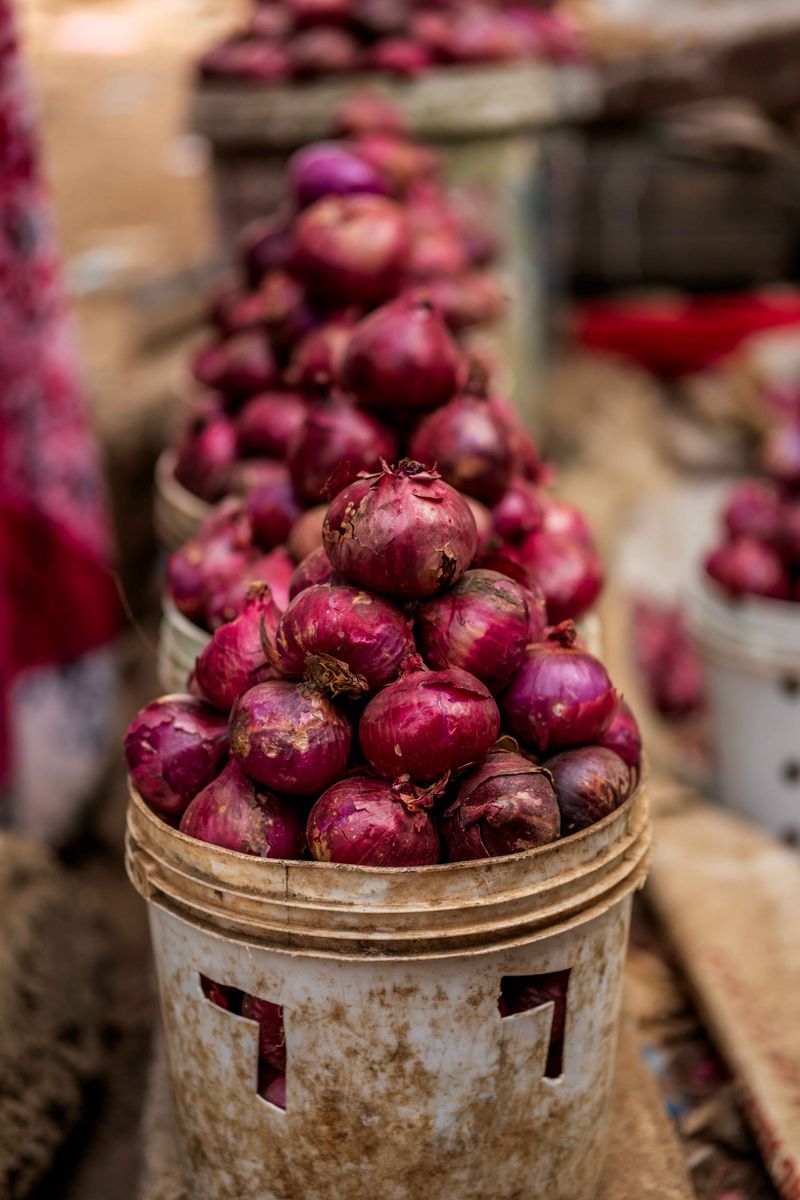
Picture a tiny fly sniffing the air for carrots and smelling onions instead. That sharp smell is a useful tool against a common and damaging carrot pest.
Carrot flies find their dinner by scent, and they can detect carrot leaves from a distance. Strong onion smell can mask that sweet carrot scent, so the flies may struggle to find your carrots.
The favor goes both ways in this garden friendship. Carrot scent may confuse onion flies too, which may help your onions grow clean and firm.
Try planting one row of onions, then one row of carrots, and repeat. Space the rows about 8 to 12 inches apart so both crops have room underground.
Onions grow mostly up near the surface, while carrots push their roots deep down. Since they live at different soil levels, they rarely compete for water or food.
Planting in October works great in mild climates for a spring harvest. In colder places, plan your pairing now and order onion sets for early spring planting.
Keep weeds pulled, because weeds compete with both crops for water. A thin layer of straw mulch helps hold moisture and keeps soil from crusting.
Thin your carrots carefully, since bruised leaves release scent that draws flies. Do the thinning on a calm evening and pinch extra seedlings rather than yanking them.
For stronger protection, cover young carrots with fine insect mesh at sowing, since carrot flies fly low.
With this simple teamwork, you get two harvests from one bed. Your kitchen may smell wonderful through the season.
2. Leeks Build A Smelly Shield
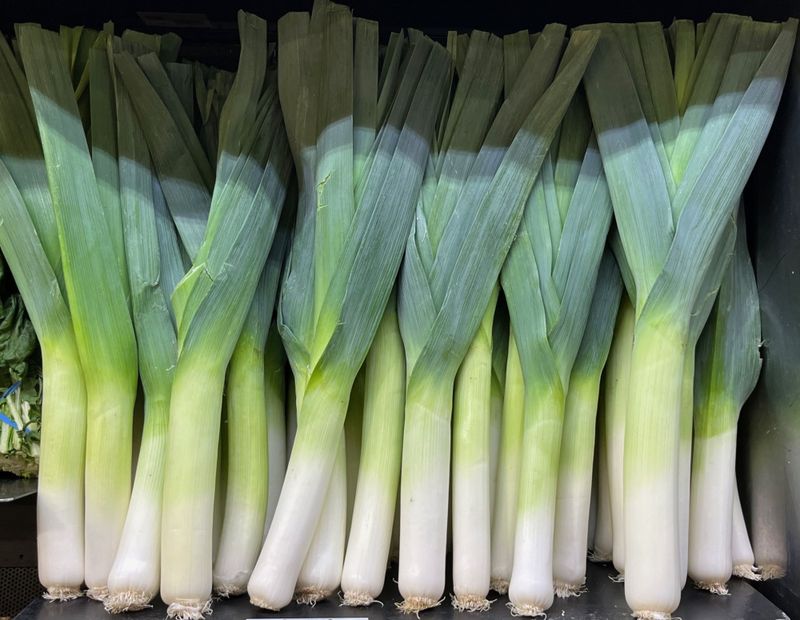
Gardeners in Europe have traditionally paired leeks and carrots. Traditional gardening guides often recommend this pair.
Leeks act a lot like onions, giving off a strong smell that may hide carrots from pests. The bonus is that carrots may return the favor by confusing leek moths and onion flies.
Leeks also grow tall and slim, so they cast very little shade. Your carrot tops still get plenty of sunshine to feed the roots below.
Plant leek seedlings in a row, then sow carrot seeds about a foot away. Some gardeners mix them in the same row, placing one leek every few inches.
Leeks take a long time to grow, often over 100 days. That slow pace matches carrots nicely, since both crops can share the bed for months.
In October, many leeks are just getting ready for harvest. Pull a few, then note how your carrots nearby looked, and plan next year’s layout.
Leeks like rich soil with lots of compost mixed in. Carrots prefer loose soil without fresh manure, so add compost the season before planting.
Water deeply once a week instead of a little every day. Deep watering pushes carrot roots downward and helps leeks thicken their white stems.
If you like soups, this pairing works well. Carrots and leeks taste great together in the pot, just like they grow well together outdoors.
3. Rosemary Guards The Garden Edge
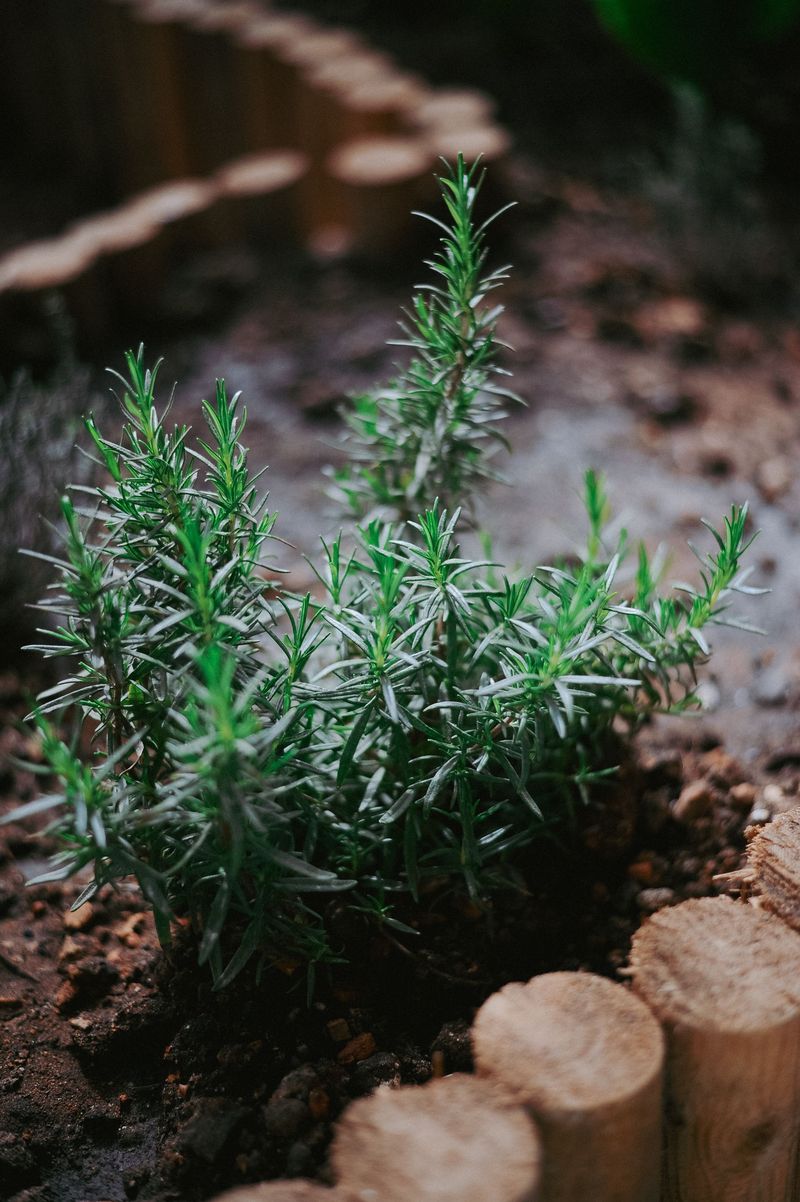
Brush your hand across rosemary and your fingers smell like a fancy kitchen for an hour. Pests find that piney scent far less charming than you do.
Rosemary releases oils that may help cover the smell of carrot leaves. Carrot flies may be less likely to find your rows.
Since rosemary is a woody shrub, it works best along the edge of your carrot bed. Plant it at the corners or in pots placed right next to the rows.
Pots are handy in colder areas because rosemary dislikes hard freezes. In October, you can move potted plants close to the house or indoors by a sunny window.
Rosemary loves dry, sandy soil and full sun. Carrots also enjoy loose, sandy ground, so this pair shares similar tastes in dirt.
Be careful with watering, though, since rosemary dislikes soggy roots. Water the carrots at their base and let the rosemary stay on the drier side.
Bees adore rosemary’s small blue flowers, which bloom in fall and winter in mild climates. Those buzzing visitors help the rest of your garden too.
Snip sprigs often to keep the plant bushy and full. Every cutting releases more scent, which may give your carrots an extra layer of cover.
Roast your harvested carrots with fresh rosemary, olive oil, and salt. Dinner becomes a delicious reminder of how well these plants get along.
4. Sage Brings Strong-Scented Protection
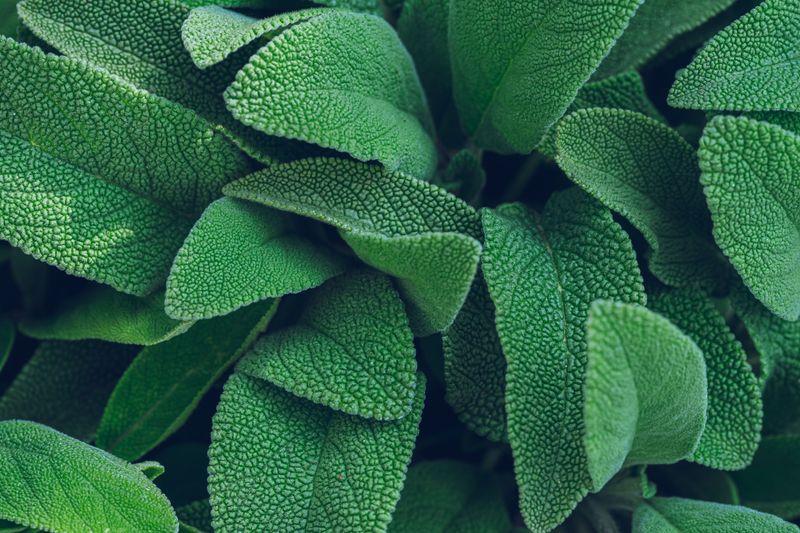
Many gardeners keep sage by their carrot patch and swear by it. They may be onto something.
Sage has fuzzy, gray-green leaves packed with strong-smelling oils. That smell may help hide carrots from carrot flies and can also discourage some moths.
The plant grows into a small bush about two feet tall. Place it at the end of your carrot rows so it does not shade the feathery tops.
Sage likes sunny spots and soil that drains quickly. Wet roots make sage sulk, so raised beds are a great choice for this pair.
A single plant can live for several years in many climates. Plant it once, and it keeps standing guard season after season.
In October, give sage a light trim to tidy it for winter. Avoid heavy pruning this late, since new growth may get damaged by frost.
Dry the leaves you cut and save them for holiday stuffing. Hang small bundles upside down in a warm, dry room for about two weeks.
Purple sage flowers appear in late spring and draw bees and butterflies. More pollinators mean a healthier, busier garden overall.
Traditional advice says to keep sage away from cucumbers. Carrots, cabbage, and tomatoes are commonly paired with sage.
One fragrant bush brings protection, flavor, and beauty. That is a lot of value from a humble kitchen herb.
5. Radishes Break Up The Soil
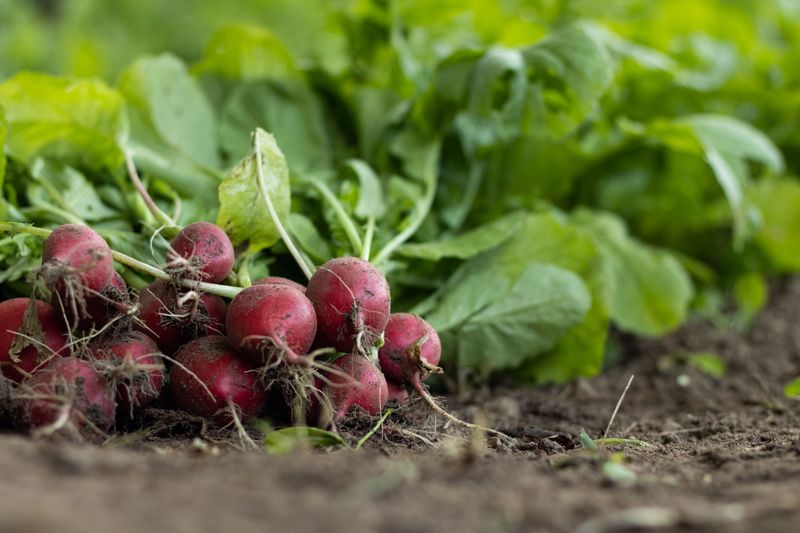
Carrot seeds are slowpokes, often taking two to three weeks to sprout. Radishes pop up in just a few days, like eager kids racing to recess.
That speed is useful in a clever way. Mix radish seeds with your carrot seeds and sow them together in the same row.
The quick radishes show you exactly where your row is. You will not accidentally weed or step on carrots that have not appeared yet.
Radishes also push through crusty soil, breaking it open for the weak carrot sprouts. Tiny carrot seedlings struggle with hard ground, so this helps.
Most radishes are ready to pull in about 25 to 30 days. Harvesting them loosens the soil and leaves gaps where carrots can spread.
Think of radishes as a natural thinning tool. Each pulled radish frees up space, so carrots get room without much extra work.
Fall is a great time for this trick in mild climates. Cool weather keeps radishes crisp and stops them from turning woody and spicy.
Use about one radish seed for every ten carrot seeds. Too many radishes can crowd the row before you pull them.
Choose round varieties like Cherry Belle for quick harvests. Long daikon types grow too big and may compete with carrot roots.
You get a bonus snack weeks before carrots are ready. Slice the radishes into salads and enjoy the early reward.
6. Lettuce Keeps Soil Cool And Moist
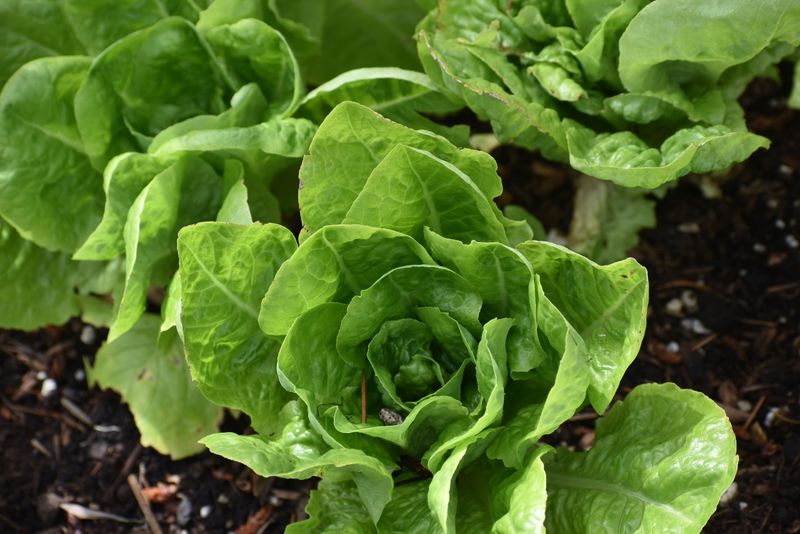
Here is a pairing that feels like a salad bowl growing in the ground. Lettuce and carrots share space with hardly any squabbling.
Lettuce has shallow roots that stay near the top of the soil. Carrots grow deep, so the two crops pull water from different layers.
Broad lettuce leaves shade the soil around them. That shade keeps the ground cooler and helps it hold moisture longer between waterings.
Carrots grow sweeter and smoother when soil stays evenly damp. Sudden dry spells can cause cracked or split roots, so steady moisture really helps.
Plant lettuce in rows between your carrot rows, or tuck small heads along the edges. Leaf lettuce works well since you can pick outer leaves often.
Lettuce loves cool fall weather, making October a fine month to grow it. Cool weather keeps the leaves crisp and mild.
Watch for slugs, which love lettuce as much as you do. Check under leaves in the evening and remove any slimy visitors you find.
Harvest lettuce before it gets tall and bitter. Pulling mature heads opens space for carrots right when they need more room.
A loose row cover can protect both crops from cold nights. It also blocks flying pests that might target young carrot tops.
By sharing one bed, you save space and grow more food. Small gardens benefit the most from this tidy, leafy teamwork.
7. Chives Offer Pretty Purple Pest Control
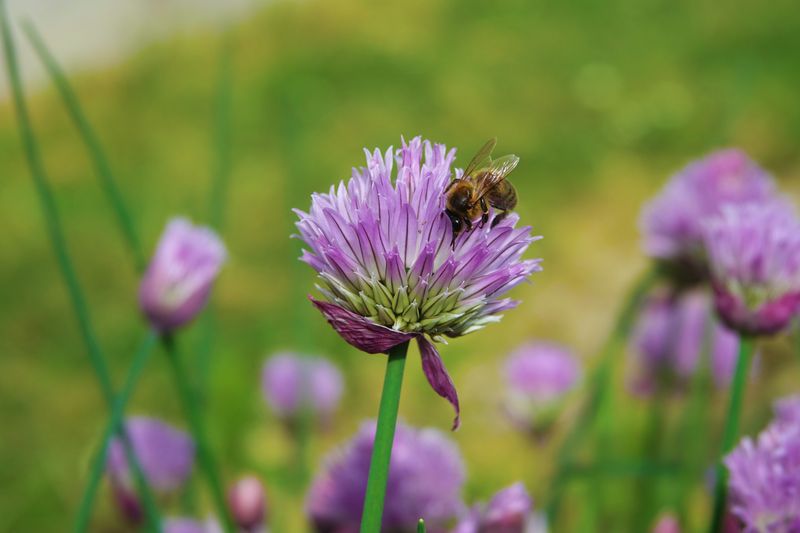
Few garden plants look as cheerful as chives in full bloom. Their round purple flowers look like tiny pom-poms waving in the breeze.
Behind that cute look hides a strong onion scent. Like their onion cousins, chives may help mask carrot smells and keep carrot flies guessing.
Some gardeners believe chives can even improve carrot flavor. Science has not proven that yet, but plenty of growers swear by the tastier roots.
Chives stay fairly small, usually 12 to 18 inches tall. You can tuck clumps right between carrot plants without blocking much sunlight.
These plants come back every year from the same roots. Plant them once, and they return each spring with fresh green shoots.
October is a good time to divide old clumps of chives. Dig them up, split them into smaller bunches, and replant near your carrot bed.
The flowers bring in bees, hoverflies, and other helpful bugs. Hoverfly babies munch on aphids, which may visit carrot leaves.
Snip chive leaves often to keep plants full and tender. Cut them about two inches above the soil so they regrow quickly.
Remove flower heads after blooming if you do not want chives spreading everywhere. They drop seeds freely and can pop up all over the garden.
Sprinkle chopped chives over buttery cooked carrots for a quick side dish. Your garden partners end up sharing a plate too.
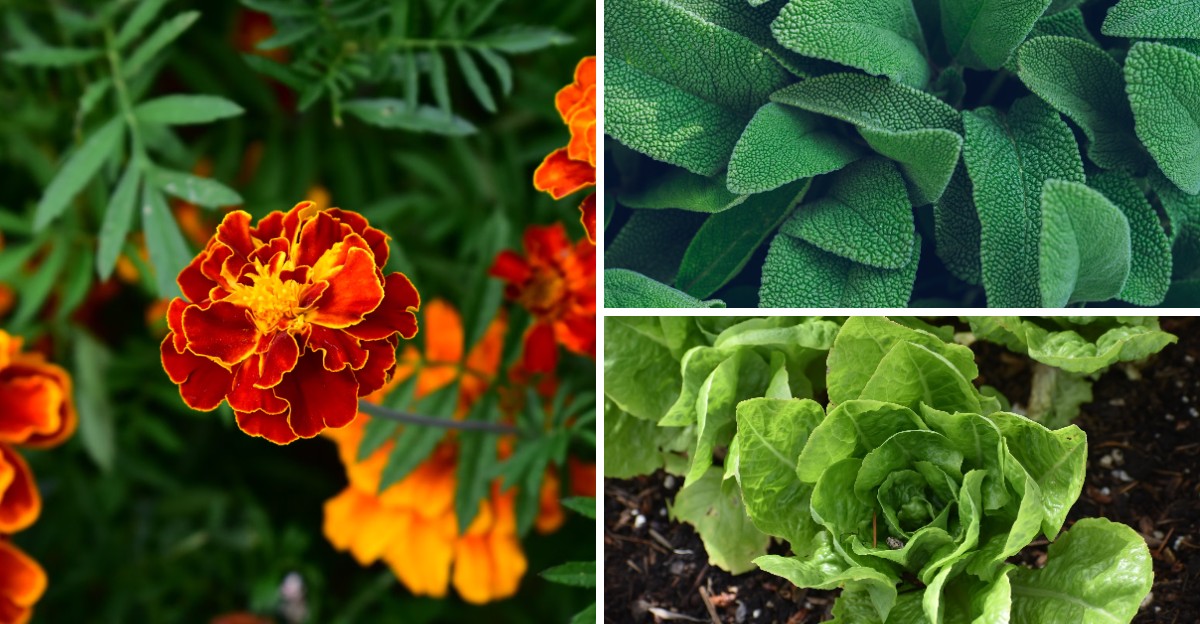
8. Marigolds Defend Roots Underground
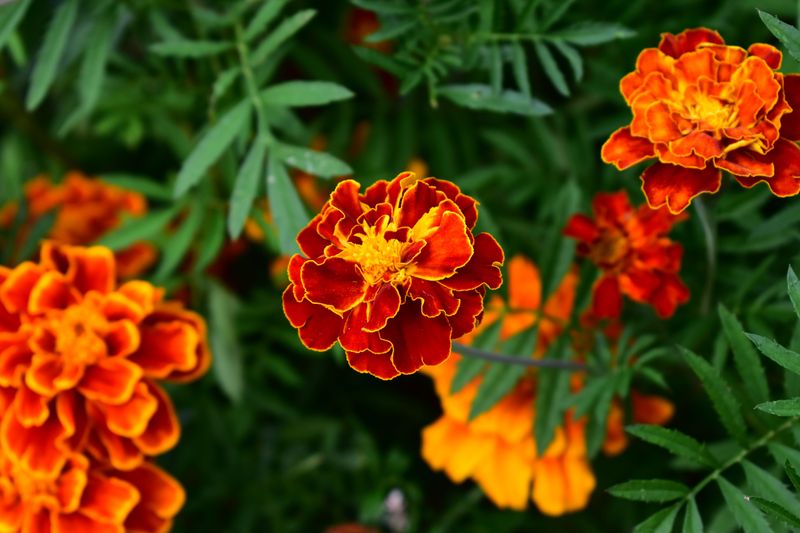
Bright orange marigolds look like tiny suns lighting up the garden. Underground, though, they may be doing even more important work.
Some soils hold microscopic roundworms called nematodes that harm carrot roots. Damaged roots can turn forked, hairy, or bumpy instead of straight and smooth.
French marigolds release natural chemicals from their roots. Studies suggest these chemicals can lower the number of harmful nematodes in the soil, depending on the variety and nematode type.
For best results, grow marigolds thickly in a bed for a full season. Then plant carrots there the following year for cleaner roots.
You can also plant marigolds along the edges of carrot rows. Their bold smell may help discourage some flying pests too.
Single-flowered marigolds attract ladybugs and parasitic wasps, which prey on or parasitize garden pests. That may help protect your carrot bed.
In October, let a few flowers dry right on the plant. Pull the dried heads, crack them open, and save the skinny seeds for spring. Hybrid varieties may not grow true from saved seed.
Store seeds in a paper envelope in a cool, dry spot. Label it clearly so you remember which color you saved.
When frost ends the plants, chop them and mix them into the soil. This adds organic matter and may continue helping the ground.
Choose short varieties so they do not shade your carrot tops. Petite types around ten inches tall fit nicely beside carrot rows.
Keep dill, fennel, and parsnips away from your carrots. Dill and fennel may stunt carrot growth, and parsnips share carrot fly with carrots.