How To Overwinter Geraniums Indoors And Keep Them Healthy Until Spring
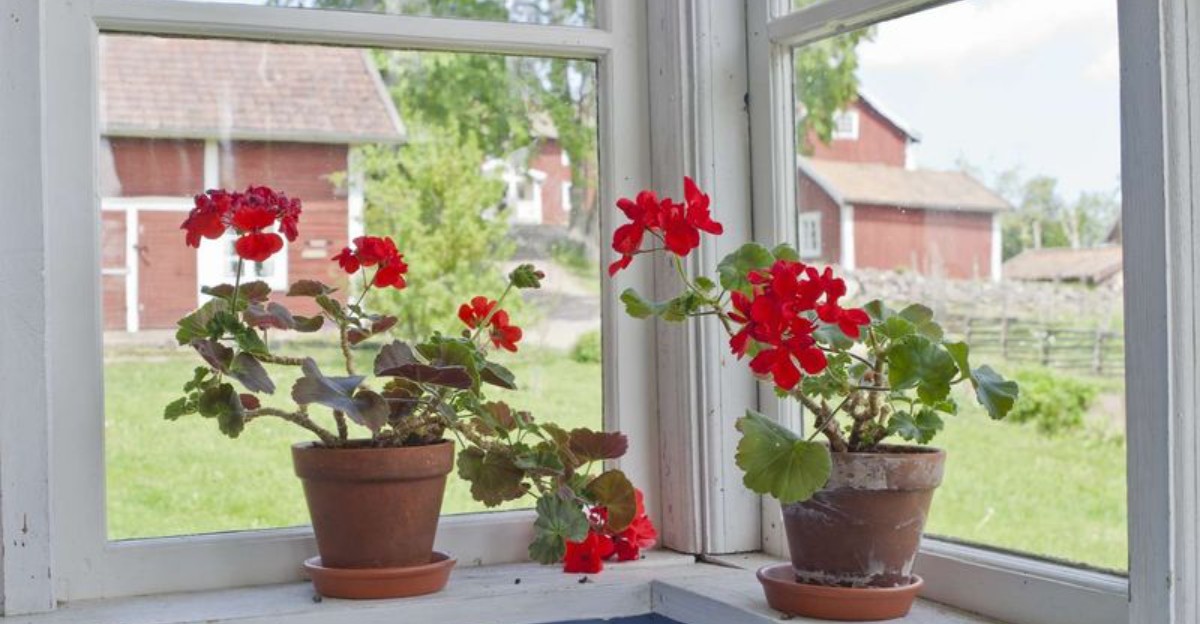
A sunny windowsill in January can hold red and pink blooms while snow piles up outside. That cheerful splash of color starts with plants sitting in your yard right now.
Autumn brings crisp mornings, crunchy leaves, and a chill that tender flowers struggle to handle. Many gardeners toss their pots on the compost pile, but that habit wastes both money and plants.
You do not need a greenhouse, fancy lights, or a science degree to change that. Some methods keep plants blooming on a bright sill, while others let them rest in a basement.
Each approach works well when you match it to your own space, schedule, and patience level. A little planning now can carry your favorite porch bloomers through the cold months.
1. Bring Them In Before The First Frost Bites

Frost can arrive overnight and leave soft green leaves limp and blackened by morning. Geraniums come from warm parts of South Africa, so even a light freeze can damage them.
In many regions, late September through mid-October is a good window for moving pots and digging up garden plants. Watch your local forecast closely and aim to finish before nights dip below 50 degrees.
Waiting too long can stress plants, since chilly roots slow down and leaves may turn yellow. Plants that come inside while still strong usually handle the move better than ones already showing cold damage.
For geraniums growing in garden beds, loosen the soil with a spade and lift each root ball carefully. Slip them into clean pots with fresh potting mix, and leave about an inch of space at the top.
Container plants have it easier, but they still need a quick check before coming indoors. Look for cracked pots, soggy saucers, and roots growing out of the drainage holes.
A gradual move can ease the shock, so try a shaded porch for several days before going indoors. Your plants will adjust to lower light slowly, which helps reduce sudden leaf drop once they settle inside.
Mark the date on your calendar now, because a surprise frost can damage plants that are still outside. Acting early is a simple way to keep your pots healthy and ready for the season ahead.
2. Scout Every Leaf For Hidden Hitchhikers
Imagine inviting a friend over for dinner, only to find they brought a dozen uninvited guests. Outdoor plants can do the same thing, carrying aphids, whiteflies, and spider mites right into your living room.
Grab a flashlight and a magnifying glass, then flip over every leaf to inspect the undersides. Tiny webs, sticky spots, or clusters of green specks are clues that pests have moved in.
Check the soil surface too, since fungus gnats and other small insects like to hide in damp potting mix. Scratching the top inch of soil away and replacing it with fresh mix removes many of them.
A gentle shower from the garden hose knocks off plenty of bugs before your geraniums ever come through the door. Let the leaves dry in the sun afterward, because wet foliage indoors can invite mold and leaf spots.
For stubborn pests, a mild insecticidal soap spray works well and is low risk around kids and pets when used as directed. Coat both sides of every leaf, then repeat the treatment once a week for about three weeks.
Keep newly arrived plants apart from your regular houseplants for roughly two weeks, in a separate spot. Many hidden pests will show up during that time, and you can treat them before they spread.
A careful inspection takes maybe ten minutes per pot. That small effort helps your geraniums start their indoor stay clean and ready to rest.
3. Trim Back Leggy Stems With Confidence
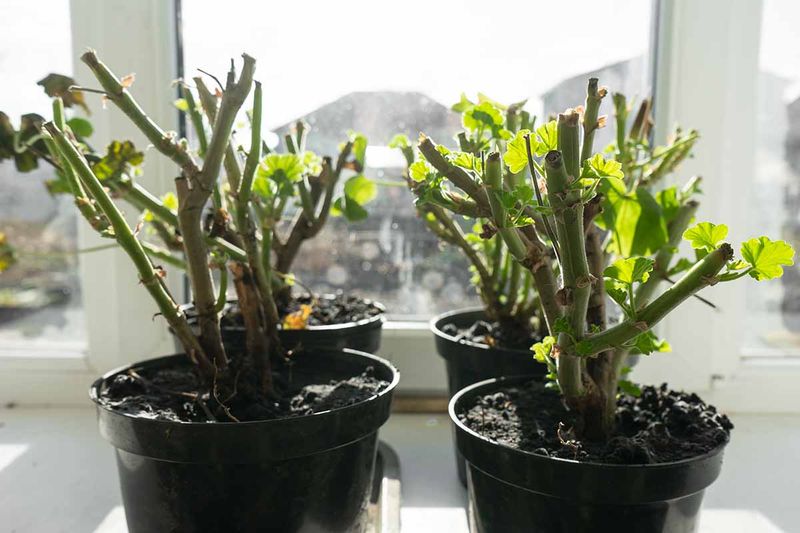
Think of pruning as a fall haircut, the kind that feels a bit scary at first but leaves everything looking tidy. Geraniums that stretch tall all summer often grow weak, floppy stems that struggle under low indoor light.
Cut each stem back by about one third to one half, using clean, sharp pruners or scissors. Make each cut just above a leaf node, the small bump where new leaves and shoots will sprout.
Smaller plants need less water and light, which makes them easier to manage on a crowded windowsill. A compact shape also encourages bushy growth later, which often means fuller plants and more flowers next season.
Snip off any remaining flower buds and faded blooms too, since they pull energy away from the roots. Remove yellow or spotted leaves as well, because they can attract mold once the plant moves indoors.
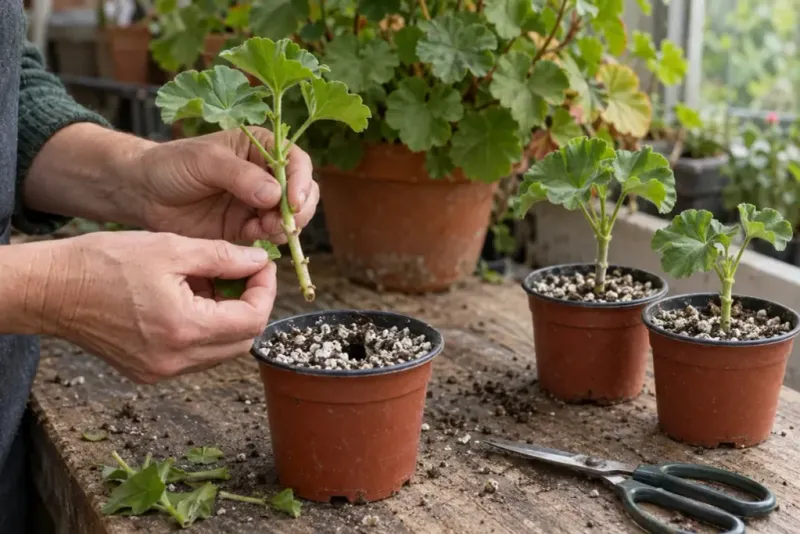
Those healthy stem trimmings offer a fun bonus, since they can become brand new plants with little effort. Pick pieces about four inches long, strip the lower leaves, and poke them into moist potting mix.
Set the cuttings in bright, indirect light, and roots usually form within a few weeks. Skip the plastic bag cover, because geranium cuttings prefer drier air and can rot under trapped moisture.
Fun fact: the plants most people call geraniums actually belong to a group called Pelargonium, a close relative. Whatever name you use, a confident trim now sets the stage for strong, healthy growth through winter.
4. Pick The Winter Method That Fits Your Home
Gardeners have stored geraniums in cool cellars for generations, and that old trick still works today. You have three main choices, and each one suits a different kind of home and gardener.
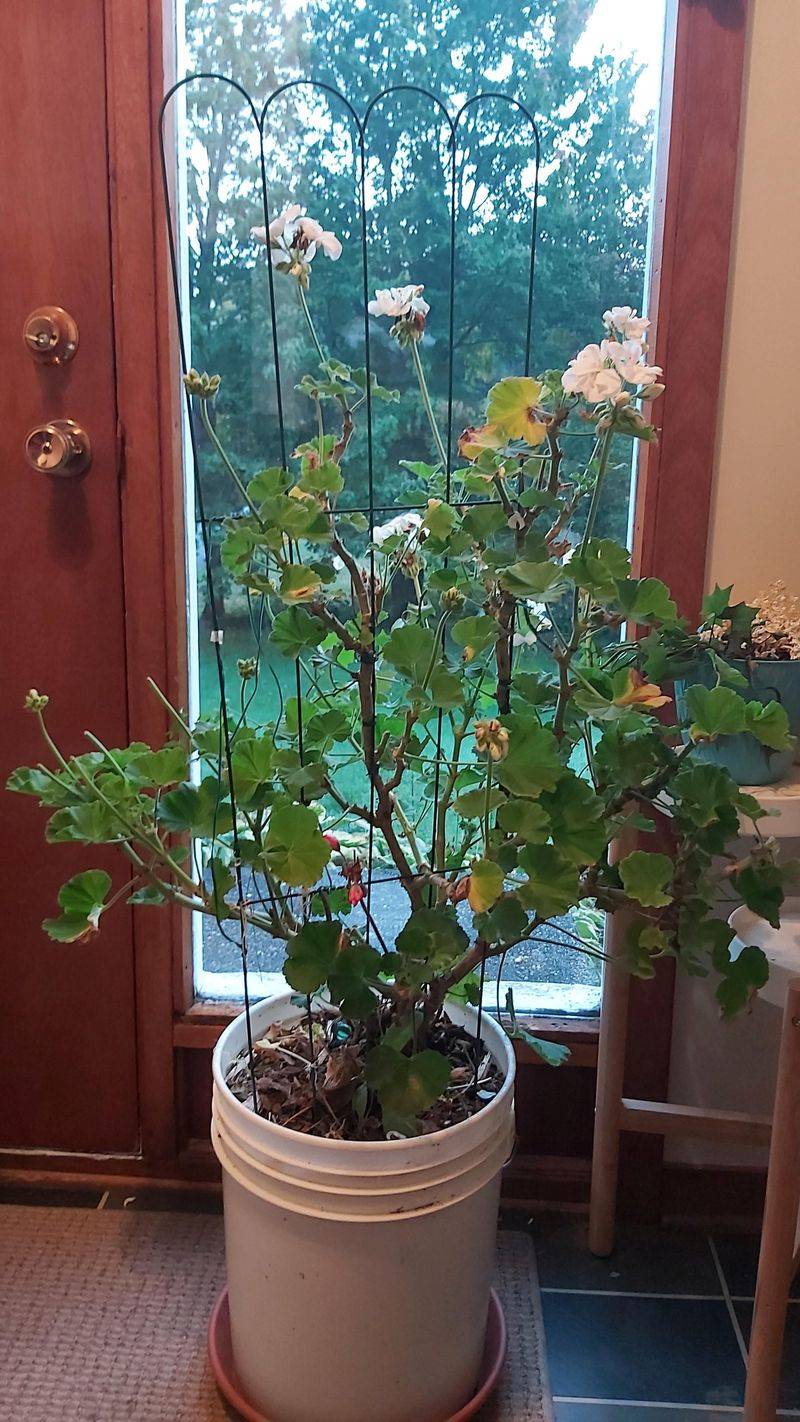
The first option is keeping geraniums as houseplants, which works best if you have a bright, sunny window. Plants stay green and may even bloom a little, adding cheerful color to gray winter afternoons.
The second option lets plants rest in a cool, dark spot like a basement or an unheated garage that stays above freezing. Keep the pots between 45 and 55 degrees, and water lightly about once a month to prevent shriveling.
The third choice is the bare root method, where you shake soil off the roots and store plants. Place each one in a paper bag or hang it upside down from rafters in a cool room.
Once a month, soak the roots in water for a couple of hours so the stems stay firm. Some stems may shrivel during storage, but plump, firm ones usually bounce back when replanted later.
Space matters a lot, since apartment dwellers may lack a basement while homeowners might have extra storage rooms. Think about your time too, because houseplant care takes weekly attention while dormant storage needs far less.
Many gardeners mix methods, keeping a few favorites on the windowsill and storing extras quietly in the basement. Spreading plants across different methods lowers your risk, so one problem is less likely to affect your whole collection at once.
5. Give Them The Brightest Window You Own
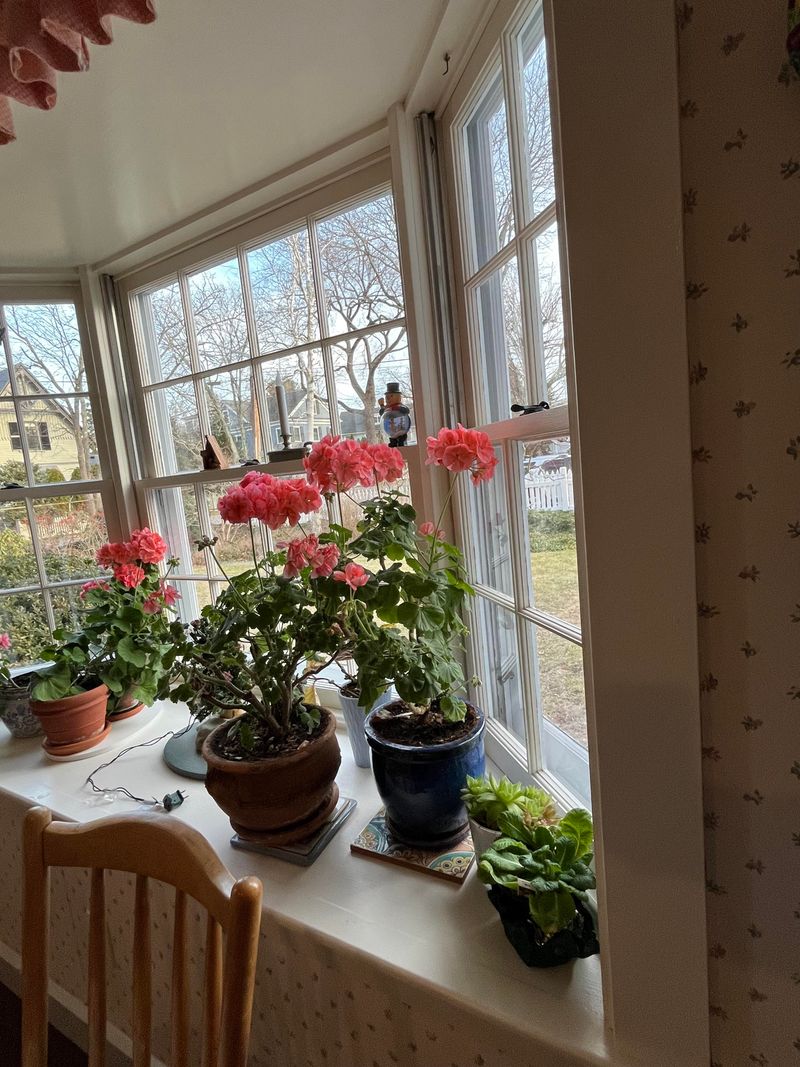
Geraniums are sun lovers that thrive on bright light. Indoor light is much weaker than outdoor sunshine, so picking the right window makes a big difference.
A south-facing window usually gives the most light during fall and winter, followed closely by west-facing glass. Aim for at least six hours of bright light each day to keep stems sturdy and leaves green.
Pale leaves and long, stretched stems reaching toward the glass are signs your plant needs more light. Rotate each pot a quarter turn every week so all sides get their fair share of sunshine.
A simple LED grow light can fill the gap nicely if your home lacks a bright, sunny window. Hang it about six to twelve inches above the leaves and run it for twelve to fourteen hours.
A cheap outlet timer handles the switching for you, which is handy during busy school and work weeks. Plants respond to steady routines, and regular light helps them stay compact instead of growing tall and spindly.
Keep leaves from touching cold window glass, because chilly panes can leave brown, damaged patches on tender foliage. Wipe dust off the window now and then, since a grimy pane can block a surprising amount of light.
A sunny sill rewards you with green leaves and sometimes a few bright blooms in the middle of winter. A splash of coral or scarlet petals can brighten a gray January morning.
6. Water Less Than Your Instincts Suggest
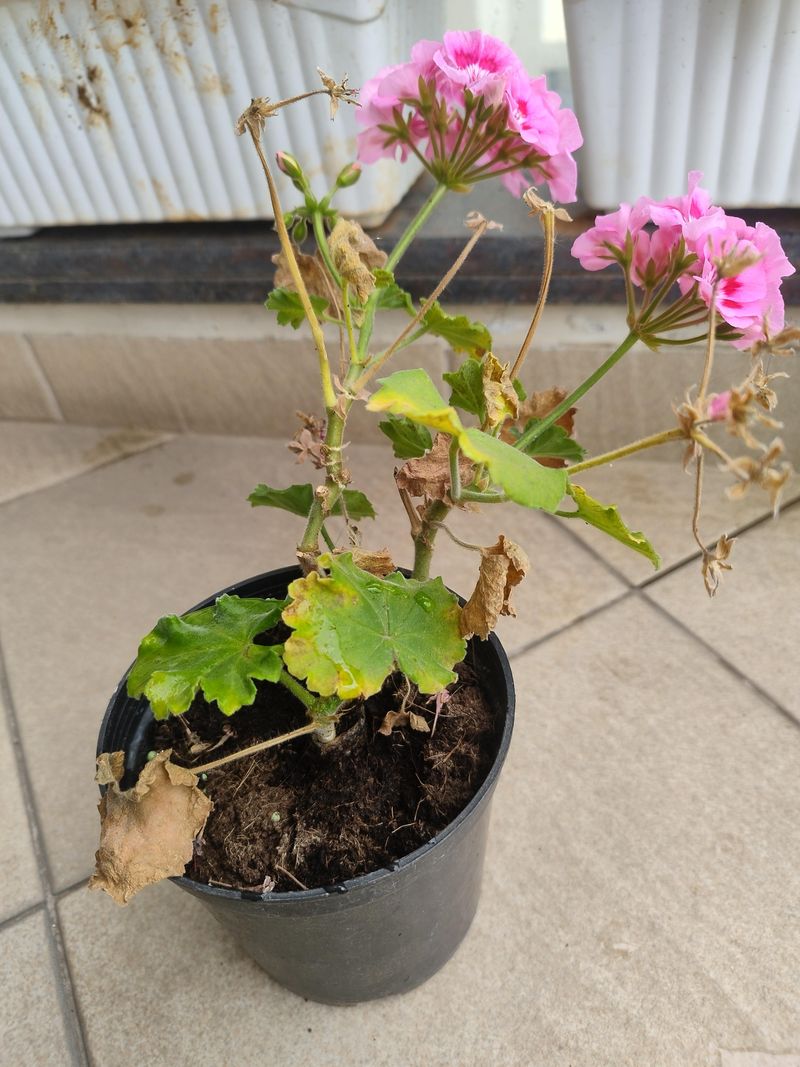
Indoor plants often struggle from too much water rather than too little. Geraniums store water in their thick stems, so they handle dry spells better than soggy soil.
Before reaching for the watering can, push your finger about an inch into the soil and feel around. If it feels dry and crumbly, go ahead and water, but if it feels cool and damp, wait.
Indoor geraniums often need water only every ten to fourteen days, depending on your home’s warmth and humidity. Plants stored in cool basements need even less, often just a light drink once a month or so.
When you do water, pour slowly until a little liquid trickles out the drainage holes at the bottom. Empty the saucer after about fifteen minutes, because standing water invites root rot and smelly, mushy stems.
Yellow lower leaves, black stem bases, and a sour smell from the pot are common signs of overwatering. Wrinkled, drooping leaves that perk up quickly after a drink usually mean the plant was simply thirsty.
Skip fertilizer during the winter months, since plants grow slowly and extra food can build up as salt. Clay pots are a smart choice here, because their porous walls let extra moisture escape between waterings.
Think of your geraniums as plants that prefer a big drink followed by a long, dry stretch. Holding back on water may feel strange at first, but your plants will usually stay sturdier for it.
7. Keep The Air Cool And The Fuss Low
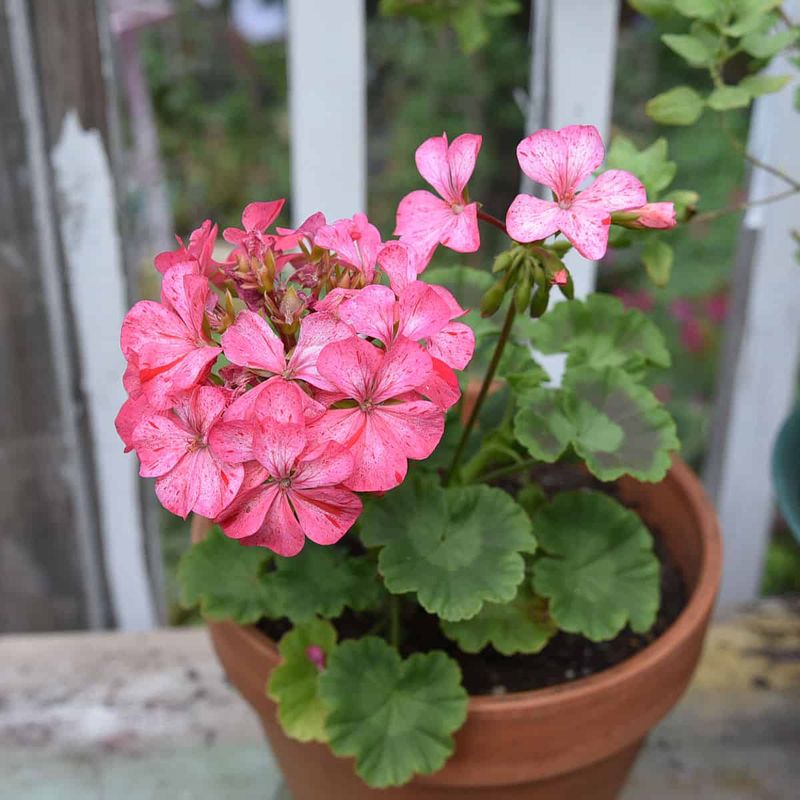
Many people crank up the heat in fall, but geraniums prefer things a bit cooler than we do. Daytime temperatures around 65 degrees and nighttime readings near 55 degrees keep them healthy and relaxed.
Warm, stuffy rooms push plants to grow fast and weak, producing pale stems that flop over within weeks. A cool spare bedroom, sunporch, or bright hallway often makes a better winter home than the living room.
Keep pots away from heating vents, radiators, and fireplaces, since blasts of hot, dry air can damage tender leaves. Drafty doors can cause trouble too, because sudden icy gusts may shock plants and cause leaves to drop.
Good airflow helps prevent gray mold, a fuzzy fungus that loves crowded pots and damp, still air indoors. Space your plants a few inches apart, and run a small fan on low for gentle circulation.
Unlike many tropical houseplants, geraniums do not need misting or humidity trays to stay happy through winter. Their fuzzy or waxy leaves handle dry indoor air fairly well, which makes them easy-care companions.
Once a week, pick off any yellow leaves or fallen petals so mold has fewer places to start. A quick glance under the leaves during this routine also helps you spot pests before they become a problem.
The less you fuss, the better geraniums tend to do during these slow winter months. Cool air, steady light, and a light touch cover most of what they need until warmer weather returns.
8. Wake Them Gently When Days Grow Longer
Somewhere around late winter, the sun climbs higher and your sleepy geraniums start dropping hints that they are ready. Tiny green buds along the stems are the first signal.
Planning ahead this fall makes the wake-up process smoother, so jot a few reminders on your calendar now. Mark a date about eight weeks before your area’s last expected frost to begin waking up stored plants.
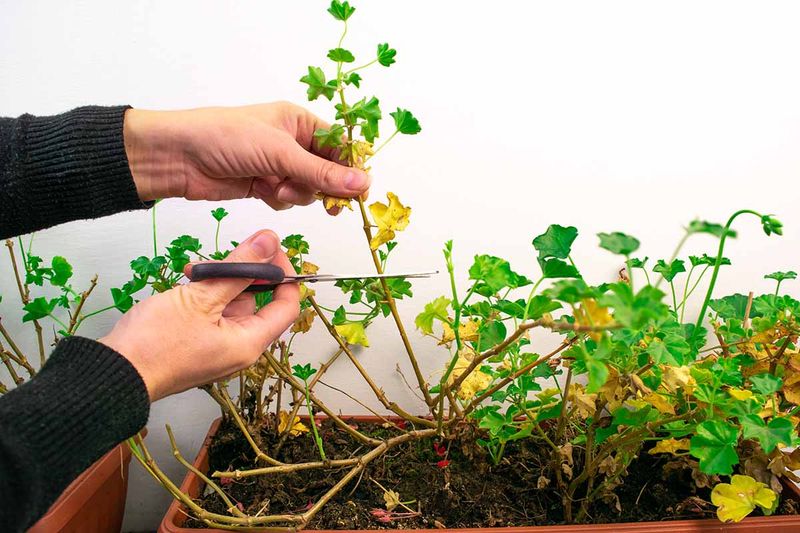
For bare root or basement plants, trim away any shriveled or mushy stems and keep only firm, healthy sections. Pot them in fresh mix, water thoroughly, and place them in a bright, warm spot indoors.
Windowsill plants need a quick refresh as well, starting with a light trim to shape any lanky growth. Begin feeding with a diluted, balanced fertilizer every two weeks once you notice fresh leaves unfurling again.
Increase watering slowly as growth picks up, letting the soil dry slightly between drinks to protect young roots. Rushing this stage with heavy watering often leads to rot, which can undo your careful winter work.
Once outdoor nights stay above 50 degrees, set the pots outside in shade for a few hours daily. Add an hour of sunlight each day over a week or two, so leaves can toughen up without scorching.
Watching a plant you carried through winter bloom again brings a special kind of gardening pride. Some gardeners keep the same geraniums going for many years, passing cuttings along to friends and family.