What It Means When Birds Swarm One Patch Of Your Georgia Lawn
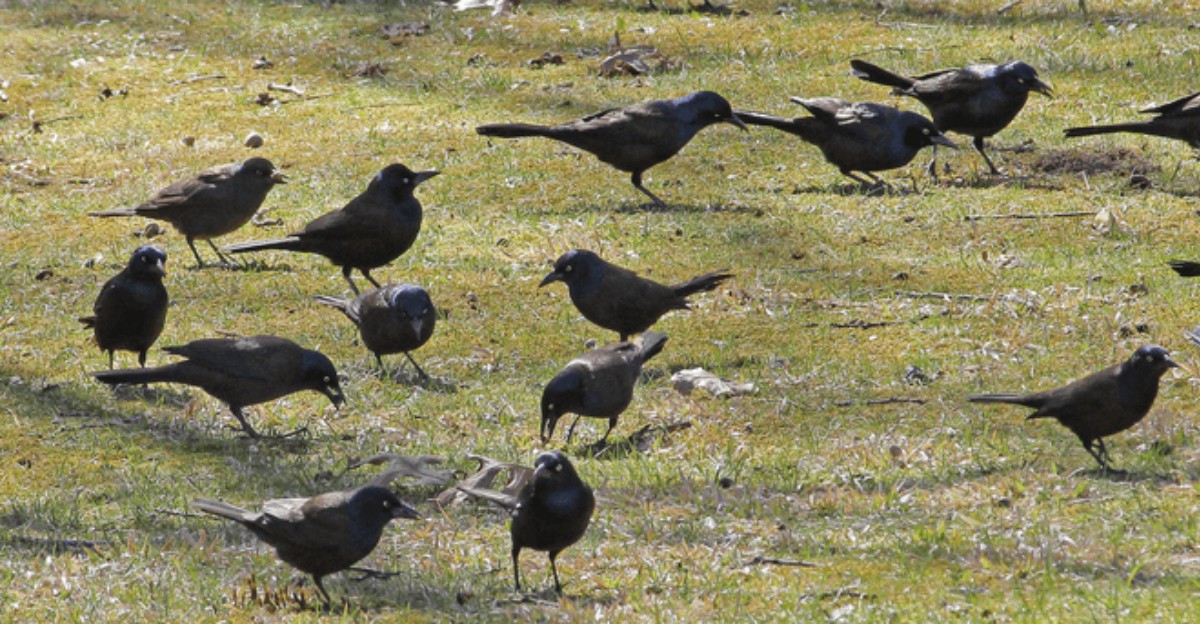
Dozens of birds working over one section of grass while ignoring the rest of the yard is hard to miss. Starlings or grackles may return to that spot day after day.
Such focused feeding usually means they found something to eat just below the surface.
Birds are very good at locating insects in the soil and thatch long before you would notice them.
Their feeding can look like damage at first, with small holes and torn turf scattered around.
In some cases, the real problem is what the birds are hunting rather than the birds themselves. Catching it early can save a Georgia lawn from a much bigger brown patch later.
Pull back the grass where they gather most and see what turns up in the top inch of soil.
1. Birds Rarely Gather In One Spot Without A Reason
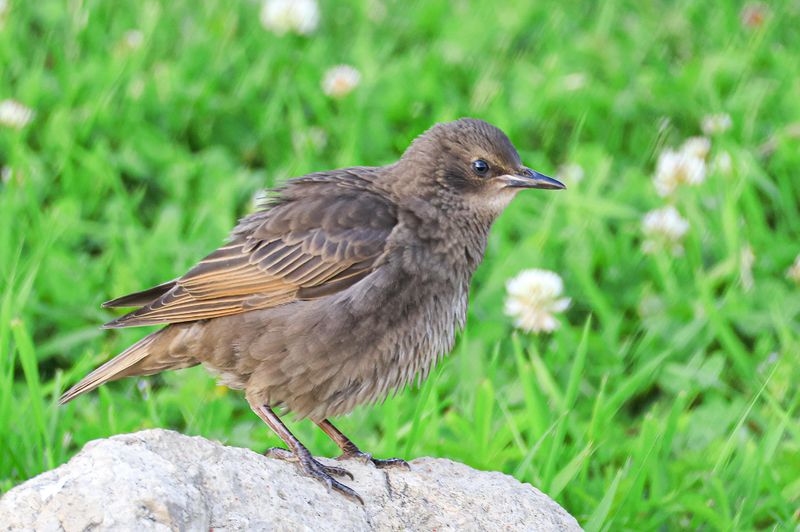
Food is almost always the draw. Birds spend most of their day hunting for meals, so a busy patch usually means something edible is hiding there.
Every yard has spots that differ a little in moisture, shade, and soil, and those differences affect what lives in the ground.
Watch the birds for a few minutes before guessing. Starlings and crows tend to stab and dig with their beaks, while robins often run, pause, and tug at the soil.
Mockingbirds and brown thrashers may also forage in Georgia lawns, flipping leaves or poking near shrubs. The way they feed can hint at what they are finding.
Take note of the time of year as well, since insect activity changes from season to season.
Next, look closely at the grass itself. Green, healthy turf with birds on it is often less concerning than thin, yellow, or patchy grass.
Brown spots that lift easily may suggest root damage, while chewed blades can point to leaf-feeding insects.
A short walk across the patch can reveal soft, spongy soil or small holes left by probing beaks. Keep in mind that one visit from a flock does not prove a problem.
Repeated gatherings over several days are more worth investigating, especially when the grass starts to look stressed.
2. Grubs Feeding On Roots Below The Surface Can Draw Starlings And Crows
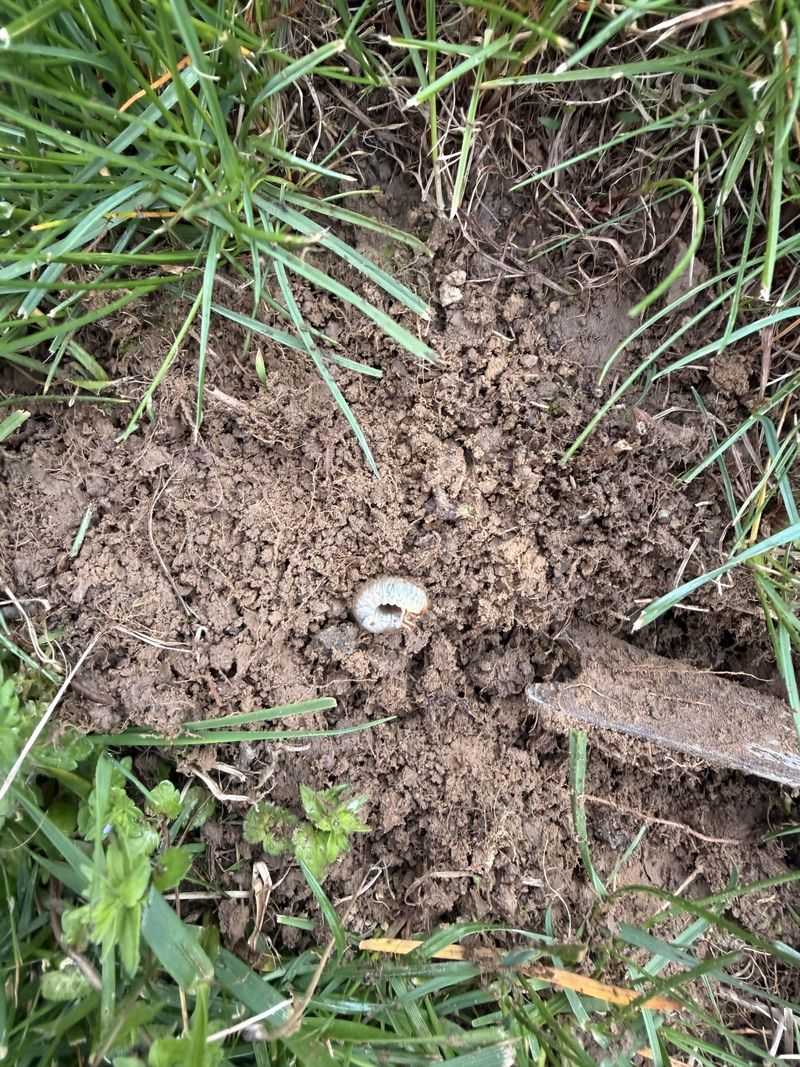
Hungry starlings know where the grubs are. These C-shaped white larvae of beetles like Japanese beetles and masked chafers feed on grass roots, and birds can find them with surprising skill.
Crows and starlings often tear at the turf when grubs are near the surface.
In Georgia, grub damage tends to show up in late summer and early fall, though timing varies by beetle species and weather. Larvae are usually larger and closer to the top of the soil during this stretch.
Damaged grass may wilt even after watering, then turn brown in irregular patches.
Look for turf that peels back like a loose rug. Weak roots cannot anchor the grass well, so it lifts with little effort.
Raccoons, skunks, and armadillos may dig in the same spots, which can make the damage look worse.
Your Georgia Garden Changes Every Week. Your Plan Should Too.
Gardening in Georgia changes quickly throughout the season. Every Friday you’ll receive a simple weekly plan showing exactly what to plant, prune, fertilize, harvest, and protect so you never miss the right timing.
Finding a few grubs is normal and does not automatically mean you need treatment. University Extension guides suggest acting only when counts are high enough to harm the lawn.
Healthy, well-watered turf can often handle a light grub population without much trouble.
If treatment seems needed, timing matters, and products work best on young larvae. Your county Extension office can help you choose the right approach for your grass type.
3. Peeling Back A Square Of Turf Shows What’s Underneath
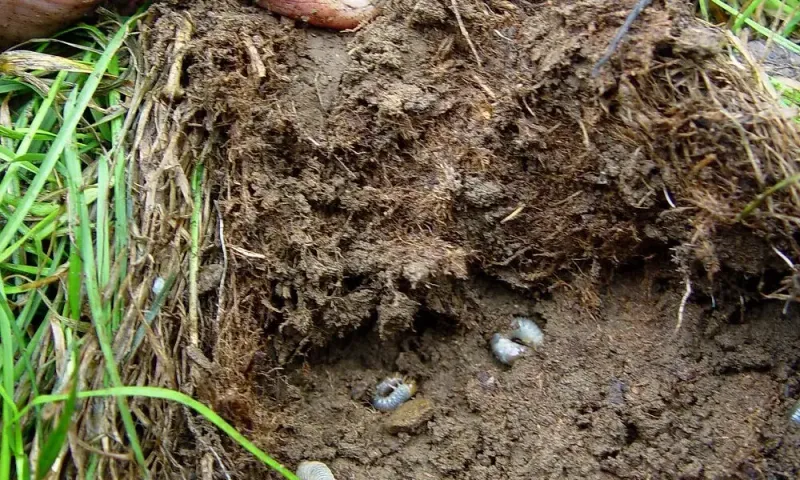
Guessing gets you nowhere, but a shovel gets answers fast. A simple dig test can show whether grubs or other insects are feeding where the birds keep landing.
Grab a flat spade and cut three sides of a square about one foot across.
Fold the flap back gently like the cover of a book. Most grubs sit in the top few inches of soil, right among the roots.
Sift through the loosened soil with your fingers or a trowel and count what you find.
Check a few spots, including one in the bird patch and one in a healthy area. Comparing the two helps you see if the problem is local or spread out.
Earthworms are a good sign, so do not panic if they wiggle out. Lots of worms usually point to healthy, moist soil rather than trouble.
Pay attention to the roots as well, since short or missing roots can confirm feeding damage.
Georgia clay can be tough to dig when dry, so try after a light rain or watering. Afterward, press the turf back in place and water it well to help it reattach.
Write down your counts and the date so you can compare them later in the season.
4. Caterpillars Chewing The Blades Bring In Flocks Too
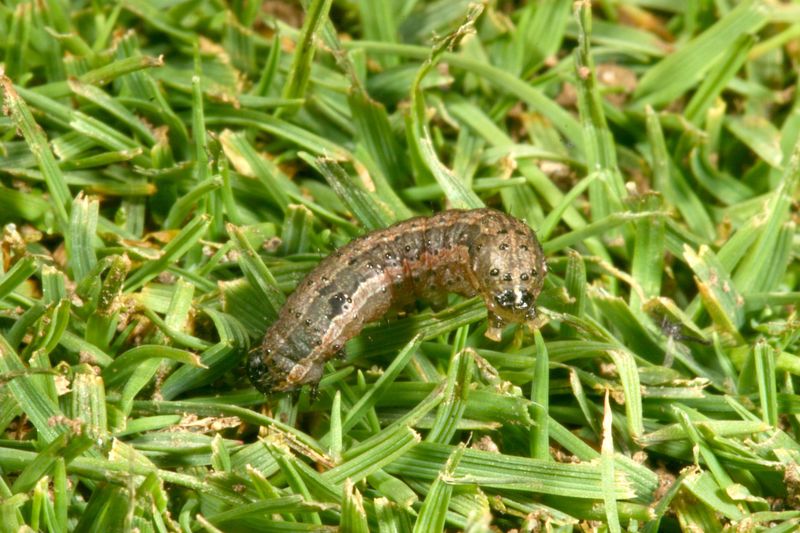
Not every pest hides underground. Fall armyworms are leaf-chewing caterpillars that can strip a lawn quickly, and birds may flock to an outbreak.
Outbreaks often appear in late summer and fall across the Southeast, especially after warm, wet weather.
Damaged grass looks ragged at first, then turns brown as the blades get eaten down. Bermudagrass and other warm-season turf are common targets.
Sod webworms and other caterpillars can cause similar damage, so identification matters before you treat anything.
Try a soapy water test to spot them. Mix a small squirt of dish soap into a bucket of water and pour it over a square of grass.
Caterpillars usually wriggle to the surface within a few minutes if they are present.
Armyworms tend to feed most in the early morning and evening, so check then. Birds like blackbirds, grackles, and cattle egrets may gather during these hours too.
In Georgia, established warm-season grass often recovers from armyworm feeding if the roots stay healthy, though new sod and young seedlings face more risk. Watering and patience help.
If caterpillars are numerous and the damage is spreading, ask your county Extension agent which control options fit your situation.
5. Robins Probing Wet Soil May Simply Be Finding Earthworms
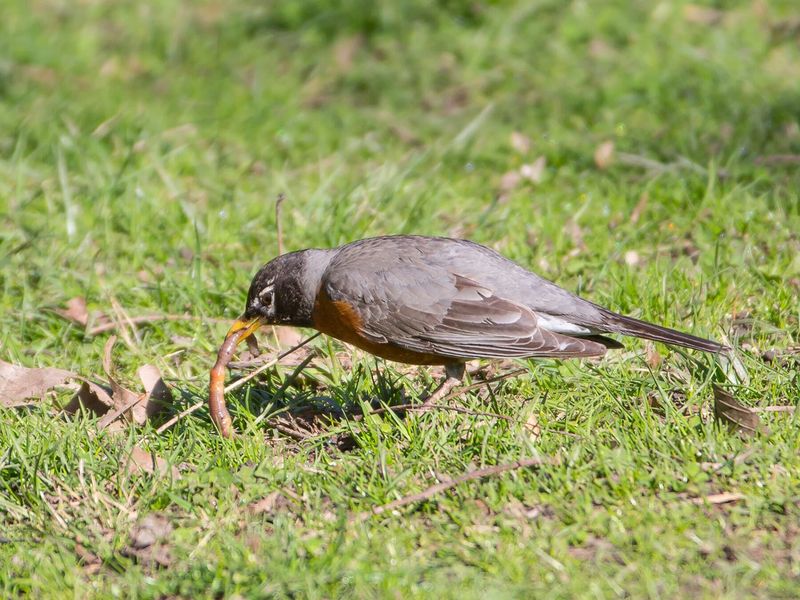
Relax if the visitors wear orange breasts. American robins are well known for hunting earthworms, and their presence often points to soil that is full of life.
You will see them run a few steps, stop, tilt their heads, and then pull.
Robins in Georgia can be seen year-round, though large winter flocks often move through and gather in yards and fields. These flocks may cluster in damp areas where worms rise closer to the surface.
Earthworms help lawns by loosening soil and breaking down grass clippings.
So a patch full of robins is not automatically a problem. In many cases, it simply means the soil there stays moist and holds plenty of organic matter.
Low spots, shady corners, and areas near downspouts tend to stay wetter. Worms often gather in those zones, and robins follow them.
Robins also eat insects and grubs, so a quick dig test can rule out pests if the grass looks weak.
Healthy, green turf with robins on top usually needs nothing from you. Enjoy the visit, and consider skipping broad pesticide use that could reduce earthworm numbers in your yard.
6. Freshly Seeded Spots Can Attract Birds Looking For An Easy Meal
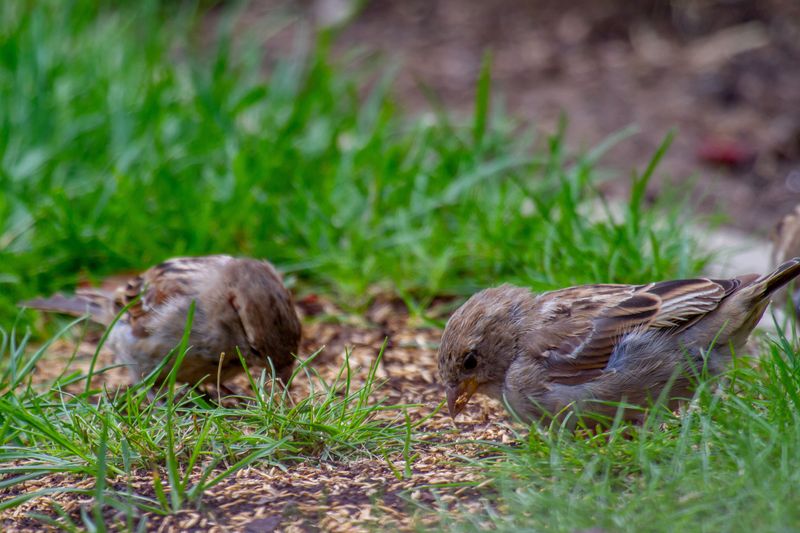
Spread seed, and the sparrows will come. Bare soil dotted with grass seed looks like an open buffet to doves, sparrows, finches, and other seed-eating birds.
Losing some seed is normal, but heavy feeding can leave thin spots once the grass sprouts.
Good seed-to-soil contact helps a lot. Lightly raking the seed into the top layer of soil makes it harder for birds to find.
A thin layer of straw or a seed-starting mulch can also hide seed while holding moisture.
In north Georgia, tall fescue is often seeded in early fall, while warm-season grasses farther south are usually planted in late spring or early summer. Timing your project for the right grass helps seed sprout faster.
Quick germination shortens the window when birds can feed on loose seed.
Keep the area evenly moist so seeds swell and sprout on schedule. Dry seed sitting on the surface stays tempting much longer.
Some homeowners use bird netting or reflective tape over small patches, with mixed results.
Seeding at the rate listed on the bag usually leaves enough to fill in, even with a little bird snacking. Check back in a couple of weeks and overseed any gaps if needed.
7. Recent Rain Can Suddenly Change Where Birds Search For Food
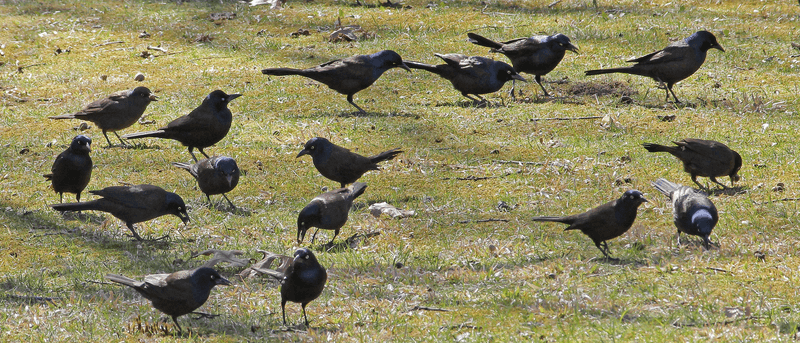
A good storm can redraw the feeding map overnight. After heavy rain, birds often shift to areas where soil softens and insects or worms move closer to the surface.
Earthworms may crawl up when the ground gets saturated.
Low parts of the yard tend to hold water longest. Those soggy patches can become busy feeding spots for robins, grackles, and starlings for a day or two.
Soft soil also makes digging easier for birds hunting grubs.
Summer thunderstorms are common across Georgia, so you may notice birds jumping from one patch to another as the yard dries unevenly. That movement is usually temporary.
Once the soil firms up, the crowd may scatter again.
Watch whether the same patch stays popular for weeks after the weather clears. If so, something besides rain is likely drawing them in, and a dig test makes sense.
Repeated puddling can also stress grass roots, so improving drainage may help both the lawn and your peace of mind.
Core aeration in the right season for your grass type can loosen compacted soil. Redirecting downspouts away from the lawn is another simple step that often reduces standing water.