Native Ohio Grasses To Grow Instead Of Miscanthus Before It Spreads Next Door
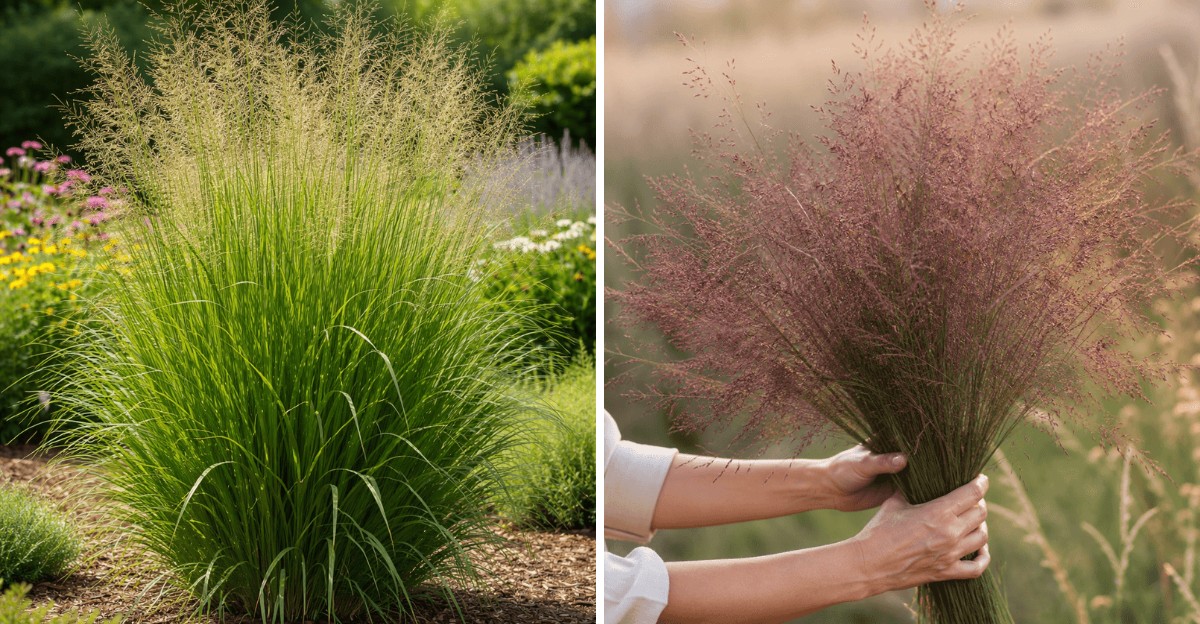
Plumes sway over the fence line like a friendly wave, and that’s the catch. The seeds don’t stay on your side.
Silver grass earns rave reviews at the garden center. Tall, graceful, easy to love.
Then the wind picks up. Seedlings turn up in ditches, fields, and the lot next door, and nobody remembers who planted the first clump.
Ohio has its own grasses with the same sway and the same golden glow come fall. They suit the soil, feed the wildlife, and stay where you put them.
Plenty of nurseries carry them, though few give them top billing.
Make the swap before the next seed head lets go. Your neighbors will thank you without ever knowing why.
1. Big Bluestem Makes A Tall Native Swap
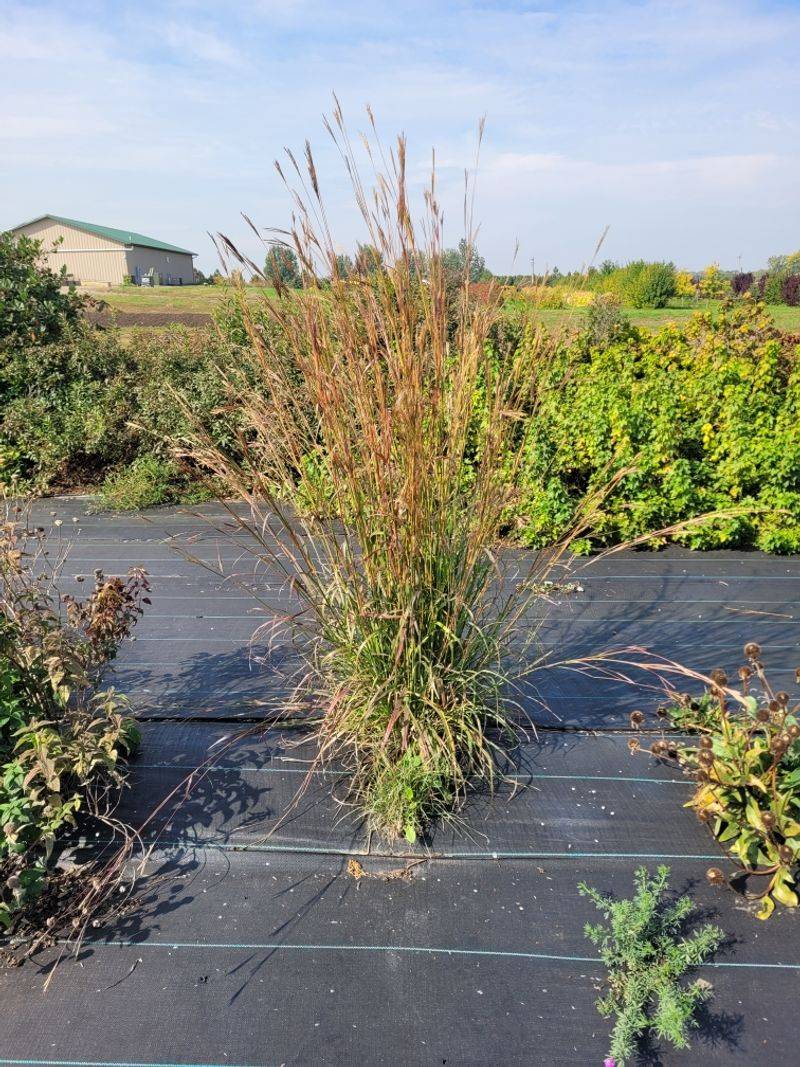
Folks once called big bluestem the king of the prairie, and one look explains why. A healthy clump can tower 4 to 8 feet tall, with some stems stretching to 12 feet.
Anyone who loves the bold height of Miscanthus will feel right at home here. The big difference is that big bluestem belongs in Ohio, so it plays nicely with local wildlife instead of crowding them out.
Color is where this grass really shows off. Spring leaves start green with red tints, then shift to purple-red in summer.
By winter, the whole clump glows in bronze and copper tones.
Look closely at the seed heads in late summer. Each one splits into three parts that resemble a bird’s foot, which earned it the nickname turkeyfoot.
Underground, the roots can dive down as deep as 10 feet. That makes it a champ at holding soil on slopes and handling dry spells once it settles in.
Give it full sun and almost any decent soil, from well-drained to moist. Skip the fertilizer, since rich soil can make the stems flop over.
Deer and rabbits tend to pass it by. Birds and small critters, on the other hand, use the thick clumps for shelter and nesting all year long.
2. Indian Grass Brings More Height To Sunny Spots
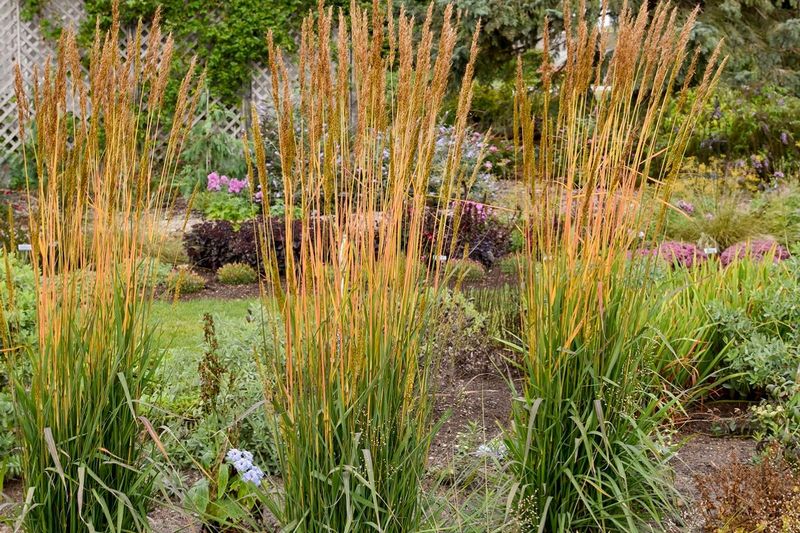
Golden hour seems made for Indian grass. When late summer sun hits its feathery plumes, they shimmer like they were dipped in honey.
Here is a grass that brings drama without the drama. It grows 3 to 8 feet tall, giving you that tall, swaying screen many people want from Miscanthus.
The stems and leaves start out a cool blue-green color. Later in the season, the foliage turns yellow, orange, or even deep purple, depending on the weather.
Indian grass loves a sunny spot with soil that drains well. Average to dry conditions suit it just fine, so it won’t need much fussing with a hose.
Deep roots help it ride out hot, dry summers. Short underground runners help it fill in, but it stays far more polite than the invasive grass it replaces.
Wildlife gets a real treat here. Songbirds and small mammals snack on the seeds, while native bees and other insects tuck into the dense growth for shelter.
Your Ohio Garden Changes Every Week. Your Plan Should Too.
Gardening in Ohio changes quickly throughout the season. Every Friday you’ll receive a simple weekly plan showing exactly what to plant, prune, fertilize, harvest, and protect so you never miss the right timing.
Deer usually leave it alone, which is a nice bonus in many Ohio towns. For a cheerful tip, plant it behind shorter flowers like coneflowers or black-eyed Susans.
The result looks like a slice of the old Ohio prairie. Best of all, it stays rooted in your own yard.
3. Little Bluestem Even Works In Containers
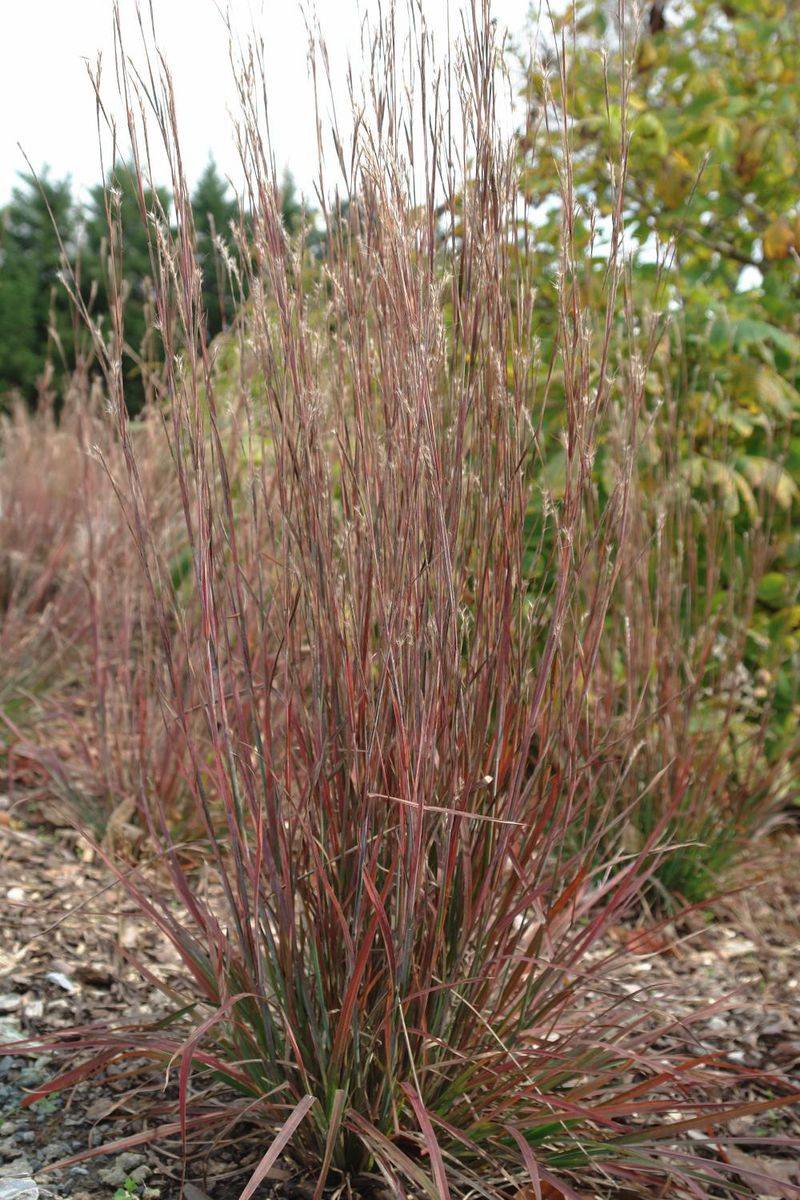
Short on space? Little bluestem might be the friendliest grass you will ever meet.
Most clumps grow about 3 feet tall and wide, though a few stems may reach 5 feet. That tidy size makes it a great pick for patios, small yards, and even large pots.
For container growing, choose a pot with drainage holes and a gritty potting mix. Set it somewhere bright, because this grass needs full sun to stand up straight.
Shade leads to weak, floppy stems that lean like tired teenagers. Wet soil is another problem, so keep it out of soggy low spots and wetlands.
The colors are the real showstopper. Summer leaves look blue-green, and fall turns them dark purplish-bronze, copper, or russet.
Even better, that warm color hangs on through winter. A pot of little bluestem by the front door can brighten a gray January day.
Fluffy, silvery seed heads appear in fall and catch the light beautifully. Small winter birds love picking through them for a meal.
Drought rarely bothers it, and it handles many soil types. Deer and rabbits usually skip it too.
A popular choice is the cultivar called Standing Ovation. Its sturdy stems and rich color make it worth a round of applause.
4. Switchgrass Fills In Sunny Borders
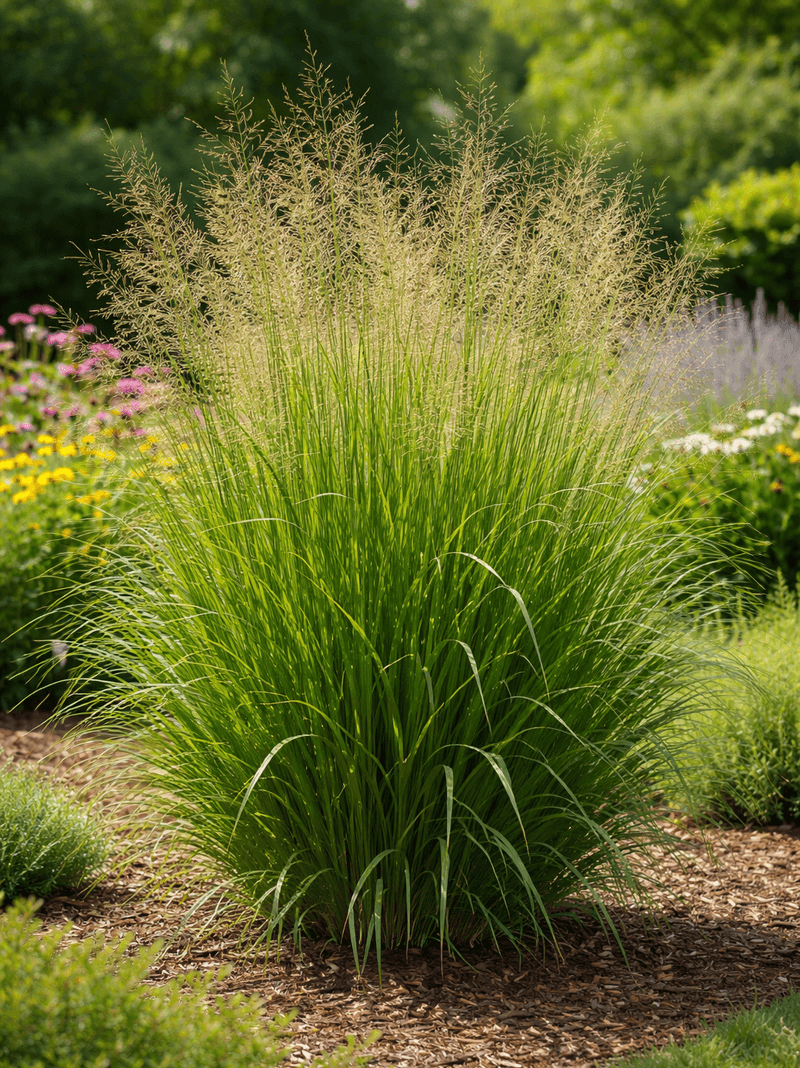
Think of switchgrass as the reliable friend who shows up for every season. It looks good in summer, glows in fall, and still stands tall in the snow.
Upright clumps usually reach 3 to 6 feet, and some can hit 10 feet. That makes it a handy filler for long, sunny borders along fences or driveways.
Foliage comes in green, blue, purple, and red, depending on the variety. In autumn, much of it turns a sunny yellow that brightens the whole yard.
Mid to late summer brings airy clouds of tiny flowers and seeds. They can be rose, burgundy, pink, or silver, and they look like mist hanging above the leaves.
Roots reach 6 feet or more into the ground. That deep anchor helps stop erosion and lets the plant handle hot, dry weeks with ease.
Clay, sand, dry spots, or damp corners are all fair game. Full sun works best, while too much shade can make it lean and stretch.
Wildlife loves it through the colder months too. Birds eat the seeds, and small animals hide in the thick stems.
Deer tend to ignore it. Try varieties like Shenandoah for red tones or Northwind for a tall, blue column.
5. Prairie Dropseed Smells Like Popcorn And Deer Usually Skip It
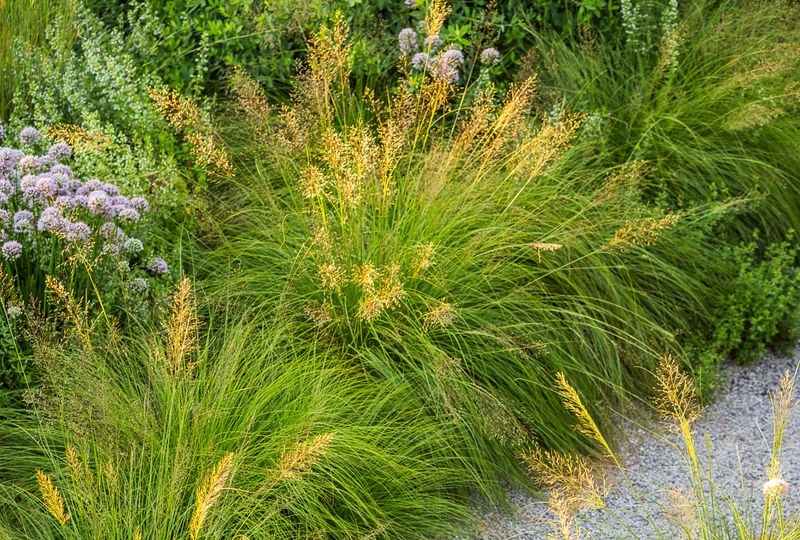
Here is a fun surprise: this grass smells like buttered popcorn. In late summer, the seed heads give off a warm, buttery scent that some people compare to cilantro or toasted nuts.
Prairie dropseed grows in a graceful, rounded fountain shape. Most clumps stay about 18 to 24 inches tall, so it works nicely along walkways and the front of beds.
The leaves are fine and thin, almost like hair. In fall, they turn a lovely amber color that glows in low sunlight.
Deer usually pass it by, which makes it a favorite for gardeners tired of nibbled plants. Native grasses like this one tend to be tough and less tasty to hungry visitors.
The Ohio Department of Natural Resources notes that it grows naturally in a few limited prairie soils in the state. In the wild, it does best where occasional fires clear out competition.
Patience pays off with this one. It grows slowly at first, but a happy clump can live for many years.
Plant it in full sun or part shade, with dry to medium soil. It does especially well in soils with some lime in them.
Space plants about 2 feet apart for a soft, flowing edge. Over time, the clumps blend into a sweet green ribbon.
6. Sideoats Grama Is An Ohio Native Prairie Grass
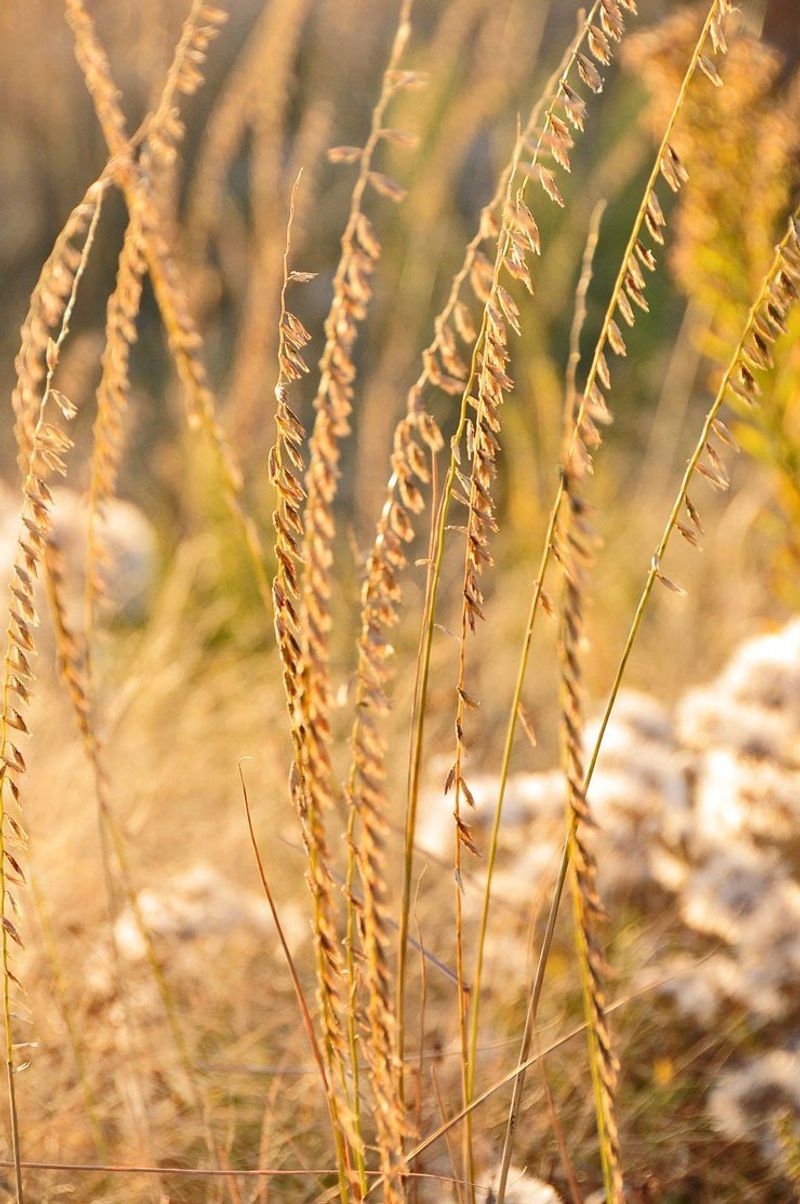
Lean in close and you will spot something charming. Tiny oat-shaped spikelets dangle all on one side of each stem, like little flags hung out to dry.
That quirky look gives sideoats grama its name. In mid to late summer, the spikelets show off small, bright purple and orange flowers that seem almost too pretty for a grass.
Clumps grow just 1 to 3 feet tall. The bluish-green leaves turn reddish-purple or plum in fall, adding a soft splash of color.
Got a tough spot where nothing seems happy? Poor, rocky, or low-nutrient soil suits this grass just fine, as long as it drains well.
Full sun is ideal, though it can handle some light shade. Once its roots settle in, dry spells barely slow it down.
Butterfly fans will love it. Several kinds of skipper butterflies lay their eggs on it, and the young caterpillars feed on the leaves.
Birds also visit once the seeds ripen. A small patch can turn a bare corner into a busy little wildlife stop.
Fun fact: sideoats grama is the state grass of Texas. Ohio gardeners can still claim it proudly, since it grows naturally here too.
7. Purple Lovegrass Rounds Out The Native Options
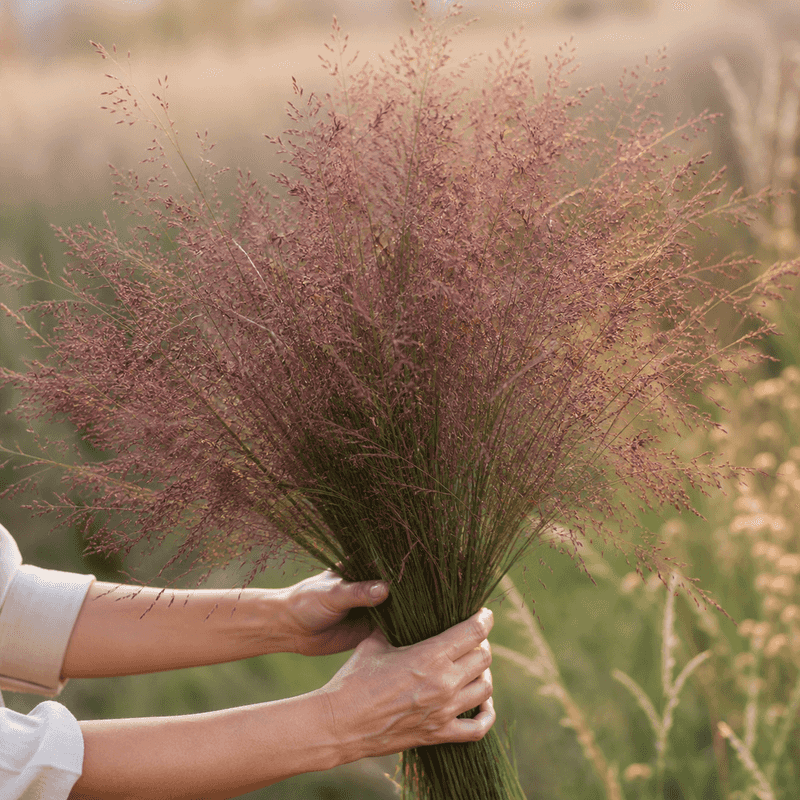
Imagine a pink cloud settling over your garden in August. That dreamy haze is purple lovegrass putting on its late summer show.
Low, dense tufts grow about 1 to 3 feet tall. Light green leaves fill out in summer, then turn bronzy-red or golden wheat in fall.
The airy seed heads carry a purple-pink or reddish-purple glow. When morning dew clings to them, they sparkle like tiny jewels.
Sandy, sunny spots are where this grass shines brightest. It handles dry to moist soil, but wet ground or shade will make it unhappy.
Drought is no big deal for purple lovegrass. It makes a smart pick for hot strips near sidewalks or gravel paths where watering is a chore.
Here is a playful detail. When the seed heads ripen, they can break off and tumble across the ground like tiny tumbleweeds, spreading seeds as they roll.
It spreads slowly by seed and short runners, so it won’t take over like Miscanthus. Pull any extra seedlings in spring if you want a neater look.
Deer tend to avoid it. Butterflies, though, are fans, and the Zabulon skipper uses it as a host plant for its caterpillars.
8. Pennsylvania Sedge Offers A Grassy Look For Shade
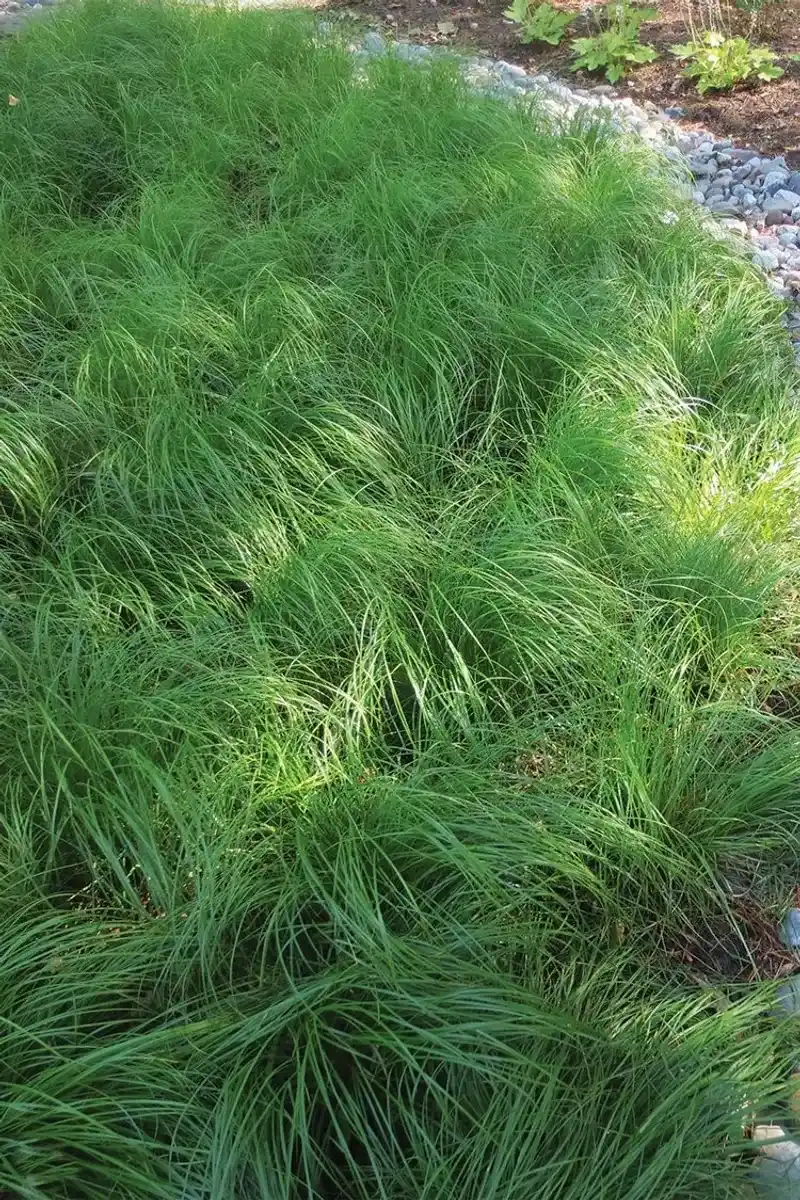
Every yard seems to have that one shady corner where grass just gives up. Under big trees, lawns often turn thin, patchy, and muddy.
Pennsylvania sedge steps in like a quiet hero. It isn’t a true grass, but its fine, soft leaves look so similar that most visitors won’t know the difference.
Plants form low tufts about 6 to 12 inches tall. Slowly, they spread by underground runners into a gentle green carpet that feels lovely under bare feet.
Partial shade suits it well, especially under oaks and maples. Dry to medium moisture and well-drained soil keep it looking its best.
Early spring is one of its best moments. Fresh green leaves pop up before many plants wake, giving woodland gardens an early boost of color.
Mowing is optional. Some people trim it once a year for a tidier look, while others let it flow naturally like a meadow on the forest floor.
For a quicker carpet, plant plugs about 8 to 12 inches apart. Water them through the first summer, then let nature take over.
Deer usually leave it alone, which helps a lot in wooded areas. It rounds out your native lineup by covering the shady spots the sun-lovers can’t handle.