Common Foods That Are Illegal To Grow In Your New York Backyard
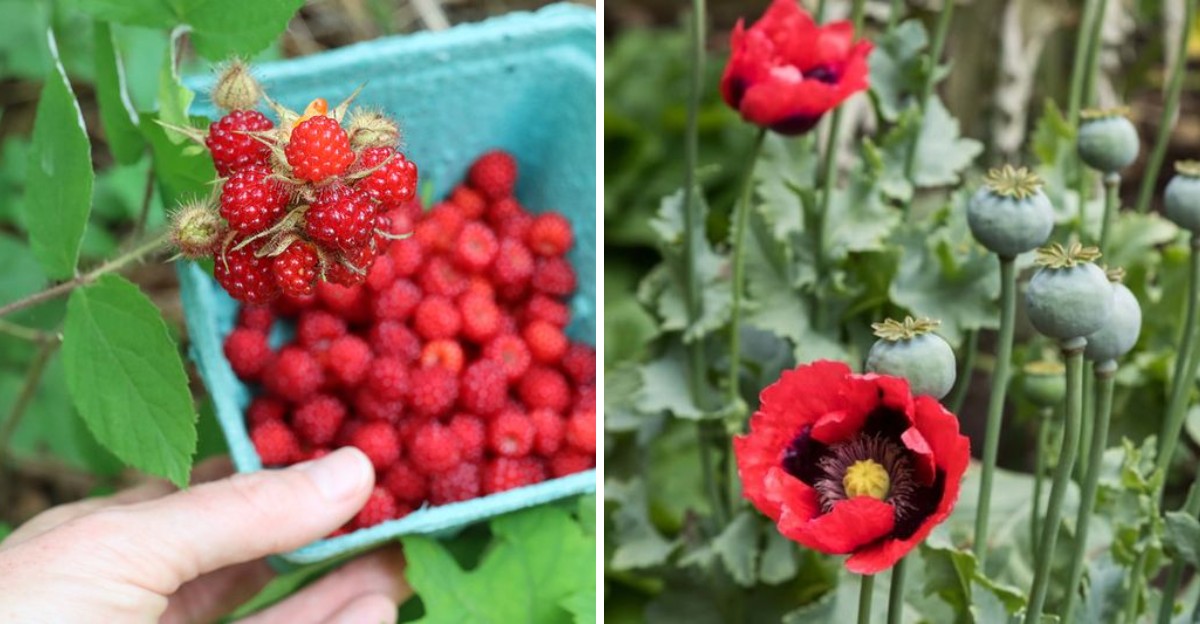
Some backyard plants are total charmers. They look innocent, smell sweet, and taste even better, which makes it a little awkward when you find out a few of them come with paperwork.
Okay, not literal paperwork, but definitely rules. New York gardeners love experimenting, and nobody blames them.
Fuzzy berries, tangy wild greens, mystery vines from a friend’s yard? Yes, please.
Still, a handful of tasty plants sit on lists most people have not heard of.
Some made the list because they spread through forests and rivers like they pay rent there. Others face limits because of what they contain, not how they grow.
Good news: the rules are easy to learn, and the swaps are even easier. Grab your coffee, maybe a snack, and let’s dig in before anything goes in the ground.
1. Wineberries Are Banned As Invasive Plants In New York
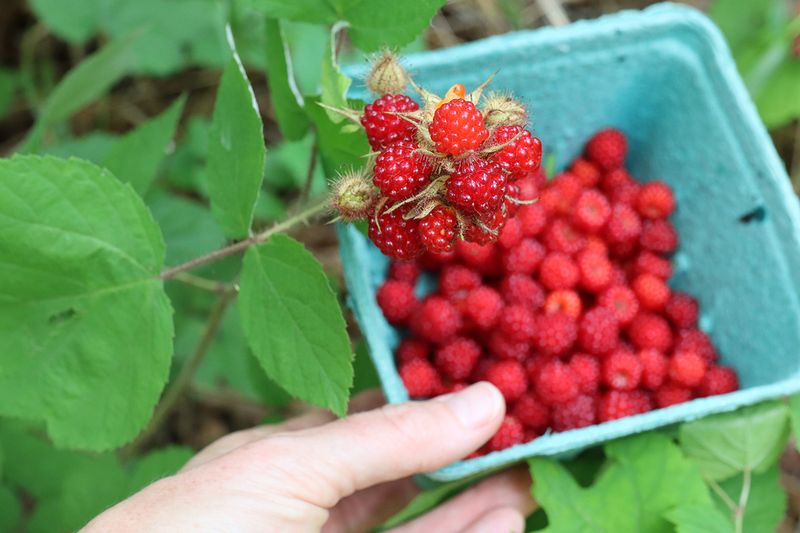
Sticky, sweet, and glowing like tiny rubies, wineberries are a summer treat many hikers adore. Sadly, the plant behind them is on the state’s list of prohibited invasive species.
Wineberry came from East Asia and arrived in the U.S. in the 1890s as breeding stock, when breeders hoped to cross it with raspberries. Instead, it escaped into the wild and now crowds out native shrubs and wildflowers.
The canes root wherever their tips touch the soil, so one plant quickly turns into a thicket.
Under state rules, people may not sell, buy, import, transport, introduce, or propagate prohibited plants. That means planting a new patch of wineberries on purpose is against the rules.
The rules focus on selling, moving, and spreading these plants. If canes were already growing in your yard, removing them is still a smart move, and DEC can answer questions if you are unsure.
Picking wild berries is a separate question, and the answer depends on where you are. Foraging is not allowed in state parks, New York City parks rules bar removing plants, and private land requires the owner’s permission.
Many gardeners pull young canes by hand after a rain, when the roots slide out easily. Wear long sleeves, since the reddish hairs are prickly.
Want that same sweet-tart flavor without the legal worry? Try native black raspberries or a reliable red raspberry like Heritage.
Both produce big harvests and behave much better in a home garden.
The sticky, hairy husk around each developing wineberry looks like a built-in shield. Researchers found it does not digest insects the way carnivorous plants do, but it does seem to play a defensive role.
2. Japanese Knotweed Shoots Are Off-Limits In New York Gardens
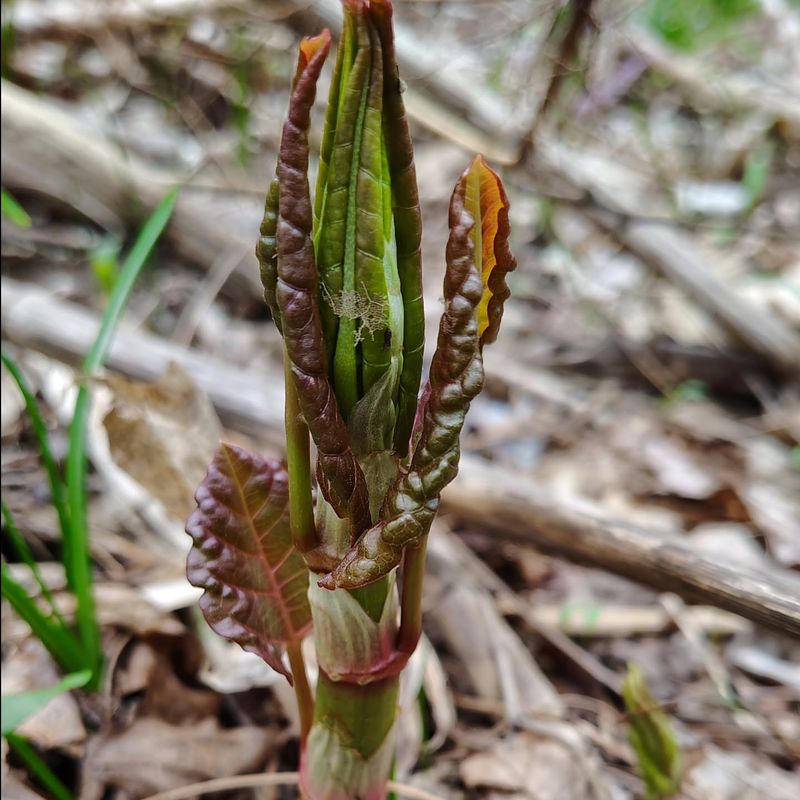
Foragers sometimes call it a free rhubarb substitute. Young Japanese knotweed shoots are tangy, crisp, and great in pies or jams.
Behind that tasty spring snack hides one of the toughest weeds around. Its rhizomes can spread several feet underground and push up through cracks in pavement and brickwork.
Homeowners in the UK have had trouble getting mortgages for homes with knotweed on the property.
Your New York Garden Changes Every Week. Your Plan Should Too.
Gardening in New York changes quickly throughout the season. Every Friday you’ll receive a simple weekly plan showing exactly what to plant, prune, fertilize, harvest, and protect so you never miss the right timing.
The state lists Japanese knotweed as a prohibited invasive plant. So you cannot plant it, sell it, or move it to a new spot, even if your plan is only to harvest the shoots.
A tiny piece can start a whole new colony. In one study, a rhizome fragment weighing only about half a gram grew into a new plant.
Here is a practical tip if knotweed already grows nearby. Do not toss cut stems into the compost pile, since pieces can resprout.
Bag them up and follow your town’s yard waste rules.
Craving that sour crunch in spring? Plant real rhubarb instead.
It is easy to grow, returns every year, and stays neatly in its own corner.
Interesting history bit: Victorian gardeners once praised knotweed as a lovely ornamental plant. It even won a gold medal from a Dutch horticultural society in 1847.
Times have certainly changed.
3. Water Chestnut Is A Big No In New York Ponds
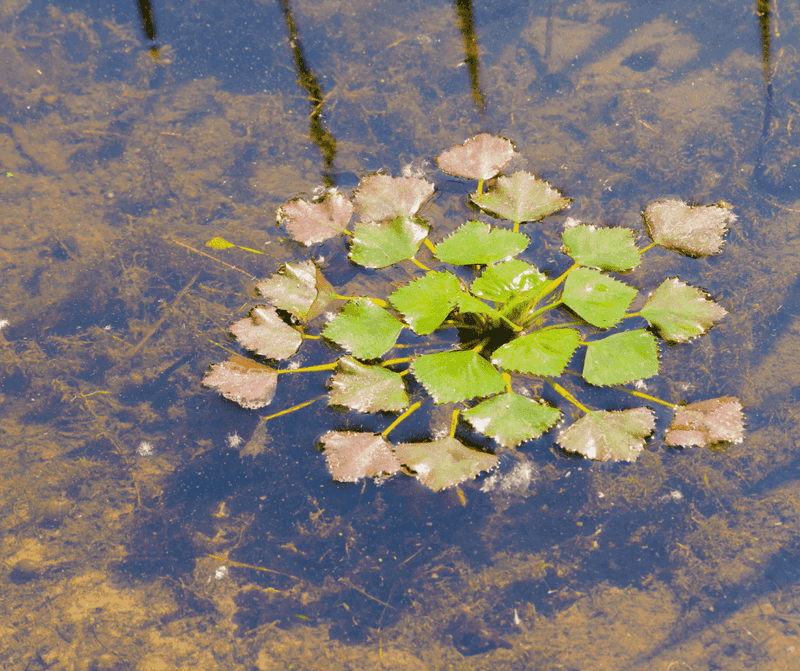
Ever bought canned water chestnuts for a stir-fry? Those come from a totally different plant, and they are perfectly fine to eat.
The one causing trouble is the European water chestnut, also called water caltrop. In parts of Asia and Europe, people roast and eat its starchy nuts.
Here, though, it carpets lakes and rivers with thick mats of floating leaves.
Those mats block sunlight, lower oxygen in the water, and make boating and swimming miserable. The Hudson River and Lake Champlain have spent years battling it.
Because of the damage, state law prohibits planting or spreading it anywhere in New York.
Backyard pond owners should double-check any water plant they order online. Ask for the scientific name, Trapa natans, and skip anything that matches.
Since the plant spreads so easily, a quick label check is worth the extra minute.
The nuts also have sharp spines, strong enough to poke through water shoes. Volunteers who pull the plants by hand often wear thick boots for that reason.
If you love the idea of a water garden with food in it, consider native arrowhead, sometimes called duck potato. Its roots were a staple for Indigenous peoples, and it supports local wildlife.
Water lilies and pickerelweed add beauty without any legal headaches.
4. Kudzu Leaves And Flowers Are Restricted In New York
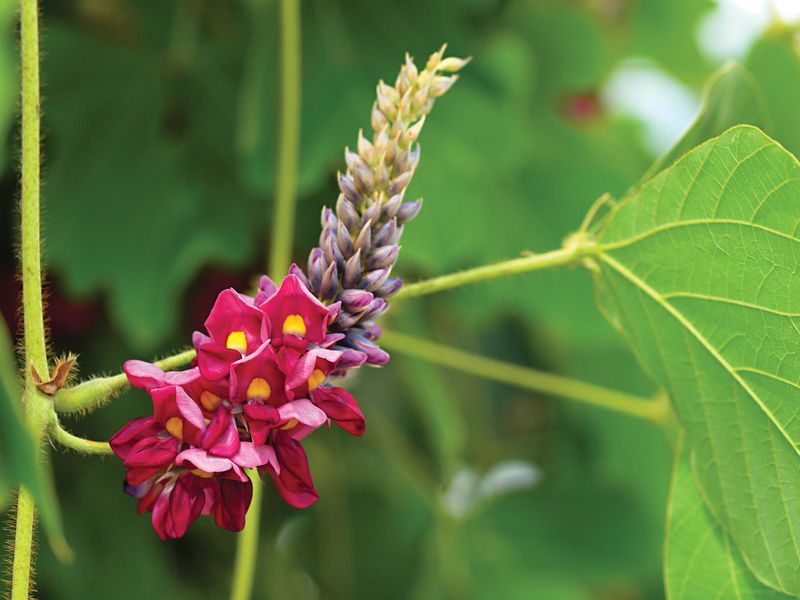
Southerners joke that you should close your windows at night so kudzu does not creep inside. That vine can grow up to a foot a day in hot weather!
Many people are surprised to learn kudzu is edible. The young leaves can be cooked like spinach, the purple flowers make a grape-scented jelly, and the roots produce a starch used in Asian cooking.
Some folks even fry the leaves into crispy chips.
All that usefulness does not make it welcome. Kudzu is on the state’s prohibited plant list because it smothers trees, fences, and anything else in its path.
State officials have found it on Long Island, in New York City, and in the Hudson Valley, and crews have been working to remove it before it spreads further.
So ordering kudzu seeds or roots for a backyard food project is against state rules. Bringing in cuttings from another state is not allowed either.
Love the idea of a fast-growing, edible vine? Try pole beans, which climb quickly and give you tons of food.
Native grapes are also a great choice for covering an arbor. Skip hardy kiwi, which is sold as a fruit vine but is an emerging invasive in parts of New York.
Quick fun fact: in the 1930s, the federal government gave Southern landowners more than 85 million kudzu seedlings and offered farmers up to $8 per acre to plant them. People did not realize how wild it could get.
5. Garlic Mustard Cannot Be Planted In New York
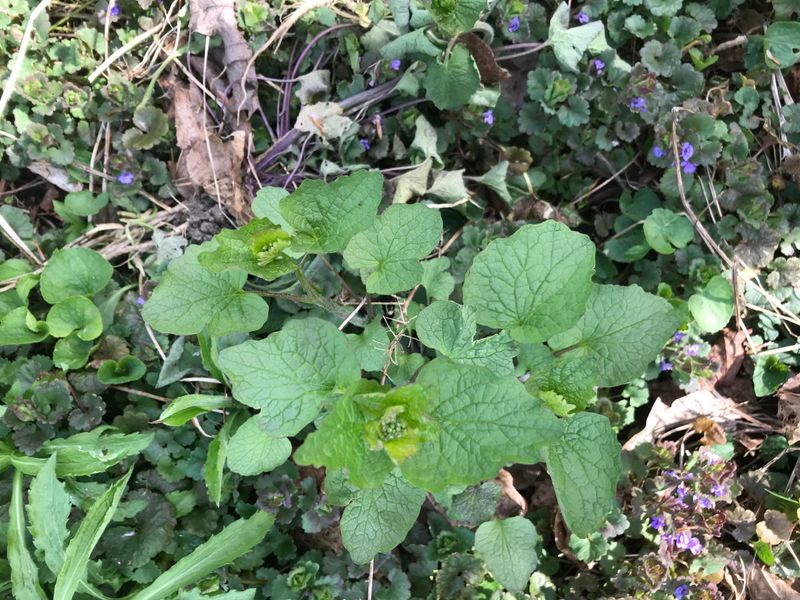
Crush a garlic mustard leaf between your fingers, and you will smell a sharp mix of garlic and mustard. Cooks love it in pesto, salads, and spring soups.
European settlers brought it over in the 1800s as a kitchen and medicine herb, and it was recorded on Long Island in 1868. Unfortunately, it now carpets shady woods across the Northeast.
Some research suggests it releases chemicals into the soil that can harm the fungi many native trees and wildflowers rely on, though scientists are still sorting out how big that effect is. Either way, it spreads fast and crowds out native plants.
Garlic mustard sits on the prohibited list, so planting it in your herb bed is not allowed. Many nature groups actually encourage people to pull it and eat it.
Foraging wild plants and then cooking them is a fun way to help the forest.
Timing matters if you want to pull it. Grab plants in spring before the seed pods form, because one plant can make hundreds of seeds.
Bag the flowering stems instead of leaving them on the ground.
Some parks host garlic mustard pull days, followed by pesto cook-offs. These events make a chore feel like a party, and kids especially enjoy them.
For your own garden, plant regular garlic chives or arugula. Garlic chives give a mild garlic flavor, and arugula brings a peppery bite.
Together, they cover nearly the same taste, minus the trouble.
6. Chinese Yam Is A Sneaky Invader In New York
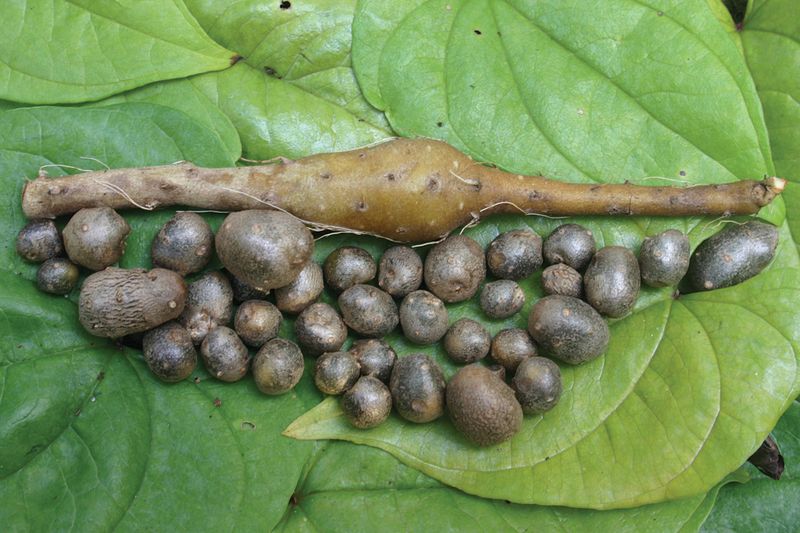
Nagaimo, a long, slimy-in-a-good-way root, is a favorite in Japanese and Chinese kitchens. Grated raw, it becomes a fluffy topping for rice and noodles.
The plant behind it is Chinese yam, sometimes sold as cinnamon vine because its flowers smell a bit like cinnamon. It looks harmless, with pretty heart-shaped leaves.
The real problem is the little potato-like bulbs that form along the vine.
Those bulbs drop to the ground and sprout into new plants, and animals or floods carry them far away. Over time, the vines climb over young trees and shade them out.
For that reason, Chinese yam is prohibited in the state.
Online plant shops sometimes still offer cinnamon vine as a cute climbing plant. Read the label closely and skip any that list Dioscorea polystachya or Dioscorea batatas.
If you are unsure, ask your local Cornell Cooperative Extension office for help.
You can still enjoy the root itself. Many Asian grocery stores sell fresh nagaimo, which tastes the same as homegrown.
If you want an unusual root crop for your garden, look at sunchokes or groundnuts. Groundnut, Apios americana, is a native vine with tasty tubers.
It was eaten by Indigenous peoples and early colonists for centuries.
7. Multiflora Rose Hips Are Banned From New York Yards
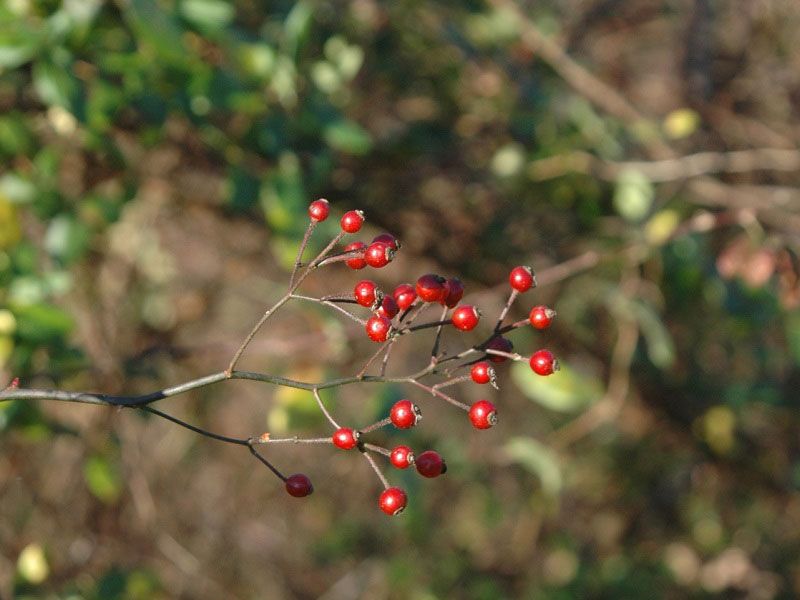
Rose hip tea is cozy, tart, and packed with vitamin C. Multiflora rose produces clusters of those little red hips every fall.
Back in the mid-1900s, farmers were urged to plant this rose as a living fence. It was supposed to keep cows in and soil in place.
Instead, it spread across pastures and woods, forming prickly walls nobody could walk through.
Birds eat the hips and drop the seeds everywhere, which is how it jumps from yard to yard. Today it is one of the state’s prohibited invasive plants.
Planting a new one, even just for tea, is not allowed.
You can tell multiflora rose apart by its bunches of small white flowers in June and the fringed edges where the leaf meets the stem. Other wild roses usually have bigger pink blooms.
A quick check with a plant ID app helps a lot.
Already have one? Cutting it back and digging out the crown works well for small shrubs.
Gloves made of thick leather will save your hands from the curved thorns.
Native roses like Virginia rose or Carolina rose make lovely, legal swaps. Their hips work just as well for tea and jelly, and pollinators adore the blooms.
You get beauty, food, and a happy local ecosystem.
8. Opium Poppies Raise Legal Red Flags In New York
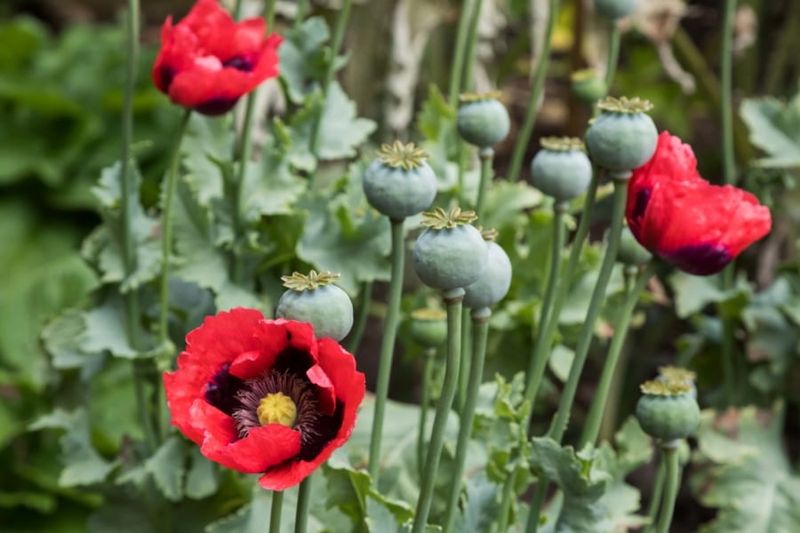
That lemon poppy seed muffin at your favorite bakery has a surprising backstory. The tiny seeds come from Papaver somniferum, the same plant used to make opium.
Buying poppy seeds at the store is legal, and so is baking with them. Growing the plant is where things get murky.
Under federal law, the opium poppy is listed as a controlled plant, though poppy seeds are specifically excluded.
Many gardeners grow breadseed poppies for their ruffled flowers, and the seeds are widely sold. Still, breadseed poppy is the same species as the opium poppy, and the law has no clear exception for pretty garden plants.
Harvesting sap or drying pods for anything other than seeds is where the legal trouble gets serious.
So what is a careful gardener to do? Plenty of other poppies are worry-free and stunning.
California poppies, Shirley poppies, and Iceland poppies bring bright color without the legal gray area.
If baking is your main goal, simply buy poppy seeds in bulk. They are cheap, fresh, and much easier than harvesting your own from dozens of pods.
Fun history fact: poppy seeds have been used in cooking for thousands of years. Ancient Greeks and Romans baked them into bread and sweets, just like bakers do today with bagels and rolls.
9. Cannabis Has Strict Home Grow Limits In New York
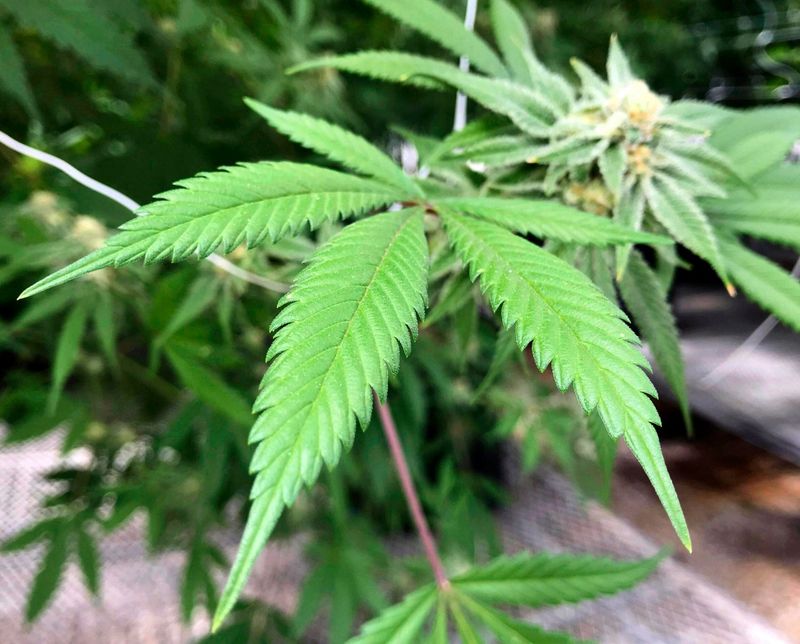
Since the state adopted its home grow rules in June 2024, adults 21 and older can legally grow cannabis at home in New York. That news thrilled gardeners who use it in homemade edibles, oils, and teas.
The rules are tighter than many people think, though. Each adult may grow up to six plants, but only three can be mature, flowering plants at once.
A household can have no more than twelve plants total, no matter how many adults live there.
Going over those numbers turns a legal hobby into an illegal one. Homegrown cannabis cannot be sold to anyone, and trading it is not allowed either.
Gifting up to three ounces to another adult 21 or older, without payment, is allowed.
Location matters too. Plants must be grown in or on the grounds of your own private residence, kept out of plain public view, and kept secure so no one under 21 can get to them.
A tall fence, a privacy screen, or a locked greenhouse can help keep curious neighbors and kids away.
Making products at home has rules as well. Flammable materials are prohibited for home extraction because they are not safe.
Renters should read their lease carefully. Under current state guidance, landlords generally cannot refuse to lease to or penalize a tenant solely for authorized home growing, with limited exceptions such as risking the loss of federal benefits.
Still, check the Office of Cannabis Management’s latest guidance before you plant anything.
A practical tip for success is to start with autoflowering seeds. They finish faster, which suits New York’s short outdoor growing season.
Keeping a simple log of each plant is not required, but it can help you stay under the plant limits.